If you’ve been watching crypto markets for more than a few months, you’ve noticed something strange: Bitcoin goes sideways or dips, and suddenly Dogecoin is up 30% in a week. This isn’t random. There are concrete reasons why meme coins like Dogecoin rally when Bitcoin stalls — and understanding these mechanics will make you a better trader, whether you ever touch a single Doge or not.
The conventional wisdom says Bitcoin is the “safe” crypto play and altcoins are risky speculation. That’s true in a broad sense, but it completely misses what’s actually happening during these rotation cycles.
What Actually Happens During Market Rotation
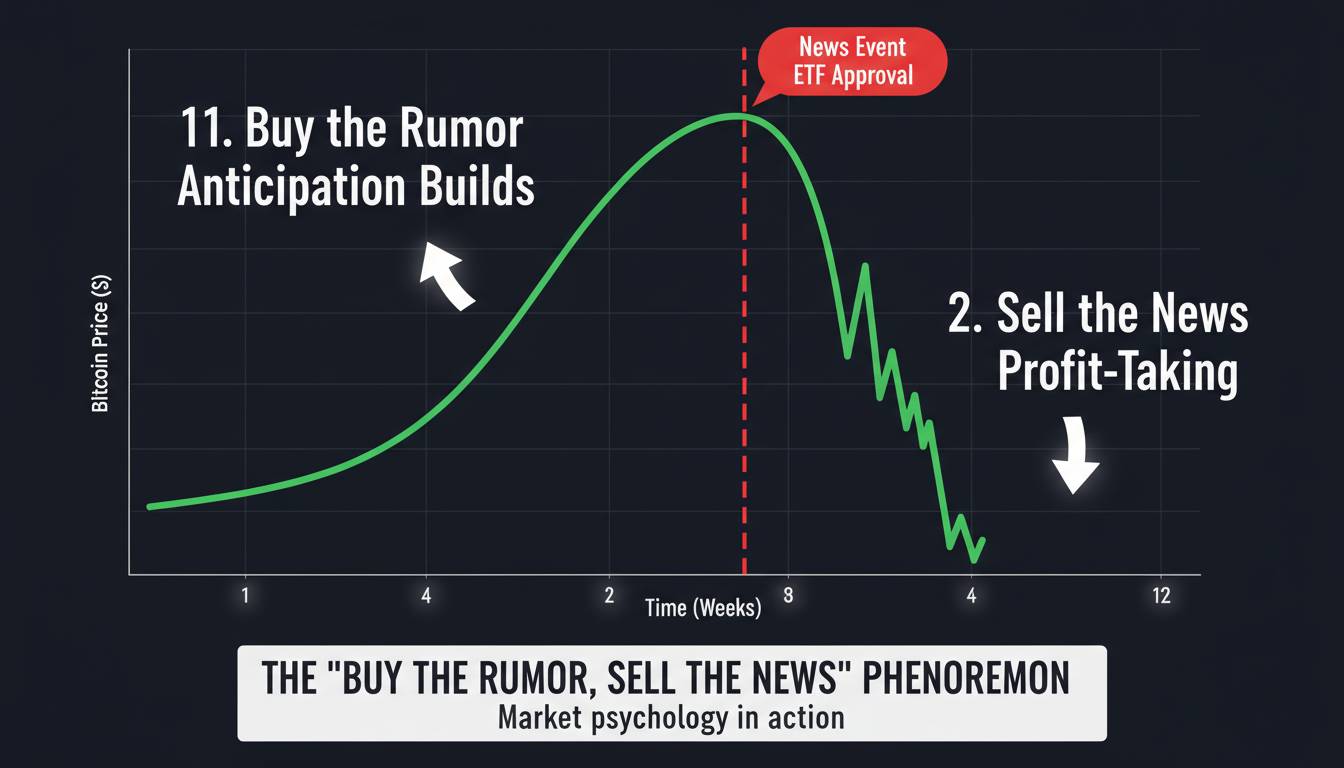
Market rotation in crypto means capital flowing from one segment of the market to another. When Bitcoin stalls — whether from exhaustion after a rally, regulatory FUD, or simple profit-taking — traders don’t just exit crypto entirely. A significant portion of that capital rotates into higher-risk, higher-reward assets: altcoins, specifically meme coins.
This is observable behavior that repeats across market cycles. When Bitcoin’s dominance peaks and then begins to decline, that’s often when altcoin season begins. CoinMarketCap’s Bitcoin Dominance chart tracks this relationship, and you’ll see consistent patterns: when dominance starts dropping, altcoins and meme coins start outperforming.
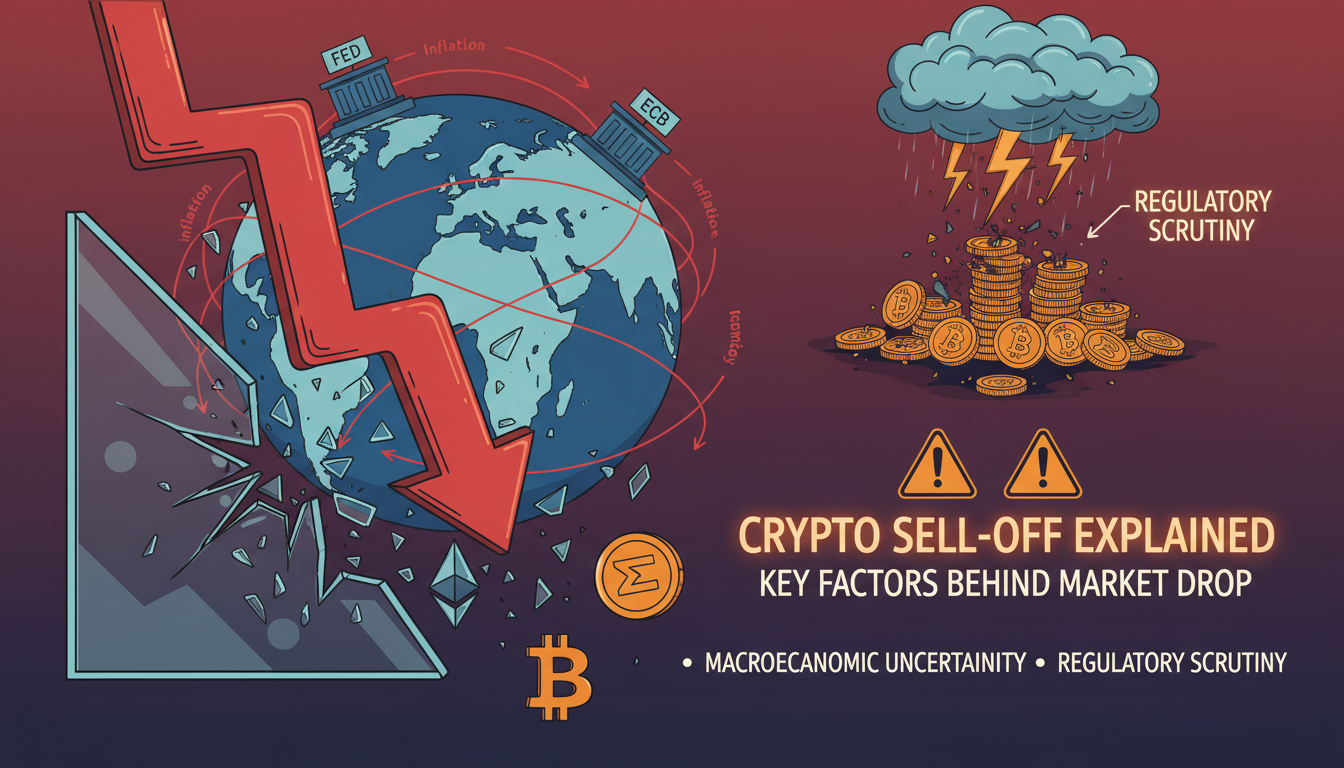
The key insight most articles miss is that this isn’t about rational fundamentals. Dogecoin has no unique utility that suddenly appeared when it rallied in 2021. What changed was sentiment and capital flow. When Bitcoin stops providing short-term gains, traders chase returns elsewhere. Meme coins — with their viral social media presence and low barriers to entry — are the natural landing spot.
Why Dogecoin Specifically?
Dogecoin isn’t the only altcoin, but it has characteristics that make it the default choice for this rotation dynamic.
First, Dogecoin has the highest brand recognition of any cryptocurrency outside Bitcoin and Ethereum. Everyone knows Doge. This matters because during rotation periods, money flows into assets people actually recognize. A trader with $5,000 looking to pivot from Bitcoin isn’t going to research obscure DeFi tokens — they’re going to look at what’s familiar. Dogecoin is familiar.
Second, Dogecoin’s community actively cultivates this narrative. The Dogecoin Foundation, while less formal than corporate crypto ventures, has consistently pushed the “people’s coin” messaging. This creates a self-fulfilling prophecy: when Bitcoin stalls, the Dogecoin community rallies on social media, attracting more traders who see the momentum.
Third, the uncomfortable truth: Dogecoin’s relatively low liquidity means its price moves more dramatically on the same volume of trading. When $100 million flows into Bitcoin, you might see a 0.5% move. The same flow into Dogecoin can easily produce 5-10%. This isn’t because Dogecoin is more valuable — it’s mathematics.
The Retail FOMO Amplifier
Most explanations of meme coin rallies focus on “retail investors” as if that’s a complete answer. It’s not. The more accurate framing: retail traders exhibit herd behavior that institutional investors either can’t or won’t participate in, and this creates outsized momentum.
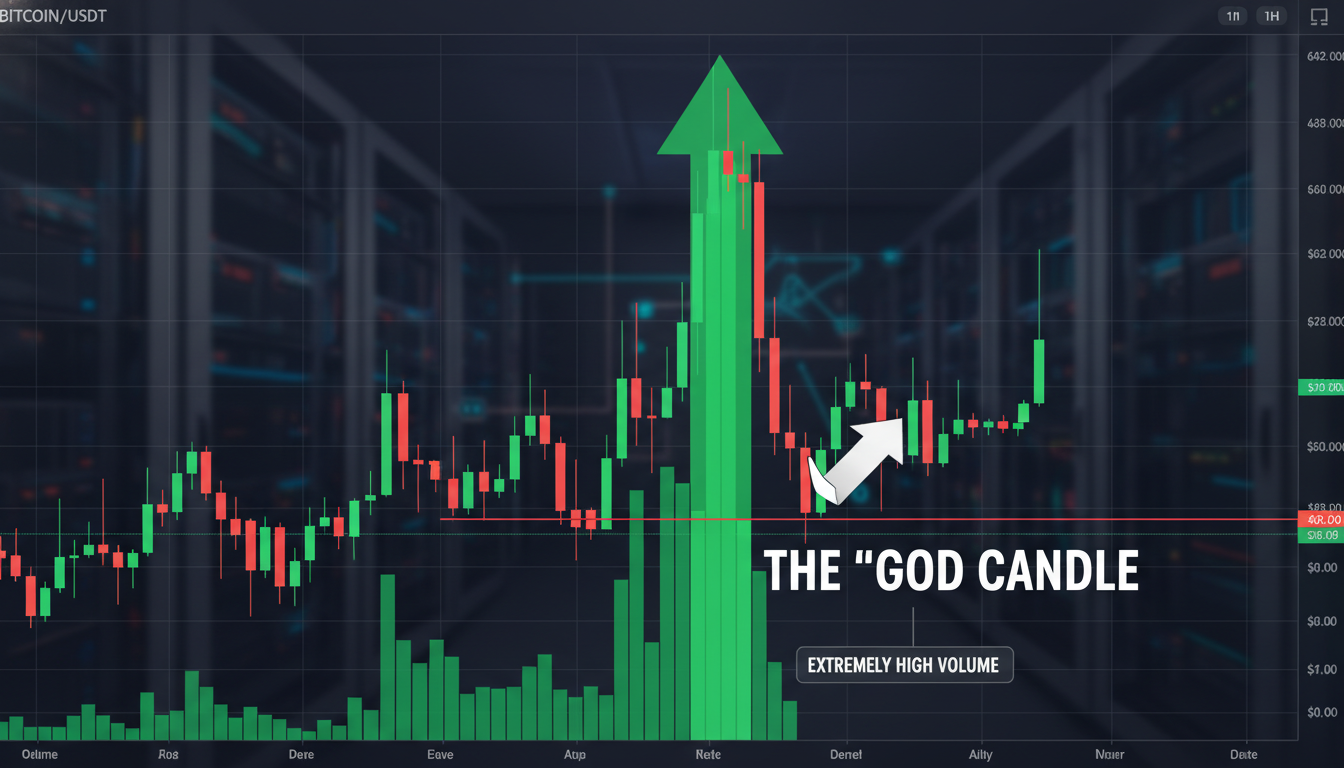
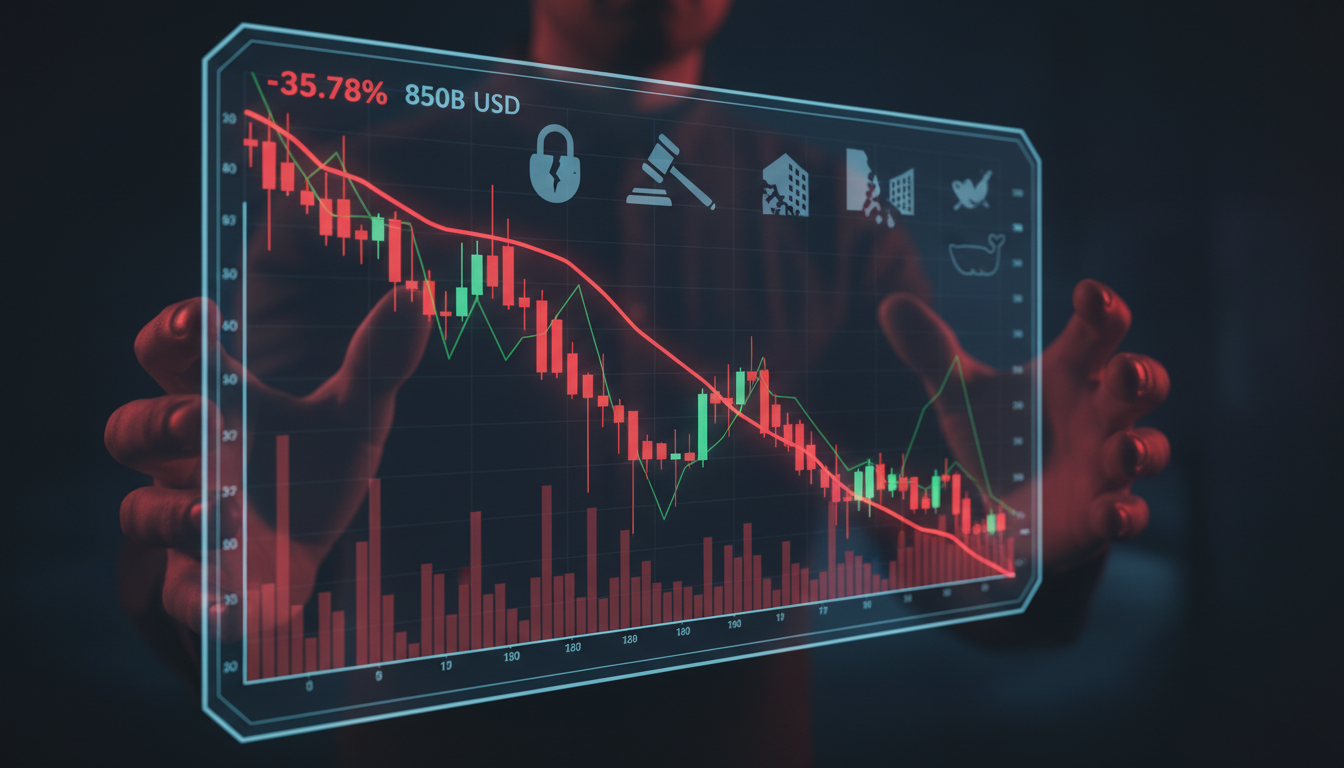
When Bitcoin stalls, retail traders don’t just rotate their holdings — they amplify the rotation through coordinated social media activity. The 2021 Dogecoin rally is the textbook example. In January 2021, Dogecoin traded around $0.007. By early May, it hit $0.73 — a 10,000% gain in four months. Bitcoin during the same period went from roughly $29,000 to $64,000, a respectable gain but nothing close to Dogecoin’s multiplier.
What drove that specific rally wasn’t fundamentals. Elon Musk’s Twitter activity certainly contributed, but the underlying mechanism was simpler: retail traders on Reddit’s WallStreetBets and crypto-focused forums saw Dogecoin as the next big short squeeze. The narrative wasn’t “Dogecoin has utility” — it was “we can push this higher than Bitcoin because it’s smaller and more viral.”
Here’s the counterintuitive reality: meme coin rallies are partially designed to outperform Bitcoin as a feature, not a bug. The community actively wants to beat Bitcoin’s returns. That stated goal attracts capital specifically during periods when Bitcoin is underperforming.
The limitation? This momentum can reverse just as quickly. When new money stops flowing in, the same dynamics that pushed prices up create selling pressure. Dogecoin’s subsequent drawdown — from $0.73 to around $0.15 by December 2021 — wasn’t just a correction. It was the same herd running in the other direction.
Liquidity Dynamics You Need to Understand
When Bitcoin is rallying, it acts as a liquidity magnet. New money entering crypto flows disproportionately into Bitcoin because it’s the perceived safe haven. Institutional investors, if they’re involved at all, start with Bitcoin. This creates a self-reinforcing cycle: Bitcoin goes up, more people buy Bitcoin, Bitcoin goes up more.
When Bitcoin stalls, that flow reverses not to fiat but to risk assets. Traders who made money on Bitcoin’s rally are looking for the next play. They’ve demonstrated appetite for crypto risk, so they don’t exit the market — they reallocate.
Here’s the part where most explanations fall short: the capital flowing out of Bitcoin during stalls is disproportionately retail capital. Institutional investors tend to maintain Bitcoin positions or rotate into other “established” cryptocurrencies like Ethereum. Retail capital, by contrast, goes looking for the next Bitcoin — a 10x opportunity rather than a 2x.
This is why you see Dogecoin and similar meme coins rally specifically during Bitcoin’s consolidation periods. The type of capital rotating out of Bitcoin is exactly the type that wants high-risk, high-reward exposure. Meme coins are the closest available equivalent to a lottery ticket in the crypto space.
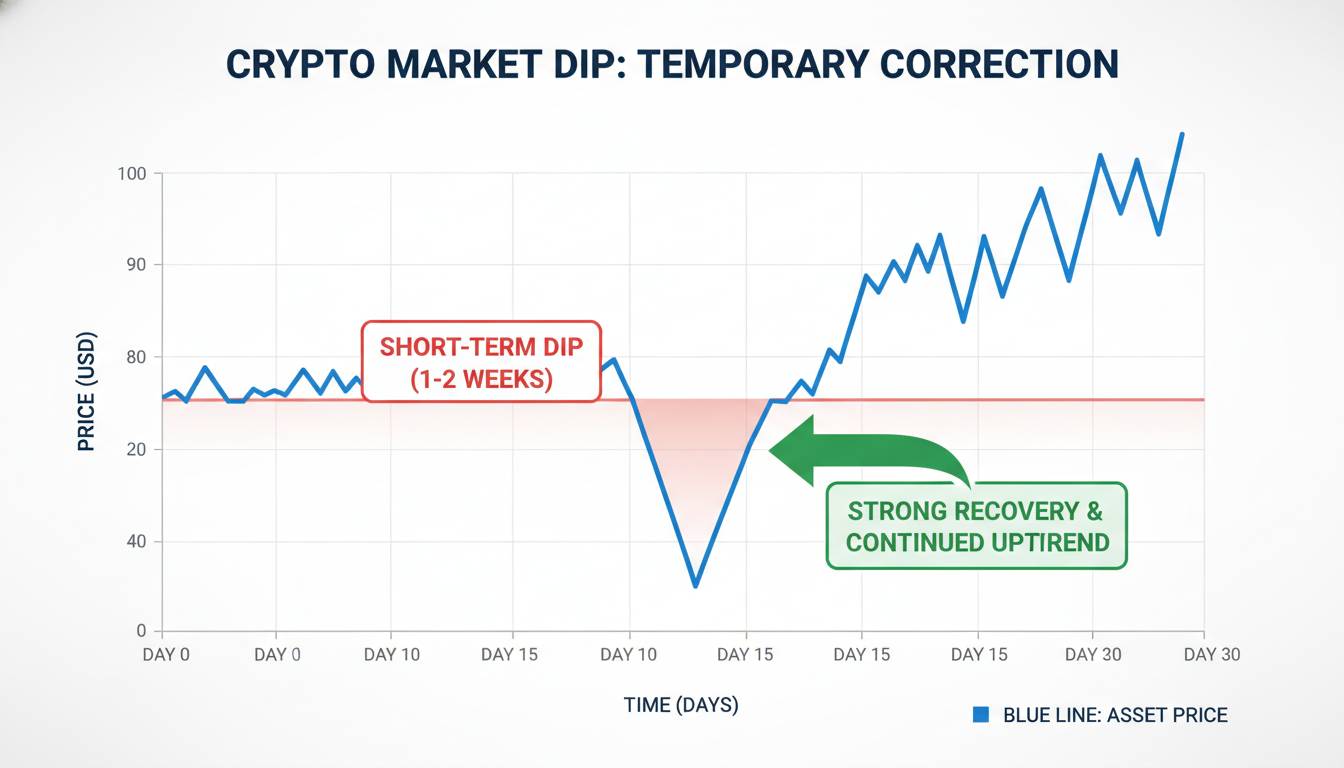
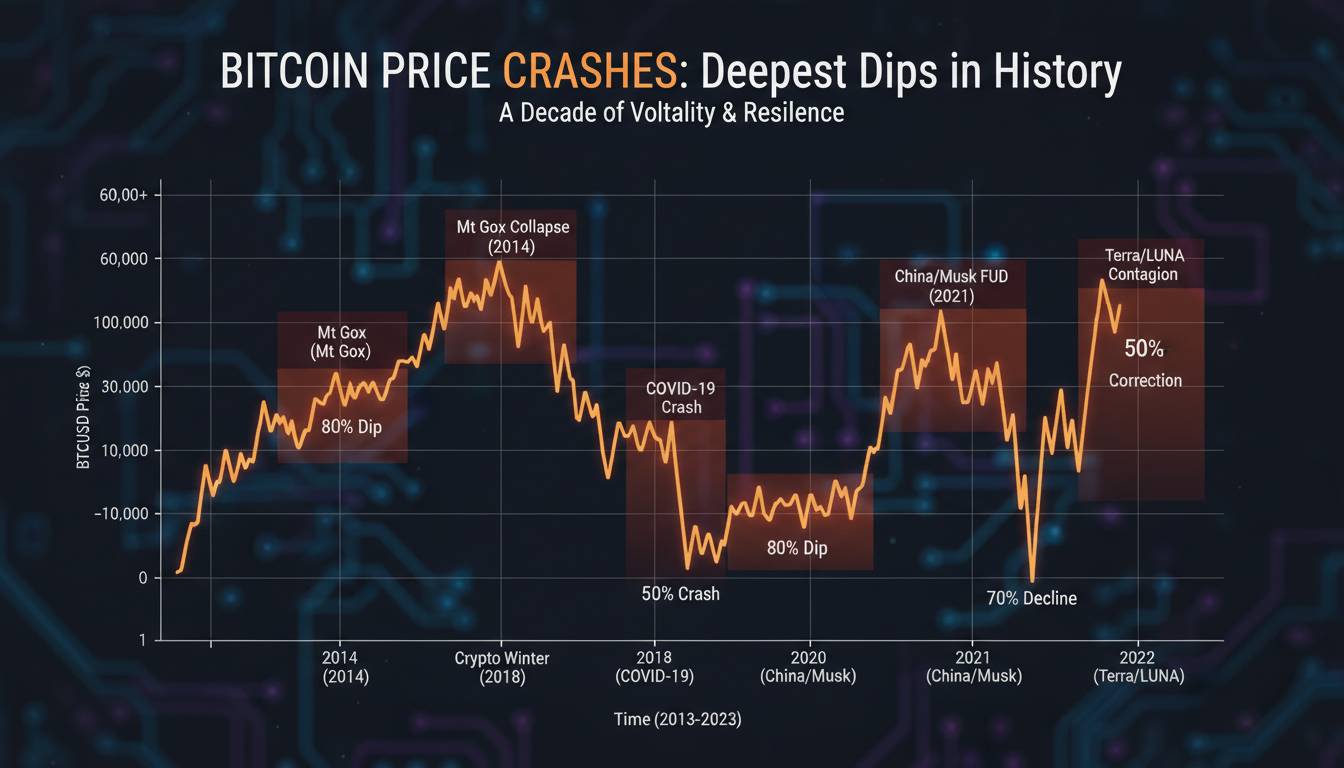
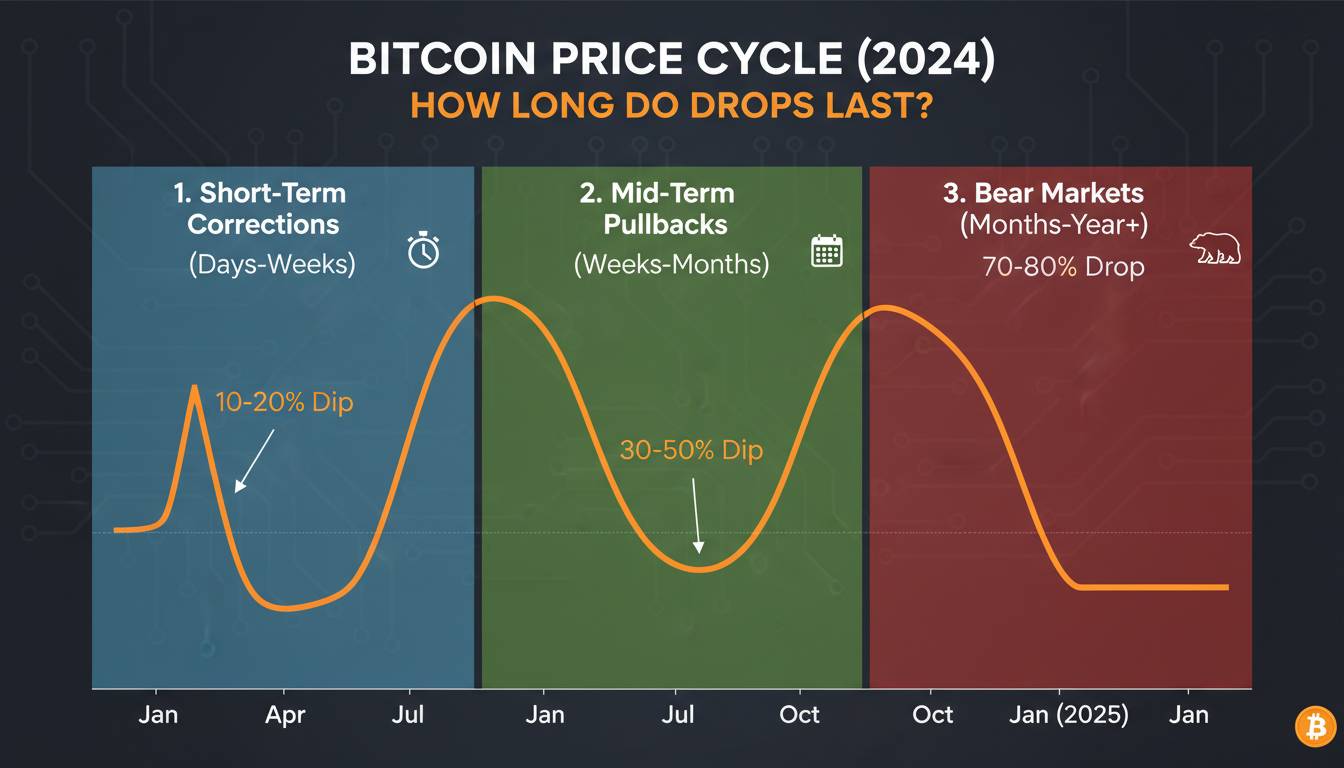
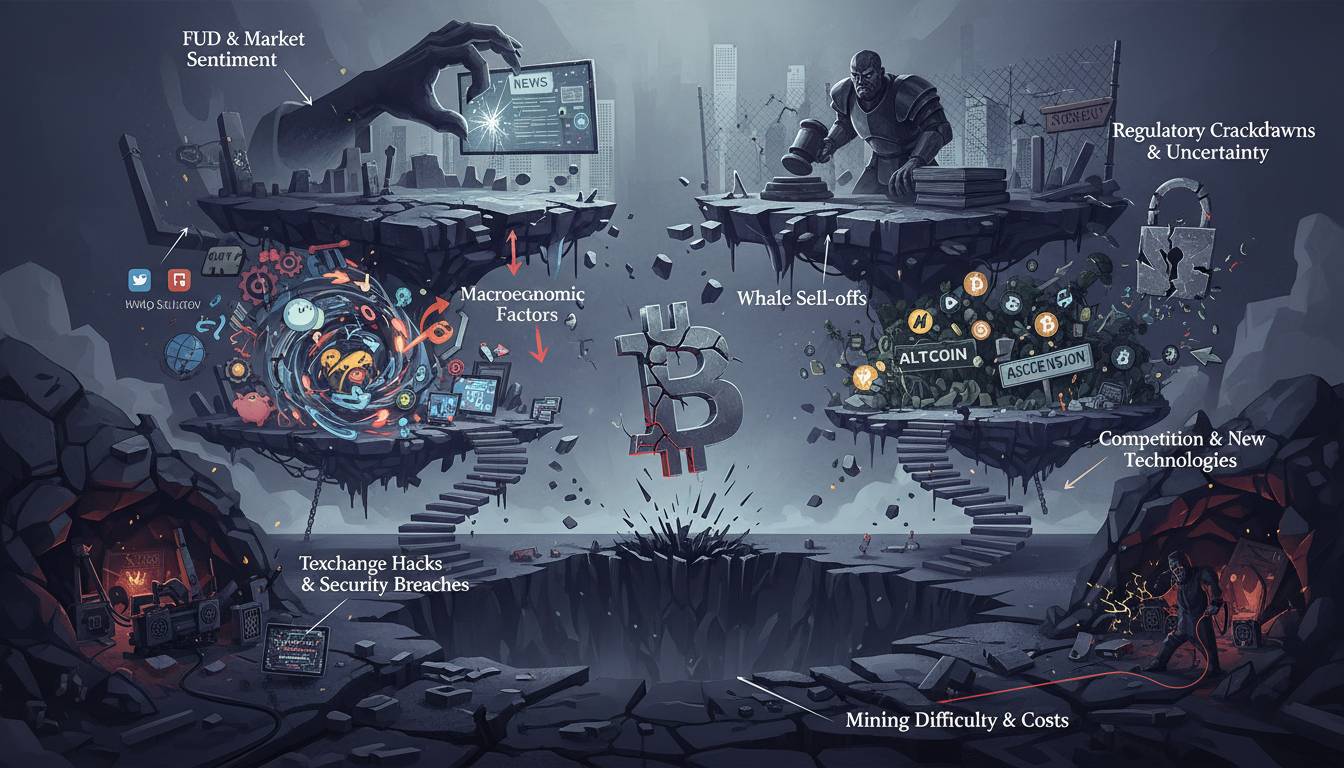
The caveat: this only works up to a point. If Bitcoin crashes hard — not stalls, crashes — that “risk-on” capital tends to exit entirely. The rotation from Bitcoin to altcoins assumes Bitcoin is merely stagnant, not in free fall.
Historical Pattern Analysis
April-May 2021: Bitcoin peaked around $65,000 in mid-April and began declining. Dogecoin, meanwhile, went from $0.10 in late April to $0.73 by May 8 — a 630% gain while Bitcoin dropped roughly 40% from its peak. This is the most dramatic recent example of the rotation dynamic.
November 2021: Bitcoin hit a new high near $69,000 in early November, then declined. Dogecoin showed relative strength in late November, briefly outperforming Bitcoin during the correction. The pattern was weaker than April-May but still observable.
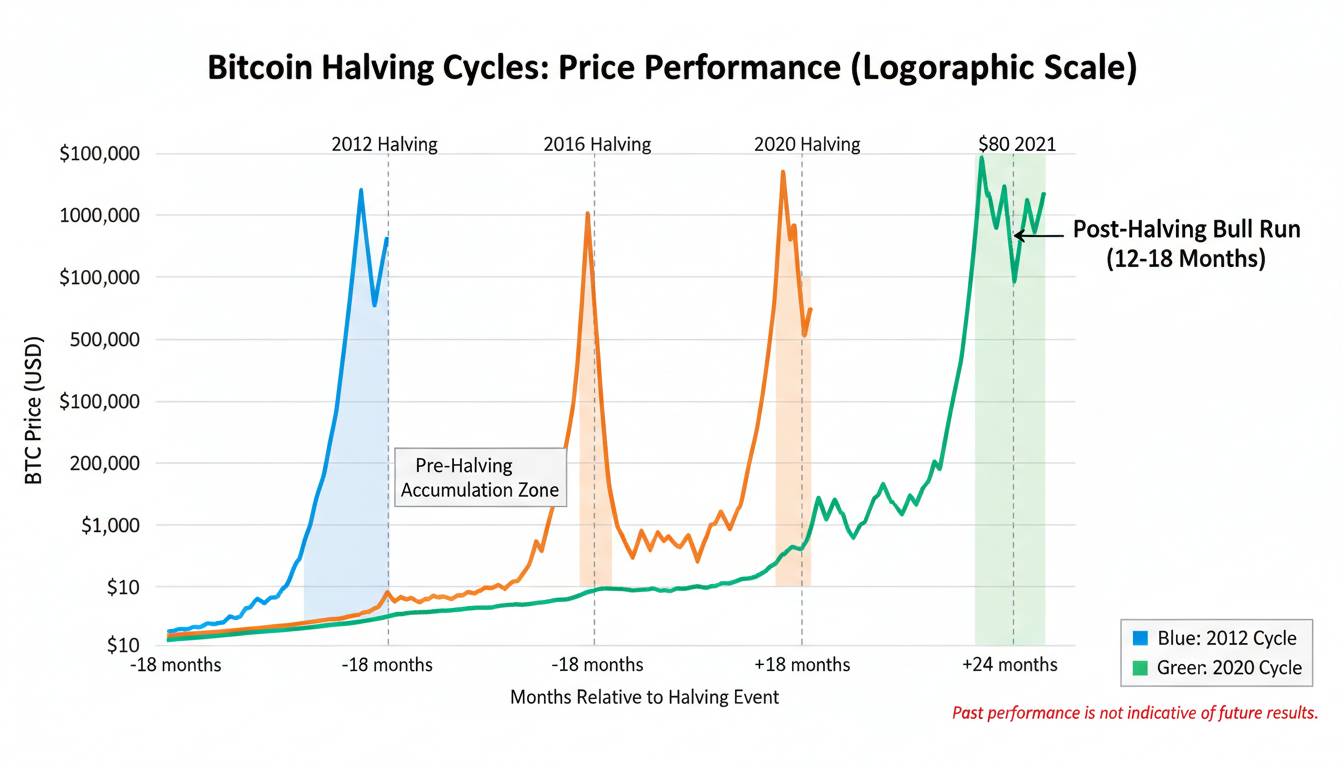
Late 2023: Bitcoin’s 2023 rally stalled around $44,000 in December. Dogecoin rallied from roughly $0.06 to $0.12 in early 2024, doubling while Bitcoin consolidated. This demonstrated the rotation dynamic still functioning even in a more mature market.
January 2025: Recent Bitcoin consolidation periods in early 2025 have shown similar patterns, though exact figures require current market data.
The consistent thread across these periods: when Bitcoin’s short-term momentum exhausted, Dogecoin showed relative strength. Not every Bitcoin stall produces a Dogecoin rally, but the correlation is strong enough to be a recognizable pattern.
The Limitations Nobody Talks About
This rotation pattern has gotten weaker over time. The 2021 Dogecoin rally was a perfect storm of pandemic-era stimulus money, unprecedented retail trading engagement, and viral social media coordination. That specific combination hasn’t repeated.
Since 2022, Bitcoin has increasingly dominated crypto market movements. When Bitcoin rallies, everything rallies. When Bitcoin dumps, everything dumps. The distinct “rotation” dynamic where altcoins or meme coins significantly outperform during Bitcoin consolidation has become less pronounced.
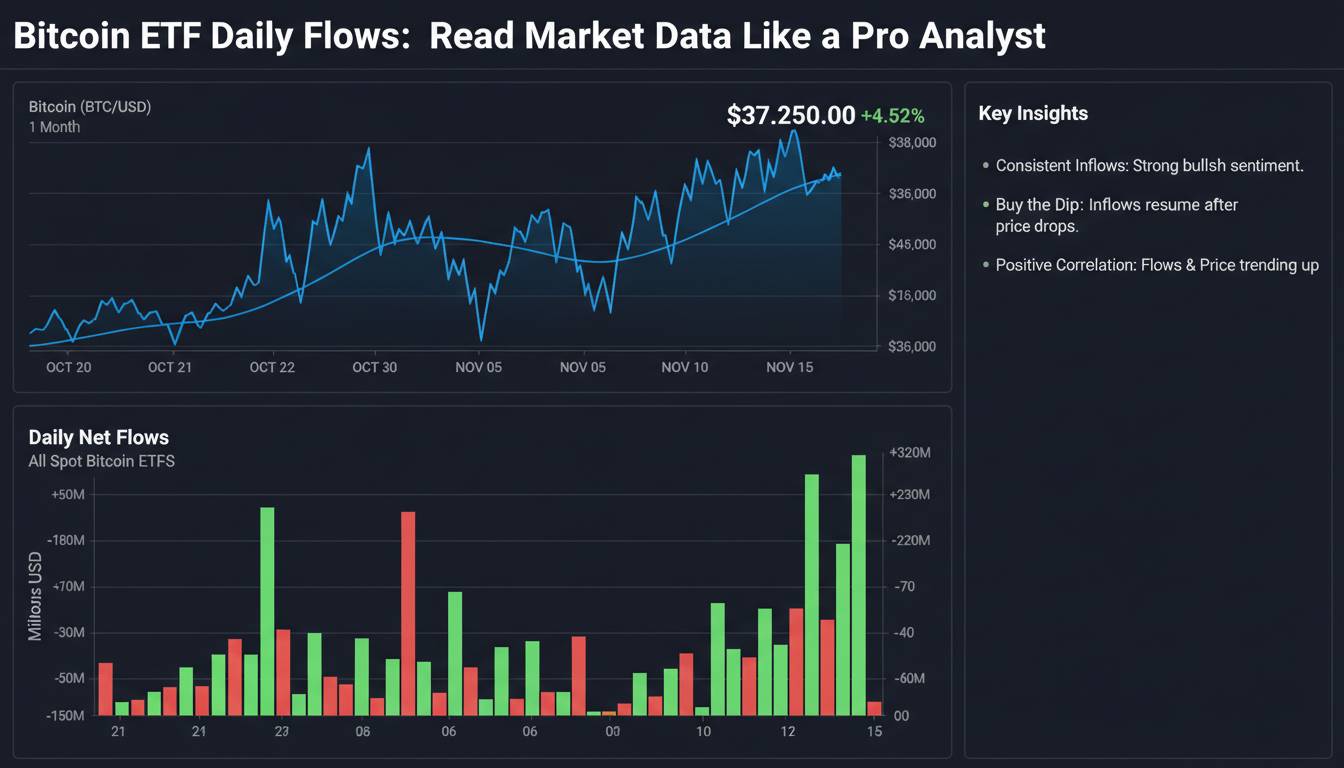
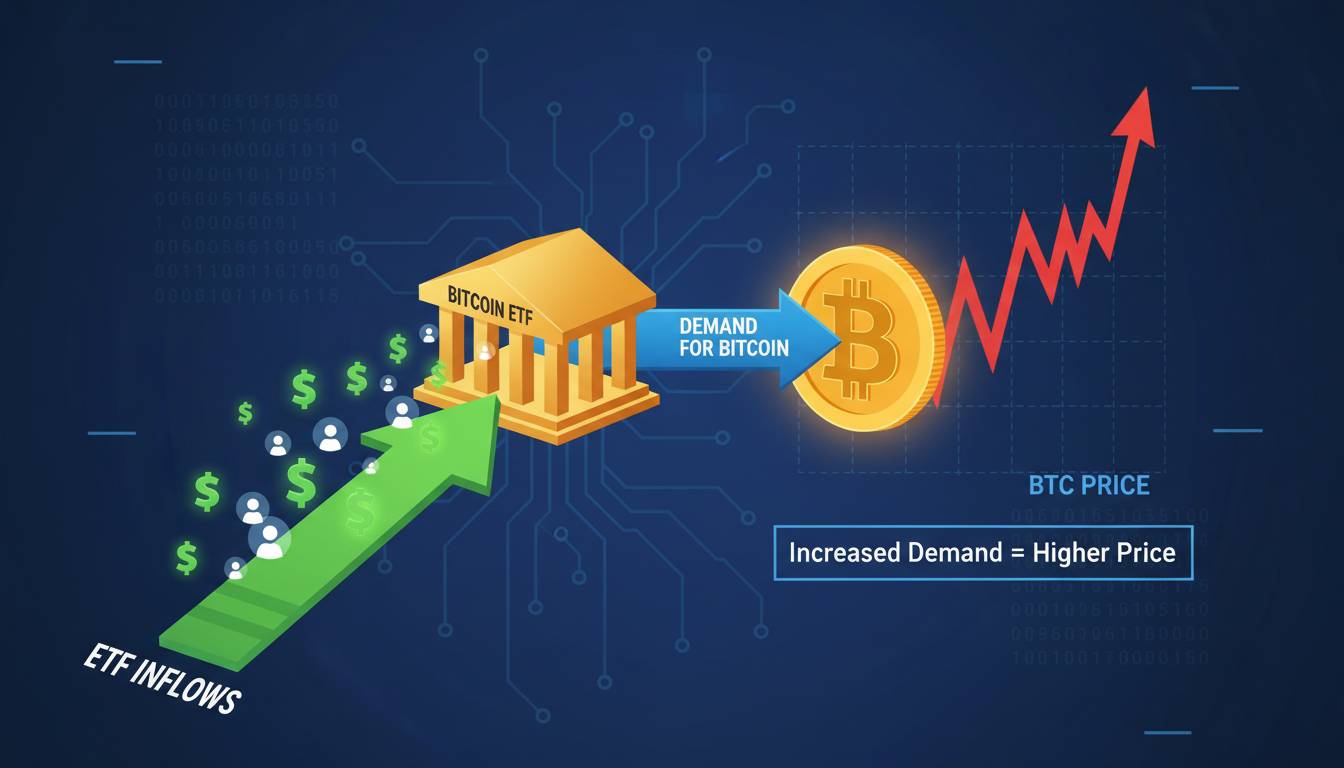
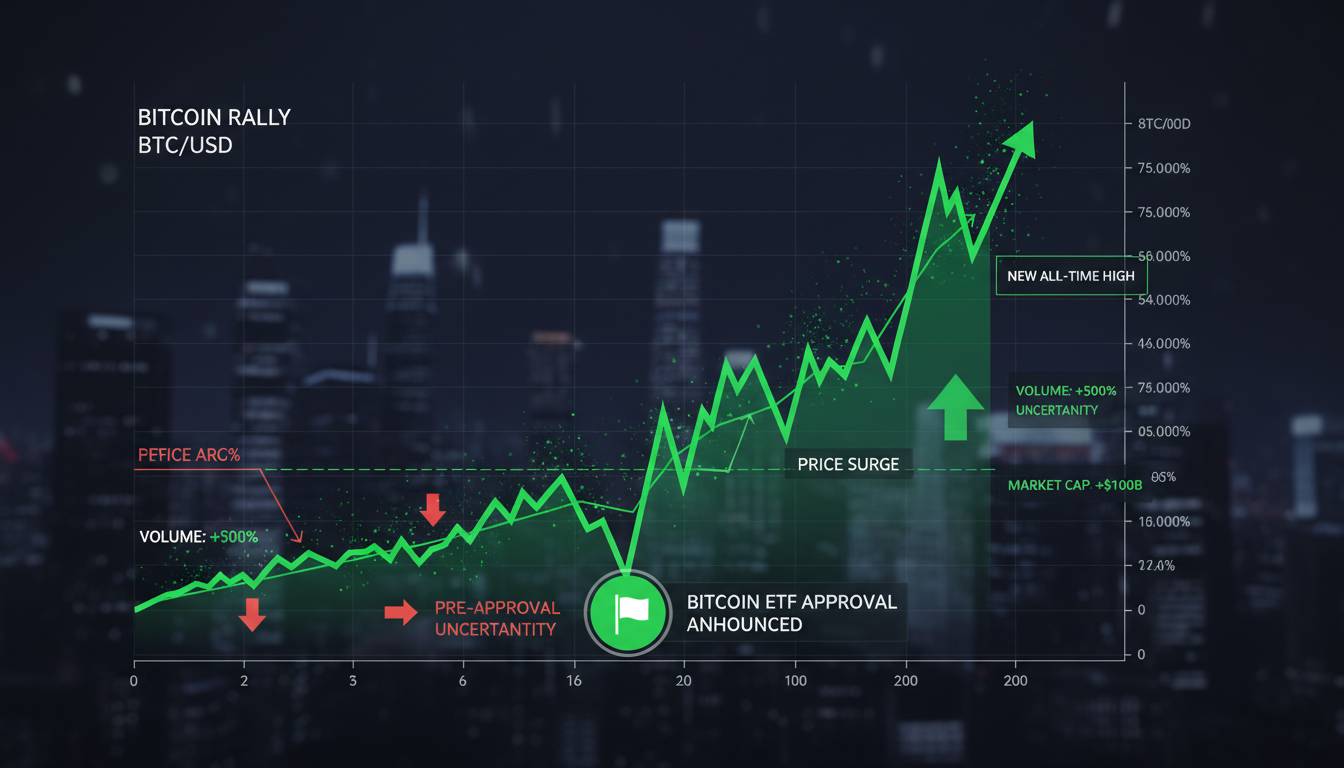
Additionally, the rise of spot Bitcoin ETFs in 2024 has changed capital flows. More institutional money means more capital that behaves like traditional financial markets — less prone to the retail herd dynamics that drive meme coin rallies.
Does this mean the rotation dynamic is dead? No. But it does mean the opportunity is less consistent than it was in 2020-2021. If you’re trading this pattern, you need to be more selective about which consolidation periods actually trigger rotation.
What Actually Drives These Rallies: A Synthesis
The core mechanism is capital reallocation from a stagnating asset (Bitcoin) to risk assets with high viral potential (meme coins). This reallocation is driven by retail traders looking for returns, amplified by social media coordination, and mathematically enhanced by lower liquidity in smaller-cap assets.
The factors that determine whether a specific consolidation triggers a Dogecoin rally include:
- Sentiment timing: How sudden was Bitcoin’s stall? Sudden stalls with high recent “FOMO” energy tend to produce more rotation.
- Social media virality: Is there an active narrative pushing Dogecoin? The 2021 rallies had consistent viral momentum; weaker rallies tend to lack staying power.
- Overall market health: Is crypto in a general uptrend, or are we in a bear market? Rotation works best in bull or recovery markets, not crash scenarios.
- Competing narratives: Are there other “next big thing” stories competing for attention? In 2021, Dogecoin had minimal competition for the meme coin narrative.
The Forward-Looking Reality
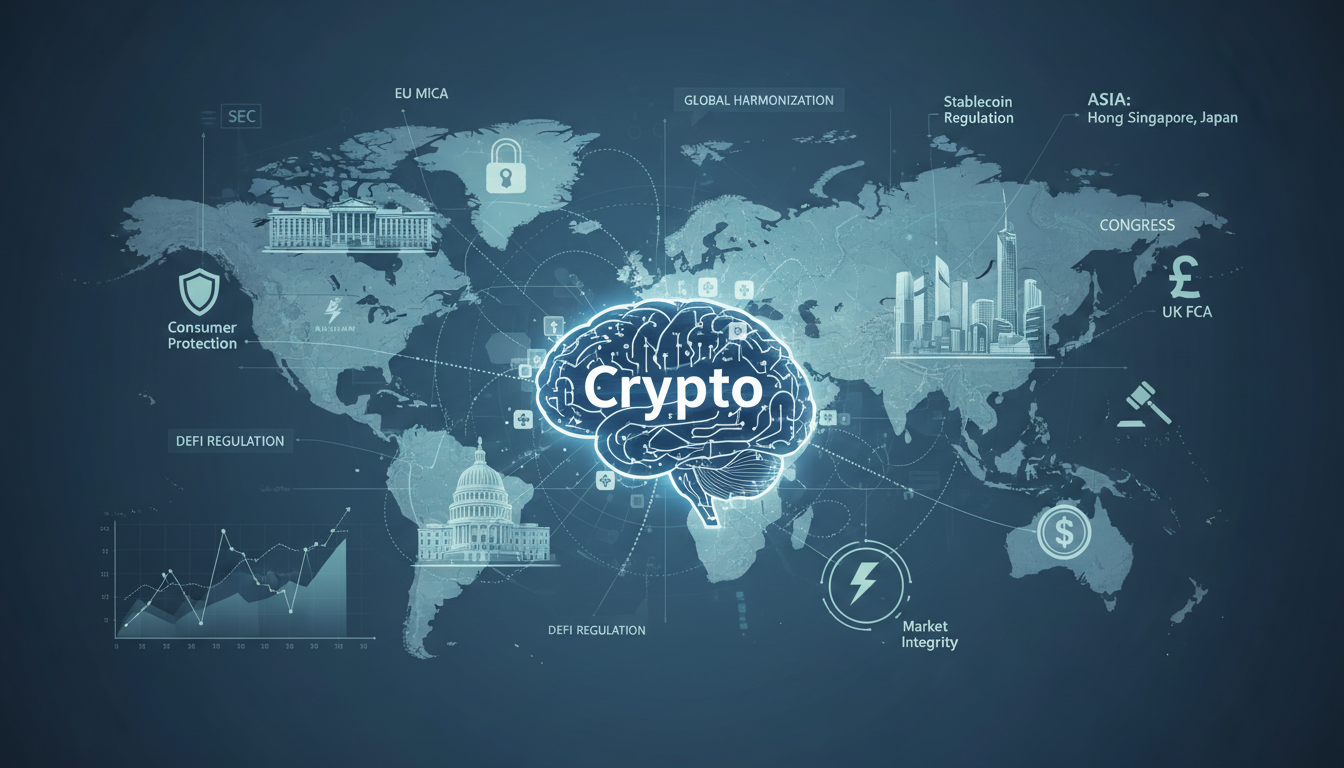
The pattern that drove 2021’s meme coin mania may be structurally harder to reproduce. Regulatory scrutiny has increased. Retail trading platforms have added more restrictions on volatile assets. The “meme stock” moment has passed culturally. And most importantly, the capital flows have shifted toward Bitcoin-focused products that don’t rotate into altcoins.
That said, I don’t think the rotation dynamic disappears entirely. Human nature hasn’t changed — traders will always chase returns, and there will always be viral moments that capture collective attention. Dogecoin, specifically, has genuine brand power that transcends any single market cycle.
My honest assessment: the next Dogecoin rally will happen. It might be triggered by another celebrity endorsement, a viral social media moment, or simply another period of Bitcoin consolidation. But the magnitude is likely smaller than 2021, and the timing is unpredictable.
If you’re trading this pattern, don’t mistake past performance for future guarantees. The mechanics are real, but the market has evolved. The traders who understand the nuance will outperform those who just remember the 10,000% gains and expect them to repeat.