The question of whether to hold Bitcoin or Ethereum in a long-term portfolio isn’t as straightforward as many financial influencers suggest. Both assets have earned their place in the crypto market, but they serve fundamentally different purposes and carry distinct risk-return profiles. After years of watching this space evolve, I’ve developed a clear framework for thinking about how each fits into a portfolio designed to hold for five, ten, or twenty years. The answer isn’t “both” or “pick one”—it’s about understanding why each exists and allocating accordingly.
Bitcoin and Ethereum at a Glance
Before diving into the investment thesis, let’s establish the basic parameters. Bitcoin launched in January 2009 with the famous block reward of 50 BTC per block, created by the mysterious Satoshi Nakamoto. As of early 2025, Bitcoin trades at approximately $95,000-$105,000 range, with a market cap exceeding $2 trillion. Ethereum went live in July 2015, proposed by Vitalik Buterin in a whitepaper that argued Bitcoin’s scripting limitations needed a more flexible solution. ETH currently trades in the $3,000-$3,500 range with a market cap around $400 billion.
| Metric | Bitcoin (BTC) | Ethereum (ETH) |
|---|---|---|
| Launch Date | January 2009 | July 2015 |
| Founder(s) | Satoshi Nakamoto (unknown identity) | Vitalik Buterin + founding team |
| **Current Price ** | ~$100,000 | ~$3,200 |
| Market Cap | ~$2 trillion | ~$400 billion |
| Max/Total Supply | 21 million (fixed) | No fixed cap (~120 million in circulation) |
| Block Reward (2024-2025) | 3.125 BTC | 2-3 ETH (varies with MEV) |
| Consensus Mechanism | Proof-of-Work (will shift to PoW post-Pectra upgrade discussions) | Proof-of-Stake |
| Block Time | ~10 minutes | ~12 seconds |
The supply dynamics alone tell you everything about their monetary philosophy. Bitcoin’s hard cap of 21 million coins makes it deflationary by design—once all coins are mined around 2140, the issuance stops entirely. Ethereum’s supply is elastic; while the 2021 EIP-1559 upgrade introduced base fee burning that can make ETH deflationary during high network activity, there’s no absolute cap. This isn’t a flaw or a feature—it’s a philosophical distinction between digital gold and digital oil.
Purpose and Use Cases: Store of Value vs. Programmable Money
The most critical distinction between these two assets is their fundamental purpose, and this is where most shallow comparisons fall apart. Bitcoin was designed as peer-to-peer electronic cash—a decentralized alternative to government-backed currencies. Over time, especially after the 2017 and 2020-2021 bull cycles, it has evolved primarily into a store of value asset, often called “digital gold.” Institutions that have allocated to Bitcoin, including public companies like MicroStrategy and sovereign nations like El Salvador and Bhutan, treat it as a reserve asset rather than a spending currency.
Ethereum, by contrast, functions as a programmable blockchain—a platform for building decentralized applications, executing smart contracts, and creating new financial instruments. ETH serves multiple roles: it secures the network as stake for validators, it pays for computation (“gas”), and it has increasingly become collateral for DeFi protocols. The Ethereum network hosts thousands of applications, from lending platforms like Aave to NFT marketplaces to decentralized exchanges like Uniswap.
This difference matters for portfolio construction. If you’re allocating to Bitcoin, you’re making a macro bet on decentralized monetary policy and a hedge against fiat currency debasement. If you’re allocating to Ethereum, you’re betting on the growth of blockchain utility—decentralized finance, tokenization of real-world assets, and programmable internet infrastructure. These aren’t mutually exclusive bets, but they are distinct ones.
Technology and Blockchain Architecture
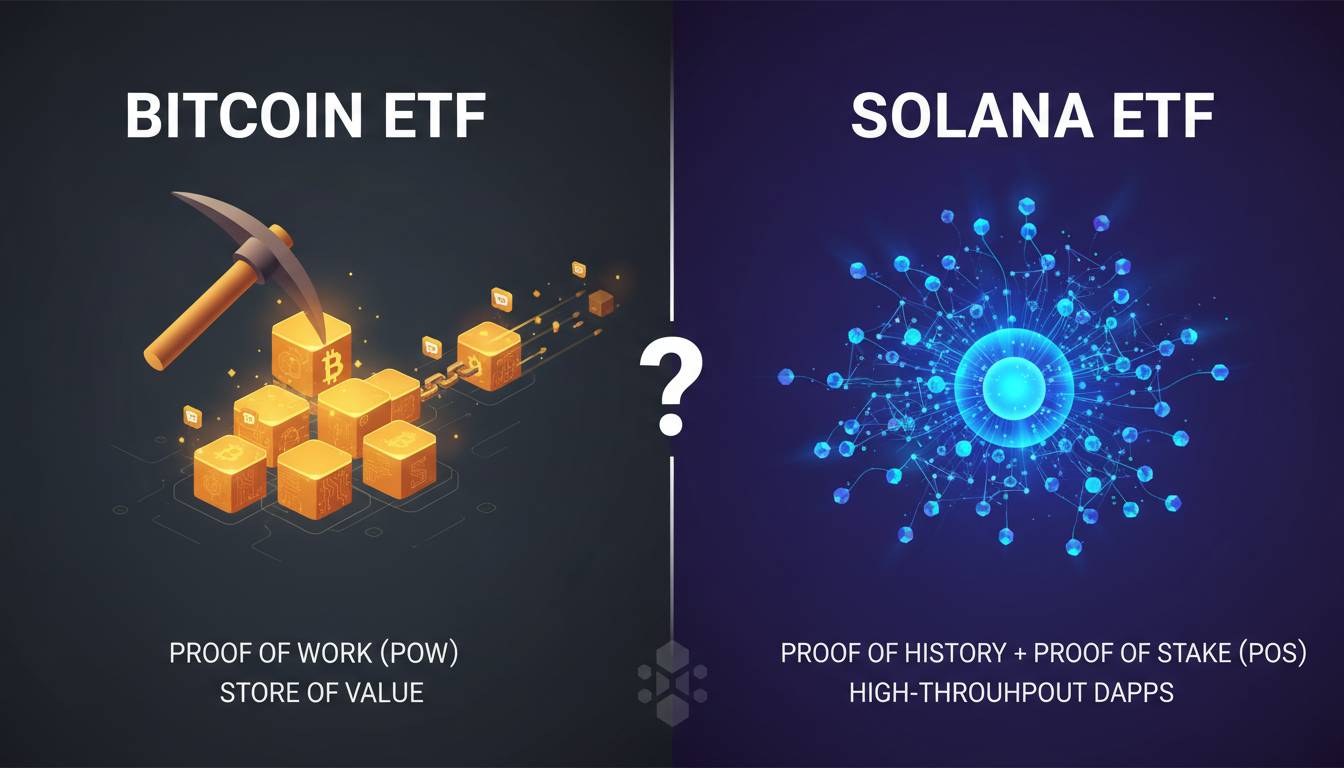
The technical architecture of each network reflects their different priorities. Bitcoin uses a UTXO (Unspent Transaction Output) model optimized for simple value transfer. Its scripting language is deliberately limited—intentionally so, because simplicity reduces attack surface and makes the system easier to audit and reason about. Bitcoin’s SHA-256 mining algorithm, while energy-intensive, has proven remarkably secure over fifteen years of operation.
Ethereum uses an account-based model similar to traditional bank accounts, where each address has a balance and can execute code. Its Turing-complete virtual machine (the EVM) allows for arbitrary computation, which enables the rich application ecosystem but also introduces more complex attack vectors. The transition to Proof-of-Stake in September 2022—the “Merge”—reduced Ethereum’s energy consumption by approximately 99.95%, addressing one of the most persistent criticisms of the network.
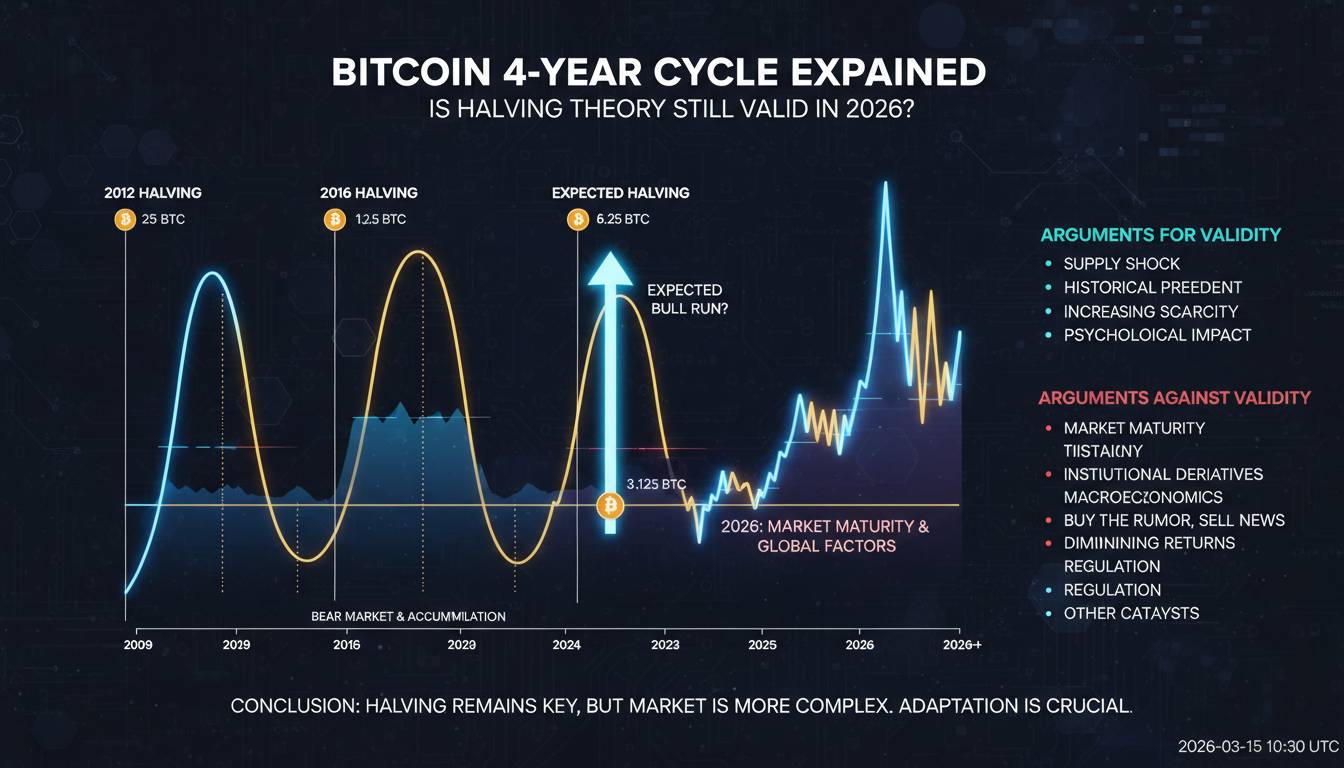
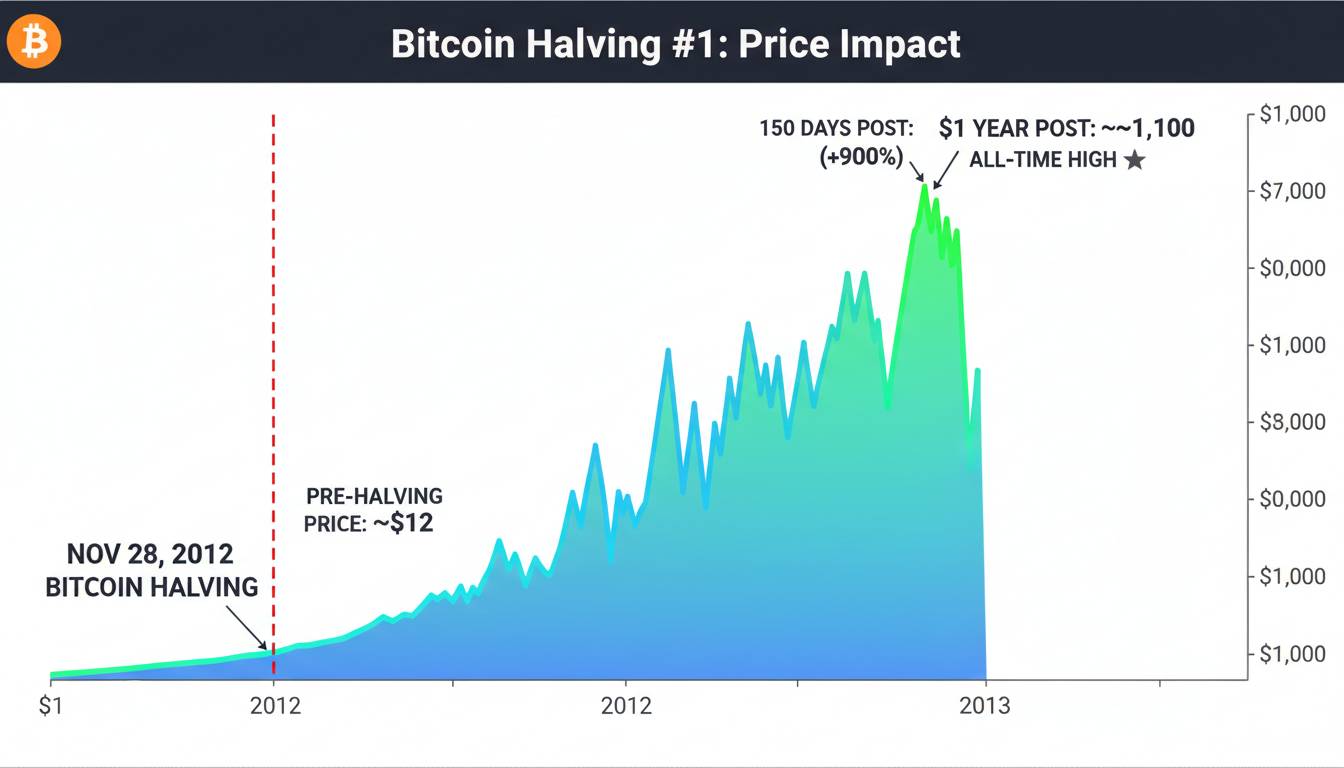
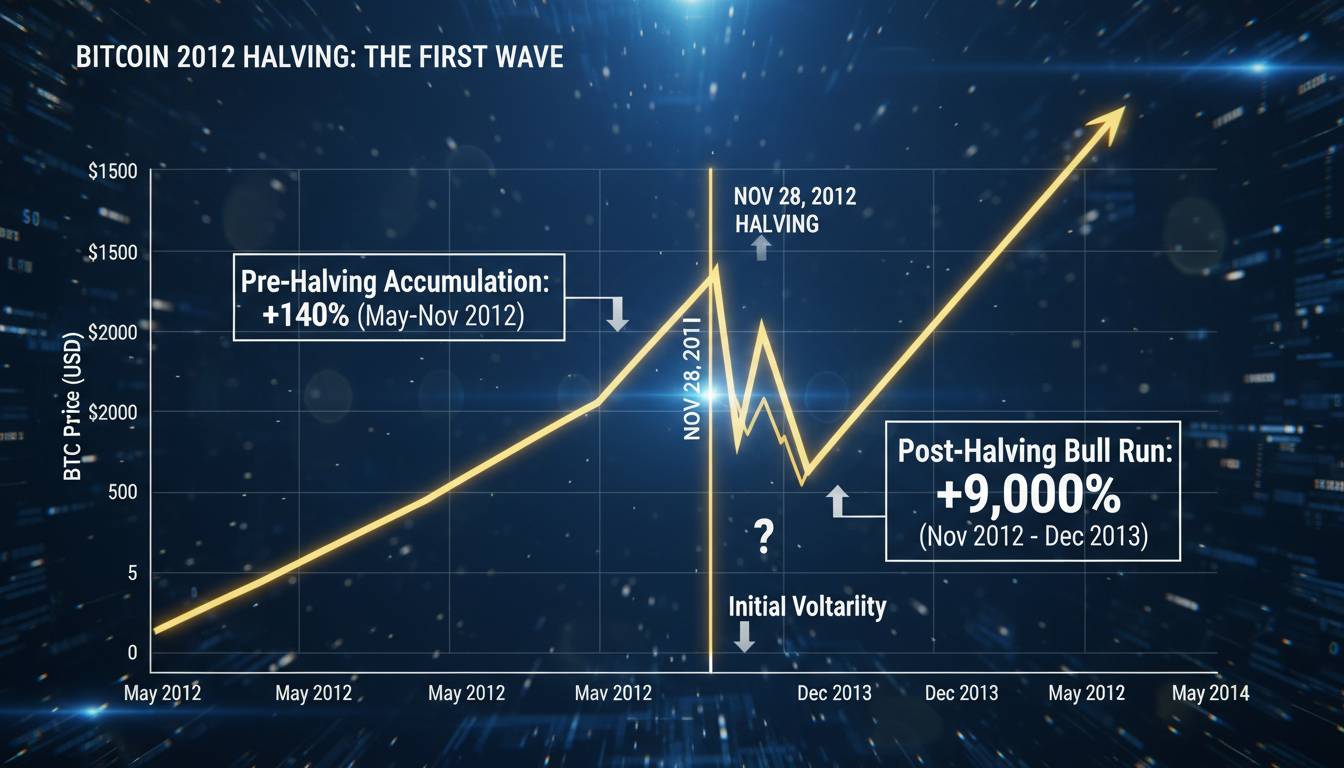
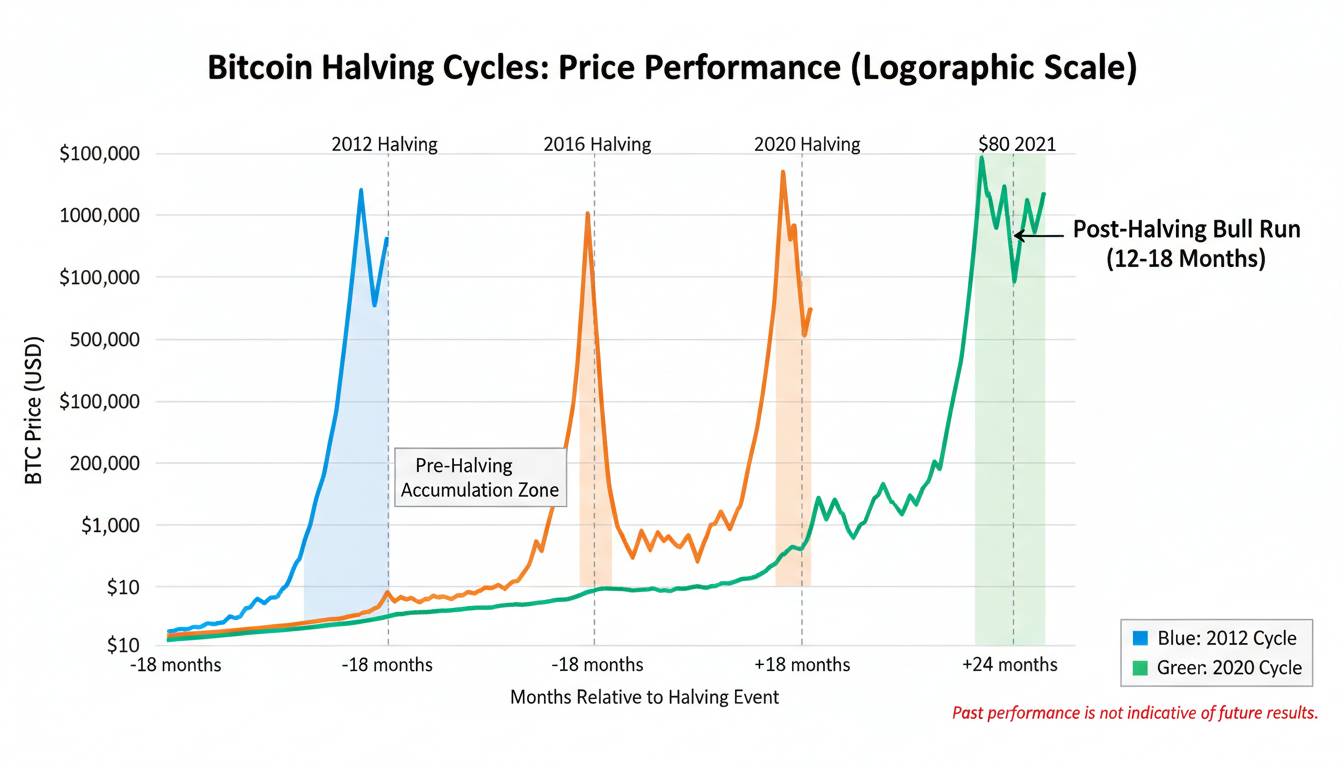
The security models differ substantially. Bitcoin’s security budget comes primarily from block rewards (currently 3.125 BTC per block, halving approximately every four years). As block rewards diminish, transaction fees are expected to replace them as the primary incentive for miners. Ethereum’s security comes from validators staking 32 ETH to participate in consensus, with penalties (slashing) for malicious behavior. As of early 2025, over 28 million ETH is staked, representing roughly 24% of circulating supply.
One admission worth making: predicting which technical architecture will “win” over the coming decades is nearly impossible. Bitcoin’s simplicity is a feature for monetary use cases, but it limits what developers can build on-chain. Ethereum’s flexibility enables innovation but creates complexity and has led to chain reorganizations and security incidents. Both networks face existential challenges—Bitcoin from regulatory pressure on mining and Ethereum from competition from layer-1 rivals like Solana and Avalanche.
Historical Price Performance and Volatility
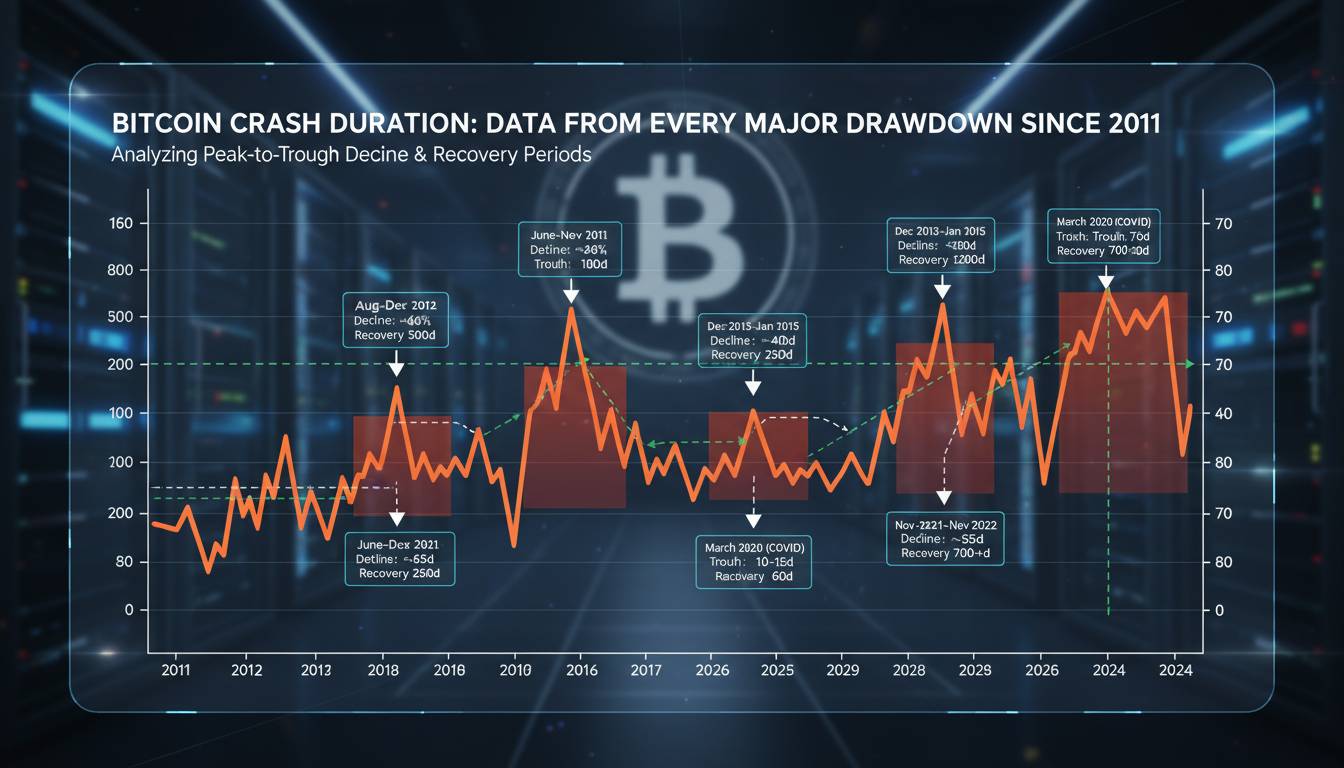
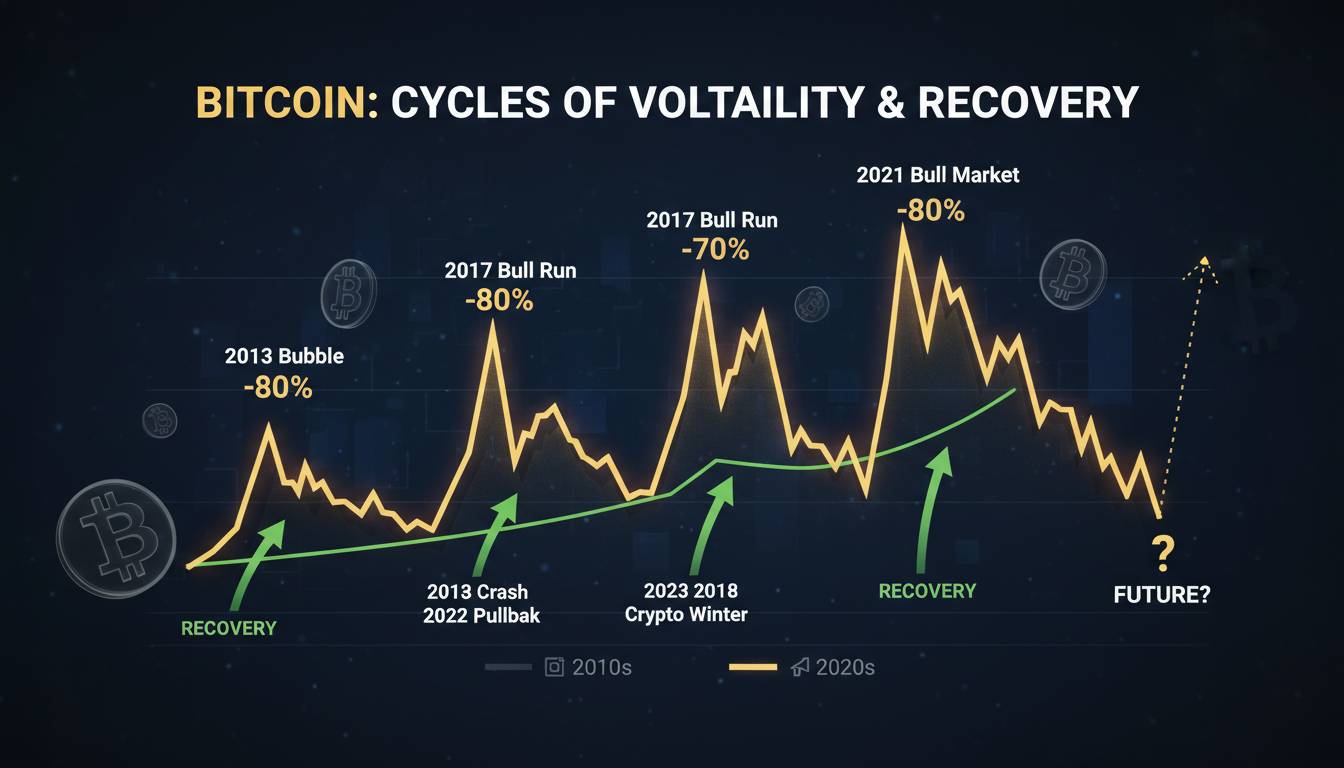
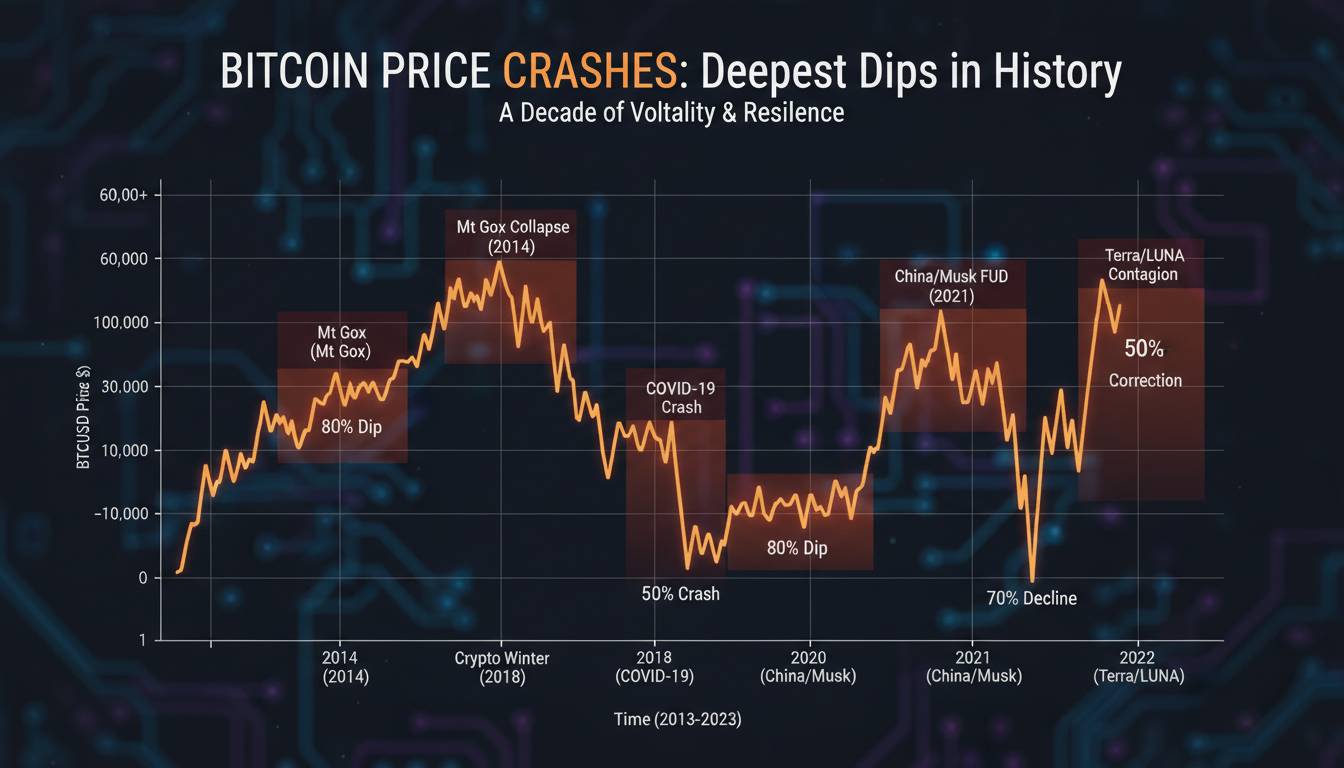
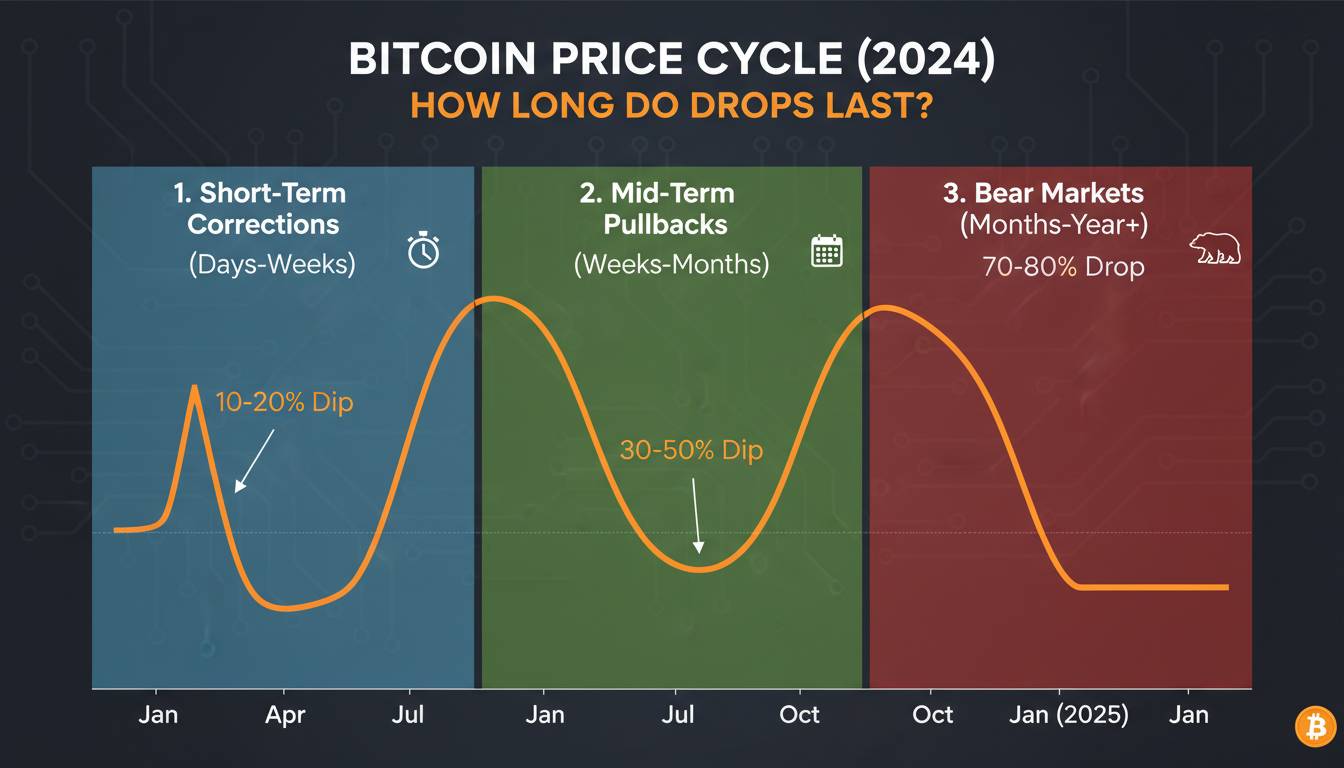
Raw price performance tells an incomplete story, but it matters for portfolio allocation decisions. Bitcoin’s journey from effectively worthless in 2009 to $100,000+ in 2025 represents an annualized return that dwarfs traditional asset classes. However, this return came with extraordinary volatility—multiple 80%+ drawdowns in 2014, 2018, and 2022. Ethereum’s rise from sub-$10 in 2015 to $3,000+ in 2025 has been even more dramatic in percentage terms, but with correspondingly higher volatility.
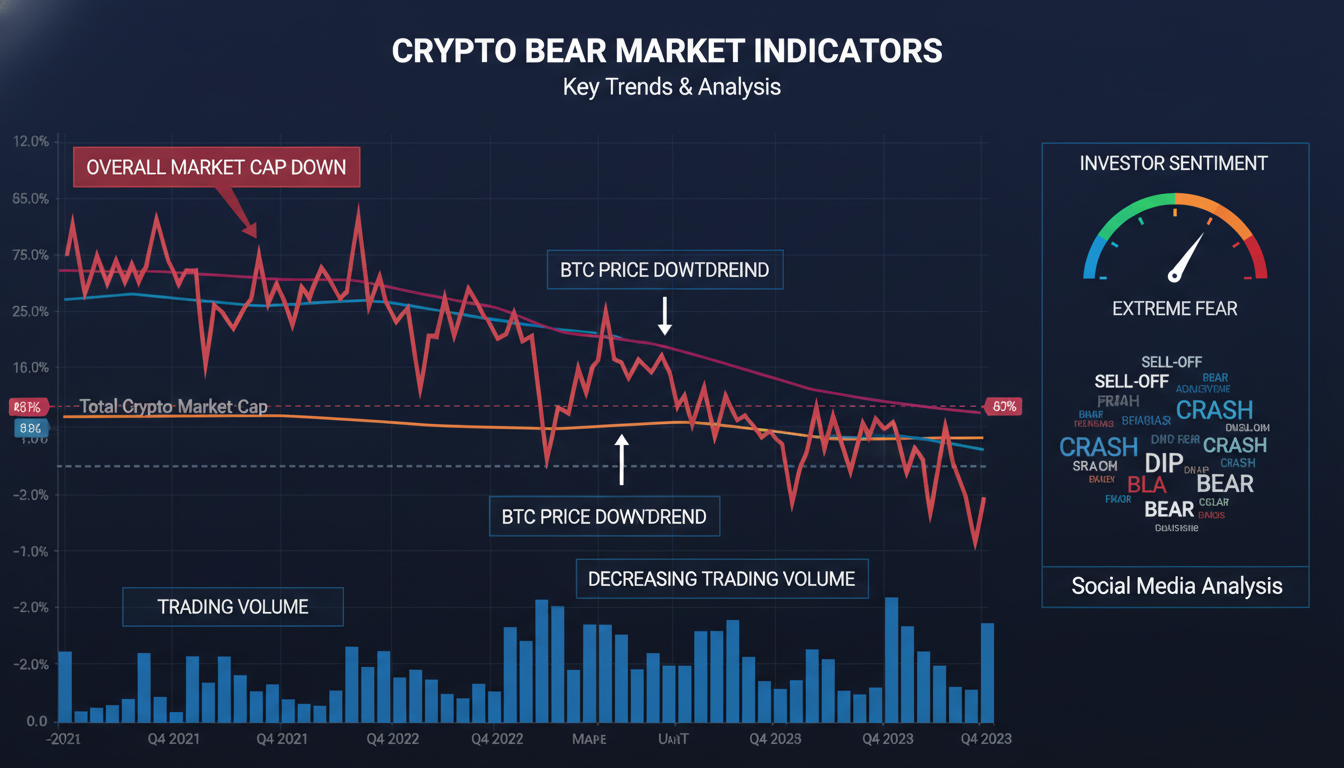
Looking at the 2022 cycle specifically provides important context. Bitcoin fell approximately 65% from its November 2021 high of $69,000 to its November 2022 low around $16,000. Ethereum fell approximately 78% from its November 2021 high around $4,900 to its December 2022 low around $1,100. ETH’s deeper drawdown reflects both its higher beta to the broader crypto market and the specific challenges facing the Ethereum ecosystem during that period—including the collapse of the Terra/Luna ecosystem and the cascading failures of Three Arrows Capital and FTX.
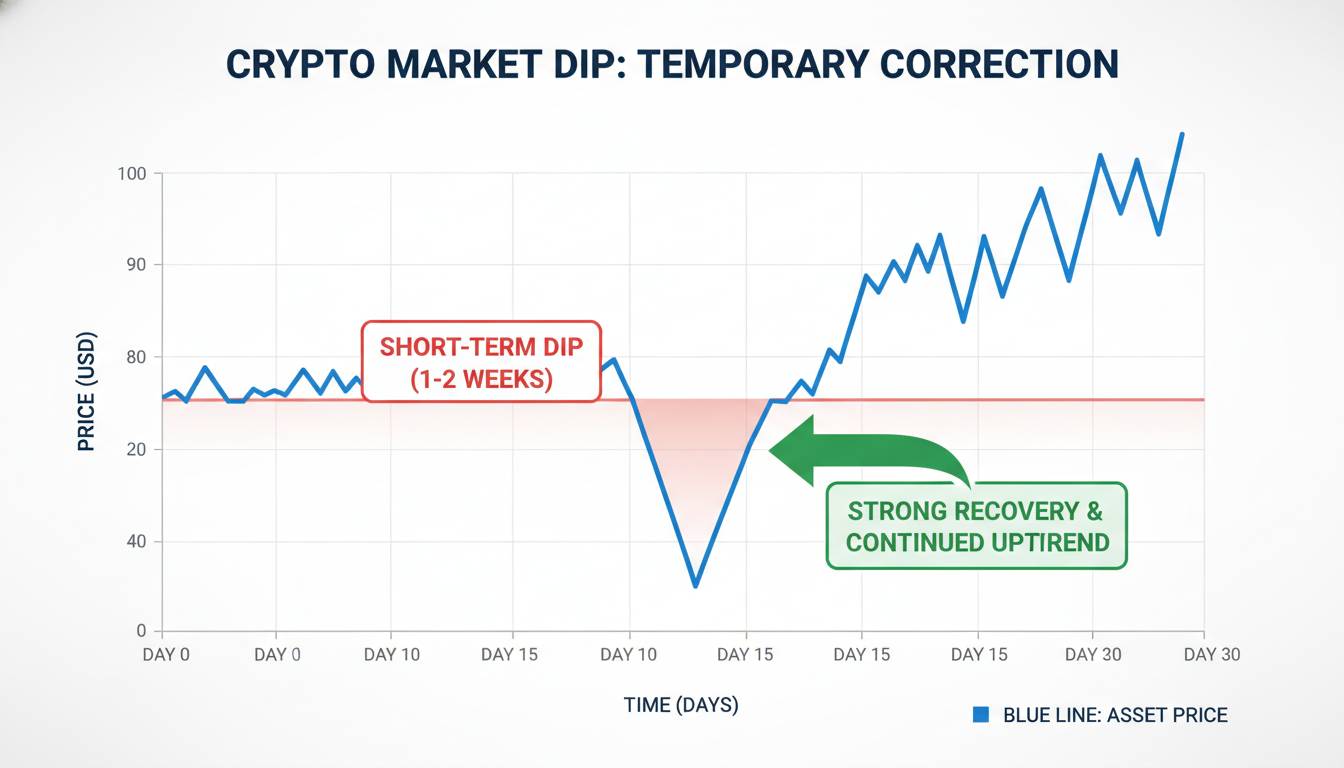
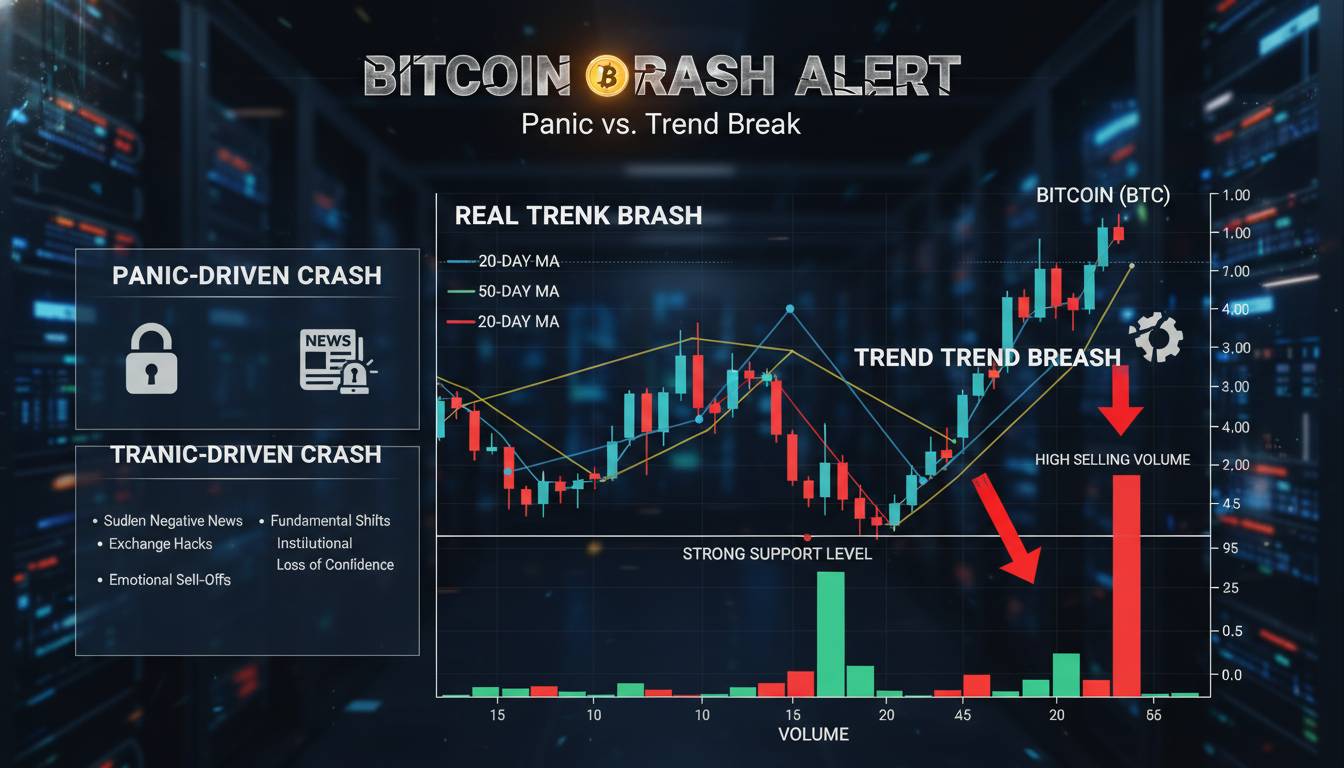
The volatility question for long-term holders isn’t just about risk tolerance—it’s about capacity. If you cannot withstand a 70% decline in your crypto allocation without selling, you have no business holding that position. That said, if your time horizon is genuinely long-term (10+ years), volatility becomes less relevant to outcomes than allocation size and entry point.
A point that gets overlooked in most articles on this topic: Bitcoin’s lower volatility is often cited as a reason to prefer it for long-term portfolios, but this reasoning has it backwards. Lower volatility means lower expected returns in a risk-adjusted framework, all else being equal. The question isn’t which is “less risky” but which risk you’re being compensated for. Bitcoin’s store-of-value narrative provides a risk premium; Ethereum’s utility growth narrative provides a different one.
Staking Returns: Passive Income Considerations
One of the most significant practical differences between holding Bitcoin and Ethereum long-term is the ability to generate yield on ETH holdings. Bitcoin offers no native staking mechanism—you can lend BTC through centralized or decentralized protocols, but this involves counterparty risk and typically requires trusting third-party platforms. Ethereum’s transition to Proof-of-Stake enables direct staking, allowing holders to earn approximately 3-5% annually by running a validator node or delegating to a staking pool.
The staking yield isn’t static—it fluctuates based on total staked ETH, network activity (which affects transaction fee rewards), and the overall ETH issuance rate. As of early 2025, the staking yield hovers around 3.5-4.5% for solo stakers, with liquid staking derivatives like Lido’s stETH and Rocket Pool’s rETH offering slightly lower yields but providing liquidity tokens that can be used in DeFi applications.
This creates a meaningful compounding advantage for ETH holders that BTC holders don’t have. Over a ten-year period, reinvested staking returns can compound substantially. However, there are important caveats. Staking involves lock-up periods (withdrawals were only enabled in April 2024 after the Shapella upgrade), slashing risk (though minimal for honest validators), and the technical complexity of running a node or selecting a trustworthy staking provider. Additionally, staking rewards are taxable as ordinary income in most jurisdictions, whereas long-term capital gains treatment applies to appreciation.
The practical reality: if you’re a passive long-term holder who doesn’t need immediate liquidity, ETH staking provides a meaningful return enhancement that BTC cannot match. But this comes with operational complexity that some investors may prefer to avoid.
Institutional Adoption and Regulatory Landscape
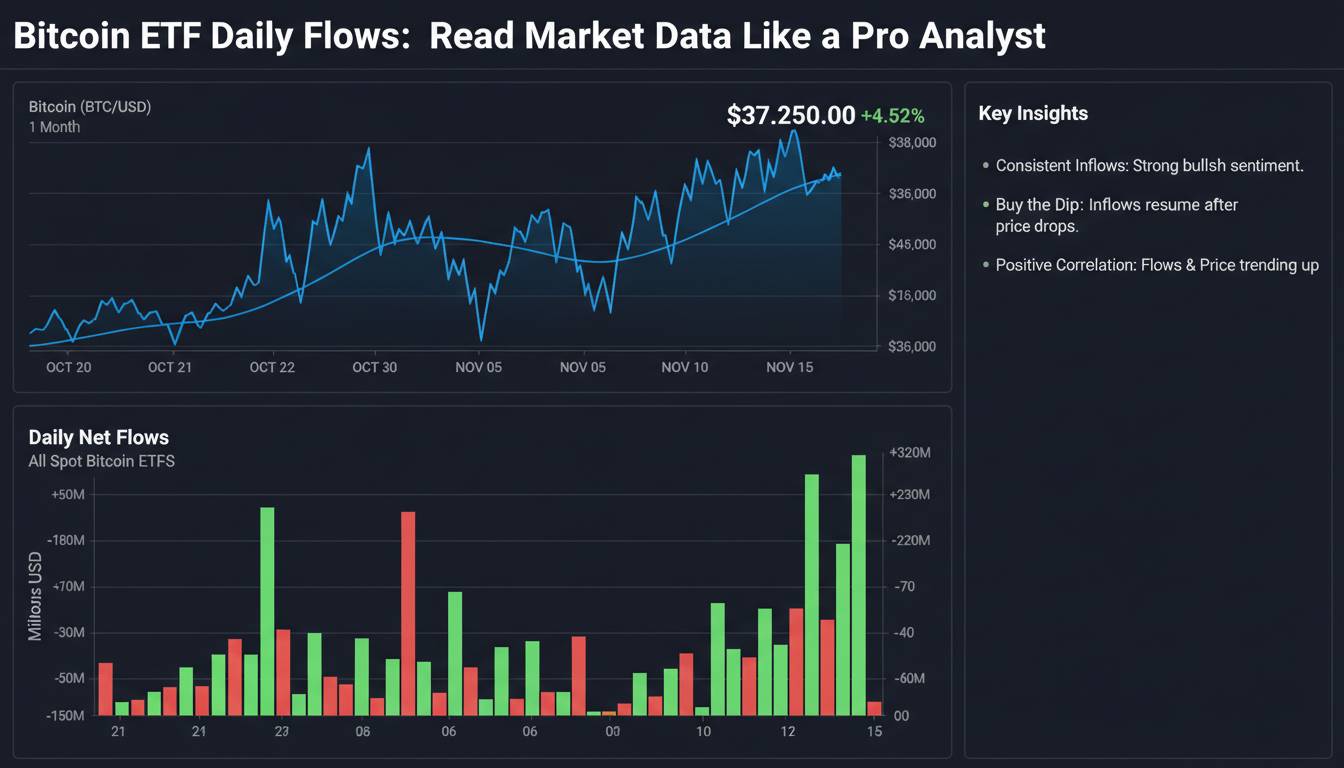
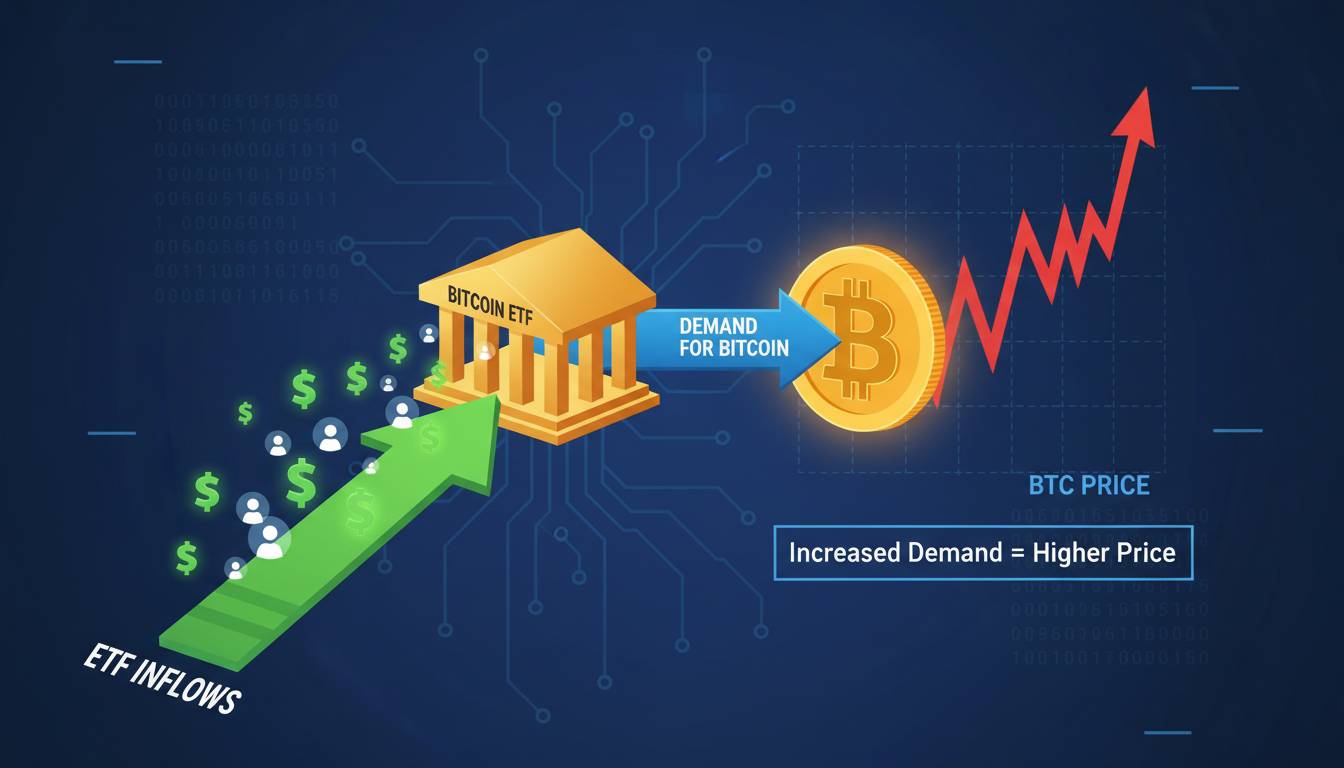
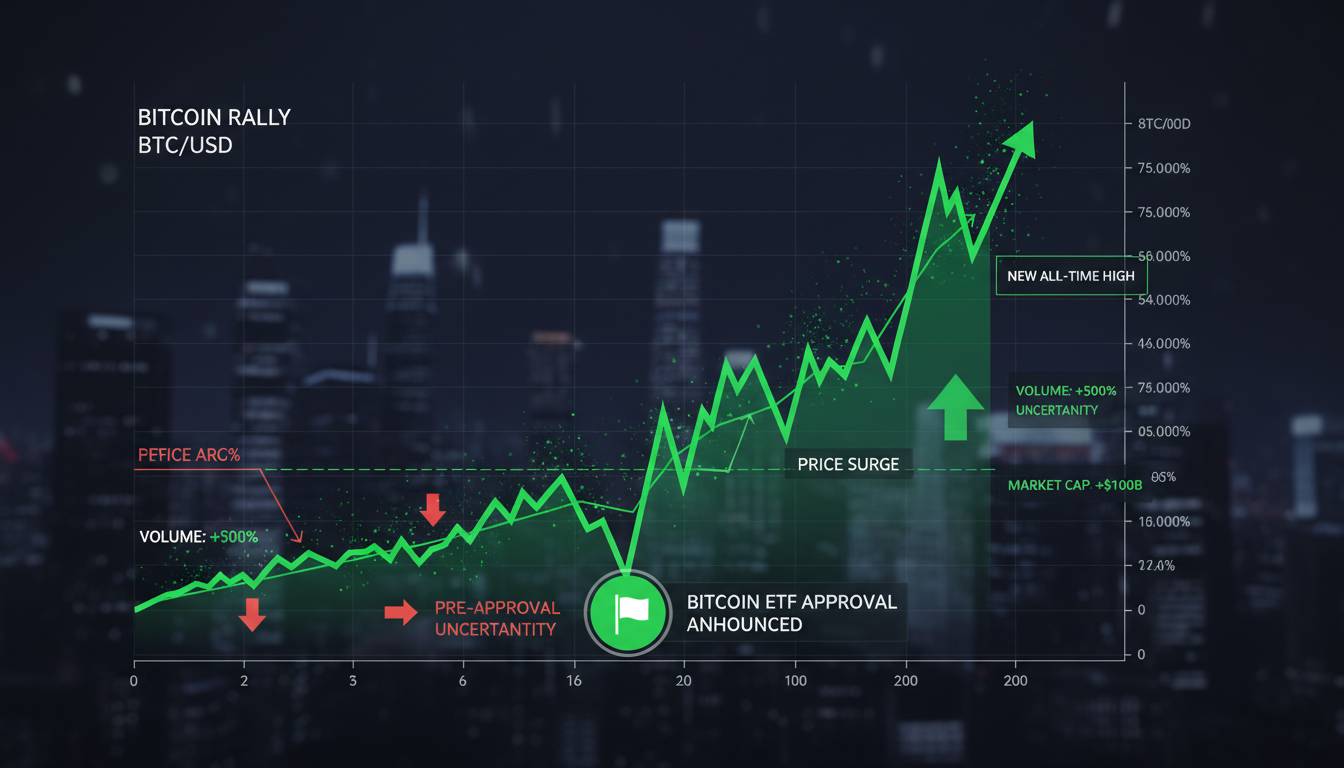
Institutional adoption has accelerated dramatically for both assets, though from different starting points and with different drivers. Bitcoin’s institutionalization began in earnest with the CME futures launch in 2017 and accelerated through 2020-2021 with the emergence of regulated custody solutions, the approval of Bitcoin ETFs in January 2024, and corporate treasury allocations. BlackRock’s IBIT and Fidelity’s FBTC have collectively attracted tens of billions in assets, legitimizing Bitcoin as an institutional asset class.
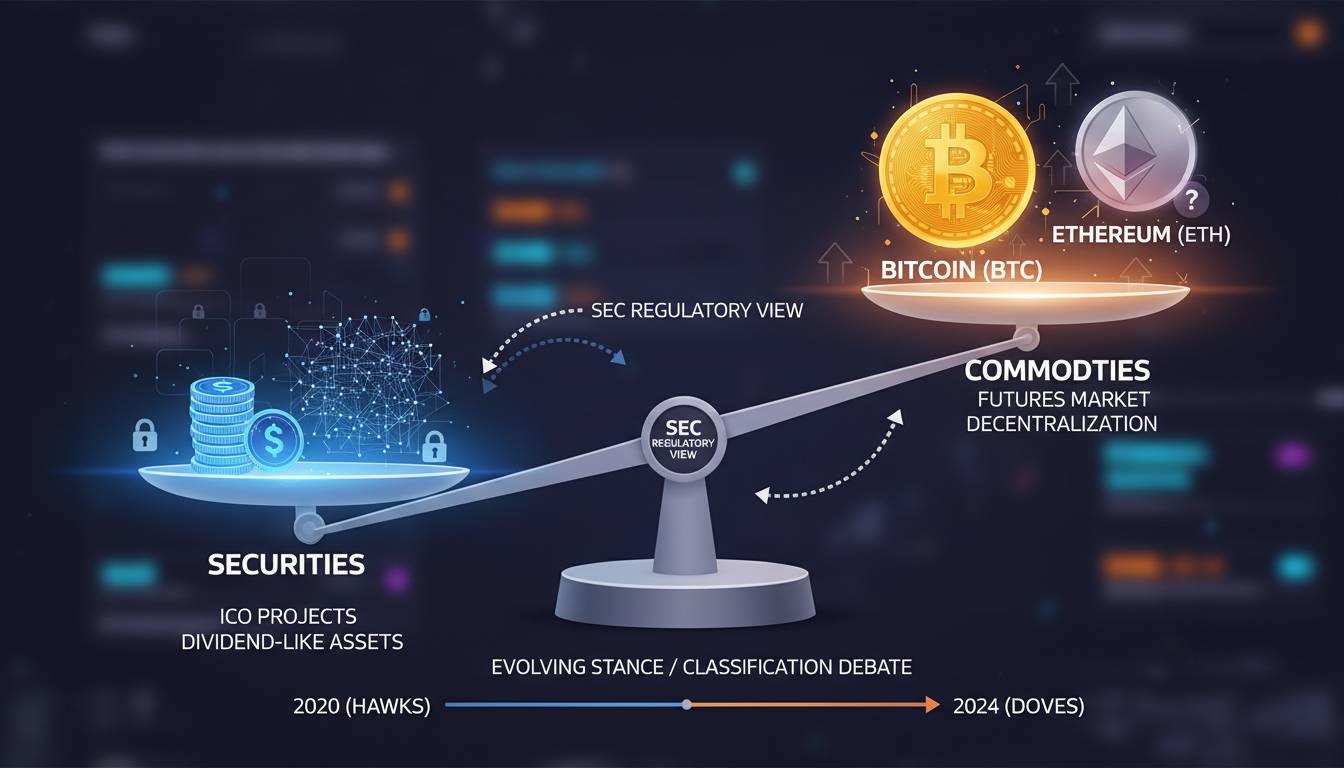
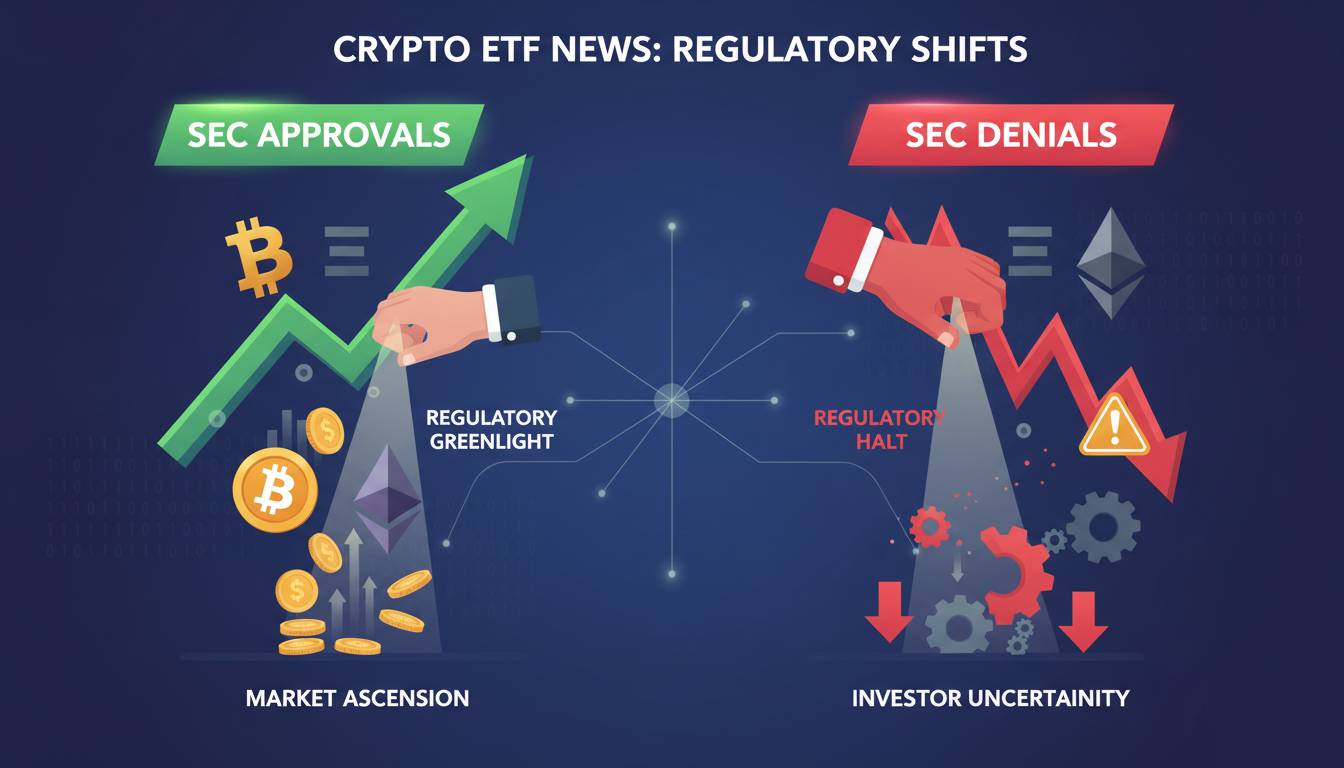
Ethereum’s institutional journey has been more complicated. While ETH futures products exist and asset managers have filed for Ethereum ETFs, approval remains uncertain as of early 2025. The Securities and Exchange Commission’s classification of ETH has shifted—former Chair Gary Gensler’s indication that ETH might be a security created regulatory uncertainty, though the more recent administration has taken a more favorable stance. The 2024 approval of spot Ethereum ETFs remains a possibility that would dramatically change institutional access.
Regulatory risk differs significantly between the two. Bitcoin faces primarily monetary policy concerns—its fixed supply is either a feature (sound money advocates) or a bug (regulators worried about circumvention of capital controls). Ethereum faces potential securities classification concerns given its initial token sale in 2014 and ongoing network governance. Neither risk has materialized into explicit bans in major markets, but the regulatory trajectory remains uncertain.
The practical implication: Bitcoin’s regulatory path feels more settled, making it more suitable for risk-averse institutional allocators. Ethereum’s regulatory uncertainty creates both risk and potential upside—regulatory clarity favoring utility tokens would likely accelerate institutional adoption dramatically.
Risk Factors to Consider
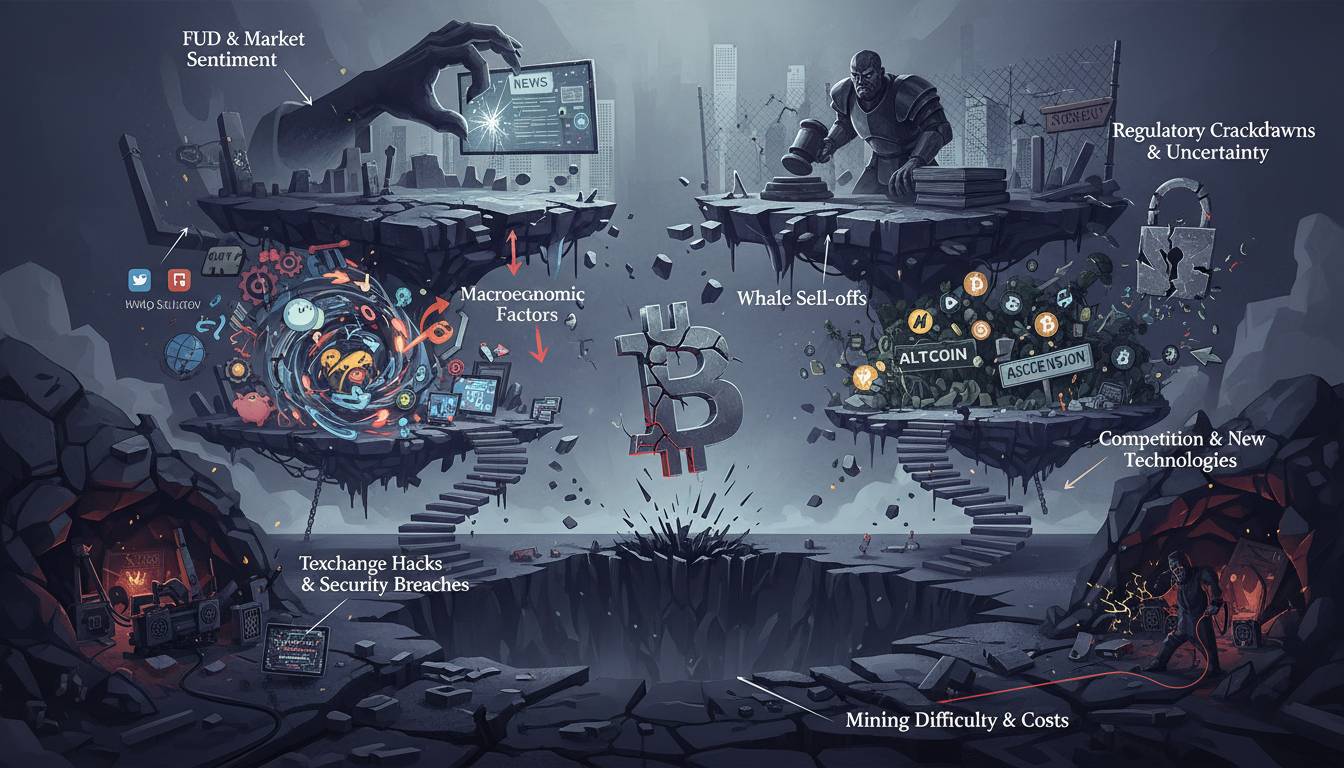
Every long-term crypto allocation must account for several persistent risks that apply to both assets, though to different degrees.
Regulatory risk remains the most significant unknown. A coordinated global crackdown on cryptocurrency—particularly if framed as a national security or monetary sovereignty issue—would affect both Bitcoin and Ethereum, but Bitcoin’s status as a monetary asset might earn it more sympathetic treatment than utility tokens.
Technical risk manifests differently for each. Bitcoin’s primary technical risk is a sustained 51% attack or a catastrophic consensus failure—a hypothetical but not impossible scenario given the concentration of mining power. Ethereum faces technical risk from smart contract bugs (the 2016 DAO hack remains instructive), layer-2 migration challenges, and potential competition from faster or cheaper blockchain alternatives.
Market risk applies to both: crypto markets remain relatively thin compared to traditional assets, and large holders (“whales”) can move prices significantly. The correlation between Bitcoin and Ethereum has been historically high, reducing diversification benefits within the crypto sector—but this correlation isn’t permanent and may decrease as their use cases diverge further.
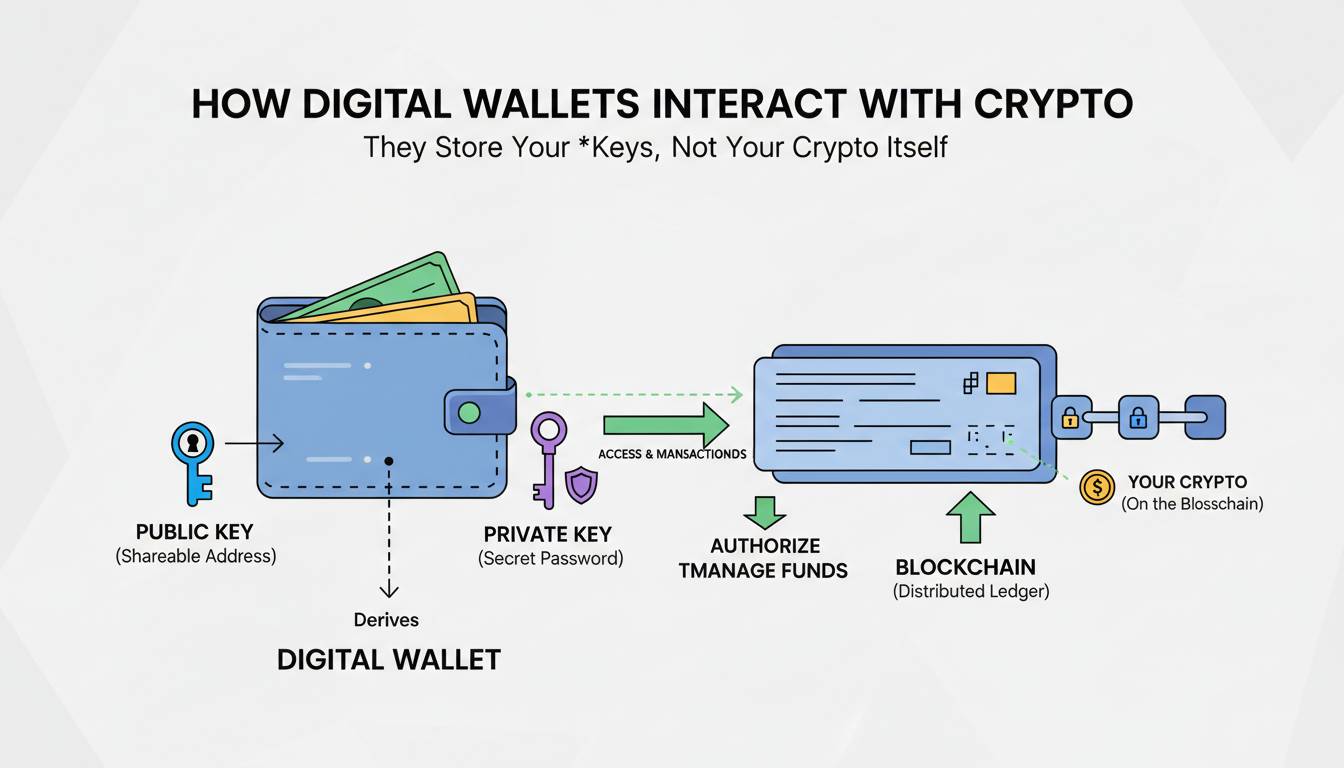
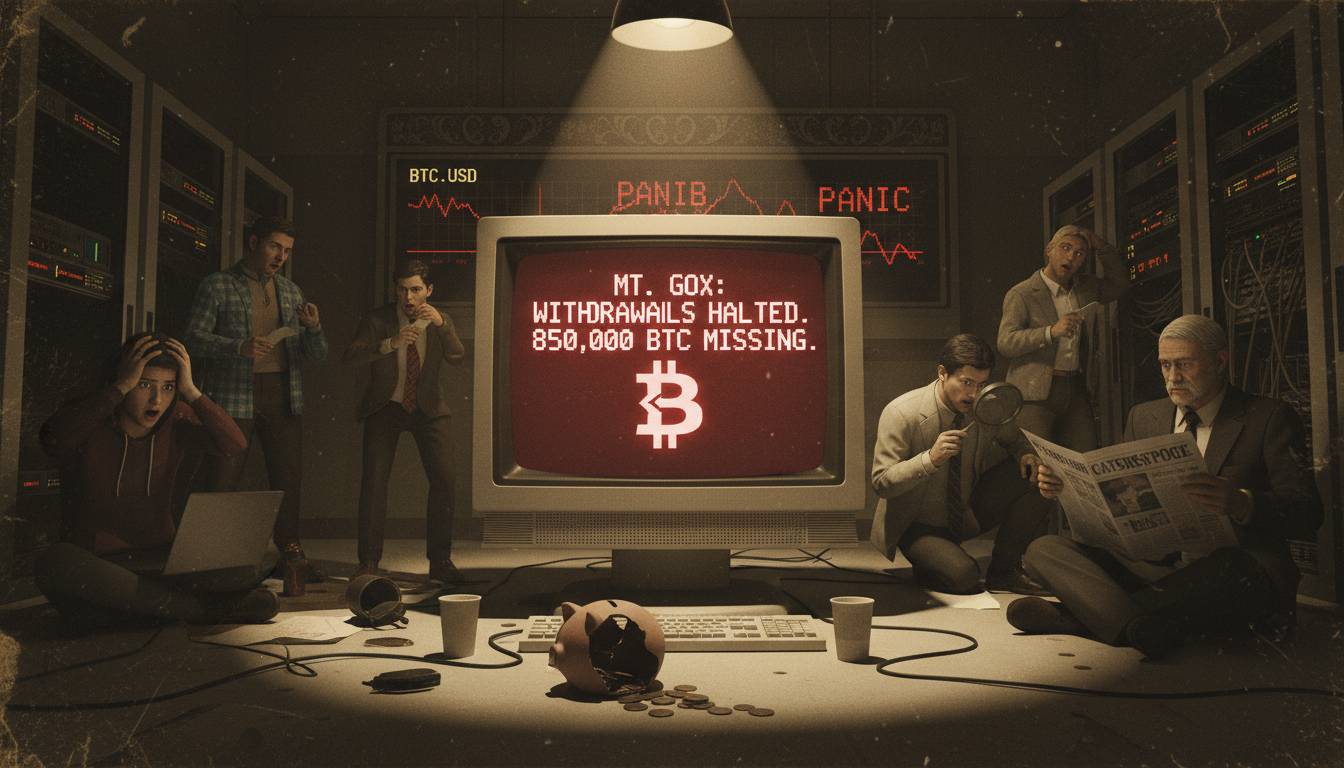
Custodial risk is often underestimated. Self-custody carries the risk of losing keys; third-party custody carries counterparty risk. The collapse of exchanges like FTX and Mt. Gox demonstrated that even sophisticated market participants can lose access to their holdings.
Portfolio Allocation Framework
Given all the above analysis, how should a rational investor think about allocating between Bitcoin and Ethereum in a long-term portfolio?
The answer depends heavily on your risk tolerance, time horizon, and conviction about the respective use cases. I won’t give you a specific percentage because that would be financial advice, but I can offer a framework that experienced allocators use.
If your thesis is primarily monetary—if you believe fiat currencies will continue to lose purchasing power and that a fixed-supply digital asset provides a hedge—Bitcoin should form the core of your crypto allocation. This is the more conservative position, supported by greater regulatory clarity and institutional adoption.
If your thesis is broader blockchain utility—if you believe decentralized applications, tokenized assets, and programmable money will grow into a multitrillion-dollar ecosystem—Ethereum offers higher beta exposure to that thesis. This is the more aggressive position, offering both greater potential returns and greater risk.
A balanced approach acknowledges that both theses may prove correct. Ethereum could capture significant value from application growth while Bitcoin maintains its monetary premium. In that scenario, holding both provides exposure to two distinct crypto narratives without needing to bet everything on one outcome.
The question most investors get wrong is treating this as an “either/or” decision. It isn’t. It’s a question of weights and conviction. Someone with high conviction on monetary debasement might hold 90% BTC, 10% ETH. Someone with high conviction on DeFi and application growth might reverse that ratio. Neither is wrong—they reflect different priors.
Conclusion: What Belongs in Your Portfolio
After seven years of covering this industry, the most honest conclusion I can offer is that both Bitcoin and Ethereum have earned their place in a diversified long-term crypto portfolio—but the weightings should reflect your specific convictions, not generic advice about “diversification.”
Bitcoin offers a clearer monetary thesis, institutional legitimacy, and regulatory predictability. It is the more conservative choice for crypto exposure. Ethereum offers higher upside potential from application growth, staking yield, and the expansion of decentralized finance—but with higher volatility, greater technical complexity, and regulatory uncertainty.
The allocation question isn’t truly about choosing between them. It’s about being honest with yourself about what you believe will drive value in the next decade. If you think the world will increasingly distrust centralized monetary systems, Bitcoin’s fixed supply narrative has staying power. If you think the programmable internet will reshape finance, Ethereum’s ecosystem is the largest bet on that outcome.
I don’t know which narrative will prove more valuable in 2035. But I know that investors who pick an allocation based on genuine conviction—and hold through the inevitable drawdowns—will be better off than those who chase performance or follow influencers. The “right” answer is the allocation you can actually hold for ten years without panic selling.
Last updated: January 2025
This article is for informational purposes only and does not constitute financial advice. Cryptocurrency investments carry significant risk, including the potential loss of principal. Consult with a qualified financial advisor before making investment decisions.