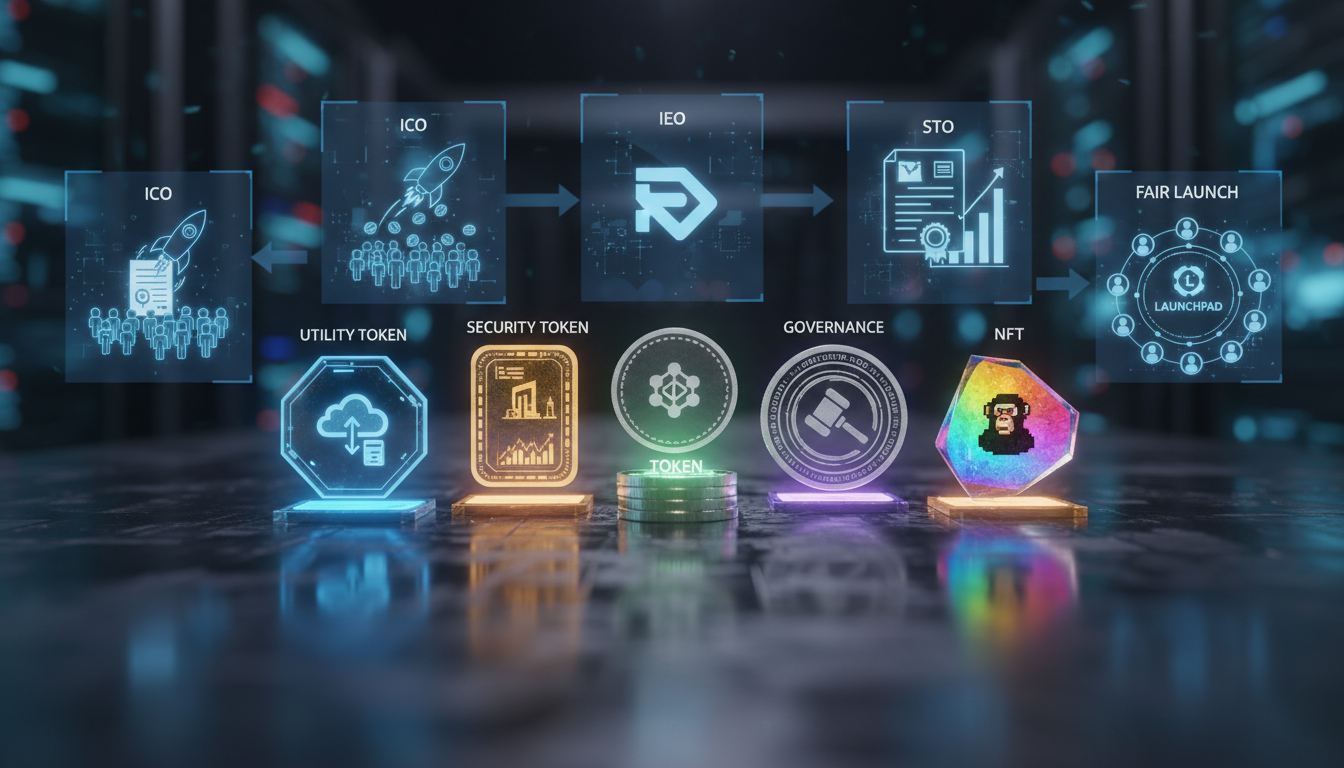

A fair launch crypto project means every investor gets the same shot to acquire tokens at the start — no insiders, no early birds. There’s no presale, no pre-minted team stash. Investors begin equally, typically through public minting, staking or liquidity pools. It’s designed to level the playing field and reduce manipulation.
What Defines a Fair Launch
Open and Simultaneous Access
Everyone can join from the very first moment. No favorites, no exclusivity. This principle strips away advantages like whitelists or discounted private sales.
No Insider Allocations
The project’s developers or founders don’t receive token shares prior to public launch. No pre-mining, no reserved team allocations — everyone acquires tokens the same way.
Transparent Distribution
A fair launch favors on-chain clarity. Token supply, minting schedule, and mechanism are declared publicly ahead of time. That transparency eases trust.
Methods of Token Distribution
Fair launches often use:
– Mining (e.g., Bitcoin)
– Liquidity mining or staking (e.g., Yearn Finance)
– Airdrops with transparent criteria
Why Fair Launch Appeals to Investors
Trust and Community Engagement
When no one gets a head start, investors tend to feel more confident. This model builds stronger, grassroots communities.
Decentralization and Governance
Token ownership isn’t concentrated. There’s less risk of whale manipulation. If tokens carry governance rights, control is more evenly spread.
Organic Price Formation
With no early access or discounted sales, market price emerges naturally. Demand and supply drive the value rather than artificial inflation.
Risks Investors Should Know
Lack of Initial Funding
This model skips presales, so project teams may lack funds for development, audits, or marketing. That can slow growth or threaten long-term viability.
Volatility and Early Dumping
Fair launches don’t stop whales or bots. Early actors might accumulate massive token shares and cause sudden dumps.
False Advertising
“Fair launch” can be used as a buzzword. Some projects bypass pre-sales yet still grant stealth allocations or hide contract vulnerabilities.
Bot Attacks and Sniping
Bots can front-run transactions in seconds, grabbing tokens and dumping before others even know it’s live.
Uneven Outcomes Despite Equal Starts
Even with equal entry, savvy participants can dominate. Speed, automation and technical edge can still skew distribution.
Strategies for Savvy Investors in Fair Launches
- Scrutinize the smart contract. Watch out for hidden functions like emergency minting.
- Ensure code audits and verifiable tokenomics are available.
- Examine wallet distribution for early hoarding.
- Assess the solidity of developer transparency and community engagement.
- Use tools (like token scanners) to simulate buying/selling conditions.
Real-World Examples of Fair Launches
- Bitcoin (BTC): No premine or early allocations. Everyone had to mine from day one.
- Yearn Finance (YFI): Launched with no tokens for the team — rewards were earned through liquidity provision.
- Dogecoin: Launched without reserved team tokens or presale.
These projects reflect fair launch benefits: healthy communities, transparent mechanisms, and decentralized governance.
Conclusion
A fair launch crypto offering puts investors on a level playing field, promoting trust, community, and transparent value discovery. But it’s not risk-free. Lack of funding, volatility and exploitation by bots or insiders can undermine fairness. For investors, the smart move is to dig into the token contract, assess transparency, and treat fair launch projects with both optimism and caution.
FAQs
What makes a crypto launch truly “fair”?
A launch where no pre-mined tokens or insider advantages exist. Everyone has equal access from the outset.
Can fair launch means guaranteed safety?
Not necessarily. Fair doesn’t equal safe—bots, whales, or shoddy contracts can still spoil the launch.
Why make a fair launch if funding is limited?
It builds credibility and organic growth through community trust, even though initial budgets might be small.
How do investors protect themselves in fair launches?
Check audits, review contract code, watch distribution trends, and use tools to vet buy/sell restrictions.
Are fair launches common today?
They’re rarer than VC-funded launches, but popular in DeFi and meme projects aiming for grassroots support.
Do fair launches avoid regulation?
Sometimes. Without token sale mechanics, they may bypass securities rules—but that also means less protection for investors.