
The cryptocurrency regulatory landscape in the United States is reaching a turning point. After years of enforcement-driven oversight and jurisdictional uncertainty, Congress is debating comprehensive legislation that could reshape how Americans interact with Bitcoin. The implications extend beyond Wall Street trading desks into the daily lives of anyone who has purchased cryptocurrency, used an exchange, or chosen how to store their digital assets.
Understanding what these regulatory changes mean requires looking beyond the headlines. The legislation addresses not just how exchanges operate, but how everyday users verify their identity, report transactions, and choose between keeping Bitcoin with a custodian or taking direct possession through self-custody wallets. These are decisions that affect millions of American crypto holders, and the rules being written today will determine the landscape for years to come.
This article breaks down the key provisions in current legislative proposals, explains how they would change the experience of buying, selling, and storing Bitcoin, and identifies practical steps cryptocurrency users should consider as these bills move toward enactment.
The Current Regulatory Landscape and Why It Needs Reform
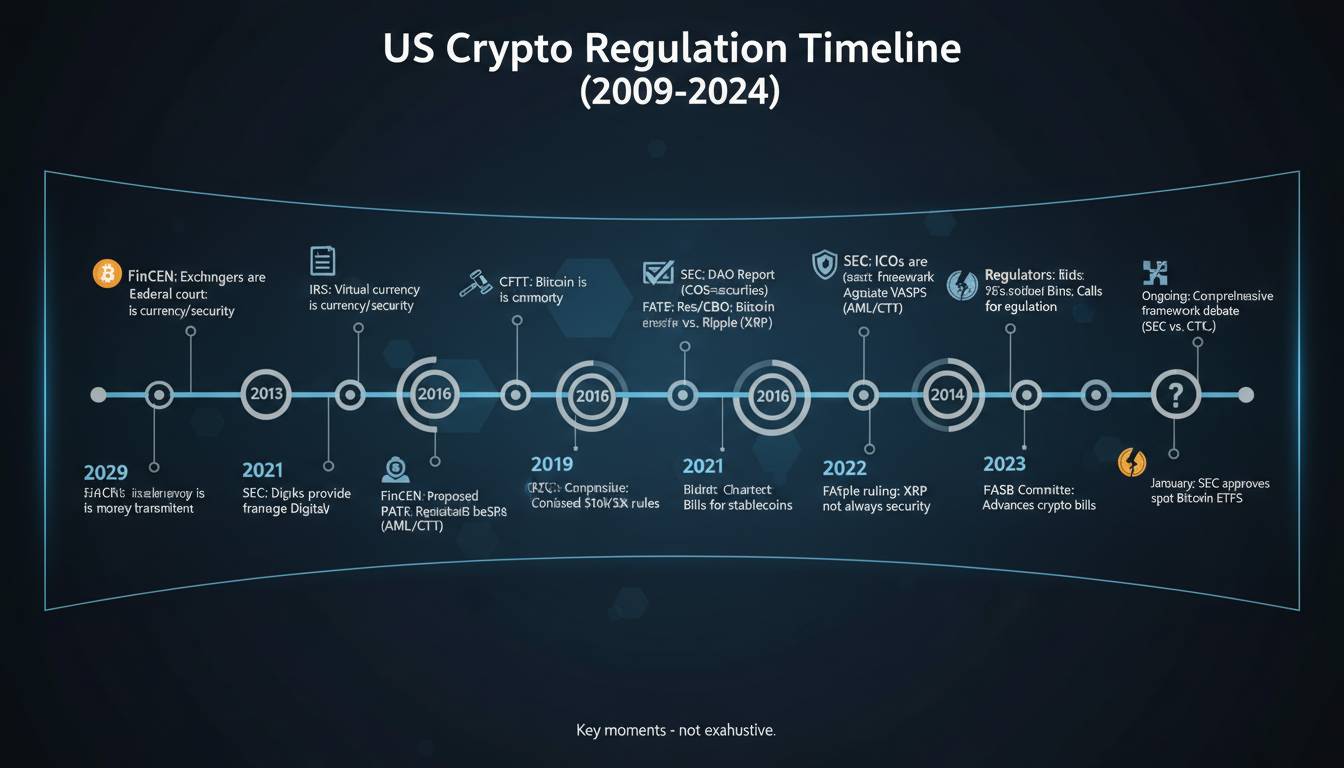
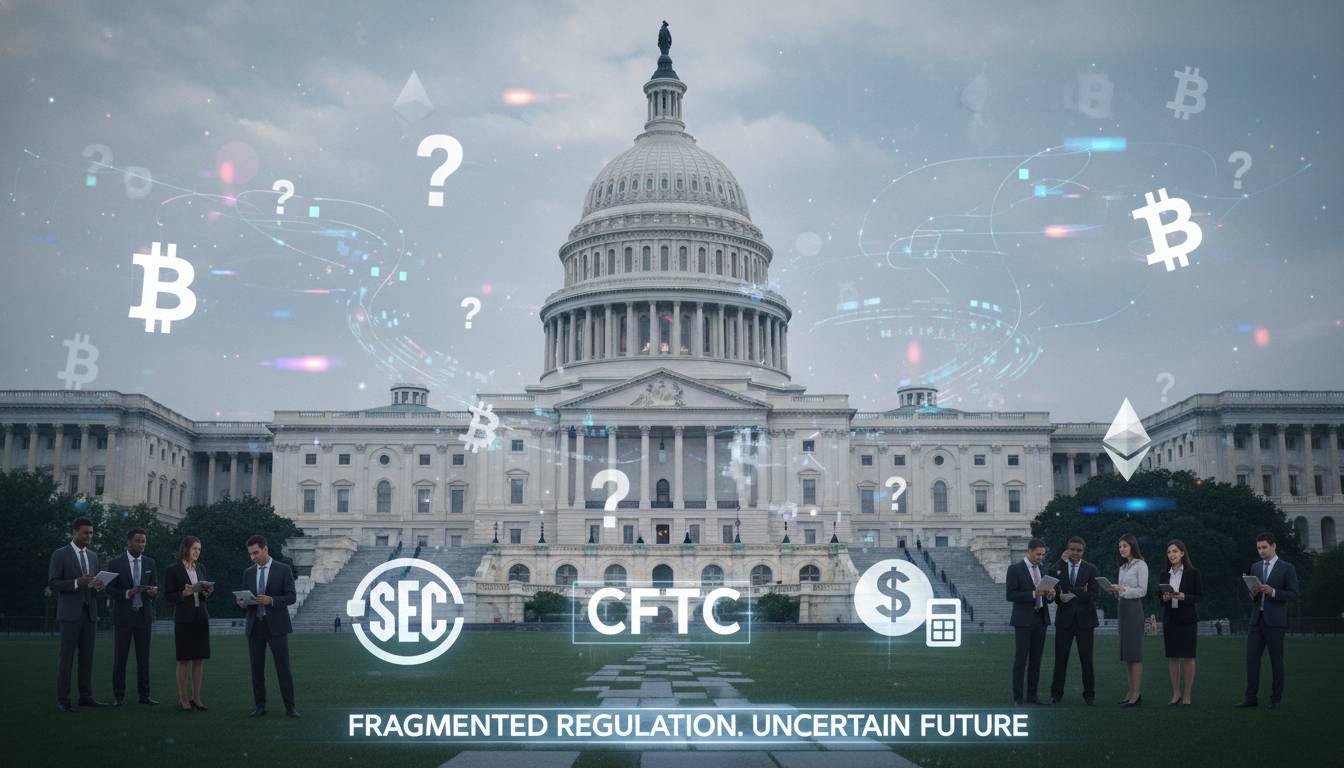
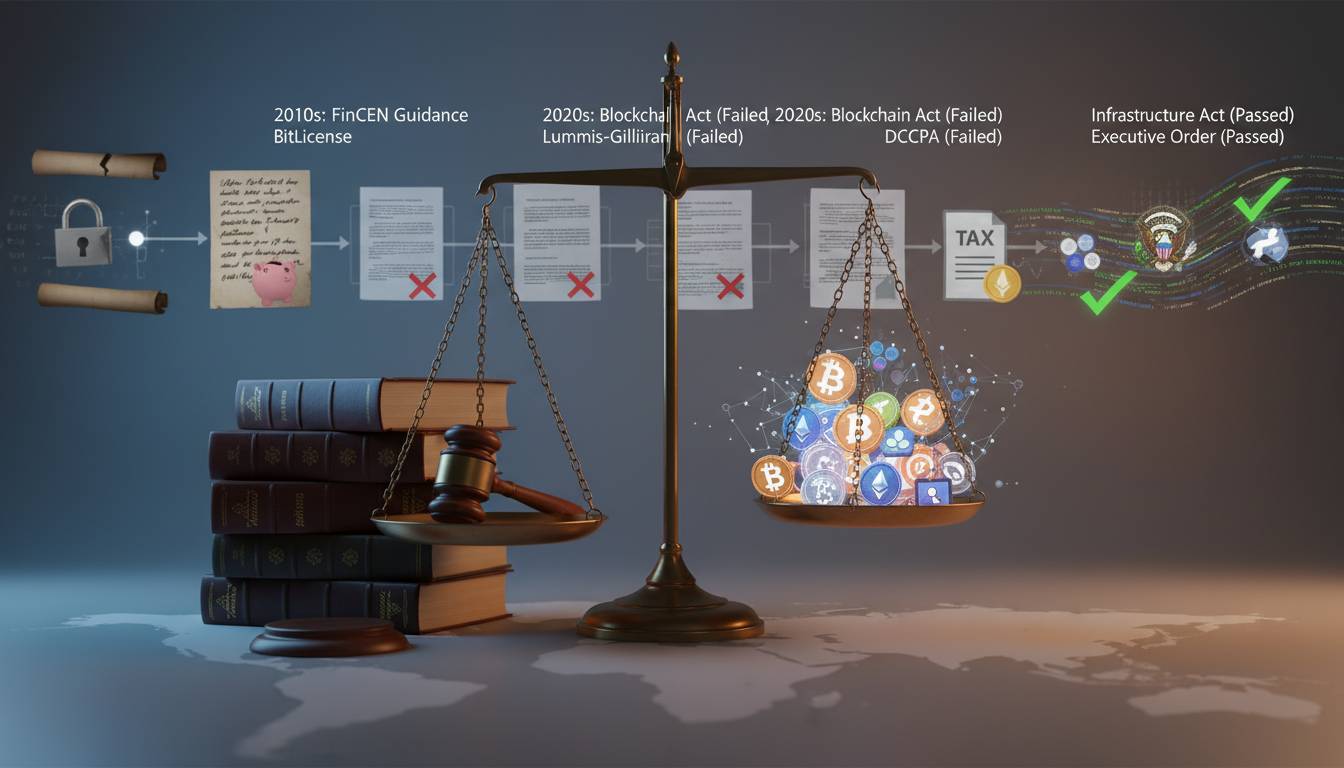
The United States has treated cryptocurrency regulation as an enforcement priority rather than a legislative matter for most of the past decade. The Securities and Exchange Commission, under successive chairmen, pursued numerous enforcement actions against cryptocurrency exchanges and token issuers, often arguing that most cryptocurrencies qualified as unregistered securities. The Commodity Futures Trading Commission asserted jurisdiction over Bitcoin and Ethereum as commodities, while the Financial Crimes Enforcement Network applied existing anti-money laundering laws to crypto transactions.
This approach created significant uncertainty. Cryptocurrency businesses struggled to determine which rules applied to them, and many limited their US operations or exited the market entirely. International competitors, particularly in the European Union and United Kingdom, moved ahead with clearer regulatory frameworks, putting American companies at a competitive disadvantage.
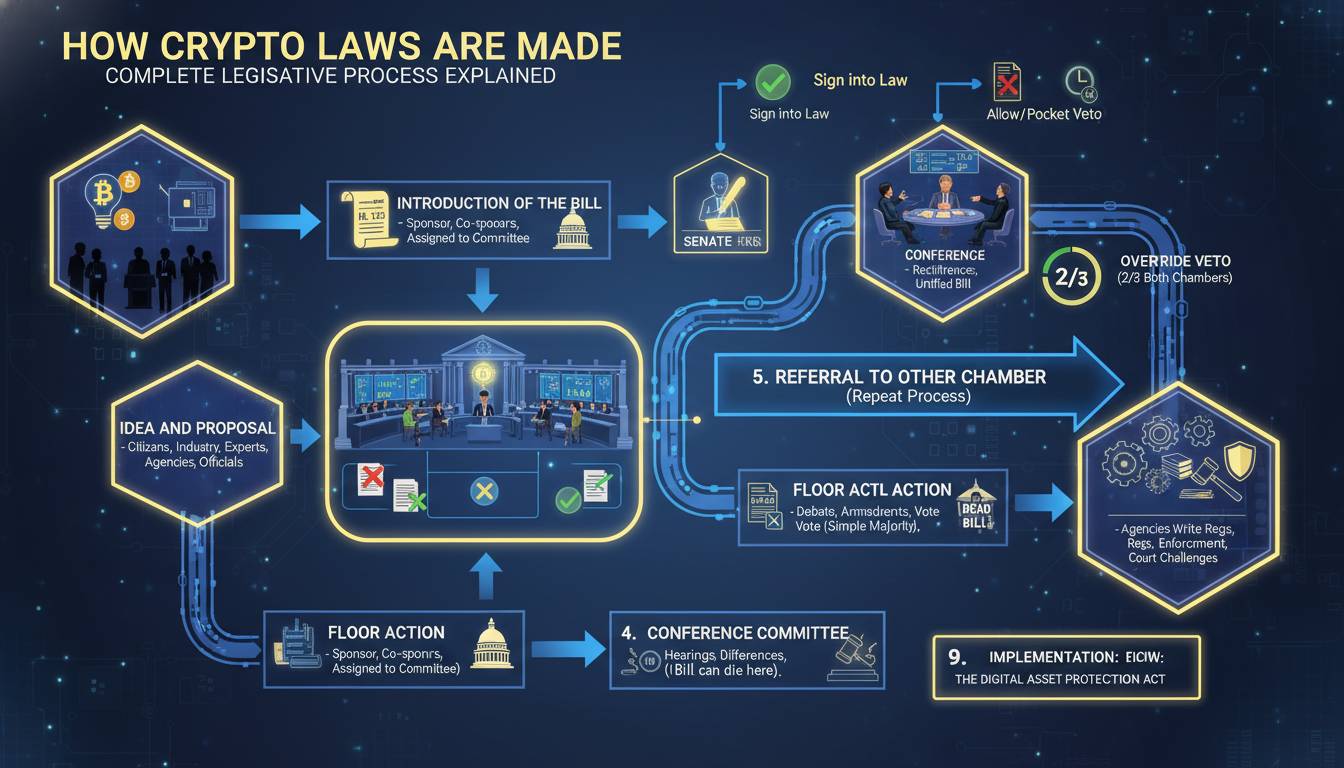
The legislation currently before Congress represents the most serious attempt to provide regulatory clarity for digital assets. The FIT21 Act, which passed the House of Representatives in May 2024, establishes a comprehensive framework for cryptocurrency regulation that distinguishes between securities and commodities, creates registration requirements for exchanges and custodians, and addresses how self-custody wallets should be treated. Separate stablecoin legislation has also been discussed, with implications for how Bitcoin-backed or Bitcoin-referenced stable assets would be regulated.
The next two to three years represent a narrow window for comprehensive crypto legislation. Political support exists across party lines, industry groups have coalesced around specific proposals, and the Securities and Exchange Commission has signaled some willingness to work with Congress rather than pursuing exclusively enforcement-based approaches. Whether this window remains open depends significantly on how the current proposals are modified during the legislative process.
How Buying Bitcoin Could Become More Complicated
The most immediate impact of comprehensive crypto legislation would be felt by anyone purchasing Bitcoin through a centralized exchange. Current law requires exchanges to collect certain customer information under anti-money laundering statutes, but implementation has been inconsistent and requirements have not been updated specifically for cryptocurrency transactions.
The FIT21 Act and related proposals would establish more rigorous customer identification requirements similar to those applied to traditional financial institutions. This means providing government-issued identification, proving residential address, and potentially undergoing additional verification checks before completing a purchase. For many users, particularly those accustomed to relatively quick sign-up processes on platforms like Coinbase, Kraken, or Gemini, this represents a meaningful change in the purchasing experience.
The legislation also addresses unhosted wallets—cryptocurrency wallets that individuals control directly rather than accounts maintained by an exchange. Current proposals would require exchanges to implement additional verification procedures when customers transfer large amounts of Bitcoin to unhosted wallets, including collecting information about the recipient and potentially delaying or limiting certain transactions.
This provision has generated controversy within the cryptocurrency community. Privacy advocates argue that treating self-custody wallets as inherently suspicious inappropriately conflates legitimate financial privacy with criminal activity. Industry groups have pushed back, suggesting that requirements could be implemented in ways that protect privacy while still addressing legitimate anti-money laundering concerns.
For most individual Bitcoin purchasers, disruption would likely be minimal. Verification requirements would apply primarily to larger transactions, and exchanges would have strong incentives to make the compliance process as smooth as possible to avoid losing customers to competitors. However, purchasing Bitcoin would become slightly more cumbersome, particularly for those who prefer to maintain financial privacy or who have avoided traditional banking relationships.
Selling Bitcoin and the Reporting Requirements That Could Follow
The taxation and reporting implications of crypto legislation represent a significant change for Bitcoin holders who plan to sell their holdings. Current IRS guidance treats Bitcoin as property for tax purposes, meaning capital gains and losses must be calculated and reported on annual tax returns. However, the IRS has struggled to enforce these rules effectively, and compliance rates among individual cryptocurrency traders remain low.
Legislative proposals would require exchanges to report transactions to the IRS similar to how brokerage firms report stock sales. This would create a paper trail that makes it harder for individuals to omit cryptocurrency gains from their tax returns. The legislation would also address tax treatment of certain cryptocurrency transactions that remain ambiguous under current law, including staking rewards, yield farming income, and transactions involving decentralized finance protocols.
Reporting requirements would apply to transactions above certain thresholds, with specific dollar amounts still being debated. Some proposals suggest thresholds as low as $600, which would capture many small transactions that currently go unreported. Other proposals favor higher thresholds to reduce the compliance burden on both exchanges and users.
For Bitcoin holders who sell their holdings, the practical impact would be receiving additional tax documents from exchanges at the end of each year. These documents would show the cost basis of Bitcoin holdings and proceeds from sales, making it easier to calculate tax obligations accurately. The change would benefit the IRS by increasing compliance rates, but would also provide taxpayers with clearer information about their tax obligations.
One area of ongoing debate involves peer-to-peer transactions that occur without an exchange intermediary. Current proposals would extend reporting requirements to certain peer-to-peer transactions, though specifics remain unsettled. Individuals who sell Bitcoin directly to other individuals, rather than through an exchange, could face additional record-keeping requirements or potential liability for failing to report transactions appropriately.
Self-Custody and the Fight Over Wallet Regulations
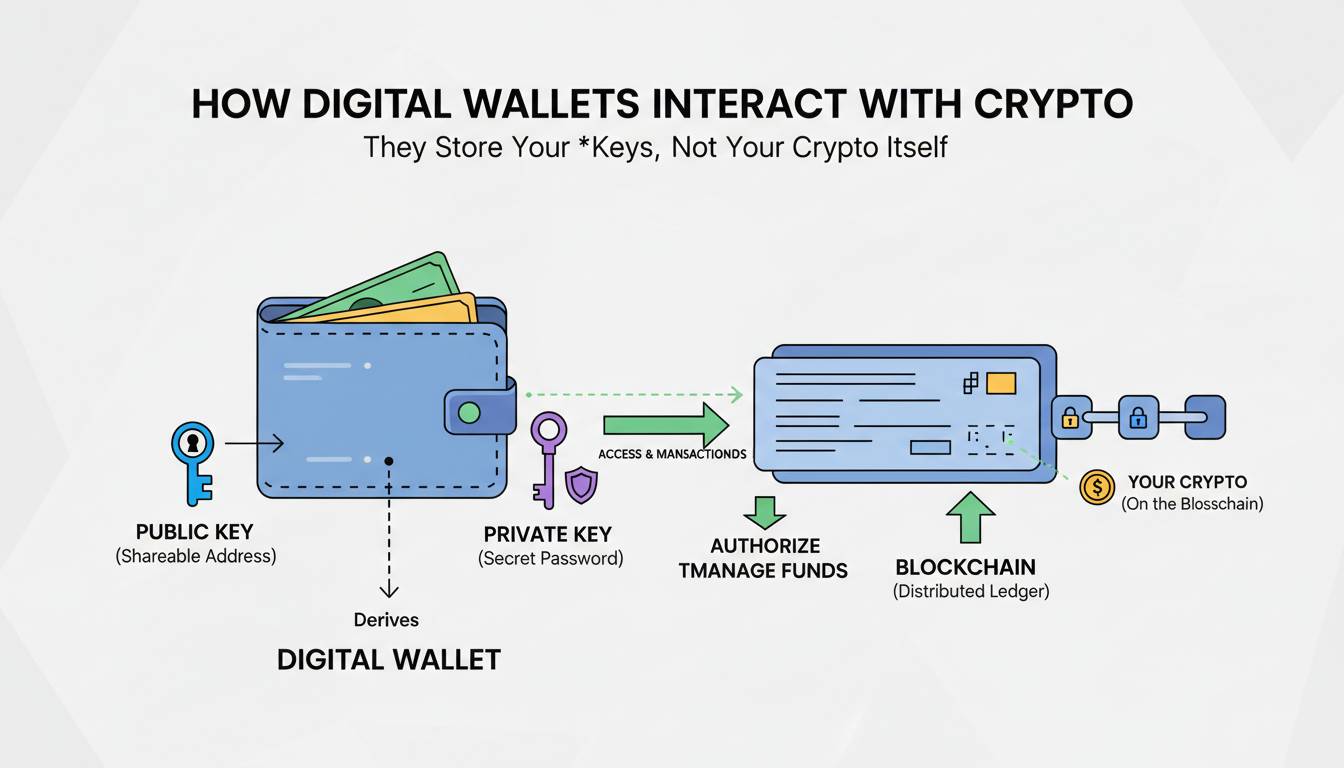
The treatment of self-custody wallets generates significant debate. These software programs or hardware devices allow individuals to hold their Bitcoin directly, without trusting a third-party custodian. Bitcoin’s original design emphasized self-custody as a core principle, and many cryptocurrency advocates view regulatory restrictions on self-custody as fundamentally at odds with what makes Bitcoin valuable.
The legislative debate centers on whether individuals should be required to undergo identity verification when creating or using self-custody wallets, and whether businesses that facilitate interactions between self-custody wallets and exchanges should face additional compliance obligations. Proponents of stricter regulation argue that self-custody wallets have been used to launder money and evade sanctions, pointing to cases where criminals have exploited the pseudonymity of blockchain transactions.
Opponents counter that self-custody represents an essential check against financial censorship and that imposing identification requirements on wallet creation would create a surveillance infrastructure with potential for abuse. They also argue that criminals will simply use anonymous wallets regardless of domestic legal requirements, meaning restrictions would primarily burden law-abiding citizens while doing little to actually prevent illicit activity.
The current legislative proposals represent a compromise. Rather than requiring individual wallet users to verify their identity, the legislation focuses on imposing compliance obligations on businesses that serve as intermediaries. This means exchanges would need to collect information about customers who transfer Bitcoin to self-custody wallets, but individuals creating and using their own wallets would face fewer direct requirements.
The practical implications depend significantly on implementation. If exchanges implement aggressive monitoring and restrictions on transfers to self-custody wallets, users could find it increasingly difficult to move Bitcoin off of centralized platforms. If implementation is more moderate, the impact on self-custody enthusiasts may be relatively limited.
The Timeline for Implementation and What It Means for You
Legislation of this complexity typically takes months or years to move from proposal to implementation, and crypto regulation is no exception. The FIT21 Act passed the House in May 2024, but the Senate has not yet acted on comparable legislation. Multiple committees claim jurisdiction over different aspects of cryptocurrency regulation, and competing proposals from different senators add additional complexity to the legislative process.
The most optimistic timeline suggests comprehensive crypto legislation could be enacted by late 2025, with implementation beginning in 2026. More pessimistic observers suggest the current window for comprehensive reform may close without action, leaving the enforcement-based status quo in place for the foreseeable future.
Regardless of the exact timeline, the underlying trend toward greater regulation appears irreversible. The cryptocurrency industry has grown too large to ignore, and both political parties have shown interest in establishing clearer rules. Even if comprehensive legislation fails to pass in the current Congress, narrower bills addressing specific issues like stablecoin regulation or targeted anti-money laundering provisions could advance independently.
For Bitcoin holders, now is the time to evaluate your own situation and prepare for potential changes. If you currently hold Bitcoin on an exchange, consider whether you want to maintain that position or move your holdings to self-custody while the regulatory environment remains relatively unsettled. If you plan to sell Bitcoin in the future, ensure you are maintaining accurate records of your cost basis and transactions, regardless of whether reporting requirements are ultimately implemented.
Expert Perspectives on the Regulatory Changes
Industry analysts and legal experts offer varying assessments of current legislative proposals. Some view comprehensive regulation as ultimately positive for Bitcoin, arguing clearer rules will attract institutional investors and mainstream financial institutions that have previously avoided cryptocurrency due to regulatory uncertainty.
“If we get comprehensive legislation passed, I think you’ll see a significant influx of institutional capital into Bitcoin,” said one cryptocurrency fund manager who spoke on condition of anonymity. “The big money players want regulatory clarity, and they’re willing to accept some compliance burden in exchange for knowing the rules.”
Others are more skeptical. “There’s a real risk that we end up with a system that makes it difficult for ordinary people to use Bitcoin while doing little to actually prevent the illicit activity that regulators claim to be concerned about,” said a digital rights advocate who works on financial privacy issues.
Legal scholars note much depends on how implementing agencies, particularly the SEC and CFTC, interpret and enforce whatever legislation is ultimately enacted. Agencies have significant discretion in how they apply rules to specific circumstances, and aggressive enforcement can sometimes matter more than the letter of the law.
Preparing Your Bitcoin Holdings for a New Regulatory Environment
Given uncertainty about exactly what regulations will be implemented and when they will take effect, Bitcoin holders should consider several practical steps to prepare for potential changes.
First, ensure you have full control of your private keys if that is important to you. Moving Bitcoin from an exchange to a self-custody wallet you control is a personal decision that depends on your technical competence, security capabilities, and philosophical views about self-custody versus custodial storage. However, if self-custody is important to you, making the transition sooner rather than later may avoid potential complications if future regulations make it more difficult to move Bitcoin off of exchanges.
Second, organize your transaction records. Regardless of what specific reporting requirements are implemented, maintaining accurate records of your Bitcoin purchases, sales, and transfers will make it easier to comply with whatever rules ultimately take effect. This includes keeping track of the date, amount, and cost basis of every transaction, as well as the purpose of the transaction if it involves business activity.
Third, consider consulting with a tax professional who has experience with cryptocurrency. The tax implications of Bitcoin transactions are complex and have not been fully resolved even under current law. A qualified tax advisor can help you understand your obligations and ensure you are not exposing yourself to unnecessary risk.
Finally, stay informed about developments in Congress and regulatory agencies. The cryptocurrency regulatory landscape is evolving rapidly, and provisions that seem likely to be included in final legislation can sometimes be modified or removed during the legislative process. Following reliable sources of information and understanding the arguments on different sides of these issues will help you make informed decisions about your Bitcoin holdings.
The Unresolved Questions That Remain
Despite progress made in developing comprehensive cryptocurrency legislation, significant questions remain unanswered. How will the legislation address decentralized exchanges and protocols that operate without traditional corporate structures? What happens if different jurisdictions implement conflicting rules for cryptocurrency transactions that cross borders? Will the legislation adequately protect consumer privacy while still addressing legitimate concerns about financial crime?
These questions do not have easy answers, and the resolution of these issues will shape the cryptocurrency landscape for years to come. What is clear is that the status quo is not sustainable—years of enforcement-driven regulation without clear legislative guidance has created confusion, driven businesses overseas, and left ordinary Americans uncertain about their legal obligations.
The coming months will determine whether Congress can translate current political momentum into actual legislation. For Bitcoin holders, the prudent approach is to prepare for a world of greater regulatory clarity while staying flexible enough to adapt as specific rules become clearer. The fundamental value proposition of Bitcoin—decentralized, permissionless, scarce digital money—will survive regulatory changes, but how ordinary Americans access and use that Bitcoin may look quite different in five years than it does today.