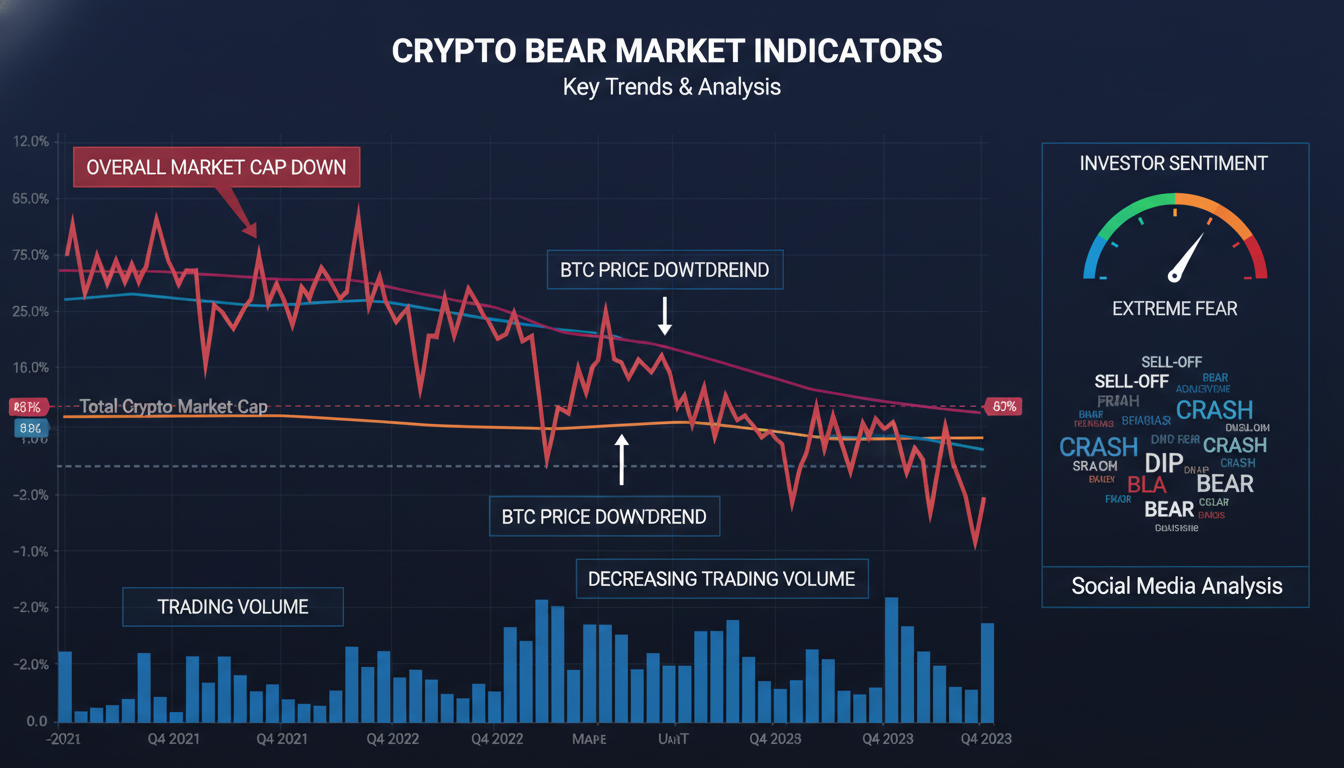

The market was humming along nicely on May 9, 2022, until it wasn’t. Within hours, Terra’s LUNA token lost 99% of its value. But the real story wasn’t just the collapse—it was the chain reaction that followed. As leveraged traders scrambled to cover positions, their failures triggered more failures, dragging Bitcoin down 15% and wiping out over $400 million in long positions in a single hour. What happened wasn’t a normal correction. It was a liquidation cascade, and understanding exactly how it works is essential for anyone serious about trading crypto.
This isn’t academic theory. These cascading liquidations have destroyed fortunes in minutes, and they’re not going away. In fact, as leverage becomes more accessible and markets more interconnected, understanding the mechanics of liquidation cascades isn’t optional—it’s survival.
A liquidation cascade is a self-reinforcing cycle where the forced liquidation of leveraged positions triggers further liquidations, causing prices to plummet far beyond what fundamentals would justify. The process feeds on itself: as prices drop, more positions hit their liquidation thresholds, which then floods the market with sell orders, driving prices lower still.
The key distinction here is the word “forced.” These aren’t traders choosing to sell—they’re systems automatically closing their positions because collateral has been depleted. On centralized exchanges like Binance, Bybit, and OKX, this happens through auto-liquidation engines that execute when margin ratios fall below maintenance thresholds. On decentralized protocols like Aave or Compound, liquidations are triggered by anyone who spots an undercollateralized position, executed by bots competing for the liquidation bonus.
The cascade effect emerges from brutal math: each liquidation creates new market supply at precisely the moment demand is evaporating. The market doesn’t gradually adjust—it snaps.
The Foundation: How Leverage and Margin Trading Work
To understand why cascades happen, you need to understand leverage first. When a trader opens a leveraged position, they’re borrowing capital to amplify their exposure. A 10x leverage position on Bitcoin means a $1,000 deposit controls $10,000 worth of Bitcoin. If Bitcoin rises 1%, the trader makes 10% on their $1,000. But if Bitcoin drops 10%, the entire $1,000 margin is wiped out—and the position gets liquidated.
This is where things get dangerous. On most crypto exchanges, the liquidation threshold isn’t at a 10% loss. It’s typically around 80-90% of the position value depending on the asset and leverage level. A 10x leveraged position gets liquidated when the market moves roughly 8-9% against it. A 50x position—common on some perpetual futures markets—liquidates after a mere 2% adverse move.
The critical concept here is “open interest.” This represents the total value of all outstanding leveraged positions in a market. When open interest is high relative to actual trading volume, the market becomes fragile. There’s a large pool of positions waiting to be liquidated, but not enough actual buyers to absorb the selling pressure when things go wrong.
Funding rates compound this vulnerability. On perpetual futures contracts, long positions pay short positions (or vice versa) every eight hours based on the difference between the futures price and the spot price. When markets are bullish and everyone is long, funding costs become significant. Traders holding leveraged longs start bleeding money just from the funding payments—and when they can no longer afford those payments, they get liquidated.
The Mechanics of a Liquidation Cascade
Here’s how it actually unfolds, step by step.
Stage One: The Trigger
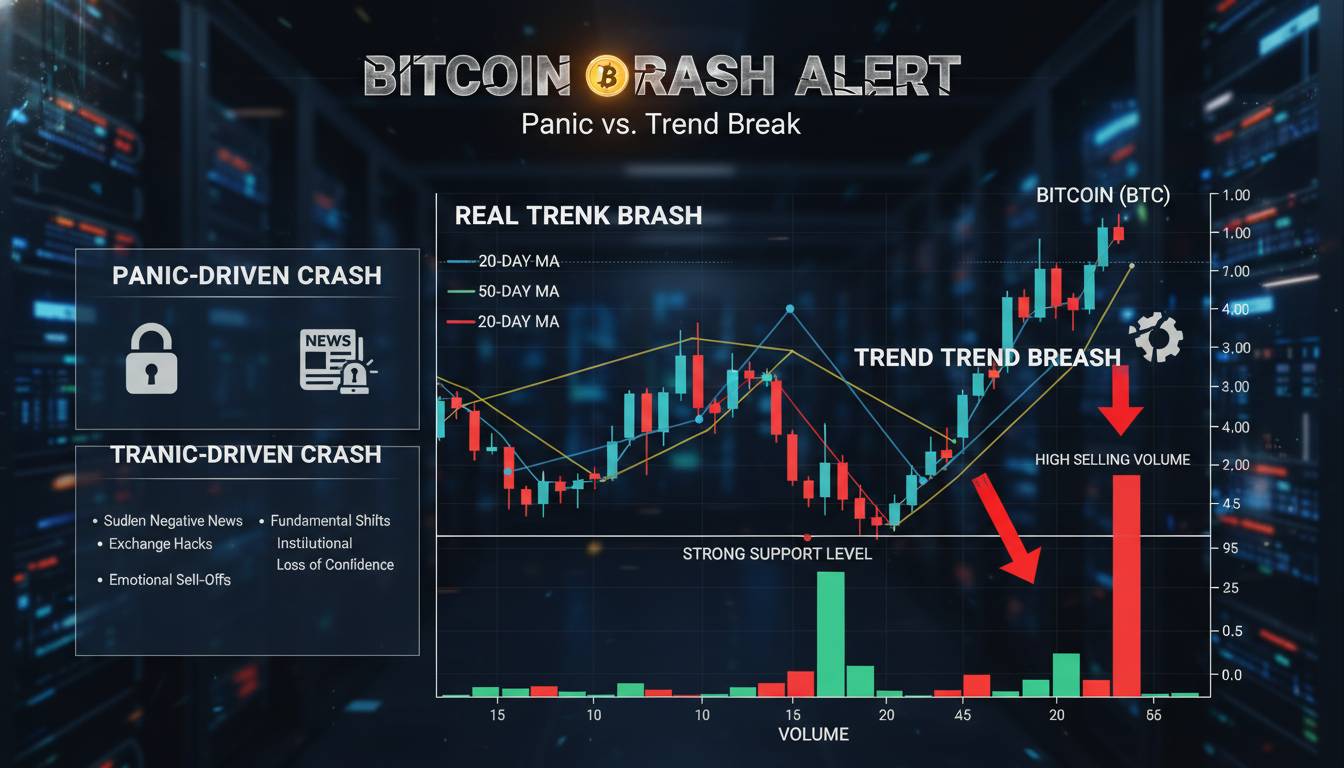
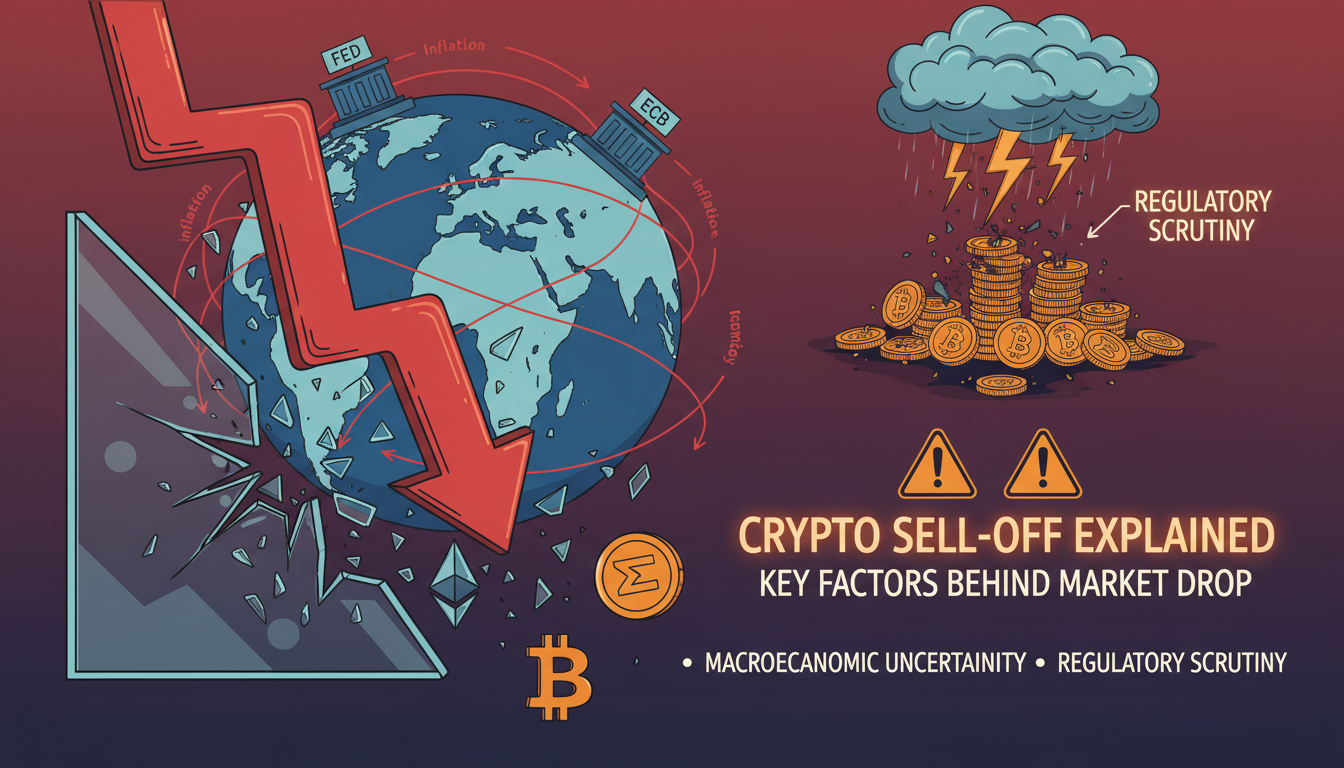
Everything starts with a catalyst. It could be a macro event like Federal Reserve news, a specific shock like the Terra collapse, or simply a technical breakdown at a key support level. The trigger doesn’t need to be dramatic—a 3-5% drop in a heavily leveraged market is enough.
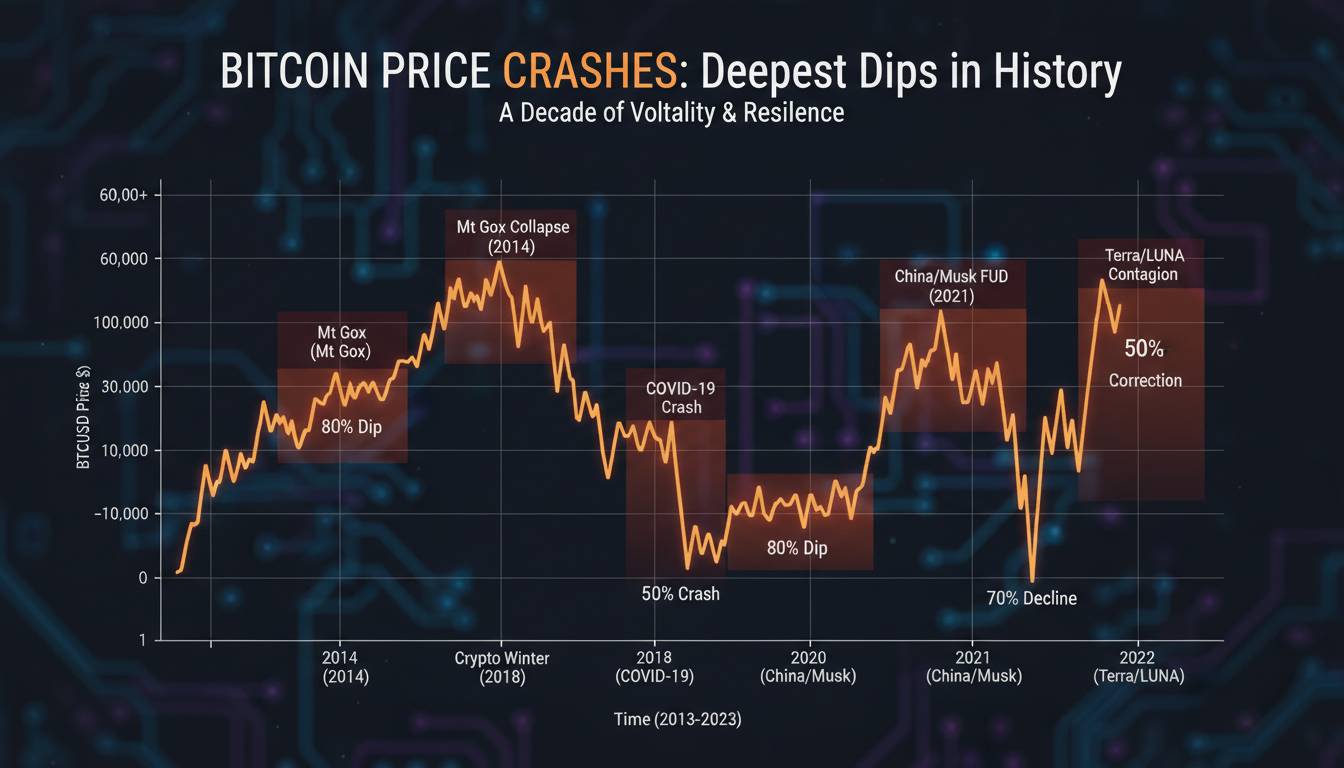
On May 19, 2021, a simple tweet from Elon Musk saying Tesla would no longer accept Bitcoin triggered a 50% crash in hours. But the crash wasn’t linear—it was punctuated by massive liquidation spikes that indicate cascade mechanics at work.
Stage Two: First Wave of Liquidations
As prices drop, the first wave of liquidations begins. These are positions with the highest leverage and smallest margins—usually traders who opened 50x or 100x positions moments before the drop. Their positions are auto-liquidated instantly by exchange engines.
Here’s what the data shows: on May 19, 2021, over $8 billion in long positions were liquidated within 24 hours. On May 9, 2022, the single-hour liquidation exceeded $400 million. These aren’t gradual exits—they’re automated forced sells hitting the order book simultaneously.
Stage Three: Price Decline Accelerates
This is where the cascade takes hold. Each liquidation adds sell pressure to a market already falling. But here’s what most people miss: the liquidations don’t just sell—they sell aggressively. Exchange liquidation engines typically use market orders to close positions immediately, meaning they pay whatever the current price is. This “market sweep” behavior actually drives prices below where they should be.
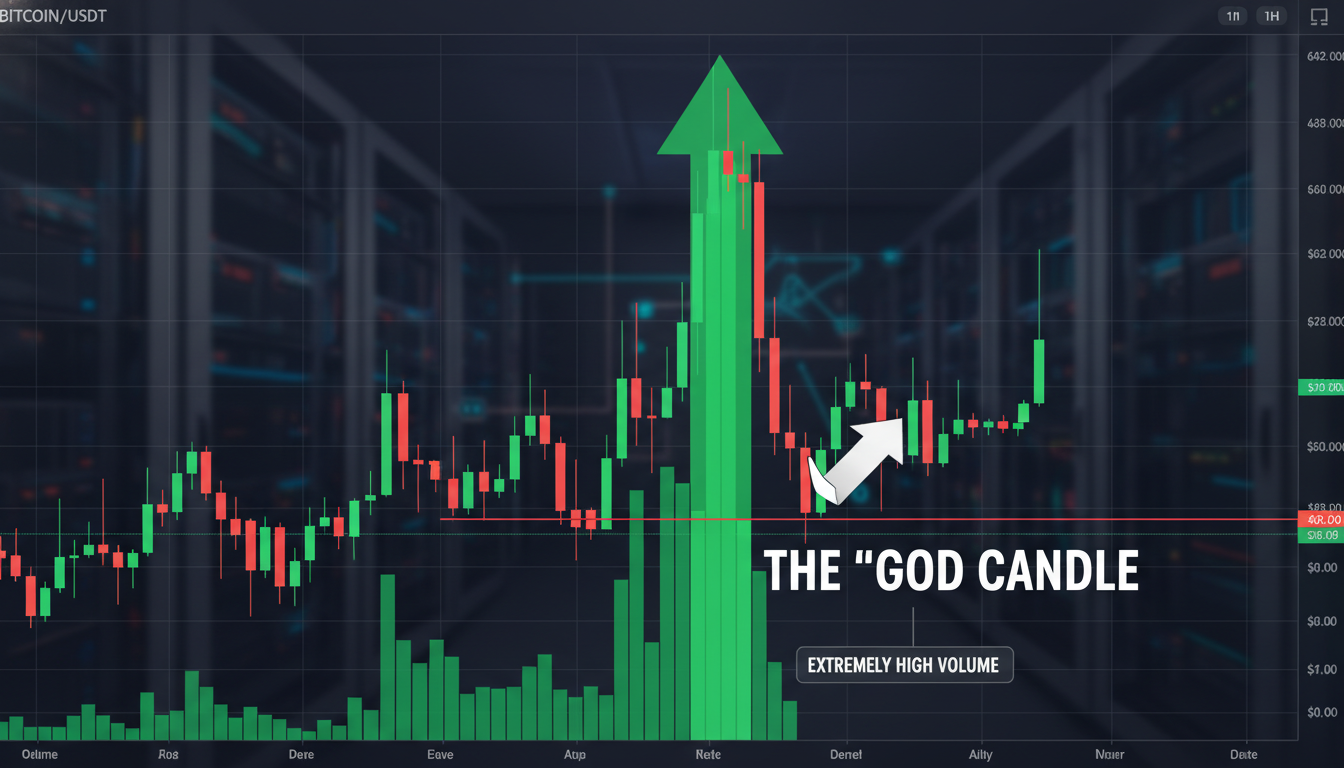
In centralized markets, this appears as long “wicks” on candlestick charts—price spikes downward that reverse within minutes. On March 12, 2020, Bitcoin’s price briefly crashed to $3,600 on Coinbase while other exchanges held around $5,000. The difference: automated liquidations hitting bids on less-liquid exchanges first, creating momentary dislocations.
Stage Four: The Cascade Peak
At the peak of a cascade, liquidations are occurring across multiple leverage bands simultaneously. A trader who opened a 10x position thinking they were being “conservative” gets wiped out because the 50x traders got liquidated first, driving prices past their liquidation point.
This is why position sizing matters more than leverage choice: in a cascade, even “safe” leverage levels become dangerous when the cascade is large enough. In the May 2022 crash, positions at 3x leverage—a level most traders consider conservative—were being liquidated because the move was so violent.
Stage Five: Recovery or Capitulation
After the cascade exhausts its fuel (all the over-leveraged positions have been cleared), the market either stabilizes or continues collapsing based on actual fundamentals. In March 2020, the cascade was followed by a remarkable recovery—Bitcoin was back above $6,000 within days because the underlying demand hadn’t disappeared, only the leverage had.
But in May 2022, the Terra collapse revealed fundamental problems in the ecosystem. The cascade didn’t reverse—it became the beginning of a longer bear market.
Historical Case Studies
The March 12-13, 2020 crash remains the textbook example of a liquidity cascade. On March 12, Bitcoin dropped 37% in 24 hours. But the cascade mechanics were visible in the microstructure: as prices fell, BitMEX—a high-leverage platform popular at the time—saw its insurance fund depleted entirely. Positions couldn’t be closed at the bankruptcy price because there were no buyers. The exchange eventually halted trading for 25 minutes, an emergency measure that likely prevented further cascade damage.
The cascading effect spread across markets: Ethereum dropped 40%, the entire crypto market cap lost $100 billion in hours. But within a week, Bitcoin was recovering. The lesson: cascades can create massive disconnects from fundamentals, and those disconnects create opportunities for traders with capital and patience.
The May 2022 Terra collapse was different. The trigger wasn’t macro—LUNA was a specific project failure that then infected the broader market through leverage channels. Three Arrows Capital, a prominent crypto hedge fund, had massive exposure to Terra through various structured products. As LUNA collapsed, the fund’s positions were liquidated, creating selling pressure across the ecosystem. The cascade revealed interconnected leverage that wasn’t visible on any single exchange’s books.
Bybit’s data from May 9, 2022 shows a clear pattern: as Bitcoin dropped from $38,000 to $31,000, long liquidation volume spiked from under $50 million to over $400 million per hour. The cascade was fully operational within three hours of the initial trigger.
Exchange Safeguards: How Platforms Try to Stop Cascades
Exchanges aren’t passive observers in these events. They’ve developed several mechanisms to contain cascades, though each has limitations.
Insurance Funds
Most major exchanges maintain insurance funds to cover liquidated positions that can’t be closed at the bankruptcy price. Binance, Bybit, and BitMEX all maintain such funds, funded by a portion of trading fees. The problem: insurance funds can be depleted quickly during major cascades, as March 2020 demonstrated. When funds run out, exchanges turn to auto-deleveraging.
Auto-Deleveraging (ADL)
When insurance funds are exhausted, exchanges use ADL to forcibly reduce positions of profitable traders to cover losses from liquidated positions. The system automatically selects the most profitable long positions and the most profitable short positions, then reduces them proportionally to cover the gap.
Here’s the problem from a trader perspective: you could be sitting on a perfectly legitimate position, not using excessive leverage, and still get ADL’d simply because you’re profitable. Your position gets closed at a loss to you, and you receive no warning. In the May 2021 crash, Bybit executed its largest ADL event in history, affecting thousands of traders who had nothing to do with the original over-leveraged positions.
Circuit Breakers and Trading Halts
Some exchanges implement temporary trading halts when prices move too quickly. CME, which offers Bitcoin futures, halts trading for 15 minutes if prices move 5% in either direction. But crypto markets trade 24/7, and decentralized exchanges have no central authority to halt trading. Circuit breakers help on regulated venues but don’t stop cascades across the broader ecosystem.
Position Limits
Exchanges often limit maximum leverage based on asset volatility and market conditions. Binance reduced its maximum leverage from 125x to 20x after regulatory pressure. These limits help but don’t eliminate cascades—they just reduce their magnitude.
How Traders Can Protect Themselves
Here’s the uncomfortable truth: you cannot completely eliminate cascade risk. But you can dramatically reduce your exposure to being wiped out by one.
Size your positions appropriately. This is the single most important rule. A 2% position size with 10x leverage exposes you to 20% of your portfolio on a single trade. A 10% position size with 2x leverage exposes you to the same 20%—but you’ll survive a cascade that liquidates the 10x trader while you’re still breathing.
Never use maximum leverage. I see traders celebrate when they see 100x leverage available. That’s not a feature—it’s a trap. The expected value of any 100x position is negative over time even before cascades are considered. You’re not trading at that point; you’re gambling.
Use hard stops, not mental stops. In a cascade, “I’ll just close if it drops below X” doesn’t work because X gets breached in seconds. If you’re using leverage, set actual stop-loss orders that execute regardless of market conditions. Yes, you might get slippage—but you’ll get less slippage than if you’re liquidated entirely.
Understand correlation risk. If you’re holding leveraged positions across multiple crypto assets, you’re more exposed to cascade risk than you think. When one asset triggers a cascade, they tend to correlate. Your “diversified” leveraged portfolio is actually concentrated in one bet: that no cascade hits while you’re positioned.
Hold some dry powder. This is counterintuitive in a leveraged context, but having unleveraged capital available during a cascade is the only way to capitalize on the dislocations cascades create. Everyone else is being forced to sell—you want to be buying. That requires capital that isn’t already committed.
The Uncomfortable Reality
Here’s what most articles on this topic won’t tell you: cascades are becoming more frequent, not less. As crypto markets mature, leverage products become more accessible, and more participants enter with insufficient understanding of the risks, the conditions that create cascades are being reproduced constantly.
The May 2022 cascade revealed that some major funds were running leverage ratios that would be illegal in traditional finance. Three Arrows Capital was reportedly running 3-5x leverage on billions of dollars—a ratio that sounds conservative until you remember that 3-5x on a $10 billion portfolio means $30-50 billion in exposure. A 20% move doesn’t just hurt—it bankrupts.
What’s changed is that we now have better data on cascade mechanics. Exchange transparency has improved. But the fundamental structure remains: leverage amplifies both gains and losses, and when leverage becomes systemic, cascades become inevitable.
The next major cascade isn’t a question of if—it’s when. The only question is whether you’ll be the one explaining why it happened, or the one it happens to.