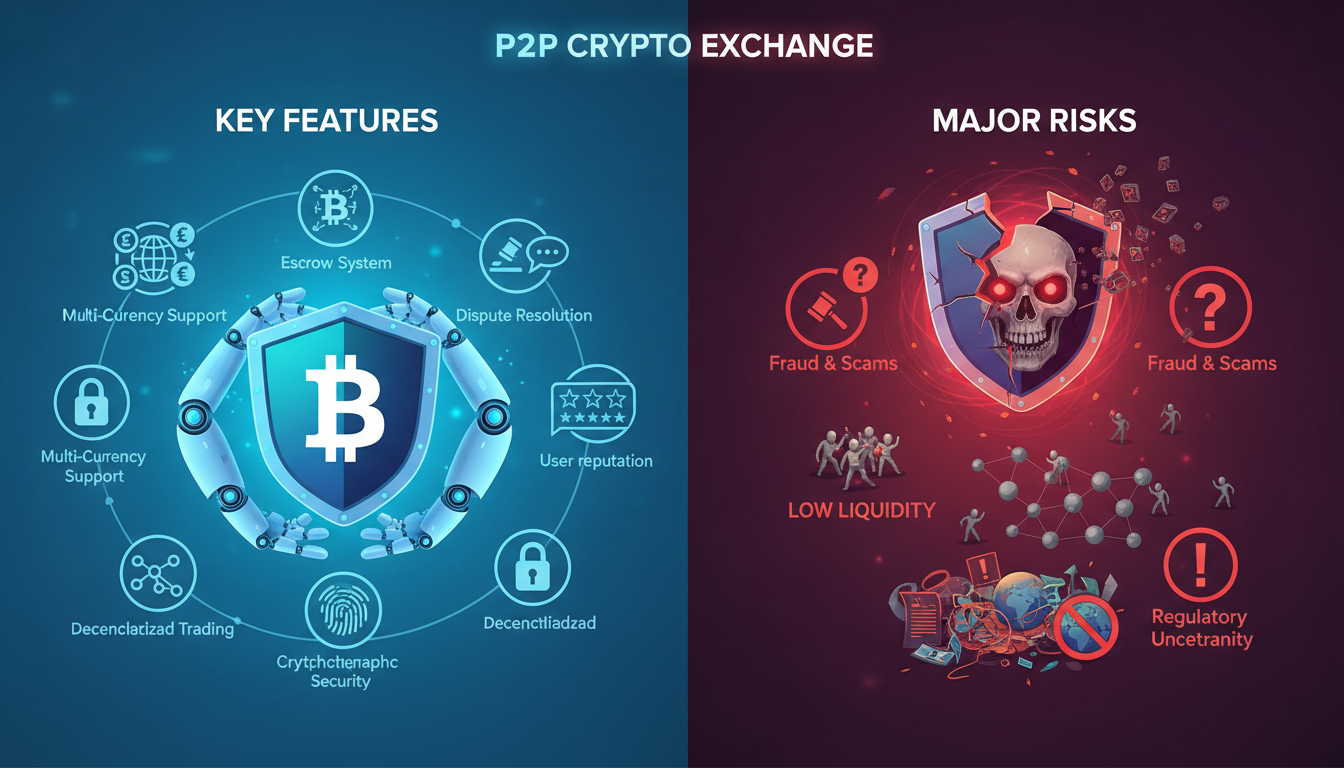
P2P crypto exchange development, in a nutshell, means building a platform where users trade cryptocurrencies directly with each other—no intermediaries. This involves key features like matching engines, escrow mechanisms, wallet integration, identity verification, and robust security tools. But it’s not all smooth sailing: risks span from fraud, regulatory uncertainty, liquidity gaps, to tech vulnerabilities. Let’s dig deeper and explore both the mechanics and the pitfalls, in a voice that feels like real talk—complete with little quirks and human tidbits, because life and writing both got those.
Core Features of P2P Crypto Exchange Platforms
Matching Engine and Order Book Structure
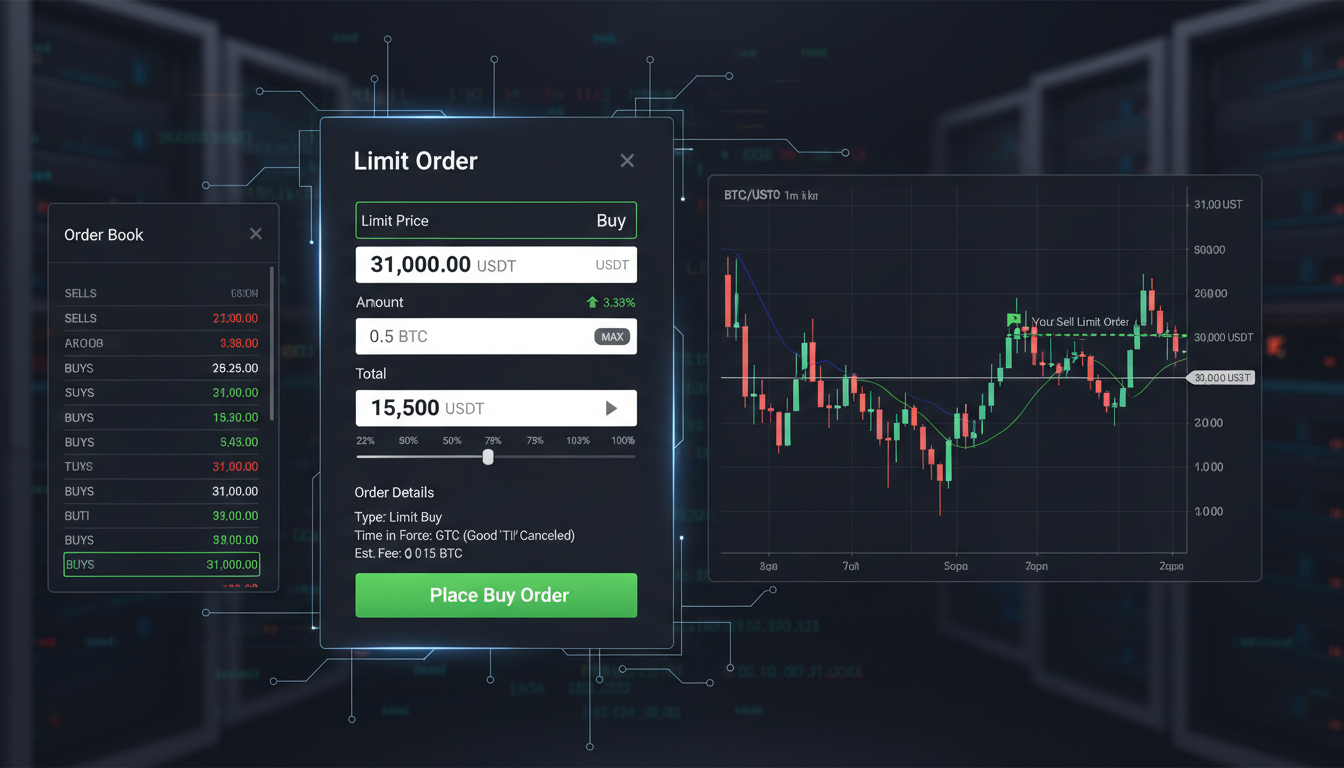
A P2P exchange hinges on a matching engine that pairs buyers and sellers. It’s often simpler than centralized exchanges—mostly focusing on peer-pairing through bid and ask listings. These platforms may adopt a first-come, first-served model, or prioritize by price and time. The design emphasizes speed, transparency, and fairness. In practice, that means responding quickly to user submissions and showing everyone the same terms. It’s small but mighty.
Escrow System and Settlement Protocols
Escrow acts like a referee in trades—it holds funds temporarily until both parties fulfill the exchange terms. On the crypto side, it locks digital assets; on the fiat side, it ensures payment is confirmed. Settlement rules must be clear: what triggers release, handling disputes, refunds. It’s kinda like a handshake but with strongbones—secure, reassuring, but occasionally shaky if not designed right.
Wallet Integration and Payment Rails
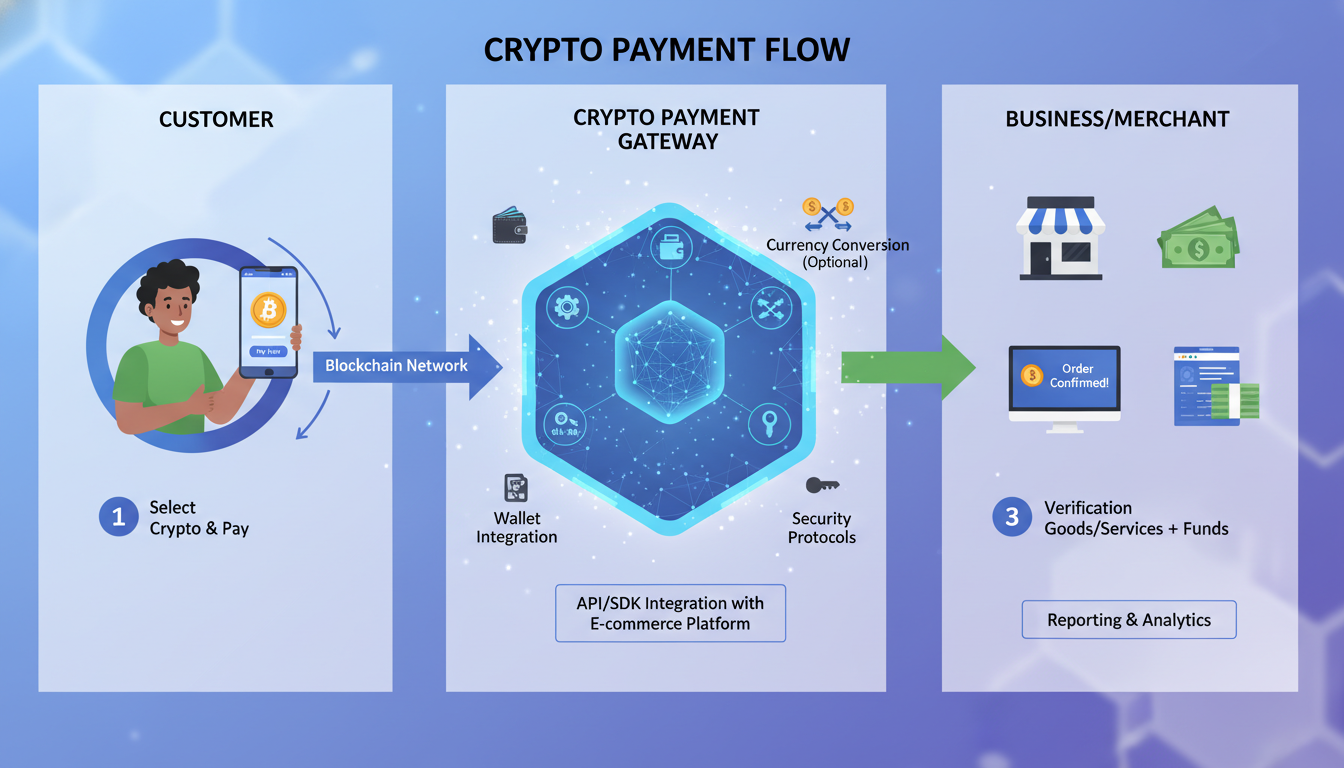
Built-in wallets are expected. Some platforms support self-custody wallets, others let users link external wallets or bank accounts. It’s key to manage assets securely, and to help users move funds smoothly. Payment methods—bank transfers, mobile money, digital wallets—need seamless handling. In many markets, local payment options are a big draw. No one wants to fuss around with complex funding options.
KYC/AML Compliance Tools
Even P2P platforms can’t dodge Know Your Customer (KYC) and Anti-Money Laundering (AML) rules. Features include identity verification via document upload, facial matching, and risk-based transaction monitoring. These add friction, sure, but they’re essential for trust and legal safety. Some platforms work smart—scaling verification based on trade size or frequency—keeping light users unbothered while layering checks for bigger sums.
User Interface and Experience
For users, simplicity matters. Good P2P platforms offer clean dashboards, clear trade flows, and status updates—like “escrow pending” or “payment received.” Real-time chat between trading parties adds ease. And alerts, like push notifications or email nudges, help track trade progress. It should feel intuitive—like texting a friend about a deal, but with fortified safety rails.
Dispute Management and Support
Inevitably, not every trade goes perfectly. Platforms need a transparent support system: users file disputes, supply evidence, and moderators step in. Fast response times and clear resolution rules—like fund release conditions—are key. Some setups let fallback arbitration by trusted third parties. It’s a safety blanket for when trust breaks, albeit imperfect.
Major Risks in P2P Exchange Development
Fraud, Scams, and Counterparty Risk
Trust is hard to enforce when users are strangers. Scams—fake payments, chargebacks, ghost shipments—are real threats. Counterparty risk looms large. Escrow helps, but it can’t catch everything. Fraud detection tools, user-rating systems, and limits for new traders help. Without them, platforms are wide-open to bad actors.
Regulatory Uncertainty and Legal Exposure
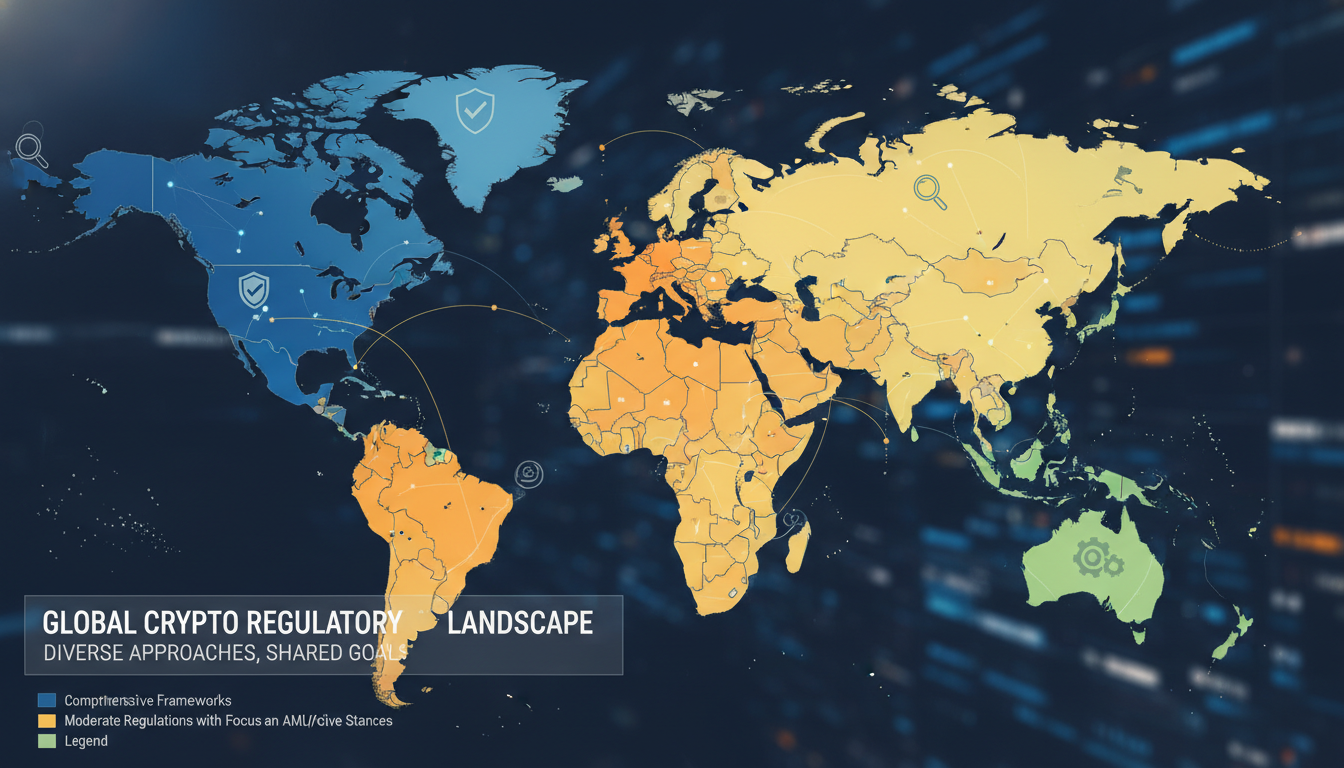
Crypto norms shift fast. Some countries are chill with P2P trading; others are tight on registration, reporting, or outright bans. Without clear regulation, platforms could face fines or shutdowns. Developers must embed compliance flexibility—from permit modules to jurisdiction-specific workflows—so platforms can pivot quickly, legally.
Liquidity Challenges and Trading Volume
Even if peer-to-peer sounds smooth, poor liquidity kills the vibe. Too few users offering to buy or sell means trades stick around waiting. Low volume discourages new users, starting a vicious cycle. To counteract this, some platforms seed initial liquidity, create incentives, or run hybridization—connecting with deeper liquidity pools behind the scenes.
Security Flaws and Technical Vulnerabilities
Technical faults—from weak encryption, insecure APIs, to smart contract bugs—invite hackers. Wallet theft, escrow manipulation, or data breaches can wreak havoc. Regular audits, bug bounties, two-factor authentication, encryption best practices—these aren’t optional. They’re the silent guardians of user trust.
Operational Overheads and Cost Pressures
Running a P2P platform costs—servers, KYC tools, support teams, moderation staff, legal help. These devour margins if volume stays low. Building too lean can cripple growth; over-invest until volume justifies costs, and you bleed cash. Balancing operational scale versus revenues is a tricky leap.
Building for Trust and Balance: A Strategic Outlook
Layered Verification, Trust, and Scaling
Start smart: light identity checks for small trades, and escalate for bigger ones. Introduce user reputation gradually. Let verified and high-scoring users access higher limits. It’s trust by performance, not just paperwork. This dynamic layering respects user convenience while building credibility.
Hybrid Liquidity Models
Pure peer liquidity sometimes falters. Blending P2P with order-book or OTC liquidity wires up more depth. You may let market makers top-up when P2P pools thin. It costs more, sure, but liquidity breeds platform credibility and stomps user hesitation.
Regulatory Agility and Modular Compliance
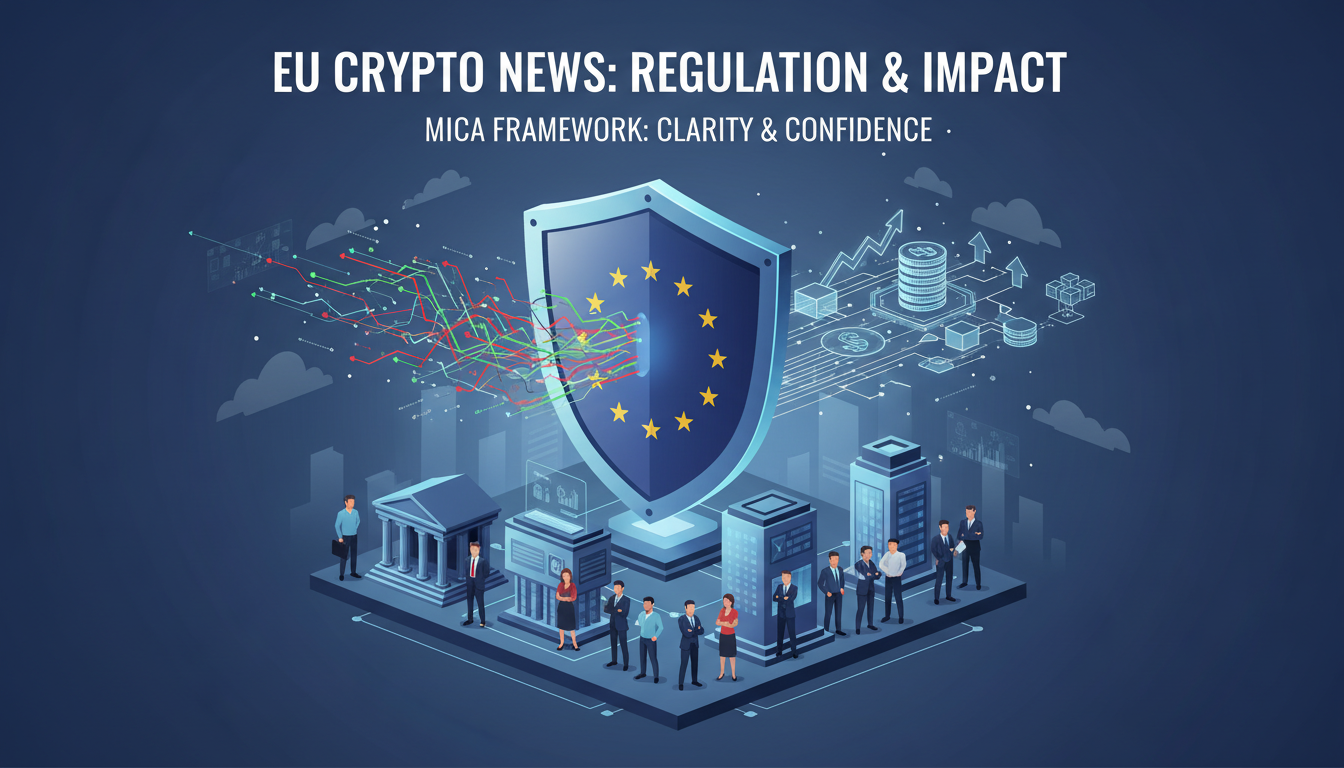
Make compliance modular—add geofencing, adaptable KYC/AML pipelines, or jurisdiction-aware fee bars. If regulations shift, updating modules is way easier than rewriting the core. It’s a practical hedge against the legal roller coaster.
“A robust P2P platform isn’t about avoiding risks—it’s about designing features that anticipate them in everyday flow.”
Security-First Mindset
Security isn’t a finish line—it’s a practice. Go for regular code audits, continuous threat monitoring, layered defenses, and recovery plans. Keep users in the loop when incidents happen. Transparency builds trust faster than silence ever does.
Real-World Examples (Mini Case Studies)
Consider a platform that opened in emerging markets, weaving mobile money with crypto trading. It started just with bank-to-wallet trades, added escrow and simple KYC, and grew via word-of-mouth and local trust. When liquidity fell short, it partnered with OTC desks to fill gaps. They added tiered verification, so regular users traded fast while large deals had more checks. Slow, smart growth won the game.
Another project in a developed market layered local payment rails with instant transaction APIs. Known for clear dispute resolution rules, the platform won user trust fast. They offered a redemption protocol—backing trades via local agents who handle cash exchange physically and digitally. That hybrid setup proved resilient both in regulation and trust.
Conclusion
Building a P2P crypto exchange is equal parts structure and strategy. The core features—matching engine, escrow, wallets, KYC, dispute tools—form the foundation. But success hinges on anticipating risks like fraud, legal shifts, liquidity woes, and tech flaws. Platforms that layer checks, scale compliance modularly, plug in hybrid liquidity, and embed security from day one can bridge peer trust gaps. Keep building, keep learning—and let trust, transparency, and resilience guide every trade.
FAQs
What’s the difference between a P2P crypto exchange and a centralized one?
A P2P exchange lets users trade directly with each other, while a centralized one matches trades and holds funds. P2P emphasizes peer trust and escrow, whereas centralized offers liquidity and speed but controls custody and order flow.
Are P2P crypto exchanges legal?
That depends: in some countries, yes—with licenses or compliance; in others, they’re restricted or barred. Designing compliance flexibility helps platforms adapt as rules change.
How do P2P platforms prevent fraud?
They use escrow to hold assets during trades, ID verification, user ratings, trade limits, and sometimes dispute resolution. It’s all about blending technology with transparency.
Why is liquidity a key issue on P2P platforms?
Trades depend on matching buyers and sellers. If there aren’t enough participants, trades stall. Hybrid models that add external liquidity can help fix that.
Is escrow safe enough in P2P exchanges?
Escrow is helpful but not bulletproof. Its safety depends on implementation quality, secure handling, and dispute resolution frameworks. Strong tech plus fair processes make it stronger.
What’s essential when designing for compliance?
Flexibility. Build modular KYC/AML, geofences, and localized rule sets. That lets platforms adapt fast when regulations change—without rebuilding the whole engine.