
If you’re wondering what penny cryptos are and why they’re called “high‑risk, high‑reward plays,” here’s the short, clear answer: penny cryptos refer to low‑priced, small‑market‑cap digital assets that trade for just pennies per unit. They offer the chance for explosive gains if they catch momentum, but they come with serious risks—lack of liquidity, high volatility, and potential for fraud. In other words, you could make a killing, or lose almost everything—pretty much both extremes are on the table from day one.
Let’s unpack what makes these coins tick, what to watch out for, and whether that dream of turning pocket change into big returns is real—or just hype.
Why Penny Cryptos Are So Popular and So Risky
Penny cryptos attract thrill‑seekers because they’re cheap. Literally cheap. You might buy thousands or even millions of tokens with just a few dollars. That low price point taps into that “come on, why not?” impulse. But it also means tiny traders—sometimes bots—can pump the price with minimal capital. You get huge pumps, sudden crashes.
On the flip side, these markets are mostly unregulated. There’s little oversight. Plenty are scams, rug‑pulls, or simple ghost towns with zero development. That unchecked environment boosts reward potential, sure—but also spikes the chance of total wipeout.
Think of it as a gamble in a neon-lit casino. You might hit the jackpot, but the house edge is real and it’s steep.
How Penny Cryptos Gain Traction (Briefly)
1. Social Media Buzz
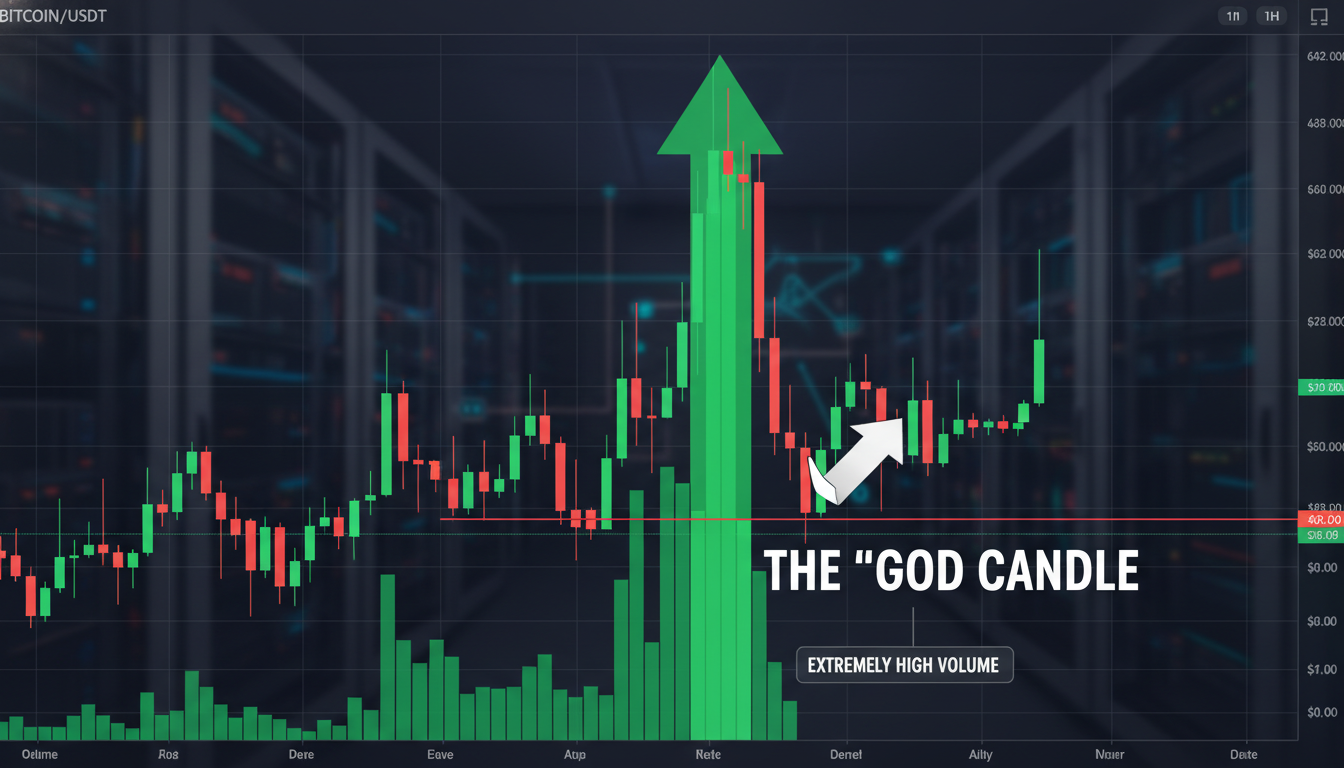
A tweet, a TikTok trend, or a Reddit storm can spark interest faster than most mainstream assets. A coin with no real use case can shoot up 10x overnight on hype alone.
2. Low Trade Volume
Low liquidity means fewer traders hold a piece of the market. A single large order can swing prices dramatically.
3. Listing “Milestones”
Announcements like “getting listed on a new exchange” or “developer partnerships” often serve as catalysts—even if the actual partnership is thin. FOMO drives quick, volatile price moves.
“A lot of these coins move on noise rather than fundamentals,” says Sam Rivers, a crypto researcher. “It’s not uncommon to see 50% swings based on a single social post.”
What Makes Penny Cryptos So Risky
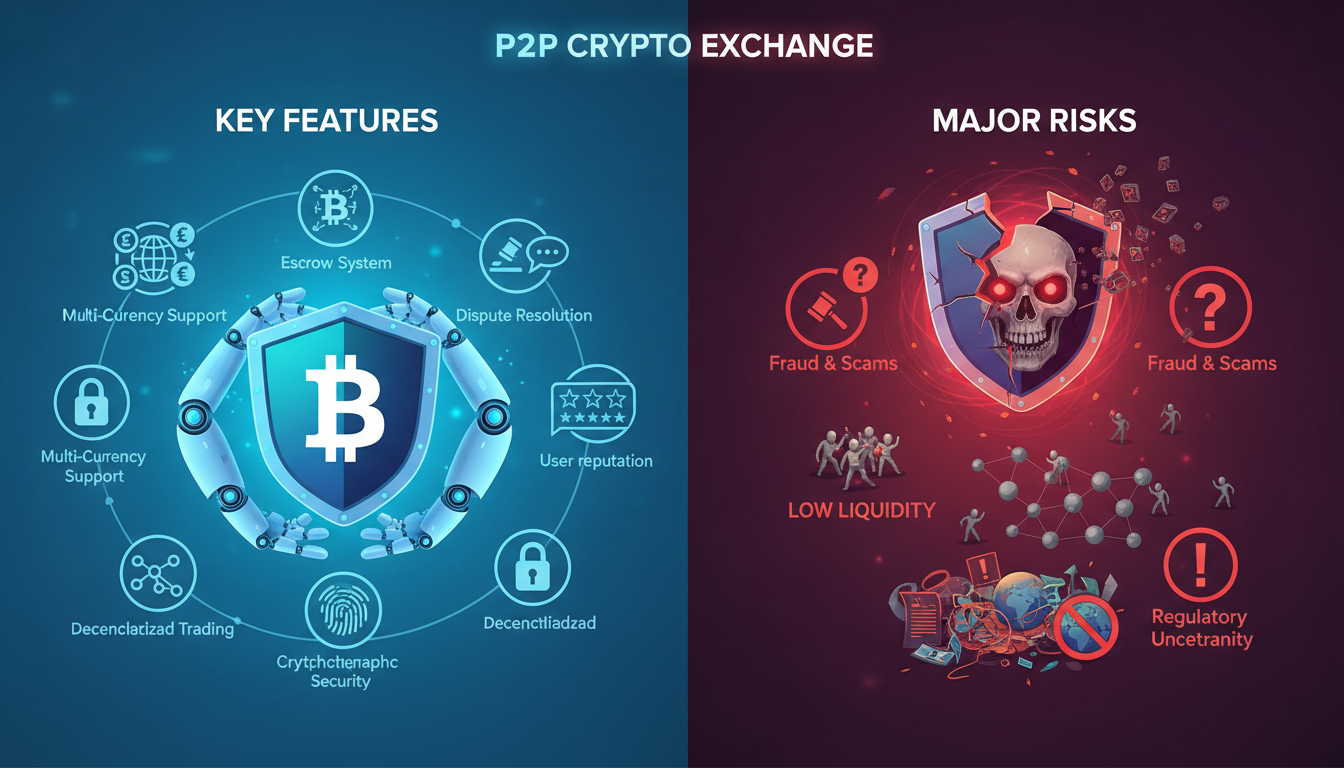
Liquidity Traps
It’s easy to buy early and dump at a quick profit—but when you try to sell, there might be no buyers left. You’re stuck holding worthless tokens.
Rug‑Pulls & Scams
Developers vanish. Projects fake audits. Smart contracts get exploited. If the code isn’t transparent—and even if it is—trust is always a gamble.
No Real Underlying Value
Many penny tokens don’t solve anything. They lack team experience, product roadmaps, or tangible utility. If traders get bored or suspicious, the price can tank overnight.
Extreme Volatility
With low caps, even small news—or a single whale—can shift prices drastically. There’s no buffer zone.
Real‑World Example: The Tale of “NanoCoinX”
Let’s say you bought NanoCoinX at $0.002 after a hype post. Within a week, it pops to $0.02. You’re up 900%. That’s the dream. But at that peak, you discover you can’t execute your sell order without slippage. Worse, the listing on a new exchange was just a demo, not live. Then devs vanish. The price crashes to $0.0005. Now, you’re down from your initial entry by 75%. Happens a lot.
Smart Strategies if You Still Want to Play
Do Basic Homework
Don’t trust fancy websites. Check the token’s contract, project team, GitHub updates (if any), and genuine roadmap progress.
Use Small Stakes
Never invest more than you’re willing to lose entirely. For most people, that’s cents—not hundreds of dollars.
Set Exit Plans
Decide in advance when you’ll sell—say, after a 50% gain or if signs turn ominous. Stick to it.
Diversify Some
Even within penny cryptos, spread your bets. Don’t put all your chips on one hype train.
Watch On‑Chain Metrics
If possible, use blockchain explorers to see wallet distributions—who holds most tokens—and check if whales might be drying up.
Weighing the Upside vs. Downside
| Potential Upside | Potential Downside |
|————————————-|——————————————–|
| Massive gains on small capital | Total loss of investment |
| Low entry barrier | Scam potential and rug pulls |
| Quick, explosive trading moves | Manipulated liquidity, fake listings |
| Bleeding-edge new token discoveries | Wild volatility, erratic price swings |
A Balanced Perspective
Yes, penny cryptos can deliver jaw‑dropping returns. But the dark side is just as real—those same ones can burn investors fast. There’s a reason so many exits go silent and everyone else is left staring at zeroes on their screen.
You’re not investing so much as speculating. That difference matters. Speculative plays don’t need shiny whitepapers or real utility. They thrive on hype.
But maybe you enjoy that thrill. If so, treat these like micro‑bets—mini lottery tickets. The goal isn’t to retire on them but to maybe squeeze a small win if luck and timing align.
Conclusion
Penny cryptos are absolutely high‑risk, high‑reward. They’re cheap entry points that can deliver dramatic gains—but they also come with serious pitfalls: low liquidity, scams, volatility, and lack of real value. If you choose to participate, do your research, go in with tiny amounts, and always have an exit plan. Think of it as entertainment, not serious investing.
FAQs
What exactly counts as a penny crypto?
Penny cryptos typically trade under a dollar, often just cents or fractions of a cent. They’re usually small, low‑market‑cap projects—some with very limited activity or visibility.
Can penny cryptos really make me rich?
It’s possible, but rare. A few projects do explode in value, but most don’t. It’s more realistic to expect modest, speculative gains—if luck and timing take you where you want to go.
How do I spot a scammy penny crypto?
Look for anonymous developers, no code repository, fake partnership claims, or unrealistic promises. Trust clear, transparent info—especially active developer updates or verifiable smart contract audits.
Is there a safer way to invest in crypto?
Yes. Consider more established cryptocurrencies with larger market caps and proven use cases. Penny cryptos are speculative—stablecoins or blue‑chip cryptos are generally less risky.
Should I use exchanges or direct wallets for penny cryptos?
Start with reputable exchanges if available. But many penny coins only trade on smaller decentralized platforms—so be cautious, know your wallet, and always double‑check contract addresses before you buy.
How much should I invest?
Only what you’re truly okay with losing—think along the lines of loose change, not serious capital. Always use limits and stop‑losses where possible.