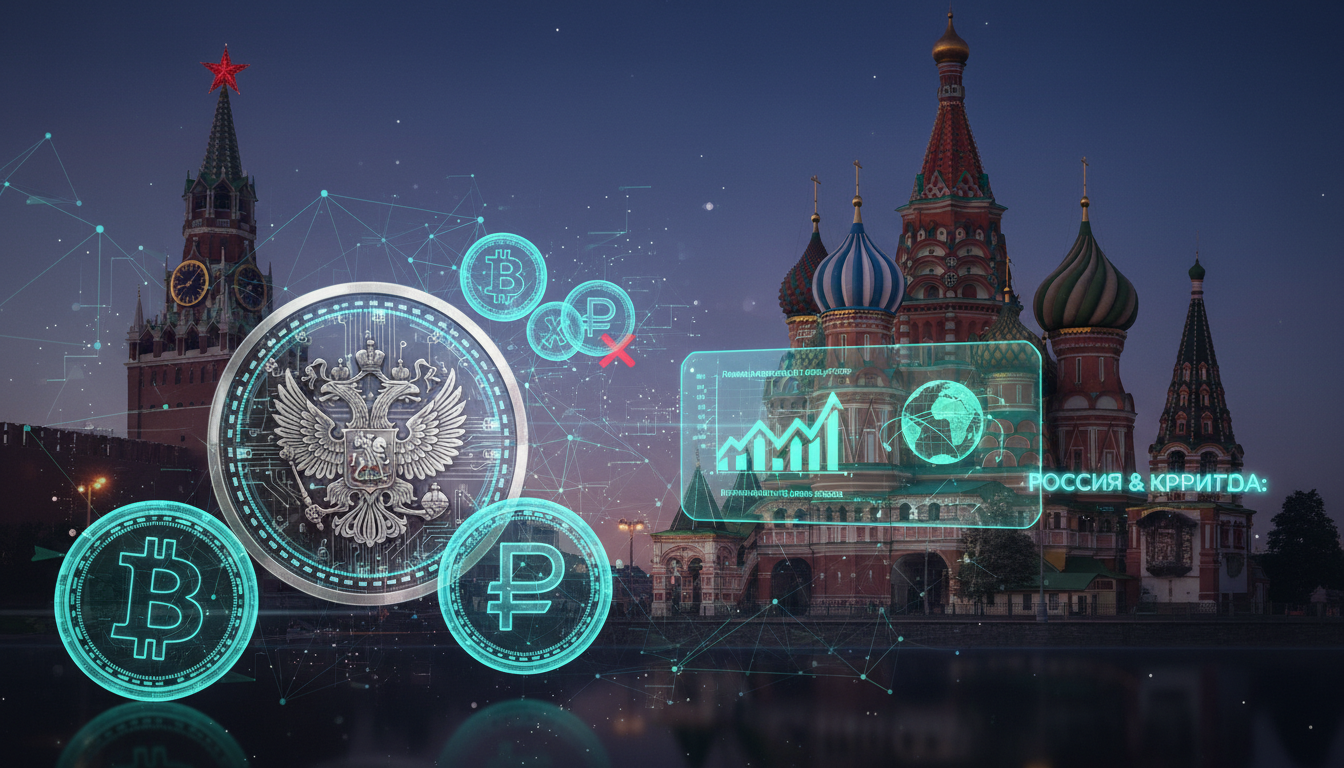
Russia has accelerated its shift from a regulatory gray zone into a tightly structured crypto ecosystem. The country is formalizing rules for crypto exchanges, licensing stablecoins, launching the digital ruble, and even criminalizing illegal mining. Adoption has also surged—Russia recently led Europe in crypto usage, driven by institutional transfers, DeFi growth, and new payment alternatives like A7A5. Here’s a clear, up-to-date look.
Regulation Landscape: From Ambiguity to Structured Oversight
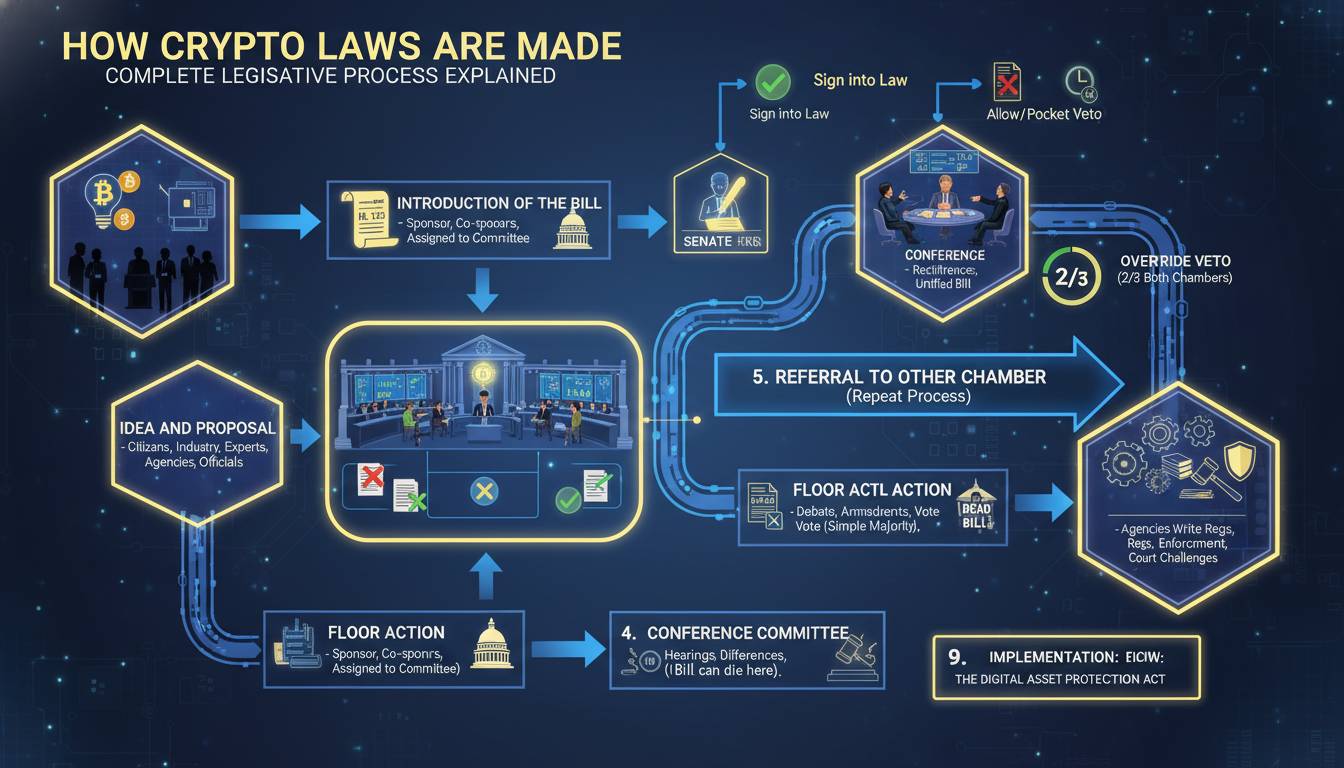
A Bill to Define Clear Rules
By the end of June 2026, Russia plans to vote on a sweeping crypto regulation bill. The law is expected to establish trading caps for retail investors, strict licensing mandates for exchanges, expanded powers for the Central Bank to vet digital assets, and legal usage of stablecoins in foreign trade.
State regulators propose enforcing new rules gradually. Licensed intermediaries such as exchanges, brokers, and trust managers will be authorized to operate within a legal framework. The draft law is to be finalized by July 1, 2026, with criminal liability for illegal crypto intermediation kicking in by mid-2027.
Central Bank Measures and Sandbox Strategy
The Bank of Russia (CBR) has increasingly moved from outright skepticism to close control. Key measures include:
- A 1% cap on bank crypto exposure, fully effective in 2026, with compulsory own-capital backing for crypto-backed assets.
- Draft rules to license stablecoins—requiring 100% collateral, regulatory reporting, and registration—with final regulations expected by end of 2025.
- An Experimental Legal Regime (ELR) allowing high-net-worth (“especially qualified”) investors to operate in a monitored sandbox.
- Tightened AML/KYC: mandatory reporting for crypto transactions above approximately 600,000 rubles, monthly aggregated reporting to the tax service, and mandatory VASP registration under oversight by Rosfinmonitoring.
Mining Tightens — Illegal Activity Becomes Criminal
Russia is moving to criminalize unauthorized crypto mining in 2027. New amendments to the Criminal Code introduce Article 171.6, targeting unregistered operators or those exceeding energy and revenue thresholds. Penalties range from fines to prison terms up to five years, depending on the severity.
This builds on 2024 regulations allowing small-scale, registered miners. The tightening aims to clamp down on illegal mining and extract more revenue amid wartime economic strains.
Adoption Trends: Crypto’s Rising Role in Russian Finance
Adoption Grows Explosively
Between July 2024 and June 2025, Russia outpaced all of Europe with over $376 billion in crypto inflows—well ahead of the UK’s $273 billion. Transfers exceeding $10 million grew 86% year-over-year, double the European average. DeFi activity surged eightfold by early 2025, and remains several times higher than 2023 levels.
A7A5 Stablecoin Gains Ground
A7A5, a ruble-pegged stablecoin backed by Promsvyazbank and promoted by company A7, has become Russia’s de facto sanctioned alternative to USDT. It handled about $9.3 billion in four months through Grinex and reached a $500 million market cap by autumn 2025. The stablecoin supports cross-border trade, though regulators view it warily due to potential sanction evasion.
Digital Ruble on the Horizon
The digital ruble, Russia’s CBDC, has been under development since 2023. National rollout is scheduled for September 1, 2026, building on existing legal approval from mid-2025.
Institutional Platforms and Investment Access
A two-tier investor model is shaping up:
- Retail (non-qualified): Limited to 300,000 rubles annually in crypto, subject to a risk-awareness test, with access only to the most liquid assets.
- Qualified (institutional, high-net-worth): Freer access to diverse crypto products like derivatives, structured notes, and tokenized instruments.
Major players like VTB Bank plan to launch regulated spot trading for wealthy clients in 2026. Exchanges such as Moscow Exchange and St. Petersburg Exchange are gearing up platforms under the new framework.
Russia’s global hash rate share hovers above 16%, making it a heavyweight in mining. Its energy advantage—like surplus power in Siberia—is a strategic asset.
Summary: What This Means and What’s Next
Russia’s crypto pivot is both pragmatic and strategic. The country is building a structured framework that limits wild speculation while enabling institutional adoption and cross-border use. The June 2026 vote is a critical juncture. If the law passes, enforcement begins gradually, with full compliance expected by 2027.
Institutional investors will gain access to regulated products. Retail investors will be constrained—but protected by caps and oversight. Crypto’s role in payments may still be limited domestically, yet it’s gaining importance in international trade. Illegal mining faces real punishment, while official channels like the digital ruble and licensed stablecoins rise in prominence.
Overall, the balancing act is clear: Russia avoids outright liberalization, but also escapes full prohibition. The state controls, extracts value, and maintains financial stability.
FAQs
What changes if the June 2026 crypto law passes as planned?
Exchanges, brokers, and platforms must be licensed. Retail investors face trading caps. Central Bank gains authority over digital asset eligibility. Illegal intermediaries risk criminal sanctions starting mid-2027.
How will individual investors be affected?
They’ll be limited to around 300,000 rubles of crypto investment per year, must pass a risk-awareness test, and can only use approved platforms and assets.
Why is the digital ruble significant?
It will function as a sovereign CBDC, equivalent to cash and non-cash rubles. Rolling out in September 2026, it aims to modernize digital payments under state control.
Is crypto legal for domestic use in Russia?
No. Use of crypto for domestic payments remains banned. Legal use is confined to investment and foreign trade under regulated conditions.
What’s the fate of crypto mining?
Small-scale, registered miners remain legal. Large-scale or unregistered operations face criminal penalties starting 2027, including fines or jail time.
How large is Russia’s crypto system?
Between July 2024 and June 2025, Russia processed over $376 billion in crypto transfers. DeFi grew eightfold, and A7A5 became a major non-USD stablecoin.