SEI is a Layer 1 blockchain built specifically for trading infrastructure. It’s a niche play addressing real pain points in the decentralized exchange ecosystem. Whether that translates into sustained traction and price appreciation is the question on many investors’ minds as we move through 2025.
This article examines SEI’s fundamentals, price history, and the factors that will determine whether this trading-focused blockchain can achieve meaningful mainstream adoption. I’ll cut through the hype to give you an honest assessment of where SEI stands.
What is SEI Blockchain?
SEI targets the trading and exchange use case specifically. Unlike general-purpose blockchains that try to be everything to everyone, SEI chose to optimize for one thing: facilitating fast, efficient trading. This vertical specialization sets it apart in a crowded Layer 1 landscape.
The project addresses a genuine problem. When you use a decentralized exchange on Ethereum or Solana, you’re often dealing with slippage, slow execution, and front-running vulnerabilities. SEI’s architecture tackles these issues directly.
One of SEI’s key innovations is parallel execution, which allows multiple transactions to process simultaneously rather than sequentially. This dramatically improves throughput compared to traditional blockchain architectures. SEI also implements a built-in orderbook mechanism—unusual for Layer 1 blockchains, which typically rely on external orderbooks or automated market makers. By embedding orderbook functionality at the protocol level, SEI reduces complexity for dApps and can offer more precise price execution.
The native token, SEI, serves multiple functions: it powers transactions, enables staking for network security, and provides governance rights. Token holders can stake their SEI to participate in network validation and earn rewards.
SEI launched its mainnet in 2023, making it a relatively young project compared to established chains like Ethereum or Solana. This youth is both an advantage (less technical debt, modern architecture) and a challenge (less battle-tested, smaller ecosystem).
SEI Price History and Performance
SEI debuted in late 2023, entering the market during a period of relative crypto quiet after the major downturn of 2022. The initial listing generated significant interest, partly due to the project’s unique positioning and partly because traders were hungry for new Layer 1 narratives.
The early months showed volatility typical of new token launches: an initial price spike followed by a correction as early traders took profits. This pattern is so common in crypto that it’s almost predictable—new tokens rarely sustain opening prices without significant development progress and ecosystem growth.
Throughout 2024, SEI’s price movements largely tracked broader market sentiment. When Bitcoin rallied, SEI benefited. When the market pulled back, SEI declined. This correlation is important to understand—SEI hasn’t yet developed independent momentum that would let it decouple from Bitcoin’s performance.
What has been somewhat notable is SEI’s resilience during late 2024 and into 2025. While many altcoins from the 2023-2024 cycle have faded into irrelevance, SEI has maintained a consistent presence in the mid-tier by market capitalization. This suggests there is genuine utility and demand for what SEI offers, even if that demand hasn’t translated into parabolic price gains.
As of early 2025, SEI trades well below its all-time high but has established a price range reflecting more realistic valuation based on actual ecosystem adoption rather than speculative hype. Whether this range represents a foundation for future growth or a plateau depends on the factors I’ll examine next.
SEI Price Predictions and Forecasts
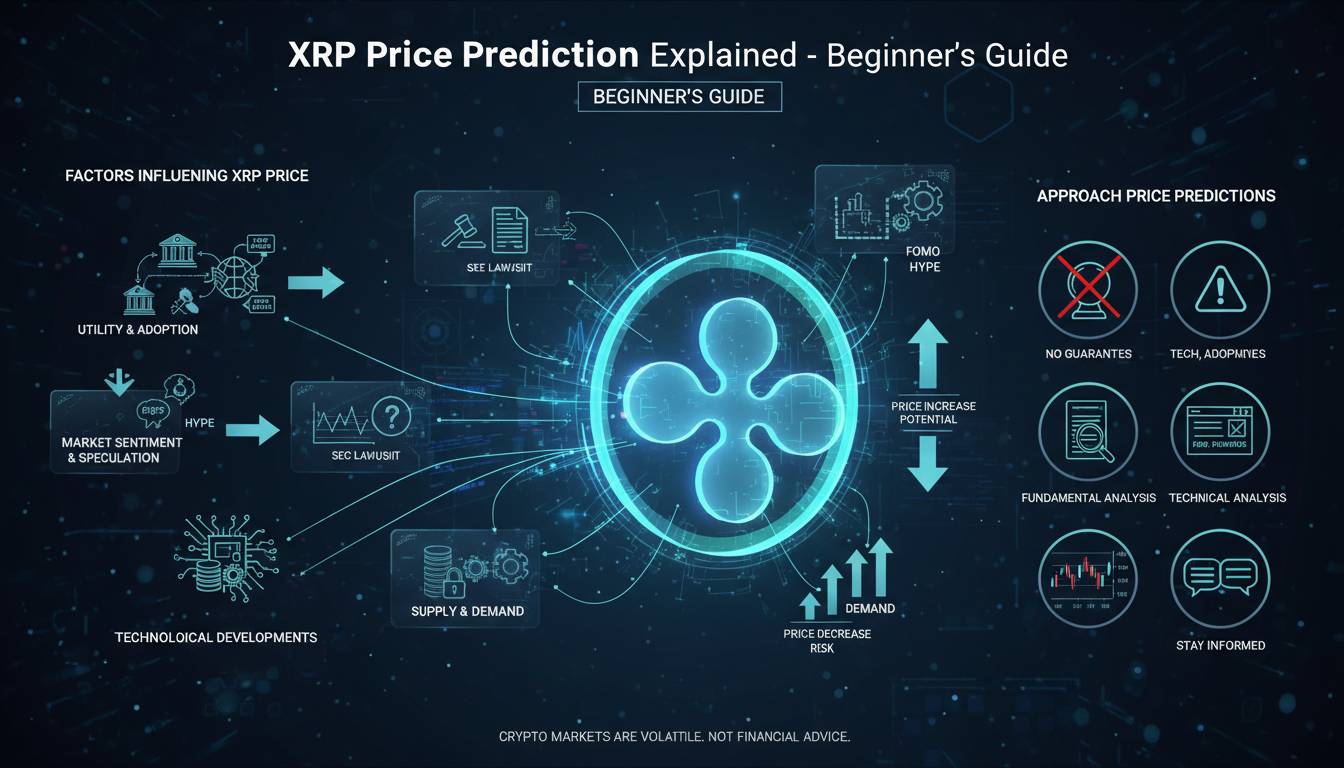
Predicting cryptocurrency prices is notoriously difficult. I want to be upfront about the limitations of any prediction, including the ones I’ll discuss here. Crypto markets are highly speculative, influenced by factors ranging from macroeconomic conditions to social media trends. Any forecast should be taken with appropriate skepticism.
That said, let’s look at the landscape of predictions for SEI.
Short-term predictions (through mid-2025) generally cluster around modest growth scenarios. If broader crypto market conditions remain favorable—with Bitcoin holding above key support levels and institutional interest continuing—SEI could see price appreciation in the range of 30-50% from its early 2025 levels. This would require continued ecosystem growth and perhaps a notable partnership or protocol upgrade announcement.
More bullish projections for late 2025 and into 2026 imagine SEI breaking out if certain catalysts align. These catalysts might include a major DeFi protocol launching on SEI with significant total value locked, or perhaps a wave of institutional interest in the trading-infrastructure narrative. Under these scenarios, some analysts suggest SEI could potentially double or triple from current levels. But I don’t have specific price targets to cite, and anyone giving you precise numbers like “SEI will reach $X by Y date” is speculating at best.
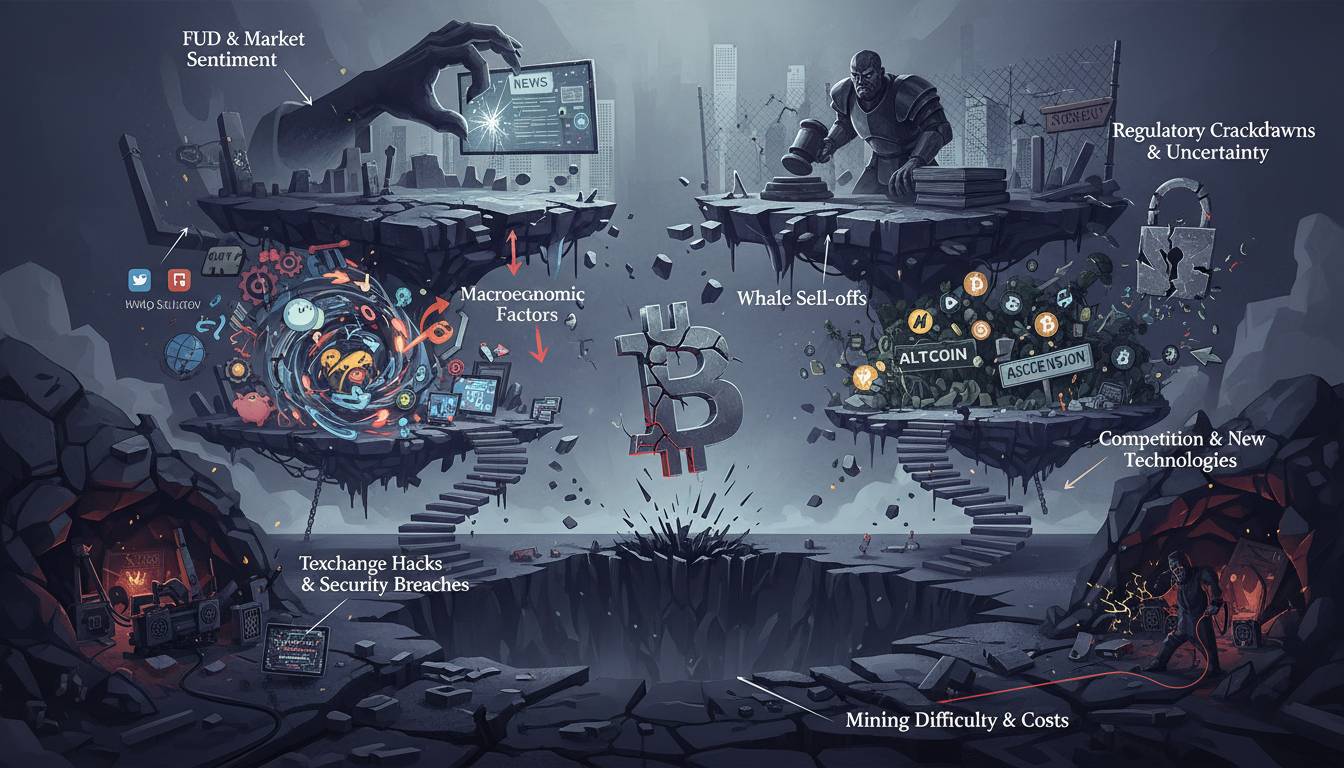
The bearish case is more grounded. SEI faces intense competition from established Layer 1s and newer chains also targeting the trading vertical. If adoption stalls or if a competitor captures the trading-infrastructure market, SEI could struggle to maintain even its current valuation. In a prolonged crypto bear market, SEI—like most altcoins—would likely see significant price compression.
What seems most likely is a base case where SEI gradually builds utility and ecosystem, leading to modest price appreciation over time. This isn’t exciting, but it’s a more realistic expectation than either the moon-boy predictions or the catastrophic collapse scenarios.
Can SEI Gain Mainstream Traction?
This is the core question, and the answer isn’t straightforward. Let’s examine both the bullish and bearish arguments honestly.
Bullish Factors
Several elements work in SEI’s favor.
First, the trading infrastructure thesis has merit. Decentralized exchange volume continues to grow, and as crypto becomes more mainstream, traders will demand better execution quality. SEI’s orderbook-first approach addresses real needs that AMMs alone cannot meet. If DeFi evolves toward more sophisticated trading mechanisms, SEI’s architecture positions it well.
Second, SEI has secured some notable partnerships and ecosystem growth. New projects continue to launch on SEI, and the development team has shown ability to execute on roadmap milestones. A blockchain project’s competence in shipping working code matters enormously, and SEI has demonstrated this capability.
Third, the broader crypto market continues to expand. Each cycle brings more capital and more users into the space. SEI doesn’t need to capture a massive share of the overall market—just enough of the trading-specific use case to sustain meaningful valuation.
Fourth, staking rewards provide incentive for token holders to lock up their SEI, reducing circulating supply and creating upward price pressure when demand increases.
Bearish Considerations
The challenges are equally real.
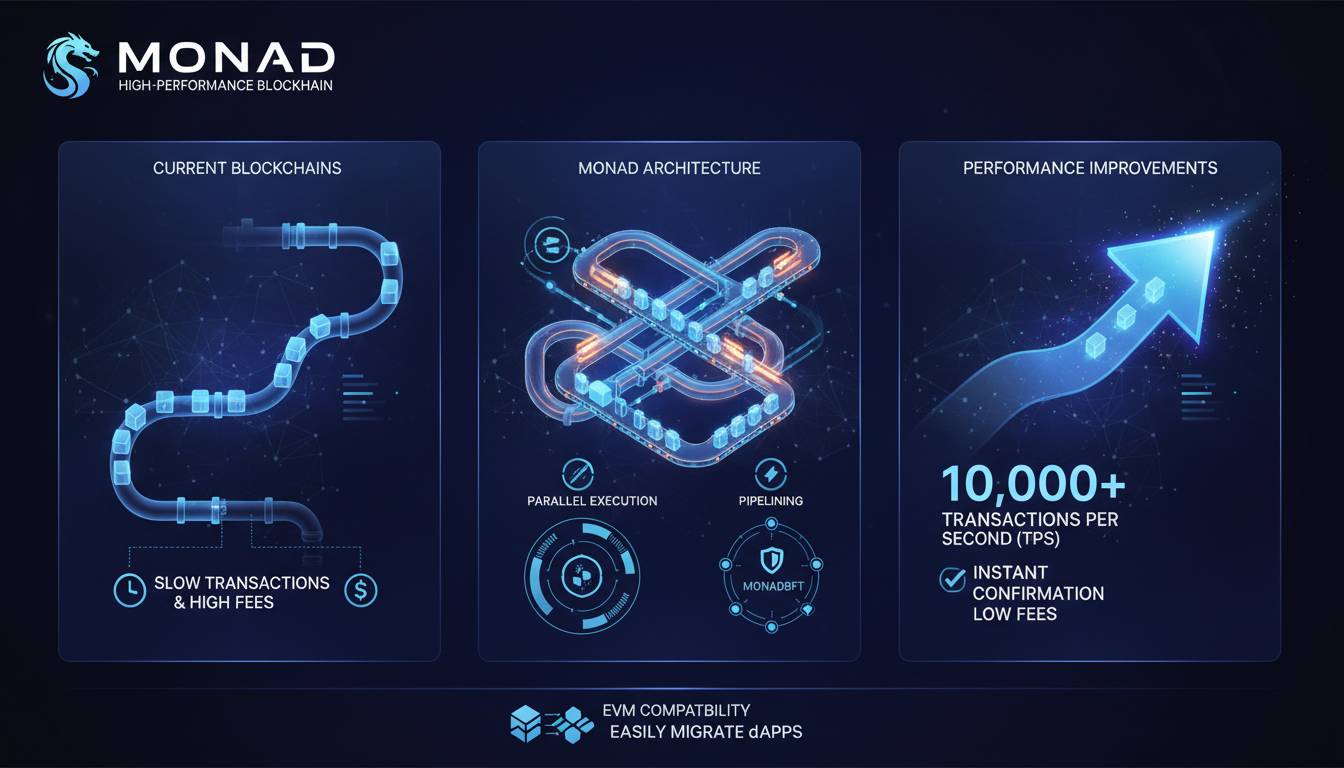
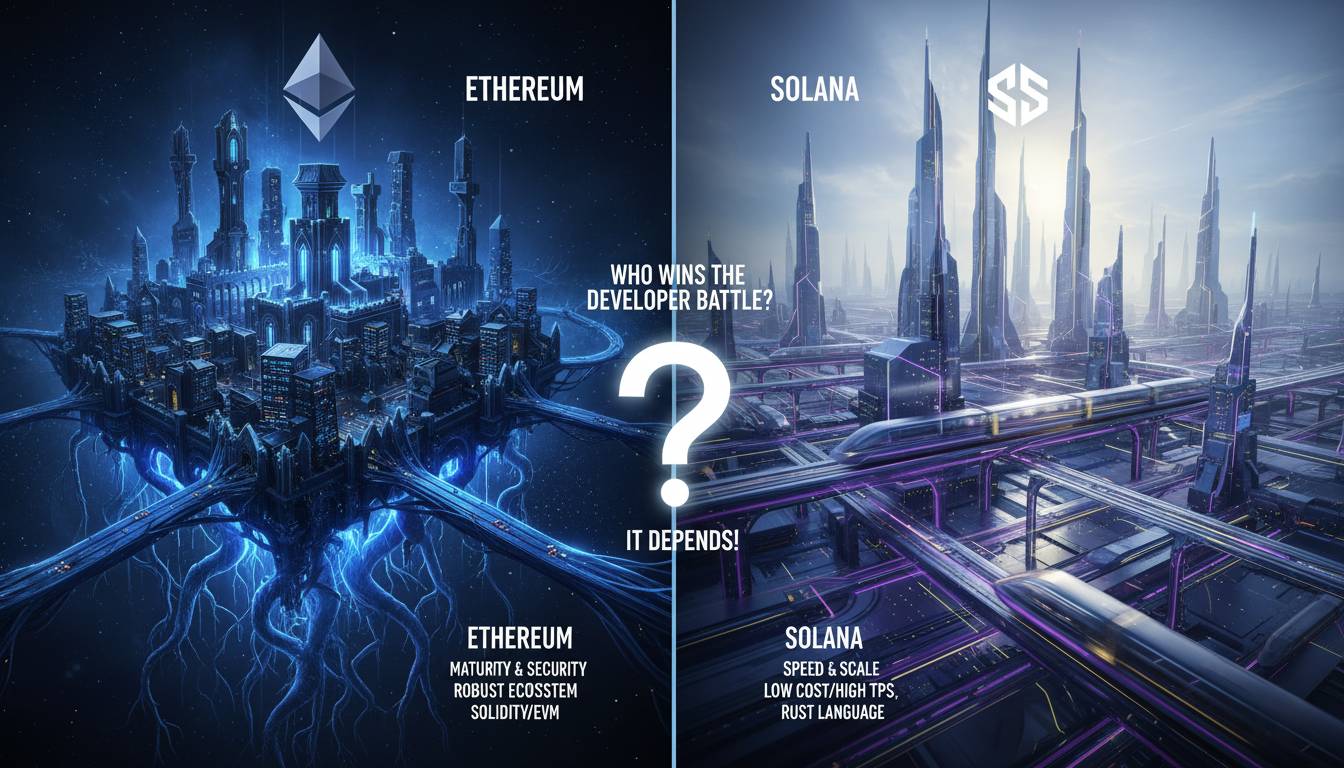
Competition is fierce. Solana has captured significant DeFi market share and continues to develop its trading infrastructure. Ethereum remains the dominant smart contract platform. Newer chains like Monad and Berachain are also targeting high-performance trading. SEI needs to differentiate convincingly against well-funded competitors with larger ecosystems.
Network effects matter enormously in crypto. More users attract more developers, who build more dApps, which attracts more users. SEI is still building this flywheel. The challenge is reaching critical mass before either the competition or network effects work against you.
Regulatory uncertainty poses ongoing risk. If regulators crack down on DeFi or impose restrictions that affect trading-focused protocols, SEI’s core use case could be impacted. This is a risk facing the entire crypto space, but specifically relevant to trading infrastructure.
Tokenomics concerns exist. While SEI’s staking model provides some deflationary pressure, the long-term token value ultimately depends on actual utility. If network usage doesn’t grow proportionally with token value, price appreciation becomes artificial and unsustainable.
The Honest Assessment
I’ll admit something that many crypto analysts won’t: predicting which Layer 1 blockchains will “make it” is largely impossible with current analytical frameworks. The market is still so early, and network effects are so powerful and unpredictable, that even well-designed projects can fail to gain traction while mediocre projects sometimes succeed due to timing or community momentum.
What I can say is that SEI has legitimate technical differentiators and is building in a genuine use case. It has survived the first two years of its lifecycle, which is more than many projects can claim. Whether it achieves mainstream traction depends on factors that aren’t fully knowable today: competitor success, regulatory environment, broader crypto market development, and SEI’s own execution.
The honest answer is: maybe. SEI has a plausible path to meaningful adoption, but it’s not guaranteed, and the competition is ruthless.
Conclusion and Outlook
SEI represents an interesting case study in targeted blockchain development. Rather than competing on general-purpose utility, the project chose a specific vertical—trading infrastructure—and built around that use case. This focus is both its differentiating strength and its potential limitation.
The price trajectory of SEI will ultimately depend on whether the trading-focused narrative resonates with users and developers. If decentralized exchange volume continues shifting toward more sophisticated mechanisms, SEI’s orderbook-native architecture could become increasingly relevant. If AMMs remain dominant or if major competitors capture the trading vertical, SEI will struggle.
For potential investors, the key insight is this: SEI is not a clear-cut opportunity. It’s a speculative bet on a specific narrative about where DeFi is heading. The project has real technology and genuine utility, but it operates in a highly competitive space where success is far from guaranteed.
What I’ll be watching in 2025 is whether SEI can demonstrate meaningful ecosystem growth—specifically, whether major DeFi protocols choose to build on SEI rather than competitors. Price will follow utility, and utility will follow developer adoption. Everything else is noise.
The crypto market has a way of rewarding patience when the underlying thesis proves correct, but it also destroys capital when projects fail to deliver. SEI’s story is still being written, and the next several months will be critical in determining whether this trading-focused blockchain can indeed gain the traction it’s been seeking.