If you’re holding cryptocurrency and someone else controls your private keys, you don’t actually own that crypto—you’re just holding an IOU from whoever does. That’s the fundamental divide that separates self-custody wallets from exchange wallets, and it’s a distinction most newcomers completely miss until something goes wrong. I’ve watched people lose life-changing sums because they trusted an exchange with everything they had, and I’ve watched others lose just as much because they stored their seed phrase in a Google Doc. Neither outcome is acceptable, yet the crypto industry treats both as acceptable risks. This guide cuts through the noise to give you an actual framework for deciding which wallet type deserves your trust—and more importantly, your money.
What self-custody actually means
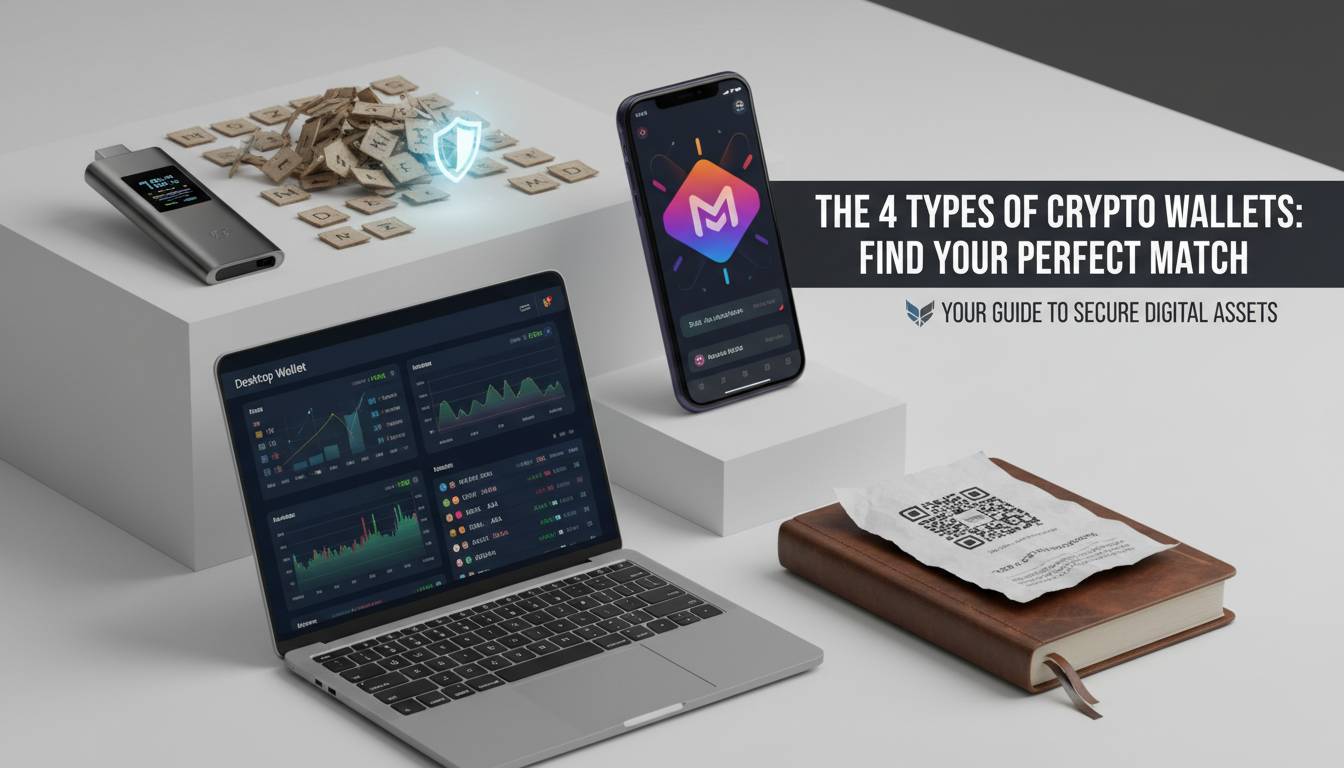
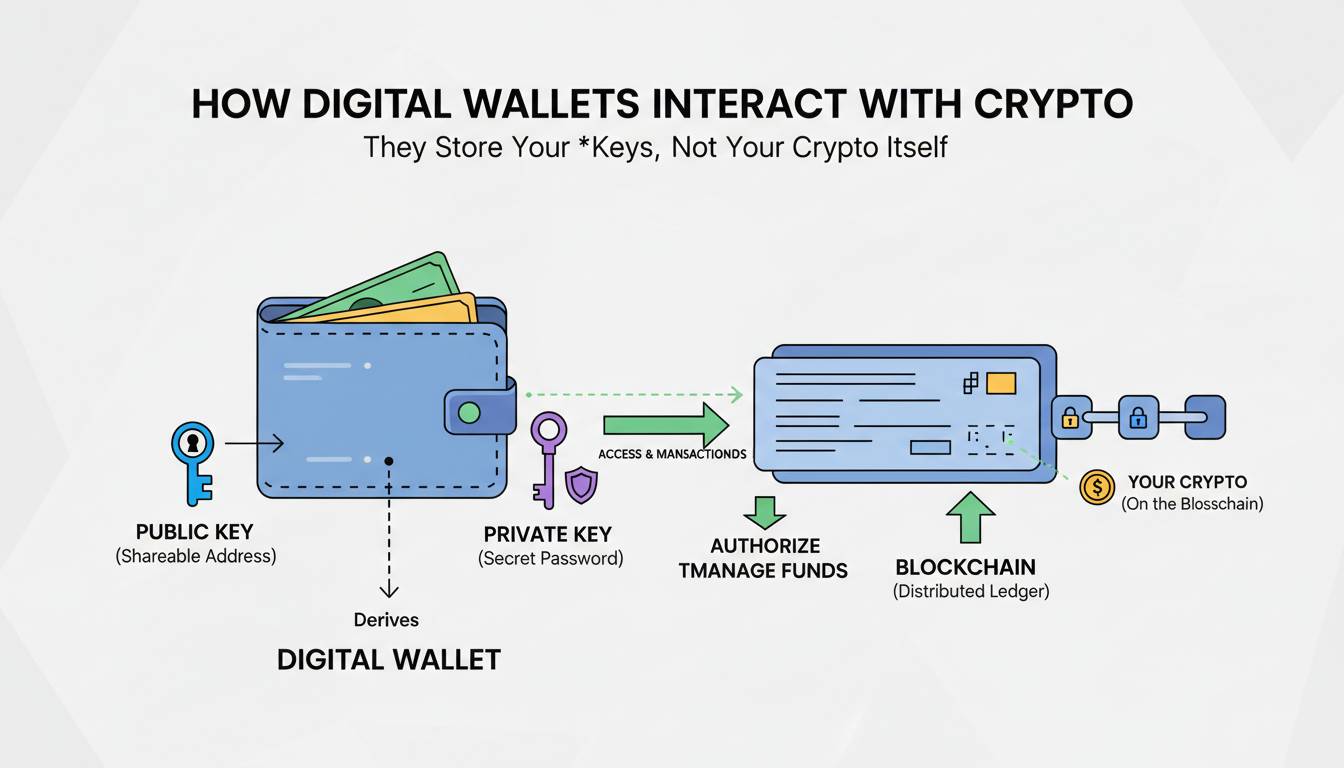
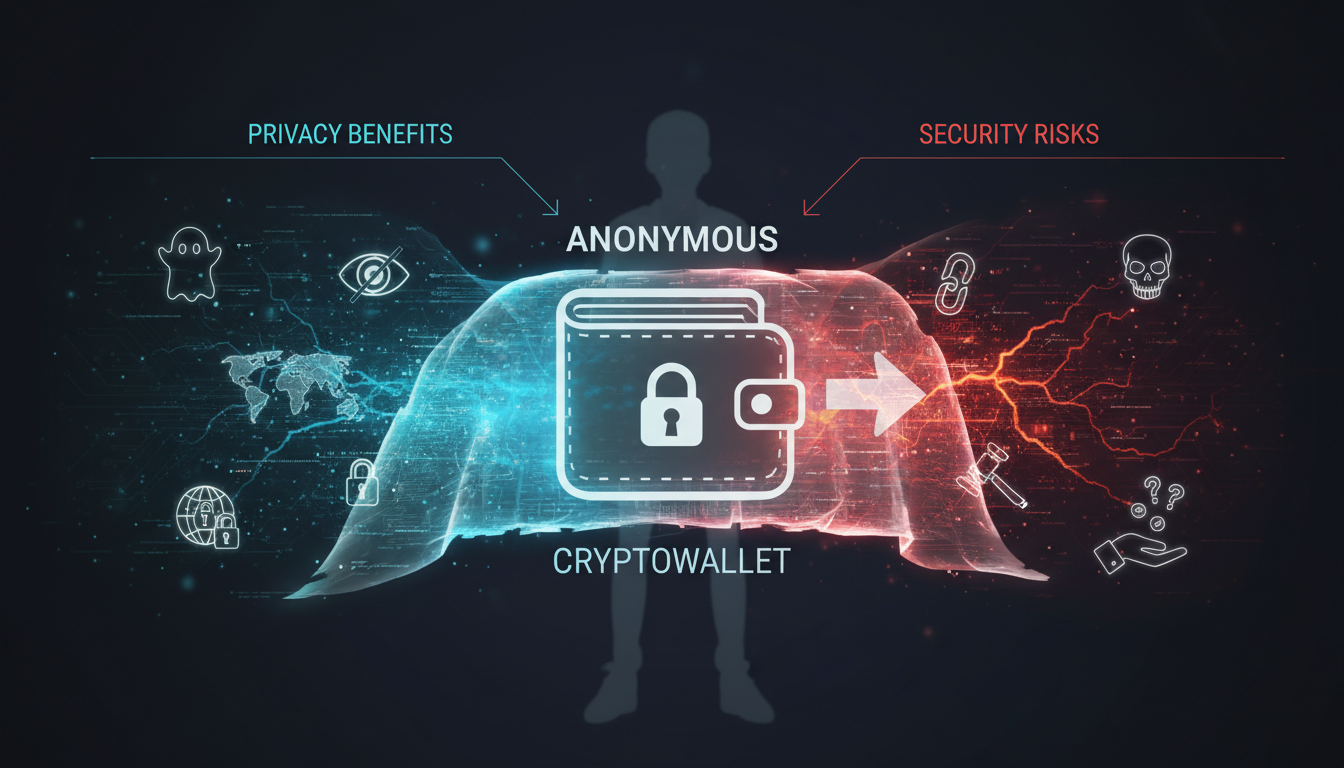
A self-custody wallet puts the private keys directly in your hands. When you create a wallet with MetaMask, Ledger, Trezor, Exodus, or any other non-custodial solution, the software generates a seed phrase—usually 12 or 24 words—that serves as the master key to your funds. Anyone who has that seed phrase controls your crypto, period. There’s no password reset, no customer support ticket, no way to prove you’re the rightful owner if you lose it.
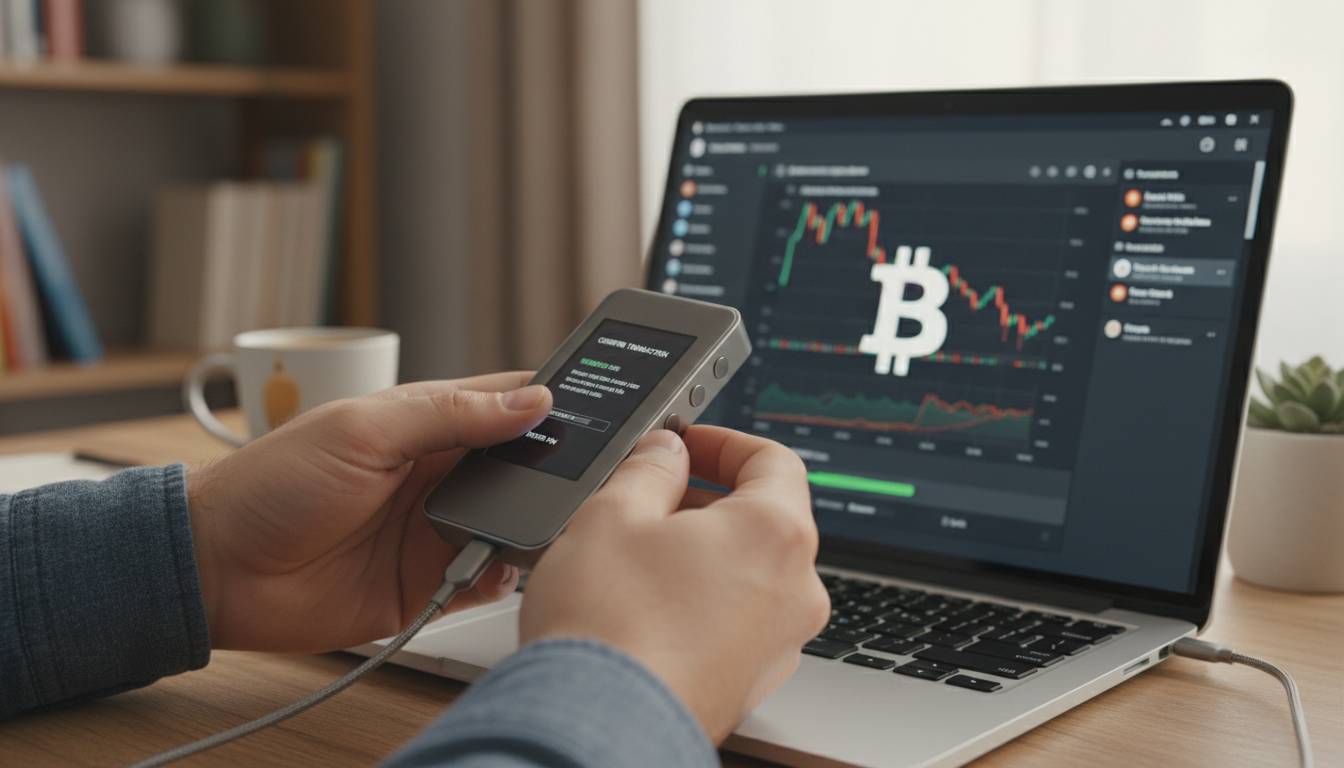
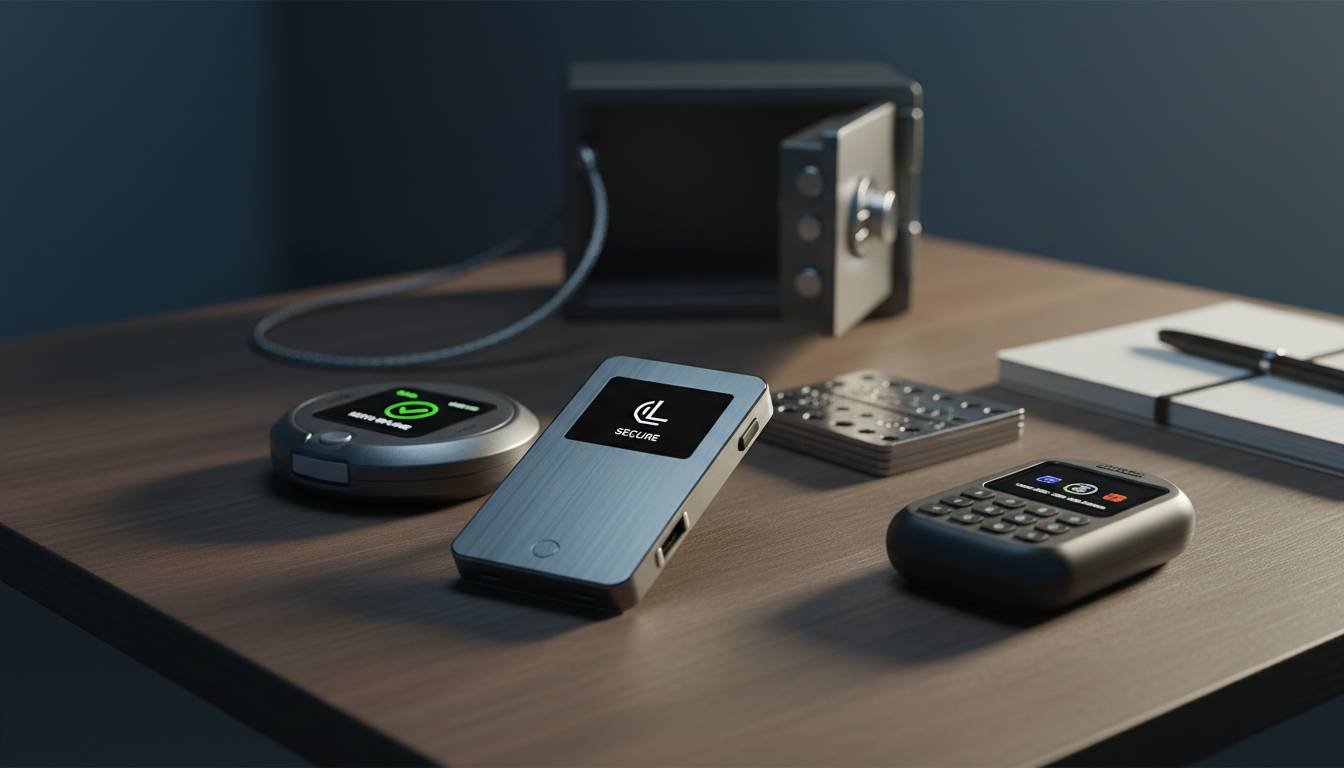
Hardware wallets like Ledger and Trezor take this a step further by storing your private keys on a dedicated device that never exposes them to your computer’s operating system. When you sign a transaction, the device handles the cryptographic operation internally and only outputs the signed result. This matters because malware on your computer can steal keys from software wallets, but it’s considerably harder to intercept them from a hardware wallet—even if your machine is completely compromised.
The trade-off is absolute personal responsibility. If your house burns down and you lose your hardware wallet without a backup, your crypto is gone forever. If someone social-engineers you into giving up your seed phrase, there’s no reversal mechanism. The security model assumes you will never be compromised—and human beings are, by nature, the weakest link in any security system.
How exchange wallets work
When you create an account on Coinbase, Binance, Kraken, or any centralized exchange, you’re not actually creating a wallet in the blockchain sense. You’re creating an account in a database that tracks how much crypto the exchange owes you. The exchange controls the private keys. You just control the account credentials.
This matters enormously because it means your crypto is an accounting entry, not an actual blockchain asset. When you click “send” on Coinbase, you’re not broadcasting a transaction from your wallet—you’re telling Coinbase’s systems to do it for you. They sign it with keys you never see, broadcast it to the network, and update their internal ledgers accordingly.
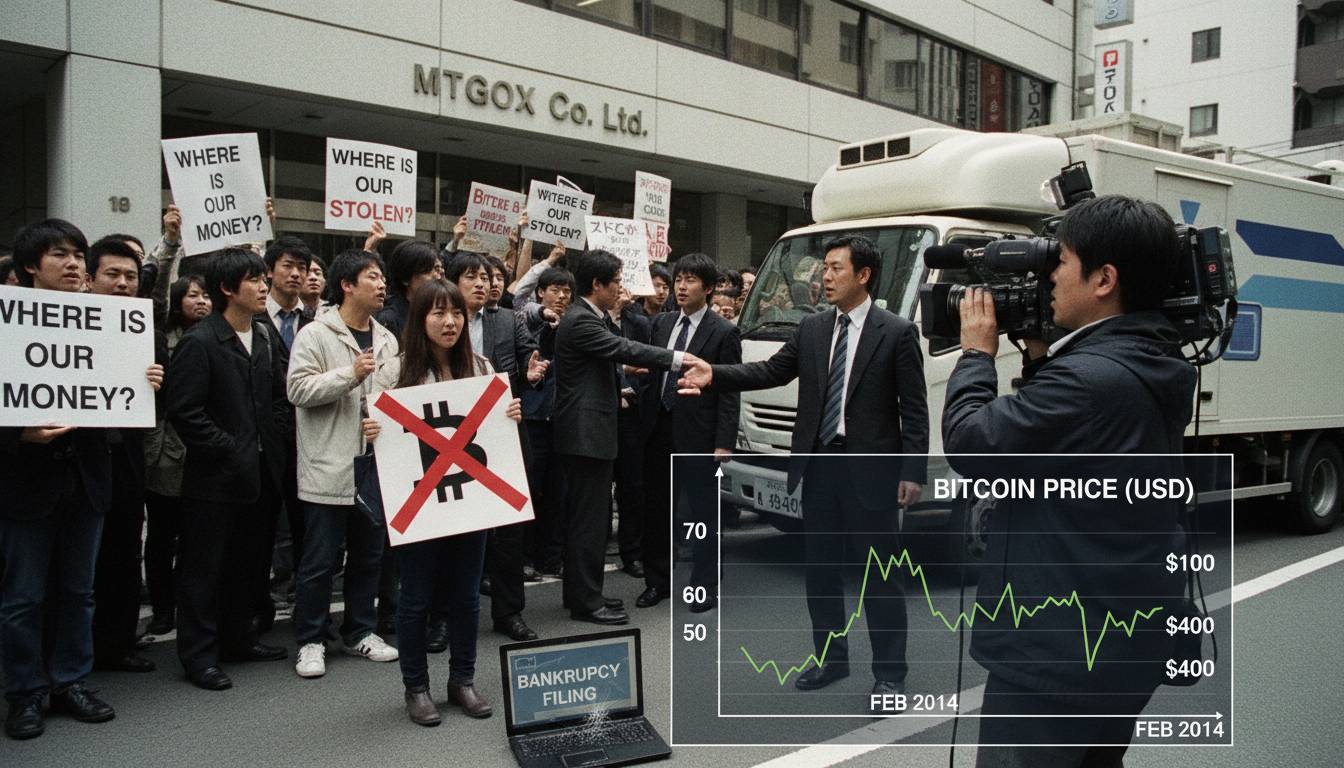
From a security perspective, this creates what’s called “custodial risk.” You’re betting that the exchange will keep its promises, maintain adequate security, stay solvent, and not do anything unscrupulous with your funds. That bet has historically been a poor one. Mt. Gox held roughly 850,000 Bitcoin belonging to customers before it collapsed in 2014—about 7% of all Bitcoin in circulation at the time. FTX held customer funds in a way that its own lawyers later described as potentially stolen. These aren’t edge cases; they’re the logical endpoints of custodial systems.
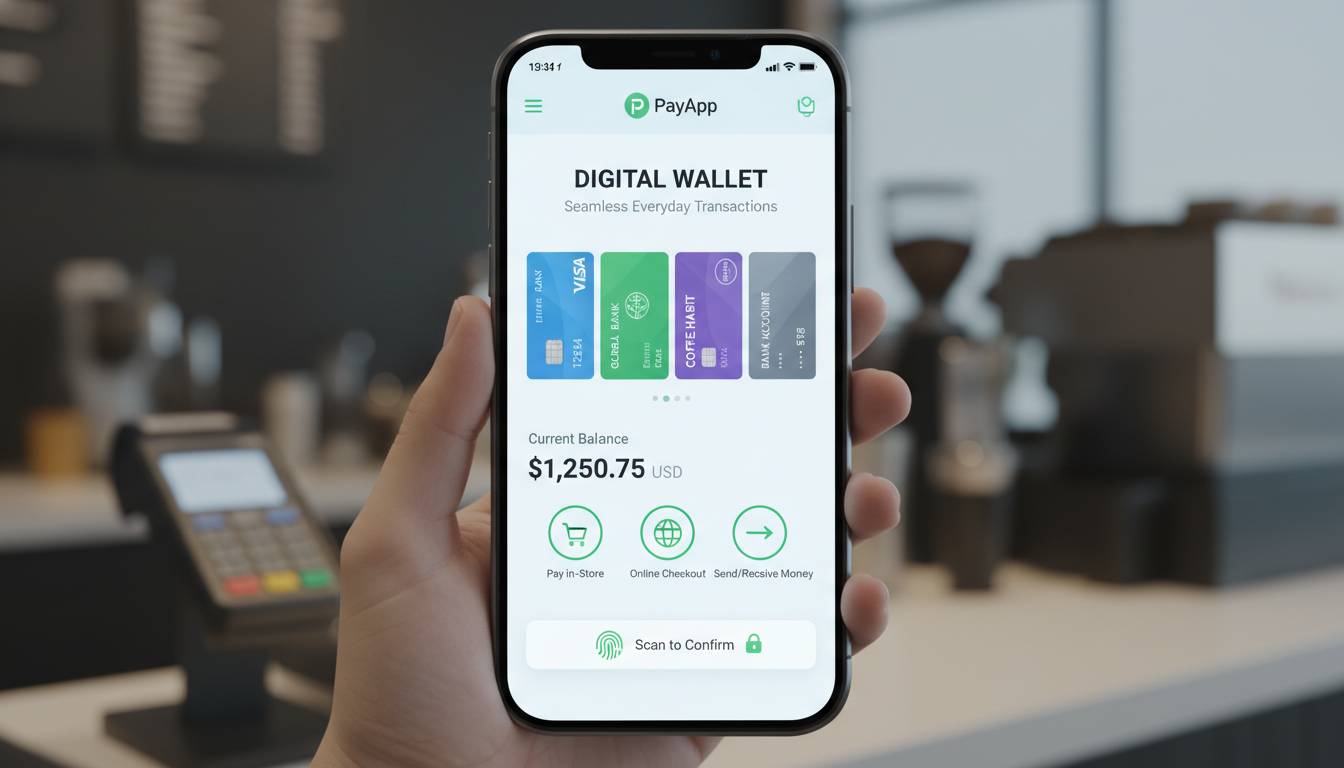
What exchange wallets do offer is convenience. You can recover your account through standard identity verification. You can buy crypto with fiat through integrated onramps. You can trade instantly without manually signing every transaction. For many users—particularly those just starting out or holding amounts they’d consider “small”—this convenience genuinely outweighs the security trade-off.
Side-by-side security comparison
| Factor | Self-custody wallet | Exchange wallet |
|---|---|---|
| Private key control | You alone | Exchange controls |
| Hacking risk | Device-dependent; keys offline with hardware | Exchange-dependent; high-value target |
| Loss recovery | Seed phrase backup only | Identity verification; account recovery |
| Insurance | None typically | Varies by exchange; often limited |
| Regulatory access | None | Exchanges can freeze accounts |
| Convenience | Requires signing; manual management | Instant trades; familiar interfaces |
| Third-party risk | None | Exchange solvency/honesty |
The critical takeaway is that these aren’t just different options—they represent fundamentally different security models. Self-custody shifts the risk from institutional failure to personal failure. Exchange wallets do the reverse. Neither is universally better; they’re better at different things.
The real pros and cons nobody talks about honestly
Here’s what self-custody proponents don’t tell you: the security of your setup is only as strong as your physical security practices. I know a developer who used a hardware wallet but kept his seed phrase in a fireproof safe that a burglar also happened to steal. The thief probably didn’t know what those 24 words meant—but if they figured it out, the developer had zero recourse. The seed phrase was the only backup, and it was now in someone else’s hands.
Hardware wallets also create a false sense of security. People assume that because they have a Ledger, they’re unhackable. They’re not. The device protects the private keys during transaction signing, but if someone gets the device, they can potentially extract the seed phrase through hardware attacks. The firmware update mechanism has historically had vulnerabilities. Supply chain attacks—where a compromised device arrives in the mail—have been demonstrated. None of this means hardware wallets are bad. It means they’re not magic.
On the exchange side, the honest admission nobody wants to make is that for the majority of crypto holders, the convenience is worth the risk. Not everyone has the temperament to handle their own security. Not everyone has a secure place to store a seed phrase. Not everyone understands that “your keys, your crypto” isn’t just a slogan—it’s a legal binding in the sense that there’s no other entity responsible for your mistakes.
Exchange wallets also provide meaningful legal protections in some jurisdictions. In the US, regulated exchanges maintain insurance funds and are subject to audit requirements. If Coinbase gets hacked, there’s a substantially larger apparatus available to recover customer funds than if you lose your seed phrase. This doesn’t make exchanges universally safer—regulatory capture, inadequate reserves, and outright fraud have all happened within regulated frameworks—but it’s not nothing.
When each wallet type makes sense
Use a self-custody wallet when you’re holding more than you’re willing to lose entirely, when you’re actively using DeFi protocols or Web3 applications, when privacy matters to you, or when you simply want true ownership without counterparty risk. The threshold where this becomes worthwhile varies by individual, but I’d argue that if you’re holding more than a few hundred dollars of crypto and not planning to trade it daily, self-custody is the responsible choice.
Use an exchange wallet when you’re actively trading, when you’re new and still learning, when you need fiat onramps urgently, or when the amounts are small enough that losing them wouldn’t materially affect your life. There’s no shame in keeping your play money on an exchange while your serious holdings stay in self-custody. In fact, that’s exactly what sophisticated investors do—the same way you might keep spending cash in your pocket while your life savings sit in a bank.
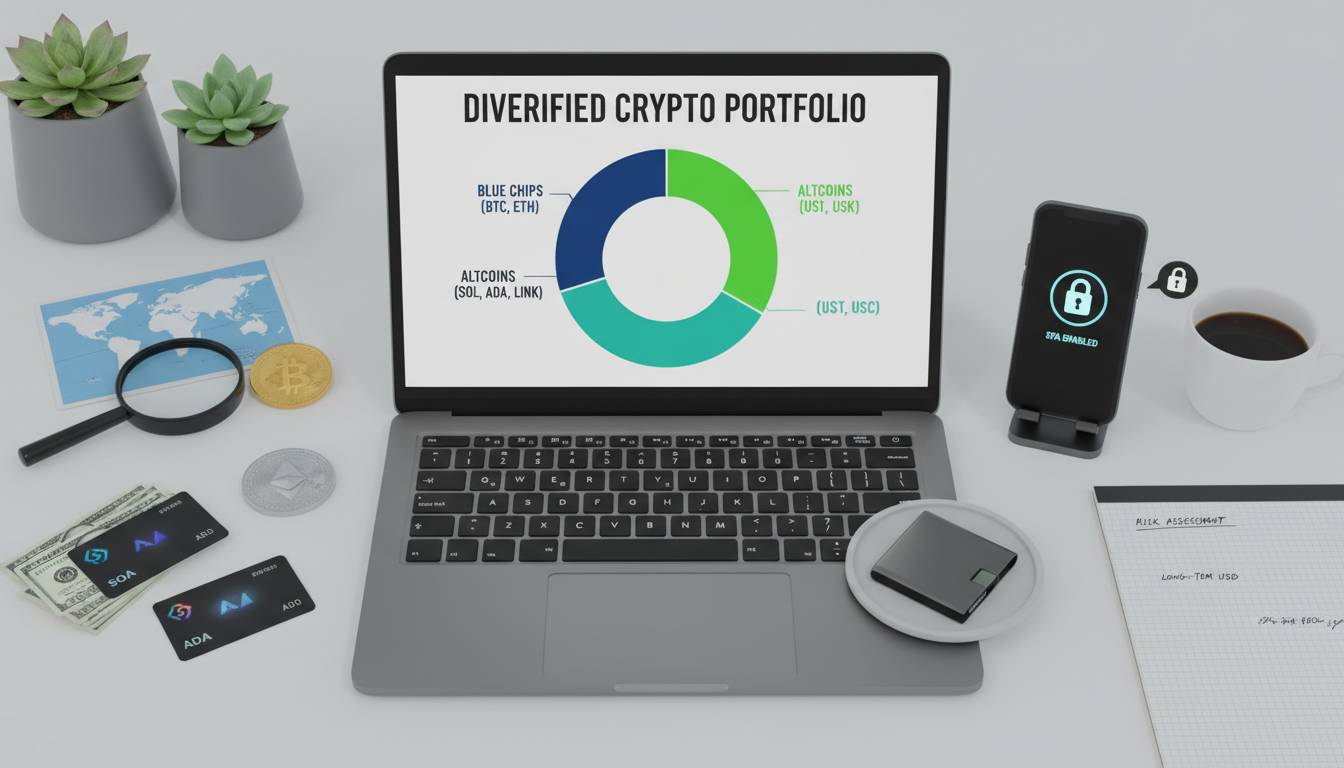
The hybrid approach is genuinely underrated. Keep your trading stack on an exchange for convenience. Keep your long-term holdings in self-custody. Use a hardware wallet for anything you plan to hold for more than a year. This creates operational complexity, but it also creates defense in depth—there’s no single point of failure that wipes out everything you own.
The security risks that actually matter
Phishing remains the dominant attack vector for self-custody users. Someone sends you an email that looks like it’s from MetaMask, or a fake Google Chrome extension, or a fraudulent website that mimics a legitimate service. You enter your seed phrase. They take everything. This attack doesn’t exploit software vulnerabilities—it exploits human psychology, and there’s no technological fix for it.
For exchange users, the primary risk isn’t getting hacked directly—it’s the exchange itself getting hacked or becoming insolvent. The attack surface is enormous: every employee with access to hot wallets, every third-party vendor with API permissions, every misconfigured server. You can have perfect personal OpSec and still lose everything because someone at the exchange made a mistake you never even knew was possible.
Social engineering attacks are getting more sophisticated on both sides. SIM swapping lets attackers hijack your phone number and use it to reset exchange account passwords. Romance scams now target crypto holders specifically, building relationships over weeks or months before asking for help “moving” funds. And the classic advance-fee scam has evolved into elaborate fake mining operations and Ponzi schemes that even experienced users fall for.
Choosing what’s right for you
The decision framework is simpler than people make it: how much are you holding, how active are your trading patterns, and how much responsibility do you actually want?
If you’re holding under $500 and just experimenting, use an exchange wallet. The security difference at that scale is minimal compared to the convenience gain.
If you’re holding between $500 and $10,000, start learning self-custody. Use a hardware wallet. Practice with small amounts first. Accept that there will be a learning curve and you will probably make at least one mistake along the way.
If you’re holding over $10,000, self-custody isn’t optional—it’s the baseline standard of care. At that level, the risk of exchange failure is existential, and the complexity of managing your own keys is manageable with basic discipline.
Whatever you choose, enable every available security feature. Two-factor authentication on exchanges—preferably with a hardware key like YubiKey rather than SMS. Multi-signature setups for large self-custody holdings. Encrypted backups of seed phrases stored in physically separate locations. These measures aren’t about paranoia; they’re about acknowledging that the threat landscape is genuinely hostile and you are, at the end of the day, the only person who will protect your money.
The honest truth is that most people probably shouldn’t self-custody everything they own. The complexity is real, the risks of user error are substantial, and the average person genuinely lacks the security infrastructure to do it safely. But the industry has shifted toward self-custody as an ideal precisely because exchange failures have been so catastrophic. Find your place on that spectrum based on what you can realistically secure, not based on ideological purity.