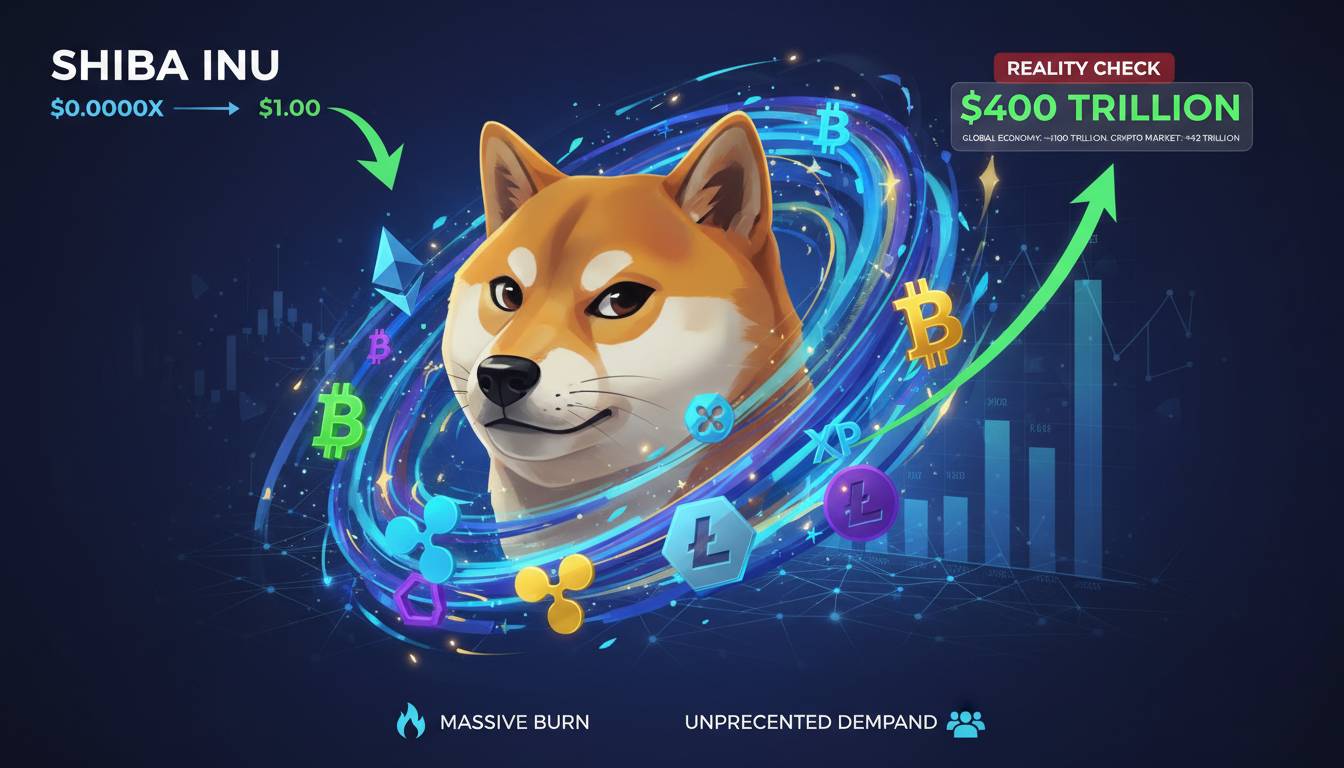
The question surfaces in crypto forums, Twitter threads, and inboxes from investors holding SHIB hoping for life-changing gains. Can Shiba Inu actually reach $1? Before answering, you need to understand what that number actually means—and why the math tells a story most people don’t want to hear.
This isn’t really about Shiba Inu specifically. It’s about market cap mathematics, token supply economics, and what it would take for any cryptocurrency to hit a specific price point. Shiba Inu happens to be the perfect case study because its supply is so massive that the numbers become almost incomprehensible.
Here’s what a $1 Shiba Inu would actually require, compared to the broader crypto market, with an honest assessment backed by data rather than speculation.
Let’s get directly to the numbers because this is where the conversation usually ends for anyone who does the calculation.
Shiba Inu’s circulating supply sits at approximately 589 trillion tokens as of early 2025. This is not a typo. The token was designed with an intentionally massive supply, which explains why the price has historically traded at fractions of a cent.
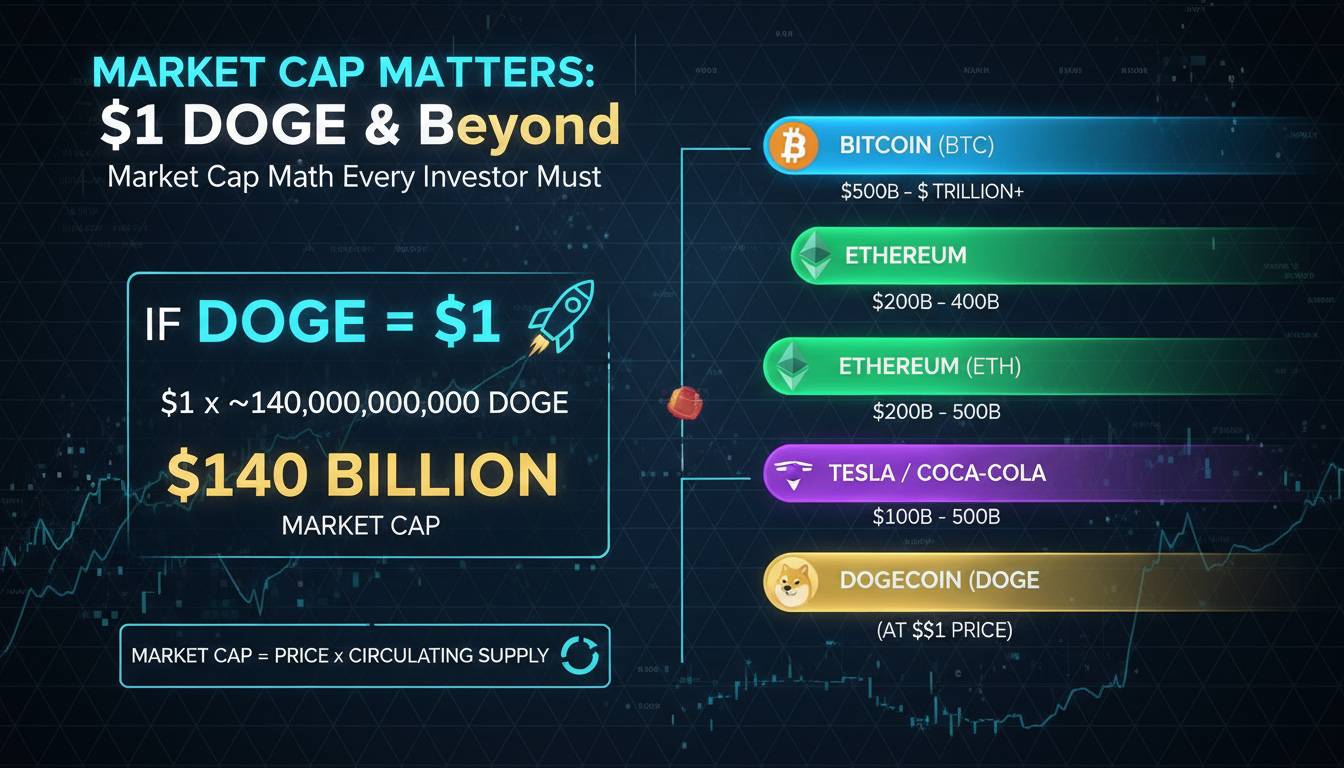
To calculate what Shiba Inu’s market cap would be at $1, multiply the circulating supply by the price:
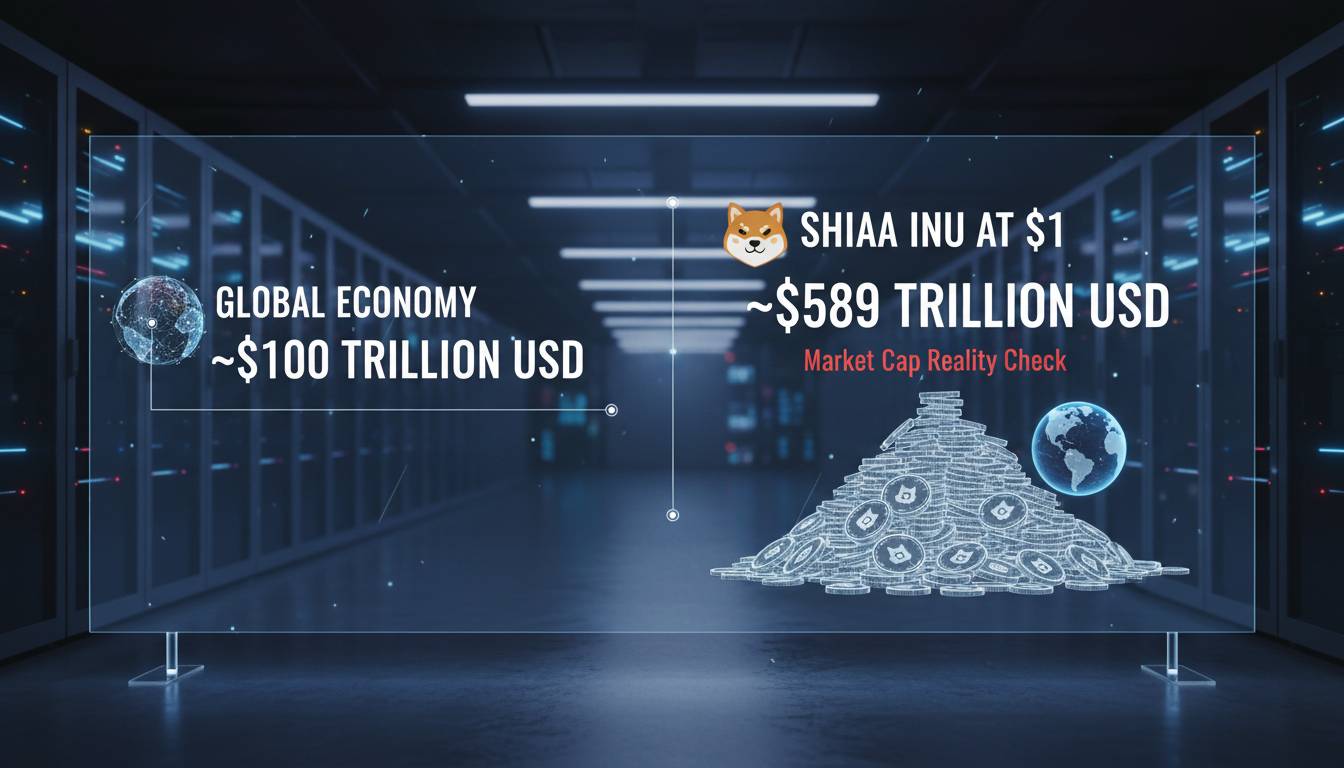
589 trillion tokens × $1 = $589 trillion
That’s $589 trillion.
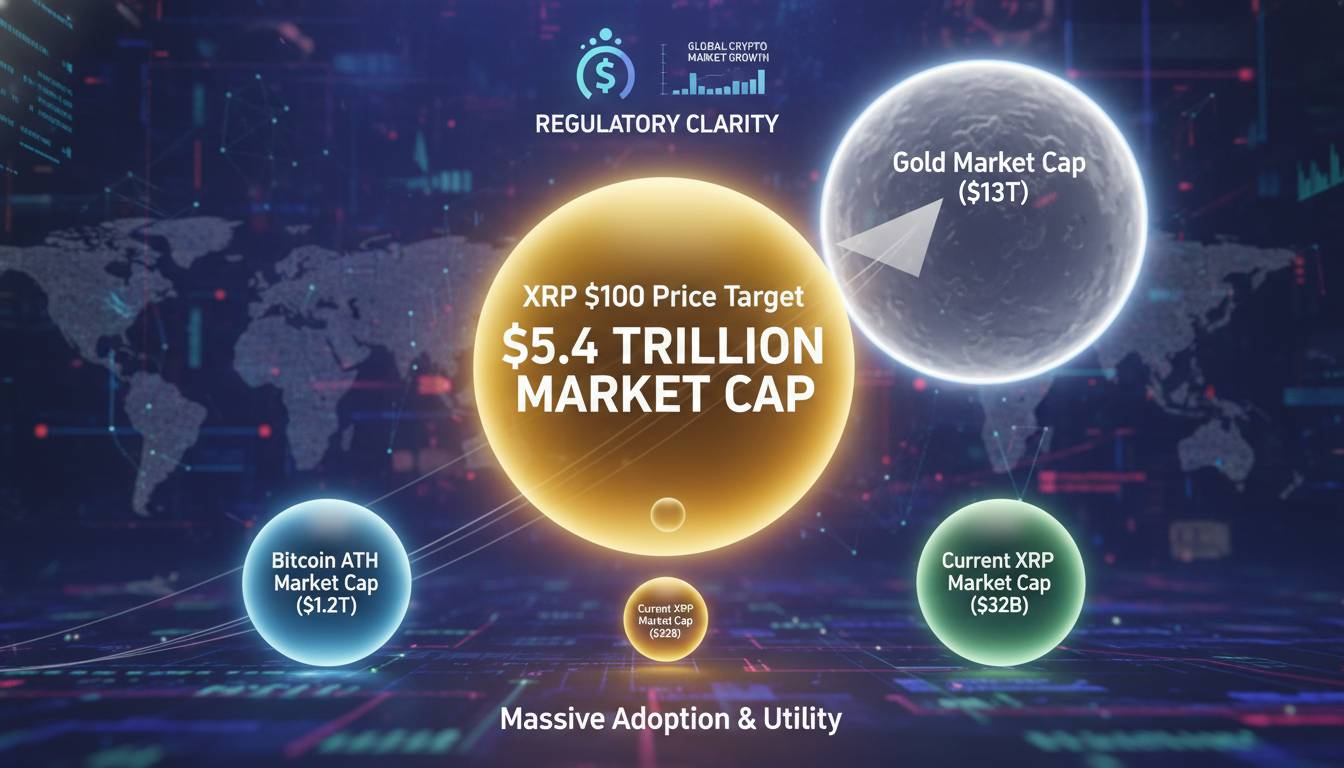
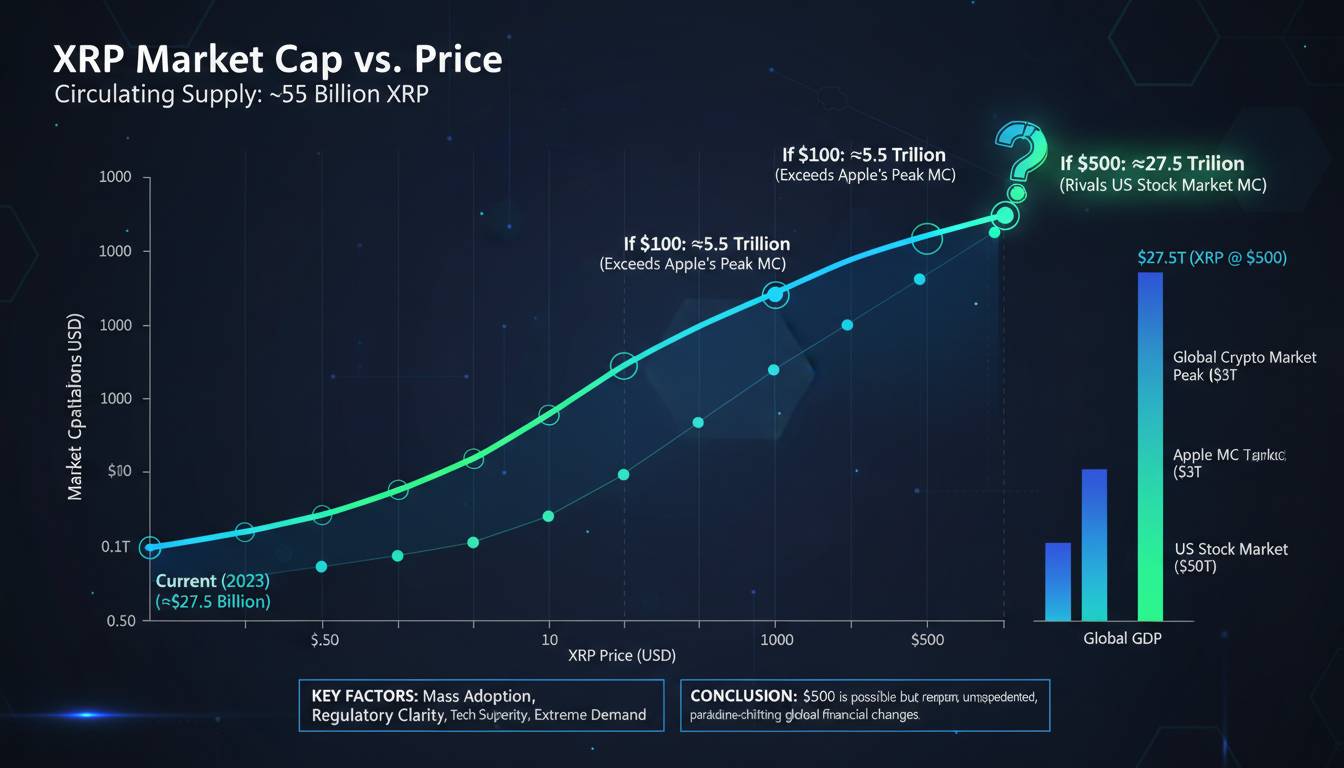
For context, Bitcoin—the largest cryptocurrency by market cap—currently sits at approximately $1.1 trillion to $1.5 trillion depending on market conditions. The entire cryptocurrency market combined, including every coin and token in existence, totals roughly $2.5 trillion to $3 trillion.
For Shiba Inu to reach $1, its market cap would need to exceed the entire crypto market’s current value by a factor of roughly 200 to 250 times. It would need to be worth more than all cryptocurrencies combined multiplied by two.
Put another way: Shiba Inu at $1 would require the crypto market to grow to approximately $600 trillion—roughly seven times the current U.S. GDP of around $85 trillion. This isn’t a market correction. This isn’t a bull run. This would require a complete restructuring of global financial value allocation.
What Would Actually Need to Happen
Market cap increases when either new money enters the market or when existing value shifts from other assets into a specific token. For Shiba Inu to reach $589 trillion, the practical requirements are staggering.
Unprecedented demand: New buyers would need to pour in funds at levels never witnessed in financial history. The token would need to capture value currently held in stocks, bonds, real estate, and every other asset class globally.
Sustained buying pressure over years: Even the most successful cryptocurrencies took years to reach $100 billion or $1 trillion market caps. Bitcoin reached $1 trillion after 15 years and massive institutional adoption. Shiba Inu would need to replicate this growth trajectory while being 500 times larger.
Complete shift in market sentiment: The crypto market would need to absorb Shiba Inu’s massive supply without price suppression from early investors and insiders looking to exit. With roughly 589 trillion tokens in circulation, even modest selling pressure at higher prices would create enormous downward resistance.
Structural changes to the token itself: The supply is fixed in practical terms. While Shiba Inu’s burn mechanism has destroyed billions of tokens, the burn rate would need to accelerate to impossible levels. Even burning 1 trillion tokens monthly would take 589 months—nearly 50 years—to reduce supply to 1 trillion tokens. At that point, a $1 price would still yield a $1 trillion market cap, still larger than Bitcoin.
The Supply Problem
Shiba Inu’s development team has implemented a burn mechanism designed to reduce supply over time. The idea is straightforward: as tokens are burned (sent to inaccessible wallets), the reduced supply should theoretically drive prices higher if demand remains constant.
The burn statistics make for disappointing reading. While the team has burned significant amounts—billions of tokens in various transactions—this represents an almost negligible percentage of the total supply. The denominator is simply too large for burns to meaningfully impact price in any realistic timeframe.
Here’s the uncomfortable truth: even if Shiba Inu burned 99% of its supply tomorrow, the remaining 1% would still equal approximately 5.89 trillion tokens. At $1 per token, that’s a $5.89 trillion market cap—still nearly five times Bitcoin’s current value and double the entire crypto market’s size.
The burn mechanism provides psychological comfort and creates occasional price spikes when burn announcements generate buzz. But mathematically, it’s not a solution to the market cap challenge. It functions more as a marketing tool than a price appreciation strategy.
What Shiba Inu Actually Achieved
Shiba Inu’s price history provides important context for assessing future potential. The token’s most famous run occurred in 2021 when it went from roughly $0.00000001 to a high of $0.000088—a gain of nearly 9,000,000%. This was extraordinary, unprecedented, and nearly impossible to repeat.
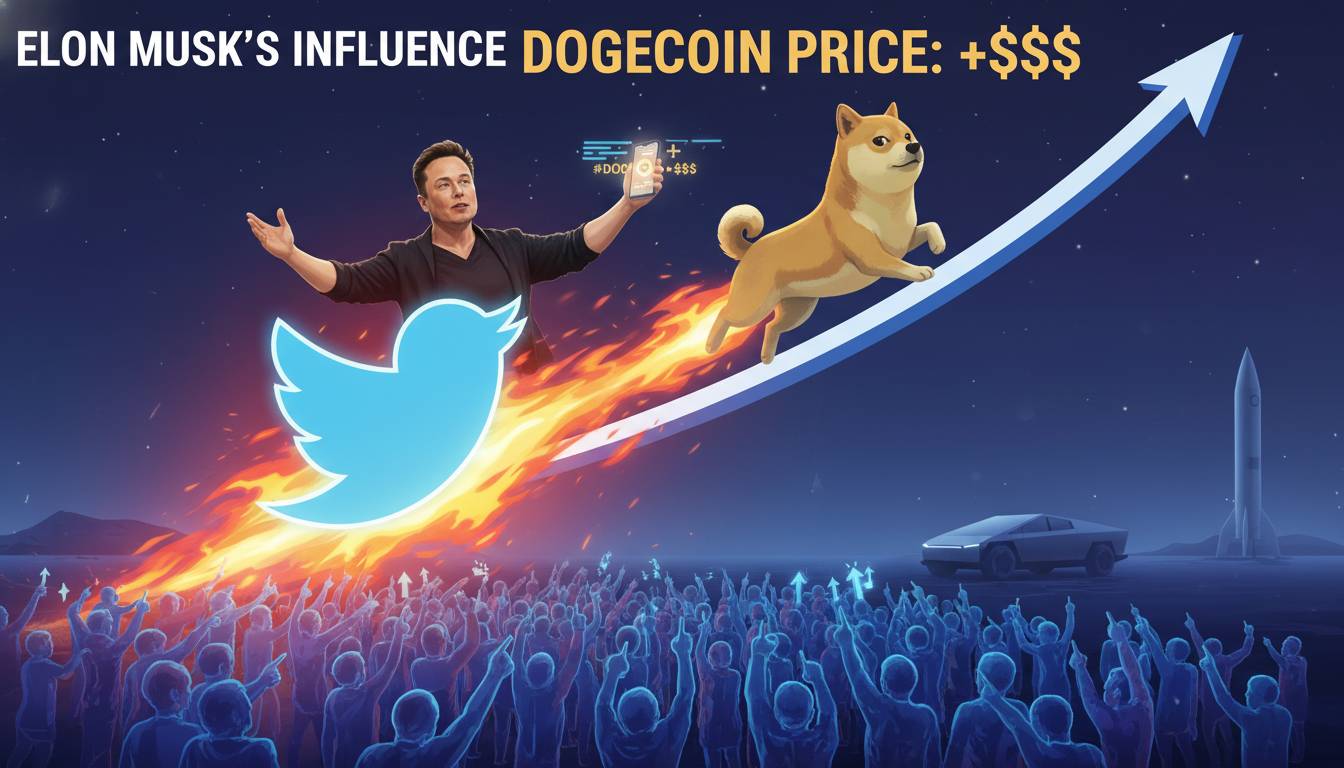
That rally was driven by social media momentum, celebrity endorsements (notably from Elon Musk, though his SHIB mentions were incidental), and the broader meme coin craze. Retail investors FOMO’d in at levels that created massive buying pressure. The total market cap at that peak reached approximately $40 billion—impressive but a fraction of what’s needed for $1.
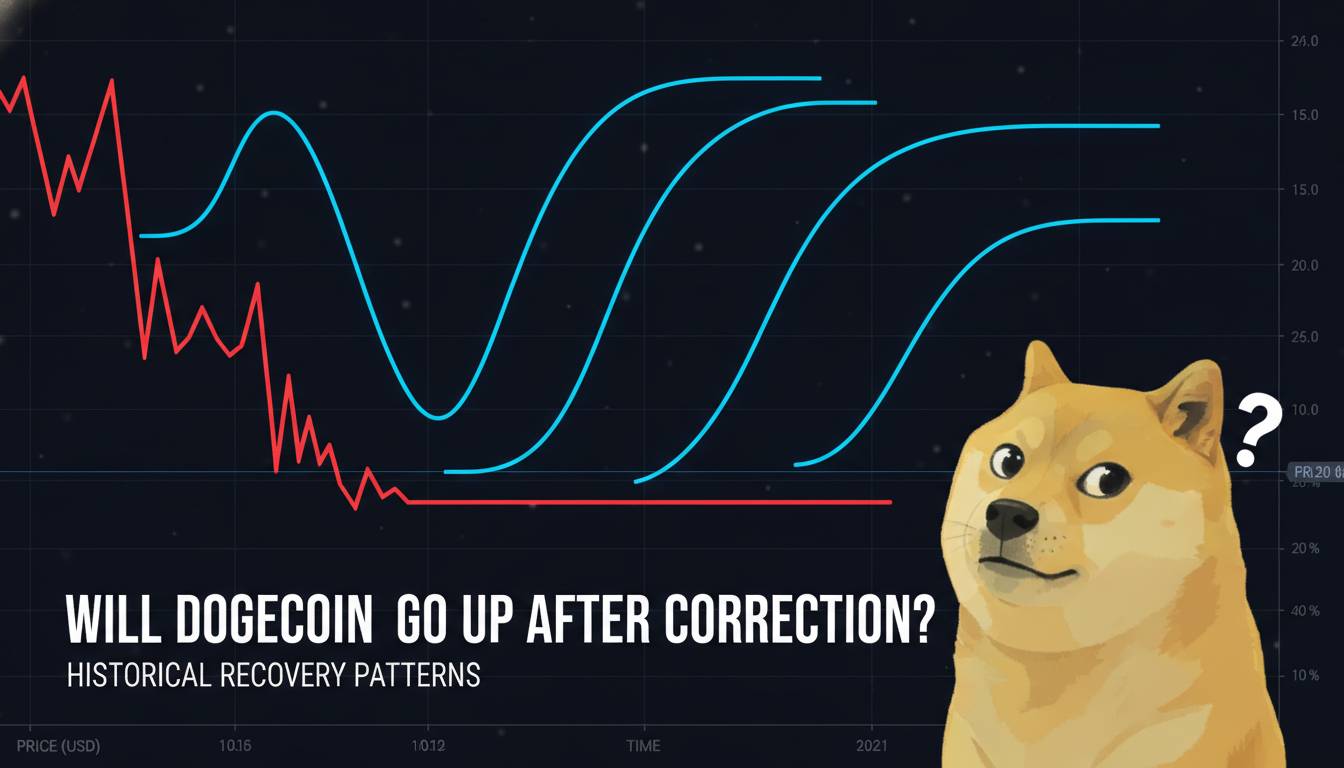
Since then, SHIB has traded in a range, with the price declining significantly from those highs. The token has never again approached its 2021 peak in percentage terms, and the broader crypto market has matured in ways that make another 9,000,000% run mathematically improbable regardless of market conditions.
The honest assessment from this history: Shiba Inu has already delivered its most extraordinary performance. Future gains, if any, will likely be measured in percentages rather than multiples of millions.
Why $1 Would Actually Break the System
Here’s something most analysts won’t tell you: if Shiba Inu reached $1, it would likely cause problems far beyond being “just really unlikely.”
Consider the mechanics of such an achievement. A $589 trillion market cap would require unprecedented capital inflows into a single asset. This capital would have to come from somewhere—likely from investors selling other positions, including Bitcoin, Ethereum, and established cryptocurrencies. The “rising tide lifts all boats” narrative that crypto investors embrace would be impossible in this scenario.
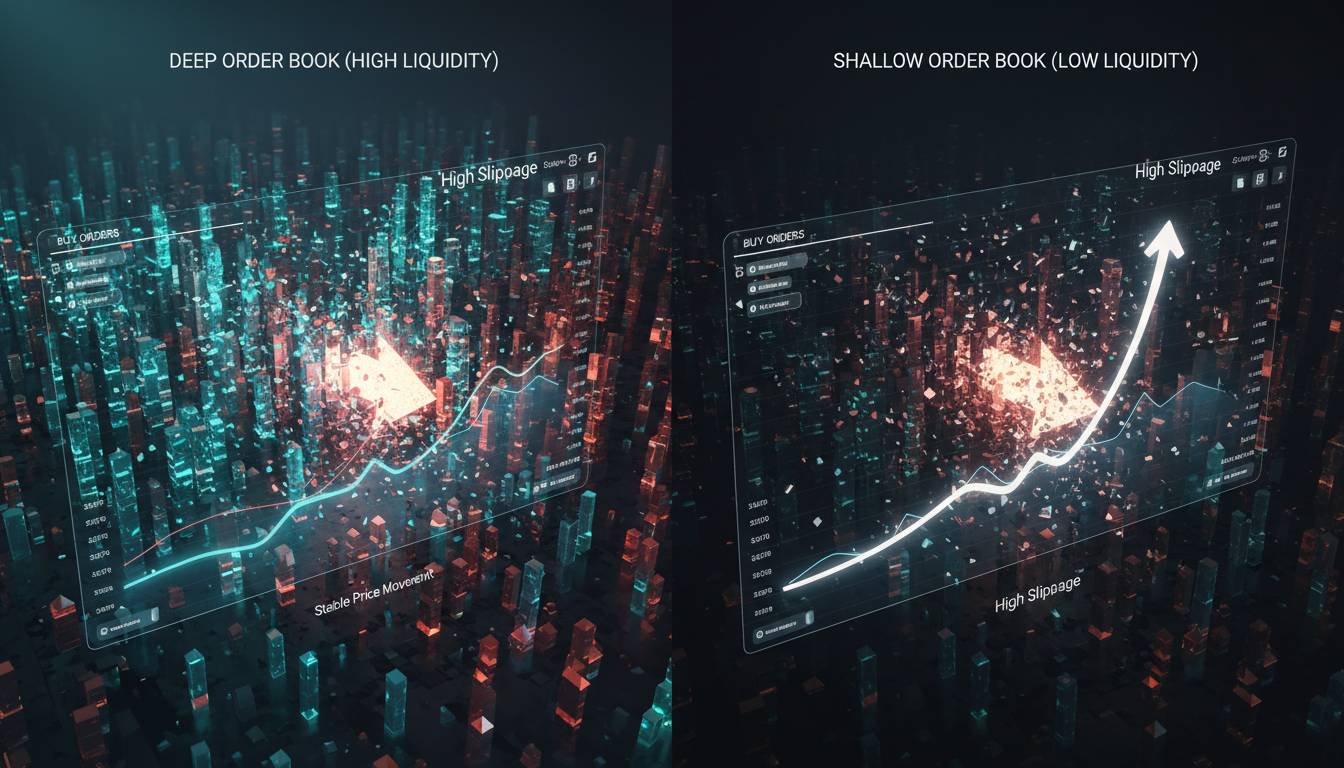
Instead, you’d see a massive wealth transfer from every other crypto asset into Shiba Inu. The entire ecosystem would collapse under the weight of that concentration. Exchanges would struggle with order book depth. Liquidity would be nonexistent at those price levels given the token’s trading volume history.
This isn’t a market where $589 trillion can realistically flow into a single asset without destroying everything else. The capital requirements alone make it a zero-sum game at those scales. For SHIB to reach $1, the crypto market would need to become something entirely different from what it is today.
The Direct Answer
No—realistically, Shiba Inu cannot reach $1.
This assessment isn’t based on skepticism about the project’s potential or disbelief in cryptocurrency’s future. It’s purely mathematical. The supply structure makes the target unachievable under any plausible market scenario.
What would need to happen for even a remote possibility? You’d need to see the total crypto market grow to hundreds of trillions of dollars, substantial burns that reduce supply by 99.9% or more, and sustained demand that somehow maintains value against the massive supply entering markets. These conditions don’t exist and, frankly, can’t exist within any coherent market structure.
The more honest conversation centers on what is possible. Could SHIB appreciate significantly from current levels? Possibly. The token has demonstrated volatility that creates trading opportunities. Projects in the Shiba Inu ecosystem, including the layer-2 solution Shibarium, could drive utility value that supports higher prices.
But $1 requires too many zeros. It requires not just a successful cryptocurrency but a complete restructuring of global financial value. The probability approaches zero regardless of how optimistic your assumptions.
What Investors Should Actually Consider
Rather than chasing $1, Shiba Inu holders benefit from understanding what realistic price movements might look like and how to manage risk appropriately.
If the total crypto market reaches $10 trillion (roughly triple current levels) and Shiba Inu maintains or gains market share, the math becomes more reasonable. At $10 trillion total crypto market cap, if SHIB captured even 2% of that value, the market cap would be $200 billion. With 589 trillion tokens in supply, that implies a price of approximately $0.00034—still less than a tenth of a cent but representing significant gains from current levels.
This scenario is achievable if crypto adoption continues and the Shiba Inu ecosystem delivers on its utility promises through Shibarium and other developments.
The critical error many investors make is fixating on price targets without understanding the supply denominator. A token going from $0.001 to $0.01 is a 10x gain. For Shiba Inu to achieve that, it needs billions of dollars in market cap growth. Understanding this relationship helps investors set realistic expectations and avoid disappointment.
The Bottom Line
Shiba Inu at $1 requires a market cap larger than the entire global economy. The numbers are not ambiguous, the supply is fixed in any practical sense, and the capital requirements exceed what the cryptocurrency market can plausibly accommodate.
What remains uncertain is how the Shiba Inu ecosystem will evolve. The burn mechanism, Shibarium development, and broader crypto adoption will determine what price levels become realistic. These are the variables worth watching, not an arbitrary $1 target that serves as content marketing bait for click-hungry articles.
The honest takeaway: hope for realistic appreciation, plan for volatility, and never confuse price targets with market cap mathematics. The difference between $0.00001 and $0.001 matters far more than $1 ever will.