Should I Invest in Bitcoin? Key Risks Before You Commit
Most people asking whether they should invest in Bitcoin already suspect the answer isn’t simple. They’re right. The real question isn’t whether Bitcoin has made anyone rich — it has — but whether the path to those gains is reproducible, sustainable, or even survivable for someone without deep expertise and rock-solid emotional discipline. I’ve spent years watching both sophisticated investors and everyday people navigate this asset, and I can tell you that the people who do well aren’t the ones who believe the loudest in Bitcoin’s potential. They’re the ones who understand exactly what can go wrong.
This guide won’t tell you to invest or to stay away. Instead, it will lay out the risks with specificity — the kind of clarity that lets you make a decision you’ll actually be able to sleep through.
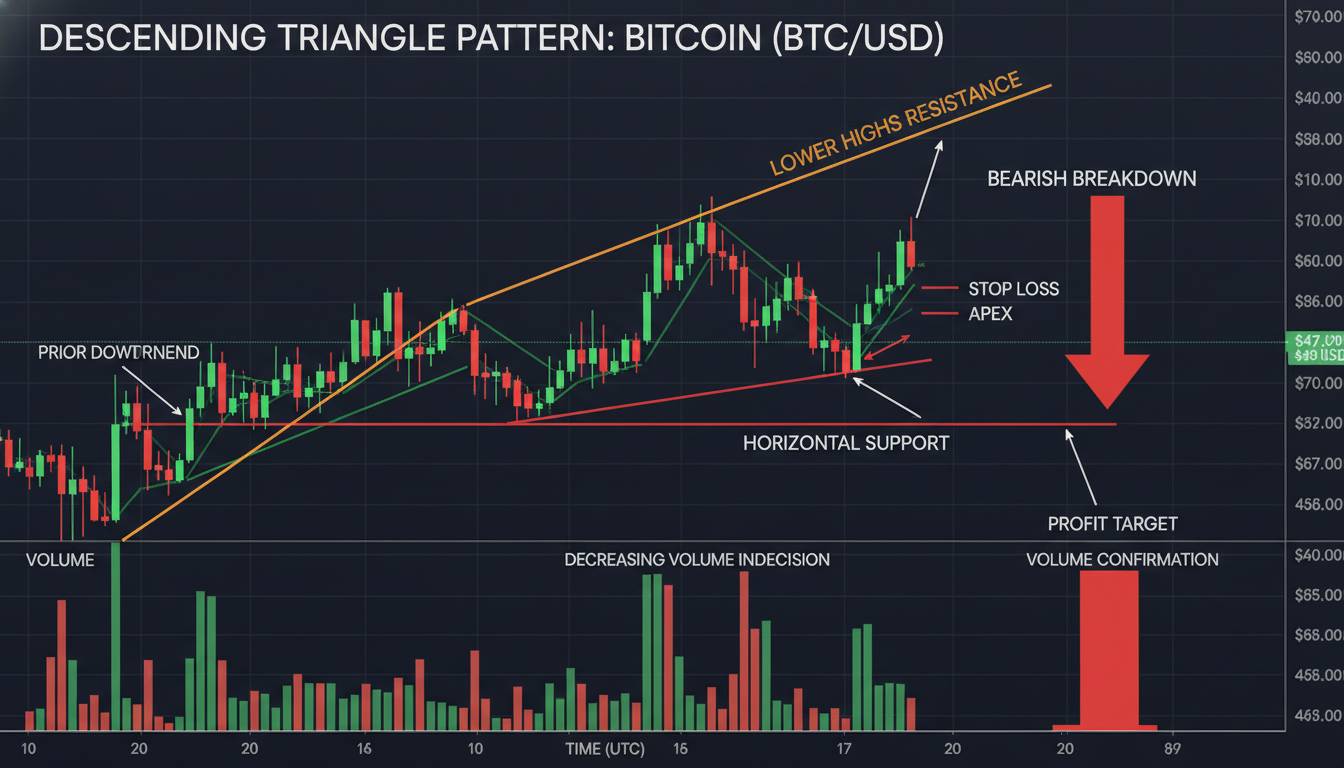
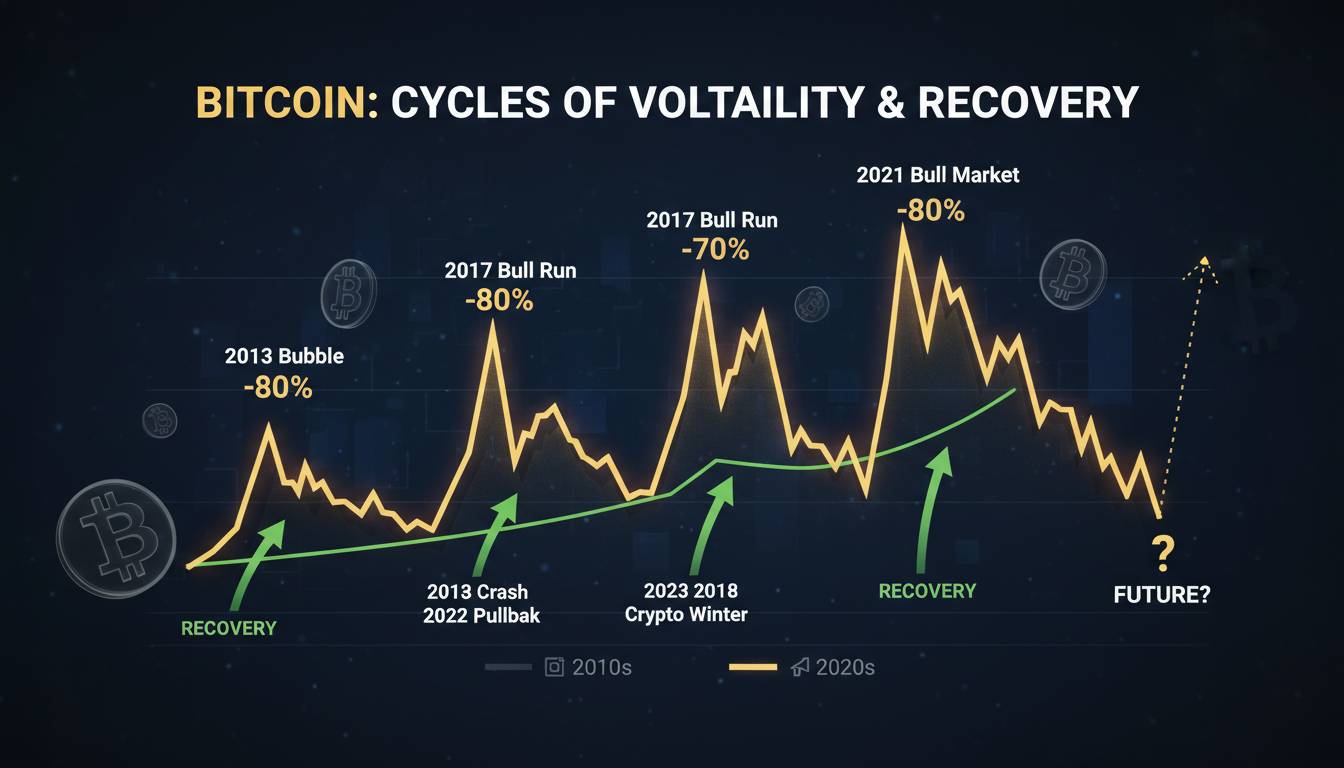
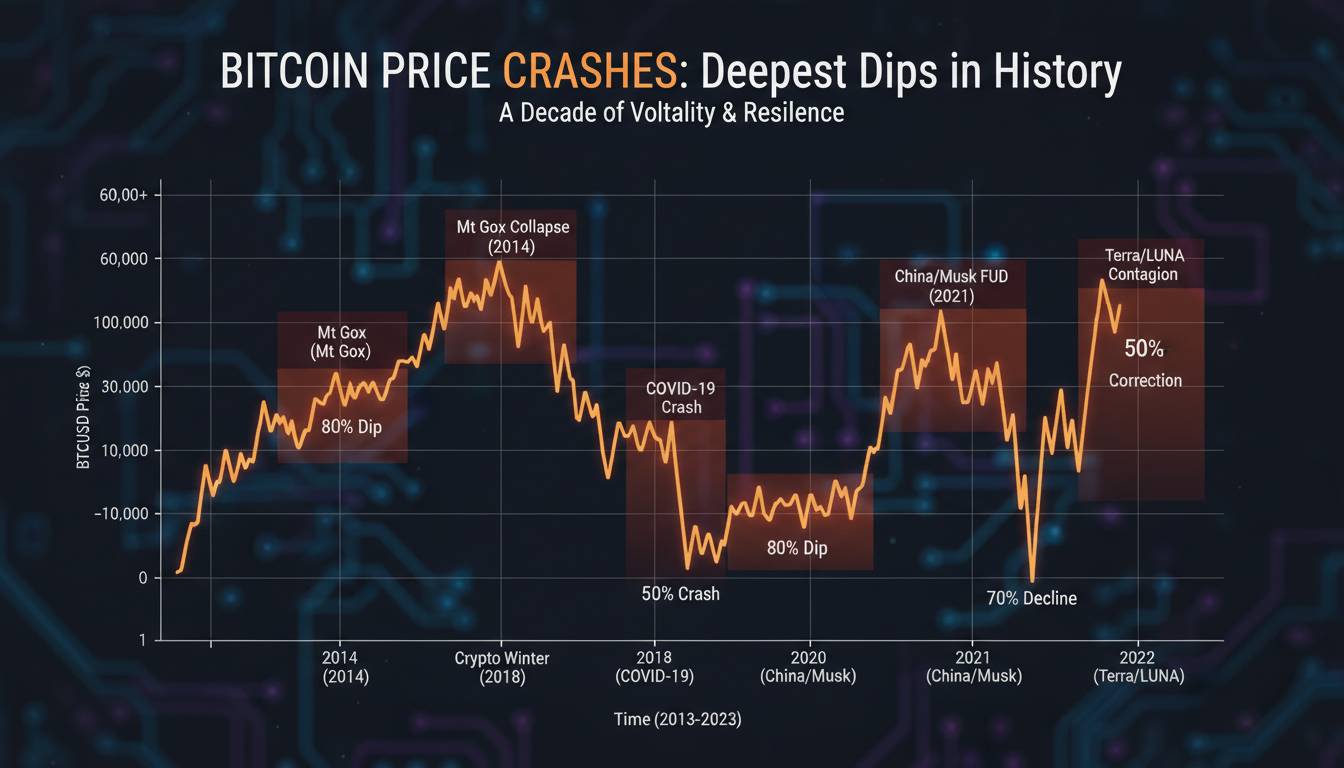
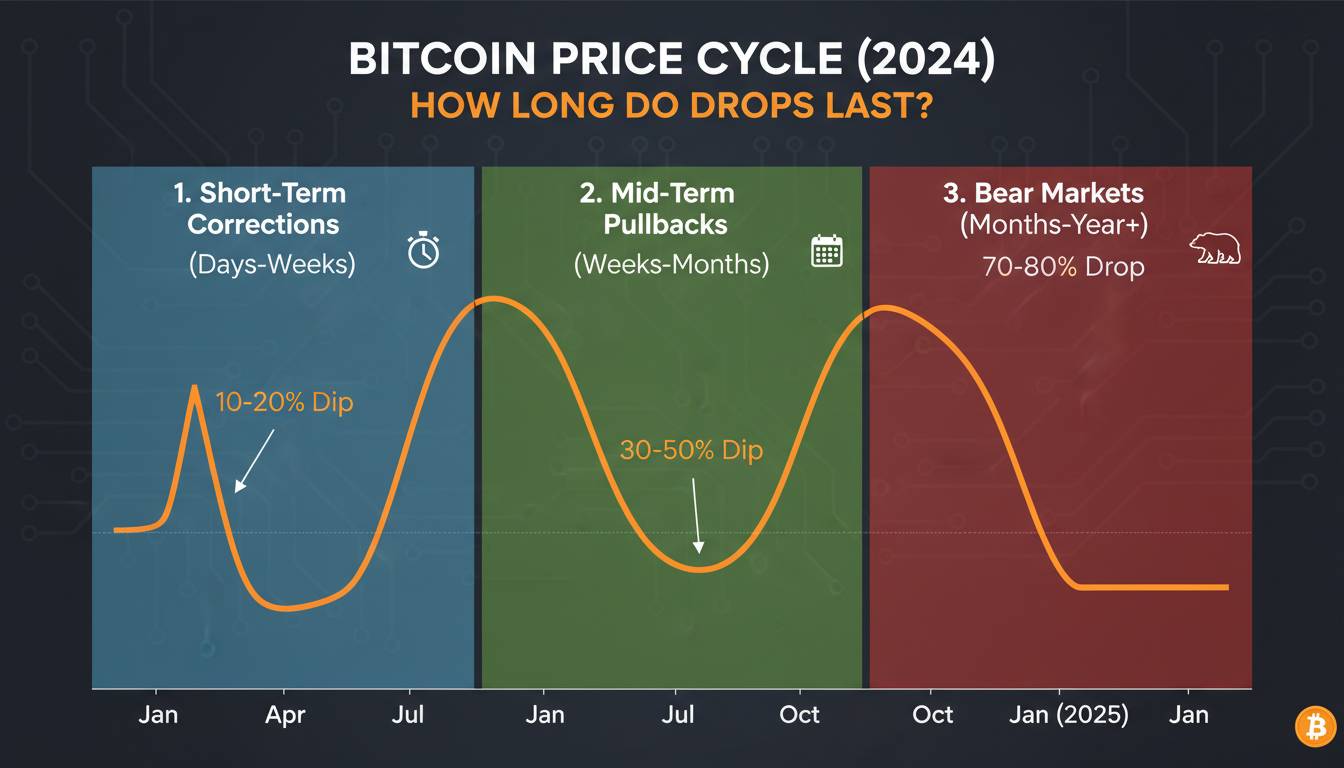
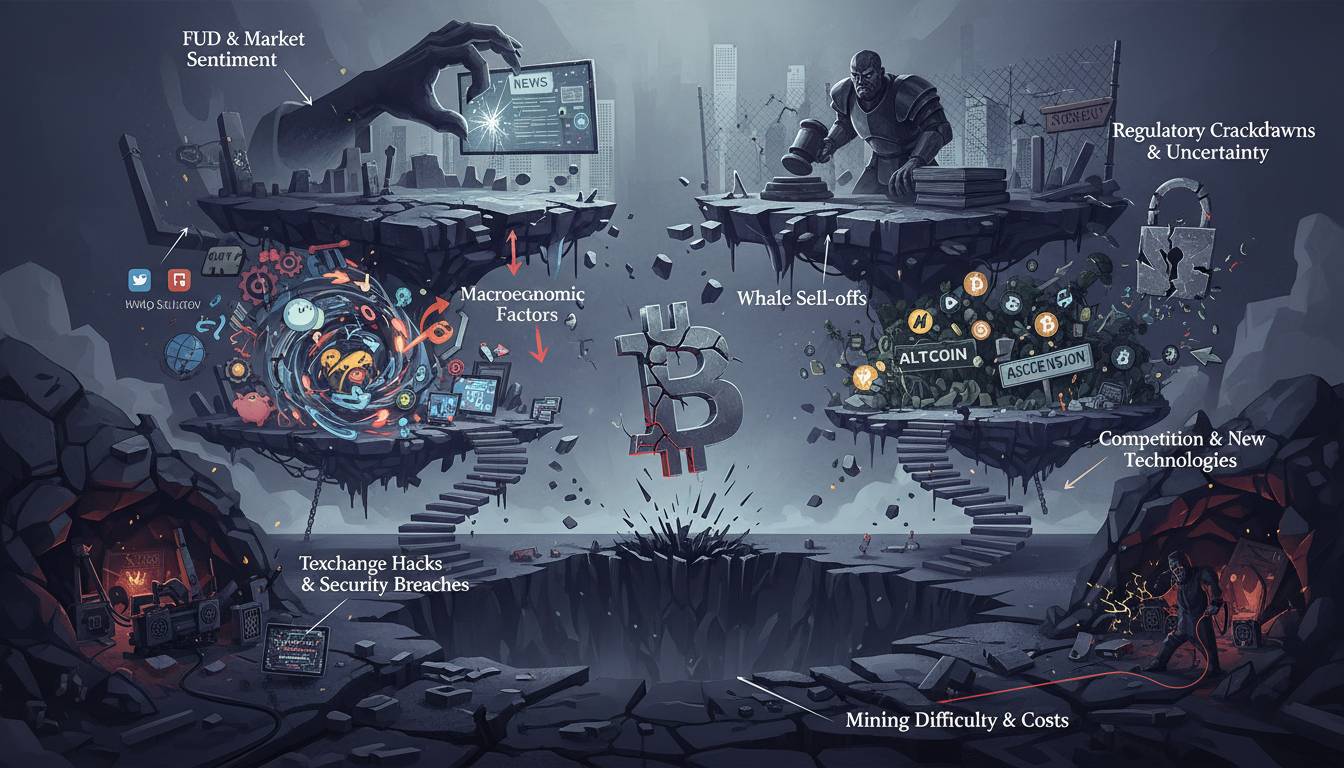
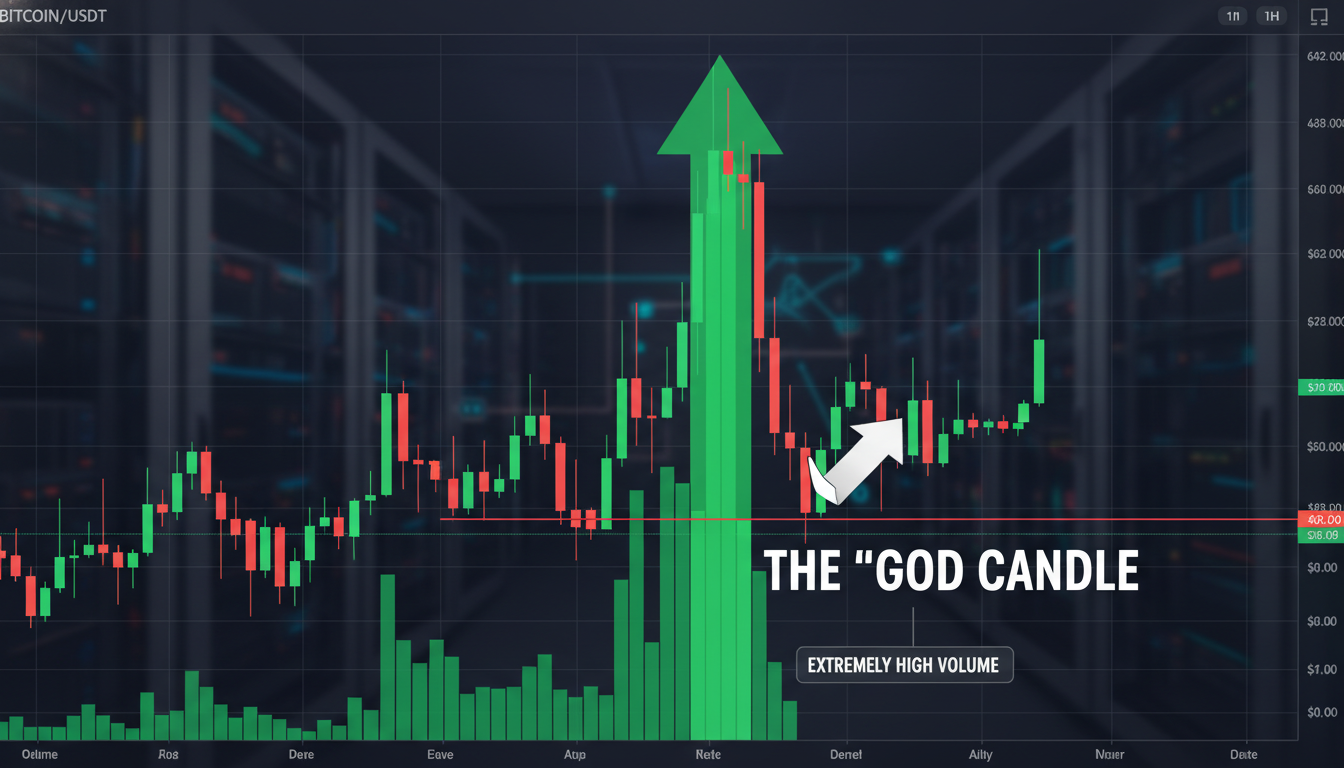
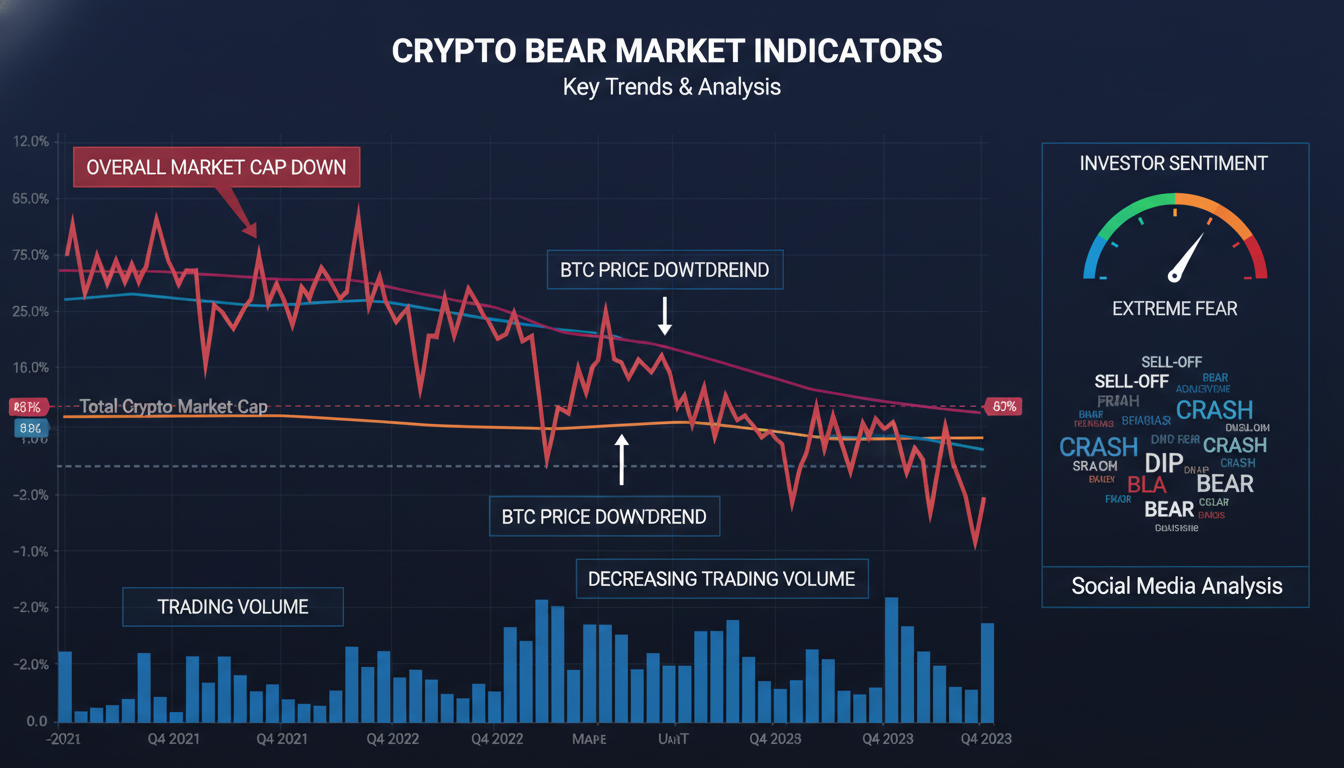
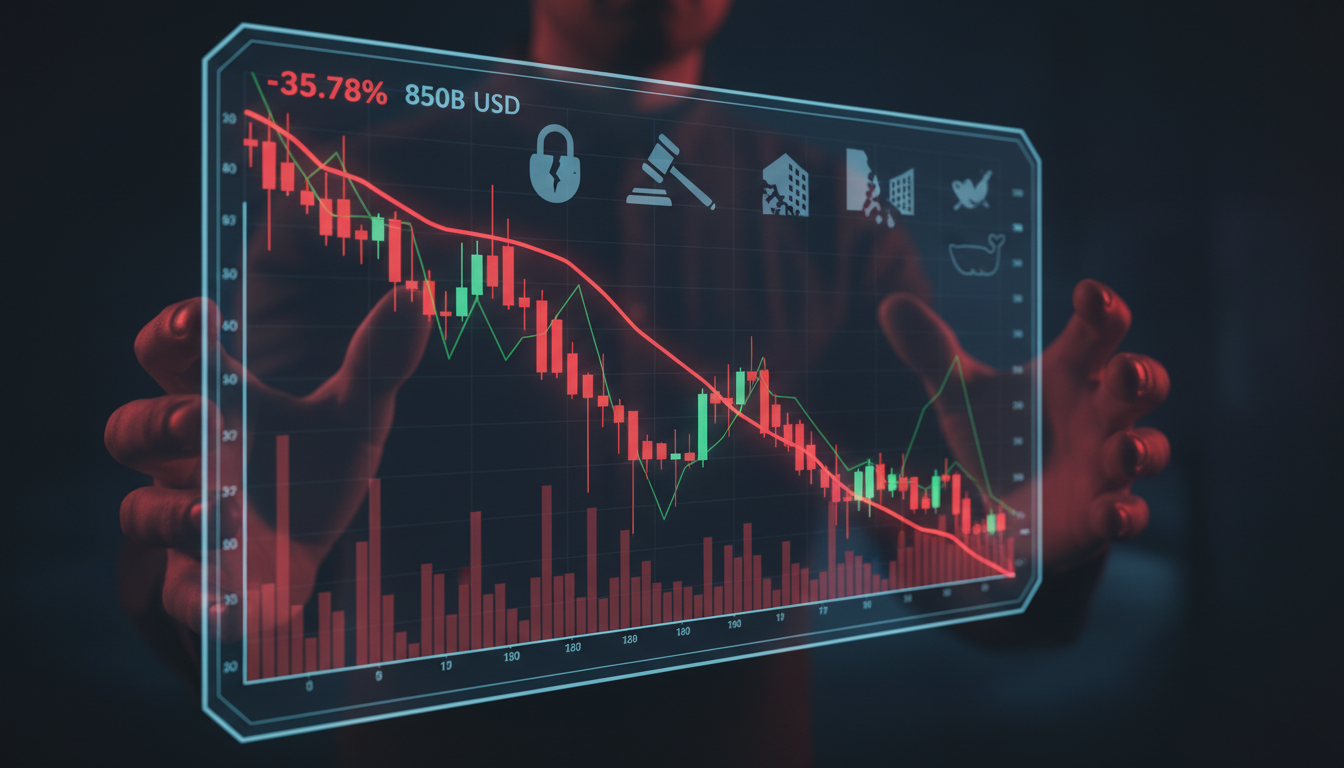
When people cite Bitcoin’s volatility, they usually throw out percentages — 50% drops, 80% corrections, days where the price moves 10% in either direction. But numbers alone don’t capture the experience. What volatility actually means in practice is this: you could wake up to your portfolio down 30% with no warning, no explanation, and no recourse.
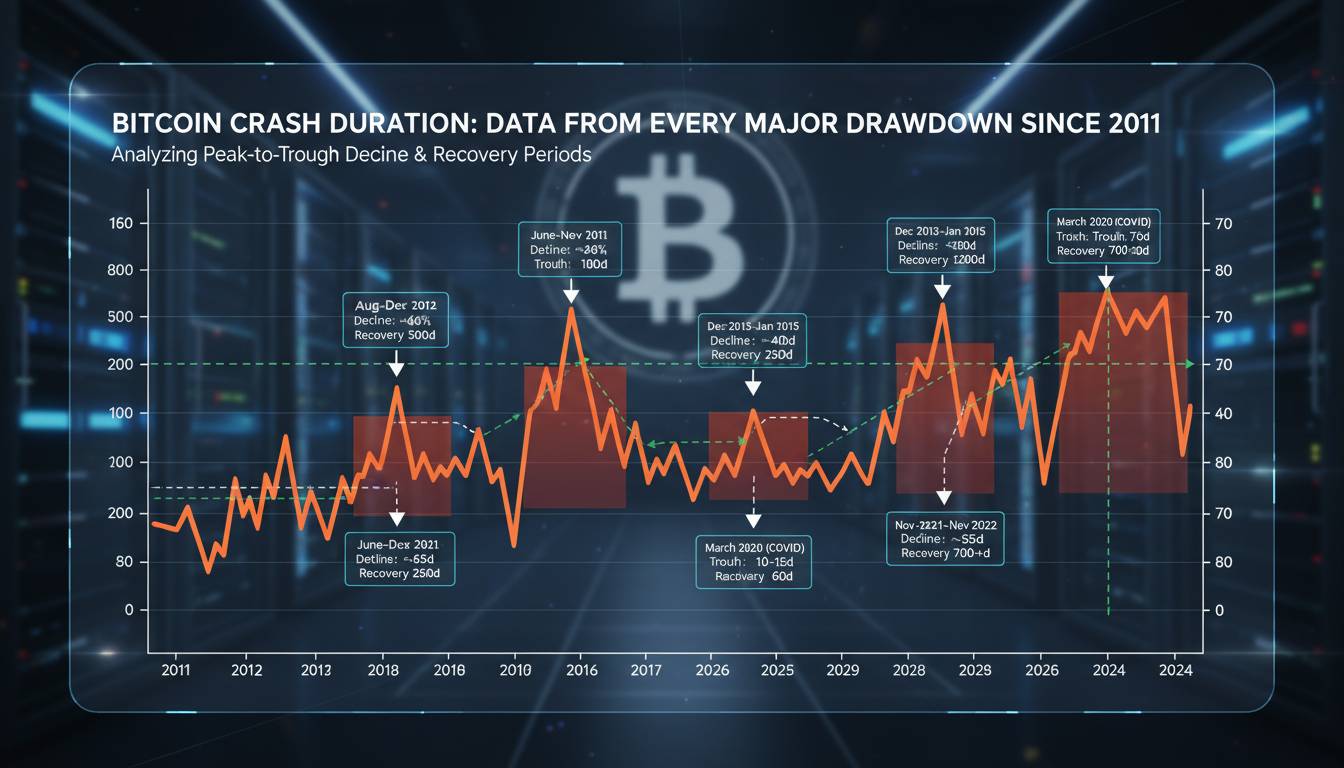
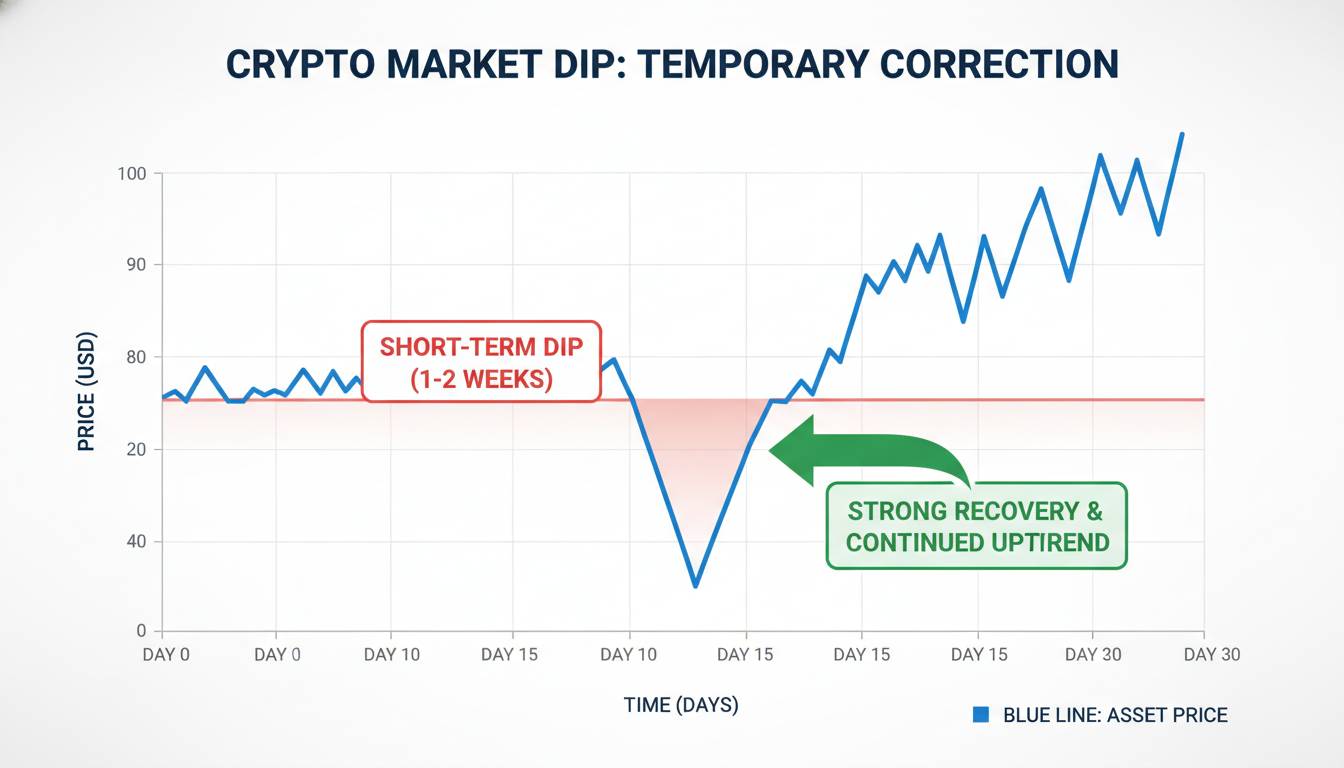
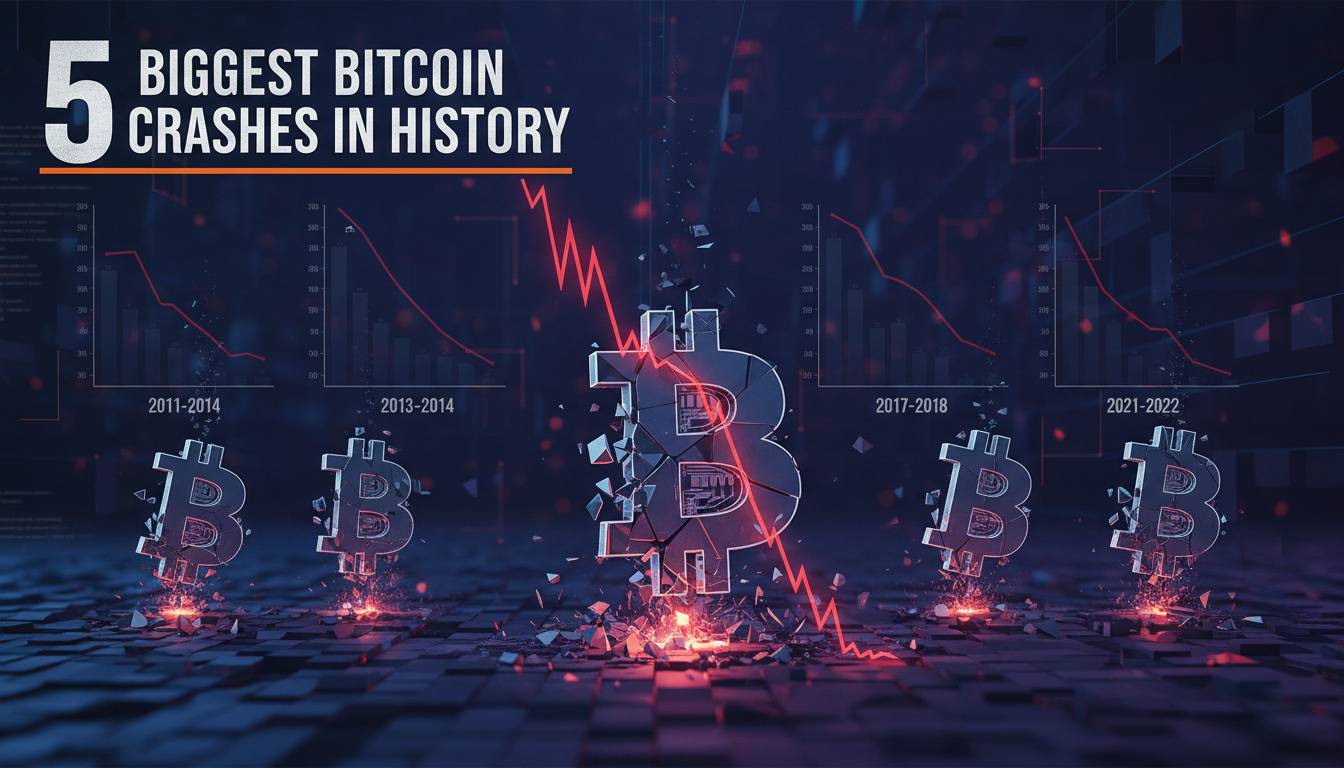
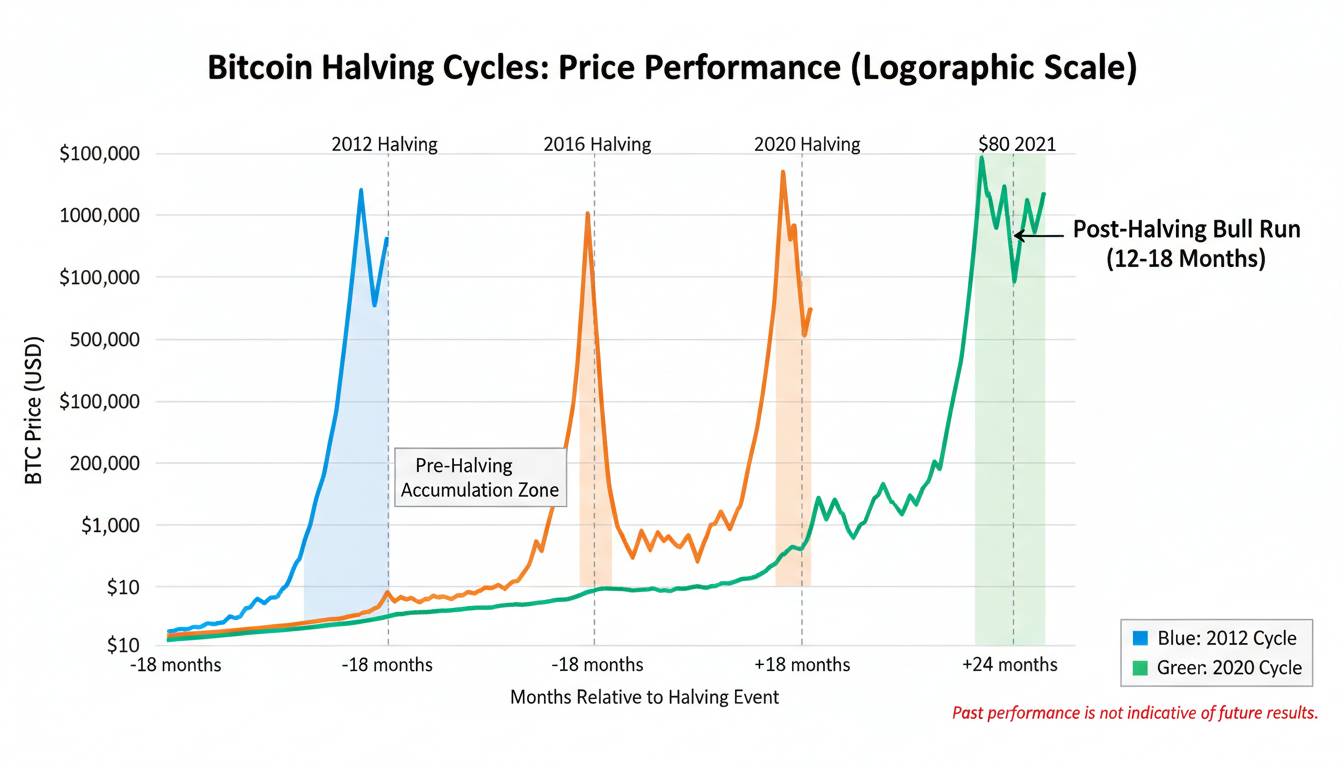
The 2021-2022 cycle showed this clearly. Bitcoin fell from its November 2021 all-time high near $69,000 to a cycle bottom around $16,000 by late 2022 — a 77% decline that took less than 13 months. For context, the S&P 500’s largest drawdown in the 2008 financial crisis was roughly 57%. Bitcoin’s worst year erased more than twice that much, and it happened faster.
What makes this particularly dangerous is the psychological toll. A 30% drop in a stock market index feels like a crisis. In Bitcoin, it’s almost routine. The problem isn’t the drop itself — it’s that after experiencing several of them, investors either become desensitized and hold through genuine catastrophes, or they panic-sell at precisely the wrong moment. Many who bought in 2021 never recovered their principal.
The takeaway isn’t that volatility makes Bitcoin uninvestable. It’s that your ability to hold through drawdowns must be tested before you commit capital you can’t afford to lose.
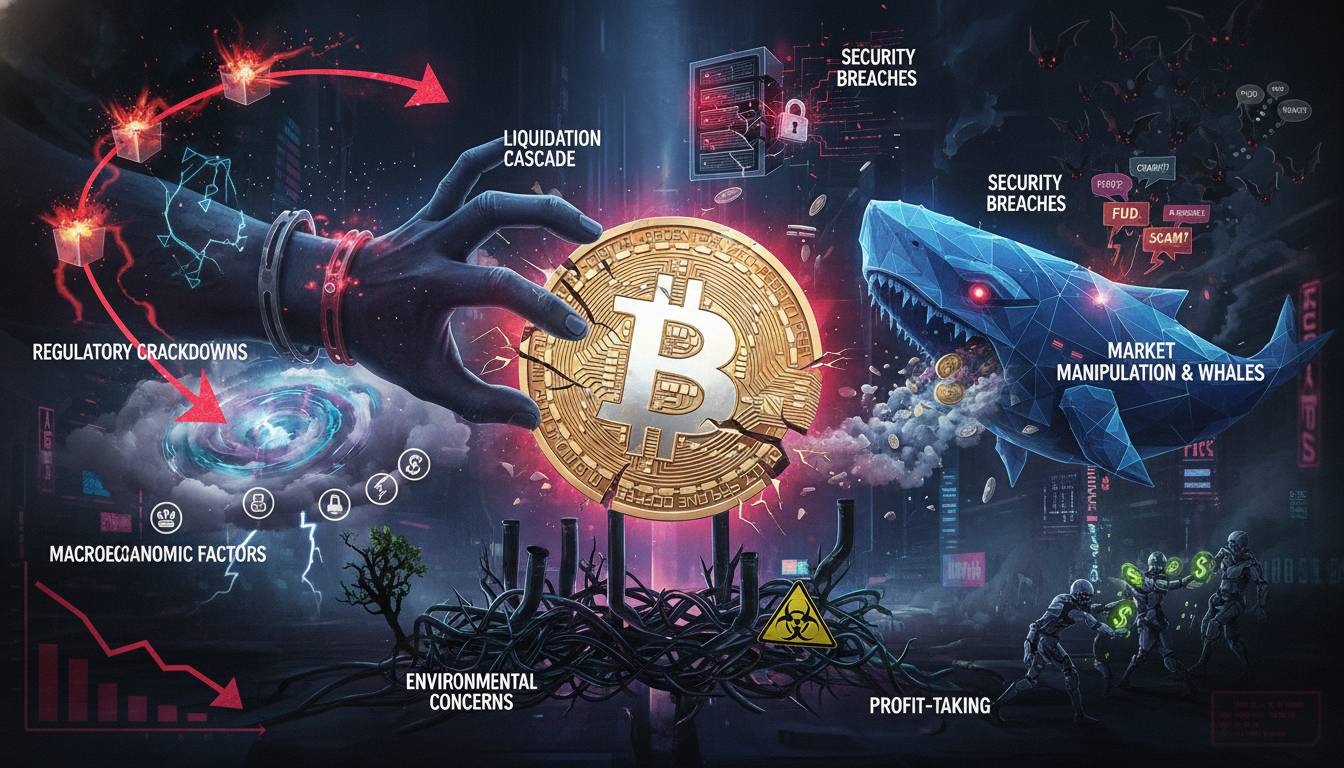
Regulatory Risk: The Uncertainty Tax
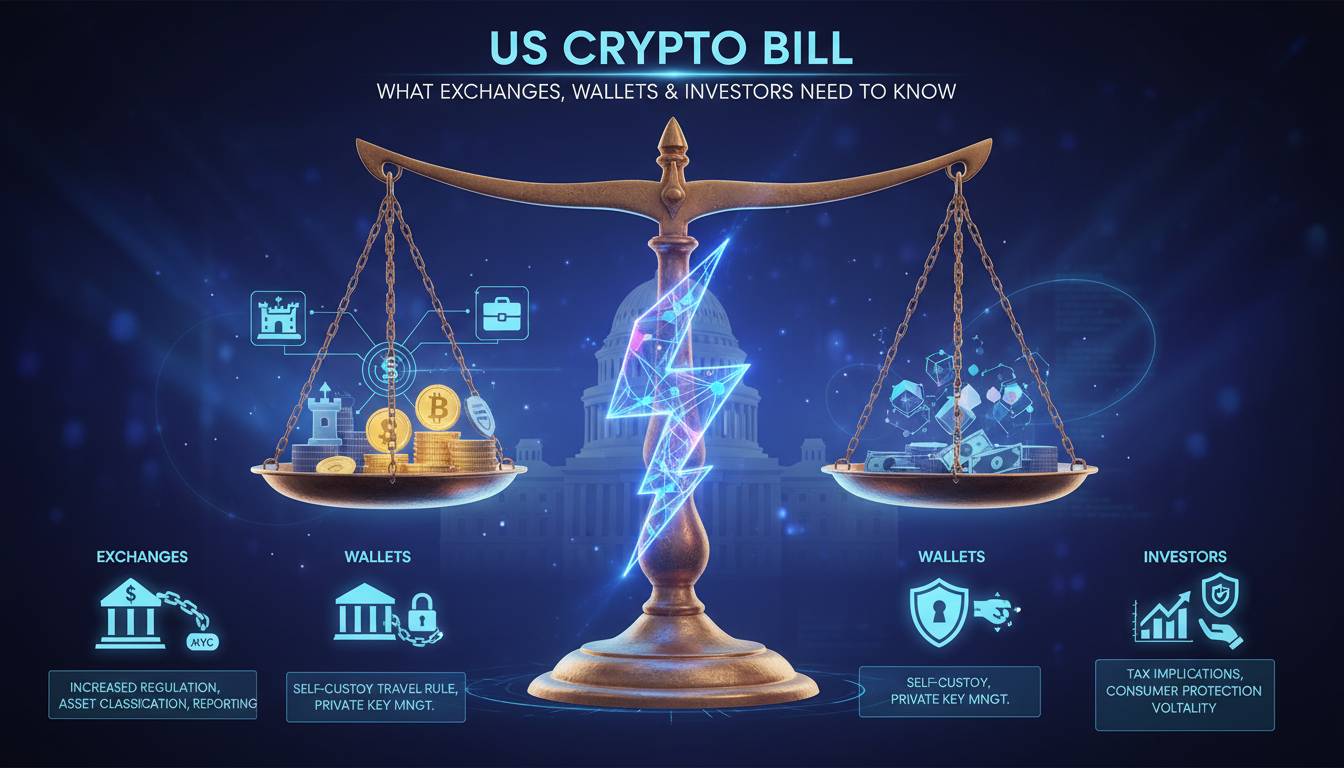
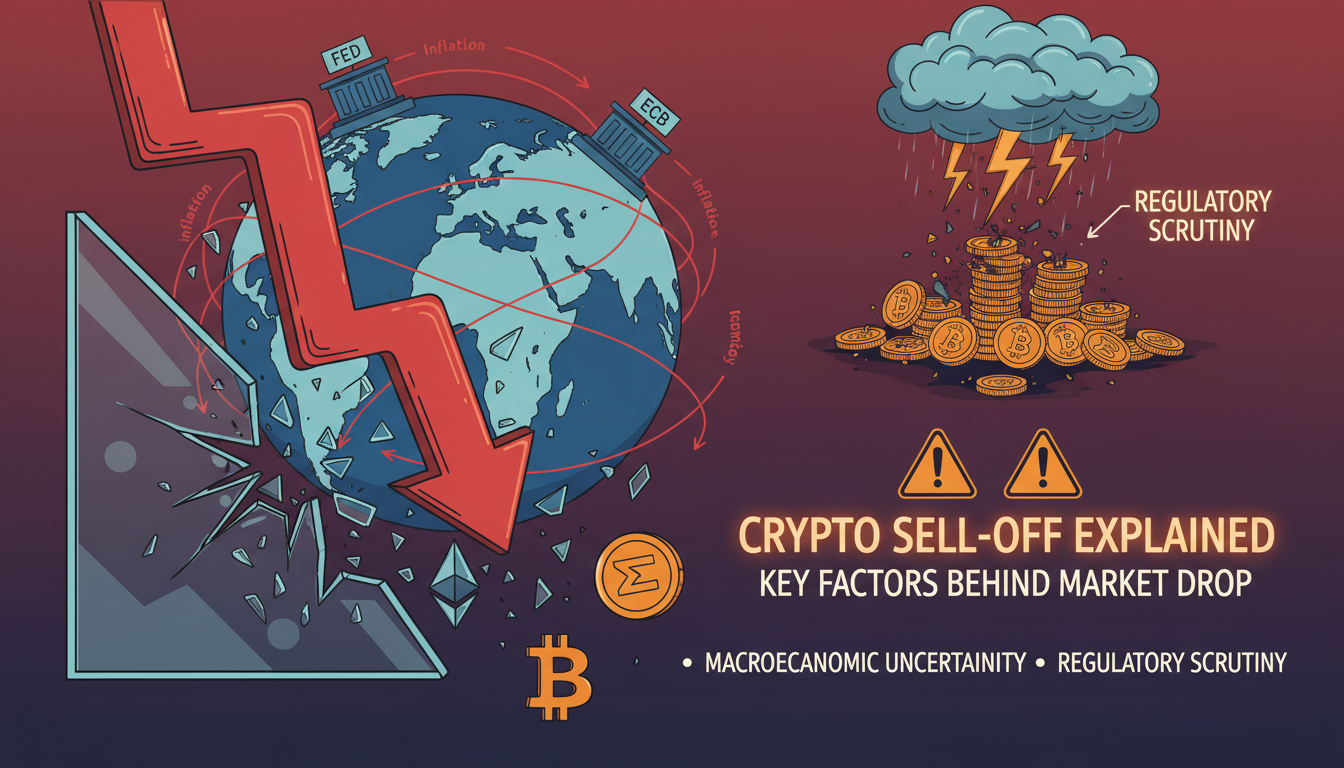
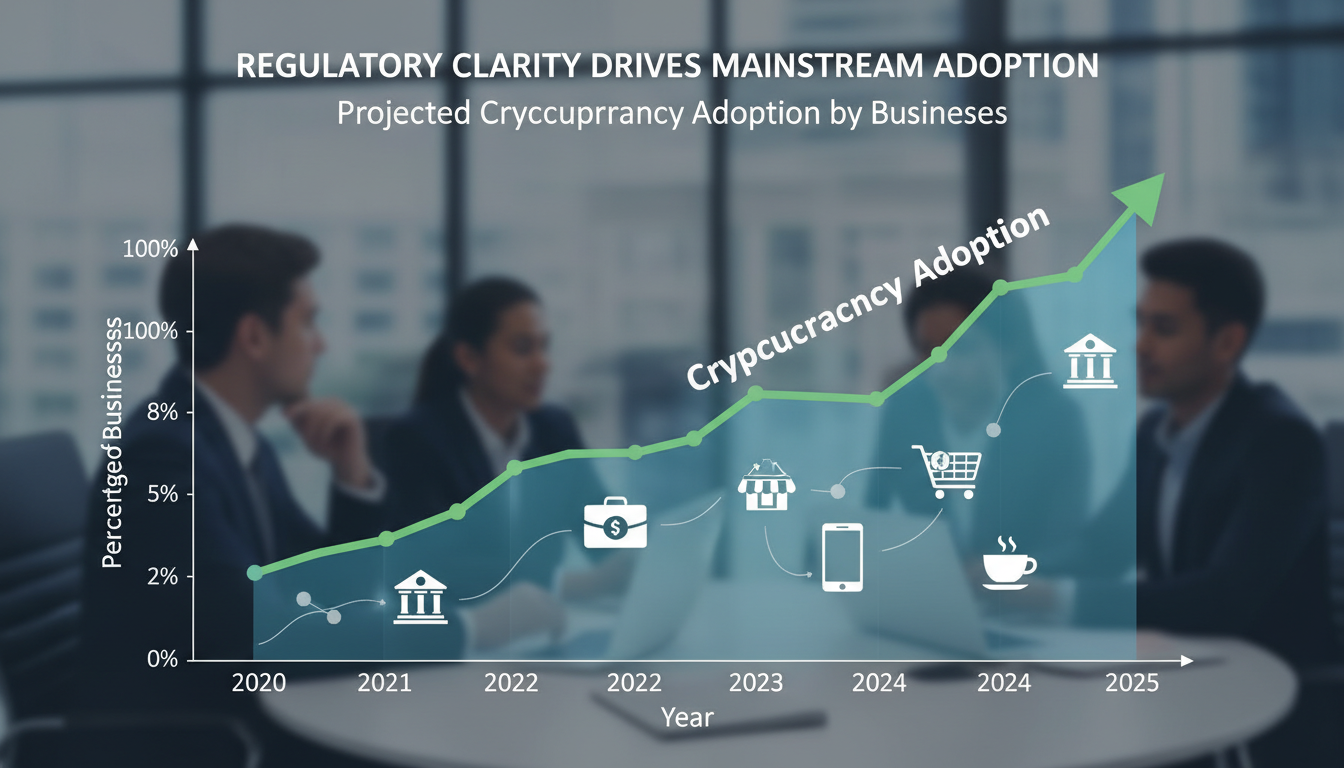
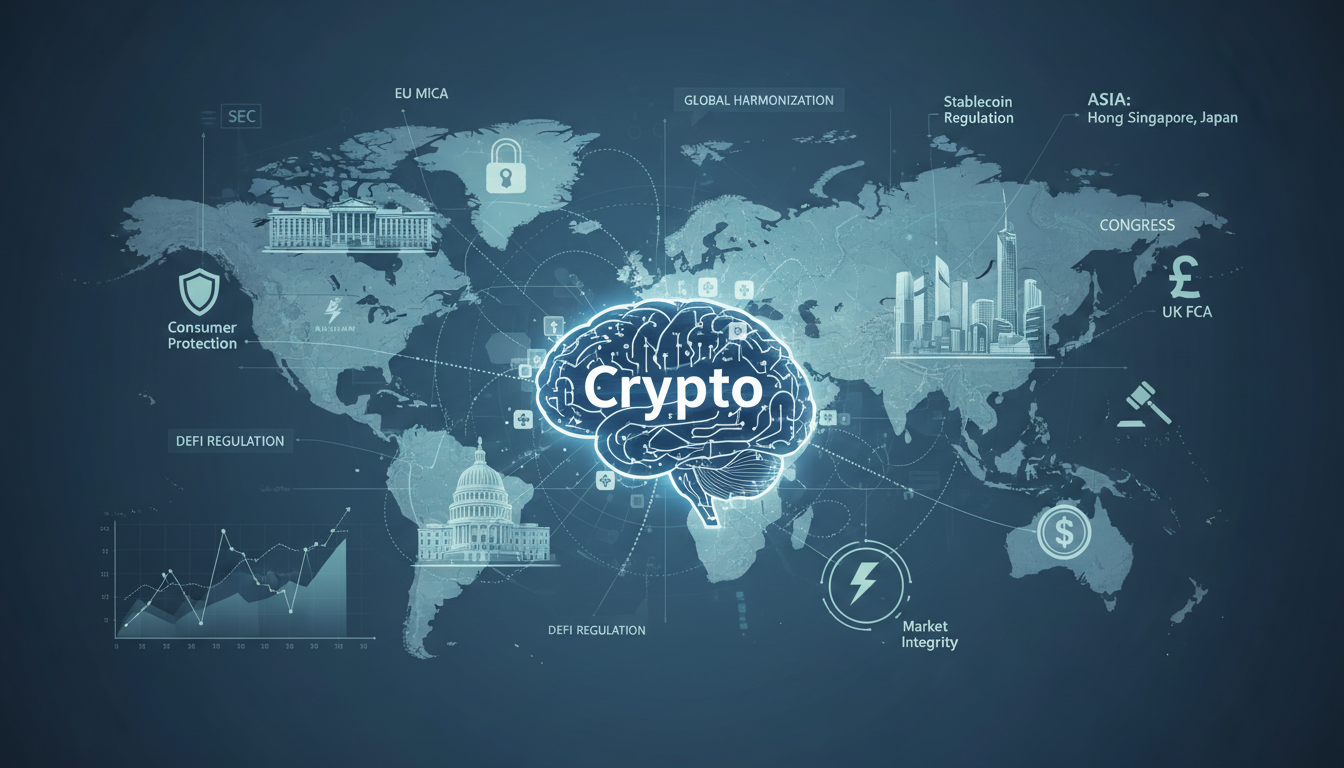
Bitcoin exists in a legal gray zone that governments worldwide are still figuring out how to address. This isn’t a temporary condition — it’s a structural feature of an asset that crosses borders effortlessly and challenges existing financial frameworks.
China’s 2021 crackdown on cryptocurrency mining and trading showed how suddenly regulatory risk can materialize. Within months, Bitcoin’s hash rate — a measure of network computing power — shifted dramatically as Chinese operations shut down. Markets didn’t just dip; they recalculated based on the assumption that other governments might follow suit.
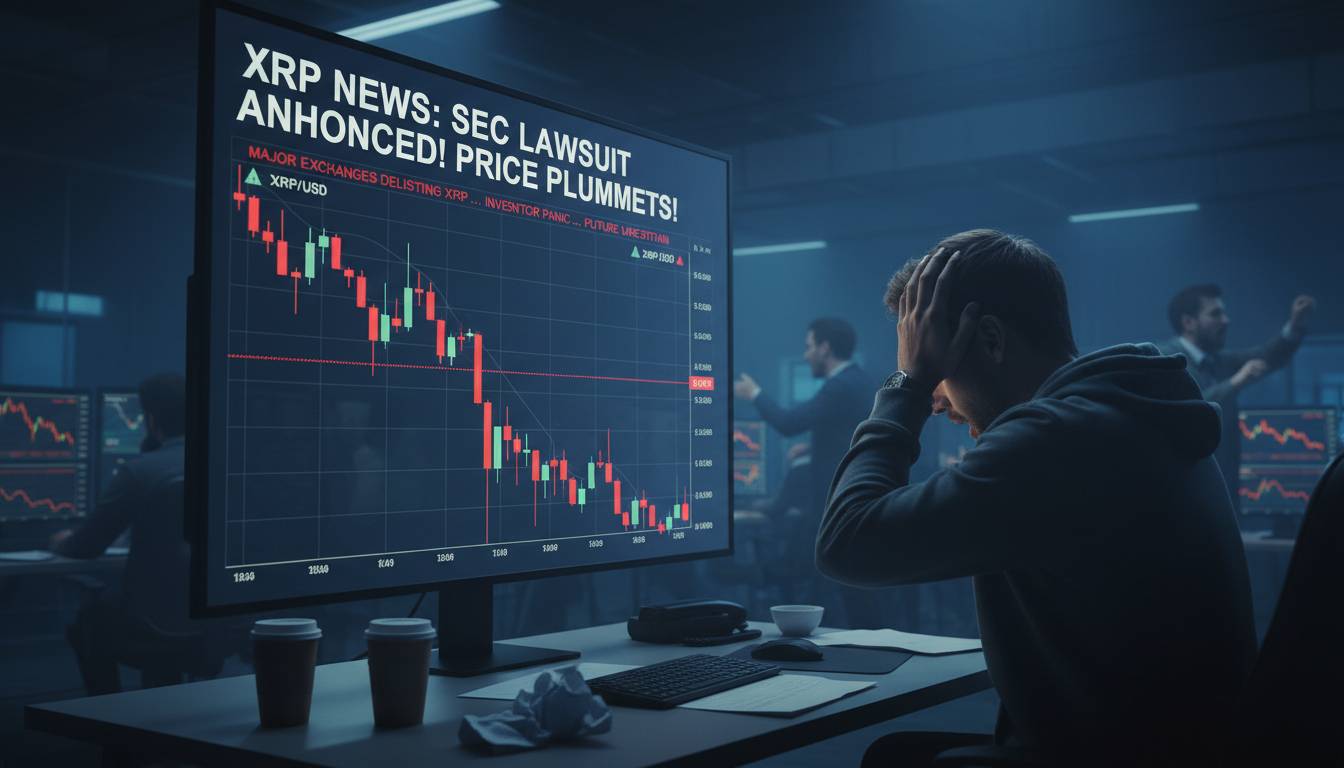
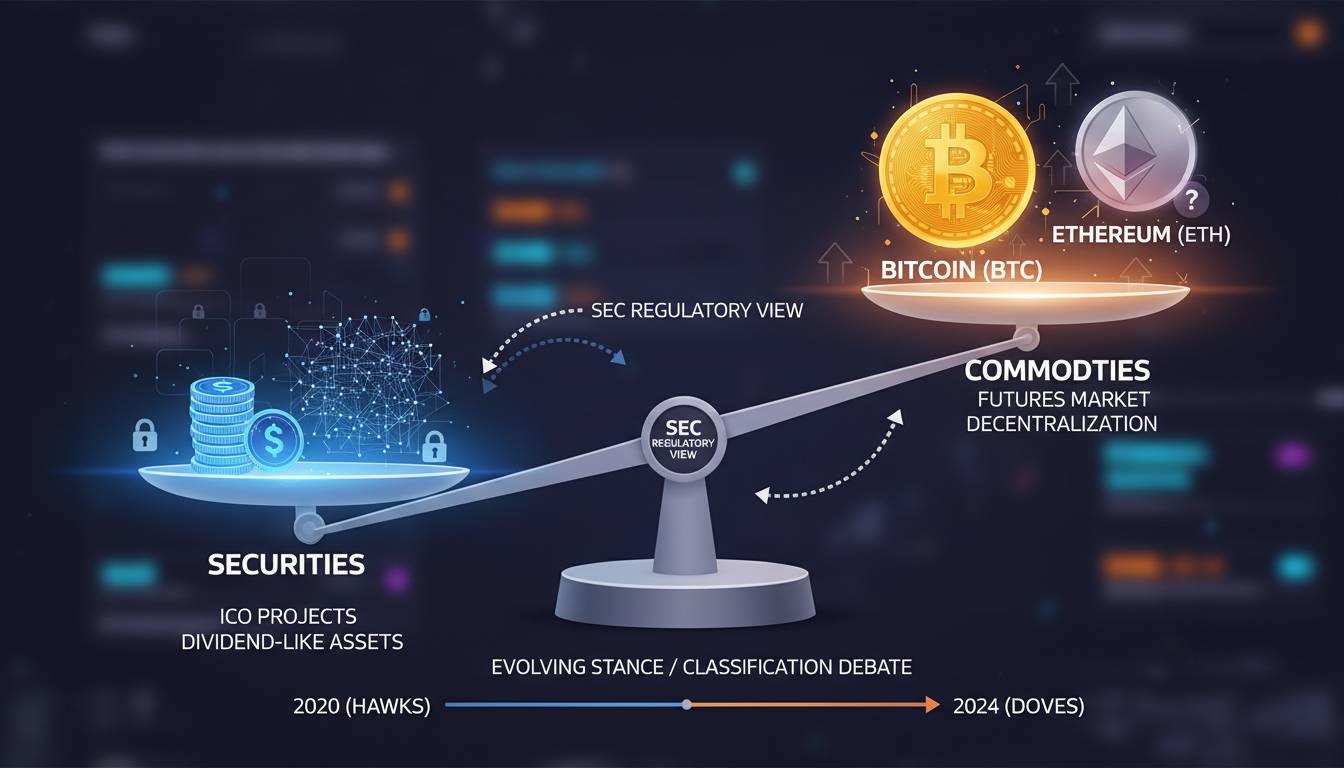
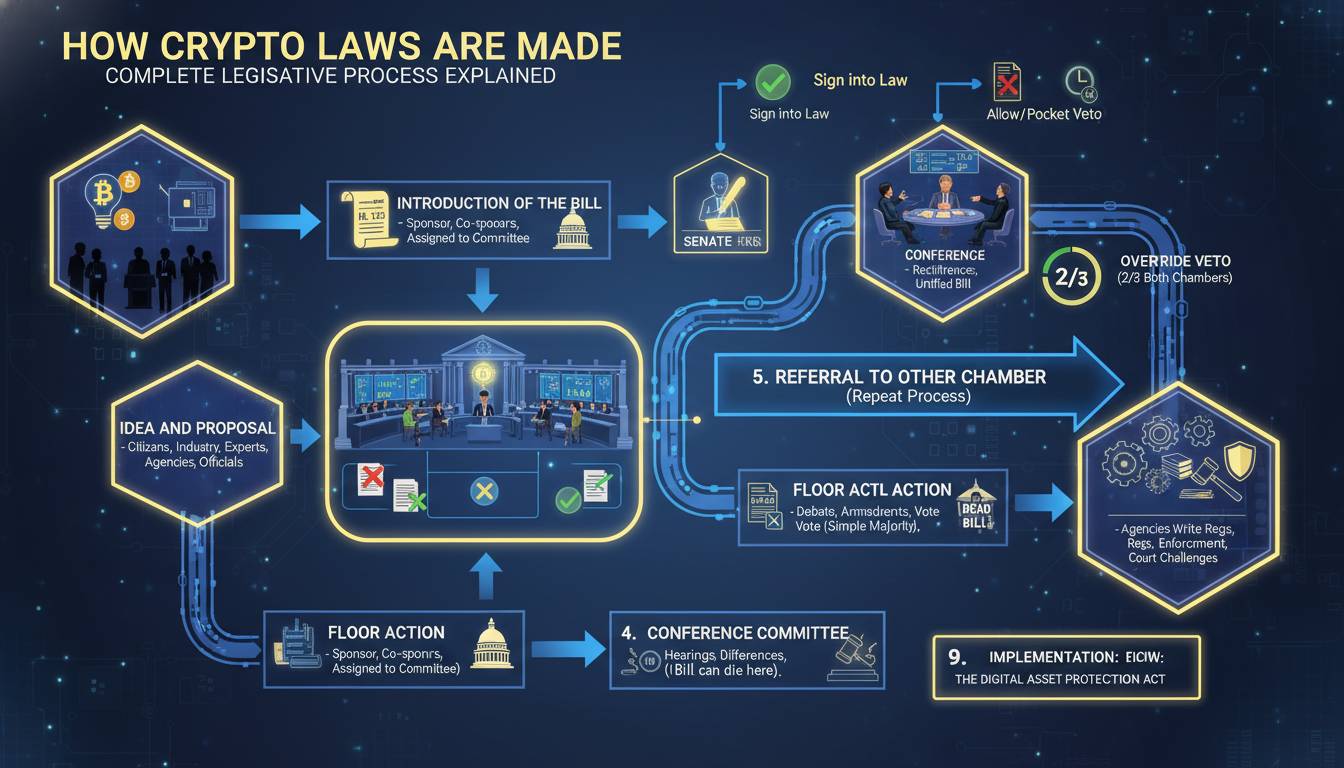
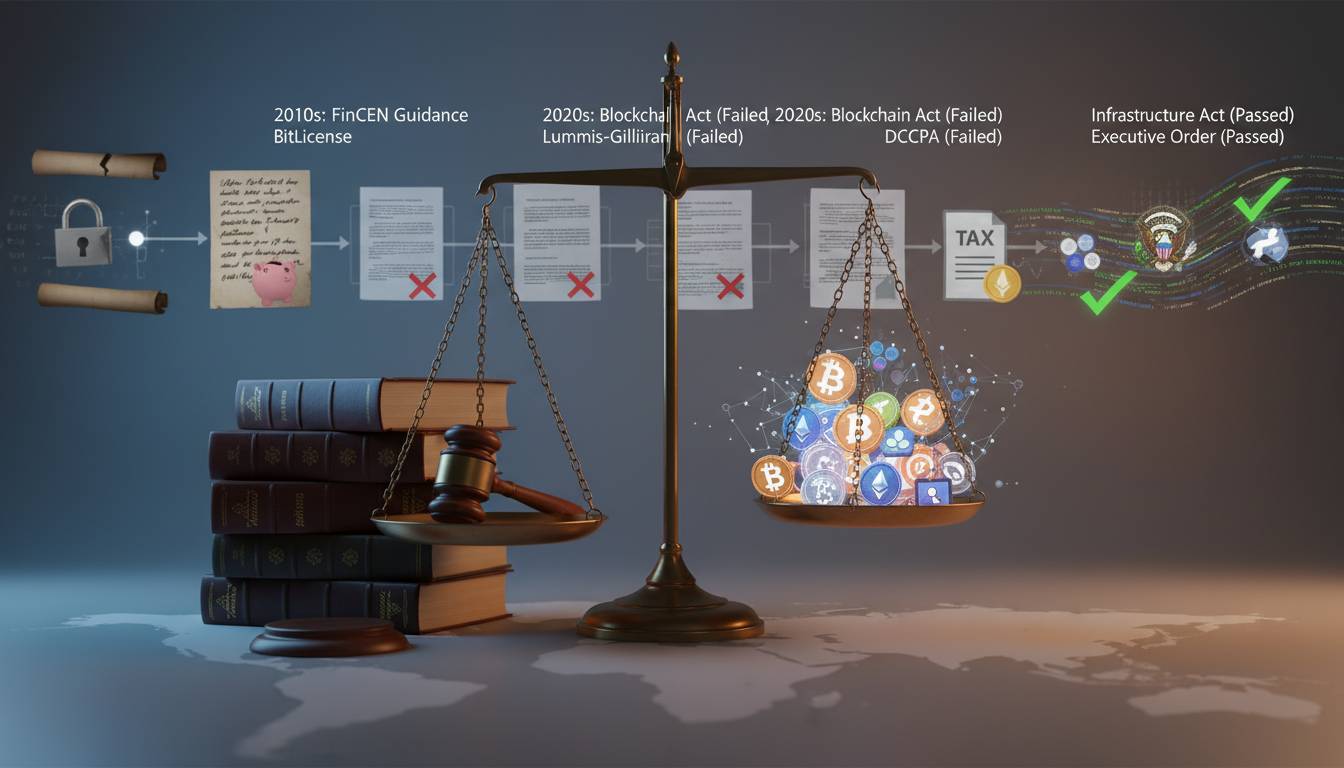
In the United States, the SEC has taken enforcement actions against crypto exchanges and token issuers without establishing clear regulatory frameworks. The lack of regulatory clarity creates a specific kind of risk: you might be in full compliance with today’s rules only to find tomorrow that a particular token or activity is deemed a security. The Howey Test, developed in 1946, was never designed for digital assets, yet it’s being retroactively applied with inconsistent results.
Some investors treat regulatory risk as a distant concern — something that affects institutional adoption but not personal holdings. This is a mistake. If exchanges are forced to delist certain tokens or restrict US customers, individual investors face the same liquidity crunch as hedge funds, often with fewer options to manage the exposure.
The honest assessment: no one can predict which regulatory framework will emerge or when. What you can do is ensure that any Bitcoin holdings represent money you’re willing to lock away for years, not capital you might need quickly if the regulatory environment shifts unfavorably.
Security Vulnerabilities: Not Your Keys, Not Your Crypto
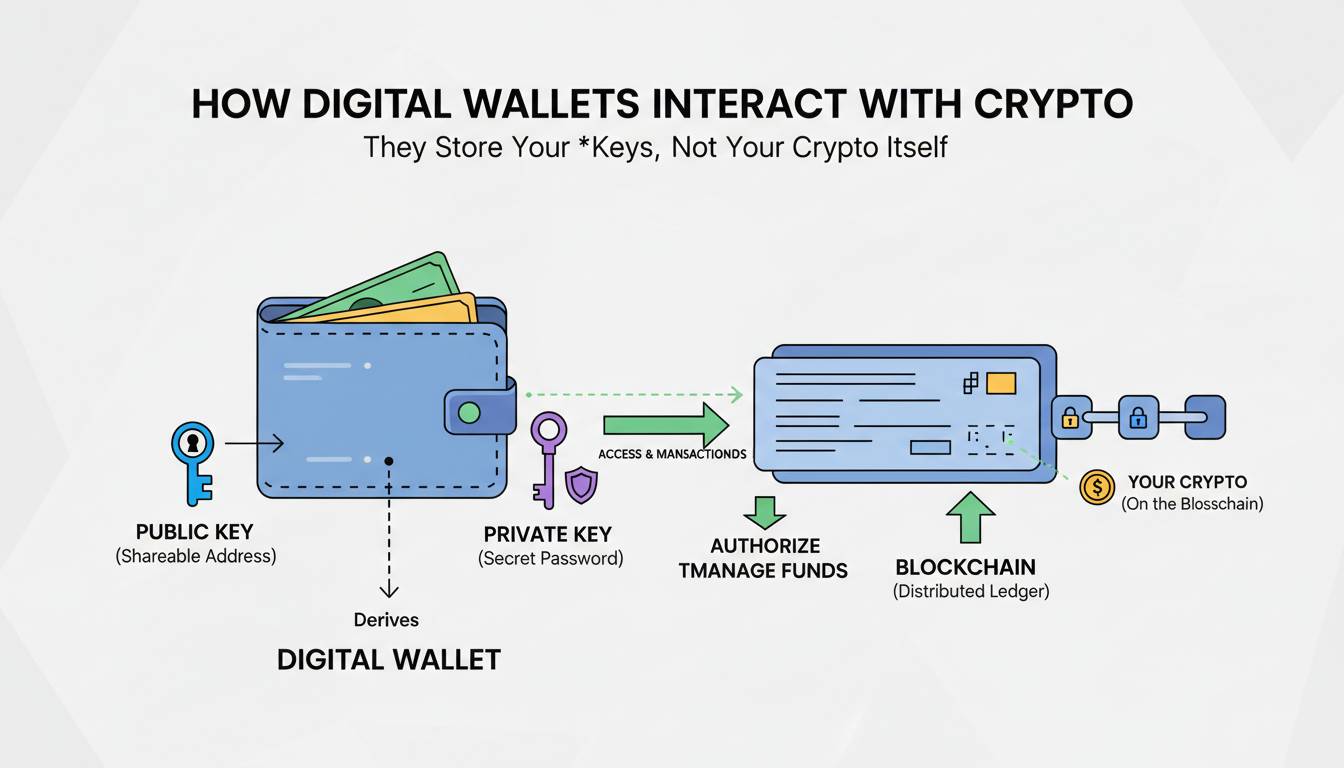
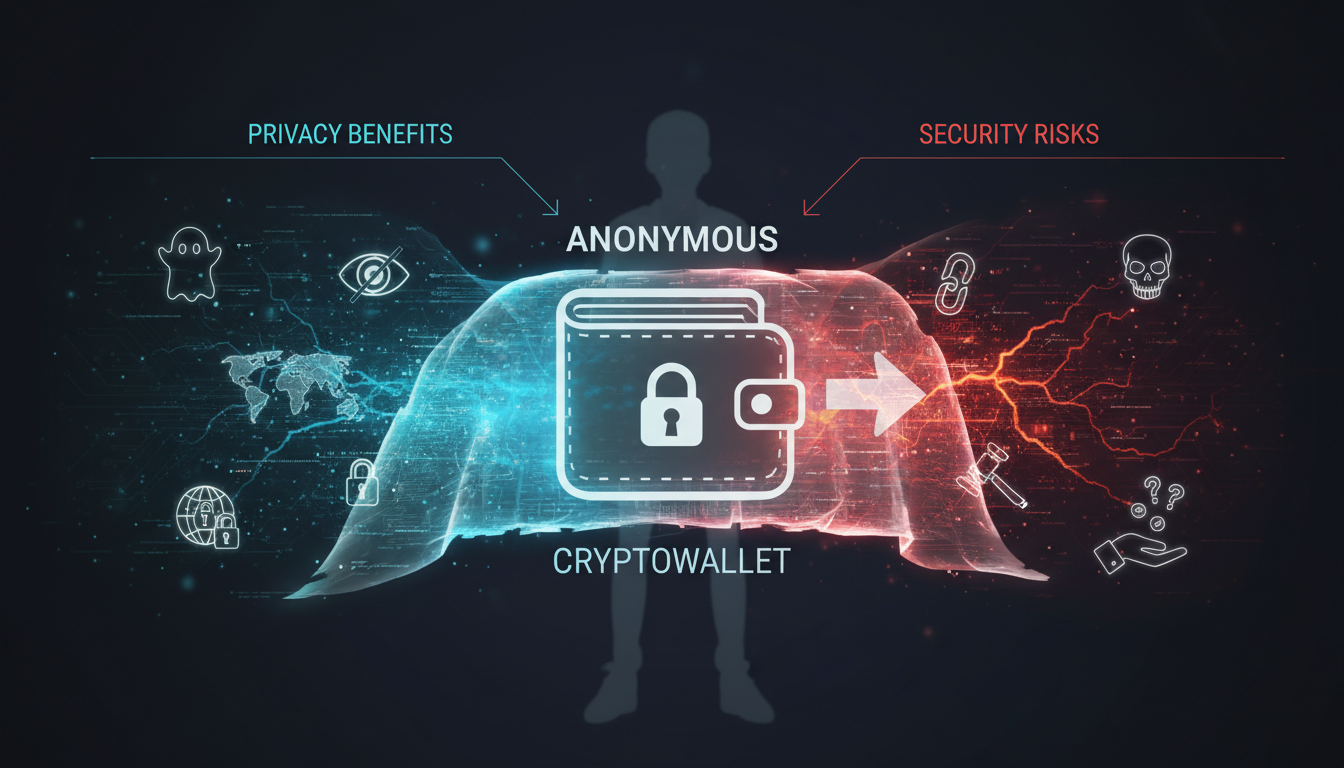
The phrase “not your keys, not your crypto” has become a cliché in cryptocurrency circles, but it encapsulates a genuine risk that has cost investors billions. When you hold Bitcoin on an exchange, you’re trusting that exchange’s security measures, bankruptcy proceedings, and regulatory compliance to protect your assets. That trust has been betrayed repeatedly.
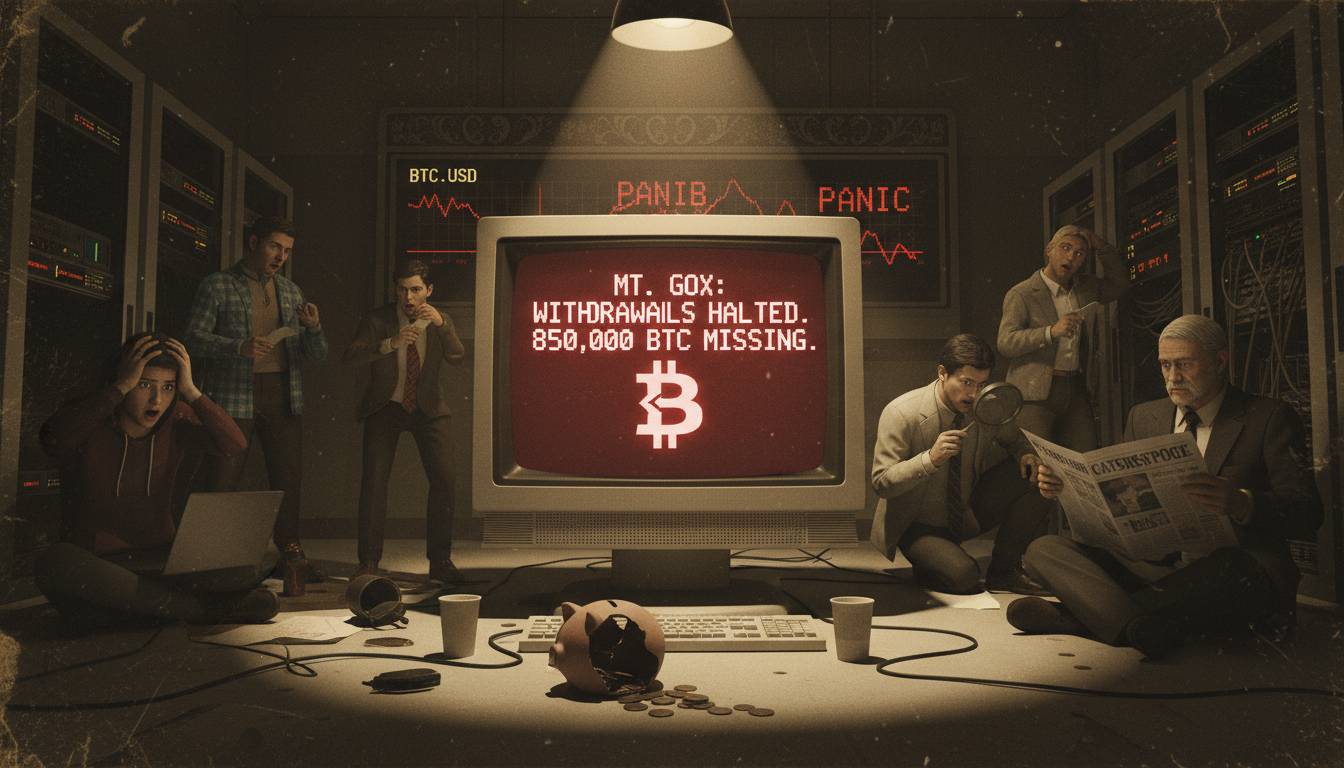
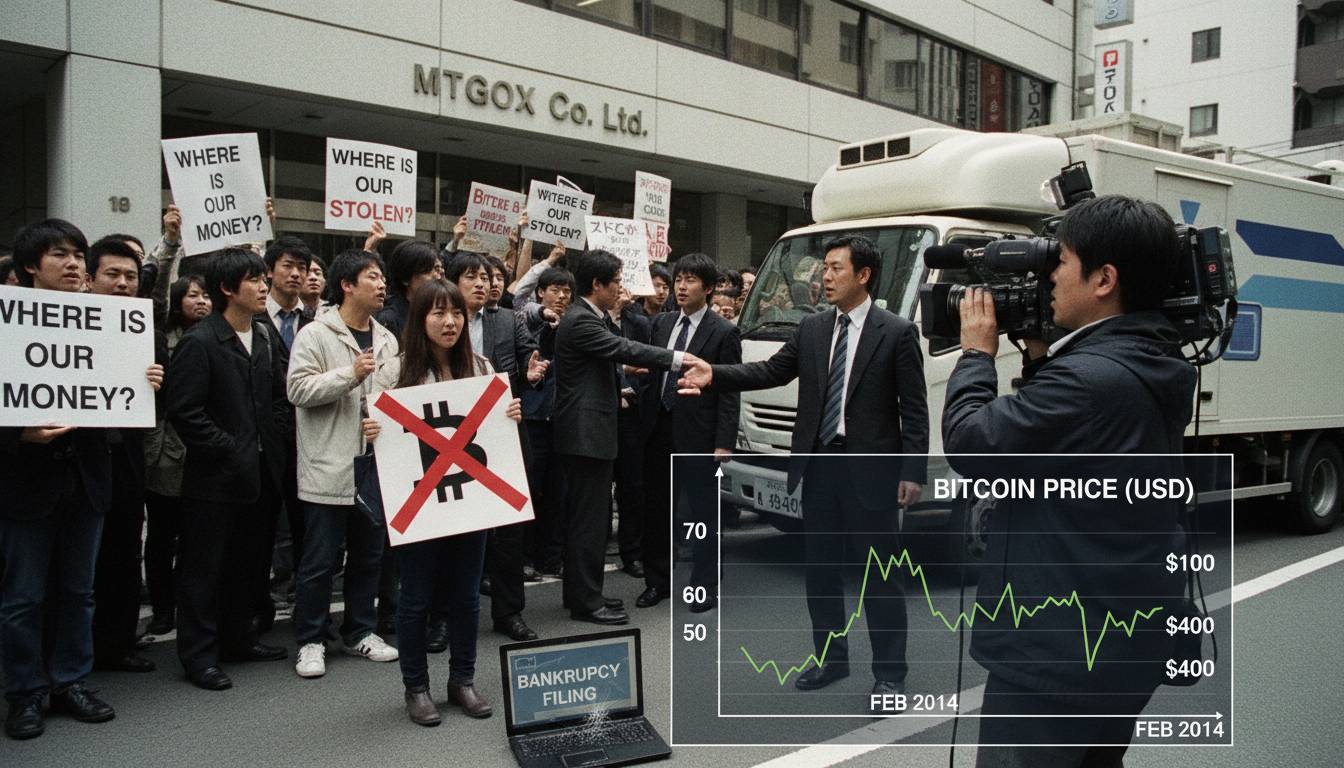
Mt. Gox, once the world’s largest Bitcoin exchange, lost approximately 850,000 Bitcoin (worth roughly $450 million at the time, now valued at over $50 billion) in a hack that went undetected for years. Customers are still fighting for reimbursement more than a decade later. The FTX collapse in 2022 revealed that customer funds had been commingled with company assets — a fundamental breach of trust that left millions unable to access their deposits.
These aren’t historical anomalies. Exchange hacks continue to occur. According to blockchain security firms, cryptocurrency theft exceeded $1 billion in 2023, with centralized exchanges remaining the primary target. Even sophisticated investors have lost fortunes to phishing attacks, compromised private keys, and sophisticated social engineering schemes.
The security burden falls directly on the individual. Hardware wallets — physical devices that store private keys offline — represent the most secure option for personal custody, but they introduce their own risks: device loss or damage, seed phrase storage failures, and the perpetual challenge of maintaining security practices over years or decades. Most people underestimate how difficult it is to keep a seed phrase secure from both theft and accidental loss for a multi-year timeframe.
If you’re not confident in your ability to secure cryptographic keys, the security risk alone may outweigh any potential investment returns.
Market Manipulation: The Whale Problem
Bitcoin’s relatively thin markets compared to traditional assets make it susceptible to manipulation in ways that equity traders rarely encounter. “Whales” — large individual or institutional holders with the capacity to move markets — can execute trading strategies that create artificial price movements, trapping smaller traders in losing positions.
Wash trading, where the same entity buys and sells to themselves to create false volume, has been documented on Bitcoin exchanges. Spoofing — placing large orders to influence price direction before canceling them — remains difficult to regulate in decentralized markets. Pump-and-dump schemes targeting low-liquidity altcoins have been a fixture of crypto markets for years, and Bitcoin itself has experienced coordinated price movements that correlated suspiciously with large wallet activity.
The 2017 Bitcoin price spike to nearly $20,000 has been attributed by researchers at the University of Texas to Tether, a stablecoin issuer, using newly created USDT to purchase Bitcoin in ways that artificially inflated demand. While the full picture remains debated, the investigation revealed how mechanisms designed to provide liquidity could instead be used to manipulate prices.
Retail investors operate at an information disadvantage that goes beyond what’s visible on price charts. Large holders aren’t required to disclose positions, and off-exchange activity remains largely opaque. This doesn’t mean Bitcoin markets are inherently fraudulent, but it does mean that the price you see doesn’t always reflect organic supply and demand.
Liquidity Constraints: The Exit Problem
Bitcoin is often described as highly liquid, and for small positions on major exchanges, it generally is. But liquidity evaporates quickly when you’re dealing with significant sums or unusual market conditions.
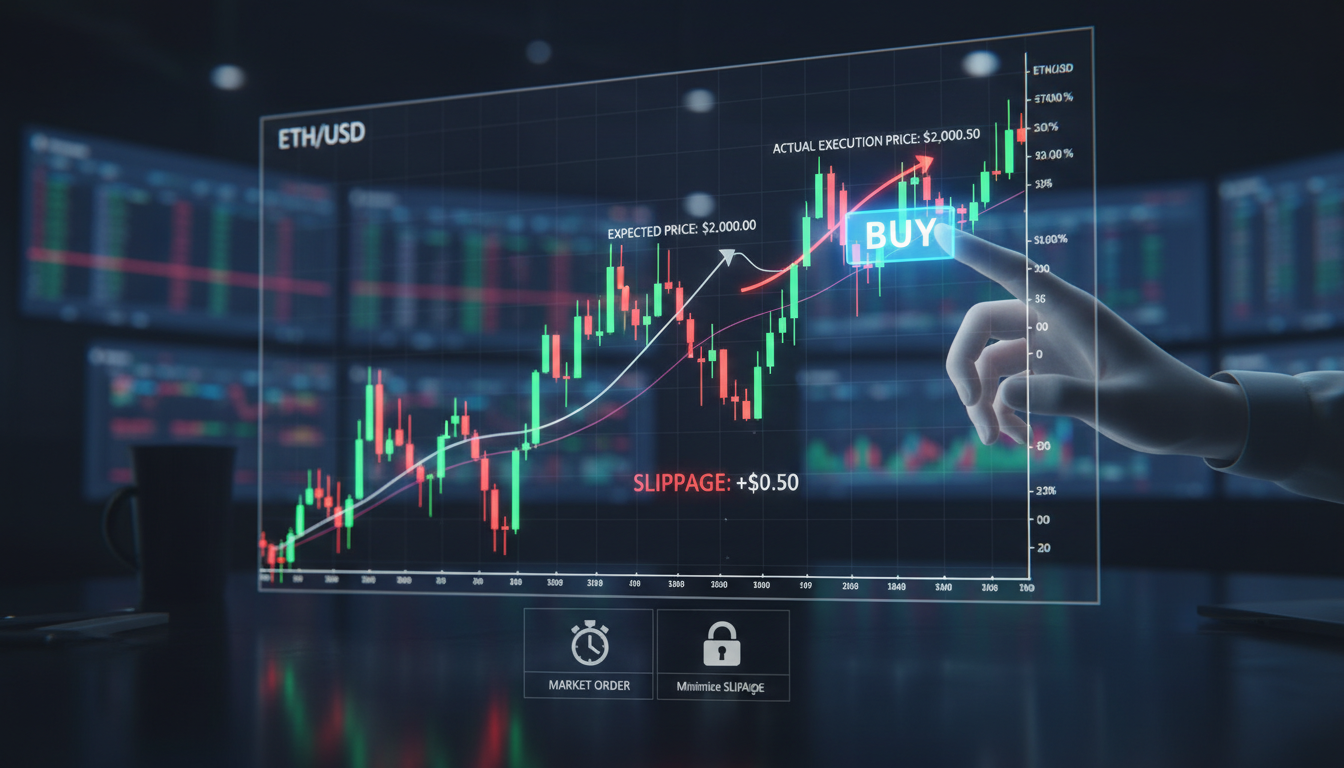
During the March 2020 COVID crash, Bitcoin’s price dropped nearly 50% in 24 hours. More concerning than the price drop itself was the experience of traders trying to execute orders during the chaos: slippage was severe, exchange interfaces froze, and some users reported being unable to access their accounts during the most volatile periods. If you needed to exit a large position quickly, you would have accepted significant losses simply to get out.
Large institutional investors face even more constraints. When pension funds or endowments allocate to Bitcoin, they typically do so through OTC (over-the-counter) desks rather than public exchanges, precisely because executing large trades on exchanges moves the market against you. This is a luxury individual investors rarely have access to, meaning that in a genuine emergency, selling a substantial Bitcoin position means accepting worse execution than the quoted price suggests.
The lesson: liquidity risk is invisible until you need it. Before committing capital, consider whether you could exit your position within 24 hours at a price within 10% of the current market rate. If not, you’re accepting more risk than you might realize.
The Psychological Cost: Emotional Taxation
I’ve spoken with dozens of investors who described their Bitcoin holdings as causing more stress than any other asset in their portfolio — even those who made substantial gains. This isn’t about price movements themselves; it’s about the psychological burden of watching an asset you don’t fully understand lose significant value while the financial press publishes daily articles about its imminent death.
Bitcoin’s 24/7 market creates a trap. Unlike stocks, which close for the evening, Bitcoin prices update around the clock, often with the most dramatic moves occurring overnight. This constant availability creates compulsive checking behaviors, disrupts sleep, and makes it genuinely difficult to maintain perspective. The price that worried you at 2 AM often looks different — and often reverses — by morning, but by then the emotional damage is done.
The investors who survive Bitcoin’s cycles aren’t those with the strongest conviction or the most sophisticated models. They’re those who have explicit rules about when to check prices, when to rebalance, and when to step away entirely. Without these structures, even well-intentioned investors tend to make decisions based on recent price movements rather than long-term thesis.
This is the risk no one talks about enough: not losing money, but losing peace of mind. If Bitcoin investment is going to compromise your sleep, your relationships, or your ability to think clearly about other financial decisions, the psychological cost exceeds any potential return.
Tax Complexity: The Reporting Burden
Bitcoin’s tax treatment in the United States and many other jurisdictions treats it as property, meaning every transaction — including spending cryptocurrency — can trigger a capital gains calculation. This creates administrative complexity that grows quickly with the number of transactions.
Every trade between cryptocurrencies, every purchase made with Bitcoin, and every withdrawal from an exchange to a personal wallet is a taxable event. The cost basis tracking alone becomes a significant undertaking for active traders, but even buy-and-hold investors aren’t immune: moving Bitcoin between wallets, using it for purchases, or receiving it as payment all require documentation.
The IRS has increased enforcement actions against cryptocurrency tax evasion, and exchange reporting requirements have expanded. Failure to properly report cryptocurrency transactions can result in audits, penalties, and in extreme cases, criminal prosecution. Many early cryptocurrency adopters have received unexpected tax bills years after transactions they barely remembered.
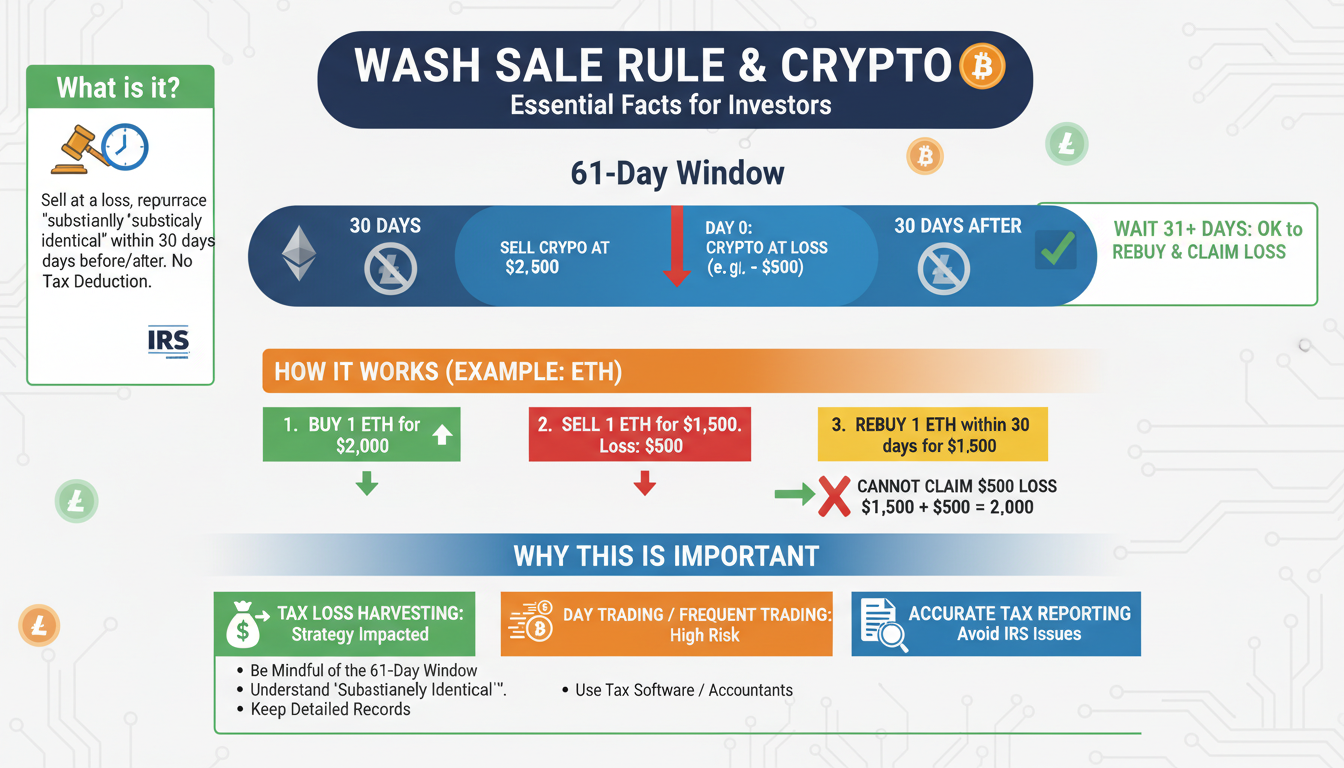
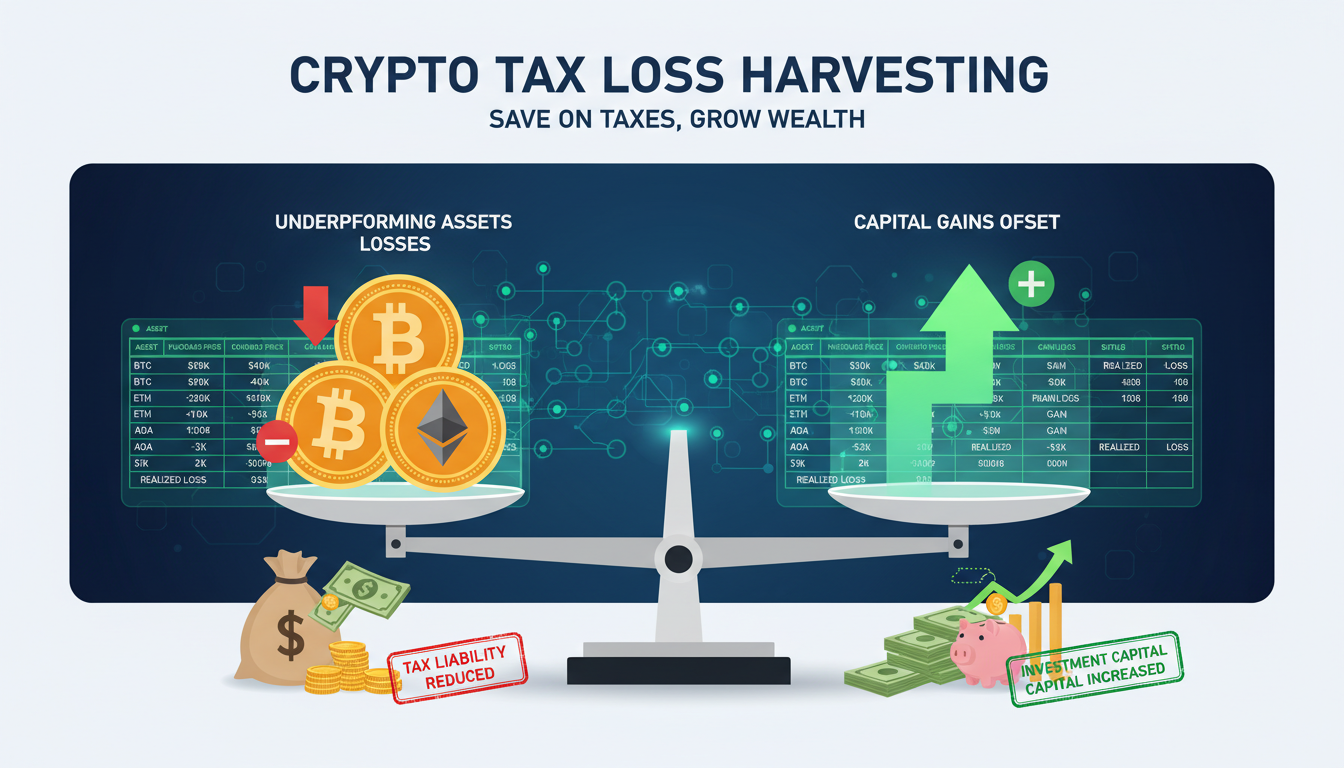
The burden isn’t just compliance for its own sake — it affects investment decisions. Tax-loss harvesting strategies that work for stocks may not apply cleanly to cryptocurrency. The holding period for long-term capital gains treatment resets with each transaction, potentially discouraging rebalancing that would otherwise be prudent.
This isn’t a reason to avoid Bitcoin, but it is a reason to maintain meticulous records from day one and to consult with a tax professional who understands cryptocurrency before making significant trades.
The Technology Bet: Long-Term Viability Uncertain
When you invest in Bitcoin, you’re making a bet on a specific technology stack that has maintained uptime since 2009 but faces uncertain future challenges. The network has never been hacked at the protocol level, but the same cryptographic primitives that protect it today will eventually need to withstand quantum computing advances — a threat that could materialize within the coming decades.
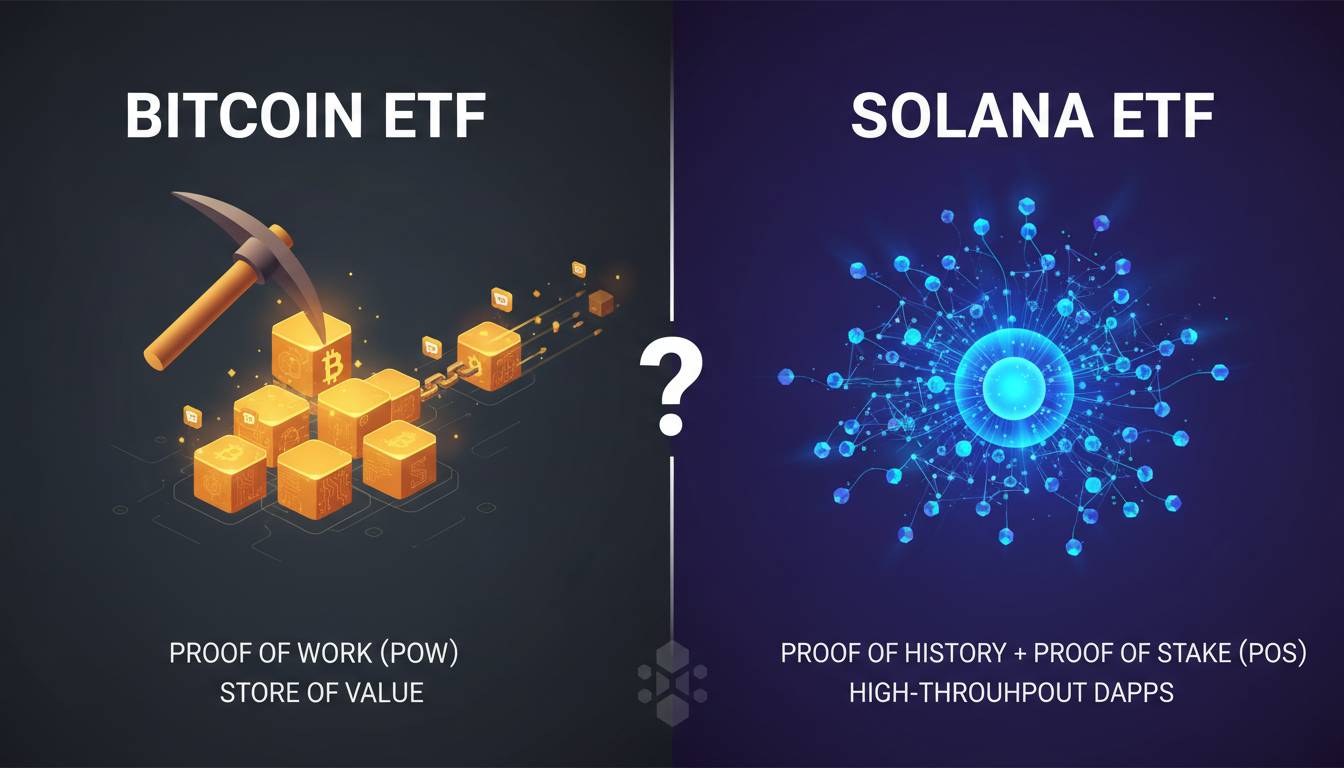
More immediately, Bitcoin’s energy consumption and environmental footprint have attracted regulatory attention and public criticism. While the network’s energy use is often overstated in media coverage, the real risk is that governments concerned about climate impact could impose restrictions on proof-of-work mining operations. Several jurisdictions have already moved in this direction.
The technical risks extend to the development ecosystem. Bitcoin’s protocol changes slowly by design — any significant upgrade requires broad consensus among miners, node operators, and developers. This conservatism is a feature for security but a limitation when it comes to adapting to new competitive threats or technological requirements. Other blockchain networks move faster, experiment more freely, and may develop capabilities that Bitcoin cannot easily replicate.
I’m not convinced Bitcoin’s technology will fail. But the possibility that it could be superseded — not by a crash but by a superior alternative — is a risk that deserves weight in any investment thesis.
What This Means for Your Decision
The question isn’t whether Bitcoin offers genuine upside. It has delivered returns that few other assets can match over its fifteen-year history. The question is whether you can absorb the downside while maintaining the discipline required to capture those returns.
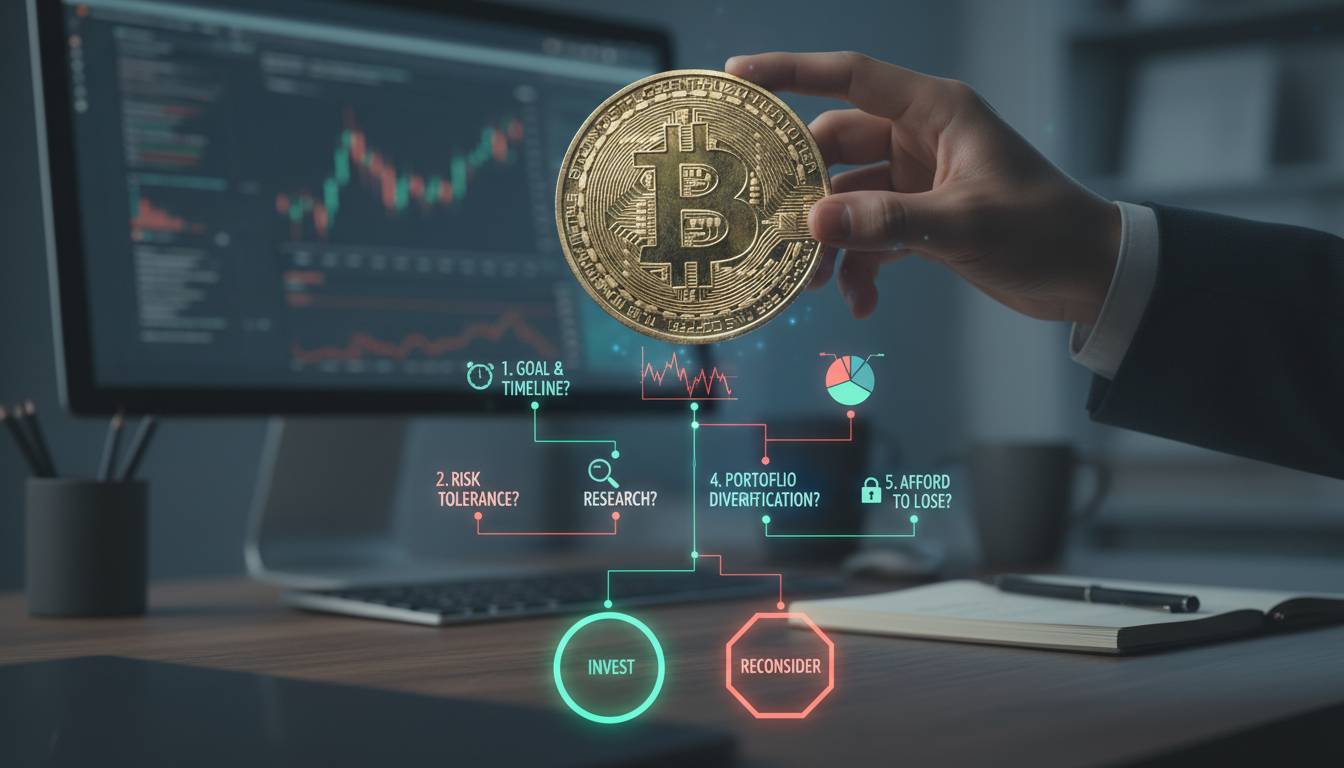
If you decide to proceed, do so with explicit parameters: a maximum allocation you’re comfortable losing entirely, a plan for custody that matches your technical ability, a schedule for checking prices that prevents destructive behavior, and realistic expectations about tax implications. Going in with eyes open is the only way to survive the inevitable difficult periods.
The honest truth is that Bitcoin remains appropriate only for investors with high risk tolerance, long time horizons, and the emotional discipline to ignore both extreme optimism and extreme pessimism from the financial press. It has been appropriate for a vanishingly small percentage of the population at any given time — and that hasn’t changed.
What has changed is accessibility. It’s easier than ever to buy Bitcoin. That ease has not made it safer or more suitable for more people. If anything, it has increased the number of people exposed to risks they don’t understand.
The final consideration isn’t about Bitcoin at all — it’s about your own financial foundation. Before allocating to any speculative asset, ensure you have emergency savings, manageable debt, and diversified retirement accounts. Bitcoin should be treated as a small portion of an already-robust portfolio, not as the foundation of one.