
If you’ve been following cryptocurrency markets over the past few years, you’ve probably seen “Bitcoin ETF” mentioned constantly in financial news. But here’s what a lot of casual investors don’t realize: not all Bitcoin ETFs work the same way, and the difference between them can significantly impact your returns, your risk exposure, and even your tax situation. This isn’t just technical trivia—it directly affects every aspect of holding Bitcoin through a regulated investment vehicle.
This article breaks down what spot Bitcoin ETFs and Bitcoin futures ETFs are, how they differ structurally, and which type might better serve your investment goals. I’ll cut through the jargon and give you the practical information you need to make an informed decision.
What Is a Spot Bitcoin ETF?
A spot Bitcoin ETF is an exchange-traded fund that actually owns physical Bitcoin and sells shares that represent fractional ownership of those underlying assets. When you buy shares in a spot Bitcoin ETF, the fund holds real Bitcoin in custody—millions of dollars worth stored in secure cold storage. Your investment gains or loses value directly in proportion to Bitcoin’s spot price, meaning you’re getting exposure to the actual cryptocurrency rather than a derivative proxy.
The mechanics are simple: the ETF issues shares that trade on a traditional stock exchange like the NYSE or Nasdaq, and those shares can be bought and sold through any standard brokerage account. The fund maintains the Bitcoin, handles custody security, and manages the creation and redemption of shares to keep the market price aligned with the underlying Bitcoin value.
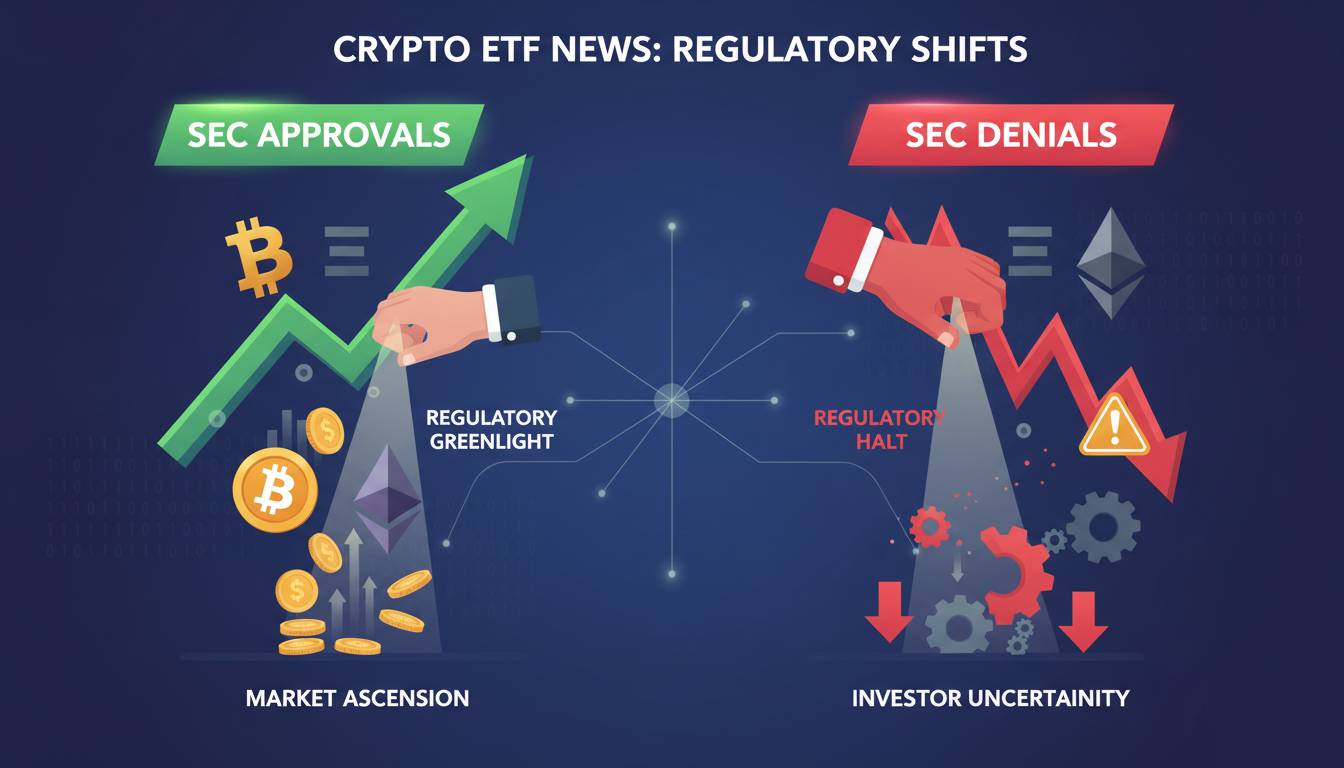
The breakthrough approval came in January 2024, when the U.S. Securities and Exchange Commission (SEC) finally approved multiple spot Bitcoin ETFs after more than a decade of rejection. This included products from major financial institutions like BlackRock (iShares Bitcoin Trust, IBIT), Fidelity (Wise Origin Bitcoin Fund, FBTC), and Grayscale (which converted its existing Bitcoin Trust into an ETF). These approvals marked a turning point for cryptocurrency adoption, opening Bitcoin exposure to mainstream investors who had previously needed to navigate cryptocurrency exchanges, wallets, and self-custody complexities.
For everyday investors, this was a big deal: spot Bitcoin ETFs provide the most direct, transparent, and liquid way to gain exposure to Bitcoin’s price movements through the familiar framework of traditional brokerage accounts, 401(k)s, and IRA vehicles.
What Is a Bitcoin Futures ETF?
A Bitcoin futures ETF does not own any Bitcoin. Instead, it invests in futures contracts—legal agreements to buy or sell Bitcoin at a predetermined price on a specific future date. These funds hold positions in the derivatives market, primarily on the Chicago Mercantile Exchange (CME), rather than the cryptocurrency itself.
When you invest in a Bitcoin futures ETF, your returns depend on how well the fund’s futures positions track Bitcoin’s price. This creates a layer of separation between your investment and the actual cryptocurrency. The fund manager must continuously roll over futures contracts as they expire, buying new contracts and selling expiring ones. This rolling process introduces costs and can cause the fund’s performance to deviate from Bitcoin’s spot price—a phenomenon called tracking error.
The first Bitcoin futures ETFs launched in October 2021, when the SEC approved products like the ProShares Bitcoin Strategy ETF (BITO). These came years before spot ETFs received approval, and they were the first regulated way for mainstream investors to access Bitcoin exposure through their brokerage accounts. Despite their derivative-heavy structure, they attracted billions of dollars in assets because they filled a vacuum—investors had no other regulated options at the time.
Here’s the key distinction: a futures ETF is essentially betting on Bitcoin’s future price through standardized contracts, while a spot ETF gives you ownership of the actual asset. The difference sounds technical, but it has real-world consequences for how your investment performs.
Key Differences: Spot vs. Futures Bitcoin ETFs
The structural differences between these two products go beyond just semantics. Here’s how they compare:
| Feature | Spot Bitcoin ETF | Bitcoin Futures ETF |
|---|---|---|
| Underlying Asset | Actual Bitcoin held in custody | Bitcoin futures contracts (derivatives) |
| Ownership | Direct fractional ownership of BTC | No Bitcoin ownership; contractual exposure |
| Price Tracking | Tracks spot price directly | Tracks futures price, not spot price |
| Expense Ratios | Generally 0.20%–0.50% | Generally 0.70%–1.25% |
| Rolling Costs | None | Ongoing “roll yield” from futures curve |
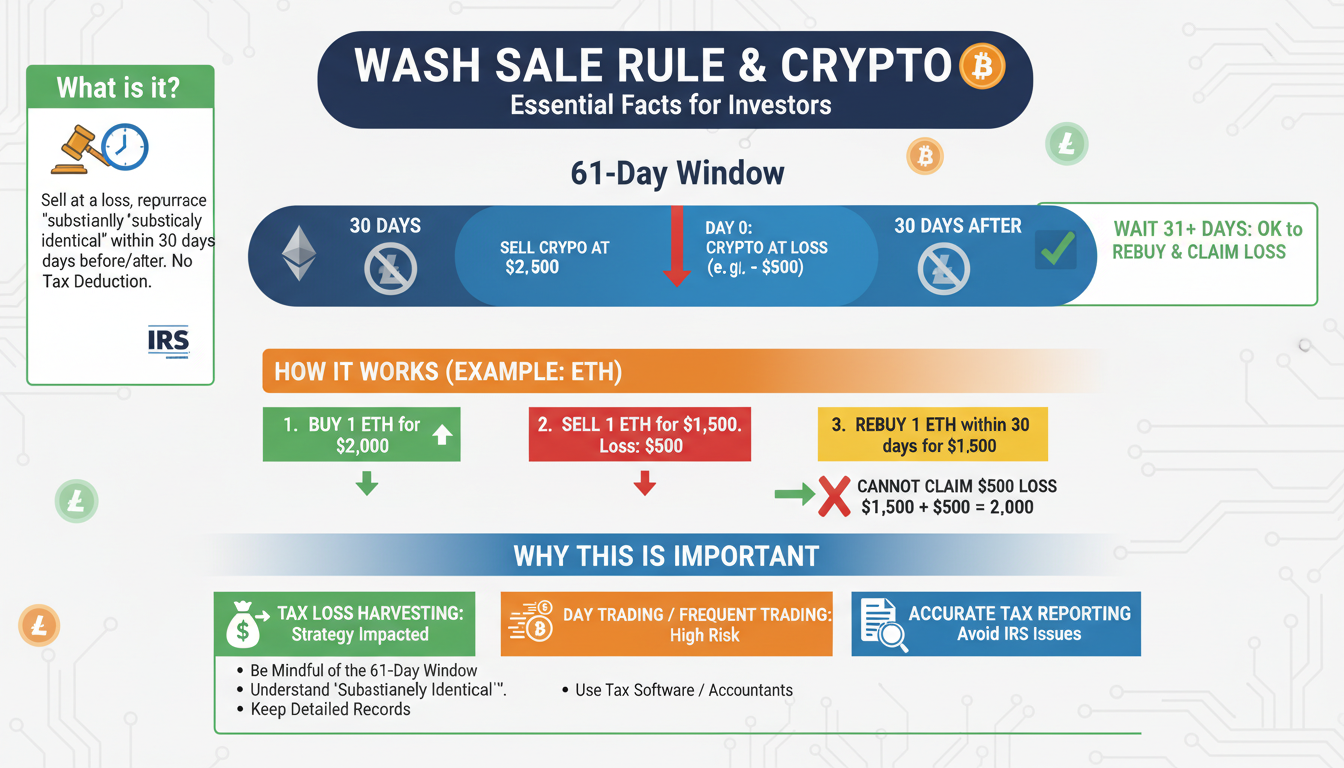
| Tax Treatment | Subject to wash sale rules (as of 2024) | Marked-to-market daily, complex tax reporting |
| Custodian | Specialized crypto custodians (Fidelity, Coinbase, etc.) | Traditional fund administrators |
| Launch Date (US) | January 2024 | October 2021 |
The most important difference is what sits in the fund’s portfolio. A spot ETF holds Bitcoin—the actual digital asset that trades on exchanges worldwide. A futures ETF holds paper contracts that derive their value from Bitcoin but represent obligations rather than ownership. When you own a spot ETF, you own a slice of the Bitcoin held in the fund’s vaults. When you own a futures ETF, you’re placing a bet on where Bitcoin’s price will be at certain future dates.
Ownership Structure and Custody Implications
The ownership distinction has major implications for investor protection and operational complexity. Spot Bitcoin ETFs must deal with the unique challenges of securing billions of dollars in cryptocurrency assets. This requires specialized custodians—companies like Coinbase Custody, Fidelity Digital Assets, and Bank of New York Mellon—that maintain offline storage, carry substantial insurance coverage, and implement multi-signature security protocols.
These custody arrangements were one of the main reasons the SEC gave for delaying spot ETF approvals for over a decade. Regulators worried about the security of holding such valuable digital assets, the potential for hacks, and how to ensure adequate investor protection if a custodian were compromised. The 2024 approval reflected the maturation of the custodial infrastructure and the involvement of established financial institutions with decades of experience securing assets.
Futures ETFs face no such custody concerns because they hold no cryptocurrency. Their holdings consist of cash, short-term government securities to collateralize futures positions, and the futures contracts themselves. This makes them operationally simpler and eliminates the risk of cryptocurrency theft. However, this operational simplicity comes at the cost of direct ownership—you’re never actually holding Bitcoin, just derivatives that simulate its price movements.
For investors who care about owning the underlying asset—whether for philosophical reasons, beliefs about long-term value, or concerns about counterparty risk—spot ETFs are the clear choice. For investors primarily interested in price exposure and who prioritize operational simplicity over asset ownership, futures ETFs remain a viable alternative.
Price Tracking and Premium/Discounts
One of the most practical differences between spot and futures ETFs is how closely each tracks Bitcoin’s actual price—and how that tracking affects your returns over time.
Spot ETFs track Bitcoin’s spot price with relatively tight alignment. Because the fund holds actual Bitcoin, the share price should closely mirror Bitcoin’s market price, adjusted for the expense ratio. There can be small deviations due to timing differences in price calculation or trading volumes, but the tracking is generally tight. If Bitcoin rises 10% in a given week, you’d expect your spot ETF shares to rise roughly 10% minus the modest expense ratio.
Futures ETFs introduce several sources of potential divergence. The biggest is the “roll yield” problem. Futures contracts trade in a “contango” market when Bitcoin’s price is rising and investors are optimistic—meaning contracts further in the future trade at higher prices than near-term contracts. When a fund must roll from expiring contracts into newer ones, it sells low and buys high, creating a drag on returns. Over time, this persistent cost can meaningfully erode performance relative to Bitcoin’s spot price.
Research from fund analysts has documented this effect. During periods of sustained Bitcoin gains, futures ETFs have historically underperformed Bitcoin by several percentage points annually due to roll costs. Conversely, in backwardated markets (when future prices are lower than spot), roll yields can actually benefit futures ETF holders—but this is less common in Bitcoin’s typically bullish market structure.
Neither product perfectly tracks Bitcoin, but spot ETFs introduce less structural friction. For long-term investors holding positions for years rather than trading frequently, the tracking advantage of spot ETFs compounds significantly over time.
Pros and Cons of Each
Spot Bitcoin ETFs have several advantages. You get direct ownership of underlying Bitcoin rather than derivatives. Tax treatment is simpler in most scenarios. Expense ratios are generally lower at 0.20%–0.50% versus 0.70%–1.25%. Price tracking is tighter with less structural drag. And you get institutional credibility with major financial firms as sponsors.
The disadvantages are worth noting too. Spot ETFs are a newer product category with less track record. They’re subject to evolving regulatory treatment under wash sale rules. They require trust in crypto custody infrastructure. And they may carry slightly higher operational complexity.
Bitcoin futures ETFs have their own advantages. They have a longer operational history with an established performance record. There’s no direct cryptocurrency custody risk. They may be available in retirement accounts that restrict spot ETFs. And they’ve proven they can launch and operate through market volatility.
The disadvantages include higher expense ratios that compound over time, potential for significant tracking error from roll costs, more complex tax reporting requirements, and no direct ownership of the underlying asset.
My honest assessment: for most individual investors seeking Bitcoin exposure, spot ETFs represent the better structural product. The lower costs, direct ownership, and tighter price tracking align better with long-term investment goals. However, futures ETFs remain relevant for specific use cases, particularly for investors in retirement accounts that have not yet approved spot ETF holdings.
Current Regulatory Status
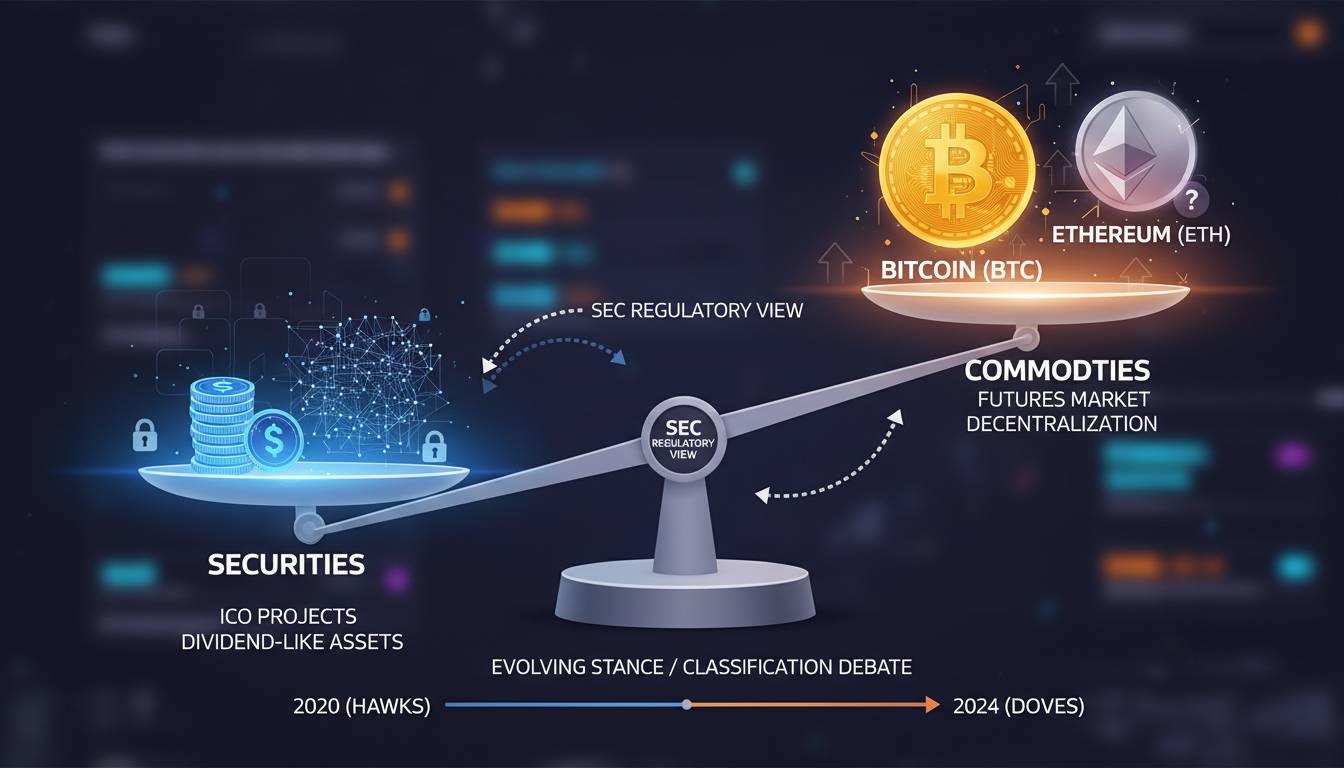
As of early 2025, spot Bitcoin ETFs operate under a newly established regulatory framework. The January 2024 approvals ended a decade-long rejection history, where the SEC repeatedly cited market manipulation concerns and investor protection risks. The change in regulatory posture reflected several factors: the proven track record of futures-based products, the entrance of established financial institutions like BlackRock and Fidelity, and the legal precedent set by a court ruling that the SEC had failed to adequately explain its rejection of Grayscale’s ETF application.
The SEC continues to monitor these products closely. In late 2024, the agency issued guidance clarifying that spot Bitcoin ETFs would be subject to existing securities law frameworks, including anti-fraud provisions and disclosure requirements. The wash sale rule application—initially uncertain—appears to apply to Bitcoin ETFs as of 2024 tax guidance, though this remains an evolving area.
Bitcoin futures ETFs have operated under SEC oversight since 2021 and work under the same regulatory framework governing other commodity-based ETFs. They face no current regulatory uncertainty and have established compliance procedures.
Looking ahead, regulators are now turning attention to spot Ethereum ETFs, with approval discussions ongoing in 2025. The precedent established by Bitcoin products suggests a path forward, though Ethereum’s different technical characteristics introduce additional considerations.
Which Is Right for You?
Choosing between spot and futures Bitcoin ETFs depends on your specific situation, investment objectives, and account types. Here’s how to think through this decision.
If you’re investing through a standard taxable brokerage account and want the most cost-effective, transparent exposure to Bitcoin, the spot ETFs approved in 2024 are the clear choice. The lower expense ratios save you money annually, the direct ownership aligns with how most investors think about owning an asset, and the tighter tracking means your returns reflect Bitcoin’s actual performance rather than a derivative approximation.
If you’re investing through a retirement account—particularly a 401(k) or traditional IRA—you may have limited options. Some retirement plan custodians have been slow to approve spot Bitcoin ETFs due to the newness of the product and internal compliance reviews. In these cases, a futures ETF may be your only regulated option for Bitcoin exposure within the account. While not ideal from a cost perspective, it beats having no Bitcoin allocation at all.
For active traders, liquidity considerations matter. Both product types trade with sufficient volume for most retail investors, but futures ETFs have slightly tighter bid-ask spreads in some trading environments due to their longer market presence.
For most readers evaluating this decision in 2025, spot Bitcoin ETFs represent the superior product structure. The approval process forced major financial institutions to build proper infrastructure, and the resulting products are exactly what most investors have been asking for: regulated, accessible, and reasonably priced exposure to actual Bitcoin.
Frequently Asked Questions
What is a Spot Bitcoin ETF?
A spot Bitcoin ETF is an exchange-traded fund that holds actual Bitcoin in custody and issues shares representing fractional ownership of that Bitcoin. When you buy shares, you’re buying direct exposure to Bitcoin’s price through a fund that owns the underlying asset. These products were approved by the SEC in January 2024.
What is a Bitcoin futures ETF?
A Bitcoin futures ETF is an exchange-traded fund that invests in Bitcoin futures contracts rather than holding actual Bitcoin. These funds track Bitcoin’s price through derivative contracts that obligate the holder to buy or sell Bitcoin at predetermined future prices. They launched in 2021 and were the first regulated Bitcoin investment vehicles available to mainstream investors.
What’s the main difference between spot and futures Bitcoin ETFs?
The fundamental difference is ownership: spot ETFs own actual Bitcoin; futures ETFs own contracts that derive their value from Bitcoin. This distinction affects cost structure, price tracking accuracy, tax treatment, and the type of exposure you receive.
Are Spot Bitcoin ETFs approved in the US?
Yes. The SEC approved multiple spot Bitcoin ETFs in January 2024, including products from BlackRock, Fidelity, Grayscale, Bitwise, Invesco, and others. This followed over a decade of rejection and marked a major milestone for cryptocurrency adoption in traditional finance.
Conclusion
The distinction between spot and futures Bitcoin ETFs matters more than most investors realize when they first encounter these products. One gives you actual Bitcoin held in institutional custody; the other gives you derivatives contracts that simulate Bitcoin’s price. One carries lower costs and tighter tracking; the other has a longer operational history and broader retirement account availability.
For most investors in 2025, spot Bitcoin ETFs represent the better structural product. The approval in January 2024 fundamentally changed what’s available to mainstream investors seeking cryptocurrency exposure through their existing brokerage accounts. The entrance of BlackRock, Fidelity, and other established financial institutions brought institutional credibility, robust custody infrastructure, and competitive fee structures that benefit investors directly.
That said, the futures ETF category isn’t obsolete. It serves a specific purpose for retirement accounts and investors who prioritize operational simplicity over direct ownership. Understanding what each product actually holds—and how that affects your returns, costs, and tax situation—is essential to making an informed decision rather than defaulting to whichever product has the most marketing budget.
The broader trend is clear: cryptocurrency is becoming integrated into traditional finance at an accelerating pace. What began with futures products in 2021 evolved into spot ETFs in 2024, and the conversation is now shifting toward Ethereum, stablecoins, and broader digital asset classes. Whether you’re an investor evaluating today’s options or planning for tomorrow’s portfolio, understanding these structural distinctions will only become more relevant.