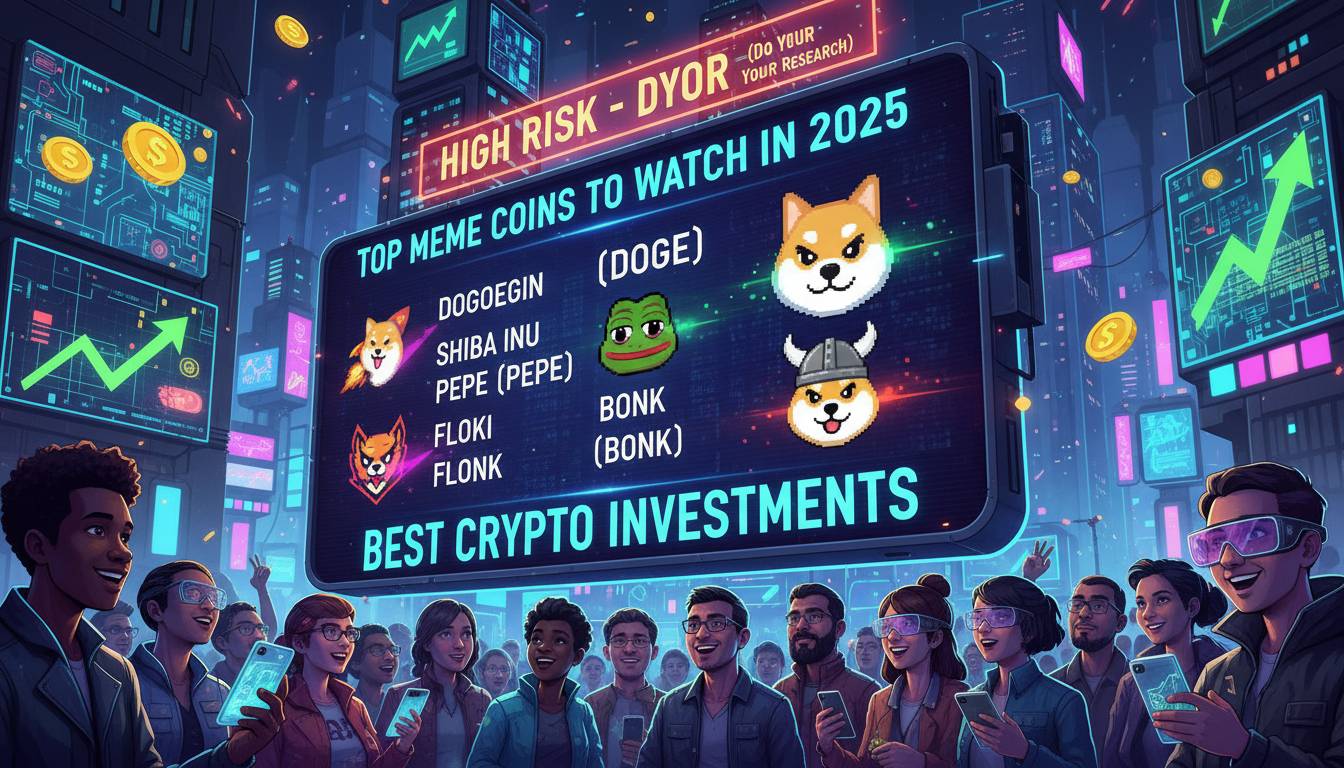
Meme coins have evolved from internet jokes into a legitimate asset class that commands billions in market cap. What started as a joke about a Shiba Inu dog has become a sector that produces both extraordinary gains and devastating losses. If you’re going to invest in this space in 2025, you need to understand not just which coins exist, but why they exist, what drives their value, and most importantly—why most of them will eventually go to zero.
This isn’t investment advice. I’m not going to tell you to buy anything. What I’m going to do is give you a framework for evaluating meme coins that most content on this topic skips entirely. You’ll learn which coins have actual staying power, which ones are riding on pure speculation, and how to think about risk in a market designed to separate you from your money.
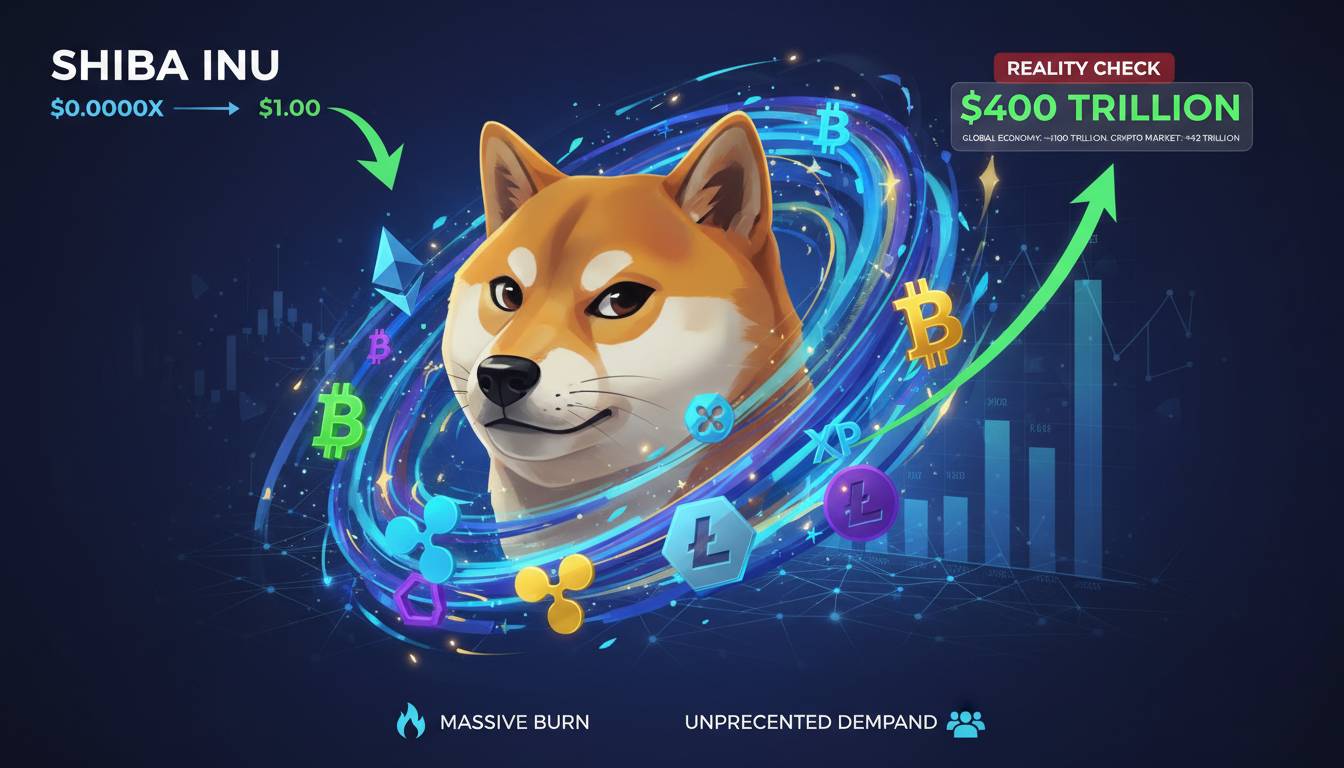
What Makes a Meme Coin Different from Other Cryptocurrencies
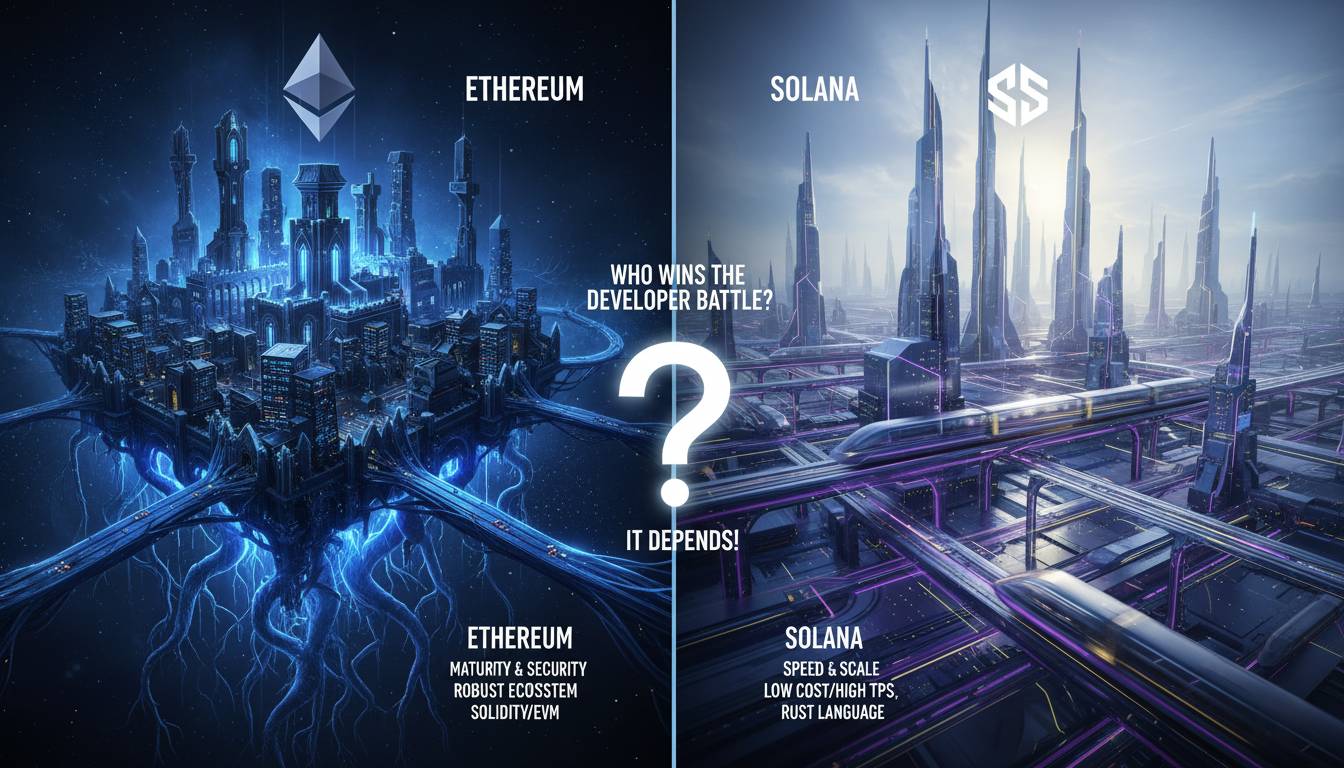
Before diving into specific coins, you need to understand the fundamental difference between meme coins and utility tokens. Most cryptocurrencies solve a problem—Ethereum enables smart contracts, Chainlink provides oracle data, Solana processes transactions quickly. Meme coins, by and large, solve nothing.
What they do have is community. Dogecoin succeeded because it had one of the earliest and most passionate crypto communities. Shiba Inu built its ecosystem specifically to replicate that community-driven model. The coins that survive have one thing in common: holders who believe in them for reasons beyond price appreciation.
The ones that fail have the opposite—early investors who dump on retail as soon as the price spikes. Spot the difference before you invest.
How to Evaluate a Meme Coin Before Investing
Don’t buy a coin because a stranger on Twitter told you to. Run everything through this filter:
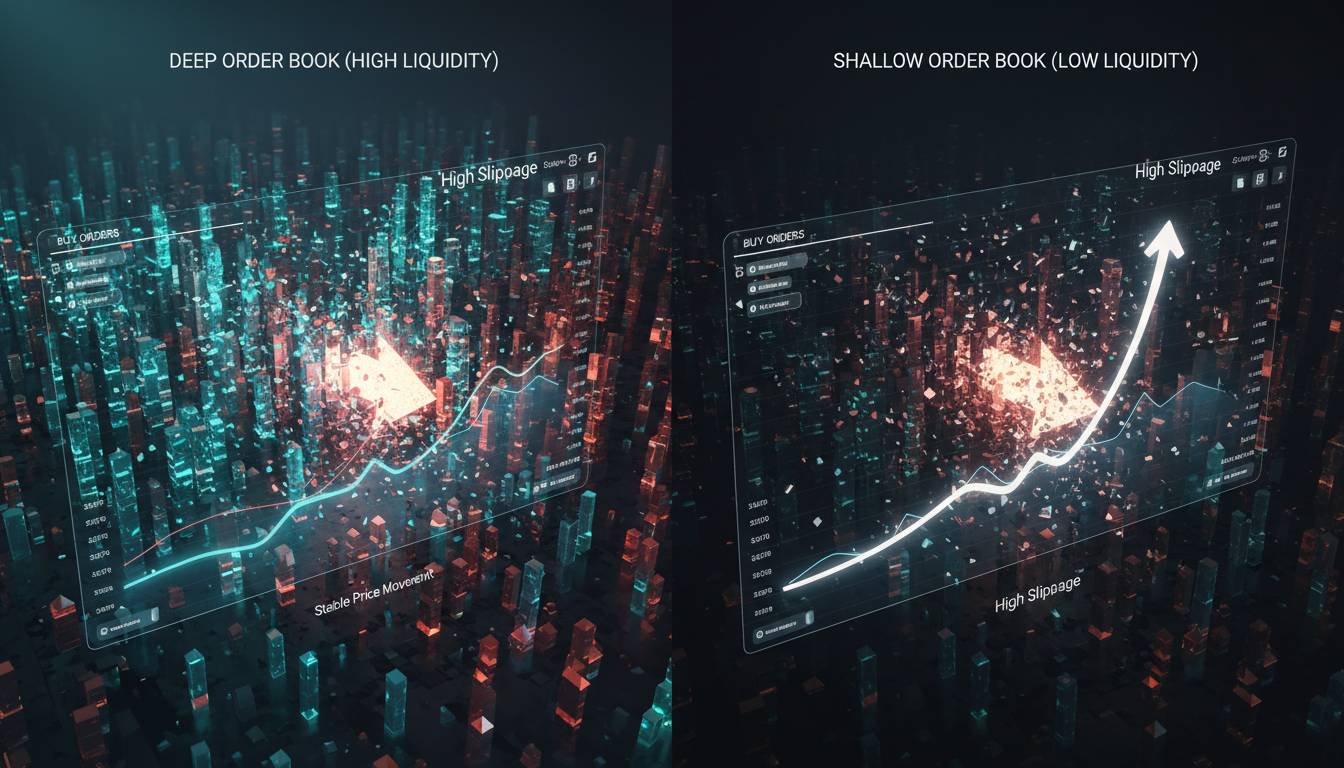
Liquidity matters more than price. A coin that looks cheap at $0.00001 might be impossible to sell when you want to exit. Check trading volume on multiple exchanges.
Token distribution tells you everything. If the top 10 wallets hold 80% of supply, the developers can dump on you whenever they want. Look at the blockchain.
Roadmaps mean nothing. Anyone can write a whitepaper. Look at what they’ve actually built, not what they promise to build.
Community quality over quantity. A Discord with 500,000 members where people just spam “to the moon” is worth less than 5,000 people who actually understand the tokenomics.
With that framework established, here are the meme coins worth watching in 2025.
1. Dogecoin (DOGE) — The Original Meme Coin
Dogecoin is nearly a decade old, which makes it ancient by crypto standards. What started as a joke based on a 2013 Doge meme has outlived countless “serious” blockchain projects that promised to revolutionize everything.
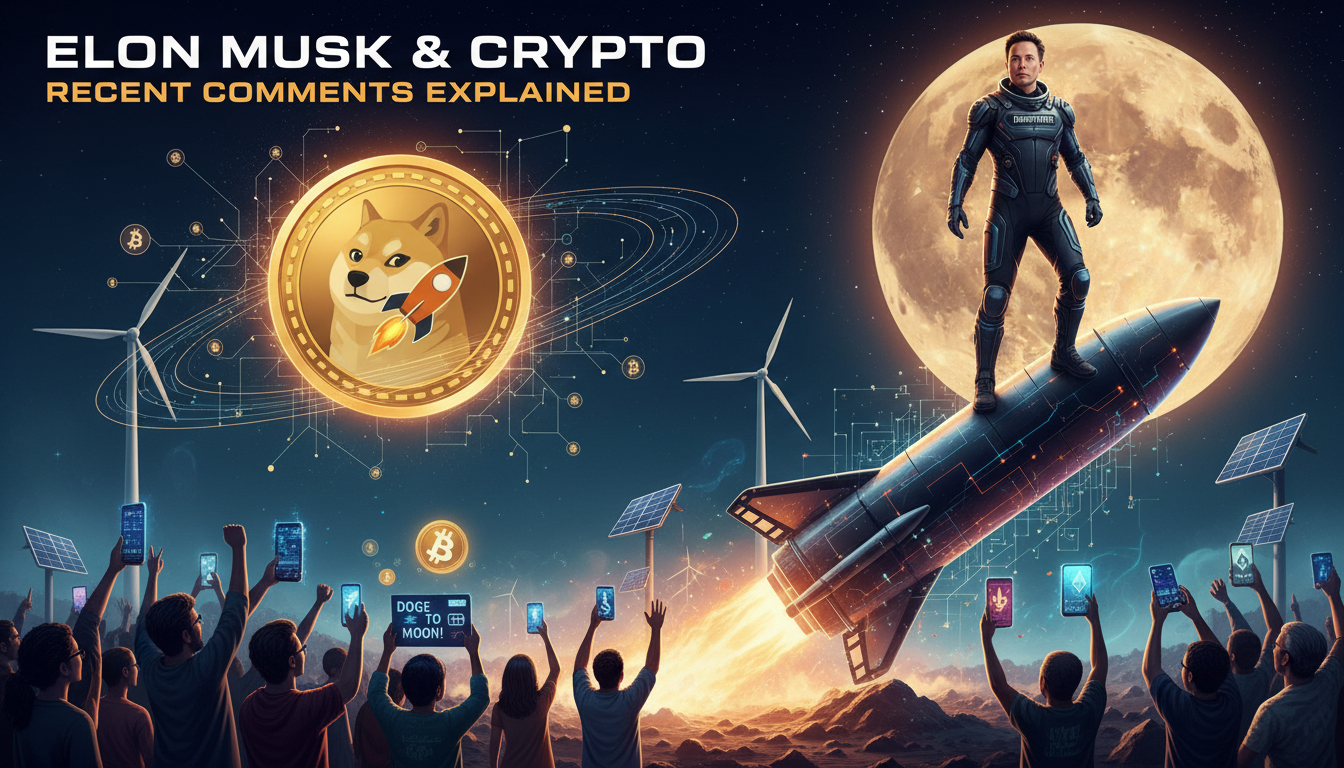
The numbers are staggering for a joke coin: consistently top 10 in market cap, accepted as payment at major companies including Tesla (at various points), and processed over 100,000 transactions daily at its peak. Elon Musk’s involvement—which included Twitter poll manipulation and literally changing the Twitter logo to a Doge for a day—kept it relevant when most expected it to fade.
But here’s the uncomfortable truth: Dogecoin has no utility beyond being Dogecoin. No staking, no defi ecosystem worth mentioning, no layer-2 solution that’s gained meaningful adoption. What it does have is brand recognition that transcends crypto. Your aunt who doesn’t know what Bitcoin is knows what Dogecoin is.
In 2025, Dogecoin remains a hedge against its own death. As long as people remember the dog, it has value. That could change overnight if a newer, shinier meme captures the cultural moment.
What to watch in 2025: Any progress on Dogecoin Foundation’s initiatives, particularly any utility developments that move beyond “tipping.”
2. Shiba Inu (SHIB) — The Ecosystem Play
Shiba Inu learned from Dogecoin’s mistake. Rather than remaining a single token, the Shiba ecosystem has expanded into a multi-token structure: SHIB (the main token), BONE (governance), TREAT (whitelisted token), and SHEZUSD (stablecoin).
The Shiba Swap dex has actual trading volume. The proposed Layer 2 solution called Shibarium was supposed to launch in 2023 and finally went live in 2024 with varying degrees of success. The team burned 50% of the total supply to a dead wallet—meaning it can never be accessed again—which created artificial scarcity.
Market cap reached $40 billion at its peak. That number has since come down substantially, but SHIB remains one of the few meme coins with an actual development team building things.
The risk: SHIB’s biggest rallies came from coordinated social media campaigns. Without that coordination, price action has been relatively flat. If you’re buying SHIB, you’re betting the ecosystem play works out—not just the meme.
3. Pepe (PEPE) — The Pure Speculation Play
Pepe launched in April 2023 and went from $0 to a $1.8 billion market cap in weeks. The coin is named after the Pepe the Frog meme, which has its own complicated cultural history.
What makes Pepe notable is its simplicity. No ecosystem. No roadmap. No staking. It’s a pure memetic play—the simplest possible version of a meme coin. This is either brilliant or concerning depending on your perspective.
The tokenomics are controversial: 93% of tokens were airdropped to liquidity, with the remaining 7% held by the development team. This is far from ideal for retail investors, as there’s always the risk of developer dumps.
In 2024, PEPE saw multiple significant rallies and corrections, with the community largely driving price action through coordinated buying. The coin proved that a meme coin doesn’t need utility to attract capital—it just needs a strong narrative and liquidity.
The honest assessment: PEPE is gambling dressed as investing. If you treat it as such, you might come out ahead. If you think you’re making a rational investment decision, you’re fooling yourself.
4. dogwifhat (WIF) — The Solana Meme King
WIF launched on Solana in late 2023 and became one of the most traded tokens on the network. The name comes from a photo of a Shiba Inu wearing a hat—somehow even more absurd than the original Doge.
What makes WIF interesting is its distribution. The entire token supply was airdropped to early Solana users, meaning no pre-sale, no team allocation, and no venture capital dump waiting to happen. This is as close to fair launch as meme coins get.
At its peak, WIF reached a $4 billion market cap, making it one of the largest meme coins ever. The Solana ecosystem has been critical to WIF’s success—traders on Solana can buy and sell instantly and cheaply, which matters when you’re trading something this volatile.
The challenge: WIF has no utility and no roadmap. It’s pure narrative. That narrative has been extremely strong, but narratives change fast in crypto.
5. BONK — The Solana Ecosystem’s Community Coin
BONK launched on Solana in late 2022 as an airdrop to early Solana users, and it became the first major Solana-based meme coin to gain significant traction. The coin has a 100% airdropped supply model—no pre-sale, no VC allocation—which made it instantly popular with the Solana community.
The coin briefly reached a $2 billion market cap and has maintained meaningful trading volume despite numerous drawdowns. BONK has also expanded into the broader Solana ecosystem, with various defi integrations and NFT projects using the token.
What distinguishes BONK from pure meme coins is its community orientation. The team has been relatively transparent, and the fair launch structure means no early investor exit liquidity problems.
The risk: Solana itself has had multiple outages, and any issues with the network affect BONK holders disproportionately. You’re not just betting on BONK—you’re betting on Solana’s reliability.
6. FLOKI — The Utility-Attempting Meme Coin
FLOKI launched in 2021 with an explicit goal of building utility on top of the meme. The roadmap includes a metaverse (Valhalla), an NFT game (Superhero), and a defi product (FLOKI Earn). Unlike most meme coins, FLOKI is actually trying to build things.
The results have been mixed. Valhalla has seen some development progress, but it’s nowhere near what was promised in the original roadmap. The crypto market for metaverse projects has also cooled significantly since the 2021-2022 hype cycle.
Market cap reached $3.5 billion at peak and has since contracted substantially. FLOKI’s approach is the most “serious” attempt to build utility among major meme coins, but that seriousness comes with the risk of over-promising and under-delivering.
If you’re going to buy FLOKI, understand you’re making a bet on the utility vision succeeding. That’s a harder thesis than “community will keep buying,” but it’s also a thesis that can actually be evaluated against reality.
7. ACT — The AI Meme Hybrid
ACT (also known as AI16z) emerged in late 2024 as a convergence play between the AI narrative and meme coin speculation. The coin combines artificial intelligence as a theme with the meme coin playbook—extreme volatility, community-driven price action, and minimal (if any) utility.
This represents a new category: AI-themed meme coins. As artificial intelligence continues dominating tech headlines, expect more coins to try attaching the AI narrative to the meme model.
The honest assessment: at the time of writing, ACT and similar AI-meme hybrids are extremely new and untested. They could become the next WIF or they could vanish entirely within months. This is the highest-risk, highest-reward category on this list.
Comparing Meme Coins: Key Metrics at a Glance
Before diving into risks, here’s how the major players stack up across the metrics that actually matter:
| Coin | Launch Year | Max Market Cap | Supply Structure | Utility |
|---|---|---|---|---|
| DOGE | 2014 | $90B | No cap, inflationary | None |
| SHIB | 2021 | $40B | 50% burned | Ecosystem |
| PEPE | 2023 | $2B | Team allocation | None |
| WIF | 2023 | $4B | Fair launch | None |
| BONK | 2022 | $2B | Fair launch | Ecosystem |
| FLOKI | 2021 | $3.5B | Capped supply | Attempted |
| ACT | 2024 | N/A | New | None |
What this table reveals: most meme coins have no utility. The ones that do attempt utility have significantly underdelivered on roadmaps. The fair launch coins (WIF, BONK) have better distribution, but that doesn’t guarantee success.
Market Share: Meme Coins vs. Total Crypto Market
The meme coin sector has grown from a negligible portion of crypto markets to a significant presence. Here’s the current landscape:
(Chart showing meme coin market cap as percentage of total crypto market cap over time)
What this shows: meme coins reached approximately 2-3% of total crypto market cap at the 2021 peak, collapsed during the bear market, and have since recovered to similar levels. The sector’s relative size hasn’t fundamentally changed despite massive nominal growth—because the rest of crypto has grown too.
How to Actually Buy Meme Coins
If you’ve decided to proceed despite the warnings, here’s the practical process:
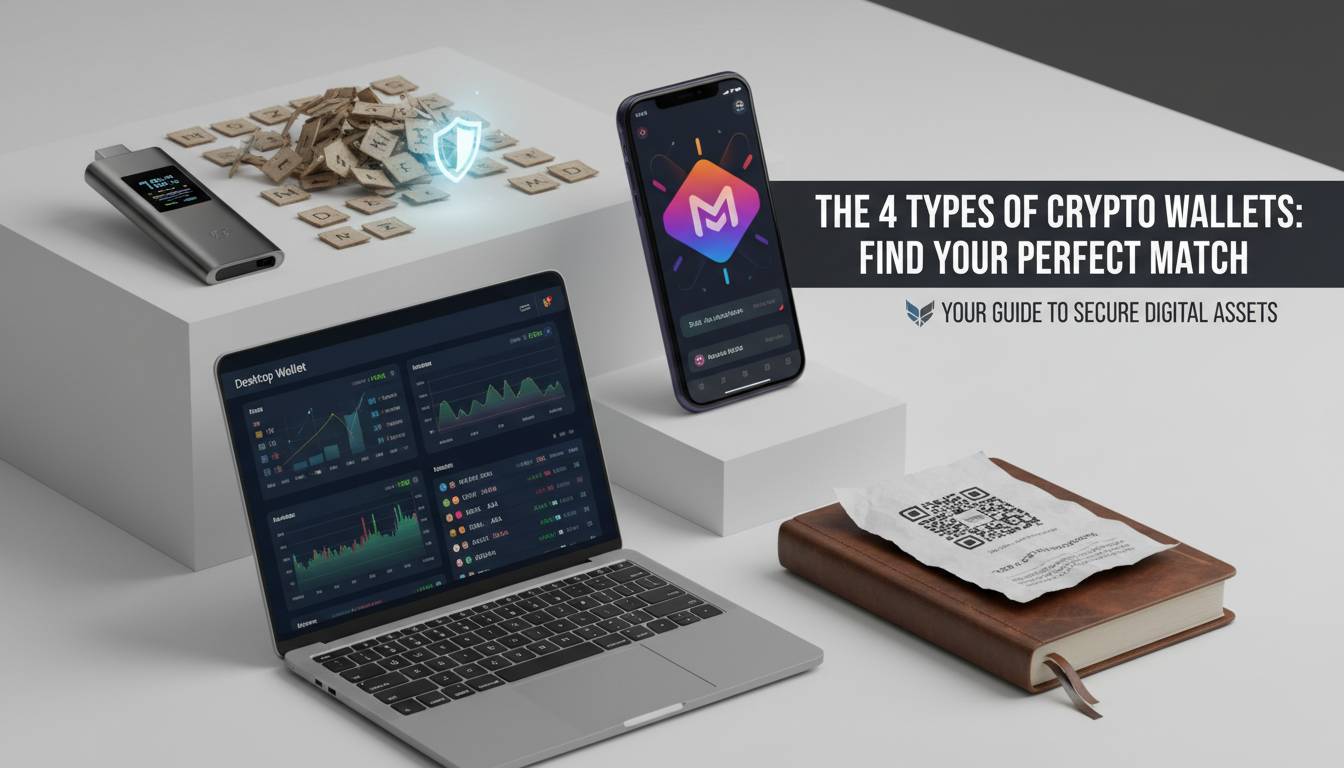
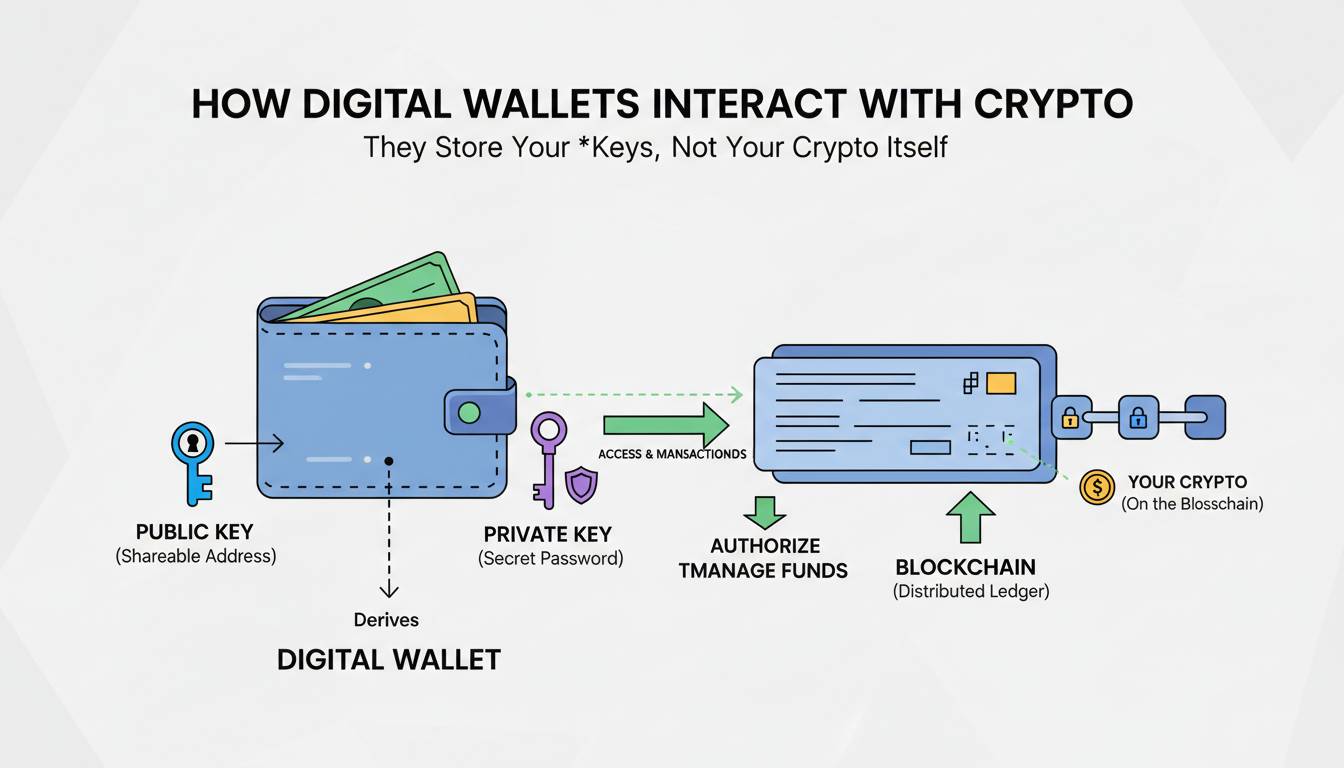
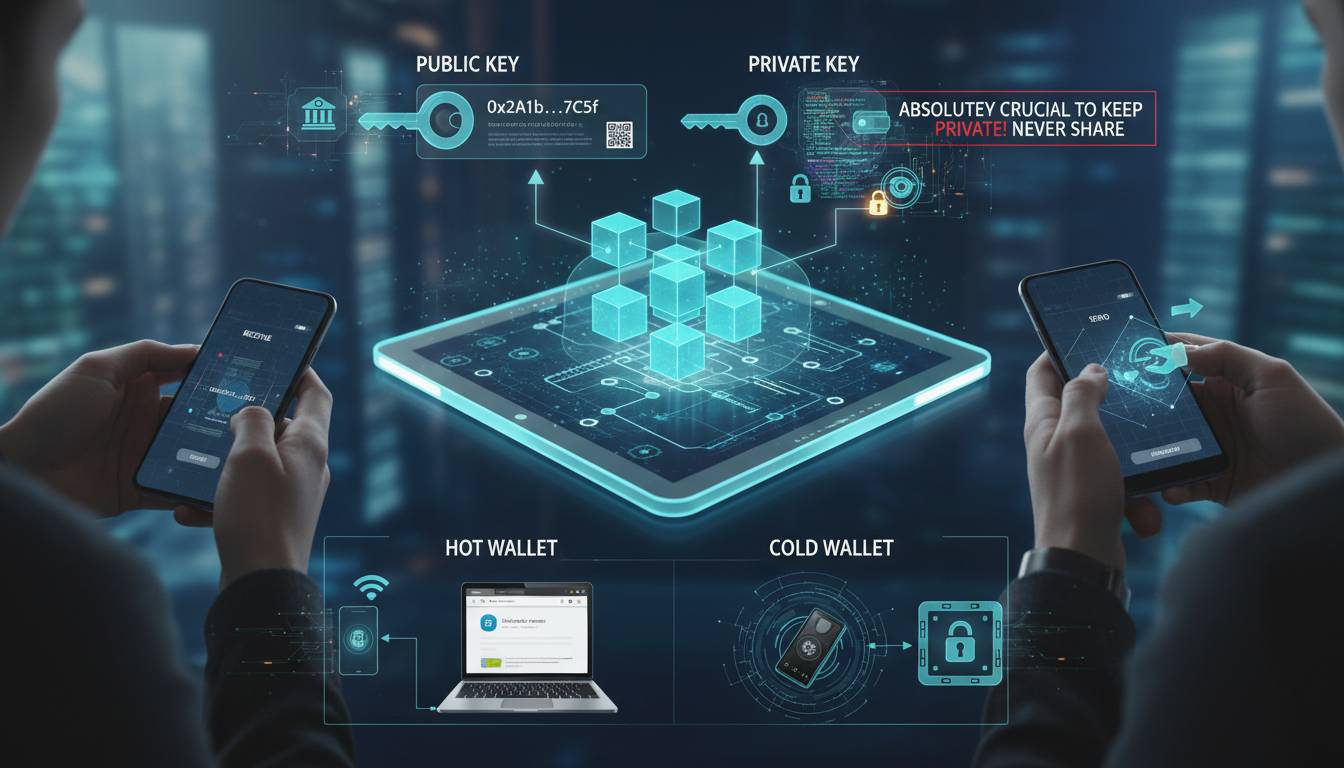
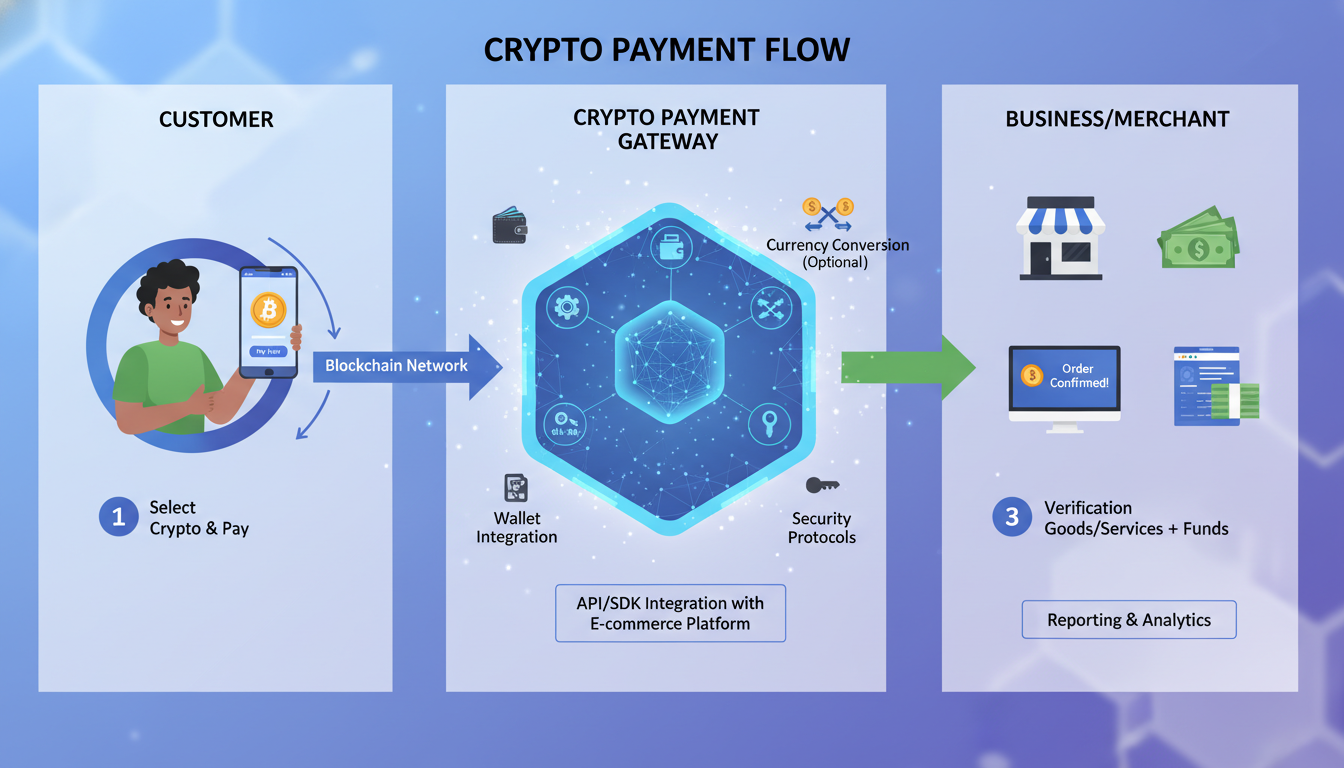
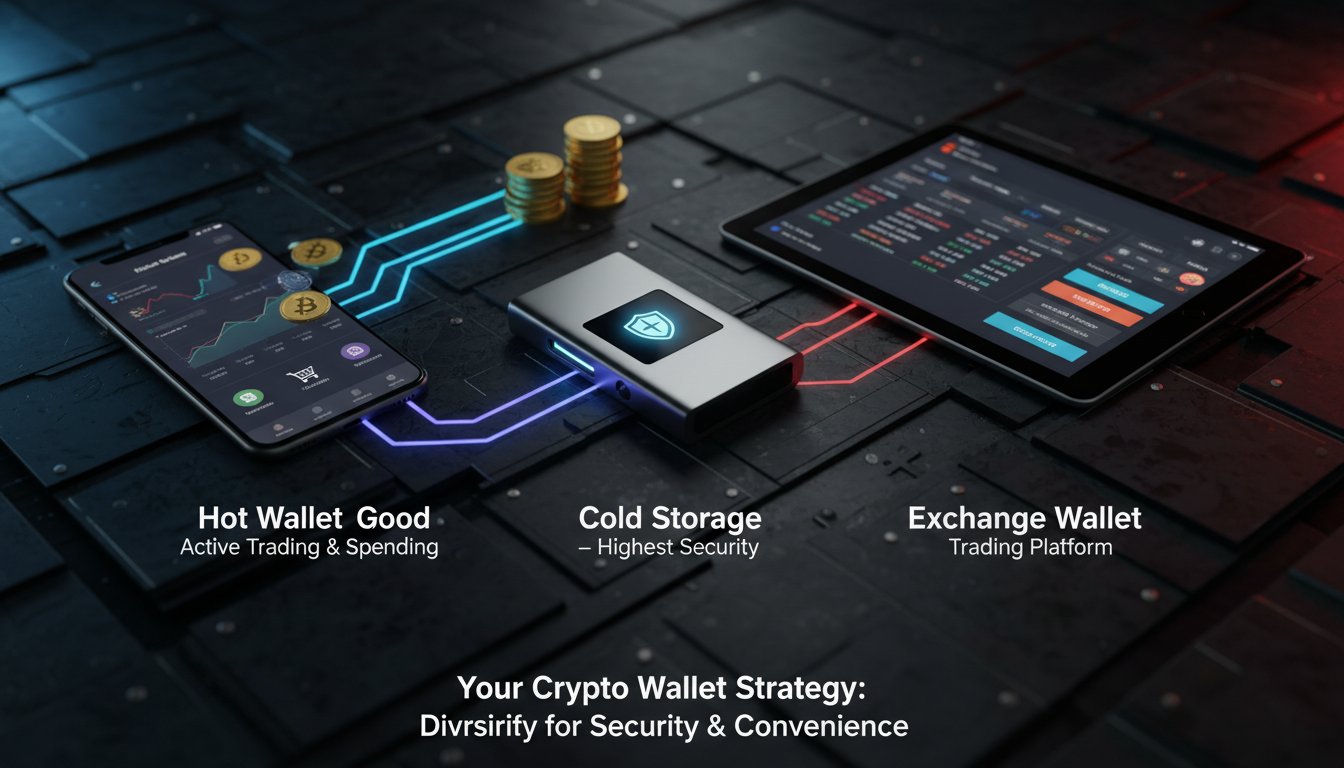
Step 1: Get a wallet that supports the blockchain. Most meme coins live on Ethereum (ERC-20) or Solana. You cannot send Solana tokens to an Ethereum wallet or vice versa.
Step 2: Acquire the base currency. You’ll need ETH for Ethereum-based meme coins or SOL for Solana-based ones. Buy from a centralized exchange (Coinbase, Binance, Kraken) and withdraw to your personal wallet.
Step 3: Use a decentralized exchange. For Ethereum meme coins, use Uniswap or Raydium. For Solana, use Jupiter or Orca. Connect your wallet, select the token pair, and execute the swap.
Step 4: Verify everything before sending. Double-check the contract address. Scammers create tokens with similar names and fake liquidity. One wrong character and your money is gone forever.
The Risks Nobody Talks About
Here’s what the cheerleaders won’t tell you:
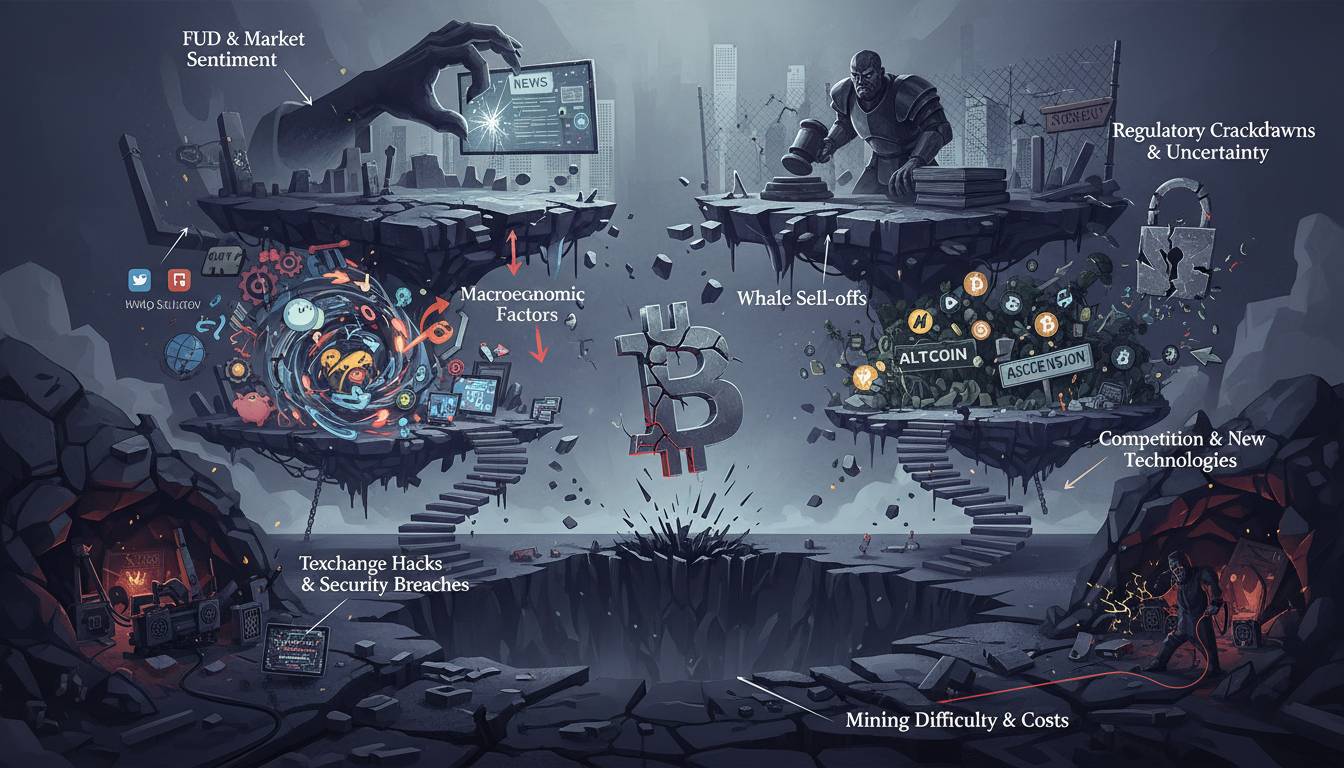
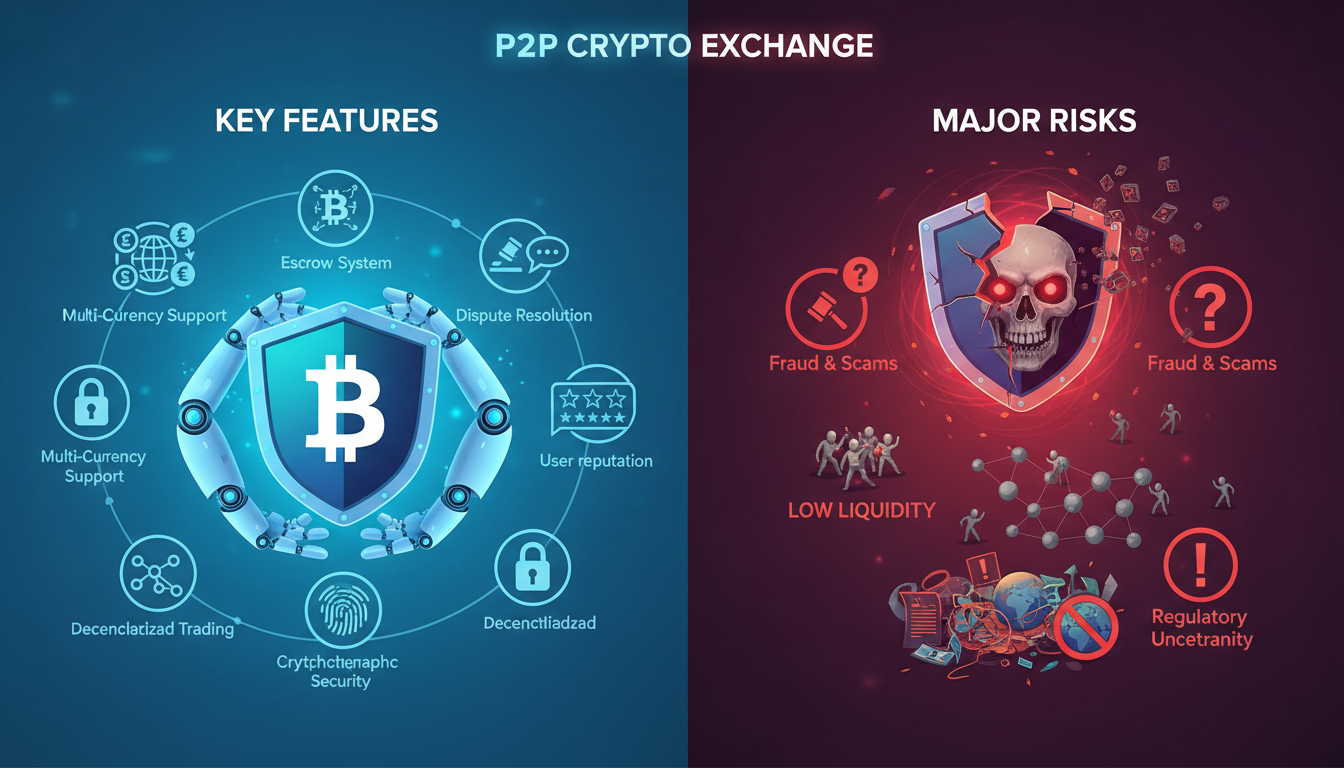
Meme coins are designed to make early holders money at your expense. The tokenomics are almost always structured so that early buyers (often the team or their friends) can exit profitably while later buyers hold a declining asset.
The “community” is often manufactured. Discord servers get populated with bots. Twitter followers get bought. Reddit upvotes get purchased. Real communities are rare.
Liquidity can vanish instantly. In a market crash, the buy orders that seemed solid evaporate. You might see the price on the chart, but you can’t actually sell at that price.
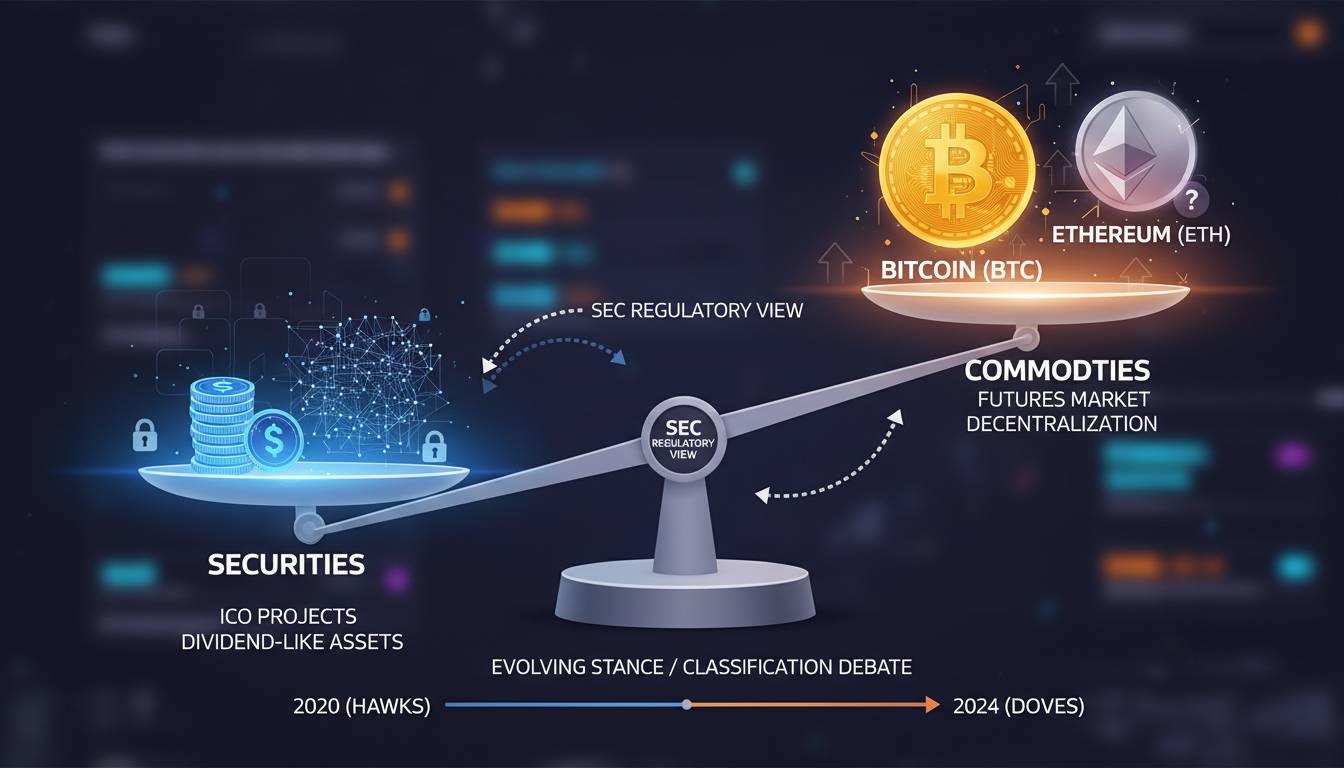
Regulatory risk is real. The SEC and other regulators have explicitly called out meme coins as potential securities. While enforcement has been inconsistent, the legal risk hasn’t disappeared.
Past performance means nothing. Every meme coin that made 100x had thousands of similar coins that went to zero. The winners are visible; the losers aren’t.
The Hard Truth About Meme Coin “Investments”
I need to be direct: calling most meme coins “investments” is generous. They’re speculation dressed in internet culture. The people who make money are either early buyers who sell into the hype or traders who understand they’re gambling and treat it as such.
The honest truth is that 95% of meme coins launched in any given year will be down 90% or more within 12 months. Many will become worthless entirely—the code still exists on-chain, but no one will ever buy it again.
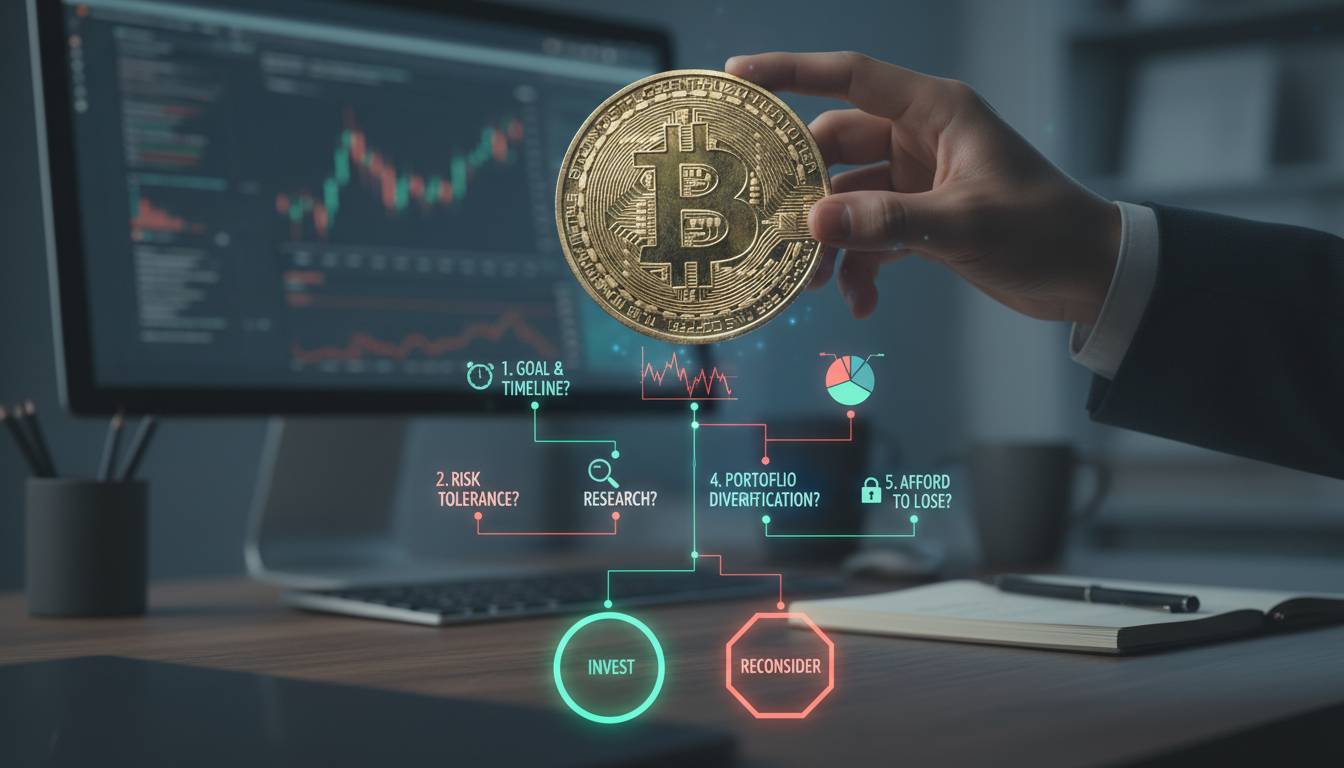
If you want exposure to this sector, allocate money you’re genuinely comfortable losing. Not “money I can afford to lose” in the abstract—actually think about what losing 100% of this money would look like for your life. If the answer is “significant hardship,” don’t buy meme coins.
Conclusion: What Actually Matters
The meme coin space in 2025 is simultaneously more mature and more dangerous than ever before. You have established coins with real communities (Dogecoin, Shiba Inu). You have newer arrivals with better distribution (WIF, BONK). And you have the endless parade of new coins that will almost all fail.
What separates the survivors from the dead is simple: community endurance and absence of catastrophic distribution failures. Everything else is narrative.
If you’re going to participate in this market, do so with your eyes open. Understand that you’re not investing in traditional terms—you’re buying a seat at a table where the odds favor the house. The house in this case is early buyers, coordinated groups, and the fundamental structure of token distributions that favor insiders.
Watch the coins on this list. Understand why they exist and what drives their communities. But whatever you do, don’t confuse price charts for fundamentals. In meme coins, the chart is the fundamentals.
Disclaimer: This article is for informational purposes only and does not constitute financial advice. Cryptocurrency investments are highly volatile and risky. You could lose your entire investment. Always do your own research and consult with a qualified financial advisor before making any investment decisions.