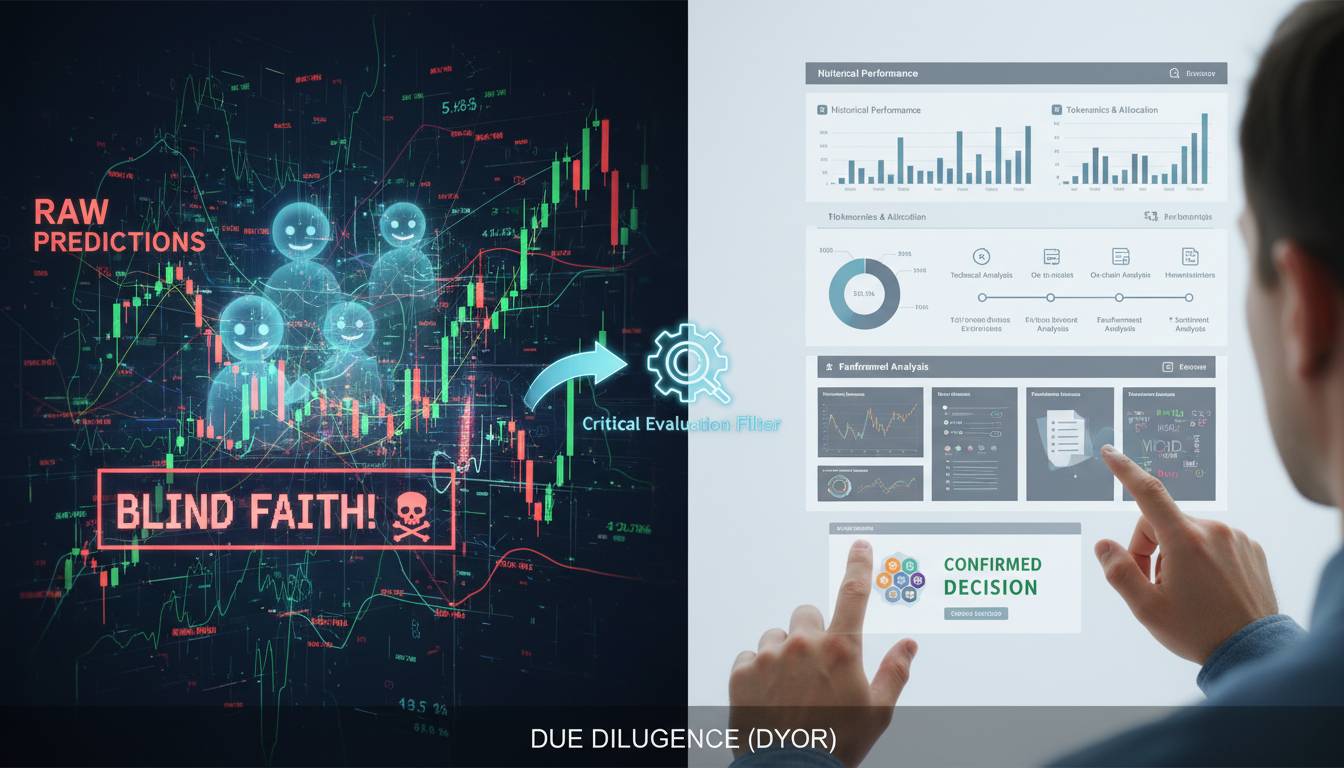
Most crypto price predictions are worthless. They’re either blindly optimistic or cynically designed to generate clicks without accountability. But asking what could drive DOGE and SHIB to new all-time highs isn’t about guaranteeing outcomes—it’s about understanding what conditions would need to materialize and whether those conditions are plausible. That’s worth thinking through properly.
Both Dogecoin and Shiba Inu operate in a different universe than Bitcoin or Ethereum. Their valuation isn’t driven primarily by utility or institutional adoption—it’s driven by narrative, community sentiment, and cultural momentum. What pushes them to new highs means understanding what moves crowds, not just what moves code. Here’s what I’d be watching heading into 2026.
Institutional Adoption and Legitimacy Signals
Here’s something counter-intuitive: institutional adoption, while often cited as the holy grail for crypto assets, may matter less for DOGE and SHIB than most analysts assume. These tokens built their followings specifically because they weren’t serious—they were memes, they were fun, they were anti-establishment. The moment they become fully institutionalized, they risk losing the cultural DNA that drives their communities.
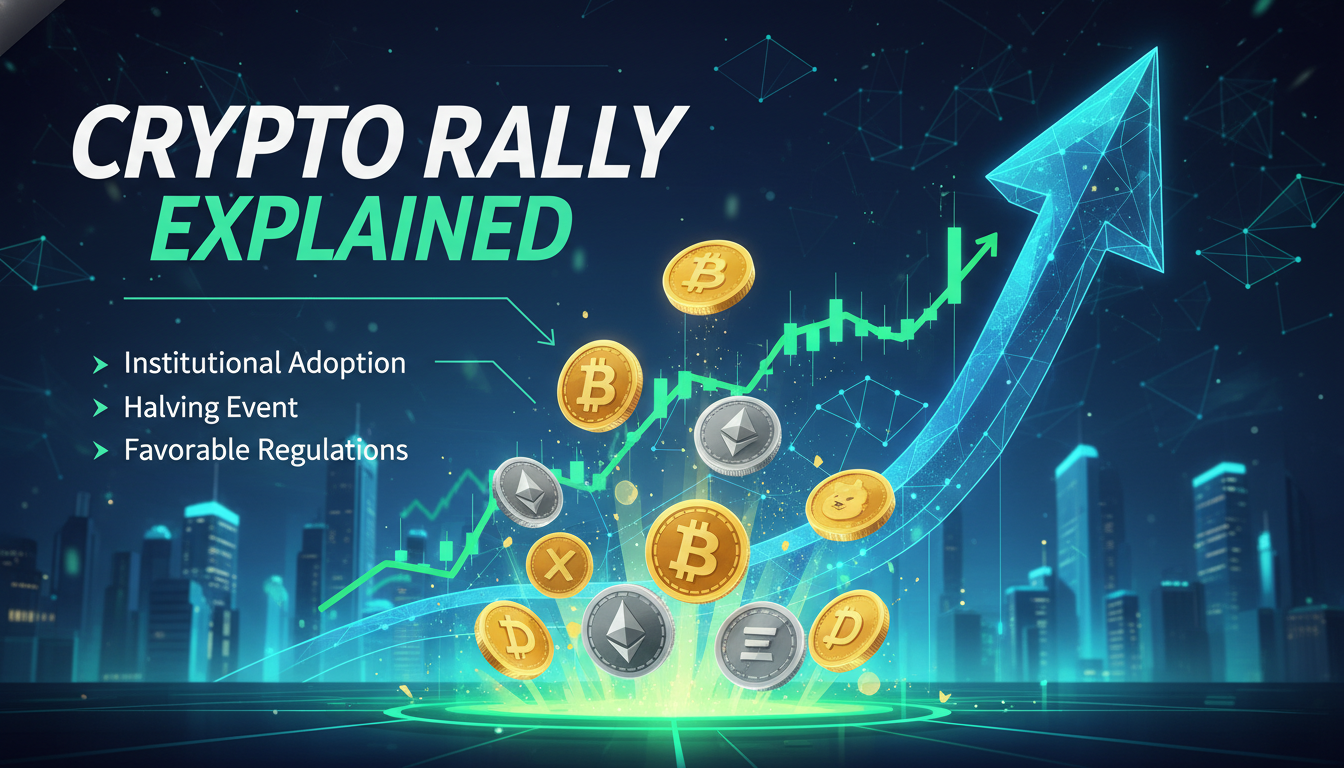
That said, certain institutional signals would still matter. If a major payment processor like PayPal or Stripe were to add native DOGE support—beyond the current round-about integrations through third-party conversion tools—that would represent a legitimacy threshold that hadn’t existed before. PayPal’s 2020 addition of Bitcoin support didn’t make BTC mainstream overnight, but it signaled a door opening. The same logic applies here, perhaps more so given DOGE’s existing ties to transaction-based use cases.
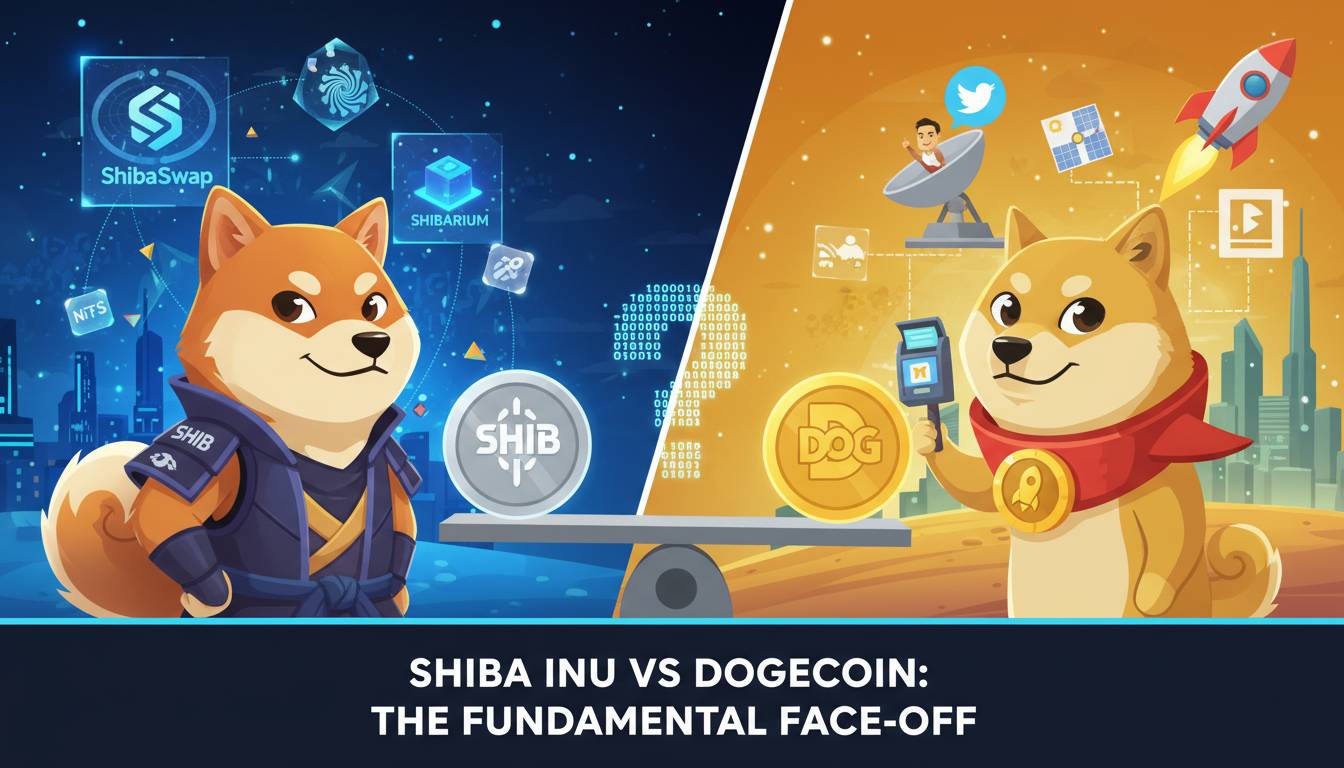
For SHIB, institutional adoption has been slower to develop, partly because the token launched with a deliberately inflationary supply structure that makes large holders nervous. However, the introduction of Shibarium—the layer-2 blockchain solution that went through its public launch phase in 2023-2024—represented the project’s attempt to build technical infrastructure that could support more serious development. If major DeFi protocols or Web3 applications begin building on Shibarium in meaningful ways, that changes the fundamental thesis for SHIB beyond pure speculation.
The realistic assessment: true institutional adoption in the traditional finance sense is unlikely to be the primary driver for either token in 2026. But ecosystem-level adoption within the crypto space—being used as gas, as settlement currency, as collateral in DeFi—could absolutely move the needle.
Network Upgrades and Technical Development
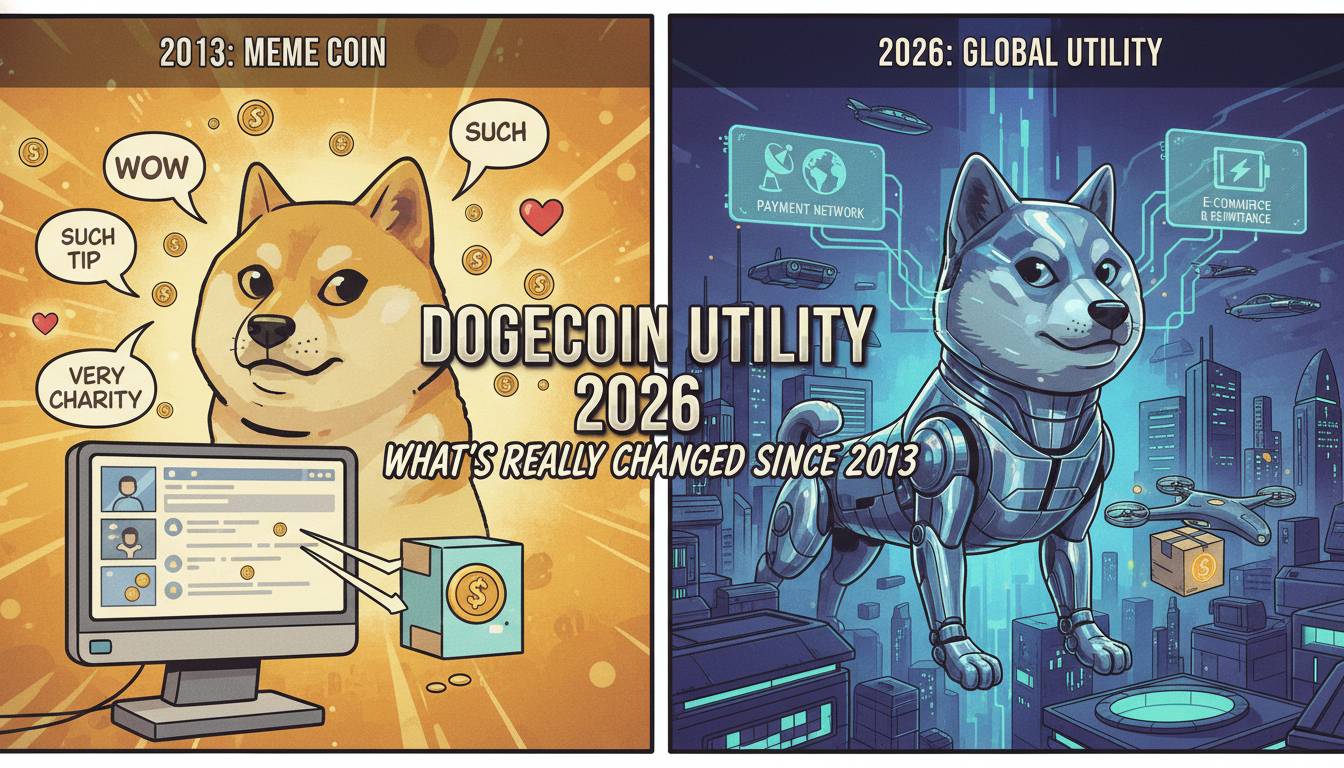
Dogecoin has quietly been building more technical infrastructure than most people realize. The Dogecoin Foundation, reconstituted in 2021, has been working on proposals including reduced transaction fees through layer-2 solutions and potential staking mechanisms. These aren’t as flashy as a new blockchain launch, but they address the actual utility problems that have historically limited DOGE’s use case beyond tipping and small transactions.
What to watch: if the Dogecoin Foundation successfully implements a meaningful upgrade that reduces on-chain congestion during high-activity periods while maintaining DOGE’s character as an accessible, low-fee currency, that removes one of the persistent criticisms of the token. The 2021 bull run saw DOGE’s network practically seize up during peak demand, with transaction times and fees spiking uncomfortably. Solving that problem doesn’t guarantee a new ATH, but it removes a technical barrier to the kind of viral adoption that historically drives these moves.
Shiba Inu’s technical story is more complex. Shibarium’s launch was rocky—the public beta experienced the kind of issues that plague new blockchain launches, including network congestion and explorer problems. But the project has continued iterating, and the burn mechanism remains one of the most aggressive in crypto. What to watch for SHIB: does the burn actually work at scale to meaningfully reduce supply? The theoretical maximum burn would eventually make SHIB deflationary, but the actual burn rate to date hasn’t moved the needle on the token’s massive supply. If something changes—either a dramatic increase in burn activity or a protocol-level change that accelerates supply reduction—that becomes the fundamental thesis for a price run.
Cultural Momentum and Narrative Shifts
This is where DOGE and SHIB differ fundamentally from most crypto assets, and where the analysis gets uncomfortable for traditional investors. These tokens trade on narrative and cultural momentum in ways that Bitcoin and Ethereum simply don’t anymore. Understanding that isn’t being dismissive—it’s being honest about what actually drives the charts.
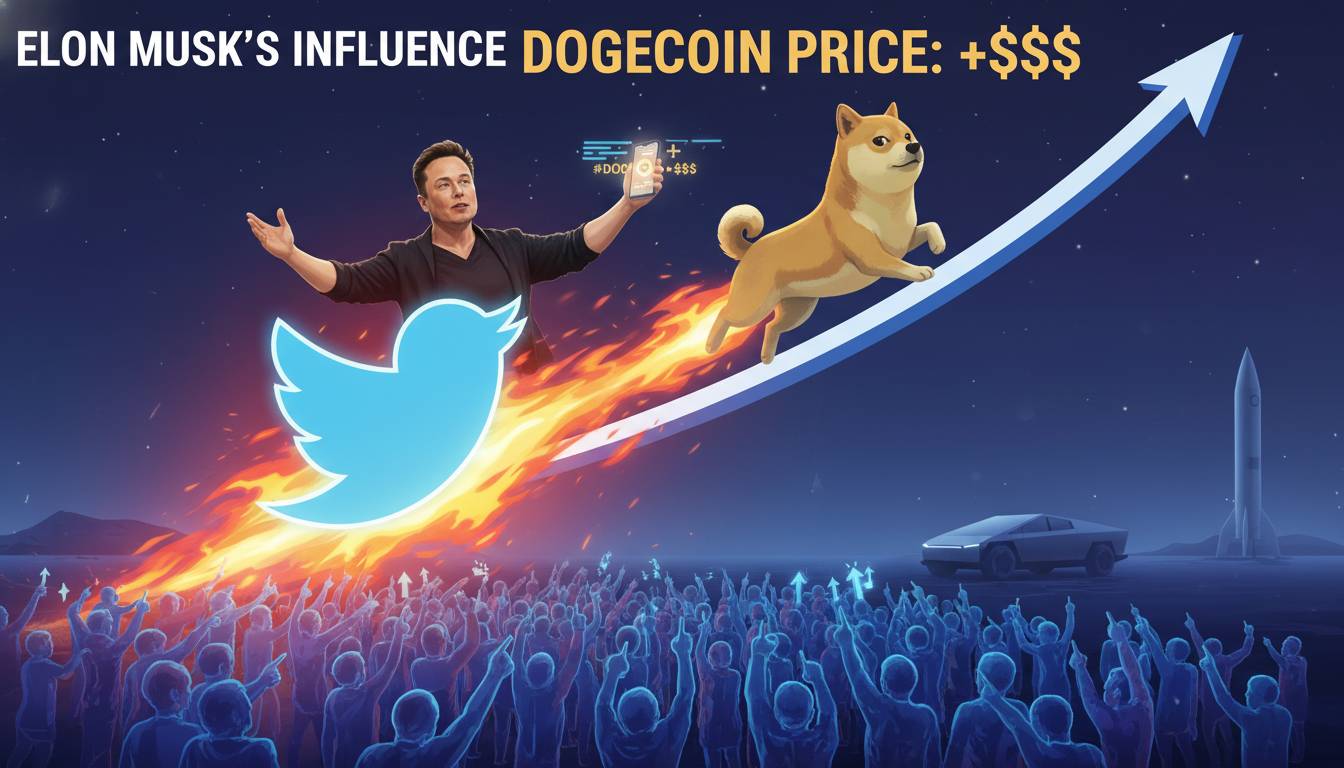
Elon Musk’s relationship with Dogecoin remains the single largest exogenous variable for DOGE’s price action. This isn’t about whether Musk should be influencing crypto markets (he shouldn’t, but that’s a separate conversation about market integrity). It’s about recognizing that his consistent, years-long engagement with DOGE—his statements, his tweets, his apparent personal holdings—creates a baseline of attention that other tokens would love to have. If Musk were to make a more substantial integration announcement in 2026—something like DOGE being accepted for Tesla merchandise, or SpaceX doing a promotional drop—that would immediately inject momentum that no technical upgrade could match.
For SHIB, the cultural momentum comes from the Shib Army itself. The community that formed around SHIB is arguably more devoted than any other token community, and that’s saying something in a space known for cult-like following. The community has funded real projects, including the proposed Shiba Inu museum in Japan. But here’s the uncomfortable truth for SHIB bulls: community devotion hasn’t translated to sustained price performance. SHIB’s community has been buying and holding aggressively since launch, yet the token trades a fraction of its 2021 ATH. The narrative alone isn’t enough.
What would change that? Perhaps a viral moment—a celebrity endorsement at the right time, a cultural reference in a major film or show, a viral social media moment that brings fresh attention. These are inherently unpredictable, but they’re also the most common catalyst for meme coin movements. Dismissing them as “just gambling” misses the actual mechanics of how these markets move.
Market Cycle Positioning and Macro Conditions
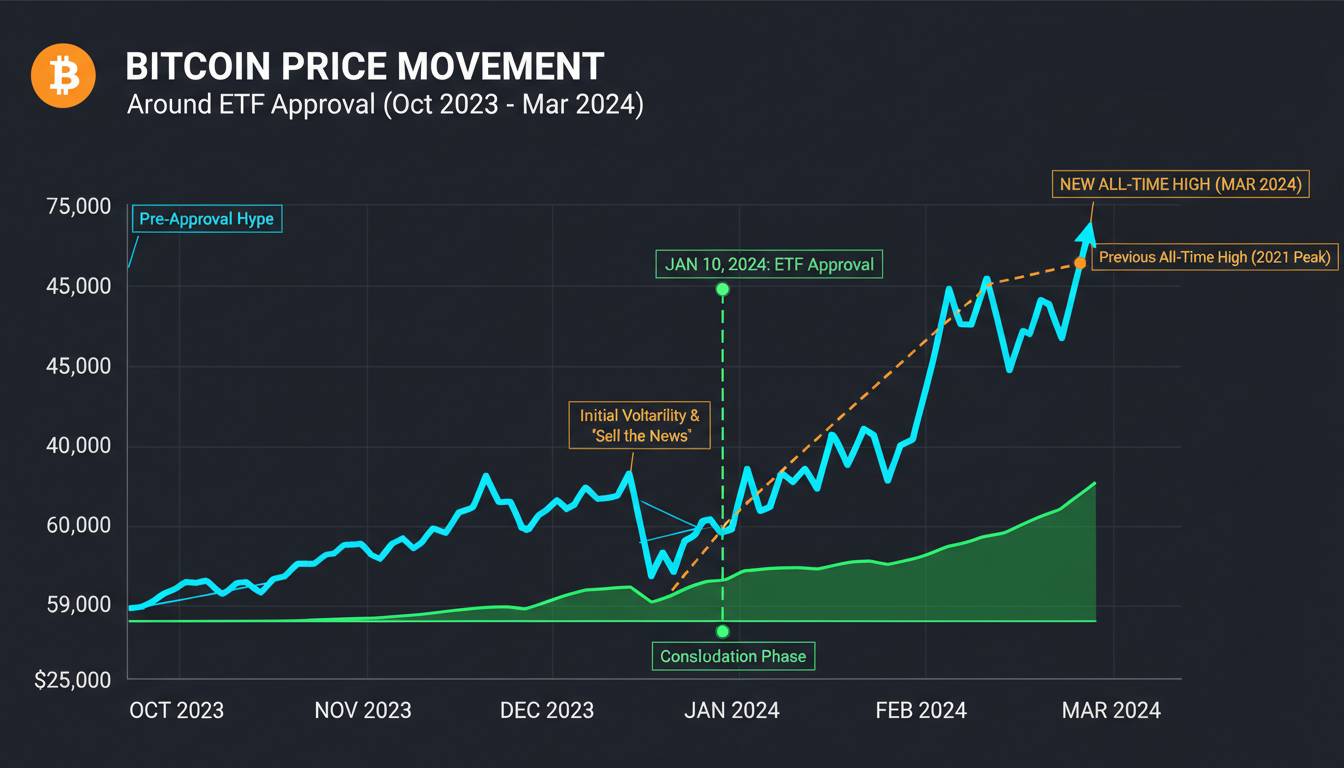
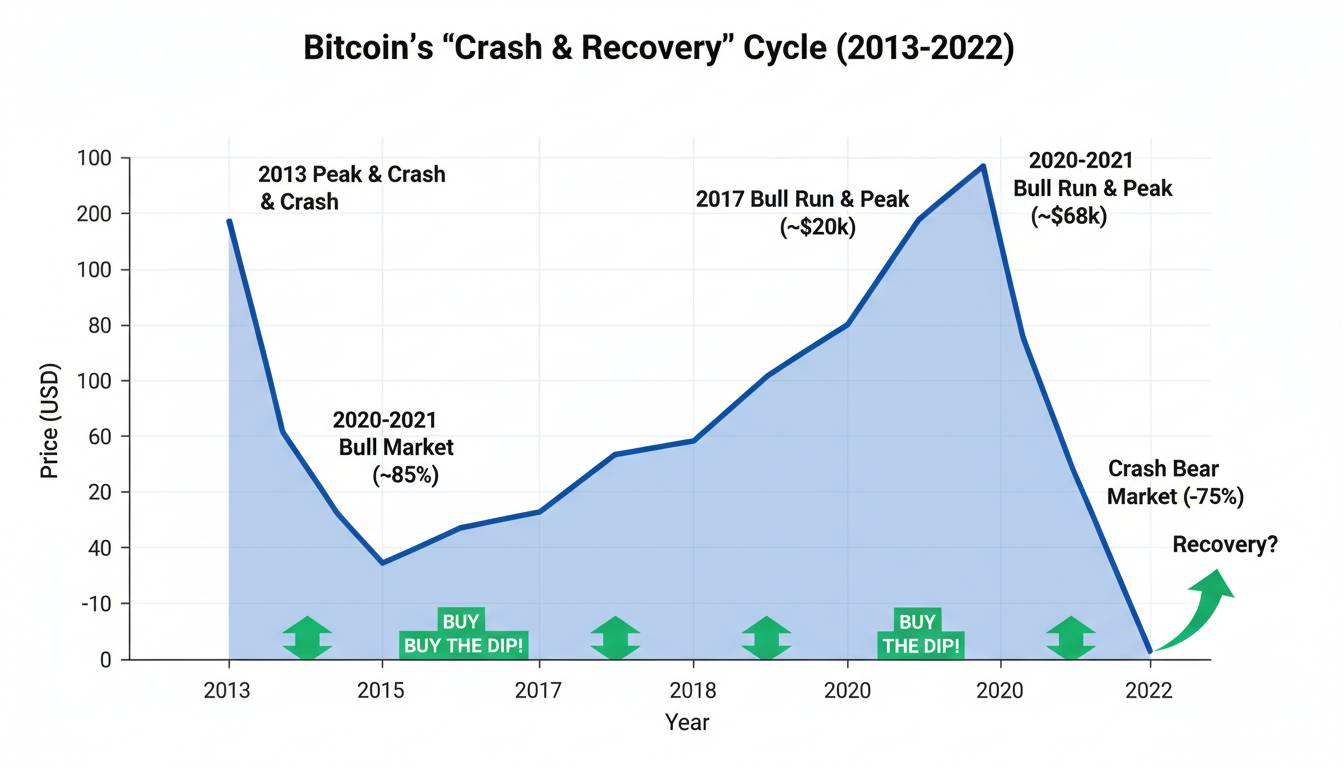
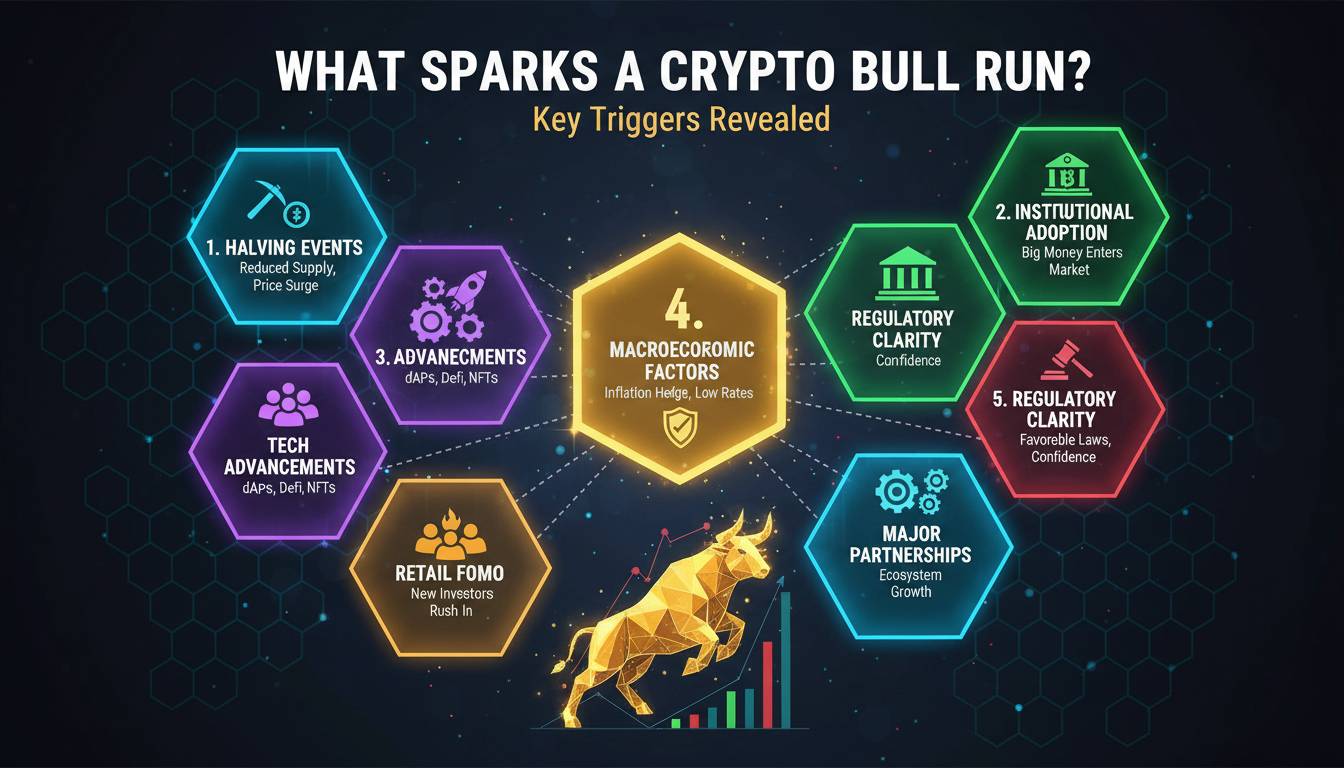
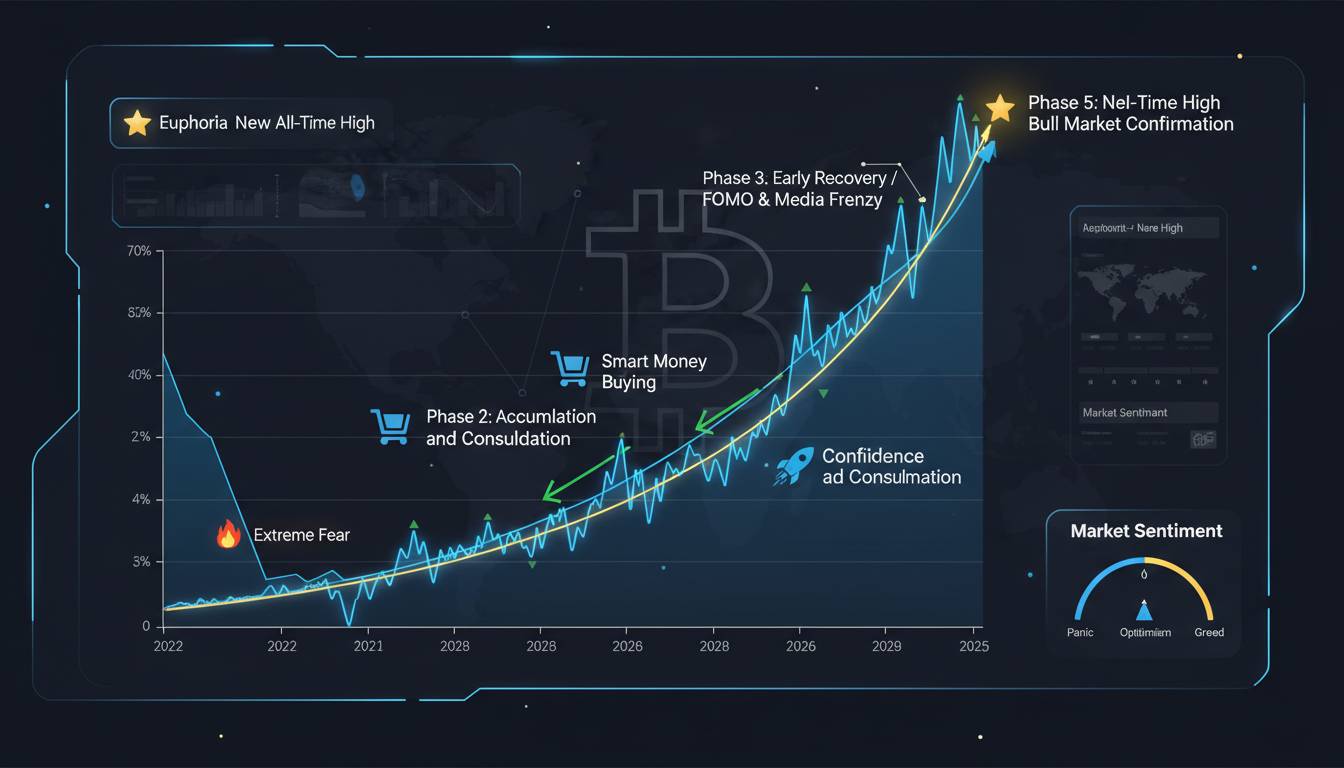
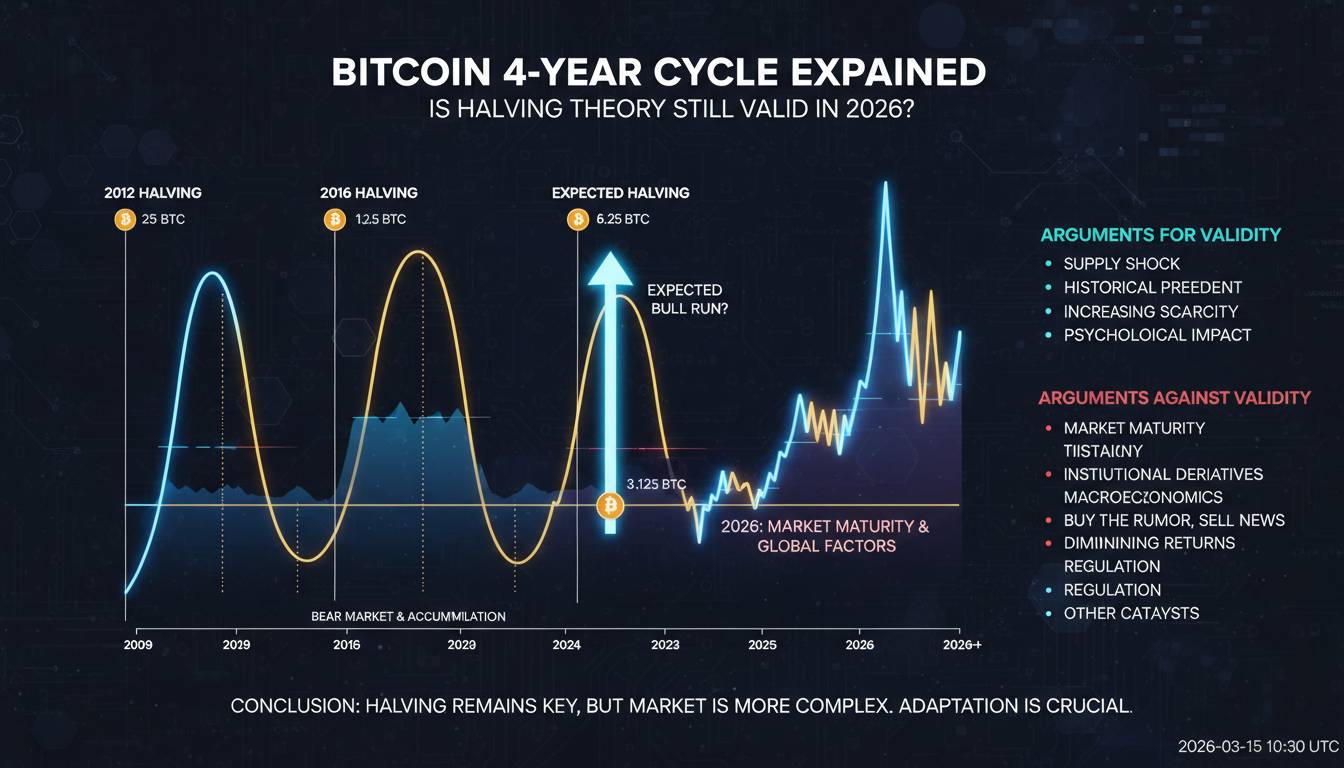
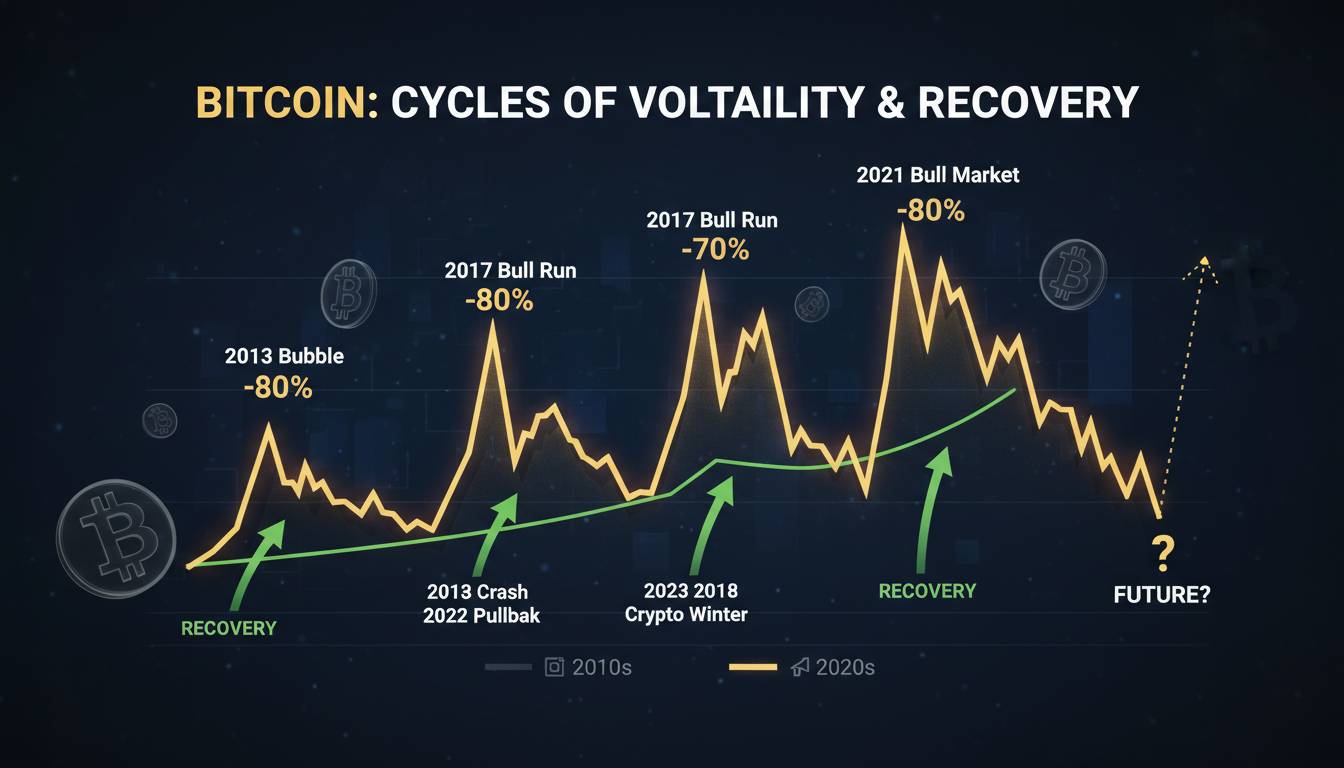
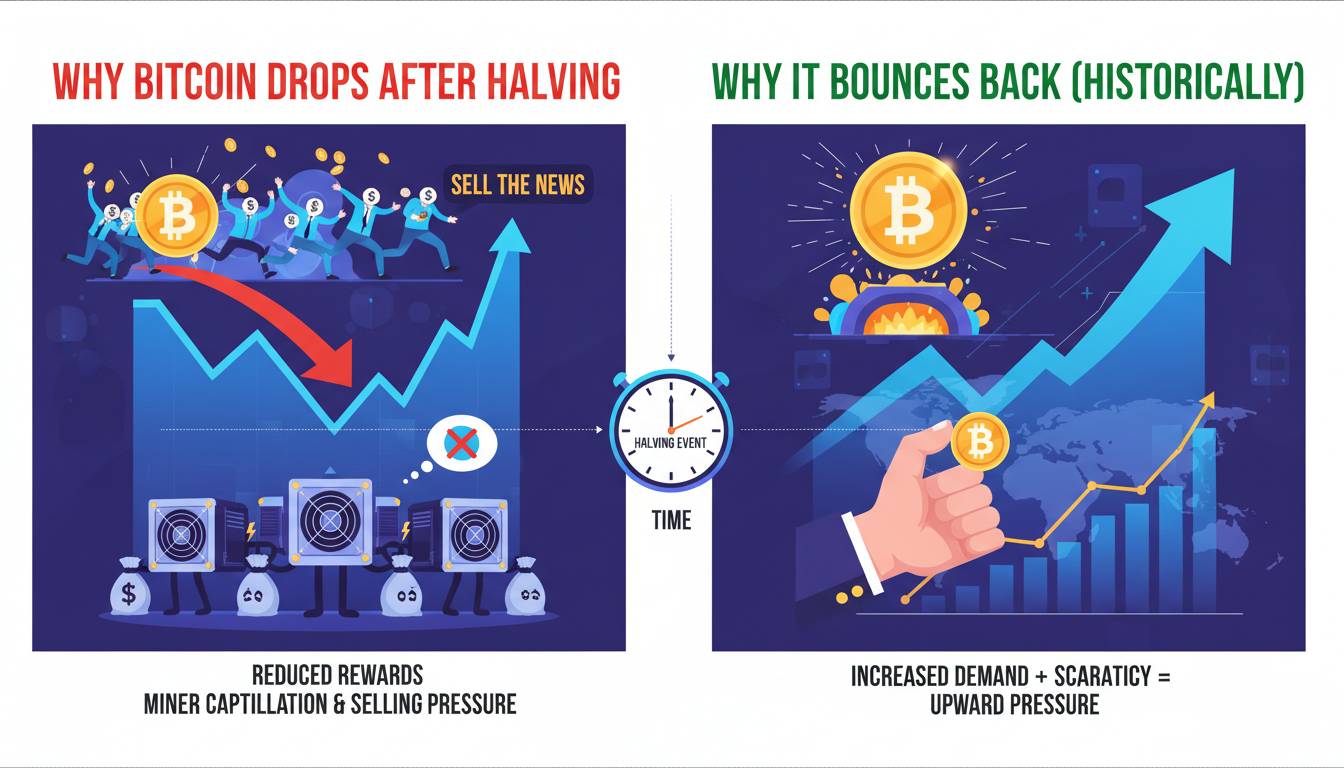
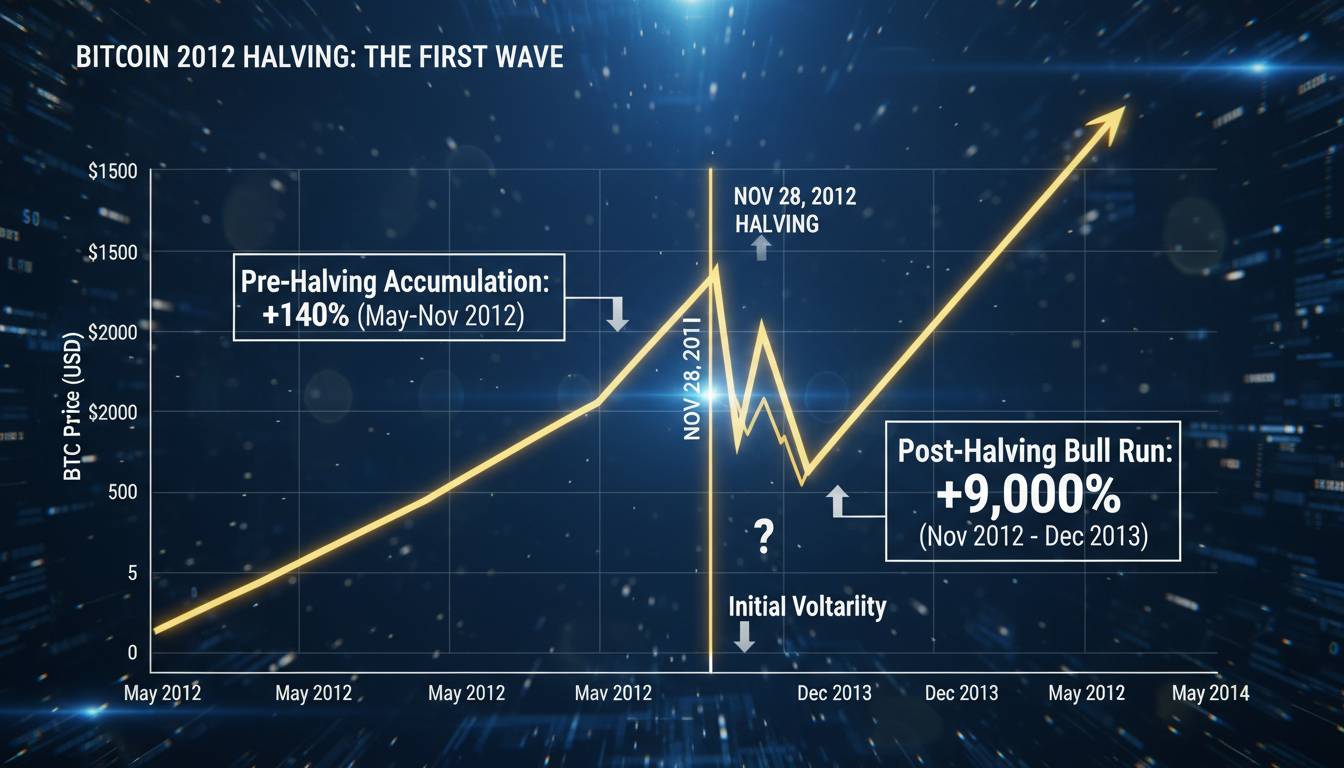
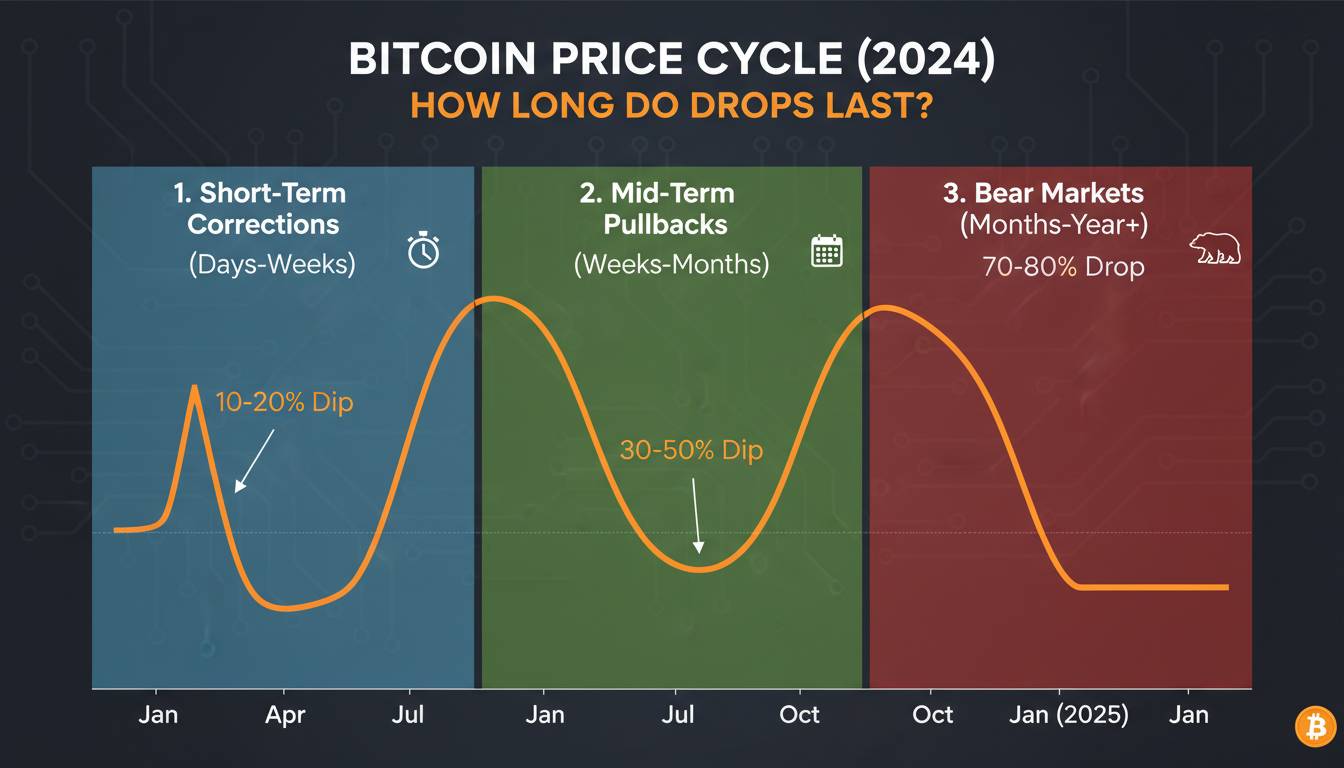
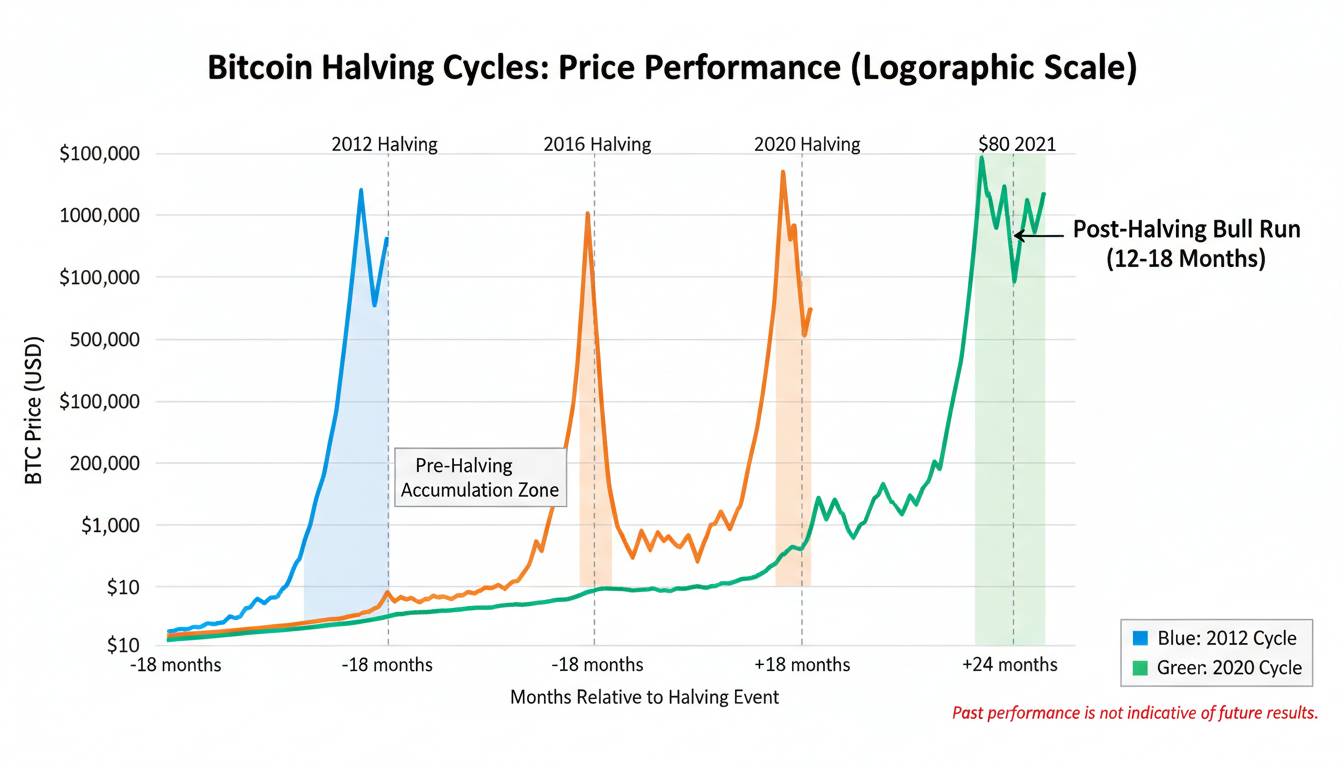
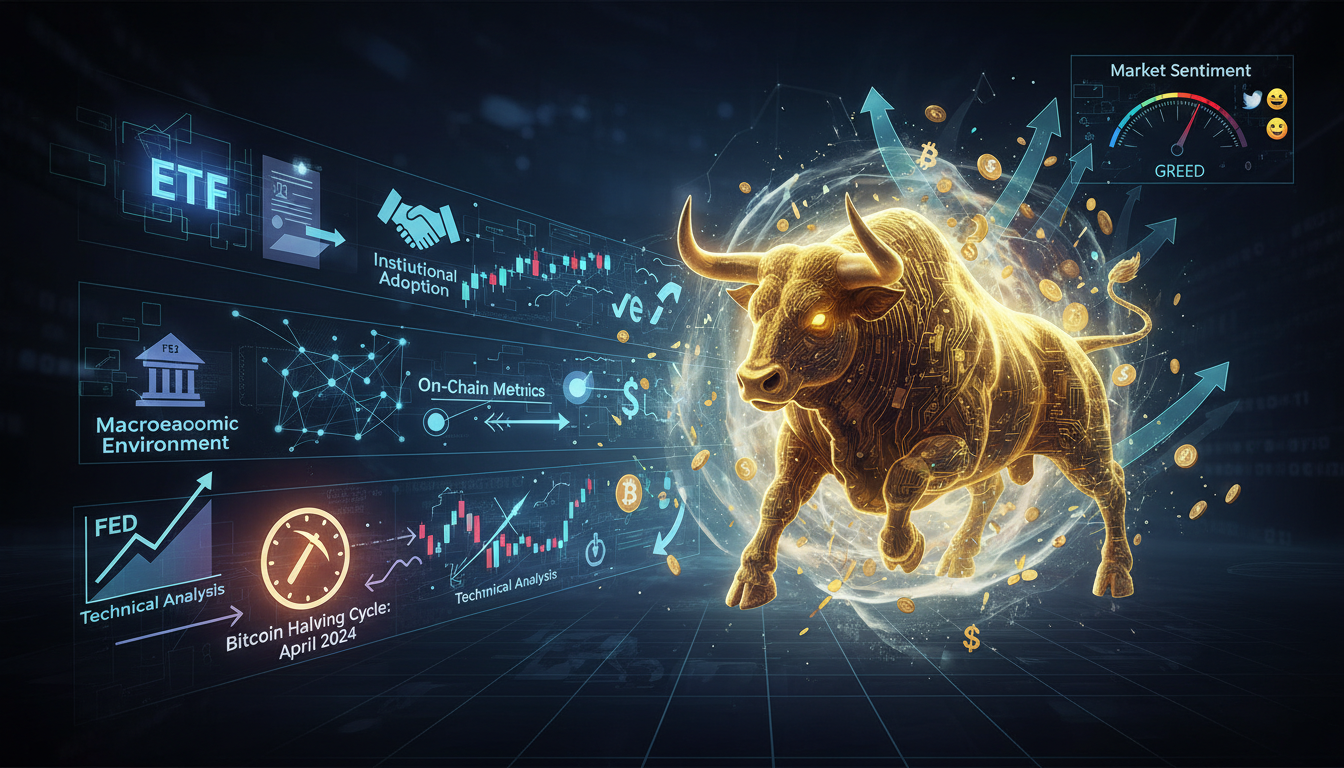
The 2026 timeline matters because of where we are in the broader crypto market cycle. Bitcoin’s halving cycles have historically driven broader market movements, with major altcoin runs typically occurring 12-18 months after halving events. The most recent Bitcoin halving occurred in April 2024, which means by late 2025 and into 2026, we’d theoretically be in the period where altcoin momentum typically builds.
This doesn’t mean DOGE or SHIB will automatically rise because Bitcoin had a halving. But it does mean that the structural backdrop for altcoin speculation will be more favorable in 2026 than it was in 2023-2024, all else being equal. The market memory of the 2020-2021 bull run—the last time these tokens saw their ATHs—remains potent. When crypto optimism returns in force, the assets that people remember most vividly tend to benefit first.
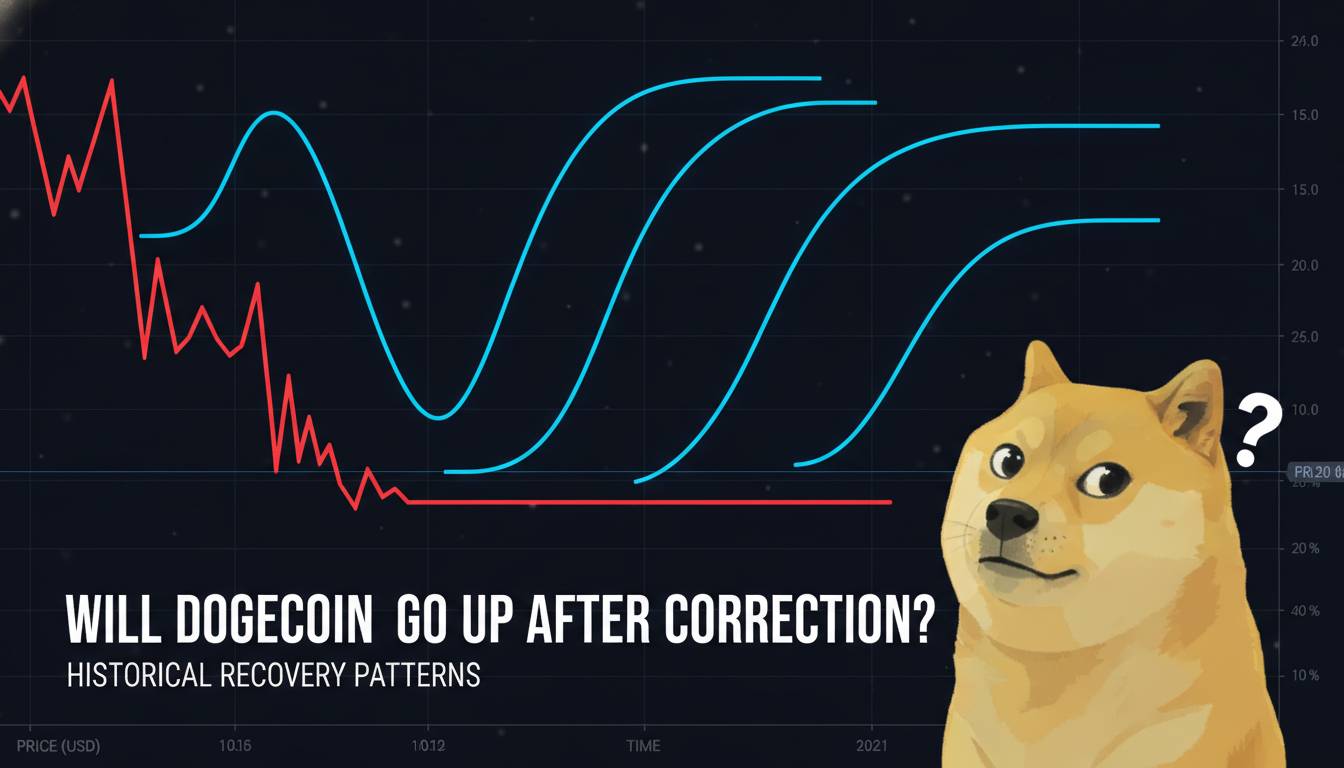
That said, there’s a counter-argument worth considering: the 2022-2023 market reset may have permanently changed the dynamics for these tokens. The easy money has been made. The audiences that were going to discover DOGE and SHIB already have. New money flowing into crypto in the next cycle may prioritize different narratives—real yield, institutional-grade assets, AI-related tokens. The meme coin trade isn’t guaranteed to repeat, and some of the enthusiasm that drove 2021’s extremes may simply be gone.
Regulatory Developments and Global Adoption
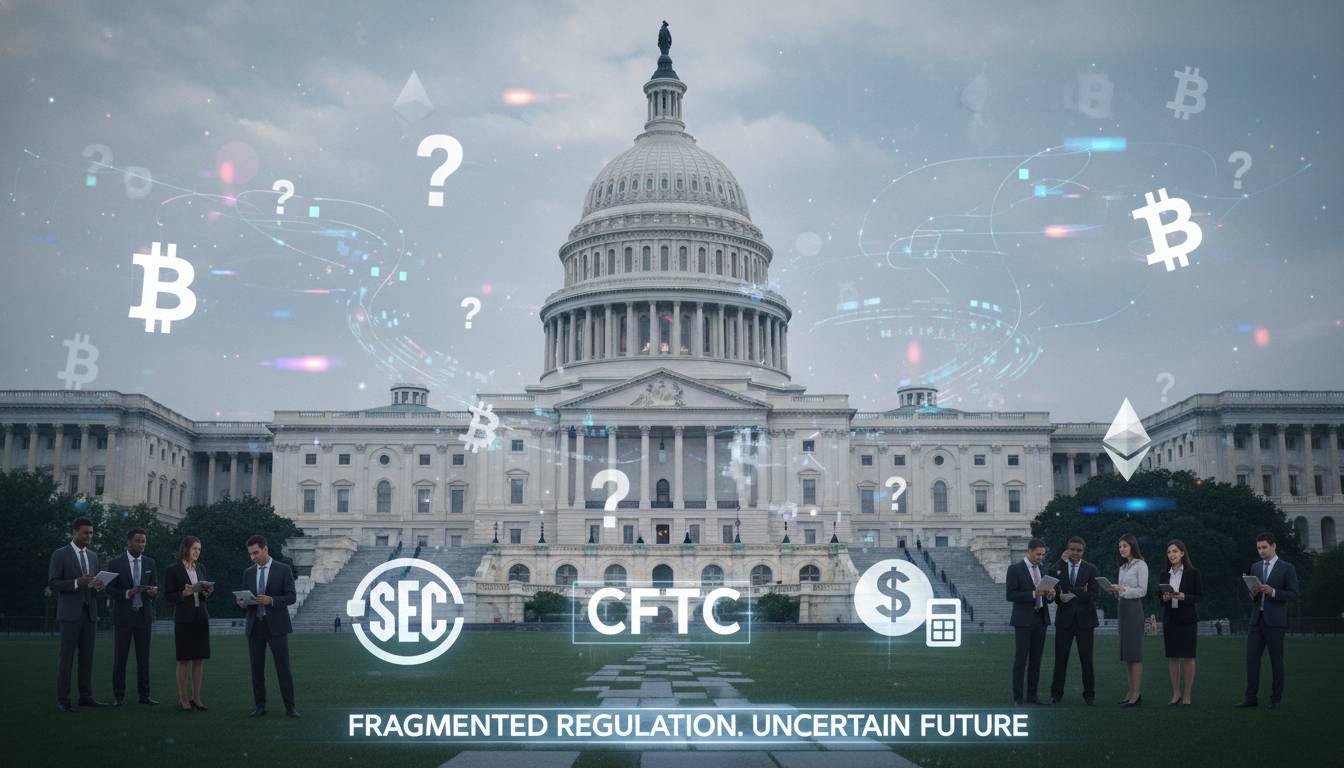
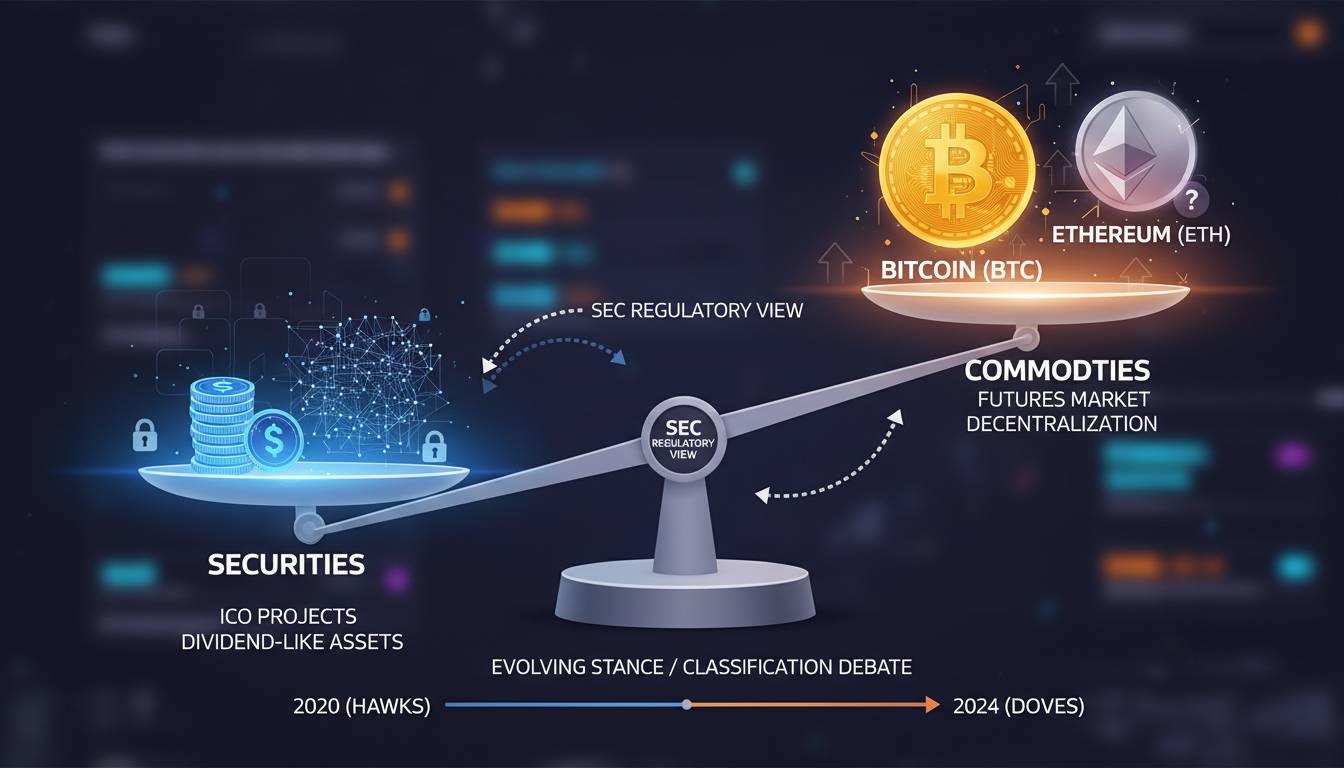
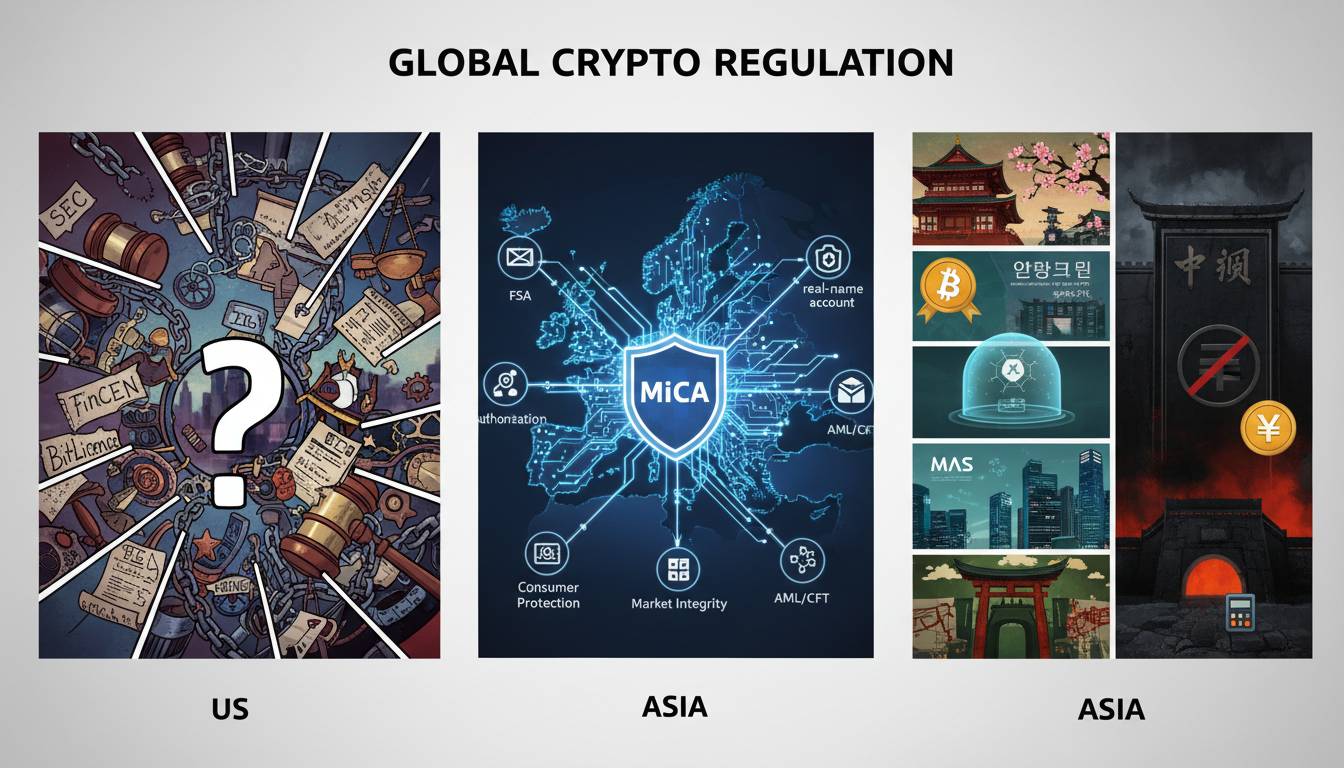
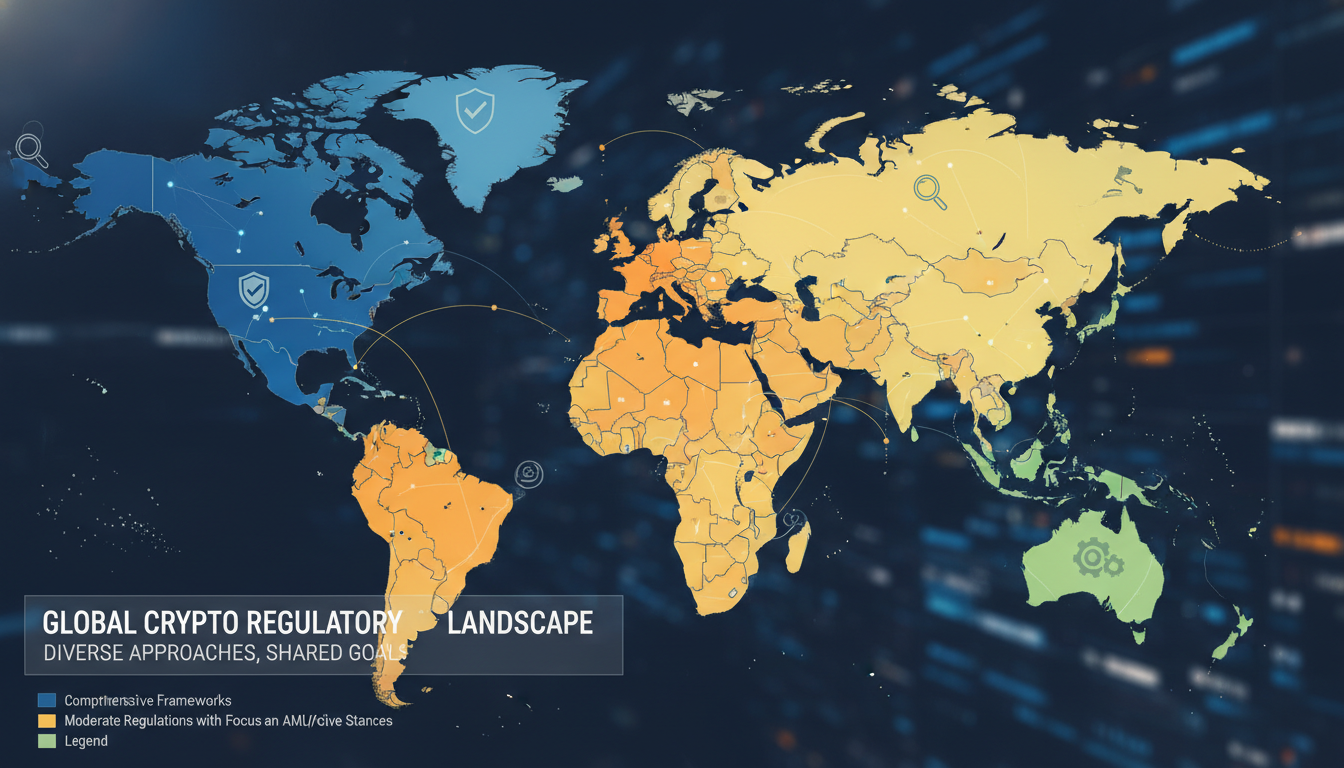
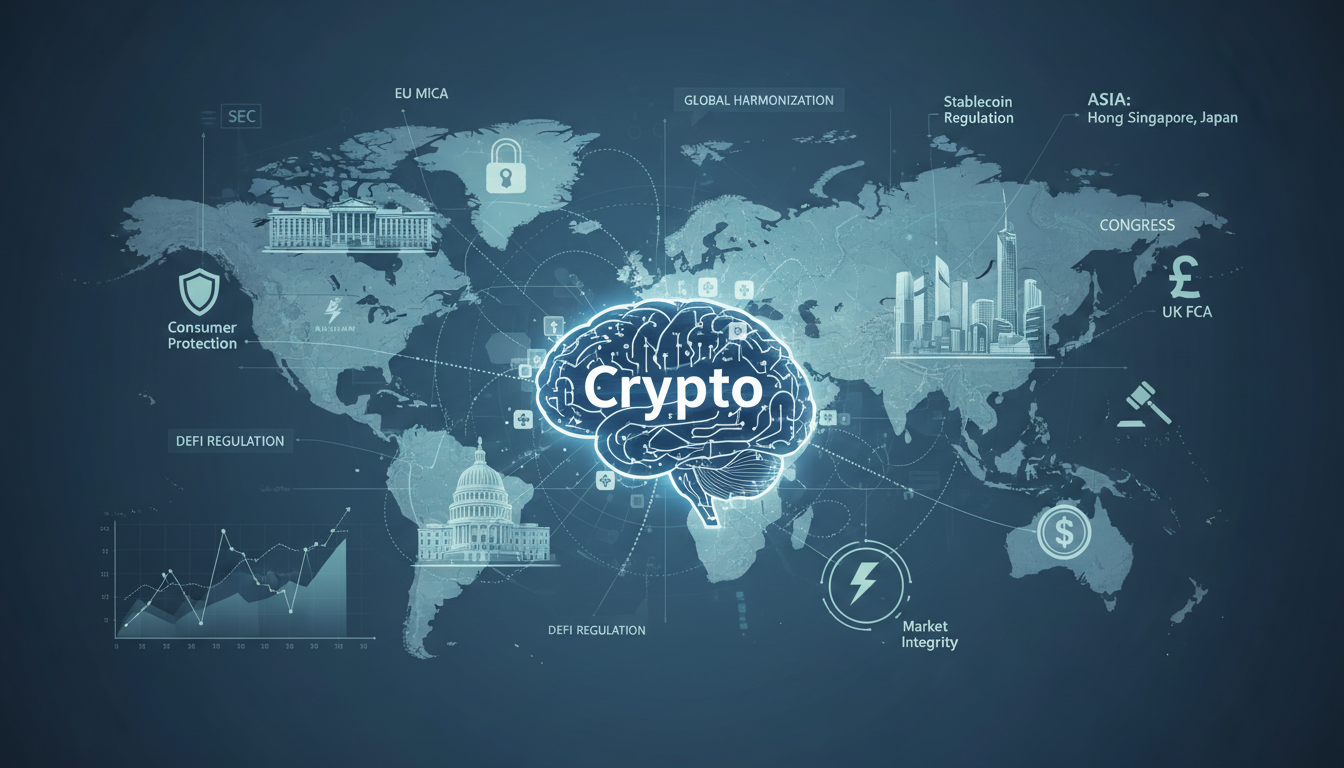
Regulation remains the wild card for all crypto assets, but it could affect DOGE and SHIB differently. Both tokens have been used for various purposes that regulators might scrutinize—SHIB’s burn mechanism has drawn attention from regulators concerned about securities implications, while DOGE’s association with Musk’s various ventures puts it under a particular microscope.
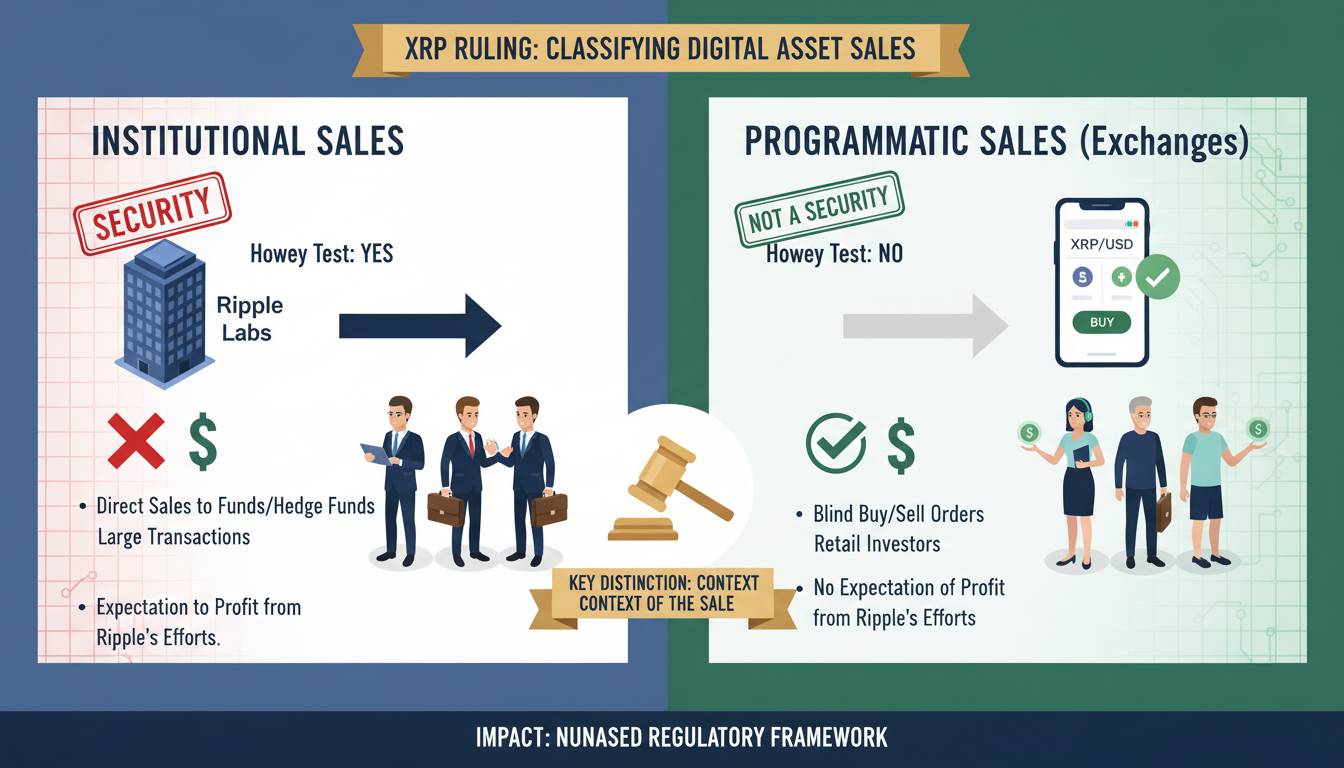
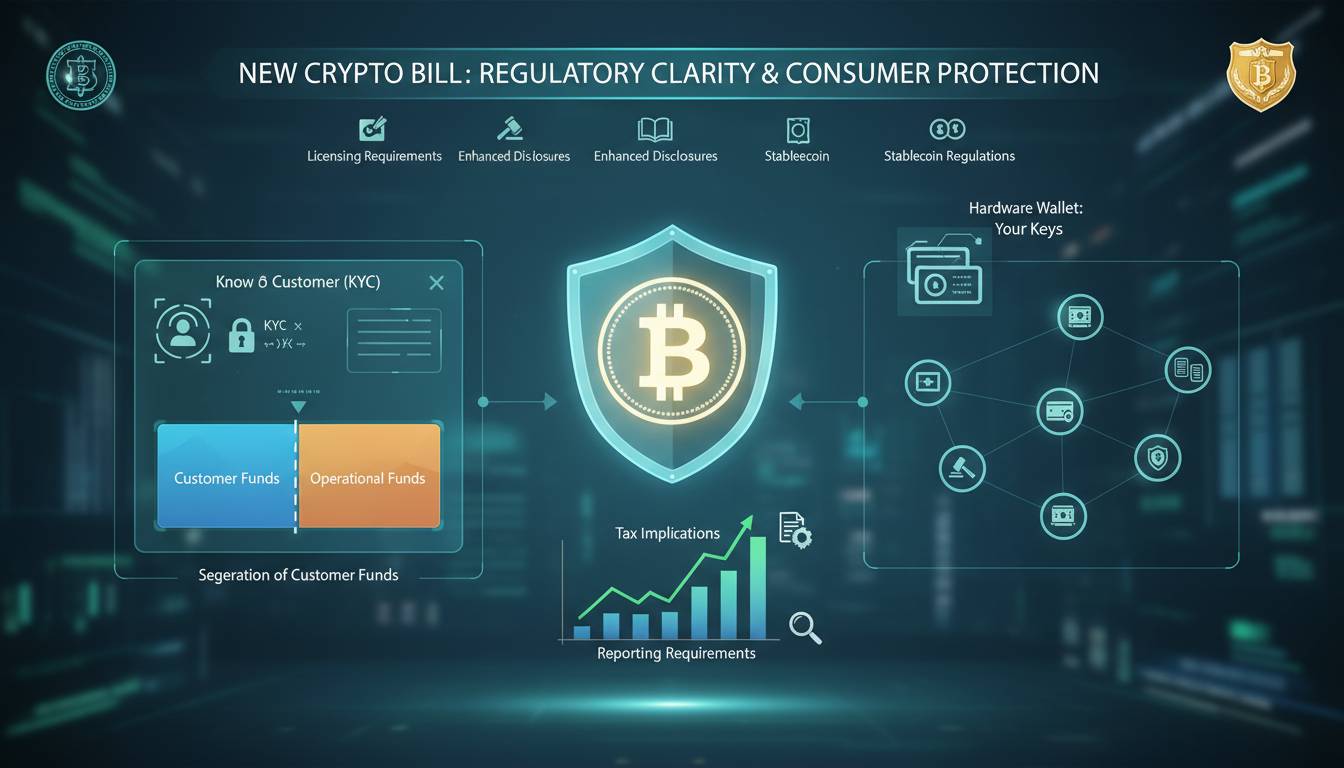
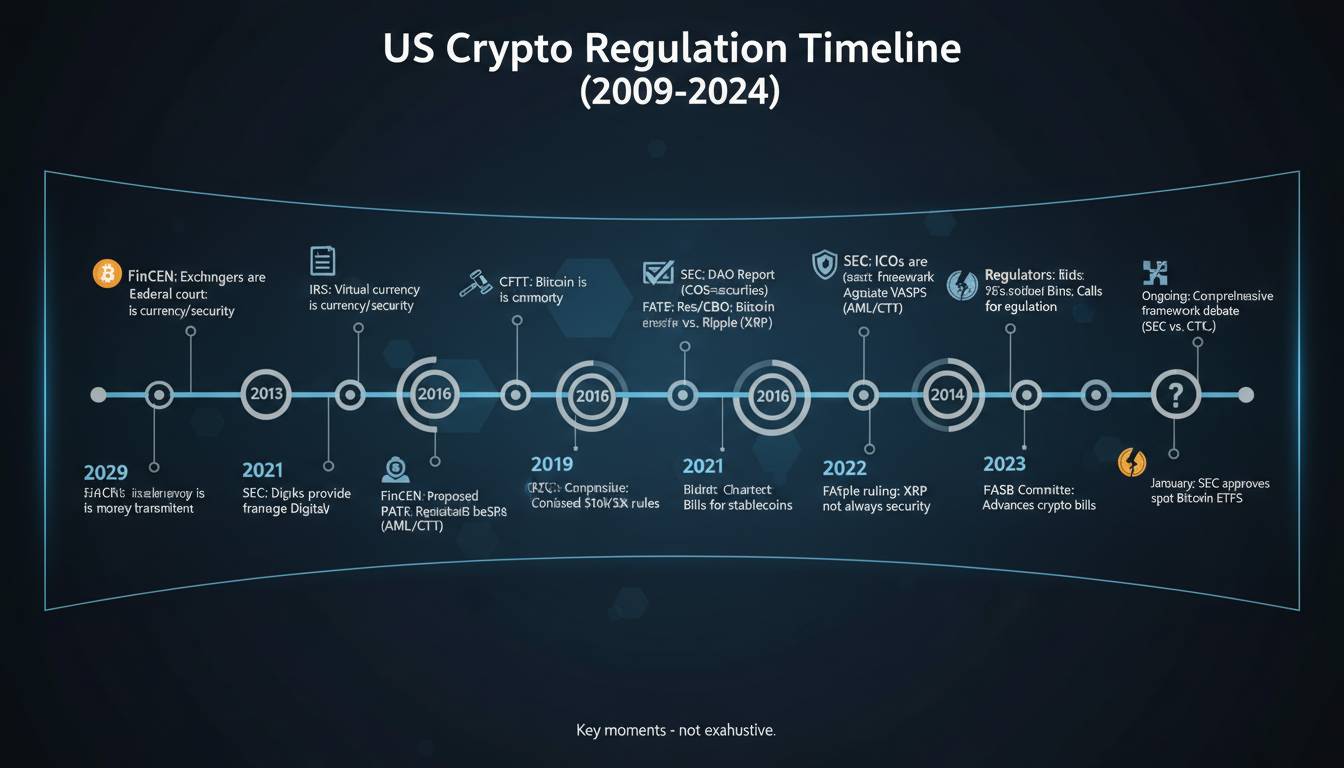
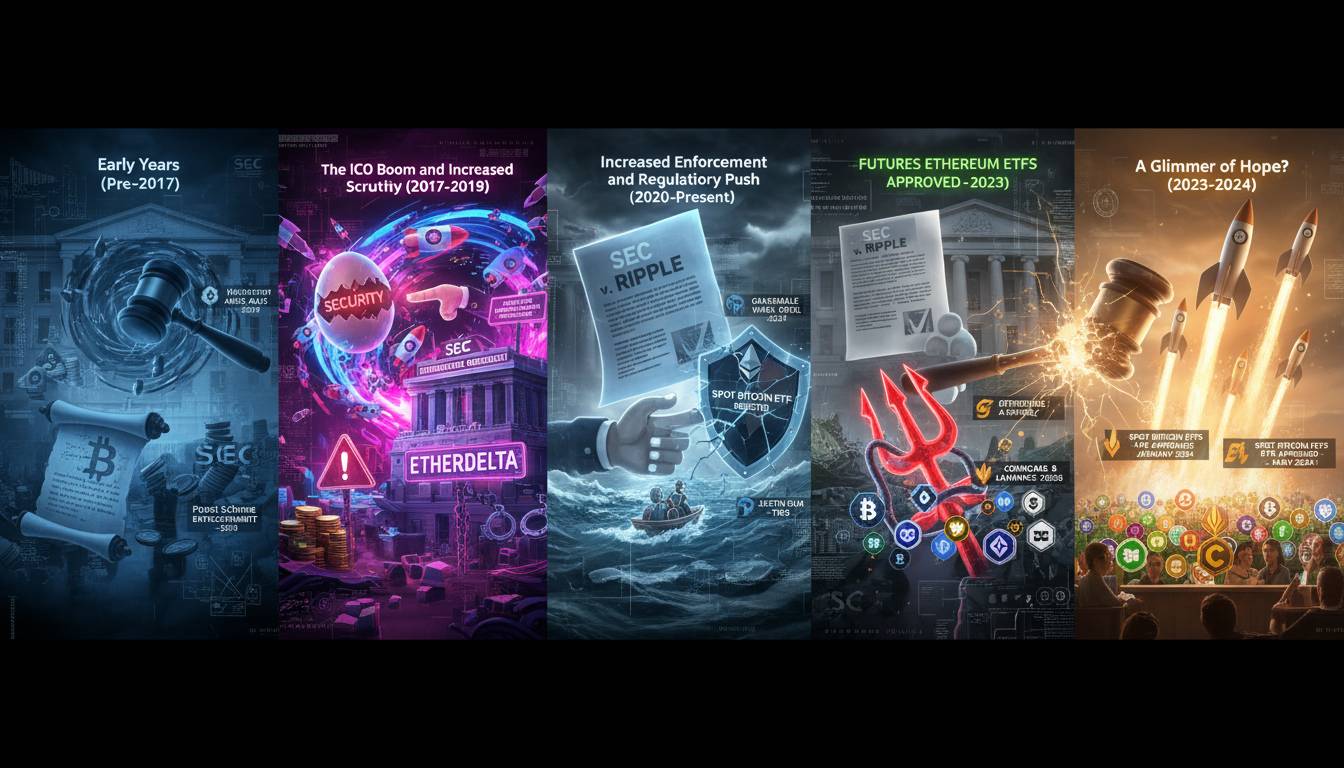
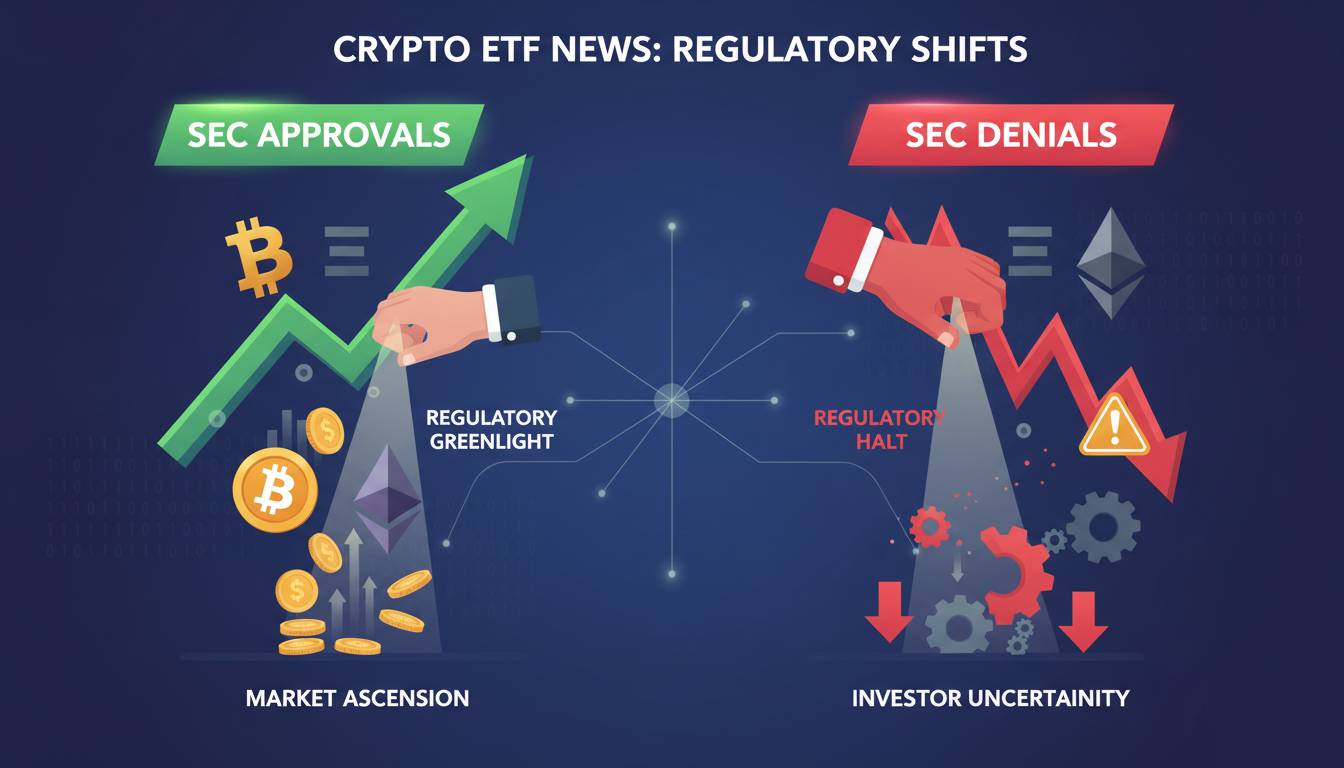
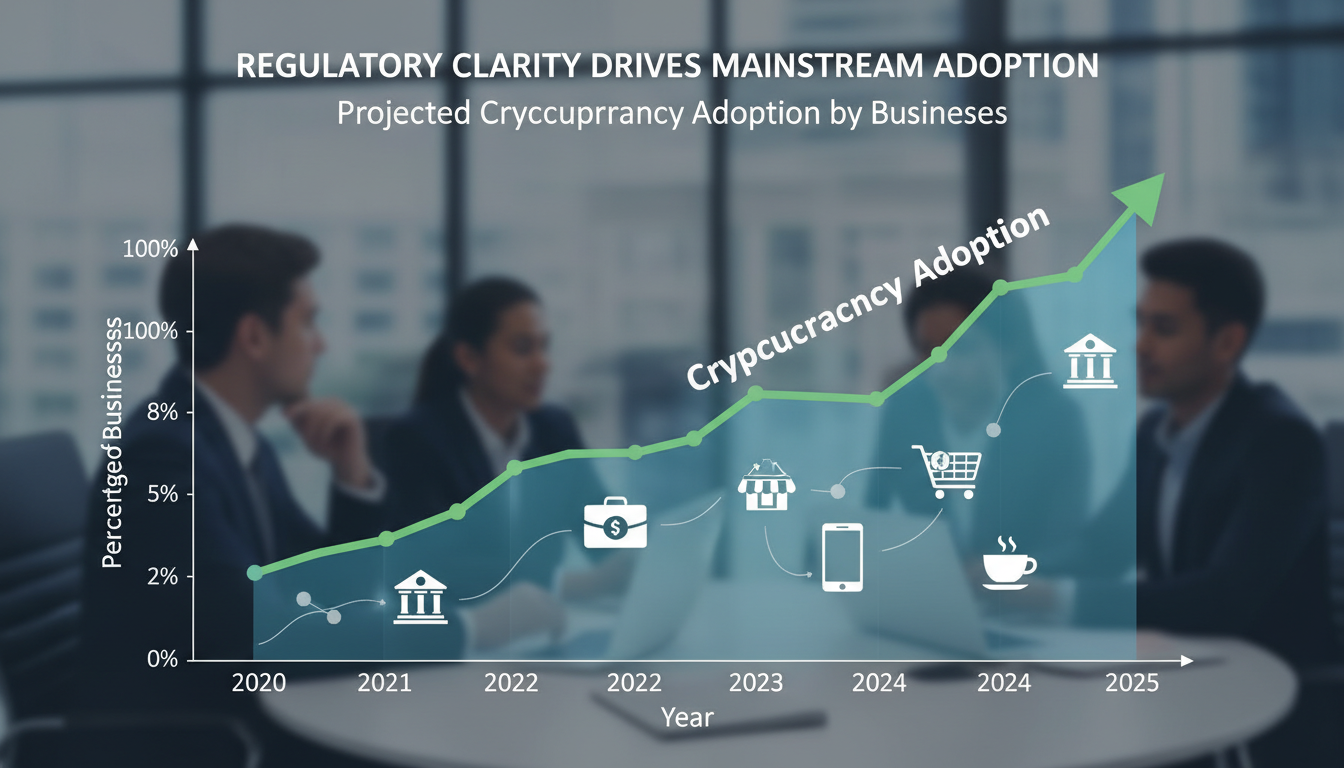
A clear, favorable regulatory framework for crypto in major markets—particularly the United States—would remove one of the persistent overhangs on the entire asset class. That benefits everything, including DOGE and SHIB. But specific regulatory actions against either token would be devastating. The SEC’s pattern of targeting tokens with large communities and aggressive marketing could theoretically extend to these assets, though neither has faced the kind of targeted enforcement that tokens like XRP have experienced.
Globally, adoption matters more for these tokens than regulatory clarity in any single jurisdiction. If a major economy—think Japan, think Brazil, think a smaller European nation—were to formally embrace crypto payments in a way that included DOGE or SHIB specifically, that would create a legitimate use case that currently doesn’t exist at scale.
Risk Factors and Honest Assessment
I want to be direct about what could go wrong, because the bullish case only matters if you understand the risks.
First, both tokens remain highly concentrated in their holder bases. For SHIB, a relatively small number of wallets control the overwhelming majority of supply. This creates massive asymmetry—these holders can move markets on their own, but they can also dump on retail at any moment. For DOGE, the concentration is less extreme but still significant. The fact that Musk appears to be a major holder adds another layer of unpredictability.
Second, the fundamental utility case remains weak for both tokens. DOGE is faster and cheaper than Bitcoin for small transactions, but it’s not meaningfully faster or cheaper than other layer-1 chains that offer far more developer tooling and ecosystem support. SHIB’s burn mechanism is interesting in theory, but in practice, the burn rate hasn’t come close to creating genuine scarcity. Until either token develops a clear, defensible use case that isn’t just “people like it,” the price is fundamentally narrative-driven rather than utility-driven.
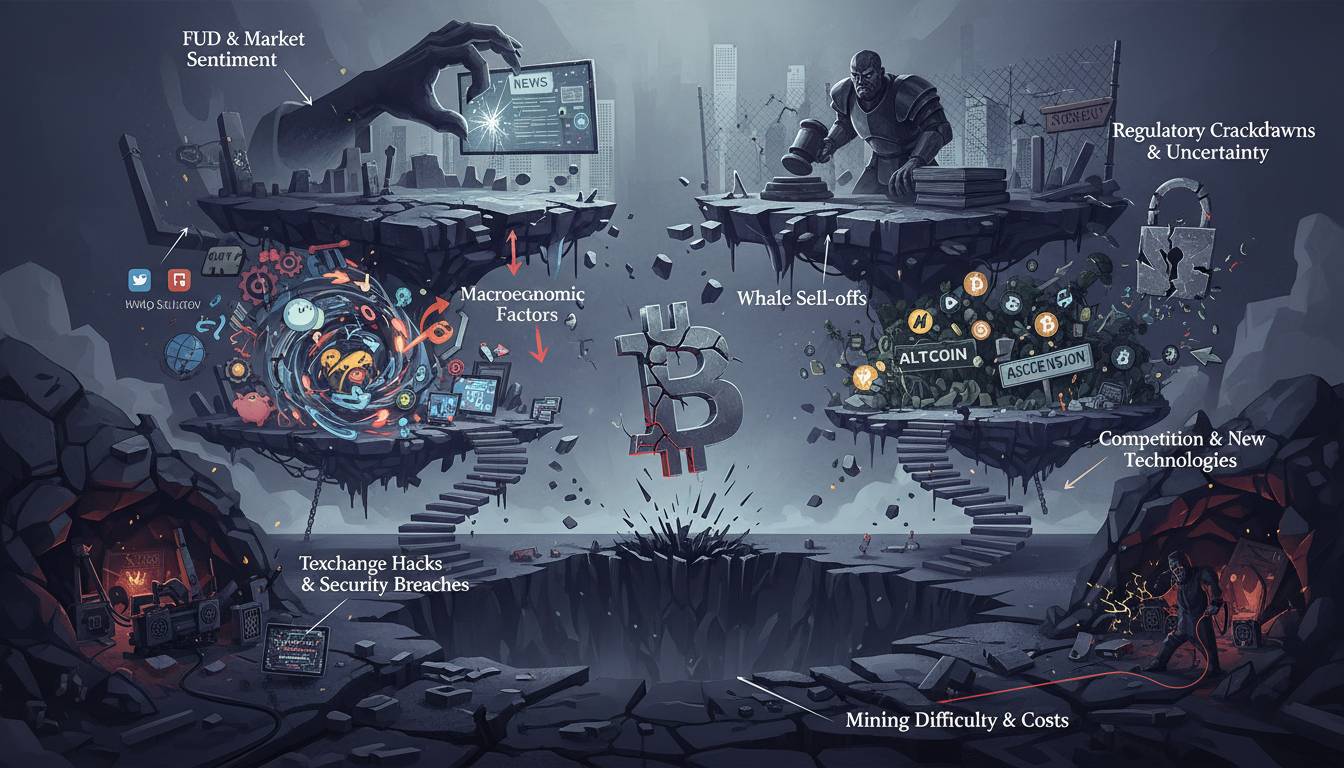
Third, the market is simply different than it was in 2021. Retail participation in crypto has declined meaningfully from the pandemic-era highs. The exchanges that drove much of the retail trading volume—FTX, most notably—are gone or compromised. The next cycle may see less retail-driven momentum and more institutional rotation, which historically hasn’t favored meme coins.
Looking Ahead to 2026
So what would actually push DOGE or SHIB to new ATHs in 2026? The honest answer is that it would likely take a combination of factors—a favorable market cycle, a narrative catalyst (for DOGE, probably Musk-related; for SHIB, probably community-driven), and perhaps some technical progress that addresses the fundamental criticisms of each token. No single catalyst is likely sufficient. But the combination is plausible, if unlikely.
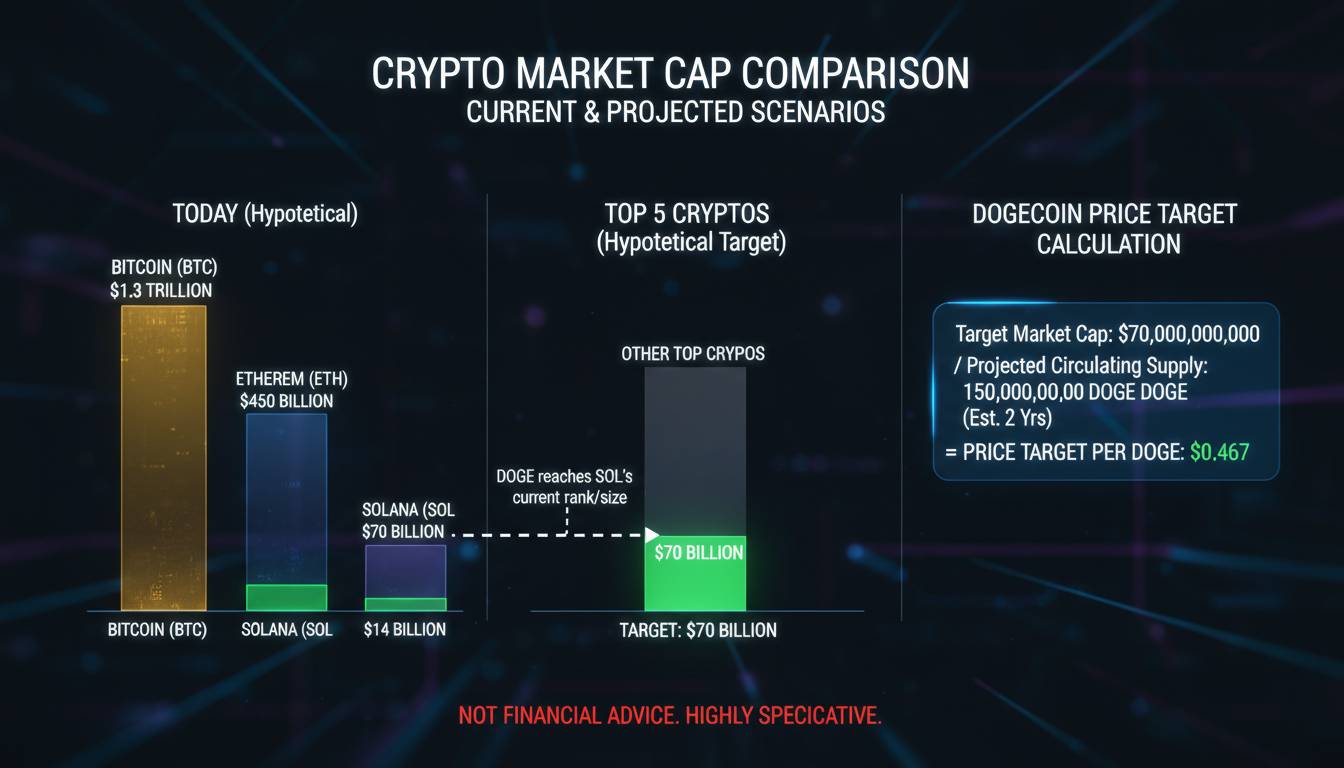
The more uncomfortable truth is that predicting specific price targets for these assets is pointless. We can identify the conditions that would need to exist—we can even assign probabilities to various scenarios—but we’re not dealing with assets that respond to fundamental analysis in any traditional sense. They respond to momentum, to attention, to cultural moments that can’t be forecasted.
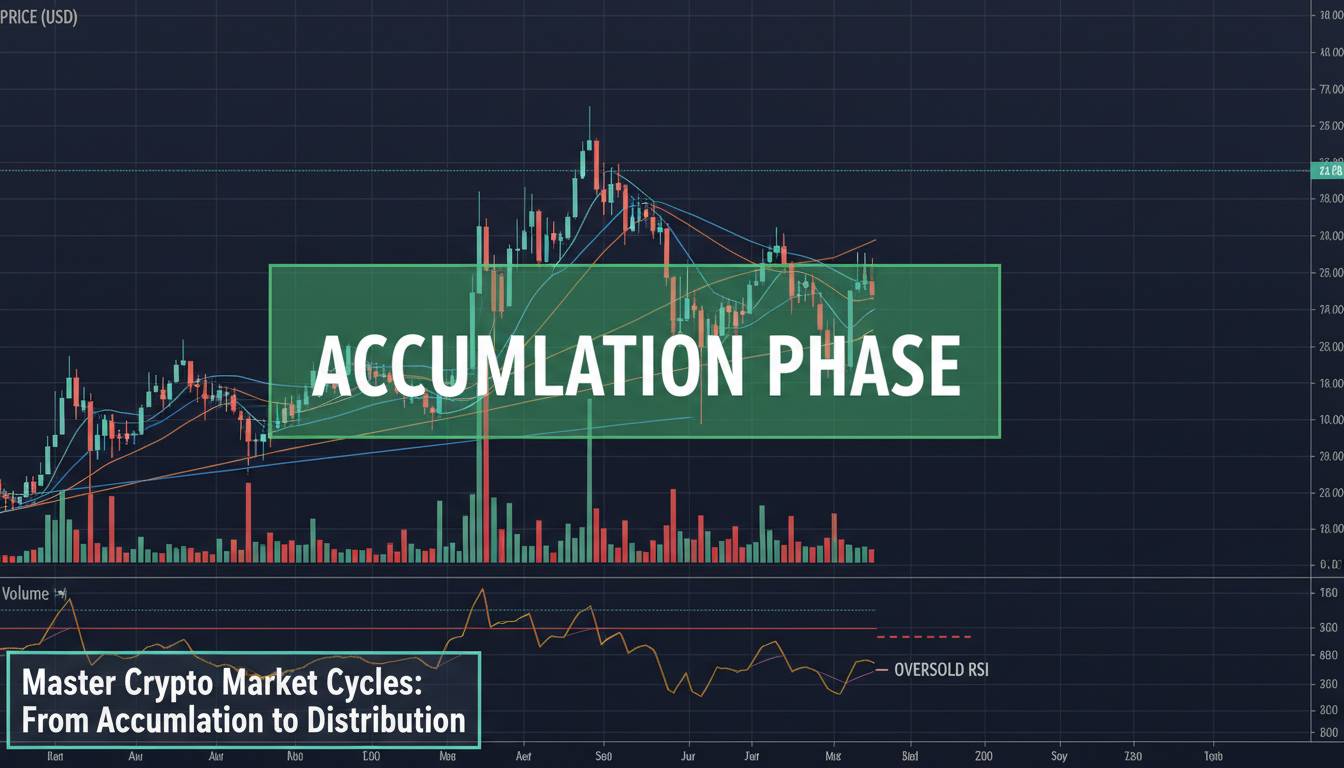
What I can say with more confidence: if either DOGE or SHIB is going to see a new ATH in 2026, we’ll likely see the early signs of it developing in late 2025. The patterns that drove previous moves don’t appear suddenly—they build over weeks or months before the final parabolic move. Whether you’re holding, considering buying, or just watching from the sidelines, the preparation happens before the breakout, not during.
The question isn’t really whether DOGE or SHIB can reach new highs. It’s whether the conditions that would create those highs are ones you believe are likely to materialize—and whether you’ve positioned yourself accordingly. That’s the only question that actually matters.