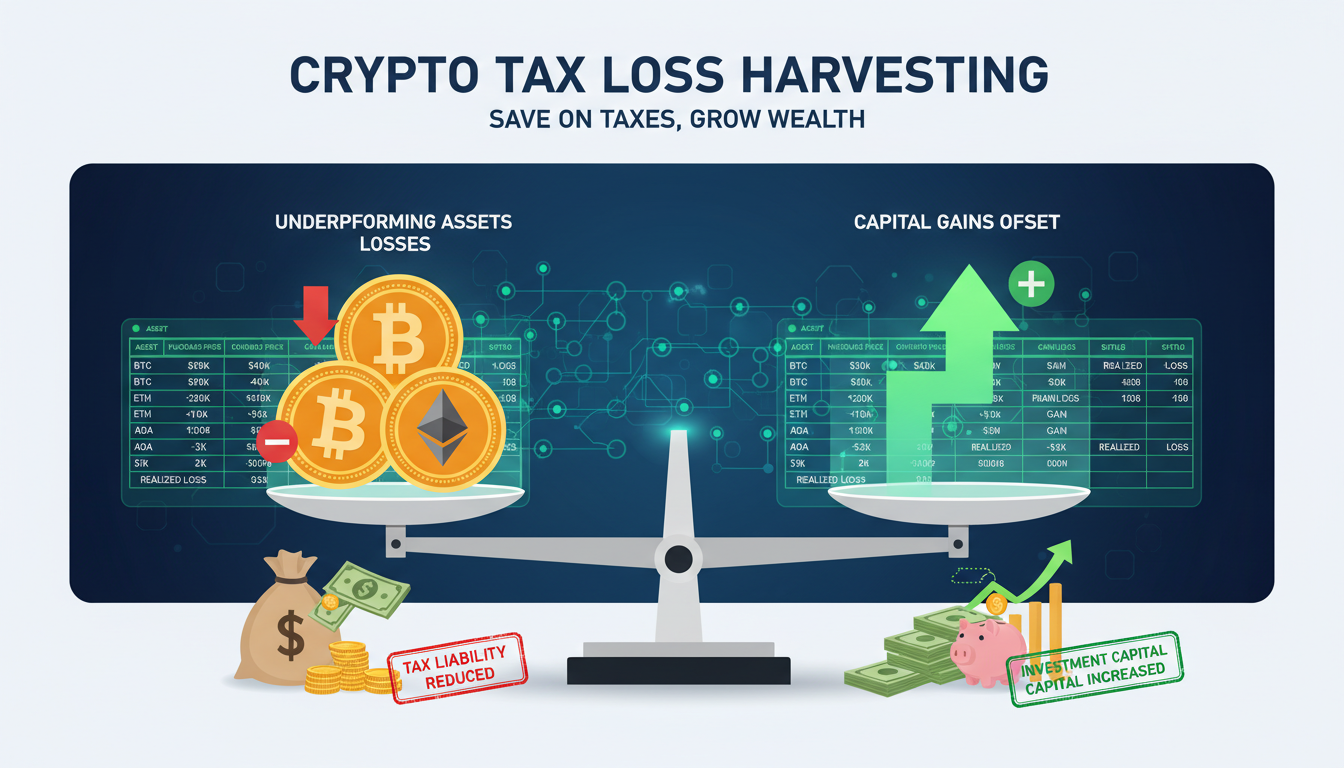
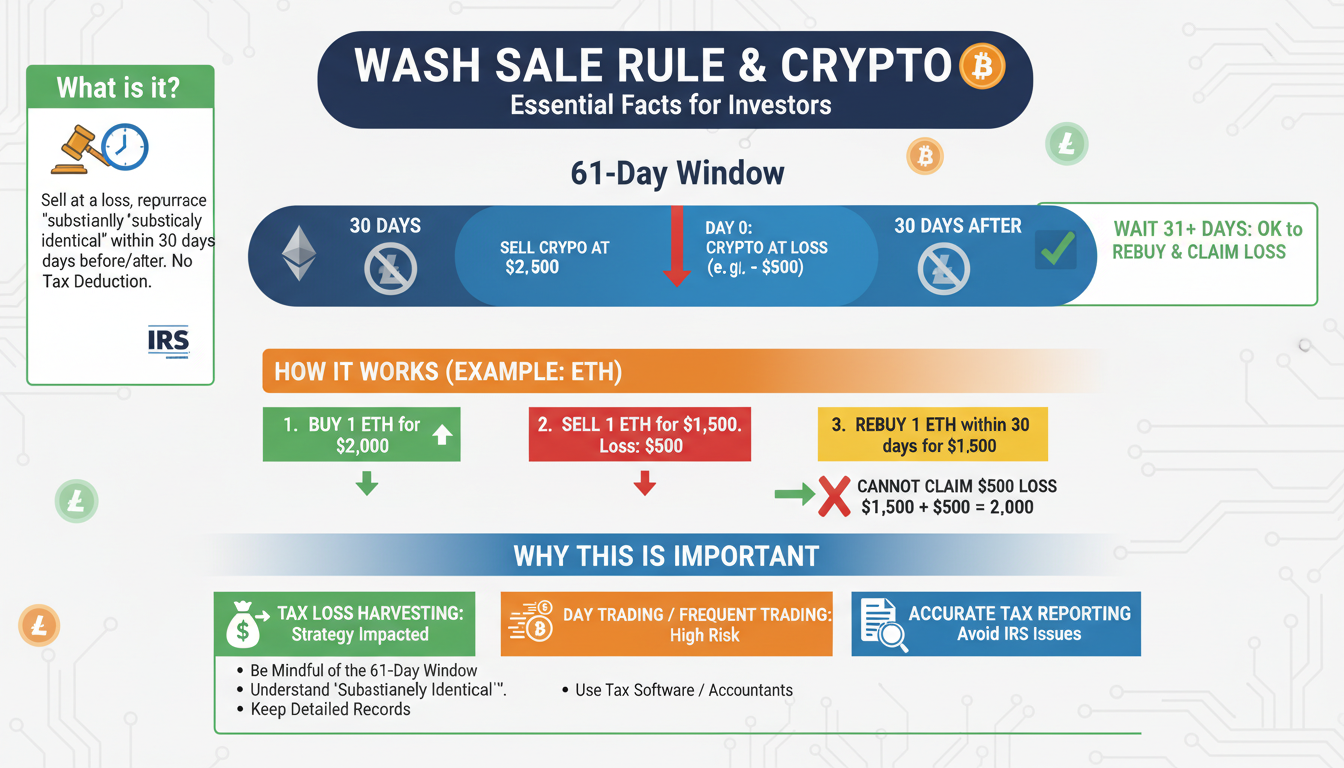
The Wash Sale Rule generally prevents you from claiming tax losses on a security if you buy the same or substantially identical one within 30 days before or after the sale. But here’s the catch: when it comes to cryptocurrency, the IRS hasn’t officially applied this rule—crypto currently falls outside the wash sale restrictions. That means, for now, you can sell a crypto asset at a loss and repurchase it within that 30‑day window without losing that tax write‑off.
It’s a pretty straight answer. The details? Well, they get a little messy, so let’s unpack… with real examples, tax‑savvy insight, and yes, a few quirks that keep this interesting.
Why Crypto Isn’t (Yet) Subject to Wash Sale Rules
Tax law evolves slowly. Traditionally, wash sale rules penalize “substantially identical” stock trades to prevent investors from harvesting tax losses while keeping their risk profile unchanged. Cryptocurrency, however, is specifically excluded under current IRS guidance.
In other words:
- You sell Bitcoin (BTC) at a loss today.
- Then you repurchase it next week.
- The loss still counts—no wash sale penalty applies.
There’s no magical enforcement or loophole here—just a gray area in the rules that crypto falls outside of. Of course, other rules like “constructive sales” might lurk, but the wash‑sale carve‑out remains.
What Investors Are Doing—and What to Consider
Loss Harvesting in Crypto
Some investors take advantage of this gap. They might:
- Sell losing positions near year‑end to offset gains.
- Buy back moments later to stay invested.
It’s efficient, especially given crypto’s volatility. But… rules could change.
Examples That Show the Practical Side
Imagine this scenario:
- You sell Ethereum (ETH) on December 28 at a loss.
- On December 30, you buy it again.
- The loss still deducts—even if you repurchased within 2 days.
That’s wash‑sale‑free territory. But here’s possible trouble—tax authorities could update guidance or pass new laws that change this benefit soon.
The Risk: Proposed Legislation and IRS Signals
Crypto tax rules are on the move. Lawmakers have floated ideas to apply wash sale rules to digital assets. If enacted, you’d lose that repurchase advantage.
This matters: many investors expect a retroactive or forward‑looking change. So while you’re safe today, tomorrow’s landscape could shift—possibly narrowing crypto’s carve‑out.
Beyond this, some IRS publications hint broader tax authority over digital assets. So vigilance is smart. If law shifts after your sale, repurchase could trigger disallowed losses—not good.
Strategies for Tax‑Smart Crypto Moves
Even if rules stay the same, smart planning matters. Here’s a breakdown:
1. Document Everything
Keep detailed timestamps and trade records. That record‑keeping protects you if IRS asks later.
2. Diversify Instead of Rebuying Immediately
Instead of reinvesting the same crypto, consider similar—but not identical—assets. For instance, sell Chainlink (LINK) and buy Polkadot (DOT). That keeps crypto exposure without risking confusion over “substantially identical.”
3. Partial Repurchase Strategy
Repurchase only part of your position to keep some loss realized. It’s a small hedge against abrupt law changes.
4. Stay Alert to Regulatory Shifts
Tax rules do change. Watching for official IRS guidance or proposed legislation can help you adjust strategy before enforcement hits.
Expert Viewpoint
“Right now, crypto investors enjoy a rare loophole that allows loss harvesting without the usual constraints—until lawmakers react. That makes both proactive tax planning and good documentation essential.”
— Tax strategist and blockchain analyst
That sums it up. If legal shifts come, they’ll likely catch many off‑guard, especially those relying heavily on instant repurchases.
Quick Comparison: Crypto vs. Stocks
| Feature | Crypto (Now) | Traditional Stocks |
|———————-|————————|—————————-|
| Wash Sale Rule | Not applied | Strictly enforced |
| Loss Harvesting Flexibility | High | Limited by timing rules |
| Record‑keeping Needed | Essential | Also important |
| Legal Change Risk | Moderate (under watch) | Stable, but can still shift|
Crypto wins for now—more flexibility, more opportunity. But not forever… or maybe not if law changes next year!
Real‑World Scenarios
Scenario A: “Sell and Rebuy Immediately”
– You sell Dogecoin (DOGE) at a loss.
– You repurchase right after at a lower price.
– Loss still counts since crypto isn’t under wash sale coverage.
Scenario B: “Selling One Coin, Buying Another”
– You drop Solana (SOL) at a loss.
– You pick up Cardano (ADA) instead.
– Helps you stay in the market, pivot your risk, and no risk of “substantially identical” confusion.
These everyday moves matter because they show how nuanced tax‑aware investing actually is with digital assets.
Key Takeaways
- Crypto isn’t subject to the wash sale rule—so you can often repurchase quickly and still claim losses.
- That advantage might not last. Lawmakers and IRS updates could close this gap.
- Stay careful: clear records, thoughtful timing, and diversification help mitigate risk.
- Watch for signals—draft regulations, IRS memos, even committee hearings matter here.
- Smart strategies include partial repurchases or shifting into similar assets to preserve deductions while maintaining exposure.
FAQs
What exactly is a wash sale?
A wash sale happens when you sell a security at a loss and buy the same or substantially identical one within 30 days before or after. In traditional markets, that disallows the loss deduction.
Can I wash‑sell crypto and still claim a loss?
Yes—for now. Cryptocurrency falls outside current wash sale rules, so repurchasing within the 61‑day window won’t disqualify your loss.
Should I worry about new tax rules coming?
Yes. Legislators keep an eye on crypto. Proposed changes may bring wash sale rules into the fold, so staying informed is smart.
How can I protect my tax strategy in case rules change?
Keep detailed trade logs. Consider diversifying rather than repurchasing the same asset. Or do partial repurchases to balance risk if law shifts.
Is buying a different coin safe immediately after a loss?
Usually, yes. Buying a non‑substantially identical asset avoids wash sale concerns and keeps market exposure more flexible.
Smart investing means adapting to shifting rules. For now, crypto gives a rare tax‑loss opportunity. But that may change. Stay informed, and plan ahead.