The first trade I ever made in crypto lost me $340 in about fifteen minutes. I bought the top of a pump. Watched the chart bleed red. Exited in a panic. That was seven years ago, and I wish I’d blown up a fake account instead of my actual savings. That’s what paper trading gives you — the brutal education without the brutal cost. If you’re reading this, you’ve probably heard the term thrown around crypto Twitter or seen it buried in exchange menus, and you’re wondering whether it’s actually worth your time. Here’s the honest answer: if you plan to trade crypto with real money at any point, paper trading isn’t optional. It’s the minimum viable preparation.
What Is Paper Trading in Crypto?
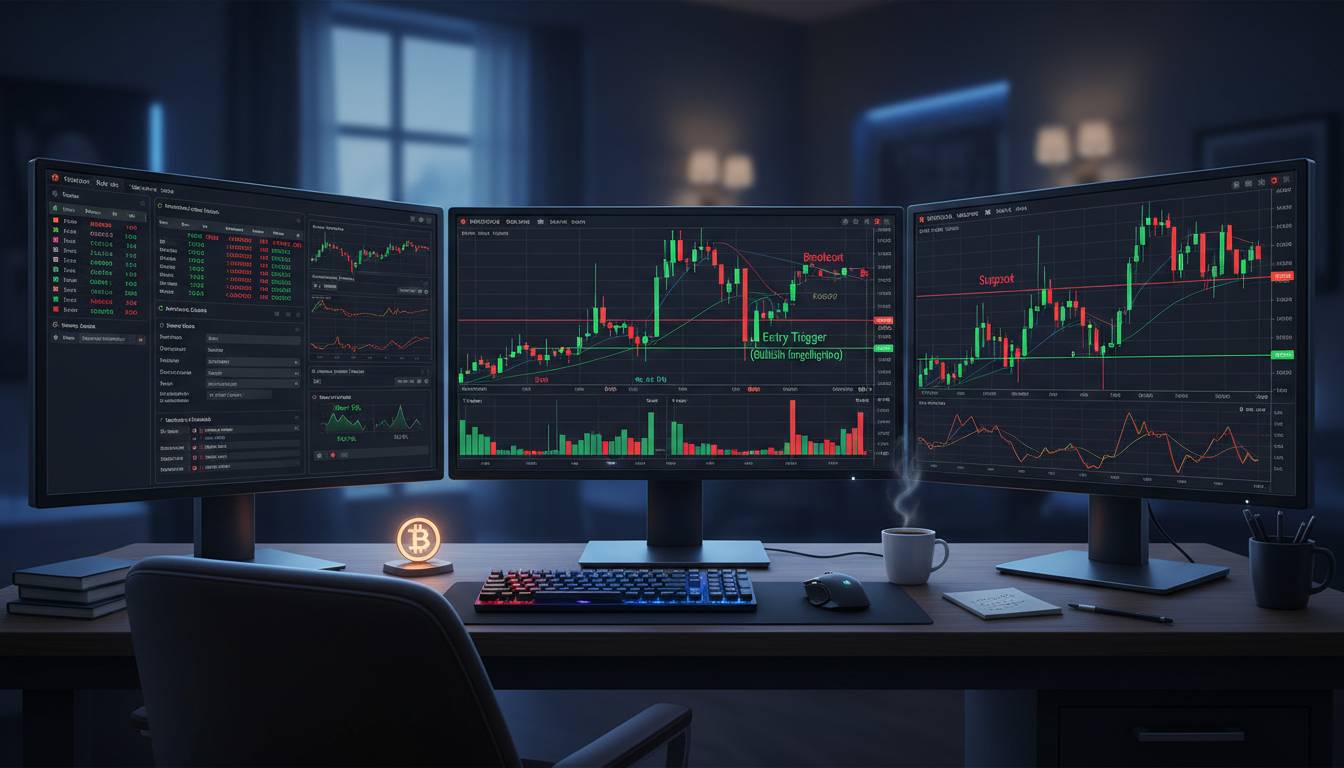
Paper trading is simulated trading. You execute buy and sell orders on a platform using fake money, but the prices are real — or close to it. The term comes from the old days of Wall Street, when traders would write out their hypothetical trades on paper before committing real capital. In crypto, it’s built directly into exchanges and trading platforms, giving you a near-identical interface to what you’d use with real money.
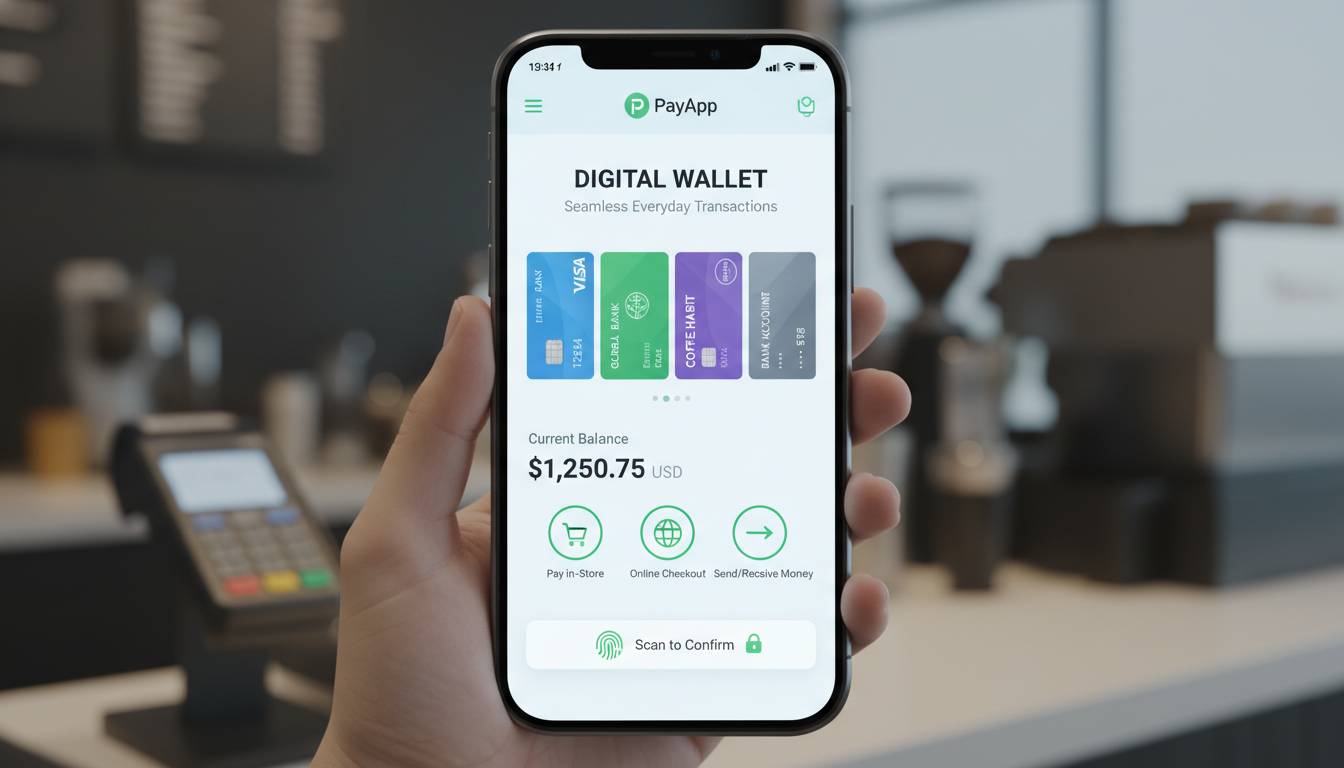
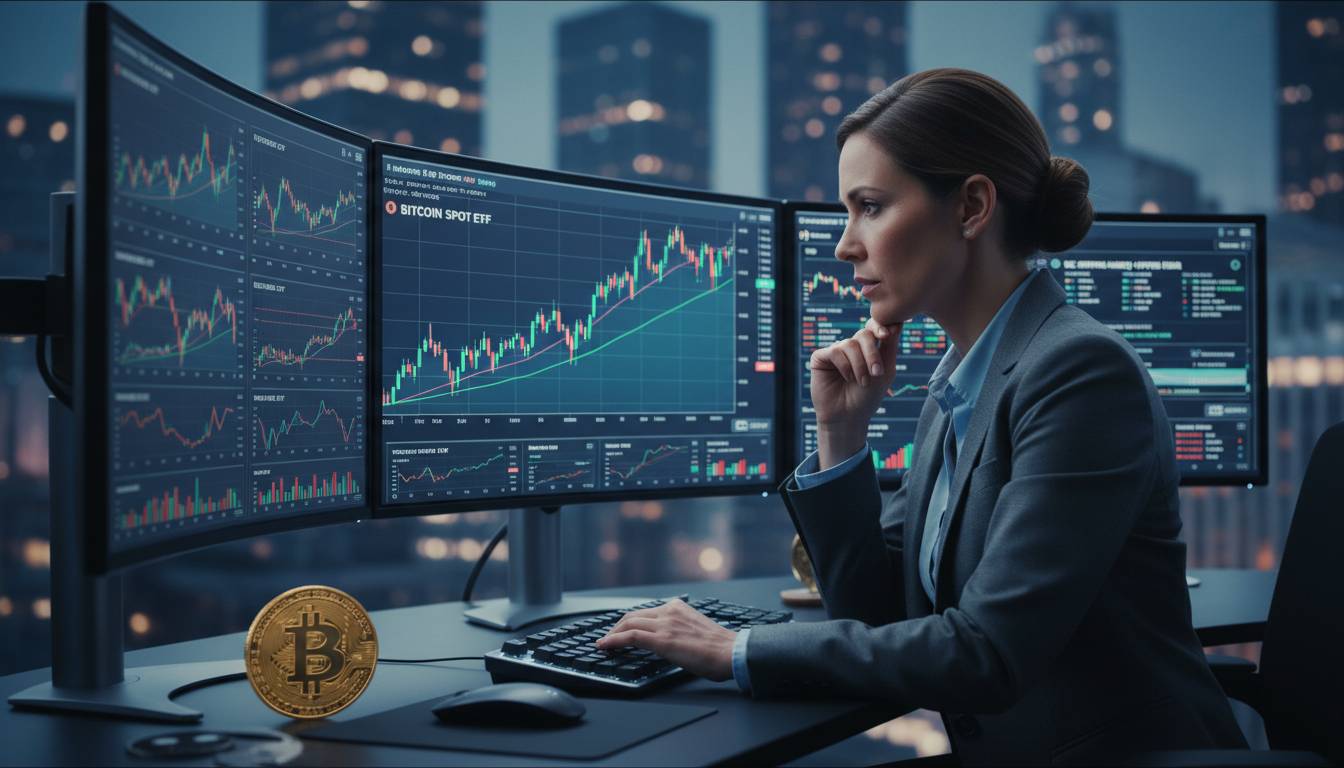
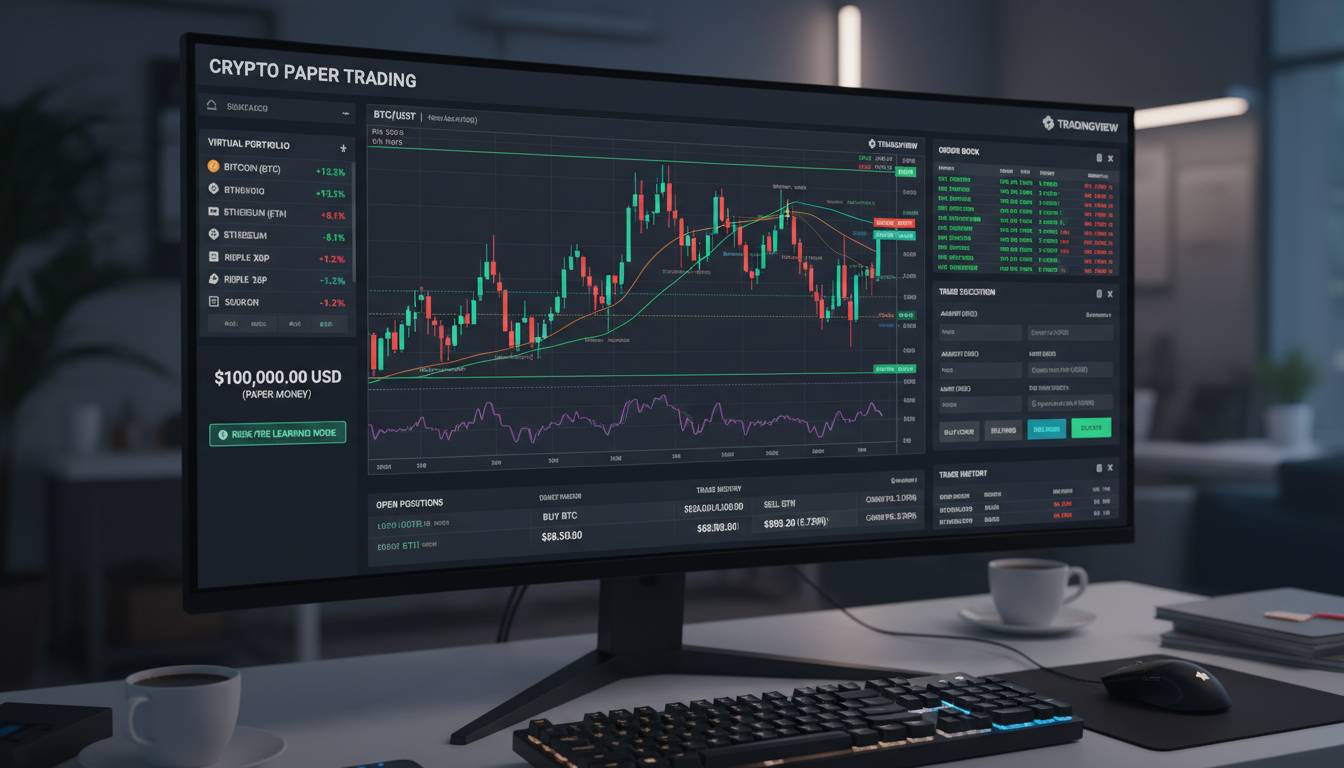
Here’s how it works: you sign up for a paper trading mode on an exchange or use a dedicated simulator, and you’re given a fictional balance — typically anywhere from $10,000 to $100,000 in demo funds. You can trade any pair the platform supports, at real-time market prices. Your profit and loss are tracked in a separate ledger. No actual crypto moves. No actual money changes hands. But your decisions play out exactly as they would in the market, just without the anxiety of watching your rent money evaporate.
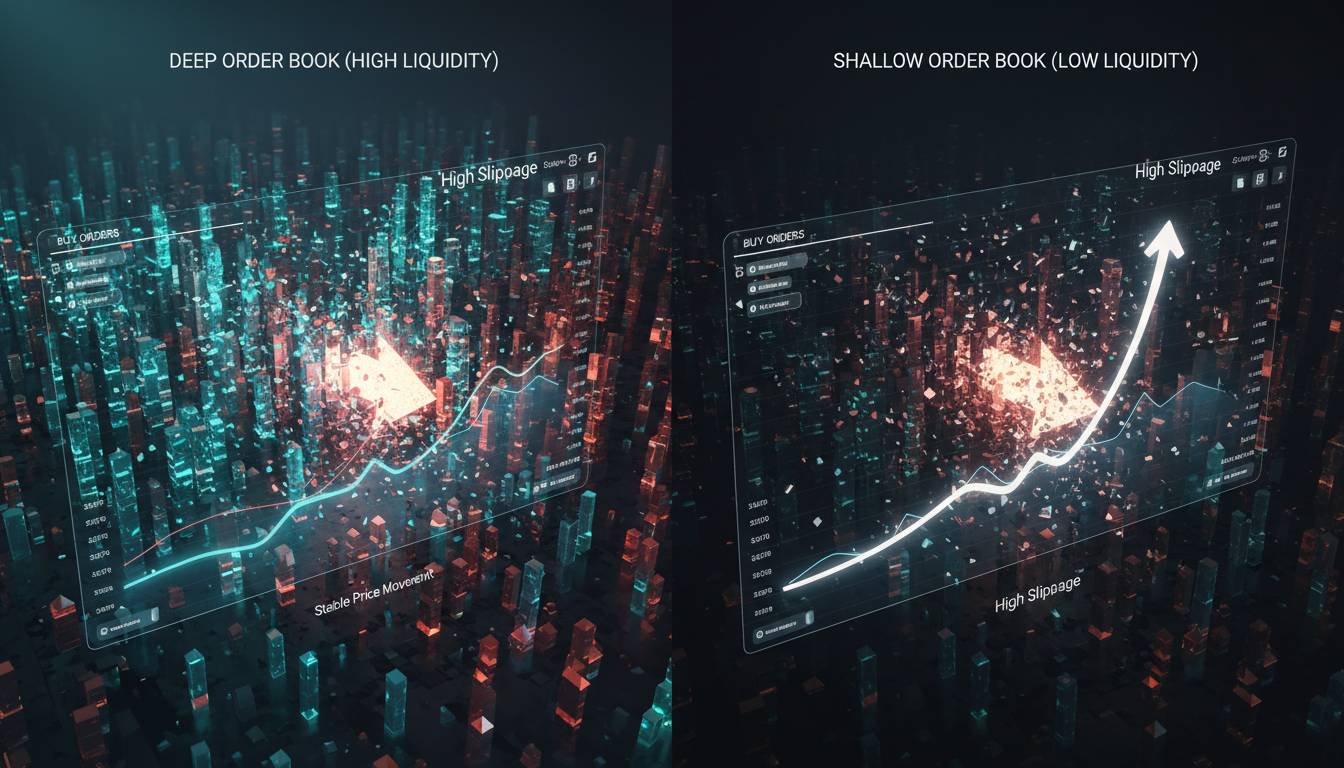
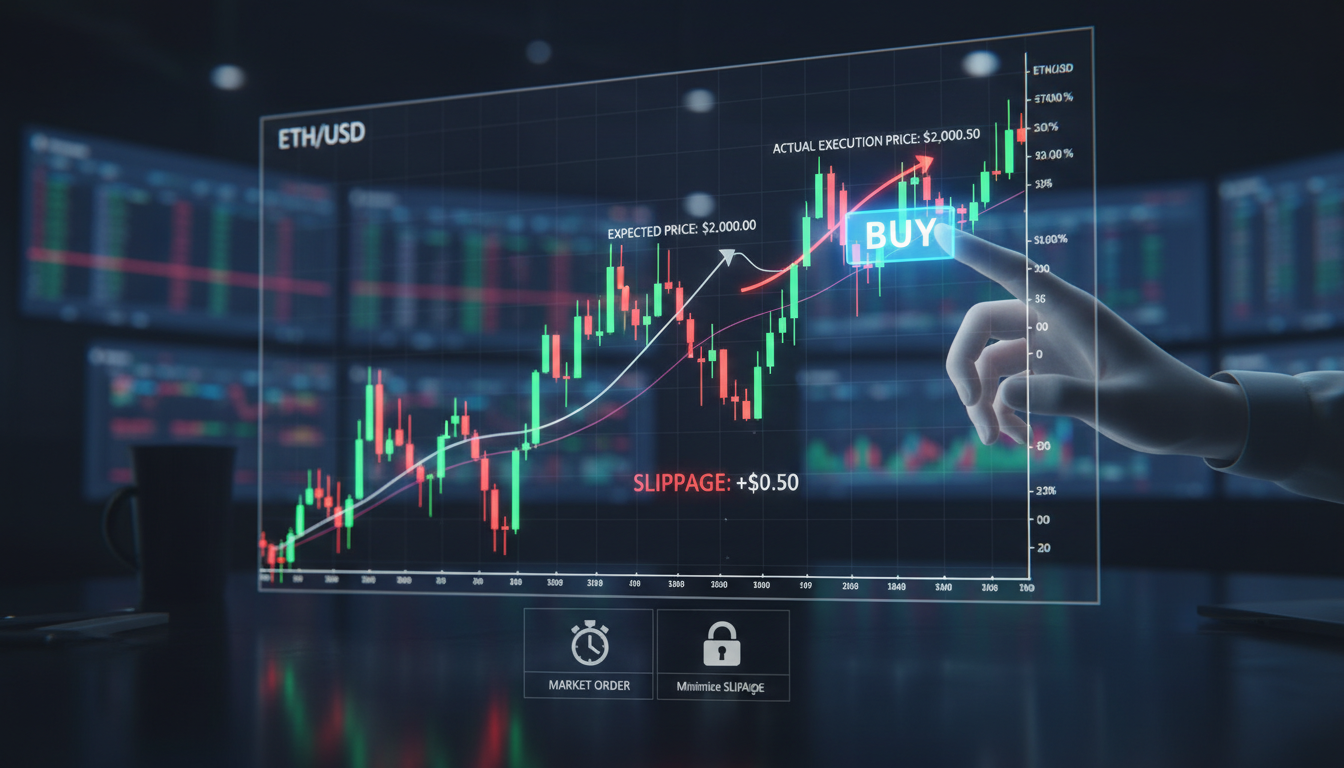
Most simulators don’t fully replicate real trading, though. Slippage, order execution delays, and the psychological weight of real money are all different in simulation. Understanding this gap is what makes paper trading useful instead of just comfortable.
Why Should Beginners Start with Paper Trading?
The case for paper trading comes down to three things: zero financial risk, unlimited learning runway, and the ability to make every mistake once before it costs you.
Zero financial risk is the obvious one, but it’s more valuable than most beginners realize. When you’re trading with real money, the fear of loss activates different cognitive processes than when you’re clicking buttons that don’t matter. That fear leads to emotional decisions — selling at the bottom, FOMO buying at the top, closing profitable positions too early. Paper trading lets you experience the market movements without the fight-or-flight response, which means you can actually think about what you’re doing rather than just reacting.
Unlimited learning runway means you can take as long as you need to understand how markets move. You can backtest strategies over months of historical data. You can paper trade the same market condition multiple times, trying different approaches. In real trading, once a trade is over, it’s over. In paper trading, you can replay scenarios and understand, with the benefit of hindsight, what you should have done differently.
Making mistakes cheaply is where the real value lives. There is no substitute for the experience of watching a leveraged position get liquidated — even if it’s fake money. The emotional memory of that loss stays with you. When you eventually trade with real capital, you’ll recognize the warning signs of over-leverage or poor position sizing because you’ve already felt the pain of going too big. That recognition is worth more than any textbook explanation of risk management.
One thing to watch for: after six months of paper trading, you can develop a false sense of confidence. You’ve made profits without the psychological burden of real stakes, so when you finally deposit money, you trade the same size positions you did in simulation. Then the market moves against you, and real fear kicks in. You freeze or panic-sell. Knowing about this trap helps you avoid it.
Paper Trading vs Real Money Trading
Understanding what paper trading doesn’t replicate is just as important as understanding what it does:
| Aspect | Paper Trading | Real Money Trading |
|---|---|---|
| Psychological pressure | Minimal — fake profits and losses | Significant — actual P&L affects decisions |
| Order execution | Usually instant, no slippage | Can experience slippage, especially in volatile markets |
| Fees | Often waived or simulated | Real trading fees apply, can significantly impact profitability |
| Liquidity considerations | Not simulated | Real orders can move markets or not fill in illiquid pairs |
| Deposit/withdrawal | Not applicable | Requires managing real capital, taxes, transfers |
| Emotional learning | Limited — no real stakes | Full emotional impact — fear, greed, euphoria |
The biggest gap is psychological. Your brain processes hypothetical losses differently than real ones. In paper trading, when a trade goes wrong, you might think “eh, that was a bad call” and move on. When real money is on the line and you’re down 20% in an hour, your hands literally shake. Paper trading can teach you market mechanics, but it cannot fully simulate the emotional gauntlet of real trading. The best paper traders in the world often lose money in their first few months live because the skill set is only partially transferable.
Fees are another difference worth noting. Most paper trading platforms either don’t charge fees or use a simplified fee structure. In real crypto trading, maker-taker fees, withdrawal fees, and spread costs add up. A strategy that looks wildly profitable on paper might break even or lose money once fees are applied. This is why some experienced traders use paper trading to test ideas but always factor in realistic costs when evaluating viability.
Best Platforms for Paper Trading in Crypto
Not all paper trading options are created equal. I’ve tested most of these extensively, and here’s what actually matters: the quality of the price data, the available trading pairs, and whether the interface matches what you’d use when you go live.
Binance offers a dedicated testnet with futures, spot, and options. You need to create a separate testnet account and generate an API key, which takes about three minutes. The interface is identical to their live platform, so if you plan to trade on Binance specifically, this is the most relevant simulator. They updated their testnet in early 2024 to match live market conditions more closely.
Bybit has a robust paper trading mode built directly into their main platform — no separate account needed. You can toggle between paper and real trading with a single click. They offer both spot and derivatives paper trading, and their testnet prices update in real-time. For beginners who want the lowest barrier to entry, Bybit is the easiest recommendation.
TradingView deserves special mention because it’s not an exchange — it’s a charting platform that happens to offer paper trading through its simulated trading feature. If you want to practice technical analysis, TradingView’s charts are the industry standard. Their paper trading integrates with the charts, so you can draw your trendlines and then click buy directly from the chart. This is the best option for traders who want to focus on chart reading rather than exchange mechanics.
Coinrule and Bitsgap offer paper trading as part of their automated trading suites. These are more relevant if you’re interested in trading bots or algorithmic strategies. The paper trading here is functional but secondary to their primary offerings.
Kraken and Coinbase Advanced Trade both offer sandbox or test modes, though they’re less prominently featured than the dedicated testnets on Binance or Bybit. If you’re already committed to those ecosystems, the paper trading exists but requires some digging to find.
One more thing: pick one platform and stick with it long enough to learn its quirks. Jumping between platforms in paper trading teaches you nothing about any of them. Choose the exchange you eventually want to trade on, and learn its interface in simulation.
How to Get Started with Paper Trading
Starting is straightforward, but starting correctly requires a specific approach. Don’t just log in and start clicking random trades. That’s not practice — that’s entertainment.
First, choose your platform. If you don’t know which exchange you’ll eventually use, pick one with a strong paper trading feature — Binance or Bybit are the safest defaults. Create your account, navigate to the paper trading or testnet section, and record your starting balance somewhere. It doesn’t matter if they give you $10,000 or $100,000 — what matters is you know exactly where you started.
Second, define your trading thesis before you make a single trade. Are you learning technical analysis? Testing a specific strategy you read about? Practicing risk management? Without a clear purpose, you’ll just randomly trade and call it experience. That’s not useful. Write down what you’re trying to learn and keep this document visible while you trade.
Third, treat every paper trade like it has real consequences. This is the hardest part. Don’t size up to $50,000 because “it doesn’t matter.” If you wouldn’t trade that size with real money, don’t trade it in simulation. The point isn’t just to make profits — it’s to build habits that transfer to live trading. Position sizing, stop loss placement, and exit planning should be identical between paper and live.
Fourth, keep a trading journal from day one. Document every trade: entry price, reason for entry, position size, stop loss, take profit, and outcome. Note your emotional state before and after. This discipline is what separates traders who improve from traders who just accumulate experience. Without a journal, you have no data to review. You have opinions, which are worthless in trading.
Finally, set a time limit. Three to six months is the sweet spot. Long enough to see different market conditions — bull runs, bear markets, choppy sideways action. Not so long that you develop the false confidence I described earlier. When your time is up, evaluate your results honestly. If you’re profitable, you might be ready to start with very small real capital. If you’re not, figure out why before you touch real money.
Common Mistakes to Avoid
Here’s what I see beginners doing in paper trading that completely undermines the purpose.
Trading too frequently. Some beginners treat paper trading like a video game and click buy and sell dozens of times per day. This builds terrible habits — overtrading, chasing action, and destroying capital in fees. Quality over quantity. If you’re making more than a few trades per week in paper trading, you’re probably not thinking enough about each one.
Ignoring fees. Most paper trading platforms don’t charge commissions, so beginners develop strategies that would be unprofitable in the real world. Always run your paper trading returns through a fee calculator. Assume a reasonable maker-taker fee schedule — 0.1% to 0.2% per trade is typical for major exchanges. If your strategy barely breaks even without fees, it will lose money with them.
Not using stop losses. Paper trading without stop losses teaches you nothing about managing risk. You might hold through massive drawdowns because “it’ll come back,” and in a paper account, it eventually does. In real markets, it doesn’t always come back. Practice exiting positions when they’re wrong. That’s the skill that saves accounts.
Chasing unrealistic returns. If your paper trading strategy shows 500% returns in three months, it’s not a strategy — it’s luck or gambling. The goal of paper trading is to find approaches that are sustainable, not to hit a massive score with leverage. Real trading is a marathon. If your paper returns look too good to be true, they probably are.
Staying in paper trading forever. There’s a subset of traders who never go live because they’re afraid. Paper trading becomes a comfortable holding pattern where no real money is at risk, so no real growth happens either. At some point, you have to make the jump. The transition from paper to real should be gradual — start with amounts that genuinely don’t keep you up at night.
Conclusion
Paper trading isn’t a magic bullet. It won’t make you profitable automatically, and it won’t fully prepare you for the psychological weight of real money. But it is the single highest-leverage thing you can do before risking your first dollar in crypto markets. You can learn to read charts, test strategies, make every mistake imaginable, and build the foundation of discipline — all without risking a single satoshi of your own capital.
The traders who fail most spectacularly are usually the ones who skipped this step. They heard a story about someone who turned $100 into a million, downloaded an app, and started gambling. Paper trading won’t make you that person, but it will make you a person who understands what they’re actually doing before they do it with money that matters.
Start your paper trading account this week. Journal every trade. Stay for three to six months. Then, when you eventually go live, you’ll at least lose money because markets are unpredictable — not because you didn’t know what you were doing.