
What Would It Take for Dogecoin to Reach $1?
Anyone telling you they know exactly what it will take for Dogecoin to hit $1 is selling you something. What I can offer instead is a framework for thinking through the question systematically—pulling apart the mathematics, the market dynamics, and the real-world conditions that would need to align. The numbers tell a straightforward story, but the path from here to there is anything but simple.
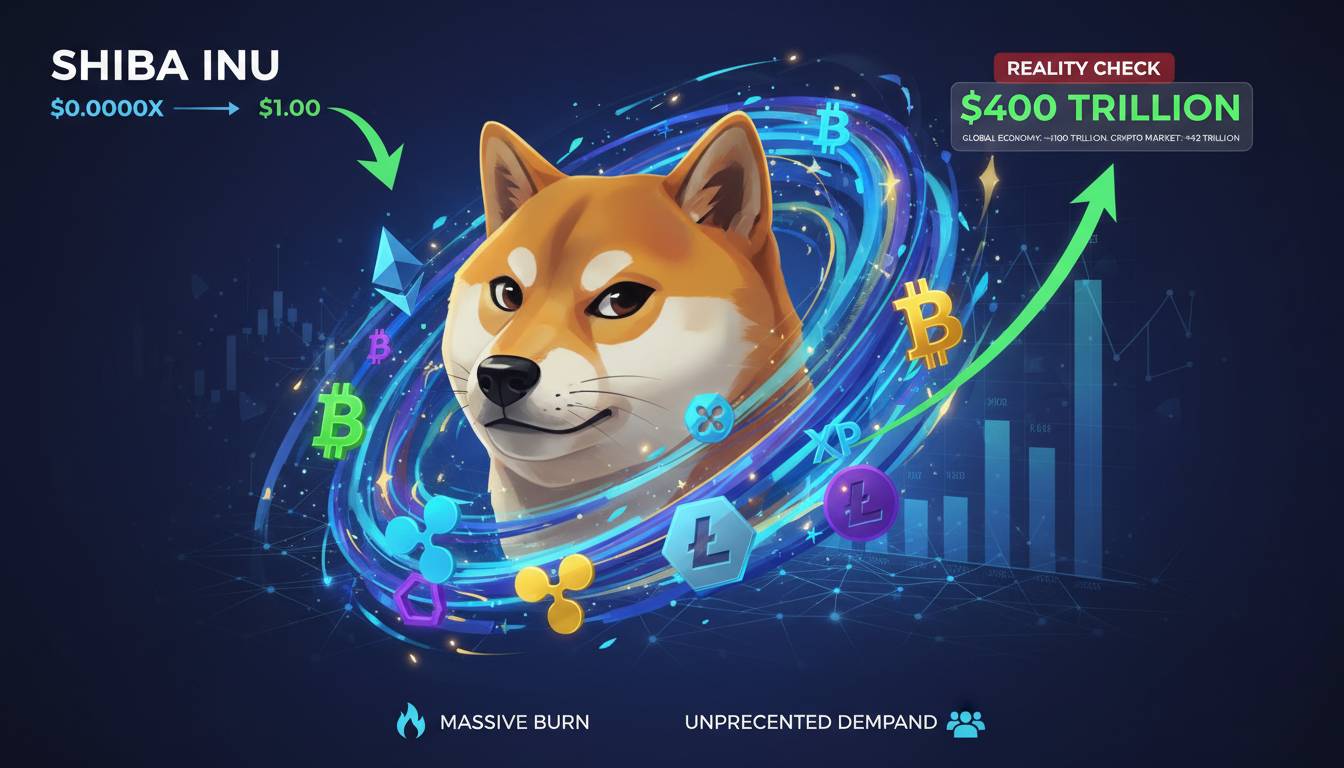
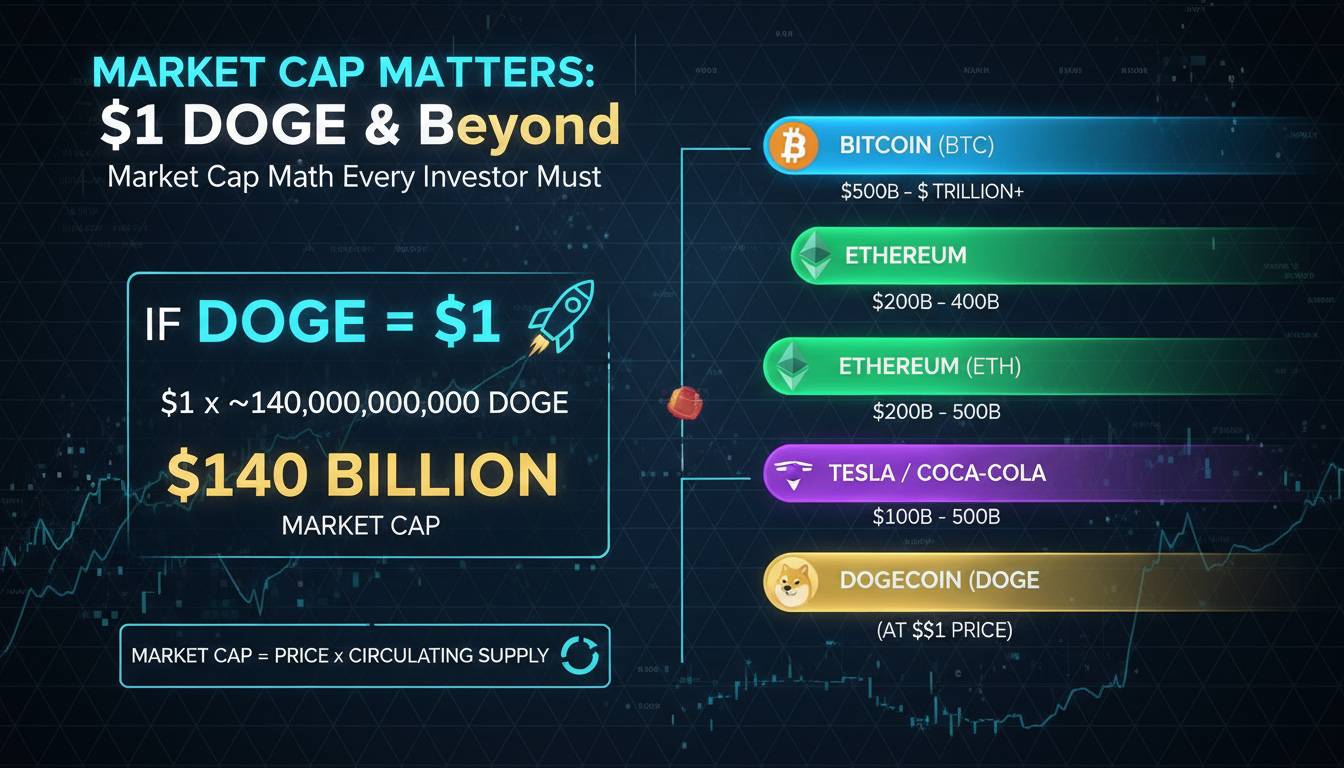
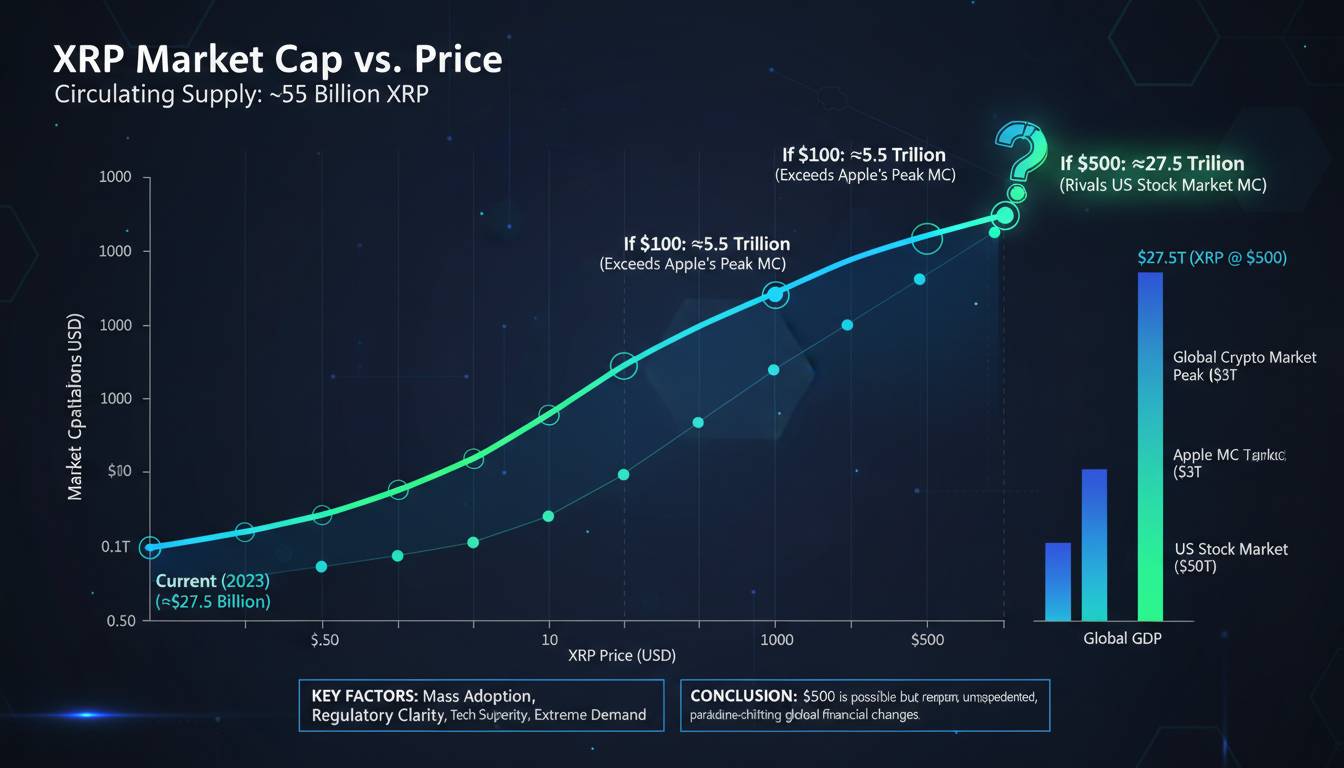
At its core, Dogecoin reaching $1 means achieving a market capitalization of roughly $148 billion, based on its current circulating supply of approximately 148 billion coins. That figure alone should frame the entire conversation. To put $148 billion in perspective: it would make Dogecoin larger than most S&P 500 companies, roughly 12% the size of Bitcoin’s market cap, and about 42% of Ethereum’s. These comparisons matter because they anchor the discussion in reality rather than speculation.
Let me be direct about what $1 actually represents. Dogecoin’s supply is not fixed like Bitcoin’s—it releases additional coins continuously through block rewards. As of early 2025, the network produces roughly 5.2 billion new DOGE annually through mining rewards. This inflationary model is fundamentally different from the scarcity narratives that drive Bitcoin and, to a lesser extent, Ethereum.
At $1, Dogecoin would need to absorb $148 billion in market value. To understand what this requires, consider the velocity of money in crypto markets and the practical liquidity constraints. A coin with $148 billion in market cap needs substantial trading volume to maintain that valuation without constant upward pressure. In practice, reaching and sustaining $1 would require not just new buyers entering the market but a structural shift in how Dogecoin is held and used.
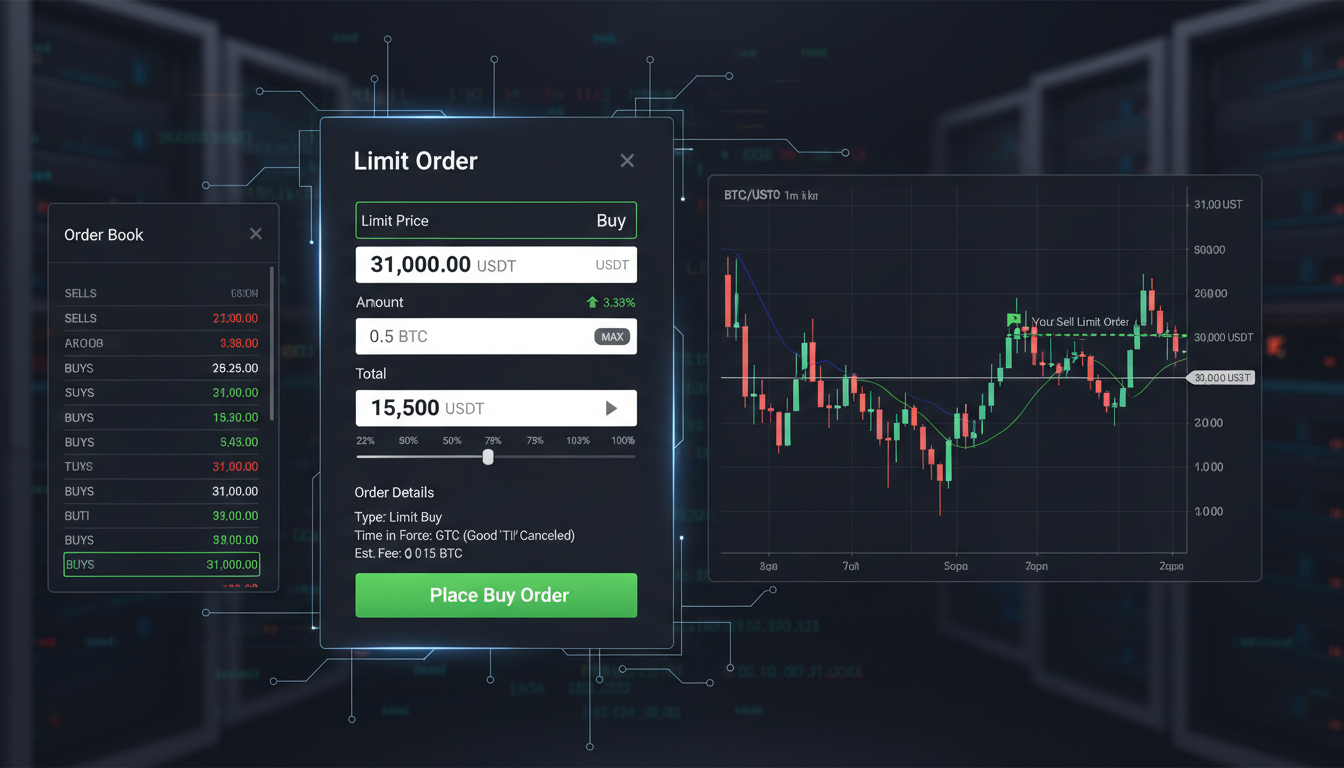
The honest assessment from a market mechanics standpoint is this: $1 is not mathematically impossible, but it requires a fundamental transformation in Dogecoin’s role in the broader crypto ecosystem. It cannot happen through retail speculation alone. The order books simply aren’t deep enough to absorb that much new capital without creating massive volatility that would shake out most participants.
Supply Dynamics and the Inflation Challenge
Dogecoin’s inflationary tokenomics are often hand-waved away by supporters who point to its fixed annual emission rate. Yes, the 5% annual inflation is technically declining in percentage terms as the total supply grows. No, that does not make it negligible for price discovery.
Here’s what happens in practice: every time Dogecoin rallies, miners are incentivized to hold rather than sell newly minted coins, which creates temporary supply squeezes. But when price momentum fades, the constant stream of new supply acts as a persistent headwind. Compare this to Bitcoin’s quadrennial halvings that mechanically reduce new supply entering the market. Dogecoin has no equivalent mechanism.
The Dogecoin Foundation has explored various proposals over the years, including burn mechanisms and supply caps, but none have been implemented. I should note that introducing a supply cap would require broad consensus from validators and miners—a coordination challenge that has stymied similar efforts in other chains. Without some form of supply constraint, the mathematical burden on price appreciation grows heavier over time.
This is where my opinion becomes concrete: I do not see a credible path to $1 without addressing the supply dynamics in some meaningful way. The market may eventually price in a theoretical cap or burn mechanism if one is proposed and adopted, but as things stand today, the supply side of the equation works against the bulls.
Major Merchant Adoption as a Catalyst
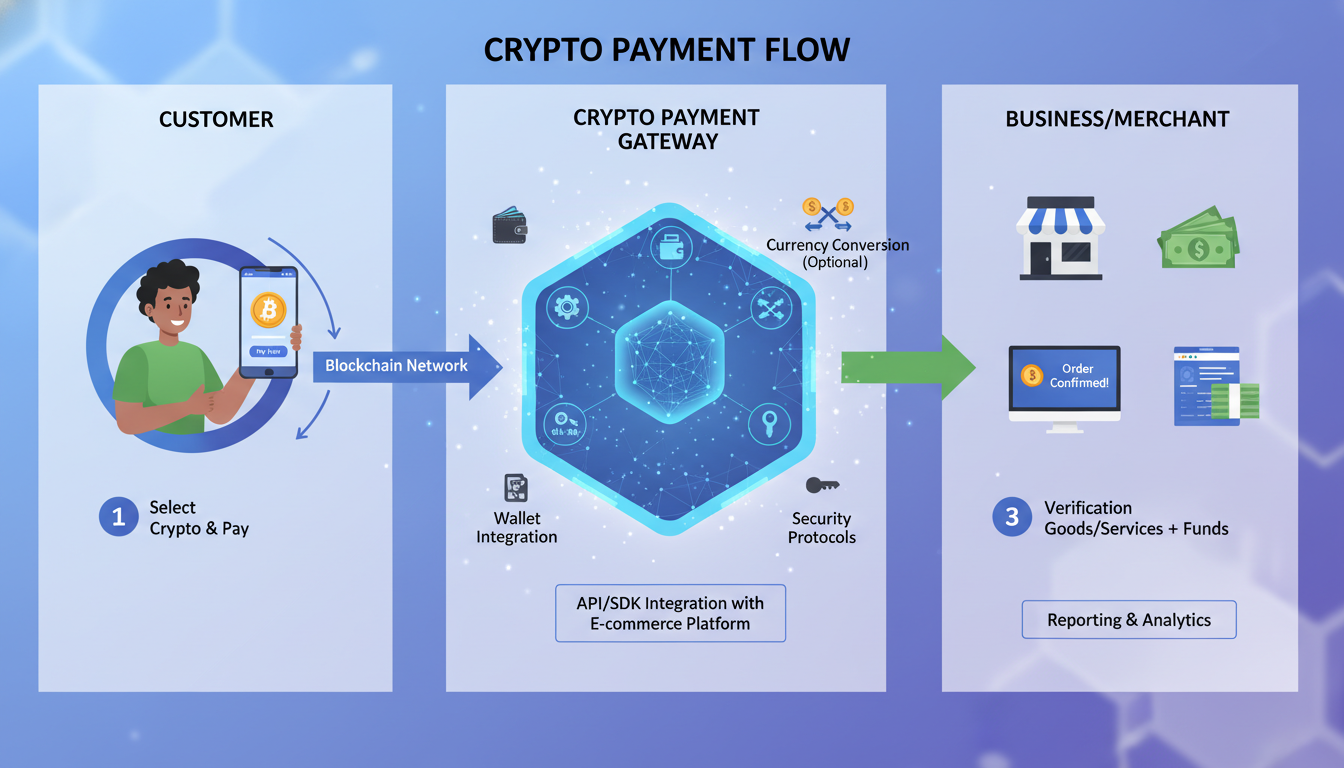
The most straightforward path to $1 runs through actual economic utility. If major retailers began accepting Dogecoin as payment at scale, the demand dynamics would shift meaningfully. We’re not talking about a few innovative companies experimenting with crypto payments—we need the kind of adoption that creates recurring demand cycles.
Consider what happened when Tesla briefly accepted Bitcoin as payment in early 2021. The announcement alone moved markets significantly, even though the actual transaction volume was minimal. Now imagine a scenario where Amazon, Walmart, or a major payment processor like Stripe integrated Dogecoin natively. The signaling effect alone would be substantial, but the real impact would come from sustained on-ramps that convert merchant revenue into DOGE holdings.
The practical barriers here are significant. Merchant adoption requires payment infrastructure that handles crypto volatility, settlement speed, and conversion to fiat. Most retailers today prefer to convert crypto payments to fiat immediately rather than hold volatile assets on their balance sheets. For Dogecoin to drive sustained buying pressure, the ecosystem needs more than acceptance—it needs payment processors willing to hold DOGE as part of their treasury operations.
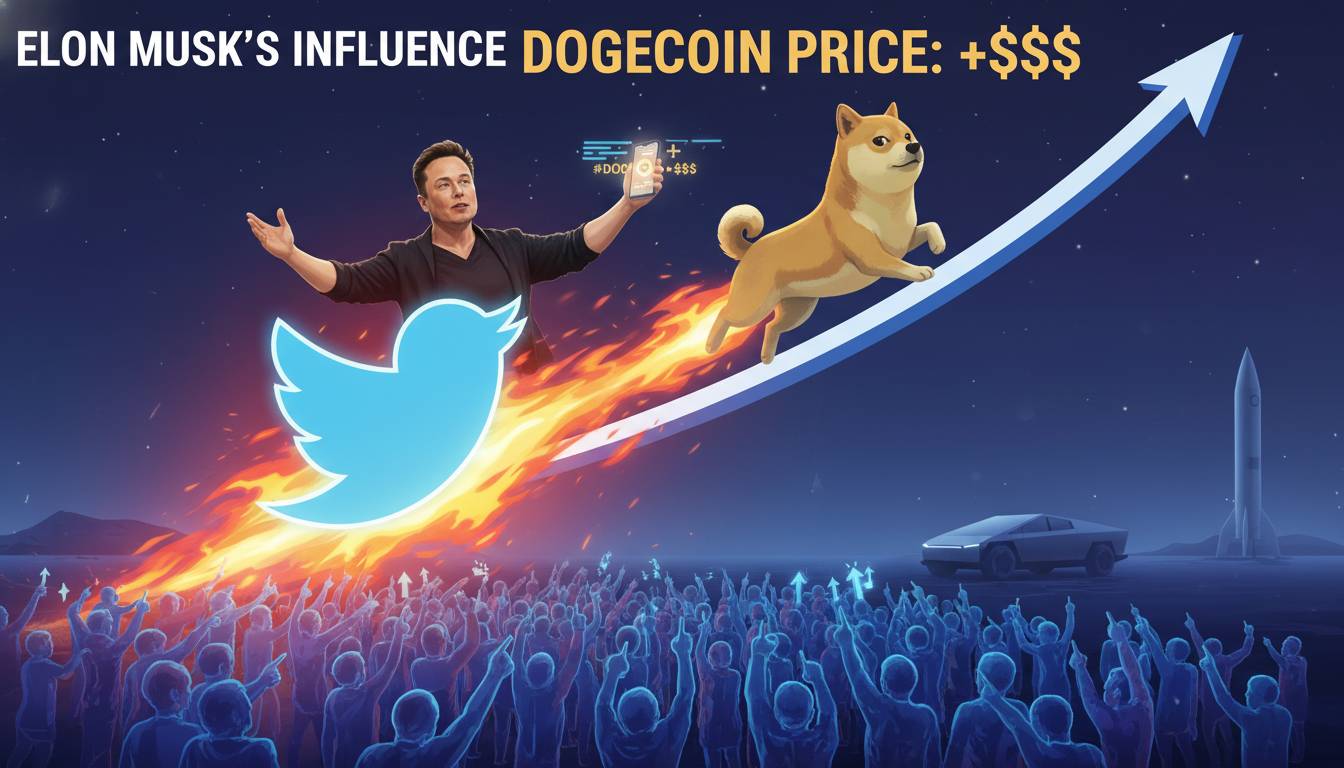
X (formerly Twitter) provides an interesting case study. When Elon Musk’s platform integrated crypto tipping and later considered Dogecoin payments for premium subscriptions, it moved the needle on sentiment. But the actual on-chain impact was modest. What matters for the $1 scenario is not headlines but the establishment of permanent, high-volume payment corridors that create ongoing demand.
Institutional Investment Requires Infrastructure
Many analysts point to institutional adoption as the key catalyst for Dogecoin reaching $1. They’re not wrong, but they’re missing the prerequisite: institutional-grade infrastructure barely exists for DOGE.
Compare Dogecoin’s institutional ecosystem to what’s available for Bitcoin and Ethereum. Grayscale offers a Dogecoin trust, but it trades at significant premiums to NAV and lacks the liquidity of its Bitcoin counterpart. Futures markets exist but with limited open interest. Custody solutions specifically designed for Dogecoin are sparse compared to the robust offerings now available for major cryptocurrencies.
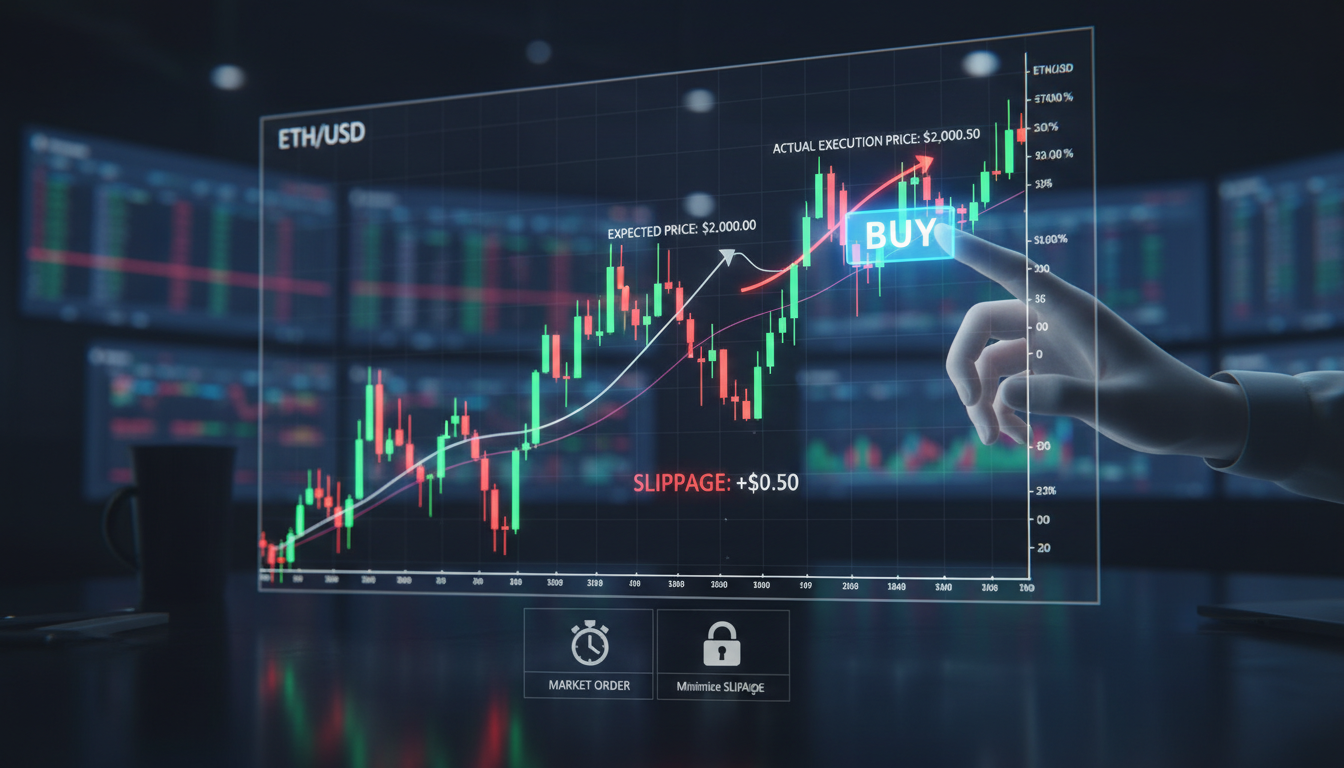
For institutions to allocate meaningful capital to Dogecoin, they need regulated investment vehicles with proper custody, transparent pricing, and sufficient liquidity to absorb large orders without slippage. The absence of these products is not an insurmountable barrier—they can be built—but it represents a multi-year timeline even under optimistic assumptions.
Additionally, institutional allocation decisions typically involve governance frameworks that penalize assets with weak fundamentals narratives. Dogecoin’s meme origins and inflationary supply make it a harder sell to institutional allocation committees than Bitcoin or Ethereum, regardless of potential returns. This is not a perception problem that marketing can fix; it is a structural headwind that requires either changed tokenomics or a dramatic shift in how the asset is perceived by the investment community.
Network Effects and the Social Layer
Dogecoin’s greatest competitive advantage is its community. The network effect that surrounded Dogecoin in 2021—driven by viral social media momentum, celebrity endorsements, and a sense of participatory ownership—created price appreciation that exceeded what fundamentals could explain. Understanding this dynamic is essential for evaluating the $1 case.
The Dogecoin subreddit r/dogecoin has millions of members who actively promote the coin and contribute to its ecosystem. This organic enthusiasm has sustained network activity through bear markets and represents a moat that competitors cannot easily replicate. When DOGE pumps, it tends to attract attention that spills over into new user acquisitions and on-chain activity.
The limitation of this social-layer advantage is its unpredictability. Momentum-driven rallies are notoriously difficult to sustain at the levels required for $1. The 2021 Dogecoin rally was a perfect storm of pandemic-era stimulus money, crypto euphoria, and viral social media dynamics. Recreating those conditions requires either another unprecedented market cycle or a fundamental utility breakthrough that transforms DOGE from a speculative asset into an economic necessity.
Blockchain Utility and Real-World Use Cases
The most compelling bull case for Dogecoin at $1 involves actual blockchain utility that generates consistent demand. Several projects have attempted to build on Dogecoin’s Layer 1, including NFT platforms and decentralized finance protocols, but none have achieved meaningful traction.
The technical reality is that Dogecoin was not designed for complex smart contract functionality. It is a payment-focused blockchain with faster block times than Bitcoin and lower transaction fees than Ethereum during congestion. These characteristics make it genuinely useful for microtransactions, tipping, and small-value transfers—use cases that matter in emerging markets where banking infrastructure is limited.
The key insight here is that utility-driven demand operates differently than speculation-driven demand. When people use Dogecoin because it solves a practical payment problem, they tend to hold balances rather than trading actively. This creates sustainable demand that does not require constant new entrants to maintain price levels.
For this to drive Dogecoin to $1, adoption would need to reach a scale where Dogecoin becomes a de facto payment standard in specific regions or use cases. This is not impossible—payment networks historically exhibit strong winner-take-most dynamics—but it requires years of ecosystem development and merchant onboarding that has not yet materialized.
The Timeline Question: Realistic Scenarios
Given all these factors, what timeline makes sense for the $1 target?
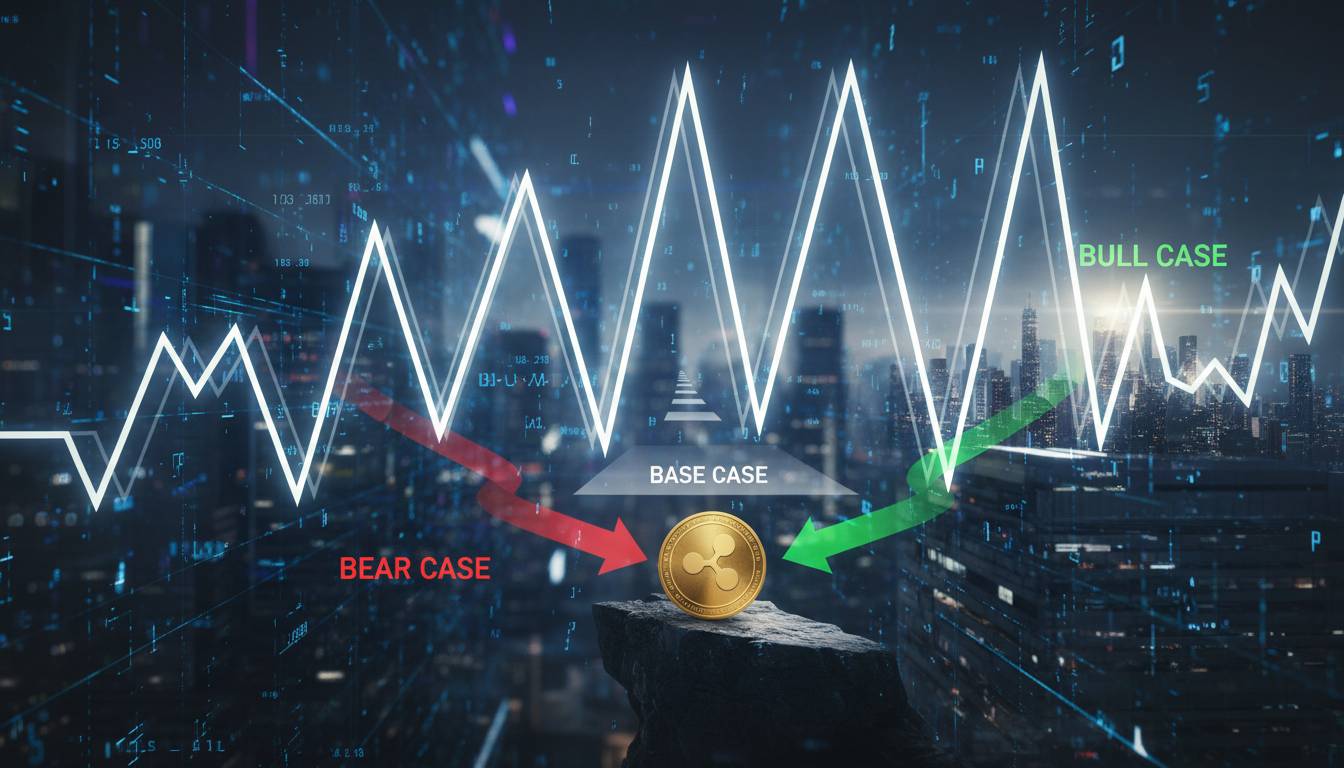
The bullish scenario—and I want to be clear this is a tail-case rather than a base case—would require either major merchant adoption announcements from household-name companies or a cryptocurrency supercycle that lifts all boats to unprecedented levels. Even in a massive bull market, $1 would represent roughly a 15x move from early 2025 price levels, requiring both new capital inflows and sustained conviction. The earliest this could materialize, in my assessment, is the latter half of 2026 or 2027, assuming favorable market conditions.
The base case scenario suggests $1 remains elusive without fundamental changes to Dogecoin’s tokenomics or utility profile. In this scenario, Dogecoin continues to trade as a speculative asset with strong community support but limited growth in real economic use cases. Prices might reach $0.30-$0.50 in the next major bull cycle, but $1 requires something more.
The bear case is worth acknowledging: Dogecoin could fade as a relevant cryptocurrency if competitors capture payment utility or if the broader crypto market contracts significantly. The absence of a supply cap makes Dogecoin vulnerable to being displaced by newer, technically superior assets with better monetary policy.
The Counterintuitive Reality
Here’s where I diverge from most coverage of this topic: I think the Dogecoin community’s attachment to the “$1 dream” may actually hinder the coin’s long-term development.
When a community is fixated on a specific price target, it optimizes for price action rather than utility development. Resources that could go toward building payment infrastructure, merchant partnerships, and technical improvements instead flow toward social media campaigns and influencer outreach. The result is a price that periodically spikes on sentiment but fails to establish the fundamental foundation needed for sustained growth.
What would actually serve Dogecoin better than $1? A credible path to sustainable utility adoption that creates organic demand. Even if Dogecoin never reaches $1, establishing genuine payment use cases would provide price support that is far more resilient than momentum-driven rallies.
This is not a popular opinion in the Dogecoin community, and I understand why. The inclusive, fun-loving culture around DOGE is part of its appeal. But I believe the honest analysis shows that the $1 target requires either a market-wide paradigm shift or fundamental changes to Dogecoin itself—neither of which is currently in progress.
Conclusion
Dogecoin reaching $1 would require a market capitalization roughly 40% the size of Ethereum’s. The path to get there demands either unprecedented speculative demand or the emergence of genuine economic utility at scale. Neither is impossible, but neither is currently visible in the data.
The more productive question may not be whether Dogecoin can reach $1, but what would need to be true for it to get there—and whether those conditions are actually achievable. If you’re evaluating Dogecoin as an investment, the honest answer is that $1 is a theoretical possibility but not a base-case expectation. The conditions required for that target are substantial and would represent a fundamental transformation in how the cryptocurrency is used and valued.
What I can say with confidence is this: the market will reveal whether Dogecoin’s utility story develops. Watch merchant adoption announcements, institutional product launches, and on-chain usage metrics. Those are the signals that matter—not price targets set by viral enthusiasm.