
Why Q1–Q2 2026 Looks Like Bull Run Month Zero
1. Macro tailwinds are forming a risk‑on environment
The Federal Reserve’s quantitative tightening ended in late 2025. Historical data suggests Bitcoin rallies up to 40% when central banks stop shrinking their balance sheets . Goldman Sachs and others forecast that rate cuts could resume in 2026, possibly reducing rates to 3–3.25%, which tends to boost speculative assets like crypto . Additionally, with U.S. midterm elections due in November 2026, policymakers are incentivized to maintain stability—reducing the risk of shock and further supporting risk‑asset sentiment .
2. Halving cycle cadence aligns with early‑2026 bullishness
Bitcoin’s April 2024 halving positions a bull run within a 12–18 month window after that event. That frames Q1 or Q2 2026 as the most likely period for meaningful upward momentum . Multiple sources agree: Mudrex highlights this timing as historically consistent, while Flitpay also emphasizes post‑halving supply/demand imbalances as key drivers .
3. ETF flows and institutional interest are building
Bitcoin and Ethereum spot ETF AUM has grown significantly through late 2025 into early 2026, exceeding $150 billion combined . This institutional infrastructure makes it easier for large investors to participate, broadening demand. Mudrex notes that ETF inflows act as real-time signals of institutional buying .
4. Emerging crypto narratives attract fresh capital
New narratives—like real‑world asset tokenization, AI tokens, DeFi, and privacy coins—are adding depth to investor interest . As altcoins gain attention, shifts beyond Bitcoin alone help drive broader market expansion.
5. Expert voices echo early‑2026 readiness
Alice Liu, Head of Research at CoinMarketCap, forecasts, “We are going to see a market comeback in Q1 of 2026. February and March will be a bull market again…” . Meanwhile, popular commentator Vibes envisions a staggering $300K–$600K Bitcoin surge in Q1 2026, if these macro catalysts align .
What Setbacks Could Delay the Bull Run?
Despite the bullish setup, major headwinds could still push the rally back:
-
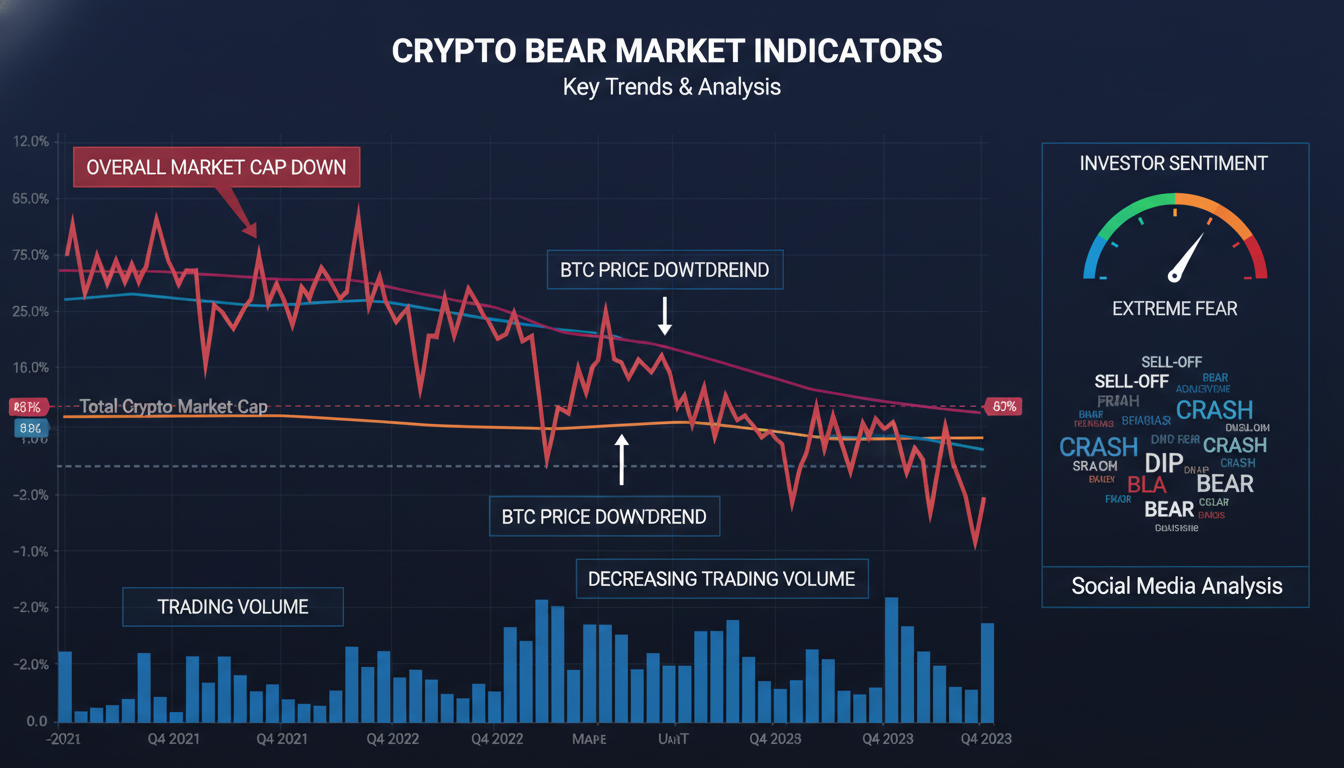
Ongoing crypto winter pressure: Bitcoin plunged below $64,000 in early February 2026—half its record high of ~$126,000 from October 2025 . Some analysts warn the bear market could extend further, pushing prices toward $40,000 or even $38,000 .
-
Macro uncertainties and Fed leadership changes: With a new Federal Reserve chair likely in mid‑2026, policy shifts could alter expectations . High volatility and a strong dollar would hurt crypto’s entry into a bull phase.
-
Institutional exposure risks: Curveballs from major holders like Strategy (formerly MicroStrategy), holding over 700,000 BTC, could prompt sell-offs if liquidity tightens .
Timeline Snapshot
| Period | Outlook |
|——————-|————————————————–|
| Late 2025 | Many expected a bull run starting, but the late-’25 crash derailed momentum. |
| Q1 2026 | Most likely launch point: ETF inflows, Fed liquidity, halving cycle align. Analysts point to Feb–Mar. |
| Q2 2026 | Acceleration phase likely—BTC leads, followed by Ethereum and altcoin gains. |
| Late 2026 | Possible altcoin season and blow‑off top—but also heightened risk of overheating. |
Expert Quote to Ground the View
“We are going to see a market comeback in Q1 of 2026. February and March will be a bull market again, based on a combination of macro indicators,” — Alice Liu, Head of Research at CoinMarketCap .
Conclusion
The crypto bull run is most likely to begin in early 2026, with February and March standing out as the key inflection months. A unique convergence of easing monetary policy, post‑halving timing, deepening ETF infrastructure, and fresh investment narratives makes the setup stronger than most recent years. That said, volatility remains high and downside risks remain real—so caution and readiness are as important as optimism.
FAQs
When is the crypto bull run expected to begin again?
Most analysts and indicators point to Q1 2026, especially February or March. This aligns with macroeconomic easing, ETF inflows, and post‑halving cycle timing .
Why didn’t the bull run start in late 2025?
The sharp market drop in early 2026—driven by profit-taking, regulatory concerns, and market liquidity squeeze—delayed bullish momentum that many had expected in late 2025 .
What are main signals to watch for a bull run?
Key signals include Fed rate cuts, liquidity injections, strong ETF inflows, Bitcoin breaking resistance, and altcoin narratives gathering traction .
Could analysts’ price forecasts still hold?
Yes, but timing may shift. Optimistic targets like $200K–$600K depend heavily on macro alignment. Headwinds could push realizations to late 2026 or beyond .
Are there signs of a deeper bear market?
Yes. Analysts predict possible drops to $40K or $38K if selling pressure, institutional liquidation, or unfavorable macro shifts persist .
In sum, keep a close eye on Q1 2026. If macro tailwinds, ETF inflows, and technical breakouts align, the next bull run may finally take off—ushering crypto into its next major cycle.