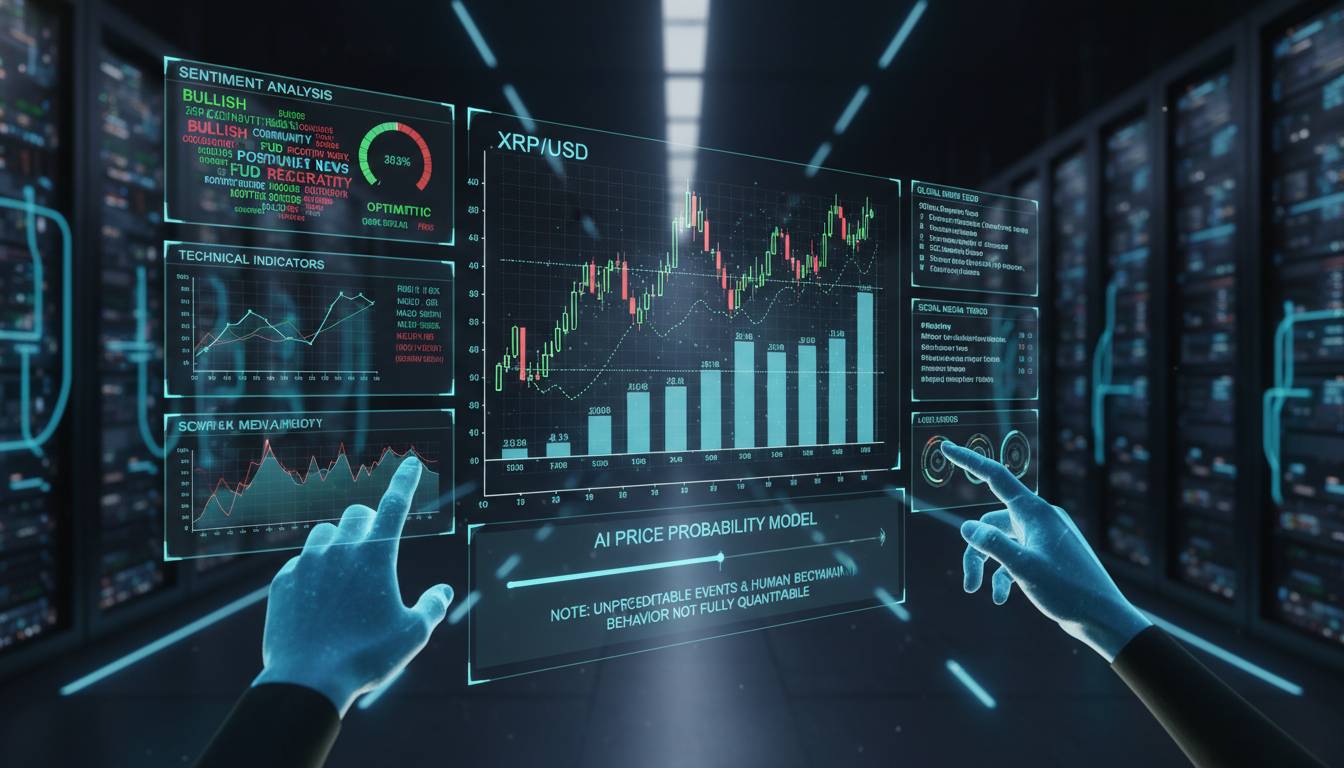
The crypto market has always attracted prediction enthusiasts, but something shifted in 2023 when AI entered the conversation. Suddenly, every trading platform advertised machine learning algorithms promising to forecast Bitcoin’s next move, Ethereum’s breakout, or which altcoin would 10x next. The truth is far less comforting: these systems consistently fail at the one thing they claim to do best, and the reasons why reveal something fundamental about both artificial intelligence and markets themselves.
I’ve watched this unfold from inside crypto trading desks and through conversations with quantitative researchers at major exchanges. The pattern is always the same—initial hype, followed by quiet failures, followed by the same predictions resurfacing under new branding. Rather than another article telling you AI is useless, I want to examine exactly where these systems break down, what they’re structurally incapable of capturing, and why the most sophisticated traders I know use AI as one input among many rather than a crystal ball.
The gap between what AI predictions promise and what they deliver isn’t a bug—it’s a feature of how these systems work. Understanding why requires abandoning the marketing and looking at what’s actually happening underneath.
Every AI prediction model is based on the same idea: find patterns in historical data and apply them to future scenarios. This works reasonably well for problems with stable underlying rules—medical diagnosis, language translation, image recognition. Crypto markets fundamentally break this assumption because the market itself changes its rules constantly.
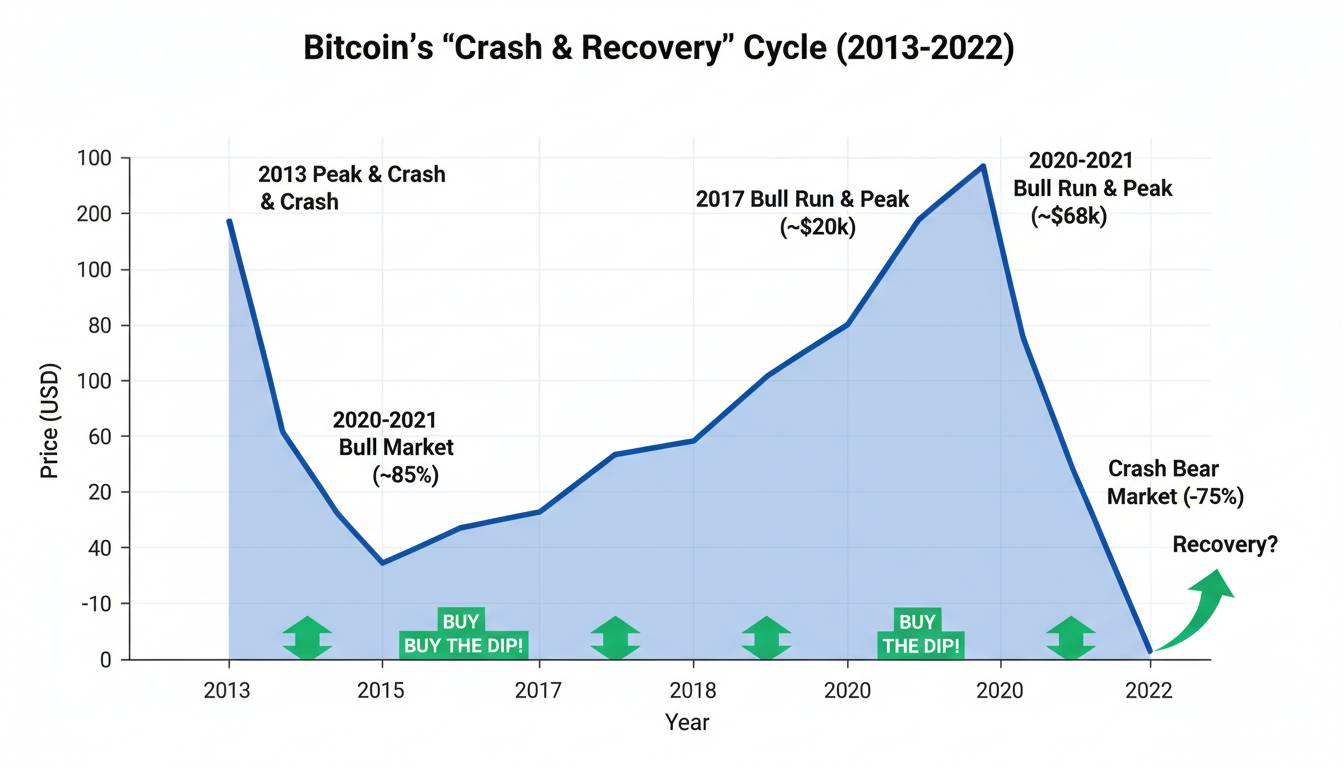
Consider what happened to prediction models that trained heavily on 2017 data. Those systems learned patterns from a market dominated by initial coin offerings, Telegram groups, and retail FOMO cycles. When the 2020-2021 bull run arrived with its DeFi summer, institutional inflows, and futures-based dynamics, those models produced predictions that looked like they came from a different planet. The patterns hadn’t just shifted—they had transformed completely.
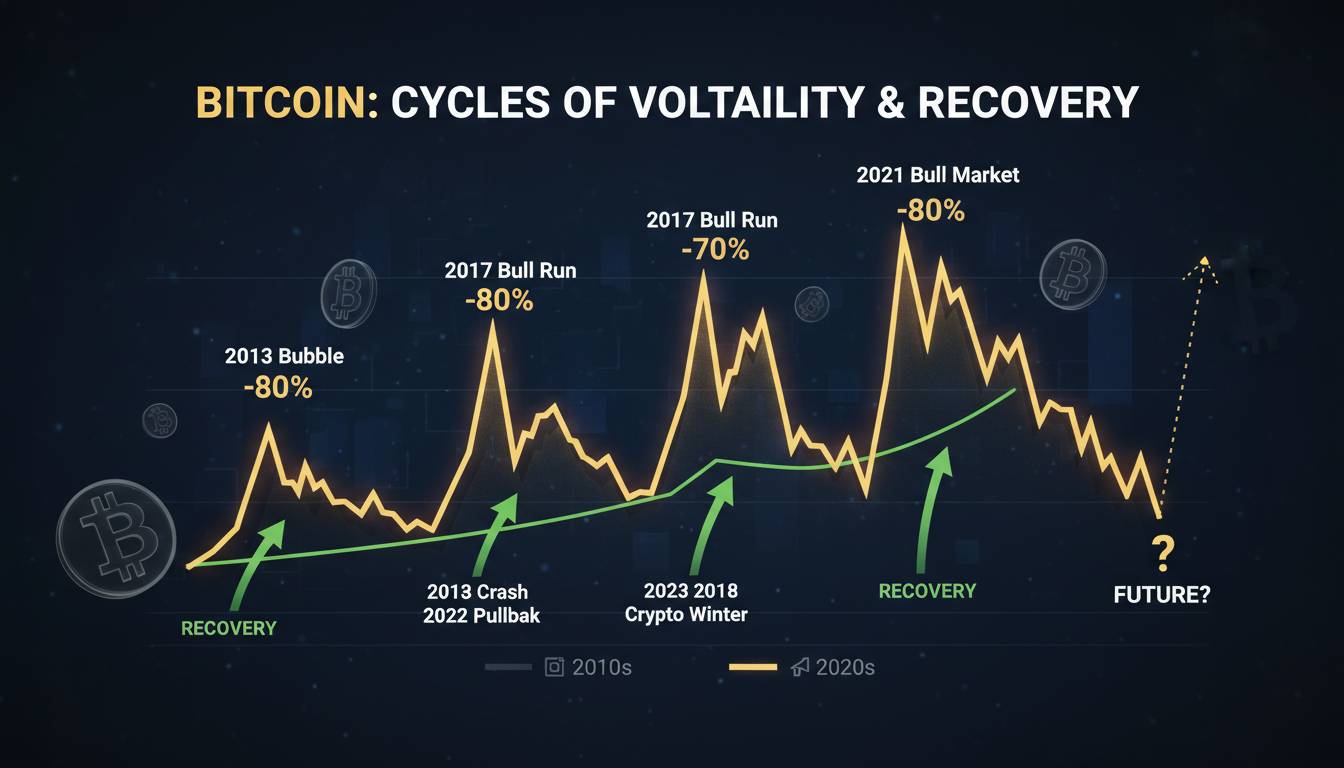
This isn’t a problem AI can solve by simply consuming more data. The crypto market undergoes regime changes approximately every two to three years, sometimes faster. A model trained on 2021 data performed poorly during the 2022 correction, and the lessons from 2022 haven’t yet proven applicable to whatever market we’re in now. The training data is always historical, but crypto markets are stubbornly present-tense.
The efficient market hypothesis complicates this further. If an AI system genuinely could predict future prices with high accuracy, deploying it would change the market itself. Everyone would pile in based on the prediction, the prediction would become self-fulfilling until it collapsed, and the model would need constant recalibration. This isn’t theoretical—hedge funds have pulled back from crypto-specific AI projects precisely because the market adapts faster than models can be retrained.
The Manipulation Problem No Dataset Captures
Crypto markets are smaller than traditional equity markets, less regulated, and populated by actors with interests that have nothing to do with price discovery. This creates a serious problem for any AI system: market manipulation is endemic, and it’s largely absent from training data.
I spoke with a quantitative researcher at a major exchange who requested anonymity to discuss internal testing of AI prediction systems. Their team found that models performed adequately during calm market periods but systematically failed during pump-and-dump schemes, wash trading events, and coordinated social media campaigns. The models couldn’t distinguish between genuine demand and manufactured enthusiasm because that distinction doesn’t exist in the historical price data they’re trained on.
Look at what happened during the countless altcoin pumps of 2023 and 2024. AI systems would identify technical patterns suggesting continuation, only for coordinated groups to reverse positions within hours. The patterns the AI recognized were real—they had existed in historical data—but they were being deliberately created by actors who knew exactly which algorithms would interpret their actions as bullish signals.
This creates an uncomfortable truth: AI models are essentially learning to predict the behavior of other AI models and traders who are themselves trying to predict AI behavior. It’s a hall of mirrors where the reflection keeps changing. Traditional technical analysis at least acknowledged that price action reflected human psychology. AI systems that claim to be purely data-driven don’t account for the fact that significant portions of crypto trading volume are now automated and designed specifically to exploit pattern-recognition systems.
Black Swans and the Prediction Gap
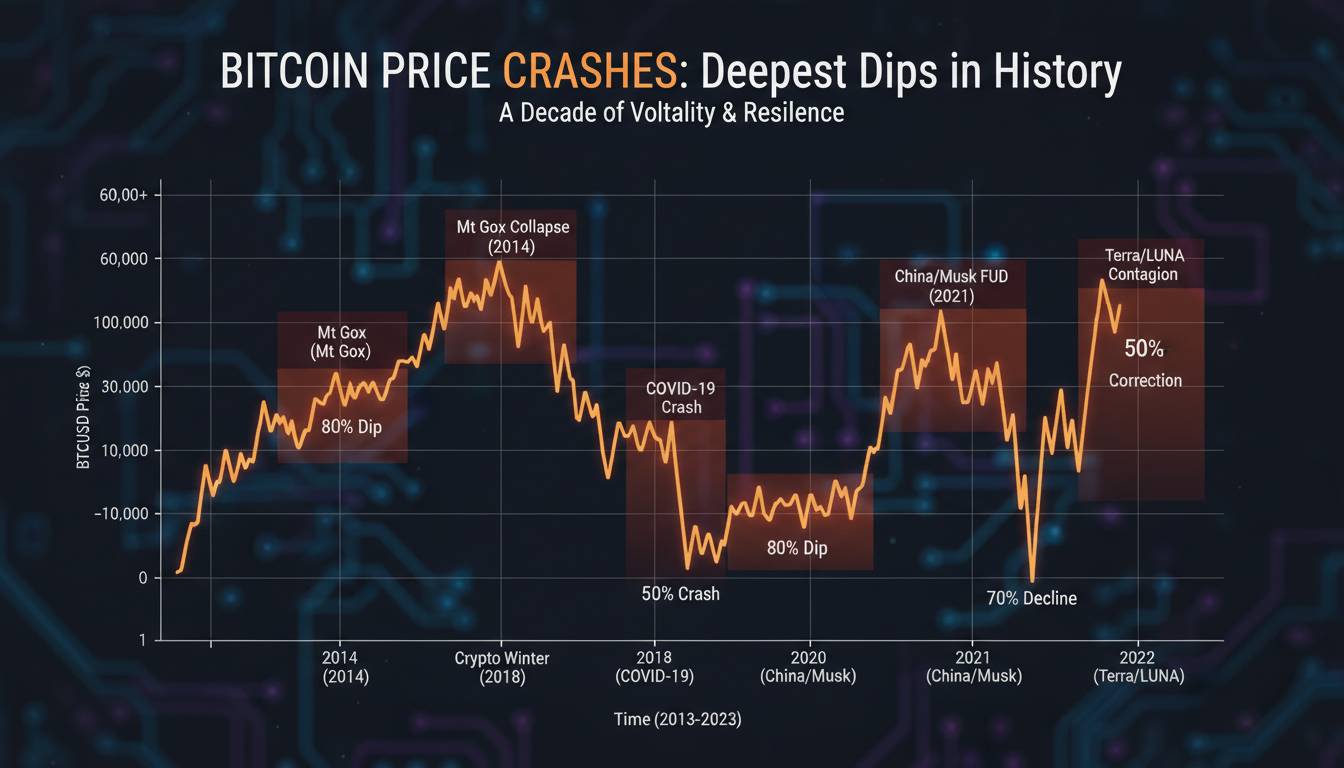
Nassim Taleb’s black swan concept was always relevant to financial markets, but crypto seems to attract black swans with unusual enthusiasm. FTX’s collapse, Terra Luna’s implosion, the SEC’s unexpected enforcement actions—these events reshape the entire market in ways no historical data could anticipate.
Here’s the uncomfortable reality: the most impactful crypto events of the past five years would have been classified as statistical impossibilities by any model trained on prior data. Terra Luna was a top-10 cryptocurrency by market cap before it became worthless overnight. Bitcoin had never experienced a sustained period of exchange delistings and regulatory hostility quite like 2022. These aren’t edge cases—they’re the events that determine whether your portfolio survives.
AI models can’t predict black swans because by definition, black swans are unprecedented. A model might flag unusual volatility, but distinguishing between a significant correction and a civilization-ending event for a particular asset requires context that exists outside the price data. The models don’t know that Sam Bankman-Fried was running a fraud. They don’t know that Do Kwon was simultaneously destroying another stablecoin project. That information exists in the world, not in the charts.
The honest admission this requires is that prediction models are most confident right before they’re most likely to be catastrophically wrong. During bull markets, when everything follows momentum, AI predictions look impressive. It’s exactly when you need them to be right—when something is about to break—that they fail most dramatically.
Overfitting: When Models Learn Noise Instead of Signal
The technical concept of overfitting deserves mention because it’s where many AI prediction projects quietly die. Simply put, overfitting occurs when a model becomes so complex that it starts memorizing the noise in training data rather than identifying the underlying patterns. The model performs brilliantly on historical tests but falls apart in production.
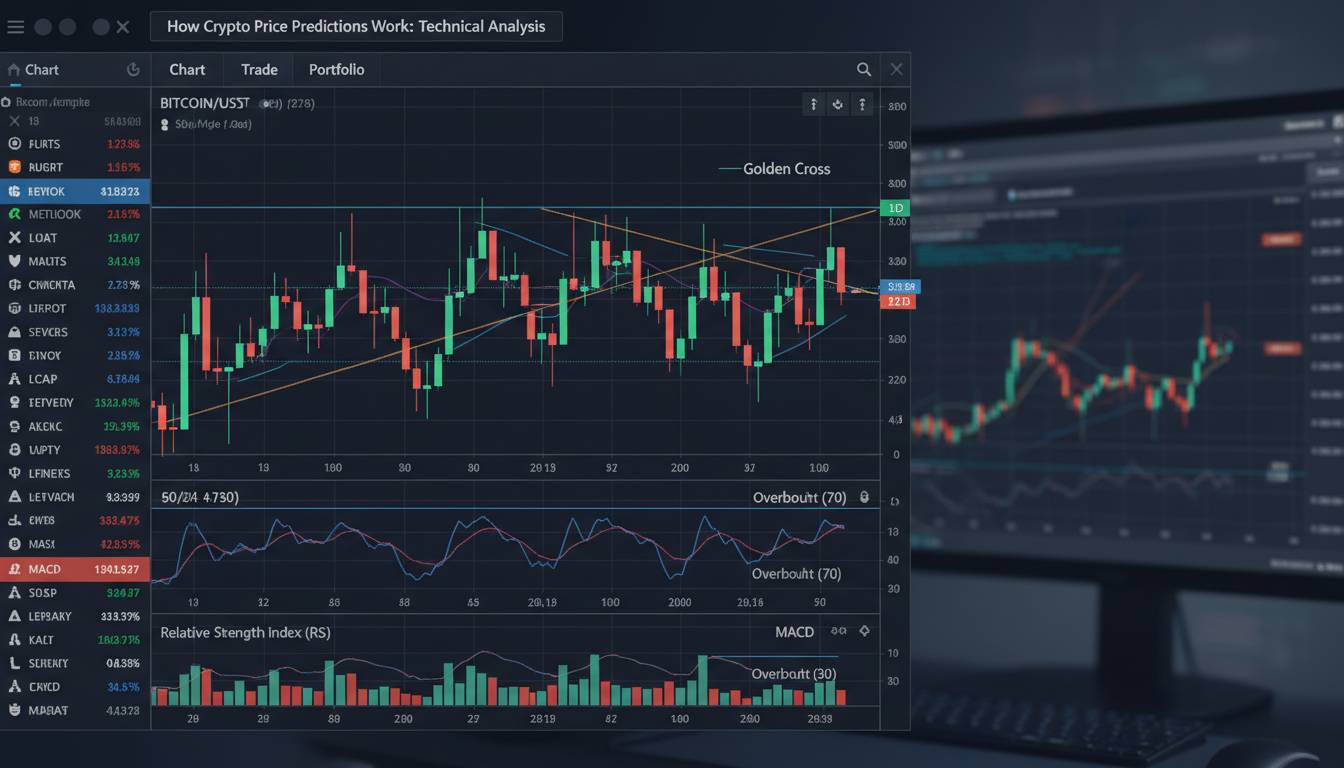
Crypto markets are particularly susceptible to overfitting because they contain enormous amounts of noise. Daily price movements in crypto are far more volatile than traditional assets, meaning there’s simply more random variation for models to potentially misinterpret as signal. A model might identify what appears to be a reliable pattern—perhaps Bitcoin tends to bounce off certain moving averages during specific times of year—but this could easily be coincidental rather than predictive.
I reviewed a paper from researchers at a well-known crypto analytics firm that claimed their model predicted major price movements with 70% accuracy. The catch: they tested it on the exact same data used for training, without holding out a separate validation set. When independent researchers tested the model on out-of-sample data, accuracy dropped to slightly above random chance—exactly what overfitting theory would predict.
The solution to overfitting requires simplicity, which contradicts the AI industry’s tendency toward increasingly complex models. But in crypto, the most effective approaches I’ve seen from traders who actually generate returns tend to use relatively straightforward indicators precisely because they’re less likely to have memorized noise.
What AI Systems Structurally Cannot See
Beyond the prediction mechanics, there’s a separate category of market information that AI systems fundamentally cannot access. These aren’t limitations that better engineering can solve—they’re structural blind spots that define what AI can and cannot contribute to crypto analysis.
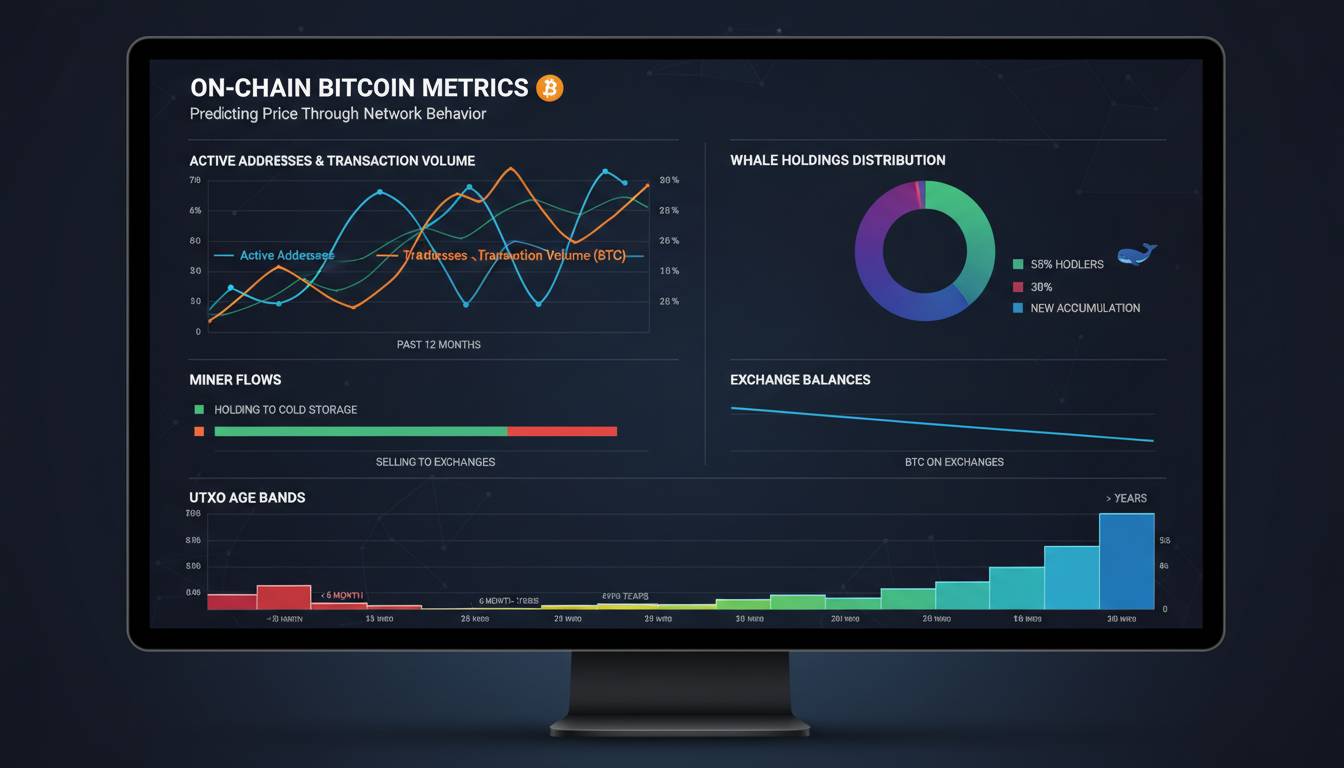
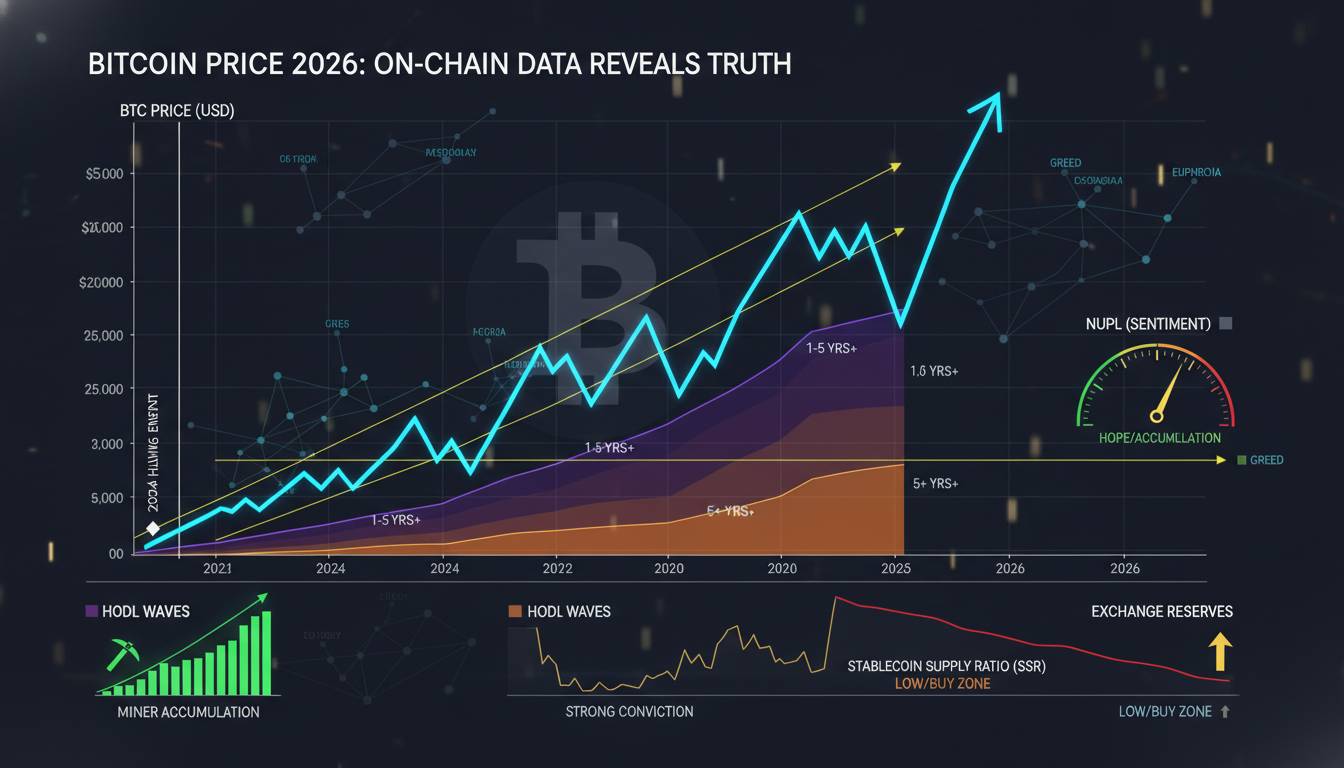
On-chain data is perhaps the most significant gap. Blockchain analysis firms have developed sophisticated tools for tracking wallet addresses, exchange flows, and network activity. This information sometimes predicts price movements before they appear in price action itself. A sudden outflow from major exchanges often precedes price increases; accumulation by previously dormant wallets signals smart money positioning. AI models that only consume price data miss this entirely. The most valuable on-chain signals come from relationships between addresses that require domain expertise to interpret—not just patterns in the data.
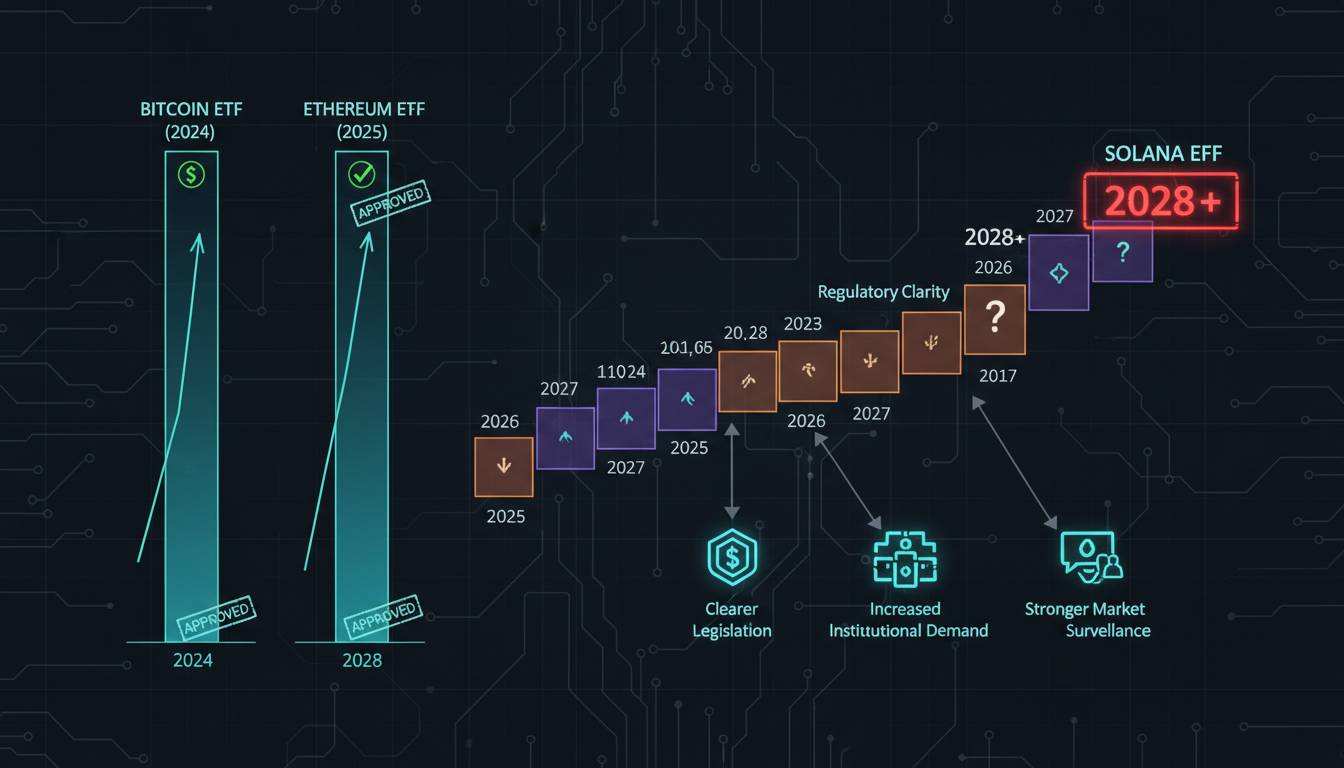
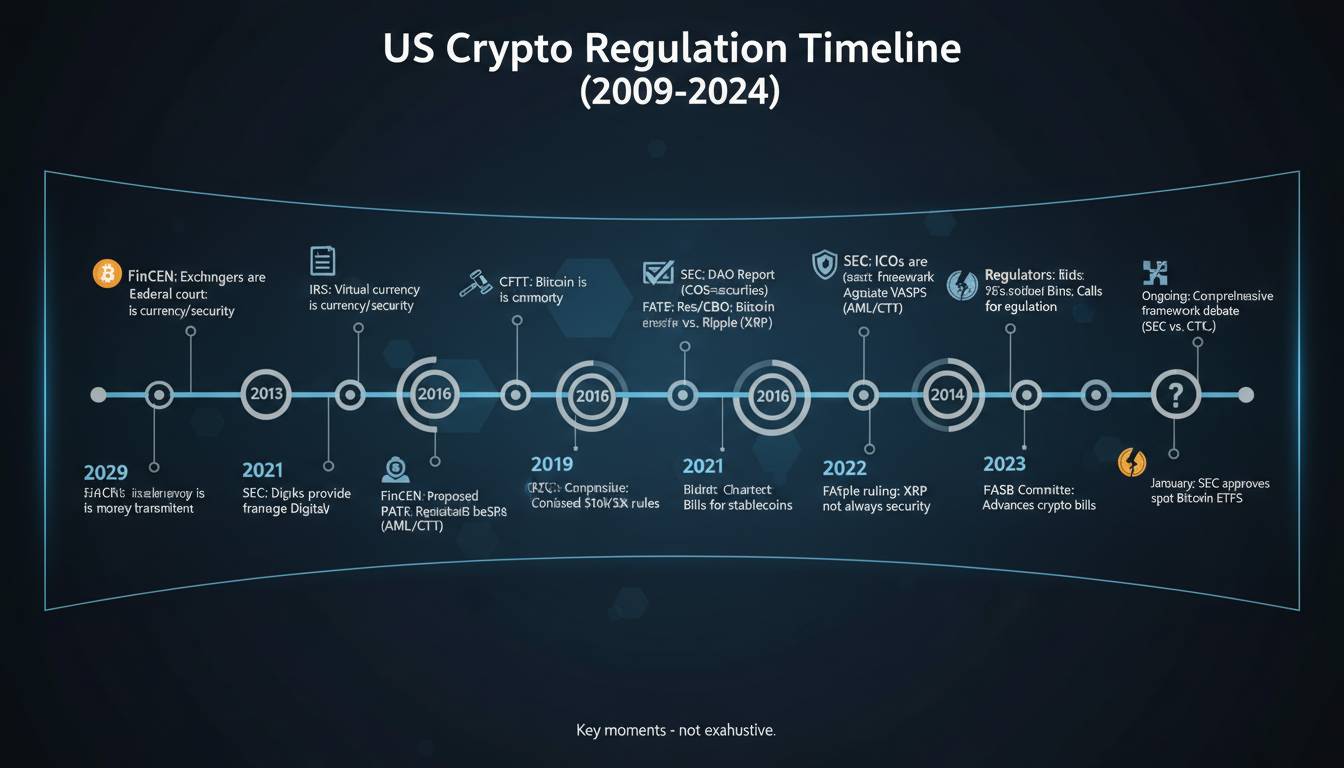
Regulatory developments represent another category that resists AI prediction. When the SEC announces enforcement actions or when legislators draft new bills, markets react violently and quickly. These reactions are essentially unforecastable from historical data because they depend on human decision-making by actors who haven’t made those decisions before. An AI system cannot read the political dynamics of a regulatory body or anticipate which chairman will take which stance.
Social media sentiment requires human context that models struggle to replicate. When a cryptocurrency trends on Twitter, is that because genuine interest is building, or because a coordinated campaign is manipulating retail FOMO? When Reddit communities suddenly rally around a new token, is that organic enthusiasm or astroturfing? The difference matters enormously for price prediction, and distinguishing between them requires understanding internet culture, coordinated manipulation tactics, and genuine community dynamics—context that exists outside the text data itself.
The Honest Alternative: What Actually Works
Given everything above, you might expect me to recommend abandoning algorithmic approaches entirely. I won’t, because that would be equally wrong. The traders and funds consistently generating returns in crypto aren’t ignoring AI—they’re using it differently than the marketing suggests.
What works is using AI for pattern recognition in large datasets rather than price prediction. Tools that scan across dozens of exchanges simultaneously to identify arbitrage opportunities, that analyze on-chain metrics to flag unusual activity, or that process news feeds to surface breaking information—these provide genuine utility. The shift is from asking “what will happen?” to asking “what is happening?” which is a question data can actually answer.
Fundamental analysis remains the discipline most correlated with long-term crypto returns. Understanding what a cryptocurrency actually does, who uses it, whether its usage is growing, and how it compares to competitors provides a framework that AI cannot replicate. Many of the most successful crypto investors I’ve met describe themselves as researchers first and traders second.
Experienced trader intuition gets dismissed as unscientific, but it captures something AI systems miss: the ability to recognize when a market feels wrong. This isn’t mystical—it’s pattern recognition across years of experience, combining information from charts, order books, exchange communications, and community sentiment in ways that would be extremely difficult to formalize into an algorithm. When a trader exits a position because “something feels off,” they’re processing information that their conscious mind can’t articulate but their experience can recognize.
The Real Role for AI in Crypto Analysis
The future isn’t AI replacing human judgment in crypto markets—it’s AI augmenting human judgment in specific, bounded ways. The most productive framework treats AI as one tool among many, with clear understanding of its limitations.
Use AI for what it’s genuinely good at: processing large volumes of data, identifying patterns across multiple assets simultaneously, flagging anomalies in real-time, and automating research tasks that would otherwise require manual attention. Don’t use it for what it fails at: predicting black swan events, anticipating regulatory actions, or distinguishing between organic and manufactured market movements.
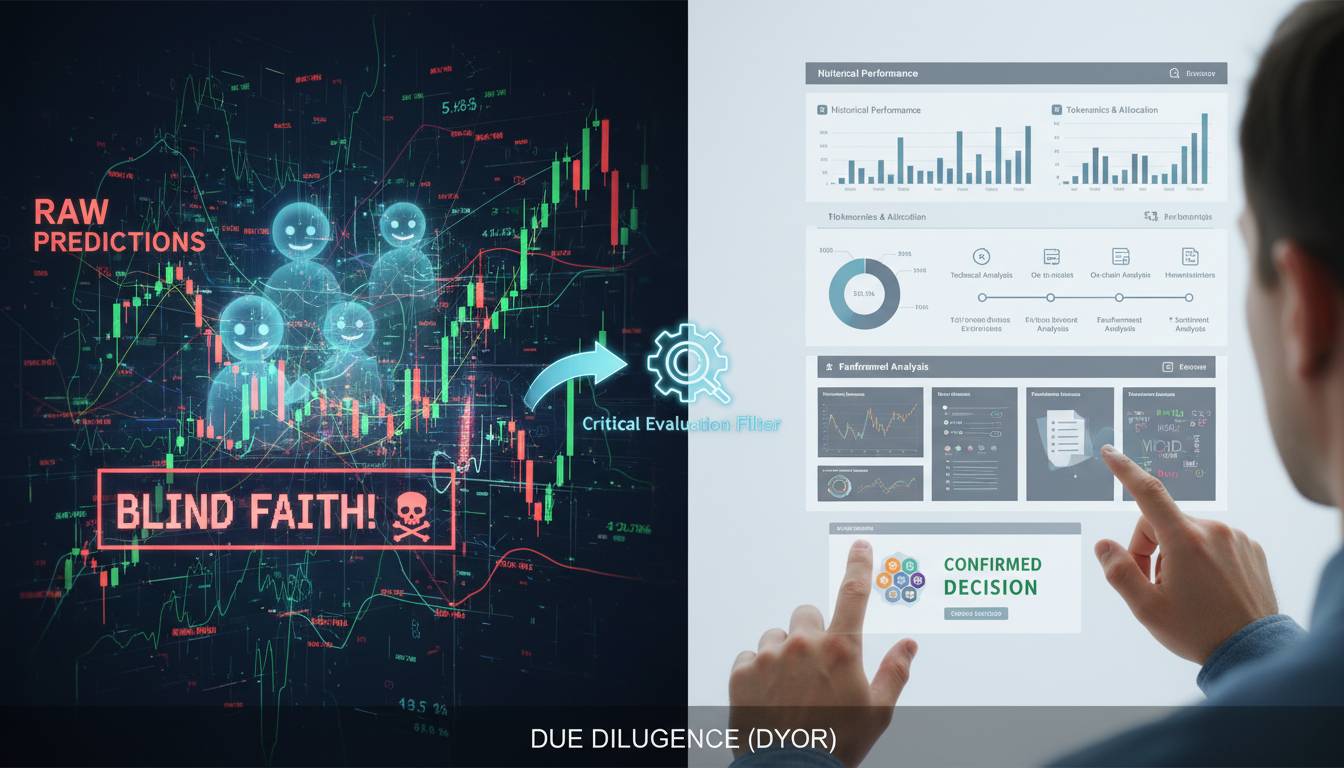
The critical shift is moving from AI as oracle to AI as research assistant. When a model suggests a particular trade, the question isn’t whether to follow it—the question is what information would you need to validate or invalidate that suggestion. The best traders I know treat AI predictions as conversation starters rather than trade signals, running their own analysis to confirm or contradict what the model suggests.
What experts miss when discussing AI in crypto is this: the problem was never that AI would fail. The problem was the marketing that pretended it wouldn’t. Markets are fundamentally about human behavior, and human behavior includes the capacity to change, to collude, to defy expectations, and to occasionally do the stupid thing no model anticipated. Any analysis framework that doesn’t account for this isn’t failed AI—it’s failed understanding of markets themselves.