The market just handed you everything you wanted. Bitcoin ETF approval finally happened, or the Federal Reserve signaled rate cuts, or a major corporation announced a billion-dollar purchase. The headlines are bullish. The sentiment is euphoric. And yet, within hours, Bitcoin is dumping hard enough to wipe out a month’s worth of gains.
If this keeps happening to you, you’re not crazy — and you’re not alone. This pattern has repeated so many times that it’s become one of the most reliable dynamics in crypto markets, even though it makes absolutely no intuitive sense. Good news should equal higher prices. That’s how markets are supposed to work. Except they don’t work that way, not in crypto, and understanding why will save you from getting rekt at the exact moment you feel most confident.
What “Buy the Rumor, Sell the News” Actually Means
The phrase gets thrown around constantly in crypto circles, but most people use it as a vague explanation rather than understanding the mechanics.
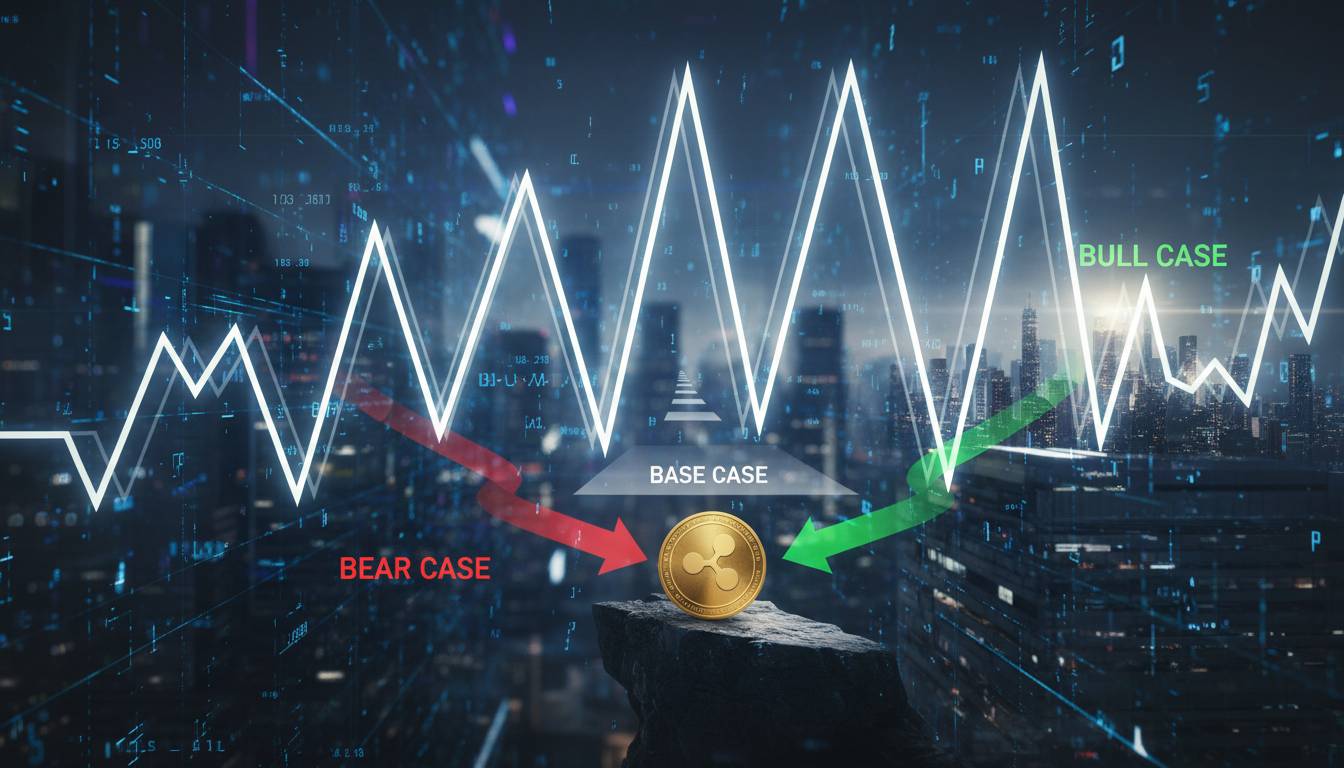
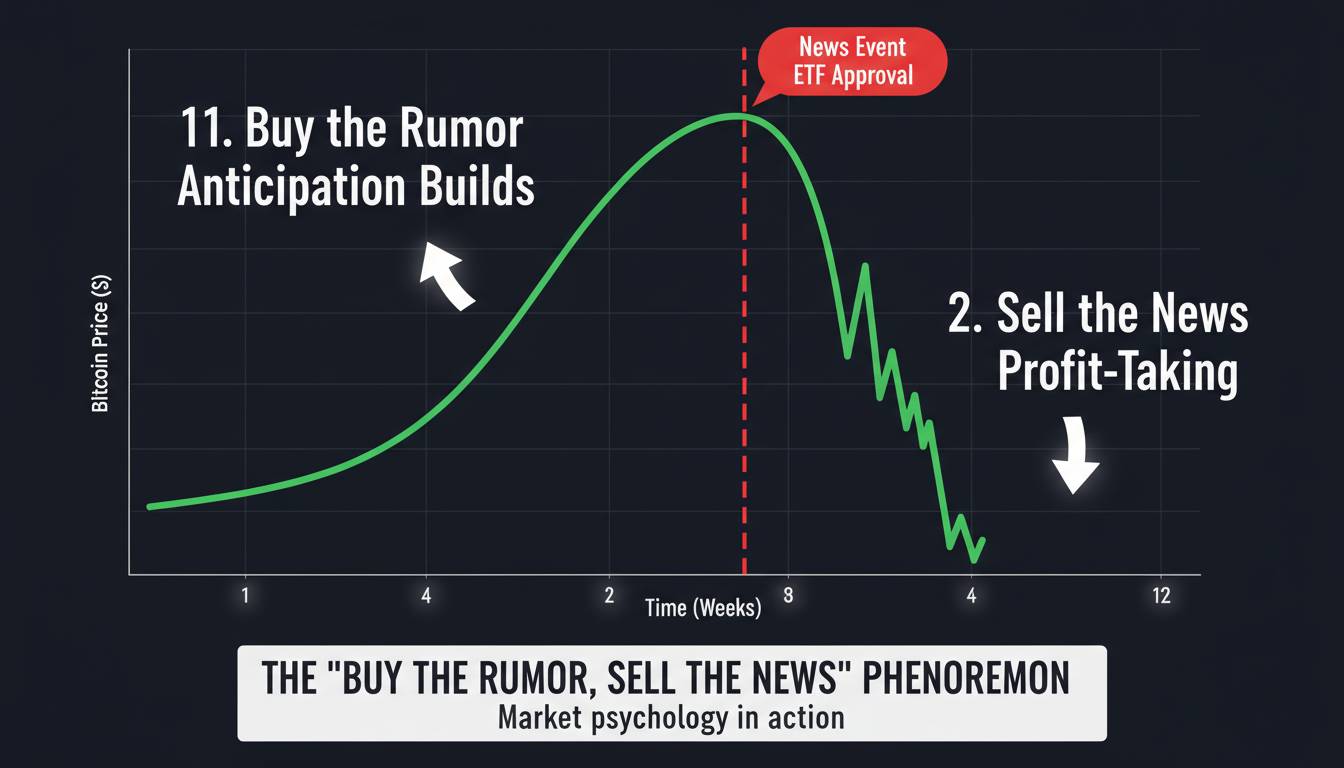
“Buy the rumor, sell the news” describes a scenario where asset prices rise in anticipation of a known future event, then decline once that event actually occurs. The price movement happens before the catalyst — not because of it. By the time the news breaks, the market has already priced in the outcome, and often overshot it.
This happens in traditional markets too, though less dramatically. When a company announces earnings that match expectations, the stock often dips because traders were already long heading into the announcement. The “expected” outcome was already baked into the price. Crypto amplifies this effect dramatically because of leverage, the 24/7 trading cycle, and a retail-dominated market that trades on sentiment rather than fundamentals.
The important distinction many articles miss: this isn’t always about insider trading or manipulation. Sometimes it’s simply that informed participants expect the less-savvy crowd to buy on news, creating an opportunity to sell into that inevitable wave of buying.
The Psychology Behind the Counter-Intuitive Move
Here’s where most explanations fall short. They say “buy the rumor, sell the news” and leave it at that, as if those six words explain everything. They don’t. The real explanation involves three distinct psychological forces that compound each other.
First, there’s “short squeeze exhaustion.” When Bitcoin has been rallying in anticipation of news, short sellers are piling in at higher and higher prices, convinced the rally is irrational. As the news approaches, these shorts get squeezed out, fueling even more buying. But once the news actually drops, there’s nothing left to squeeze. The buying pressure evaporates, and the price naturally corrects.
Second, you have the “relief rally that wasn’t.” Many traders buy Bitcoin in the weeks leading up to a known catalyst — let’s say the SEC approving a spot ETF. They hold through the uncertainty, finally getting the outcome they wanted. Once the news breaks, those traders have achieved their goal. They’re not necessarily bullish on Bitcoin at $50,000 — they were bullish on the event happening. Selling becomes the rational move because the thesis has played out.
Third, and this is the one most writers ignore: the news itself often brings new sellers off the sidelines. Before the catalyst, people who wanted to buy couldn’t find a reason to pull the trigger. The good news gives them permission to finally enter — but by then, anyone who was going to buy has already bought. The new buyers arriving on the news are stepping into a market that’s already saturated with supply.
Why Expectations Get Priced In Before the News Arrives
This is where institutional traders and informed retail really separate themselves from the crowd. The market doesn’t wait for confirmation to move — it moves on probability.
When there was a 70% chance of ETF approval, Bitcoin was already trading as if approval had happened. The price reflected the risk-adjusted expectation, not the outcome itself. When the actual announcement came, it matched what was already priced in. There’s no remaining edge in being long at that point, and there’s substantial risk that the outcome — even if positive — fails to exceed what the market already assumed.
Think of it like a sports bet. If you bet on a team that was favored by seven points and they win by exactly seven, you lose your bet despite them winning. The market “won” the moment approval became the base case. The actual announcement is just the score being settled.
This is also why bad news sometimes pumps Bitcoin — the exact opposite of what you’d expect. If the market has priced in something terrible and the terrible thing turns out to be slightly less terrible than expected, you’ve got a “sell the fact on the actual news” scenario. The 2022 CPI prints worked this way repeatedly. A “bad” inflation number that came in lower than the already-lowered expectations would trigger a rally because the outcome beat what traders had baked in.
Real Examples: When Good News Tanked the Market
Here are specific instances, not just the concept.
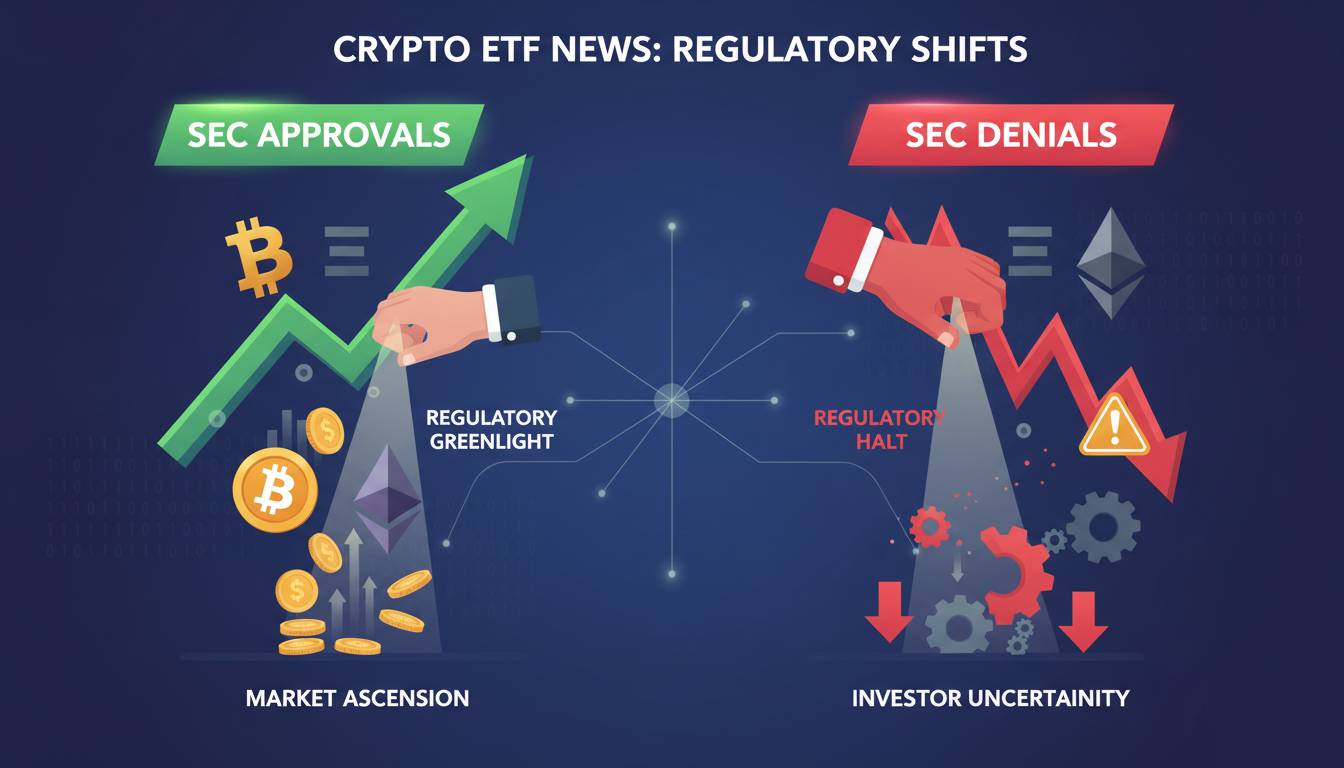
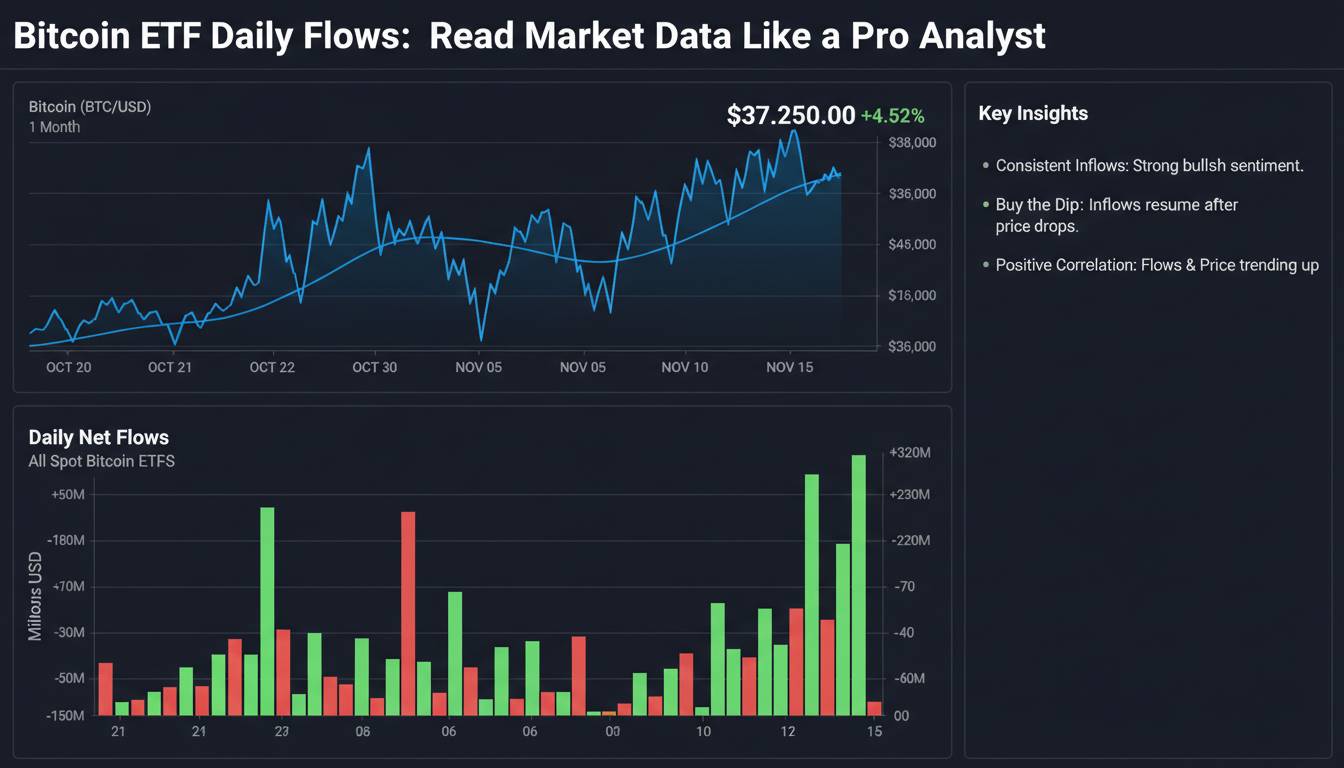
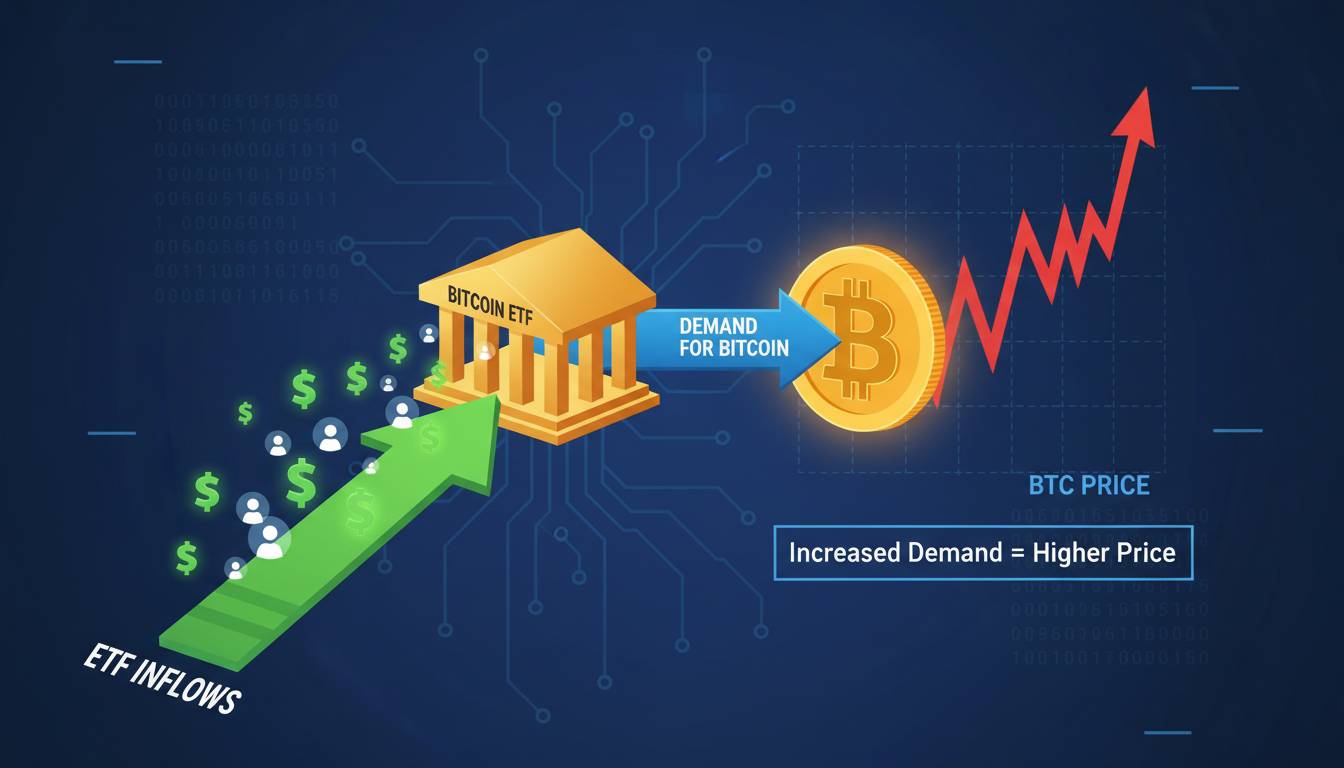
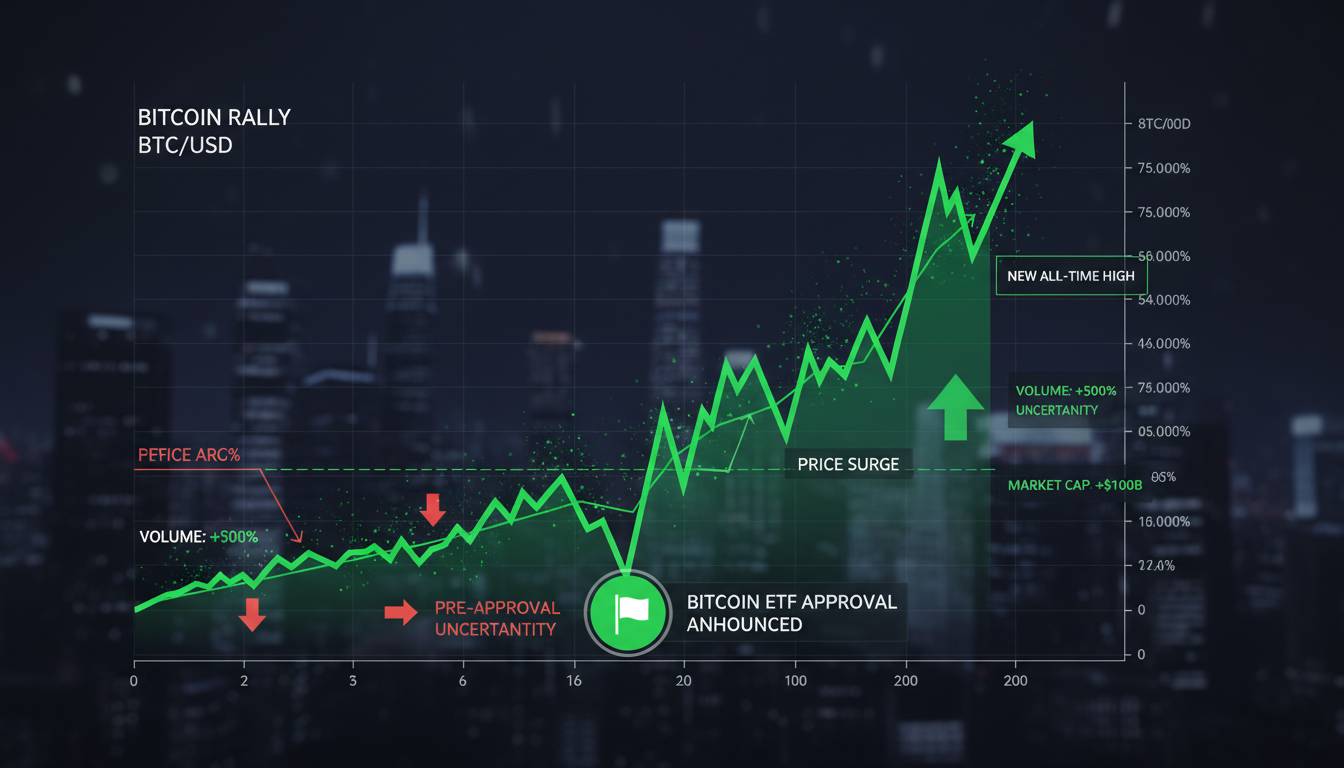
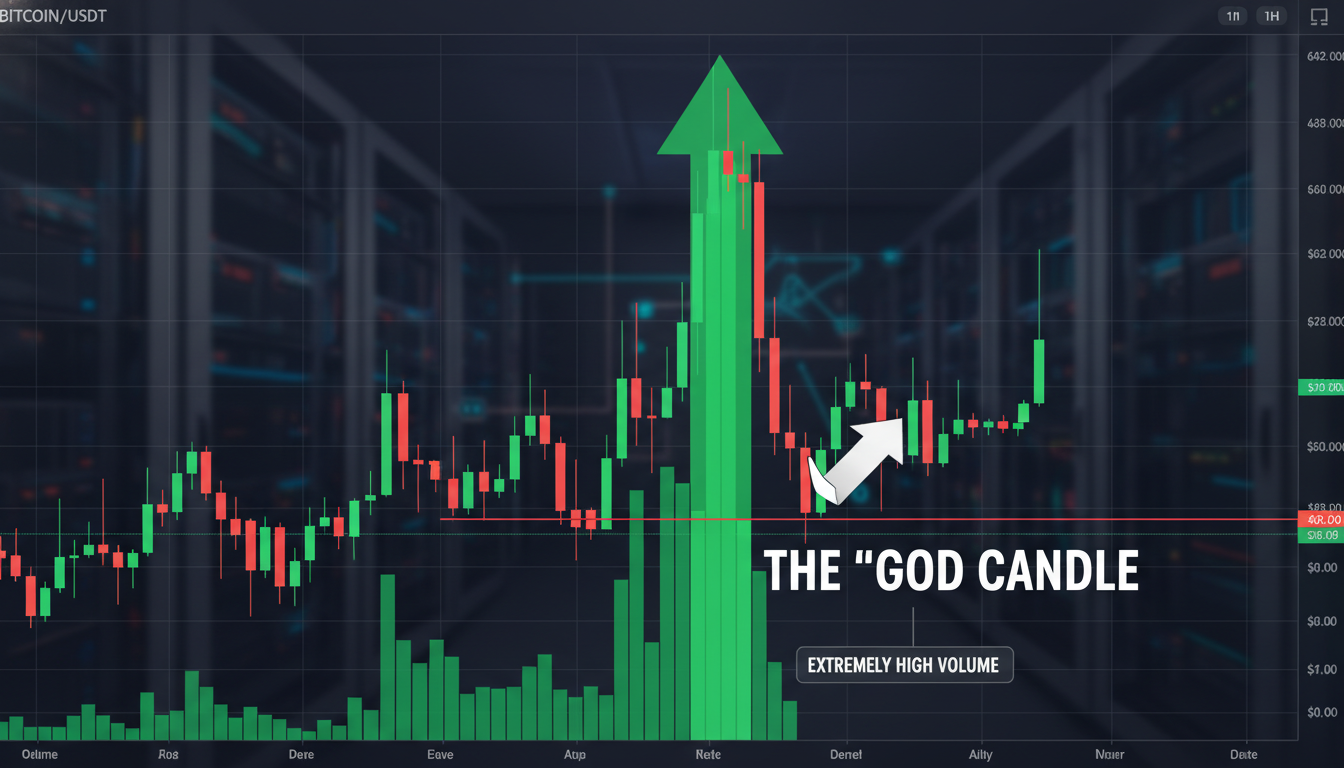
The BlackRock Bitcoin ETF Approval : This is the cleanest recent example. For months, the market had been pricing in eventual approval. Bitcoin climbed from roughly $35,000 in October 2023 to above $45,000 by early January. When the SEC actually approved the ETFs on January 11, Bitcoin briefly spiked to around $48,000 before immediately dumping to $42,000 within 72 hours. The approval was unambiguously positive — and the market sold it aggressively. Anyone who bought on the headlines watched their position turn red almost immediately.
The First Ethereum ETF Approvals : The SEC approved Ethereum spot ETFs in late May, and the initial reaction was a modest pump. But within a week, Ethereum was trading lower than it had been pre-announcement. The reasoning was similar: the outcome was fully expected, and traders who had been holding through the wait had a ready-made exit.
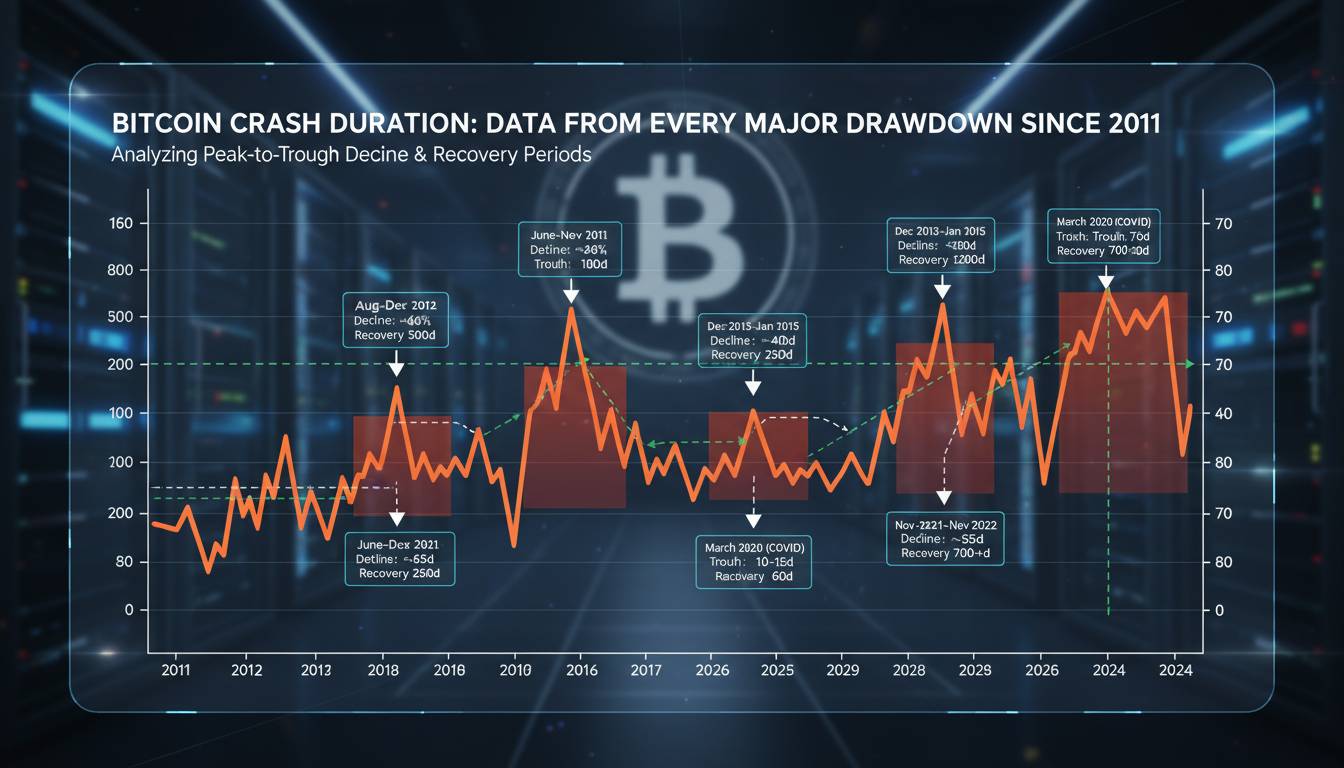
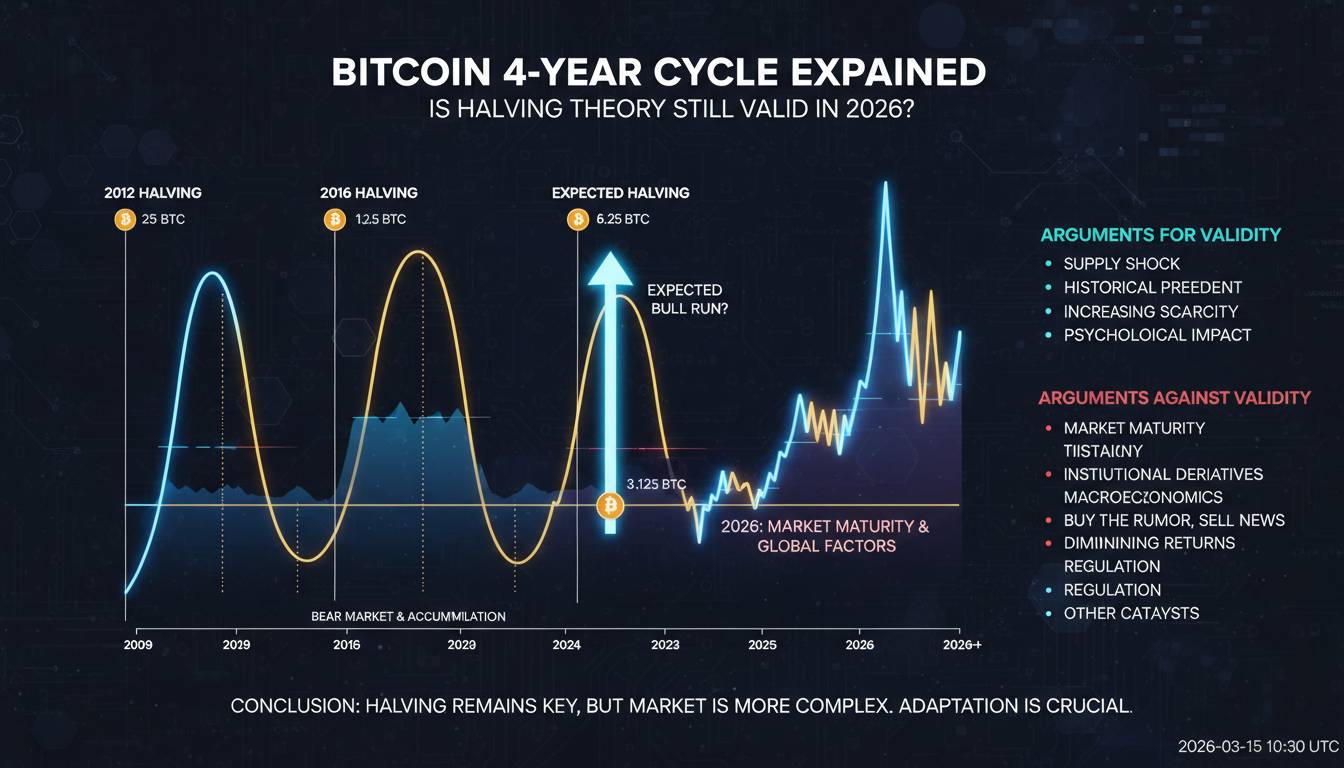
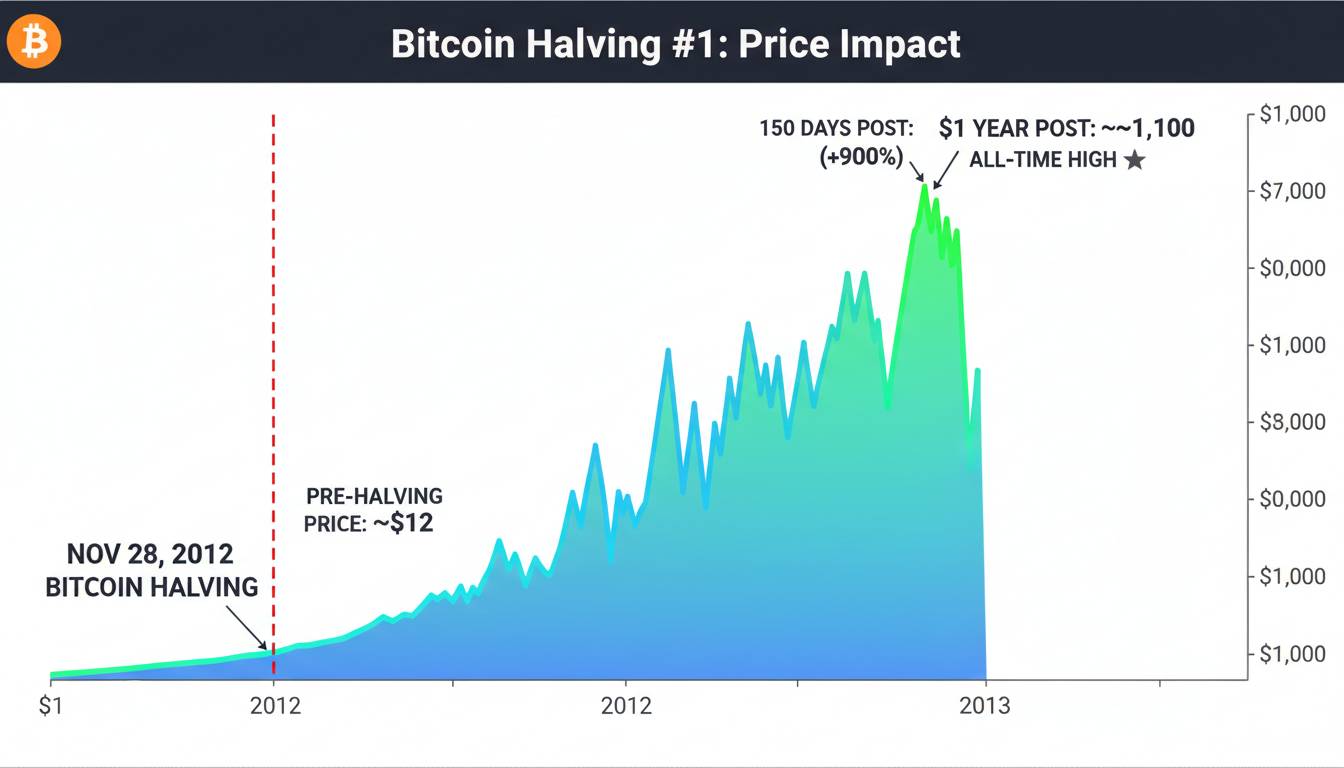
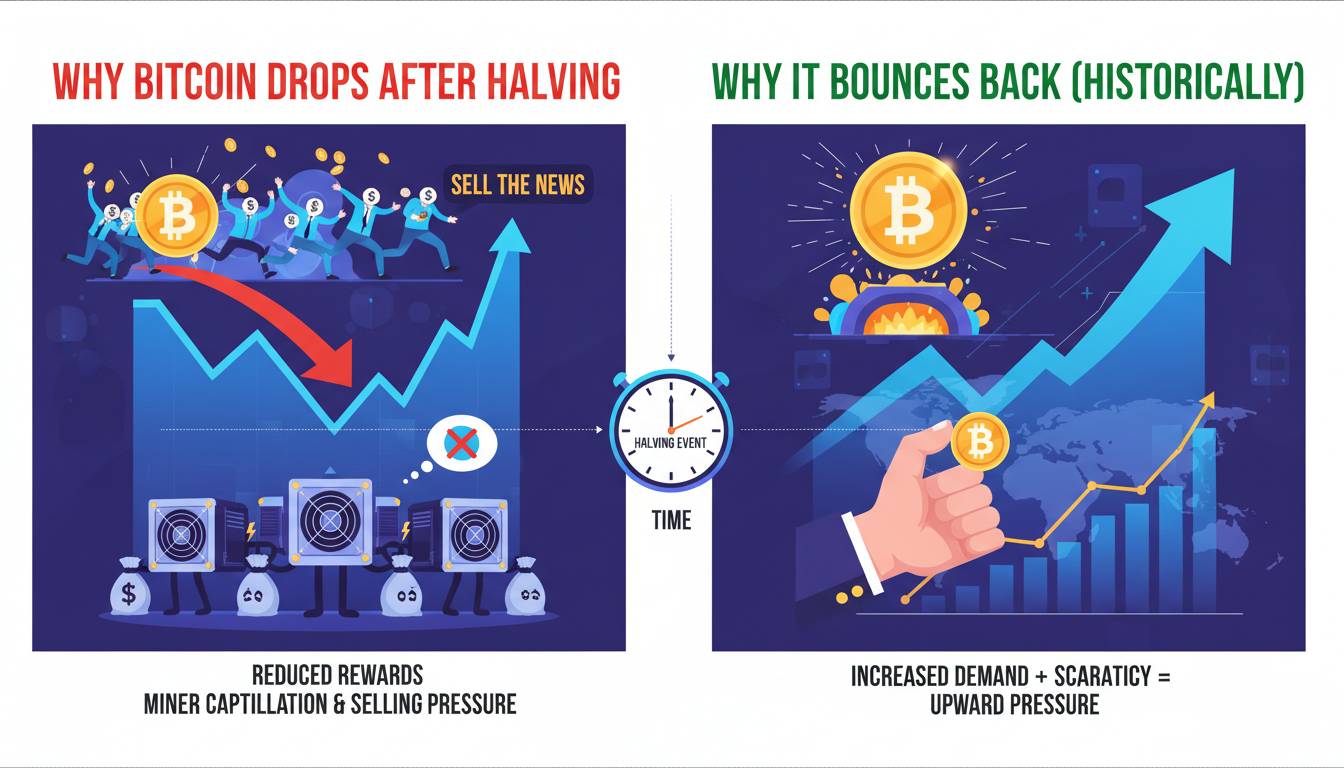
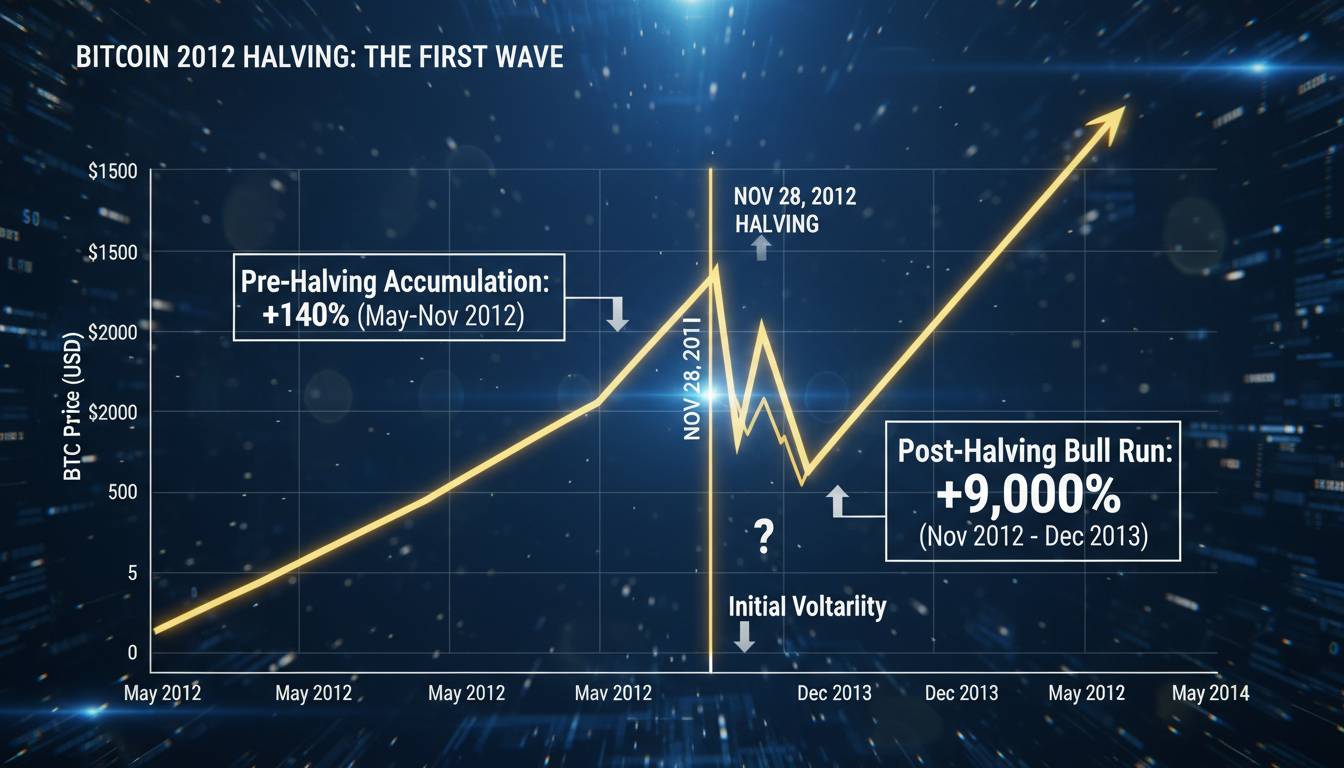
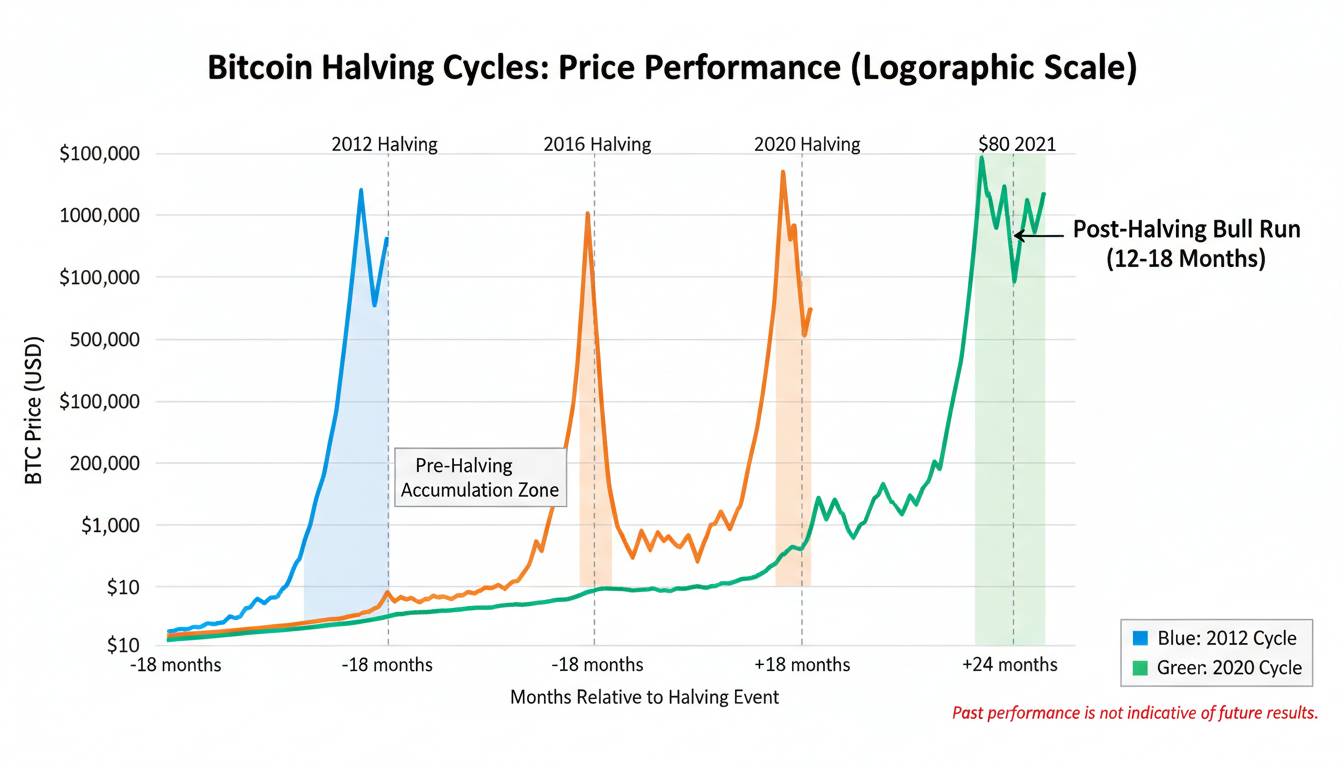
Bitcoin Halving Events (2020 and 2024): The halving is supposed to be unambiguously bullish — reducing new supply while demand holds steady. In 2020, Bitcoin rallied hard in the months leading up to the May halving, then traded sideways-to-down for weeks afterward before resuming its bull run. In 2024, the pattern was even more pronounced. Bitcoin had already rallied substantially before the April halving, and the event itself triggered a sell-the-news dump rather than the continuation everyone expected.
MicroStrategy’s Corporate Bitcoin Purchases: Each time MicroStrategy announces another billion-dollar purchase, the market typically pumps briefly then dumps. This seems irrational — a major buyer entering the market should be bullish. But MicroStrategy’s purchases are well-known in advance. They’ve established a pattern of buying at specific intervals. By the time the announcement drops, the market has already absorbed the information.
The Whale Factor: Large Holders and Their Timing
The conspiracy-minded explanations have a kernel of truth here, even if they’re overstated. Large Bitcoin holders — often called “whales” — absolutely time their selling to coincide with retail FOMO on good news.
When positive news drops, it creates a wave of media coverage and social media hype. New buyers flood in. These buyers are almost always retail, trading smaller sizes, and entering at the worst possible moment. Whales use this increased demand to unload their positions at peak prices. They’re not selling because the news is bad. They’re selling because the news gives them the perfect cover for distribution.
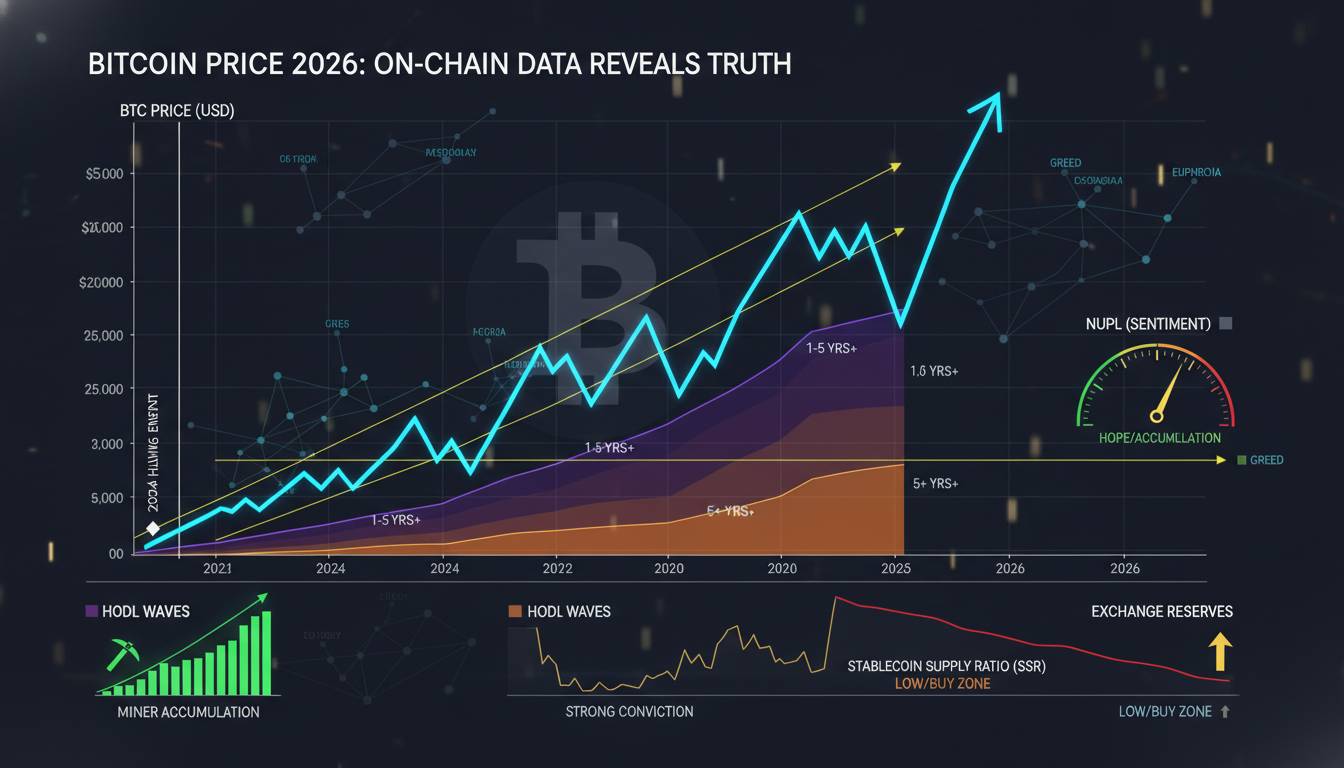
You can see this on-chain if you know what to look for. Wallet addresses that have been accumulating for months — holding through the quiet period — suddenly start dumping in volume exactly when the news breaks and everyone else is buying. This isn’t manipulation in the illegal sense. It’s just smart market positioning. The whales know that retail’s enthusiasm peaks right after the headline drops. That’s when liquidity is highest and selling is easiest.
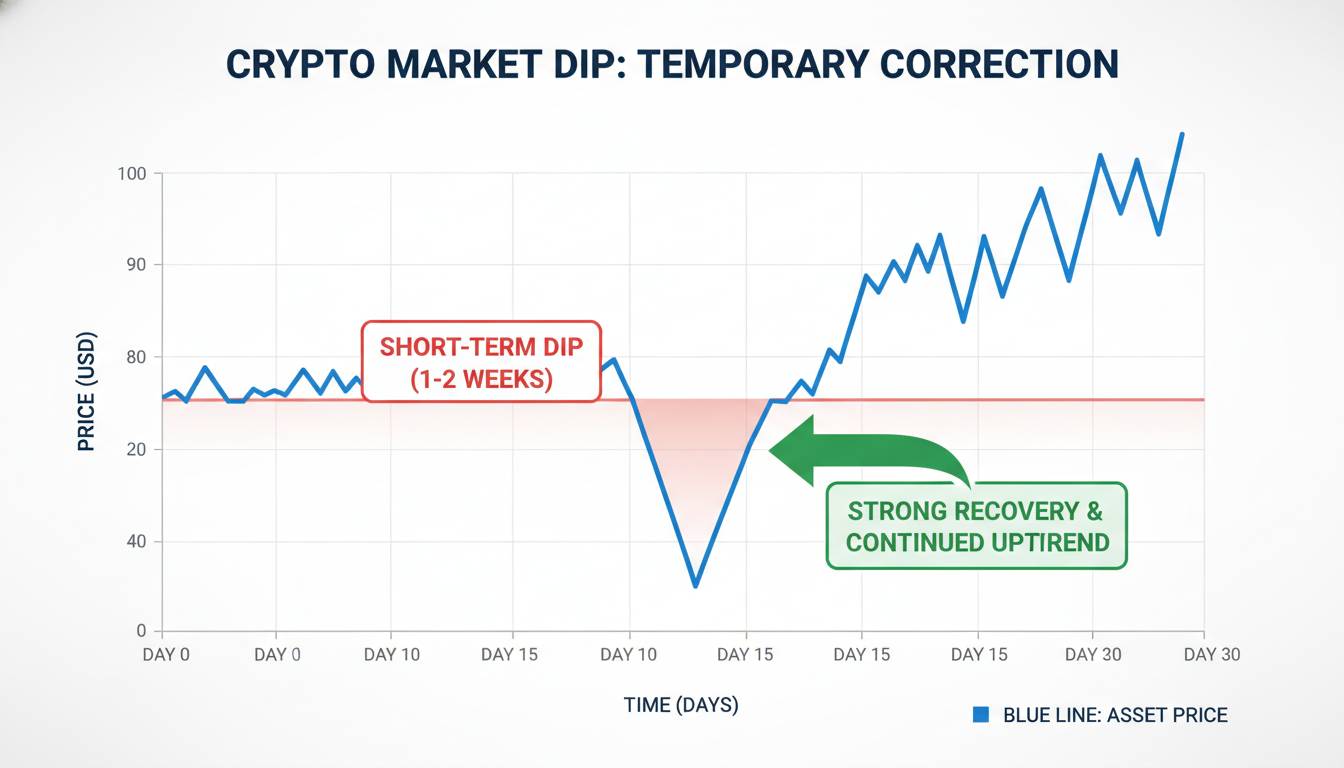
This is also why you often see the pattern reverse 24-72 hours later. The whales have distributed their supply. The overleveraged long positions have been flushed out. And now you’ve got a clean market with less supply and the same underlying demand. But that reversal takes time to materialize, and most traders get wiped out in the dump before they ever see the recovery.
Related Patterns: Liquidation Cascades and Stop Hunts
The good-news dump creates a secondary effect that’s even more vicious: the liquidation cascade.
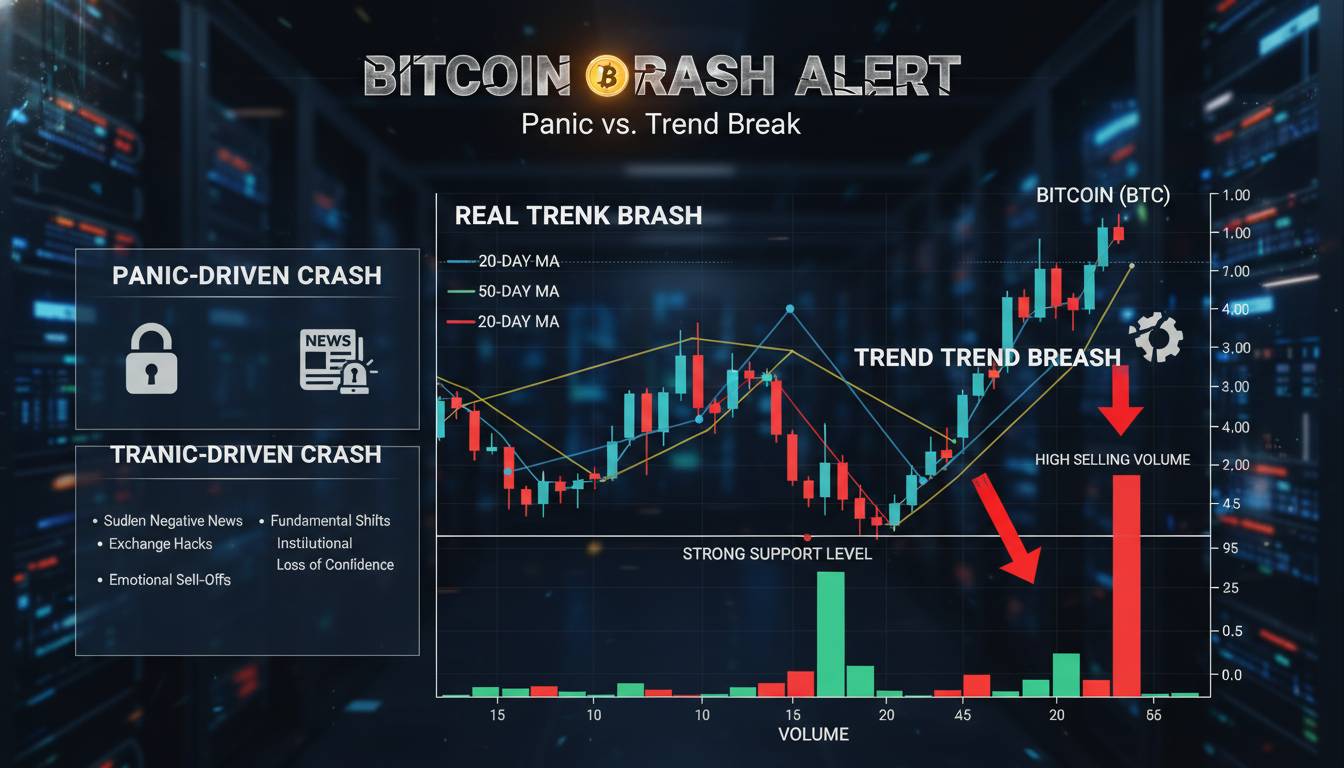
When Bitcoin pumps into news, everyone and their grandmother is going long. Leveraged positions accumulate rapidly because the trend is up and the sentiment is bullish. Here’s the problem: those longs are usually stacked on tight stops or no stops at all, sitting just below current price.
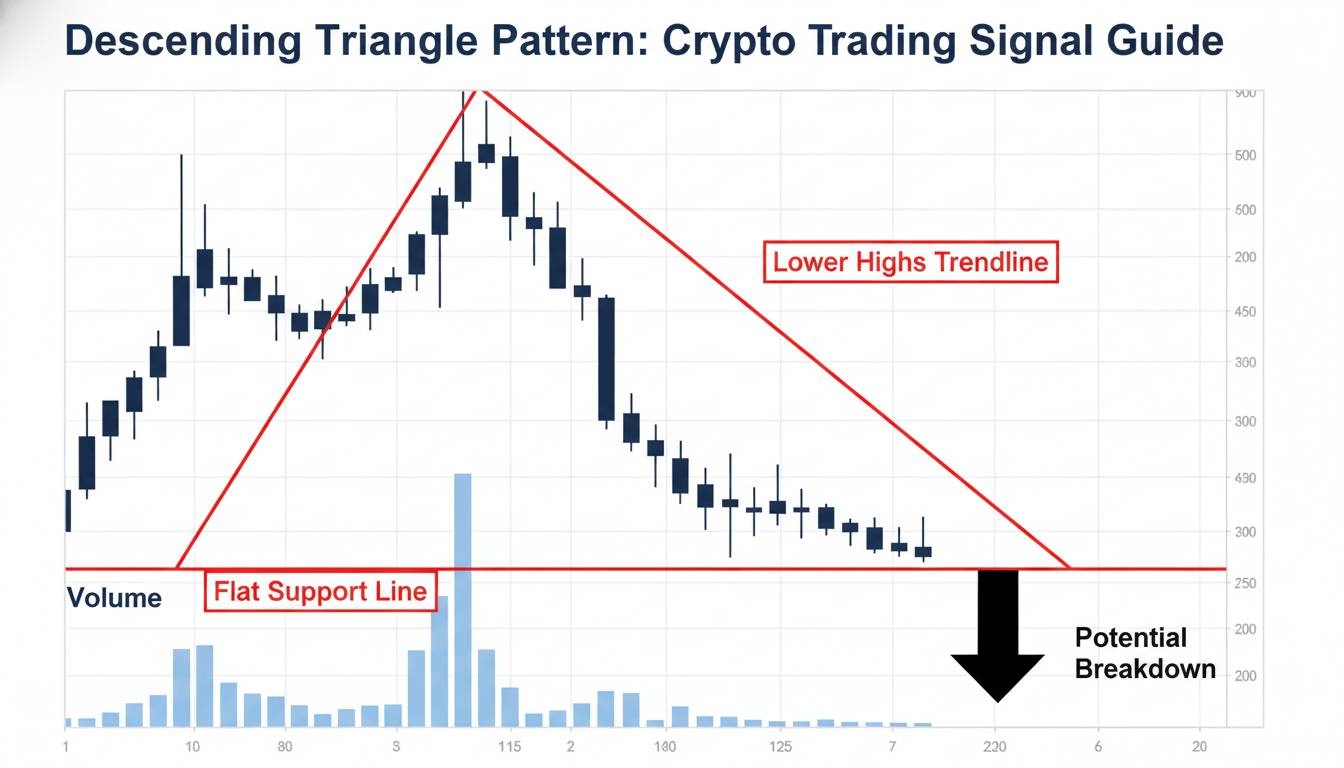
When the dump starts, it doesn’t gently correct. It accelerates. As price drops through those stop-loss levels, it triggers automated selling from the leverage liquidation engines. More selling pushes price lower, triggering more liquidations. This is the “short squeeze” in reverse — a long squeeze that feeds on itself.
What’s particularly nasty is that these stop clusters are visible to market makers and large traders. They know exactly where the leverage is stacked. Sometimes, price will briefly spike to hunt those stops — a quick wick up that triggers the stops and captures the liquidity — before dumping hard. It looks like the market is giving you one last chance to exit. It’s not. It’s the trap closing.
Trading This Pattern: What Actually Works
Now that you understand this pattern, you can profit from it. Partly true. Partly dangerous.
The pattern is real, but timing it is harder than it sounds. You need to identify when “the rumor” phase has run its course and selling into “the news” becomes the optimal play. That’s much harder than simply recognizing the pattern in hindsight.
What actually works:
-
Scaling out of positions before the known catalyst, not after. If you’re you’re holding into an event that’s been anticipated for months, take some profit off the table before the day arrives.
-
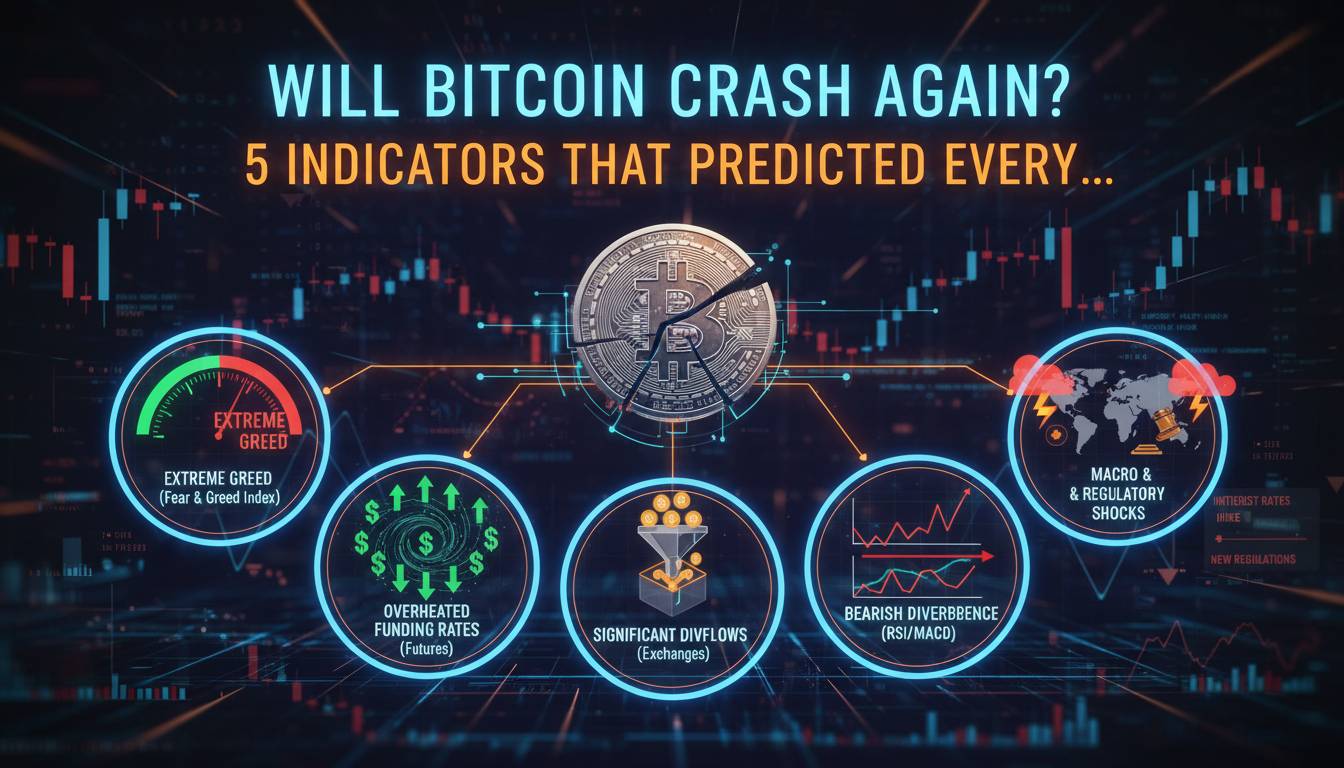
Watching funding rates. When funding goes extremely positive — meaning the market is heavily leveraged long — that’s a warning sign, not a confirmation. Extreme leverage in one direction often precedes the exact opposite move.
-
Treating the news event as a potential exit rather than an entry. The instinct when you see “Bitcoin ETF approved” is to buy. That instinct has cost many traders money. The market has been waiting for this moment. Everyone who wanted to be long already is.
What doesn’t work:
-
Fading every good-news dump blindly. Sometimes the news genuinely is bullish enough to push prices higher over time. The ETF approval eventually did lead to higher prices, just not immediately. If you’d shorted on the news and held, you’d have been destroyed.
-
Using this as a blanket strategy without context. The pattern works best on widely-anticipated, binary outcomes. Less-predictable catalysts — like unexpected regulatory action or major adoption news that genuinely surprises the market — don’t always follow the same script.
Why This Keeps Happening (And Why It Will Continue)
Here’s the uncomfortable truth: this pattern persists because human psychology doesn’t change, and crypto attracts the exact demographic most susceptible to it.
Crypto draws in new traders who haven’t learned these lessons yet. Every cycle, a fresh wave of buyers discovers Bitcoin, sees good news, and buys the top. They get rekt, but they’re replaced by the next cohort. The pattern never stops working because the market keeps finding new victims — and because even experienced traders sometimes fall for it.
The market structure reinforces this. Exchanges make money on volume, and retail trading on news generates enormous volume. Social media amplifies FOMO instantly. And the 24/7 nature of crypto means there’s no “close” to wait out — the dump happens in the middle of your night if you’re in the wrong timezone.
This isn’t going to change. The only thing that changes is whether you’re the person buying into the headline or the person selling into it.
The Honest Limitation
Predicting exactly when a good-news dump will happen is nearly impossible in real-time. The pattern is visible in hindsight every time — but the market has already priced things in by the time you recognize what’s happening. If this strategy were easy, everyone would do it, and the edge would disappear.
What you can control is your positioning going into known catalysts. If you’re holding Bitcoin through a major event, you should have a plan for that event. Not a hope — a plan. That’s the difference between trading and gambling.
The counter-intuitive lesson here isn’t that you should sell on good news. It’s that you should think about who is buying when the news breaks, and whether that buying is likely to exceed the supply being dumped by people who were already positioned. Most of the time, it doesn’t.