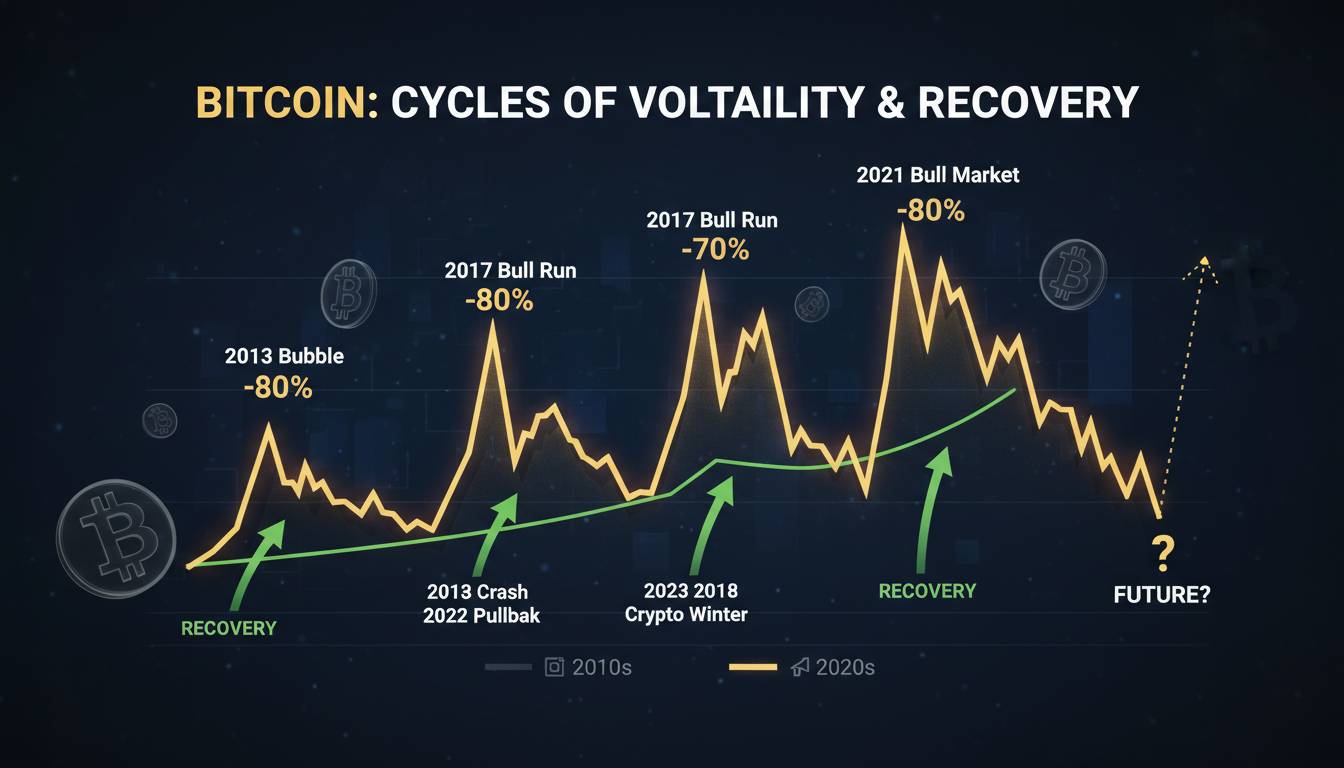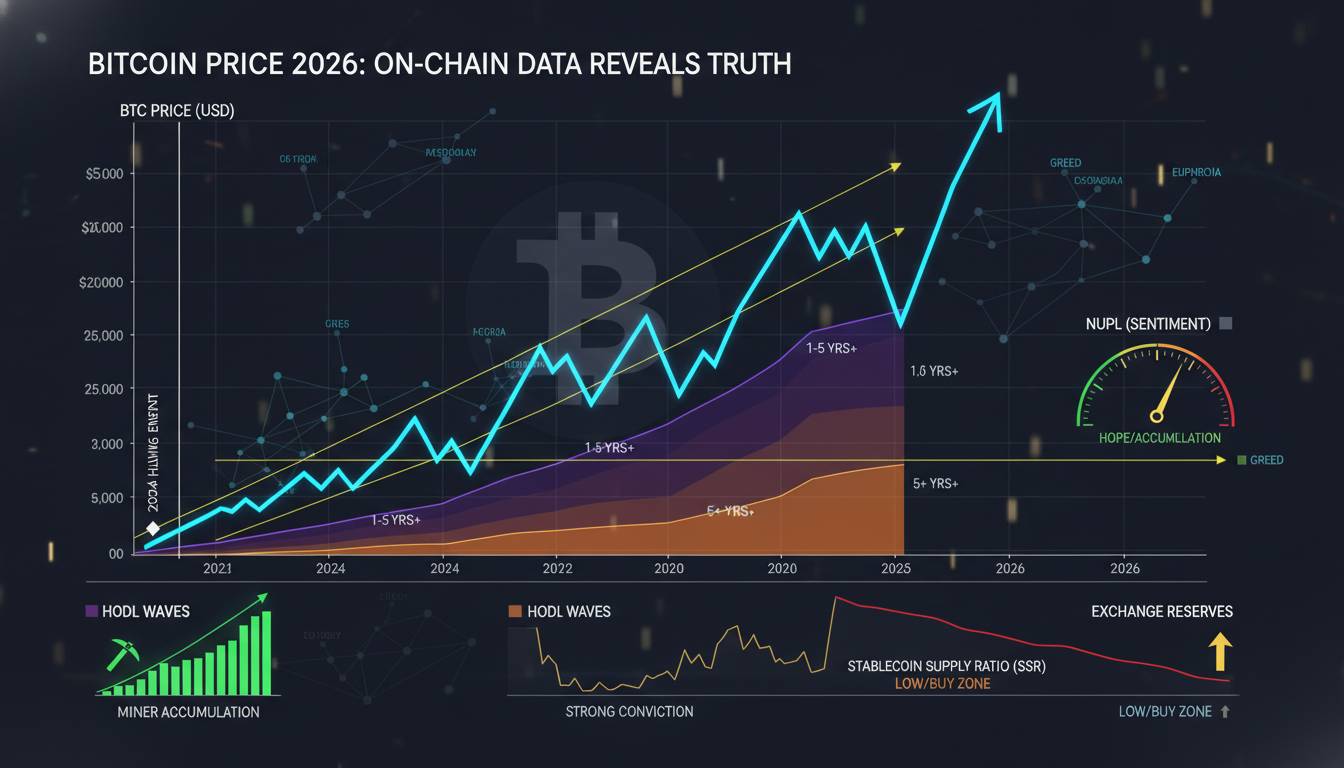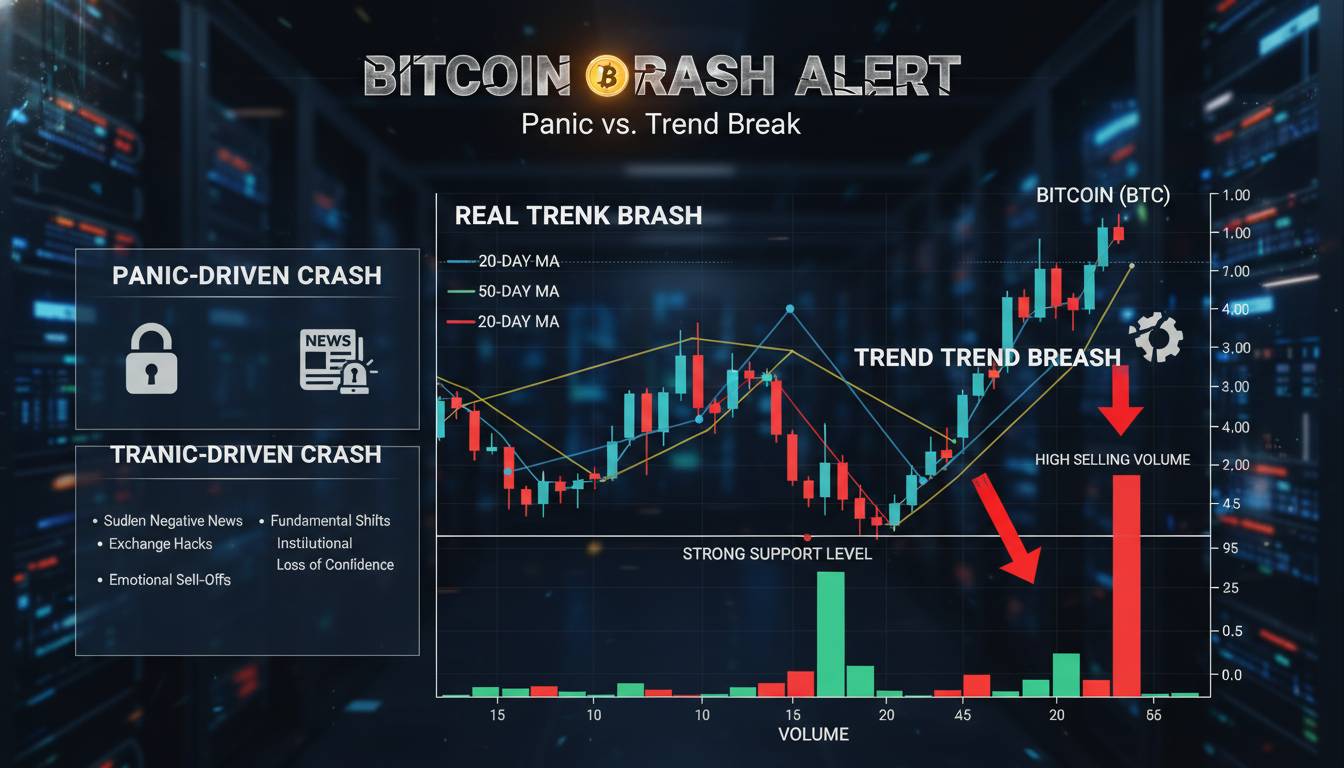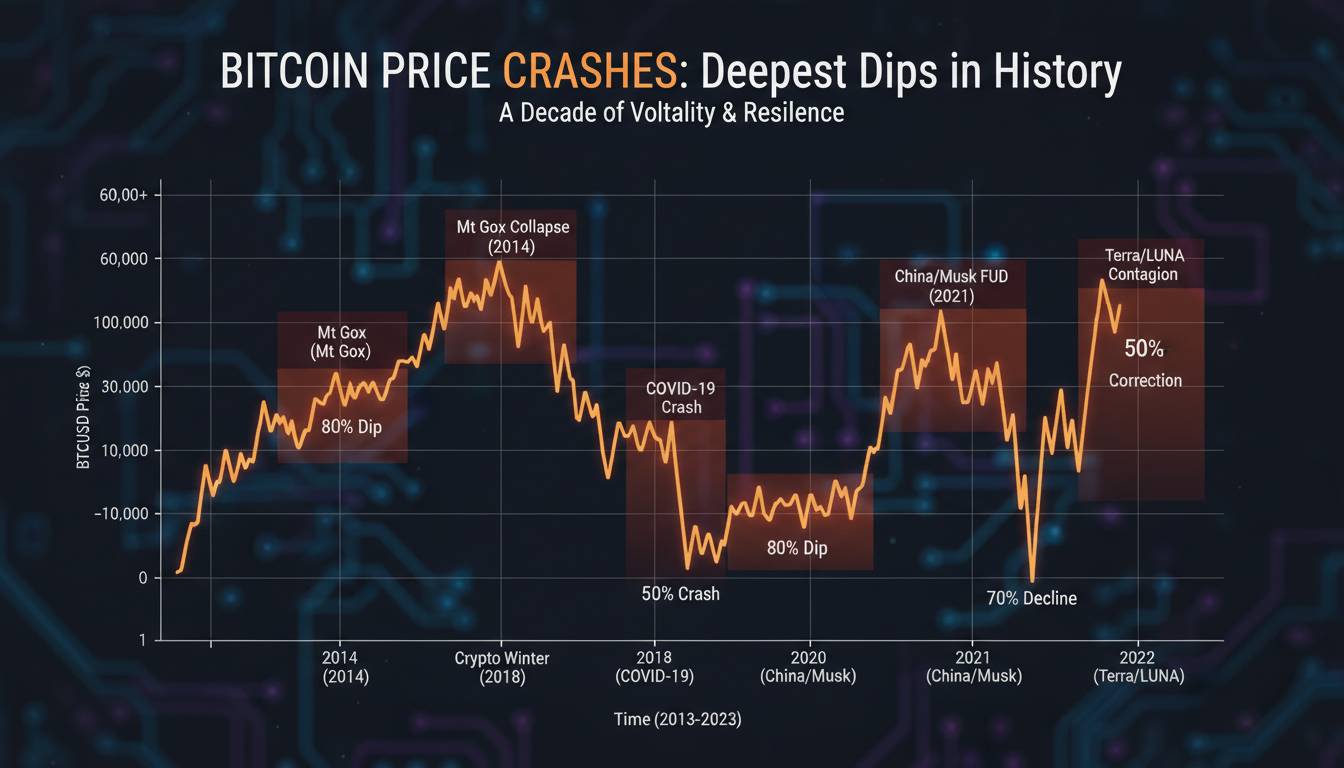

Bitcoin has been declared dead over 400 times since its creation, yet its price trajectory has confounded both cheerleaders and skeptics alike. The cryptocurrency has crashed 80% multiple times, only to surge to new all-time highs. This isn’t luck—it’s a market defined by forces that make accurate prediction extraordinarily difficult. Understanding why predictions fail, and learning to evaluate them intelligently, isn’t just useful for crypto investors. It’s essential for anyone who wants to think clearly about financial markets.
The truth is most Bitcoin predictions are wrong, but that doesn’t mean they’re useless. The difference between losing money following predictions and using them effectively comes down to understanding what predictions can and cannot tell you—and knowing which sources have earned the right to be taken seriously.
Extreme Volatility Creates Prediction Feedback Loops
The most obvious reason Bitcoin predictions fail is also the most misunderstood: volatility isn’t just a feature of Bitcoin, it’s a feature that warps the prediction landscape itself. When Bitcoin moves 10% in a single day—something that happened dozens of times in 2021 alone—any prediction with a specific price target becomes almost immediately obsolete.
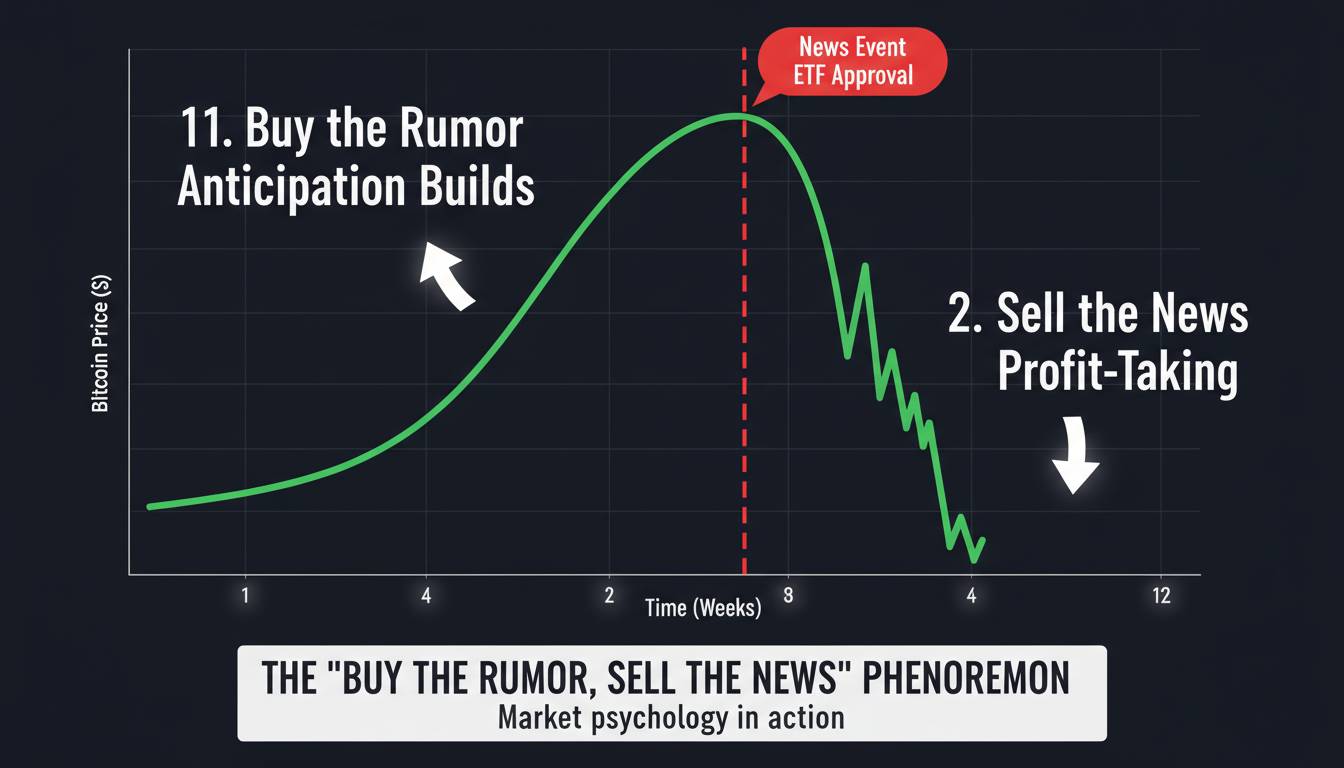
But here’s what most analysts miss: this extreme volatility creates feedback loops that make predictions self-defeating. When a prominent figure predicts Bitcoin will reach $100,000, that prediction enters the information ecosystem. Traders pile in anticipating the prediction’s fulfillment. The buying pressure pushes price toward the target—but now the prediction has become a self-fulfilling prophecy, not an accurate forecast of fundamental value. When the price inevitably corrects (because it was artificially inflated by the prediction itself), the same analysts declare the prediction “wrong” when really it was never testing what it claimed to test.
The practical takeaway is straightforward: treat any specific price prediction as a market sentiment indicator rather than a financial forecast. If someone predicts $250,000 by year’s end, what they’re really telling you is that bullish sentiment is currently high enough to attract that level of public attention.
Market Manipulation Remains Rampant
Bitcoin’s relatively small market capitalization compared to traditional assets makes it exceptionally vulnerable to manipulation—and this manipulation directly undermines prediction accuracy. Wash trading, where parties artificially inflate trading volume to create false market interest, remains prevalent in crypto markets. A 2019 study from blockchain analytics firm Bitwise found that wash trading accounts for 50-95% of volume on certain exchanges.
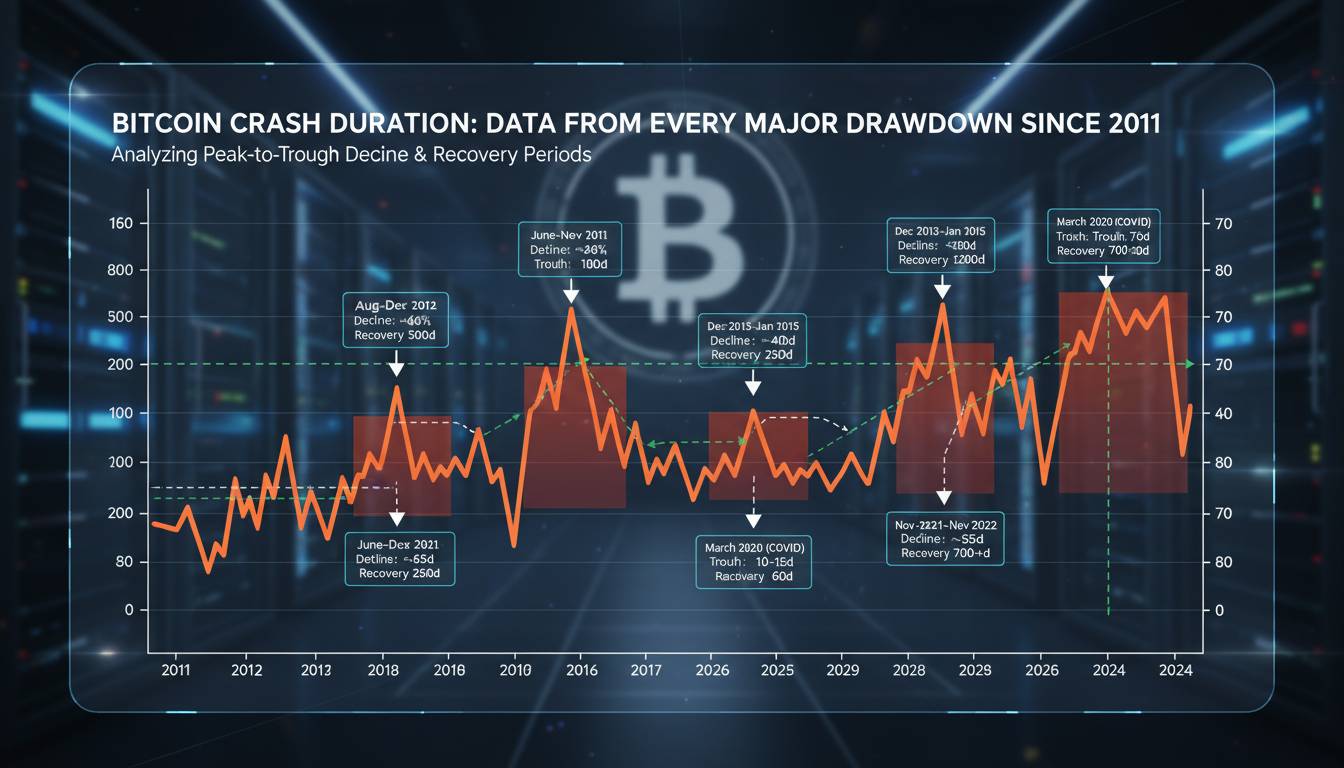
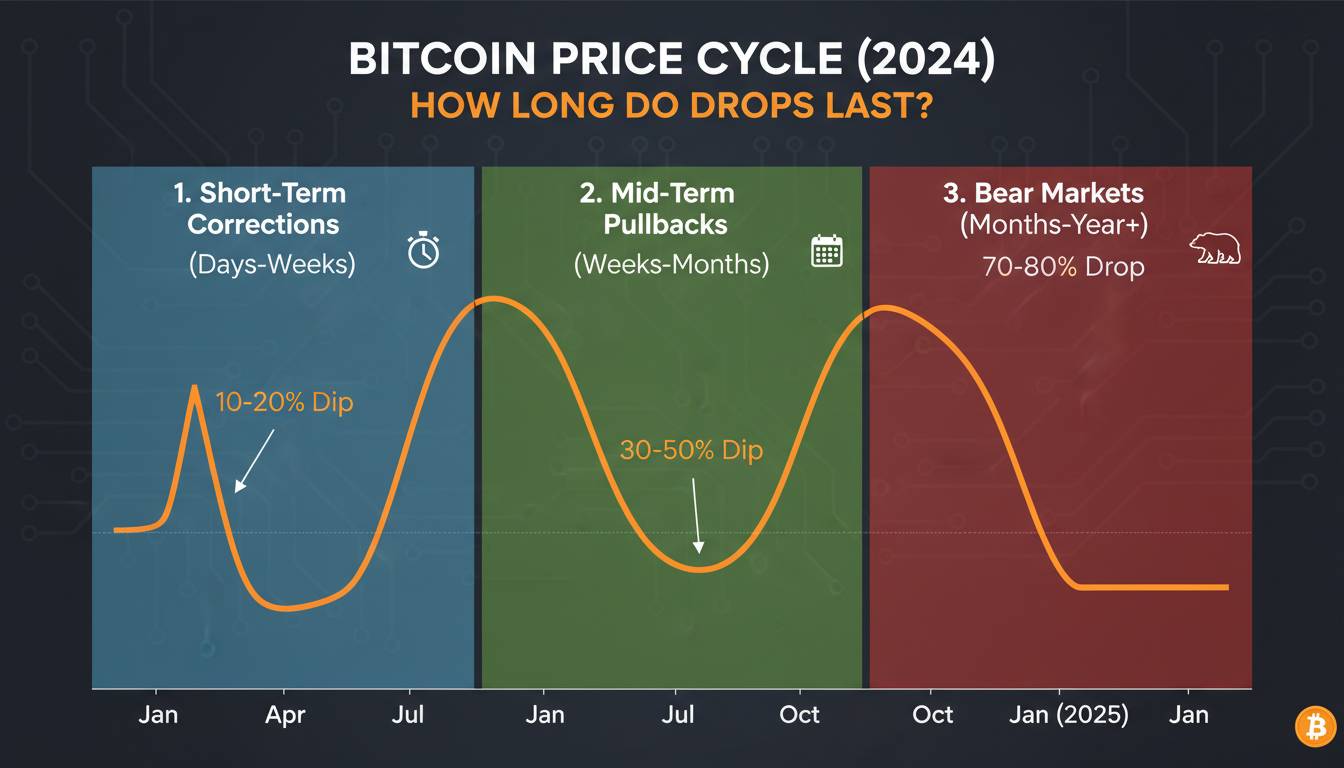
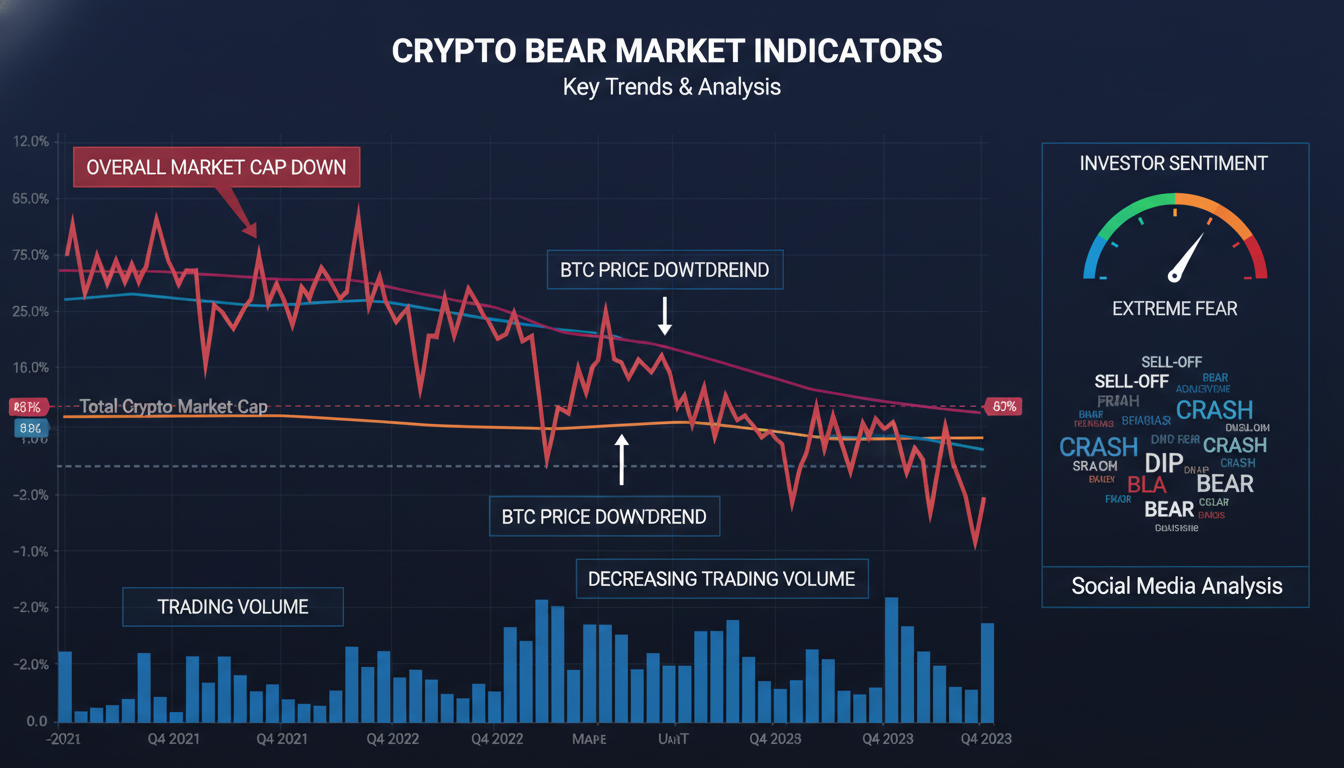
Coordinated pump-and-dump schemes add another layer of unpredictability. In December 2017, Bitcoin peaked near $20,000 largely driven by retail FOMO. By December 2018, it had fallen to around $3,200. No fundamental analysis predicted this 85% crash because it wasn’t driven by fundamentals—it was driven by the natural life cycle of a speculative bubble that had been pumped by media attention and retail enthusiasm.
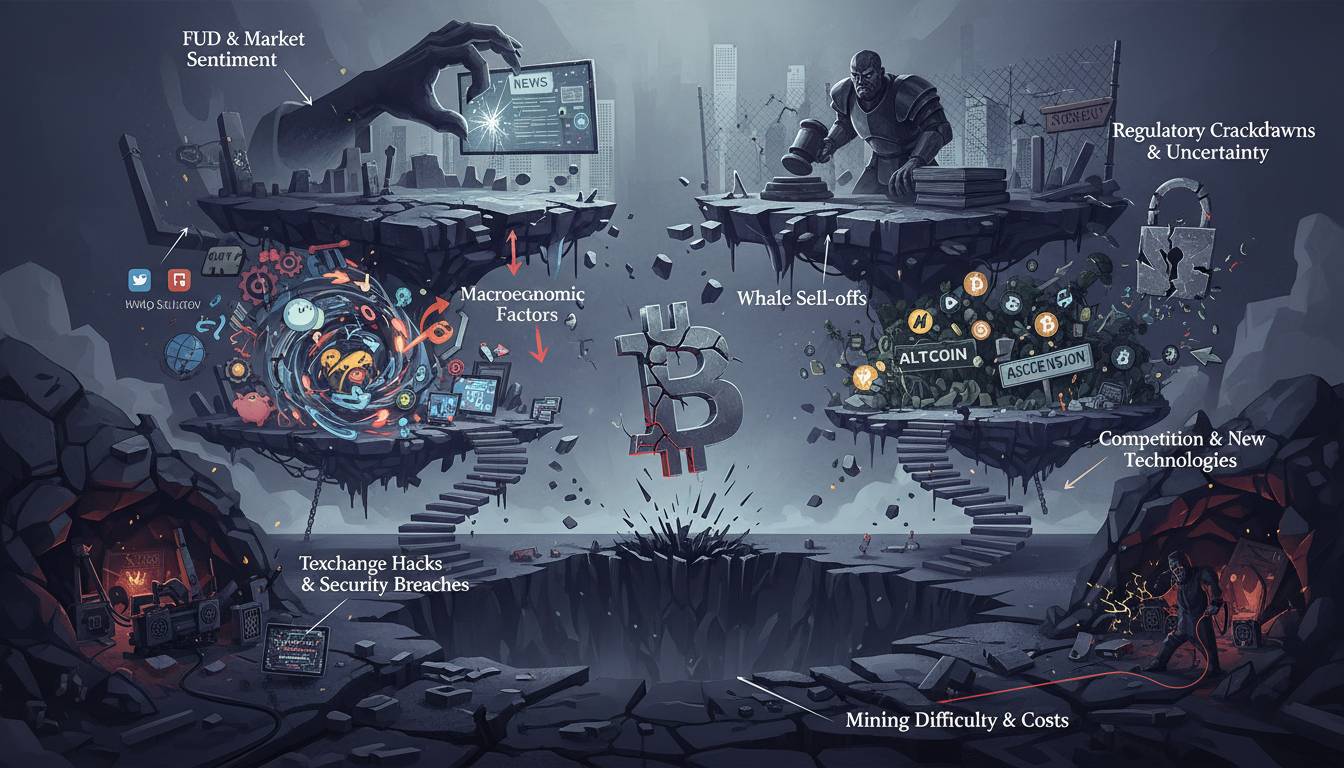
More recently, the collapse of FTX in November 2022 revealed how much market structure risk remained embedded in the ecosystem. Predictions made before the collapse—whether bullish or bearish—became suddenly irrelevant as one of the largest trading venues simply vanished. If you’re evaluating a prediction, ask whether the author has addressed known manipulation risks. Most don’t.
Black Swan Events Systematically Defeat Expert Analysis
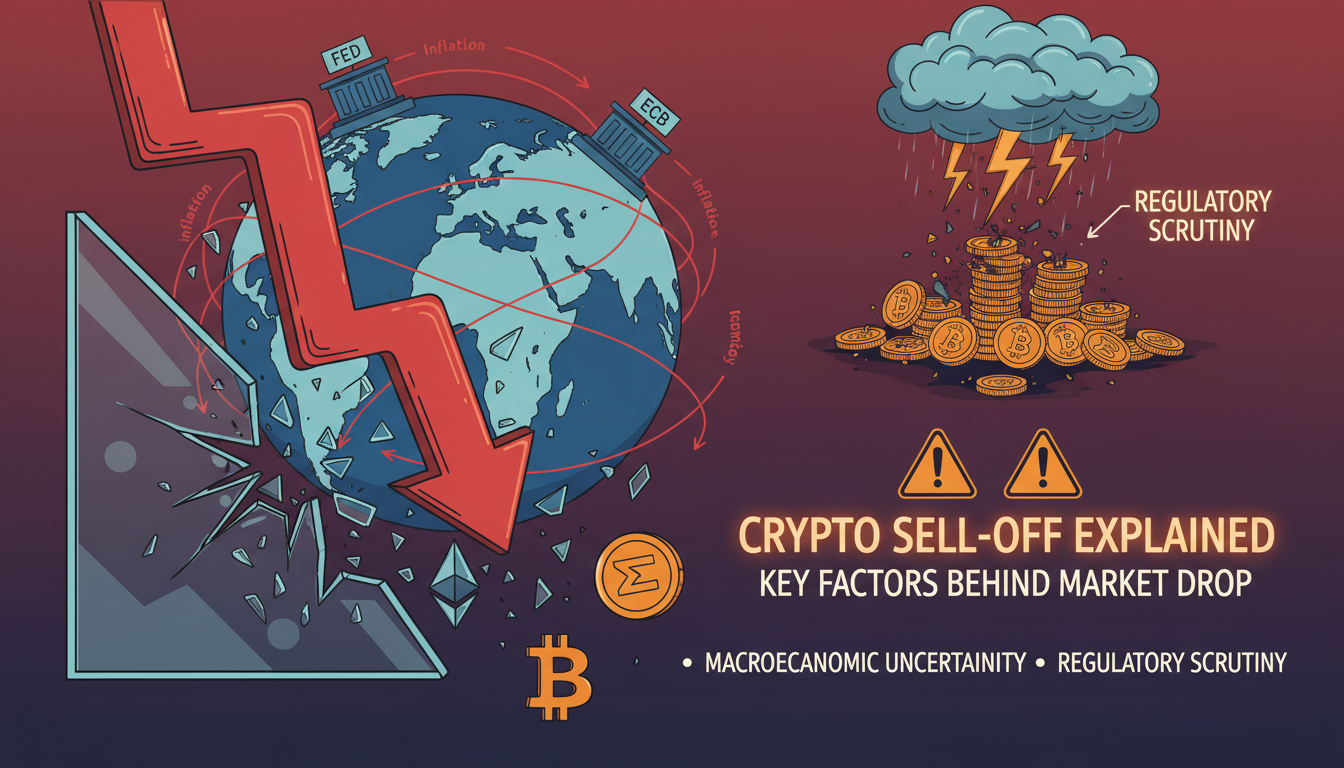
Bitcoin has experienced multiple black swan events that fundamentally reshaped its market dynamics. The COVID-19 crash in March 2020 provides a useful case study. When global markets panicked, Bitcoin dropped over 50% in 48 hours—falling faster than most traditional assets despite its supposed “safe haven” narrative. Expert predictions made just weeks earlier were rendered meaningless.
Regulatory announcements function similarly. When China announced mining restrictions in May 2021, predictions centered on institutional adoption became suddenly irrelevant. The hashrate migration from China to the United States took months to resolve, and no prediction model had adequately accounted for sudden supply-side disruption at that scale.
The uncomfortable truth is that the events most likely to move Bitcoin prices are precisely the events that are, by definition, unpredictable. This isn’t a limitation of current models—it’s a fundamental characteristic of markets exposed to tail risks. When evaluating predictions, pay attention to what assumptions they’re making about the absence of major disruption. If none are stated, discount accordingly.
The Self-Fulfilling Prophecy Problem
This point deserves its own section because it reveals something important about how prediction markets actually work. When MicroStrategy announced in 2020 that it would convert its treasury to Bitcoin, and when Tesla announced $1.5 billion purchases in early 2021, these weren’t predictions—they were corporate actions. But they had the same effect as predictions: they signaled to the market that large buyers were accumulating, triggering FOMO among retail traders.
The prediction industry has started to exploit this dynamic. Some analysts release aggressive price targets specifically to attract attention and trigger the very buying pressure that makes their prediction appear accurate. This creates a distorted feedback loop where the most attention-grabbing predictions—which are often the least grounded in analysis—get the most engagement and appear most “accurate” in the short term.
This is why I recommend ignoring predictions that come without clear methodology. If someone tells you Bitcoin will hit $500,000 but can’t explain what fundamental developments would need to occur for that to happen, you’re looking at either marketing or self-fulfilling prophecy engineering.
Most Prediction Track Records Are Terrible—But Some Are Better
Here’s the counterintuitive part that most articles on this topic get wrong: prediction accuracy in crypto isn’t random. Some analysts and firms have demonstrably better track records than others—not because they can see the future, but because they’re better at identifying and communicating the conditions that would invalidate their thesis.
Look at the record of firms like Pantera Capital, which has been publishing blockchain analyses since 2013. Their predictions aren’t always right, but they consistently identify the key variables that would determine outcomes and update their positions when data changes. Contrast this with analysts who issue bold price targets and then disappear when they’re wrong.
The key is to evaluate predictions based on two criteria: first, does the author show their work—meaning can you trace their reasoning from data to conclusion? Second, do they acknowledge what would need to happen for their prediction to be wrong? If a prediction comes with explicit conditions for failure, the author is thinking probabilistically rather than evangelically. That’s the only framework that makes sense for an inherently unpredictable asset.
Evaluating Source Methodology Separates Adults from Children
Methodology matters more than conclusions. This is true in every analytical field, but it’s especially critical in crypto where the incentive to generate attention-grabbing headlines overwhelms any commitment to intellectual honesty.
When you encounter a Bitcoin prediction, ask these questions: What data is the prediction based on? Network growth metrics, on-chain analytics, macro conditions, technical analysis patterns, or just sentiment? How does the author weight different factors? Is there a model, or is this an intuition? Has the model been backtested, and if so, over what time period?
The crypto analysis space has seen the rise of firms like Glassnode and Chainalysis that specialize in on-chain data analysis. These firms don’t always get predictions right, but they operate in a different evidentiary universe than analysts who simply extrapolate price charts. Understanding what kind of analysis you’re reading matters as much as understanding what the analysis claims.
Conditional Language Reveals Intellectual Honesty
The best predictions come with explicit conditions attached. “Bitcoin will reach $150,000 if institutional adoption continues at current pace and no major regulatory crackdown occurs” is a much more valuable prediction than “Bitcoin will reach $150,000.” The first version acknowledges uncertainty and gives you a framework for updating your beliefs. The second version is either marketing or delusion.
Watch for predictions that use confident language without hedging. The phrase “will reach” should make you suspicious. The phrase “could reach” or “has a pathway to” suggests the author understands they can’t control the variables. This isn’t weakness in analysis—it’s intellectual honesty about the nature of the problem.
When evaluating predictions, prioritize the conditions over the conclusion. A well-reasoned conditional prediction that’s wrong about conditions is more useful than an unconditional prediction that’s right by luck.
Multiple Timeframes Reveal Different Truths
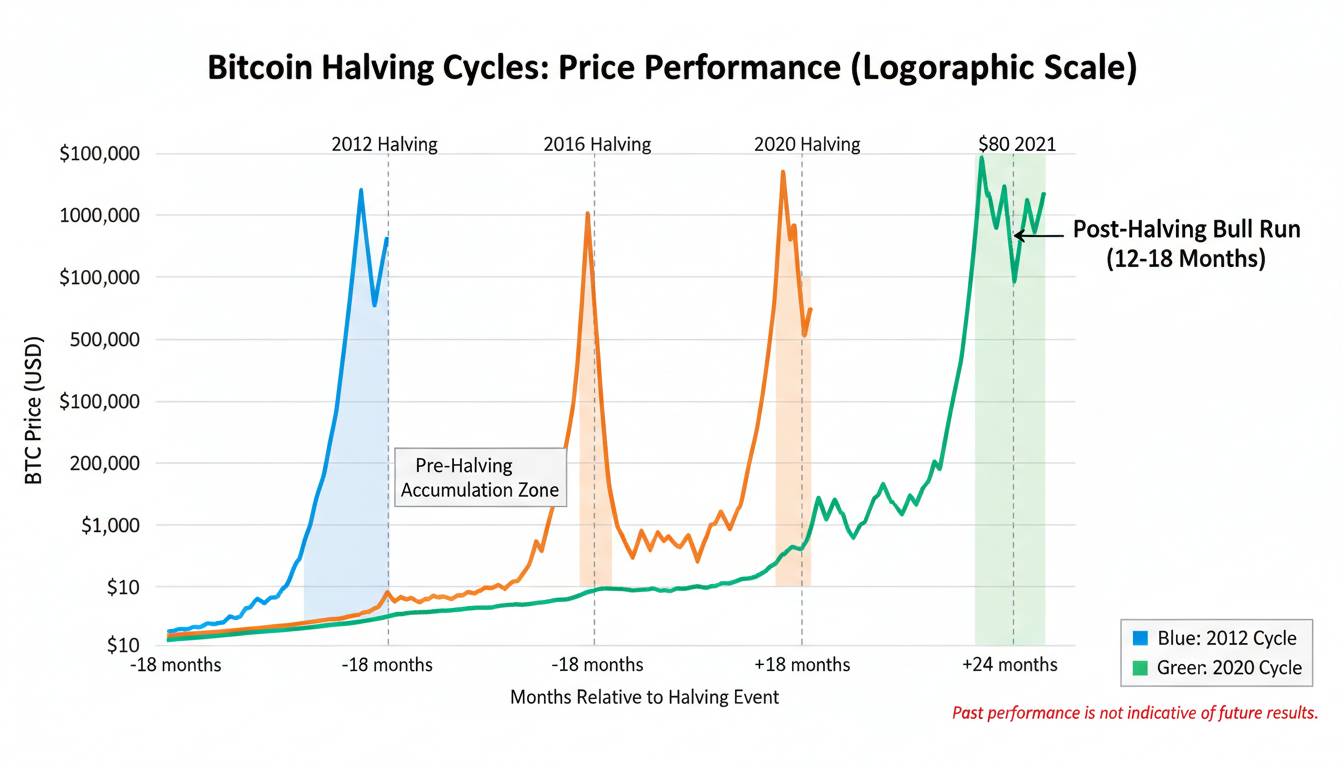
One reason predictions seem to fail so often is that analysts frequently fail to specify what time horizon they’re considering. Short-term predictions (under 12 months) are essentially trading decisions dressed up as analysis. Medium-term predictions (1-3 years) involve macroeconomic assumptions that are notoriously difficult. Long-term predictions (5+ years) are almost purely philosophical—they’re really arguments about what Bitcoin might become, not forecasts of what it will cost.
The March 2024 all-time high above $73,000 would have seemed optimistic to most analysts in 2022, when fear dominated market sentiment. But someone making a 5-year prediction in 2019 that Bitcoin would reach $70,000 by 2024 wasn’t crazy—they were just operating on a different timeframe than traders obsessing over daily movements.
When you encounter a prediction, clarify the timeframe before you evaluate the conclusion. A prediction that’s unreasonable at 6 months might be reasonable at 5 years.
Understanding What Predictions Can Actually Do
Here’s the limitation that most articles won’t acknowledge: predictions for an asset like Bitcoin aren’t really forecasting financial returns. They’re forecasting sentiment, adoption trajectories, and regulatory environments—and then translating those forecasts into price language that audiences can understand.
This matters because it reveals what predictions can legitimately do: they can help you understand what market participants are currently believing and expecting. If 80% of predictions are bullish, that’s useful information about market sentiment regardless of whether the predictions prove accurate. The prediction itself becomes a data point about the information environment you’re operating in.
What predictions cannot do is tell you with certainty what will happen. Anyone claiming otherwise is either lying or confused. The value lies in using predictions as a tool for understanding market consensus—and then positioning yourself to be surprised when consensus proves wrong.
A Practical Framework for Reading Bitcoin Predictions
Rather than treating predictions as either gospel or garbage, develop a systematic approach. First, identify the prediction’s timeframe and methodology. Without these, you’re reading tea leaves. Second, evaluate the source’s track record—not their success rate, but their intellectual honesty about uncertainty. Third, extract the conditions embedded in the prediction, whether explicit or implicit. These conditions tell you what the author actually believes about the market’s drivers. Fourth, consider the prediction’s social context. Is this being published to attract attention, or to document a genuine analytical conclusion? The incentive structures in crypto media mean these often diverge.
Finally, maintain your own probabilistic framework. Update your beliefs slightly in the direction of each new prediction you encounter, but never bet more than you can afford to lose on any single outcome. The market has consistently proven more unpredictable than even the most sophisticated models suggest. Humility about prediction is not just intellectually honest—it’s financially necessary.
Bitcoin will continue to generate confident predictions from every corner of the internet. Some will be right, most will be wrong, and the relationship between confidence and accuracy will remain inverse. Your job isn’t to find the prediction that will be right—it’s to develop the judgment to evaluate what you’re reading and position yourself accordingly. That’s a skill that works in any market, not just crypto.