
The crypto market doesn’t just move fast—it moves erratically, and most people never learn why. They see headlines about Bitcoin crashing 30% in a day or altcoins spiking 200% overnight, and they assume it’s pure speculation or manipulation. While those factors matter, the deeper answer lives in something more fundamental: liquidity. Understanding liquidity mechanics won’t make you predict the next crash, but it will explain why a relatively small amount of money can move prices dramatically in crypto while the same dollar volume barely registers in the stock market. That’s the gap most casual investors never close, and it’s the difference between understanding volatility and being confused by it.
What Liquidity Actually Means in Crypto Markets
Liquidity describes how easily you can buy or sell an asset without significantly changing its price. In a highly liquid market, you can place a large order and watch the price stay roughly stable. In an illiquid market, your order moves the price immediately—and not in the direction you want.
Think of it this way. If you own a rare collectible worth $50,000 and try to sell it on eBay, you might list it for $50,000 and wait weeks or months for a buyer. The price doesn’t move because no one is trading it. Now imagine instead you’re selling 100 shares of Apple. You place a market order and the trade executes within seconds at nearly the same price you saw before you clicked buy. That’s the difference between illiquid and liquid.
In cryptocurrency, liquidity manifests through the order book—a digital record of all buy and sell orders waiting to be filled. On the best exchanges, like Binance, you see thousands of orders at slightly varying prices. When you place a buy order, you match with the lowest available sell price. When you place a sell, you match with the highest available buy price. The gap between these two prices is called the bid-ask spread.
In Bitcoin or Ethereum, that spread might be a few cents during peak trading hours. In a smaller altcoin with fewer participants, the spread could be several dollars, meaning the price effectively moves 2-3% just by placing an order. That’s liquidity in practice, and it’s the foundation for understanding why crypto prices behave the way they do.
Why Cryptocurrency Markets Are Fundamentally Thinner
The stock market processes over $200 billion in daily trading volume across U.S. exchanges alone. The entire crypto market, despite its massive valuation, handles roughly $50-100 billion in daily volume—and that figure includes wash trading and fake volume that exchanges sometimes report to appear more active. The real usable liquidity is substantially lower.
This happens because stock markets have decades of institutional infrastructure: retirement accounts, mutual funds, pension funds, and sovereign wealth funds that allocate billions daily. These participants provide continuous buy and sell pressure that absorbs large orders without dramatic price impact. Crypto has none of that at scale. Institutional adoption has grown since 2020, but most crypto trading still comes from retail participants and smaller prop trading firms.
This difference gets worse over time. Traditional markets close on evenings and weekends. Crypto never sleeps. When U.S. traders go to bed, Tokyo and Singapore exchanges wake up. When Asian markets quiet down, European sessions begin. This 24/7 nature sounds like an advantage, but it actually fragments liquidity. The total pool of available buyers and sellers at any single moment is much smaller than the 24-hour pool suggests, because market participants naturally cluster around peak hours in their respective time zones.
Consider what happens on a Sunday afternoon in the U.S. Many retail traders are offline. Asian markets are closing. European markets haven’t opened. The remaining liquidity comes from a thin slice of global participants. A $50,000 buy order that would barely register on a Tuesday afternoon might move a small-cap altcoin 5% on a Sunday. That’s not manipulation—it’s just the math of thin order books.
How Market Makers Create and Amplify Price Swings
Market makers are firms or algorithms that continuously quote both buy and sell prices, profiting from the spread. They provide liquidity by always being willing to take the other side of your trade. Without them, you’d often wait hours or days to find a counterparty. In traditional markets, market making is dominated by established firms with massive capital reserves. In crypto, the market maker ecosystem is younger, less capitalized, and more volatile.
Here’s how their role directly affects your trading experience. When you click “buy” on a cryptocurrency, you’re almost certainly not matching with another retail trader. You’re matching with a market maker who has algorithms placing limit orders across dozens of exchanges simultaneously. These algorithms adjust prices in real-time based on order flow, inventory positions, and perceived risk. When they sense heavy buying pressure, they quickly raise their ask prices. When selling overwhelms buying, they lower bids.
The spread between their bids and asks acts like a tax on traders. In highly liquid markets like Apple stock, the spread might be a penny. In crypto, spreads vary widely. During the collapse of FTX in November 2022, bid-ask spreads on Solana and related tokens widened to 10-15% on some exchanges because market makers stopped providing quotes entirely. The market didn’t just drop—it became inefficient, with wild price discrepancies between exchanges.
This is the counterintuitive reality most articles ignore: market makers don’t just dampen volatility; they can amplify it by withdrawing during stress. When conditions turn uncertain, the firms that provide stability disappear. Their departure leaves only retail traders trading against each other, and that’s when prices become untethered from any fundamental anchor.
Volume Statistics and the Illusion of Market Depth
Trading volume gets quoted constantly in crypto media, but volume alone doesn’t tell you what you think it does. A coin can show $500 million in daily volume and still be extremely difficult to trade in size. The key distinction lies between gross volume and net usable liquidity.
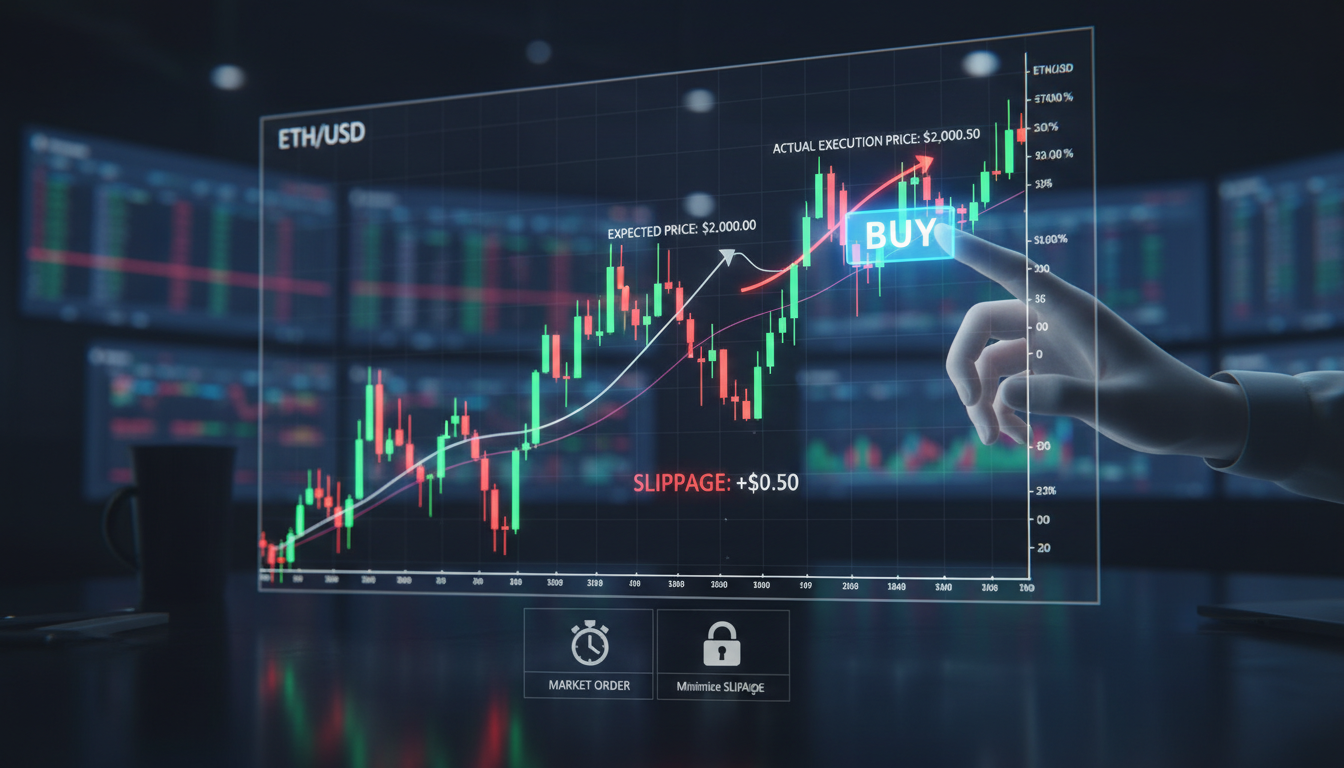
Large trades move prices through what’s called slippage—the difference between your expected price and your actual execution price. If you plan to buy $100,000 of a token at $10 and you experience 2% slippage, you actually pay $10.20 on average. In highly liquid markets like Bitcoin on major exchanges, slippage for $100,000 orders rarely exceeds 0.1%. In smaller altcoins, the same order might slip 3-5% or more.
The crypto market also suffers from inflated volume statistics. Academic research by blockchain analytics firms has consistently found that 50-80% of reported volume on certain exchanges is wash trading—fake trades where the exchange trades with itself to appear more active. This artificial volume attracts traders who believe they’re entering a liquid market, only to discover real execution quality is far worse than the numbers suggest.
By early 2024, several major exchanges faced regulatory scrutiny over wash trading, and some transparency organizations began publishing adjusted volume metrics that filter out suspected fake trades. When you look at adjusted volume, the usable liquidity in crypto shrinks considerably further. This matters because it means the market is even thinner than headlines suggest, and small dollar amounts can move prices more dramatically than investors expect.
Recent Liquidity-Driven Price Movements Worth Studying
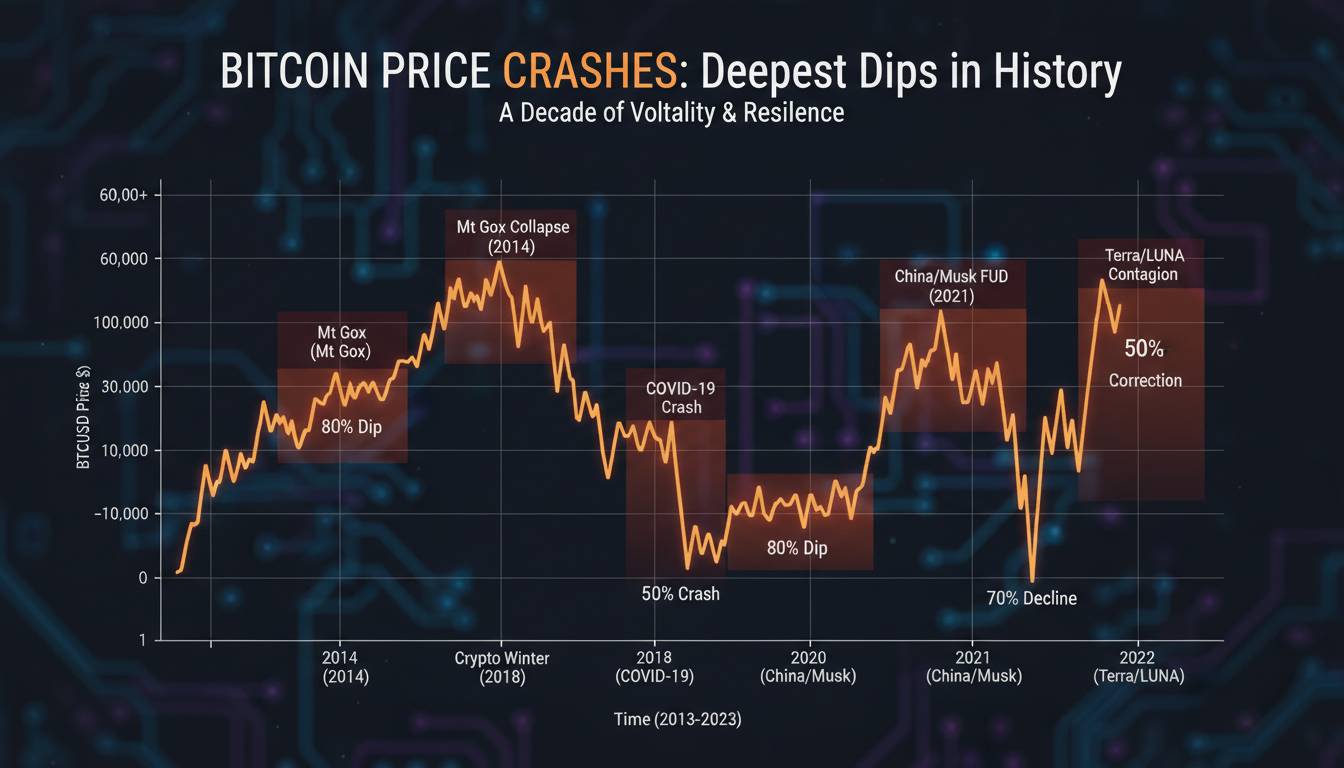
The collapse of Terra’s UST stablecoin in May 2022 remains the clearest example of liquidity-driven destruction. Within 72 hours, the Terra ecosystem lost over $40 billion in market value. But the interesting mechanic wasn’t just the crash—it was the mechanism. When UST began losing its peg, market makers and arbitrageurs should have stepped in to restore equilibrium. Instead, the algorithmic stablecoin’s design meant there was no actual capital backing the tokens. Liquidity evaporated instantly because there was nothing to arbitrage toward. The price moved 90% in hours, not because of speculation, but because the underlying liquidity infrastructure never existed.
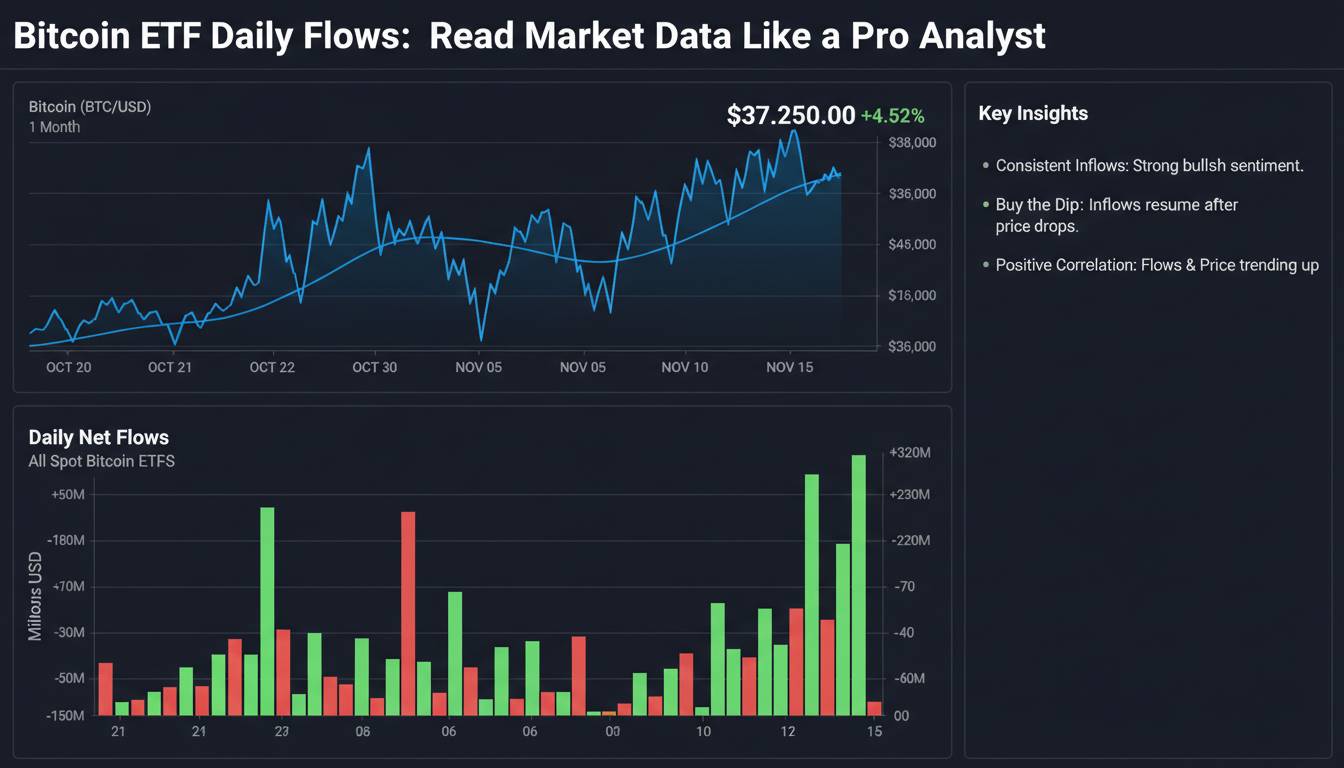
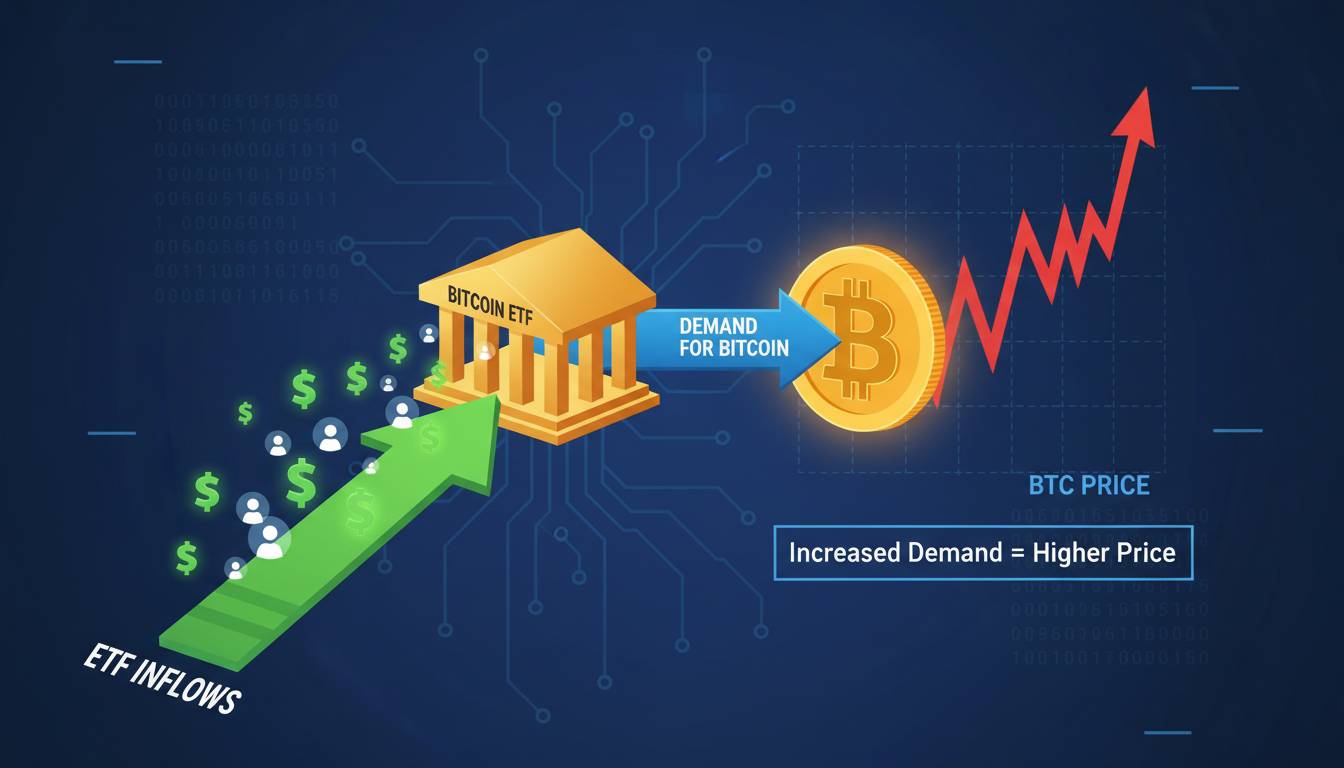
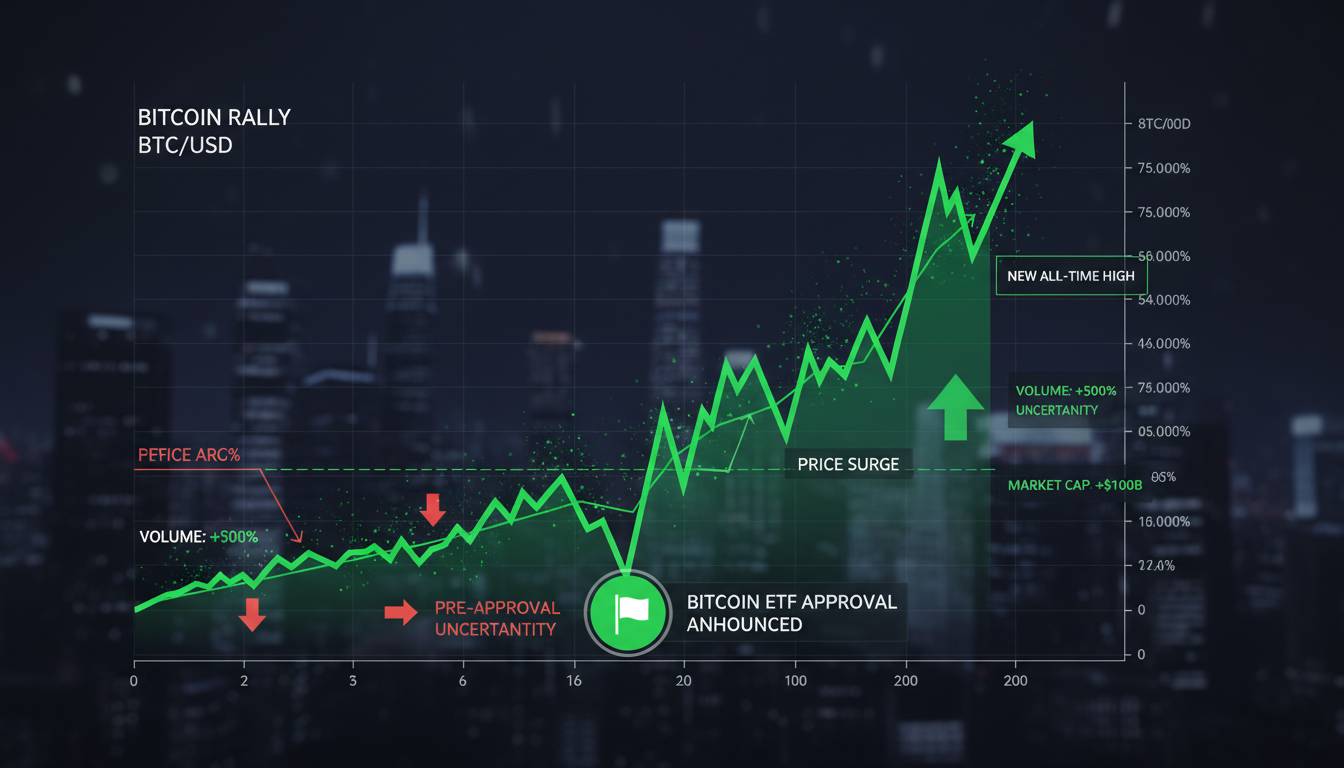
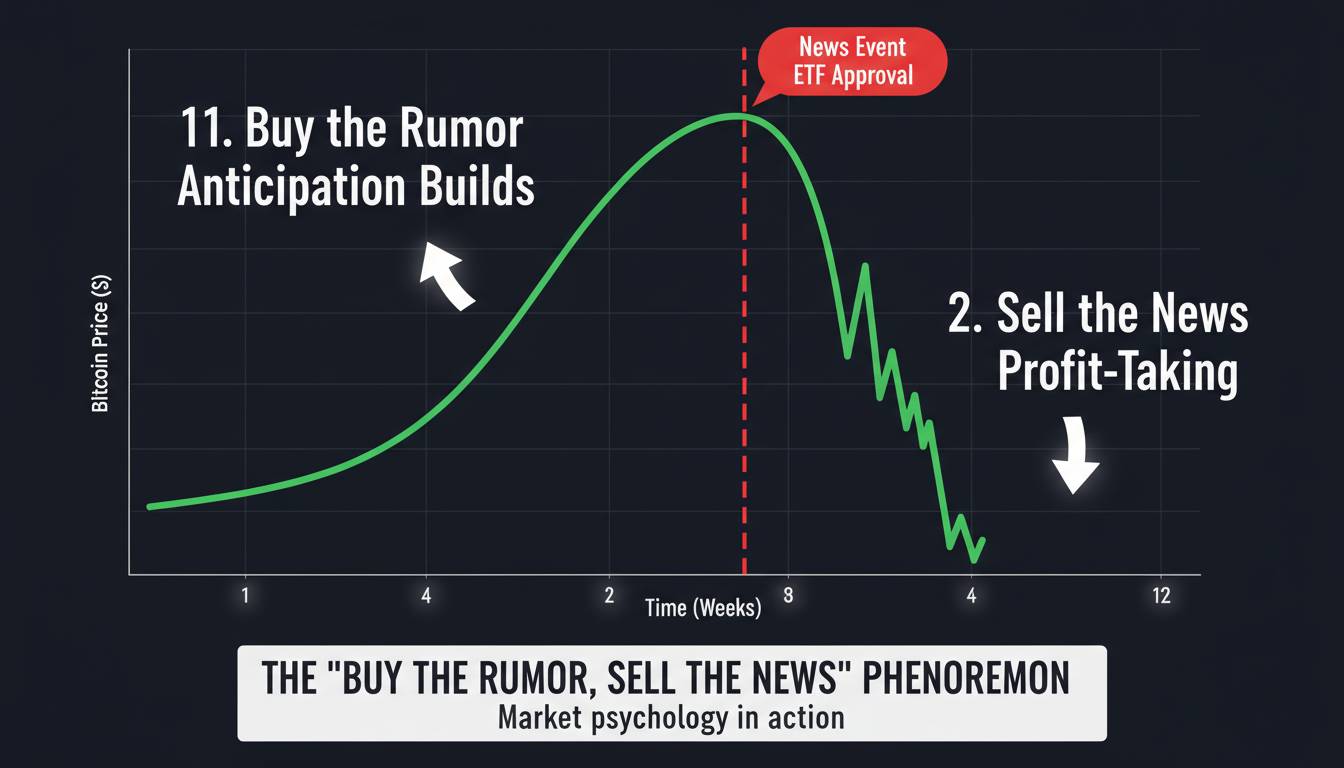
Another instructive example occurred in early January 2024, when Bitcoin spot ETFs began trading. Anticipation had built for months, and most analysts expected a “sell the news” event because so much buying had already been priced in. Instead, Bitcoin rallied 15% in the two weeks following the ETF launch. Why? The anticipated selling pressure from early investors was met with unprecedented institutional buying demand that exceeded available liquidity. Prices rose because new money overwhelmed the sell-side depth.
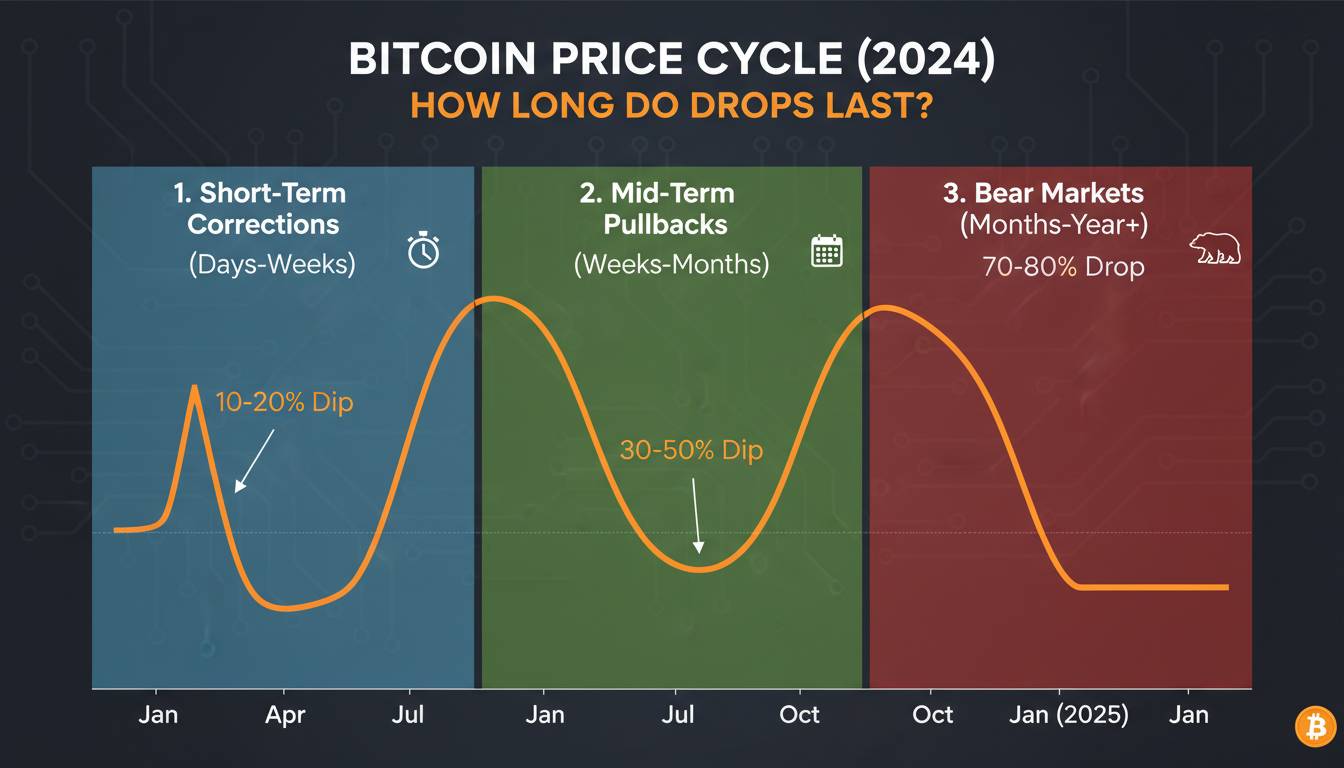
More recently, the August 2024 market correction demonstrated how quickly liquidity can vanish. Over $1 billion in long positions were liquidated within 24 hours after economic data suggested the Federal Reserve might not cut interest rates as aggressively as markets had priced. The sudden cascade happened because most crypto liquidity sits in highly leveraged positions. When prices moved against these positions, exchanges automatically liquidated them, creating a feedback loop that amplified the initial move far beyond what fundamental news would normally trigger.
Frequently Asked Questions About Crypto Liquidity
Why is crypto more volatile than stocks?
The primary driver is lower liquidity relative to market size. The same percentage change in order flow creates a larger price movement when fewer dollars are sitting in the order book. Additionally, crypto operates 24/7 with no trading pauses, no circuit breakers, and far fewer institutional market makers to provide stability during dislocations.
Can liquidity ever match traditional markets?
Potentially, but not soon. Institutional adoption brings more capital and more sophisticated market-making infrastructure. However, crypto’s fragmented nature—thousands of tokens across dozens of exchanges—means liquidity will always be more distributed than a centralized stock exchange. The industry may develop better solutions, but the fundamental structure works against monolithic liquidity pools.
Do exchanges manipulate liquidity?
Some exchanges have been accused of and proven to manipulate volume through wash trading. Choosing reputable exchanges with transparent order books and independent audit verification helps avoid platforms where artificial liquidity creates false impressions of tradeability.
How can I protect myself from liquidity-driven losses?
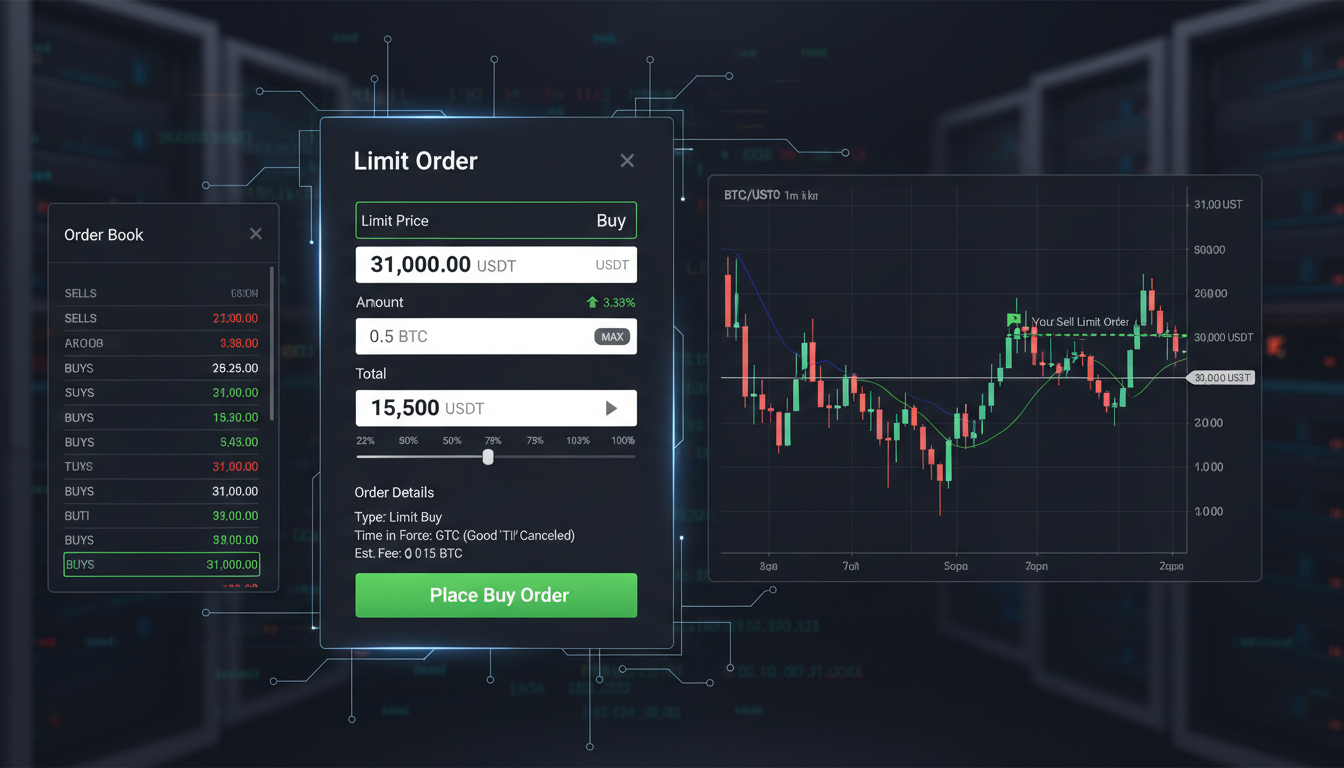
The most practical step is sizing positions appropriately for the asset’s liquidity. Buying $10,000 of Bitcoin poses minimal slippage risk. Buying $10,000 of a small-cap altcoin with $2 million in daily volume might move the price 2-3% against you. Use limit orders instead of market orders when trading less-liquid assets, and accept that your exit price may differ significantly from the last traded price during stressed market conditions.
Where This Leaves You
The crypto market’s wild movements aren’t random—they’re predictable in structure even if they’re impossible to time. Low liquidity means thin order books. Thin order books mean small orders create large price changes. Add in leverage, 24/7 trading, and a fragmented ecosystem of exchanges and market makers, and you have an environment where volatility is structural, not accidental.
This doesn’t mean crypto is broken or that you should avoid it. It means you should calibrate expectations. The same characteristics that create volatility also create opportunity—but only if you understand you’re trading in a market where the infrastructure still lacks the depth of equities. That gap is closing slowly as institutions enter and regulations clarify. Until then, liquidity mechanics remain the most important factor most new crypto investors never learn.
If you’re entering positions, ask yourself what happens if 5% of the available liquidity suddenly disappears. In traditional markets, the answer is “not much.” In crypto, the answer might be “your position loses 10% in an hour.” That’s not fear-inducing—it’s just the market you’re choosing to participate in.