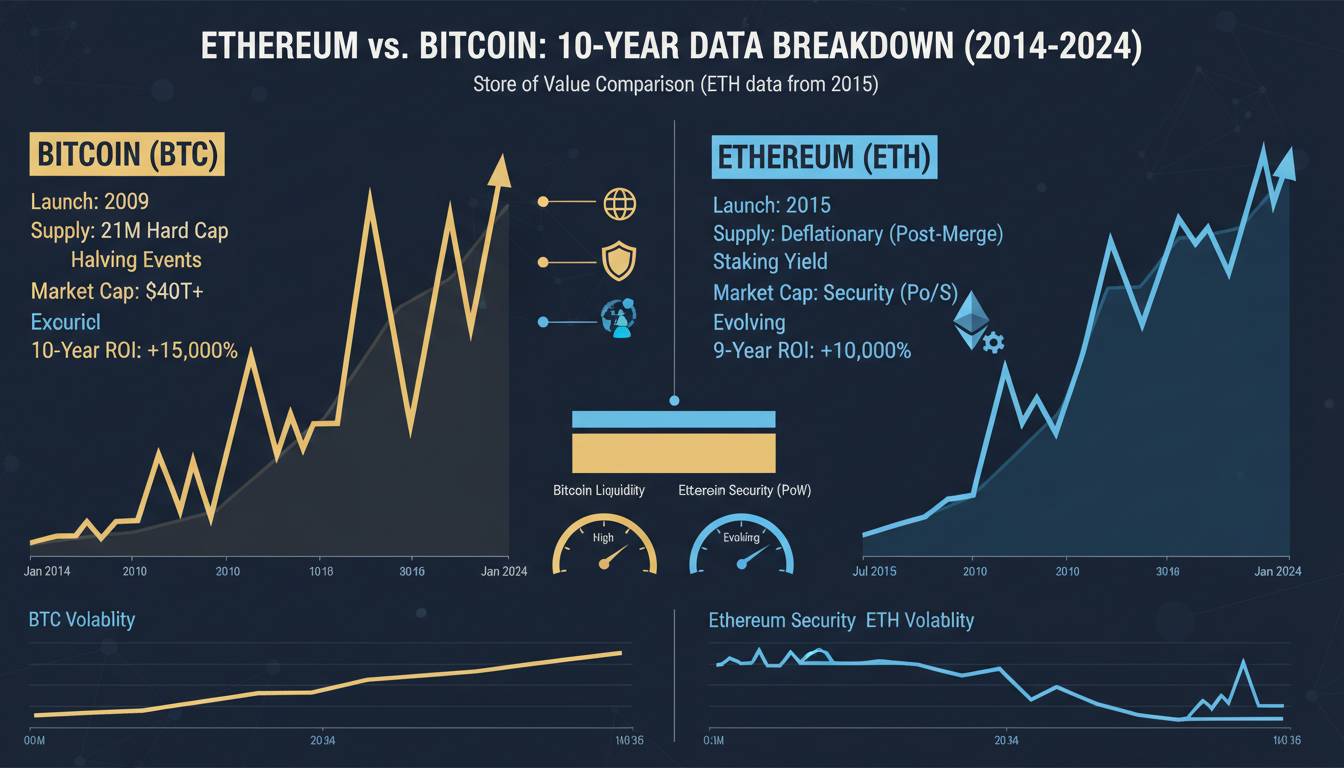
If you’ve held Ethereum alongside Bitcoin over the past four years, you’ve watched a frustrating pattern unfold. Bitcoin made new all-time highs in late 2021, again in late 2023, and recently pushed toward six figures in early 2025. Ethereum, meanwhile, struggled to reclaim its November 2021 peak of roughly $4,900 even as the broader crypto market revived. This isn’t just a matter of magnitude — it’s a structural divergence that has reshaped how institutional and retail investors allocate to crypto assets. Understanding why this gap persisted, and whether the dynamics are shifting, matters for anyone building a serious crypto portfolio.
The Supply Narrative Shifted
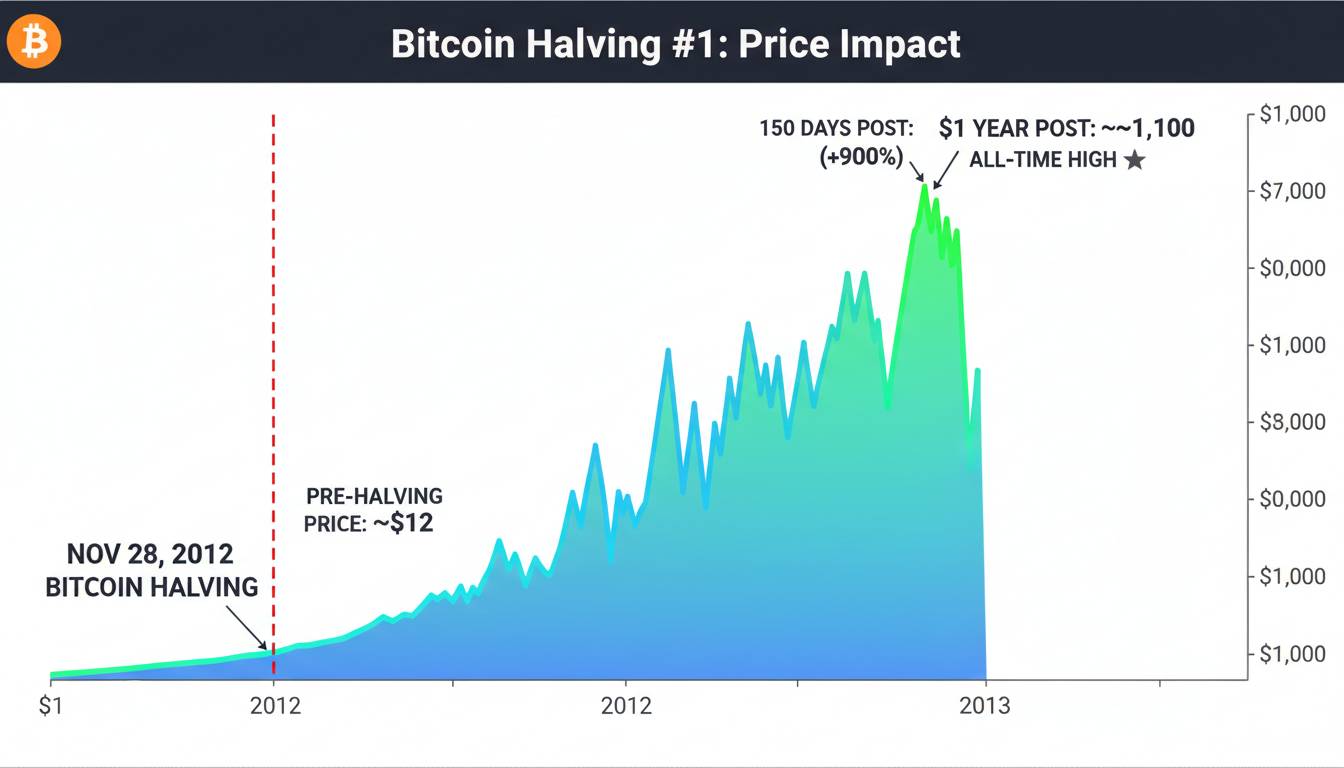
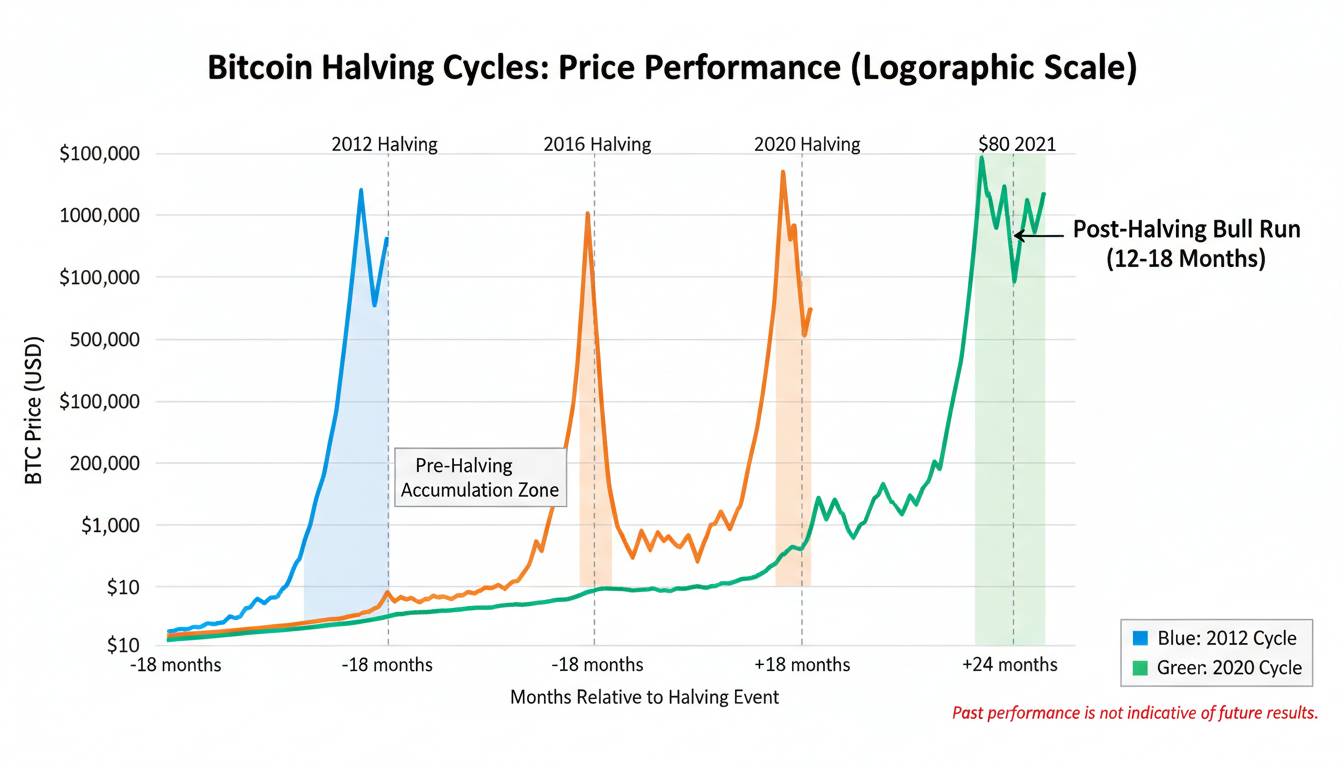
Bitcoin’s fixed supply story became its single most powerful marketing asset during the 2023-2024 cycle. After the halving in April 2024, Bitcoin’s inflation rate dropped below 1% annually — officially making it scarcer than gold. This wasn’t theoretical. It was baked into the protocol, immutable and verifiable.
Ethereum’s supply dynamics went through a pivot. The September 2022 Merge upgrade shifted Ethereum from proof-of-work to proof-of-stake, eliminating GPU mining rewards and immediately cutting new ETH issuance by roughly 90%. For a brief period in late 2022 and early 2023, Ethereum actually became deflationary — more ETH was burned through transaction fees than was issued as rewards. This was a technical achievement that should have been enormously bullish.
But the market’s narrative engine diverged here. Ethereum’s supply is now inflationary again after the Dencun upgrade in March 2024, which reduced blob transaction costs and significantly lowered the burn rate. Between February and August 2024, Ethereum’s supply grew by approximately 0.6% — not catastrophic, but enough for critics to argue the “ultrasound money” thesis had cracked. Bitcoin’s supply trajectory, by contrast, remained perfectly predictable and increasingly scarce.
The lesson is uncomfortable: markets don’t reward technical reality as much as they reward simple, repeated narratives. Bitcoin’s supply story is immutable and easy to explain. Ethereum’s is technically superior but narratively messy.
Institutional Adoption Took Different Paths
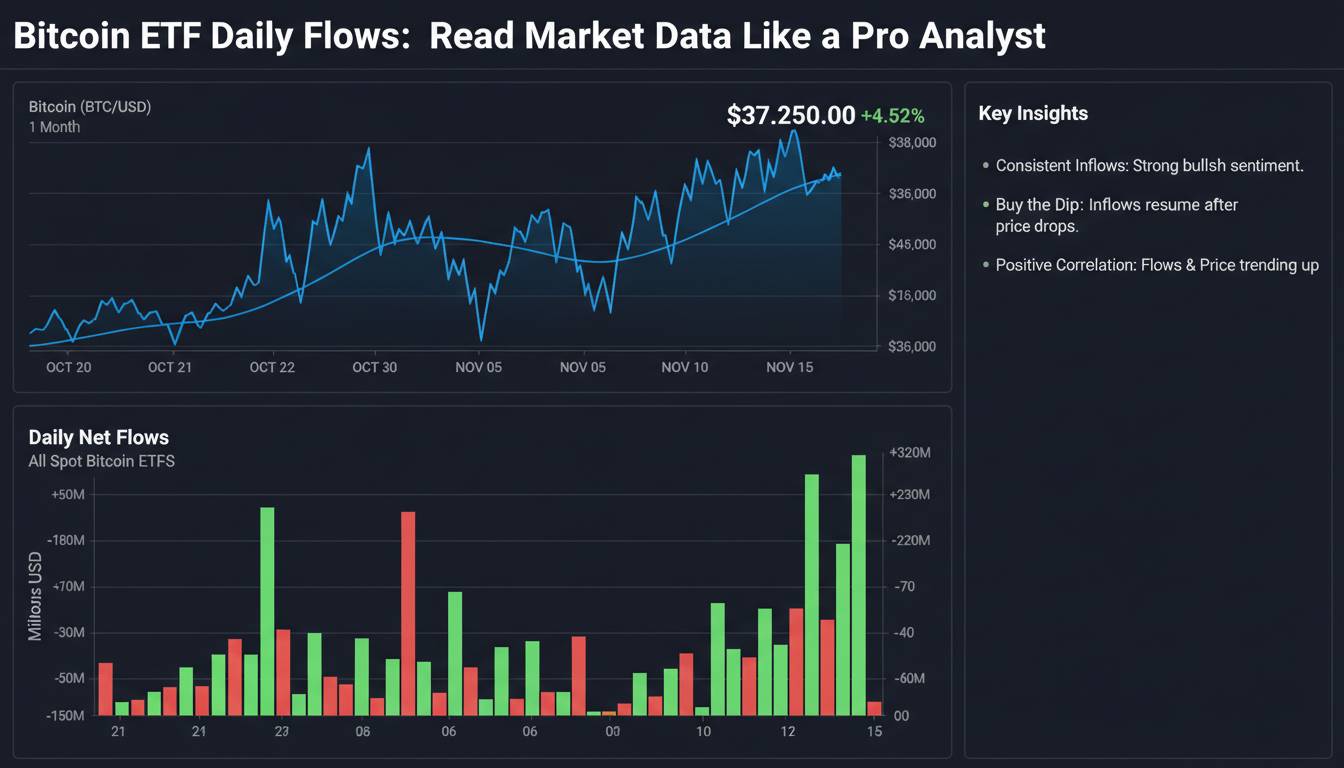
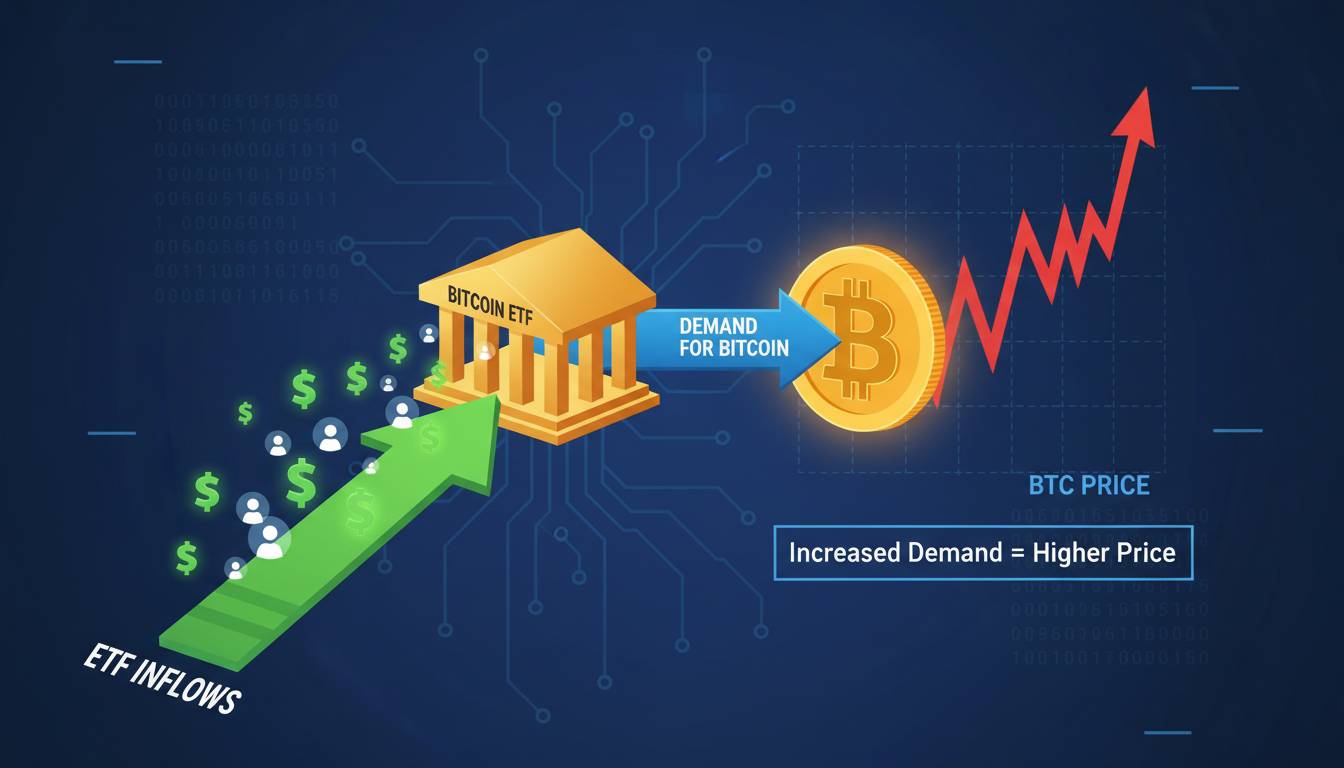
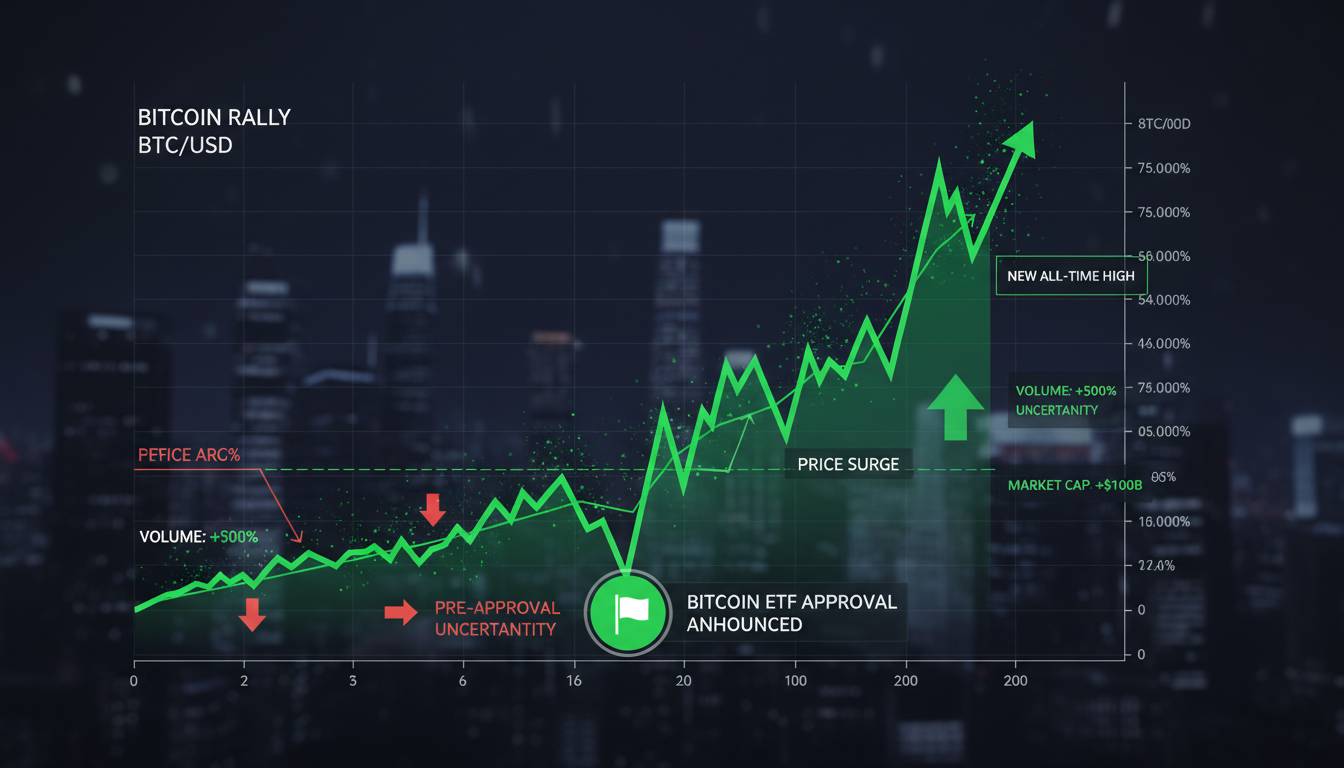
The 2024 Bitcoin ETF approval was the most consequential event for crypto institutional adoption in the market’s history. BlackRock, Fidelity, and other household names filed for spot Bitcoin ETFs, and by mid-2024, these products had accumulated over $50 billion in assets under management. The flows were staggering — billions pouring into Bitcoin every month from wealth managers, family offices, and institutional allocators who had previously avoided crypto entirely.
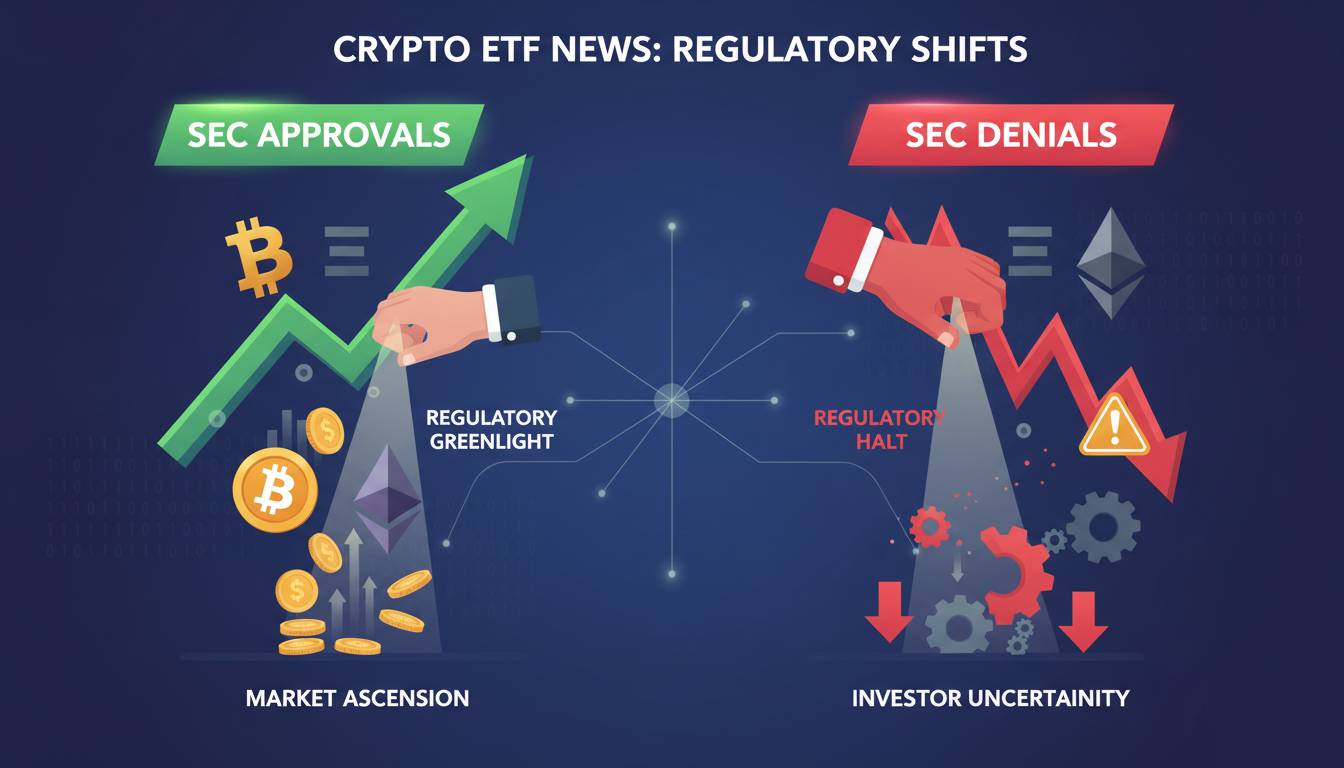
Ethereum didn’t receive the same treatment. While a few firms filed for spot Ethereum ETFs, the SEC signaled significantly more hesitation, and as of early 2025, no spot Ethereum ETF had received approval. This created a structural bottleneck: institutional capital that wanted crypto exposure had a clean, regulated on-ramp for Bitcoin but nothing comparable for Ethereum.
The impact showed up in the data. During periods of strong ETF inflows in 2024, Bitcoin consistently outpaced Ethereum on a percentage basis. The mechanism was straightforward — large buyers could efficiently deploy capital into Bitcoin through familiar brokerage accounts, while Ethereum required navigating exchanges, self-custody considerations, and more complex tax reporting. For allocators managing client money, the choice was obvious.
This gap may narrow if Ethereum ETFs eventually clear regulatory hurdles, but the first-mover advantage Bitcoin secured in 2024 could prove persistent. Institutions build infrastructure around products, and that infrastructure tends to compound.
Regulatory Uncertainty Hit Ethereum Harder
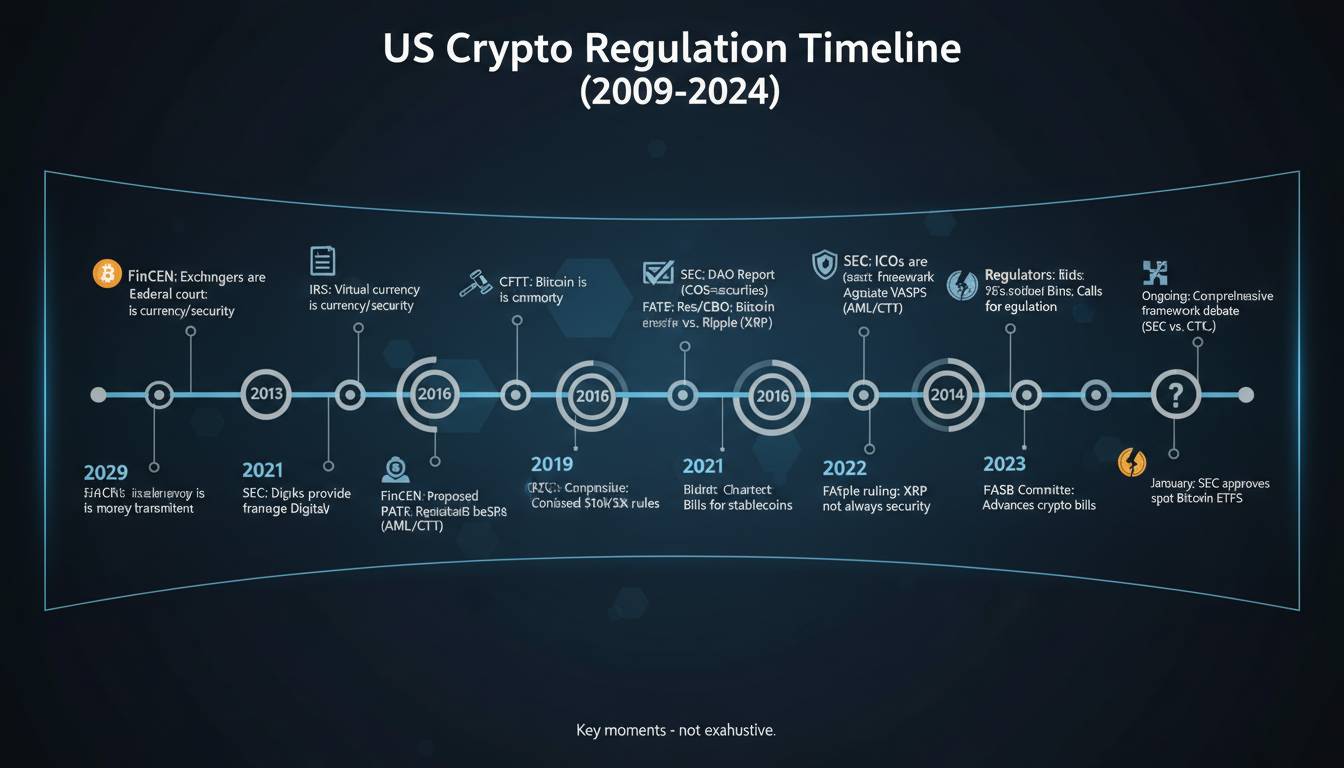
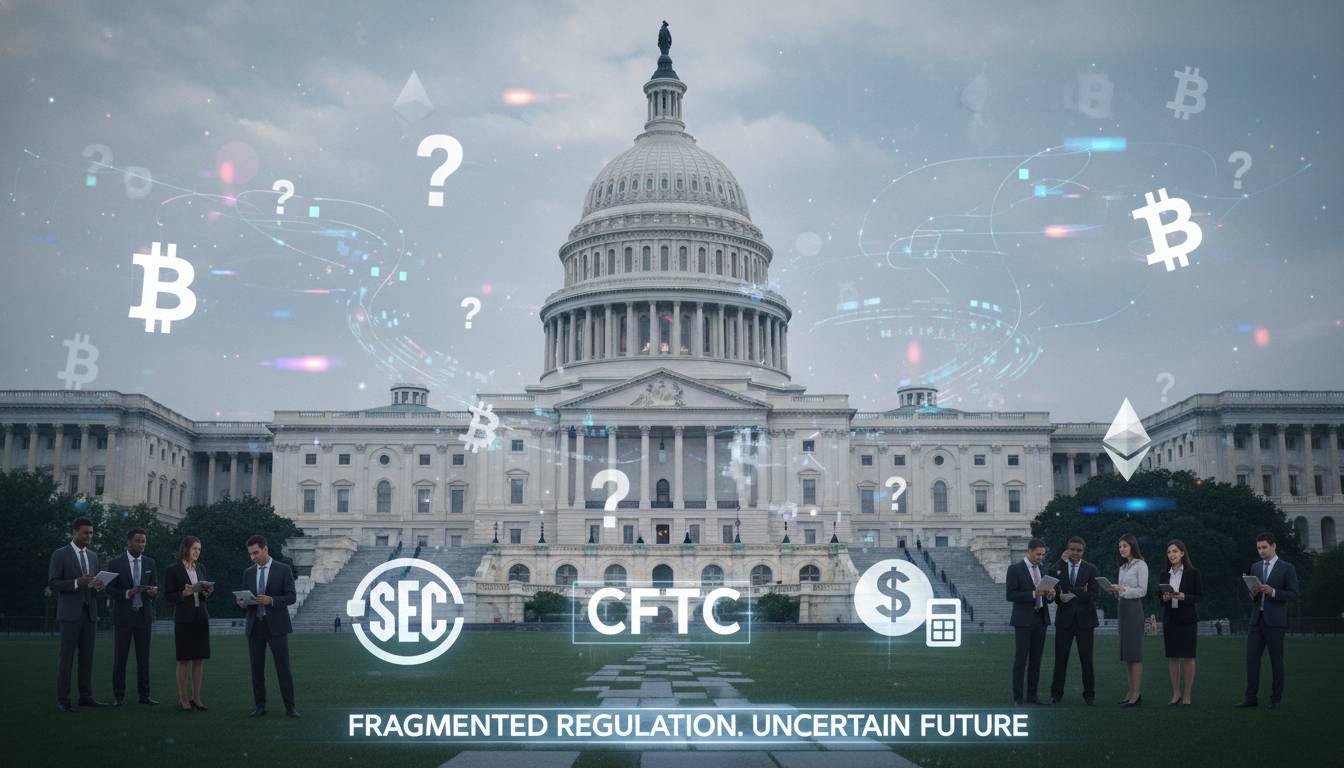
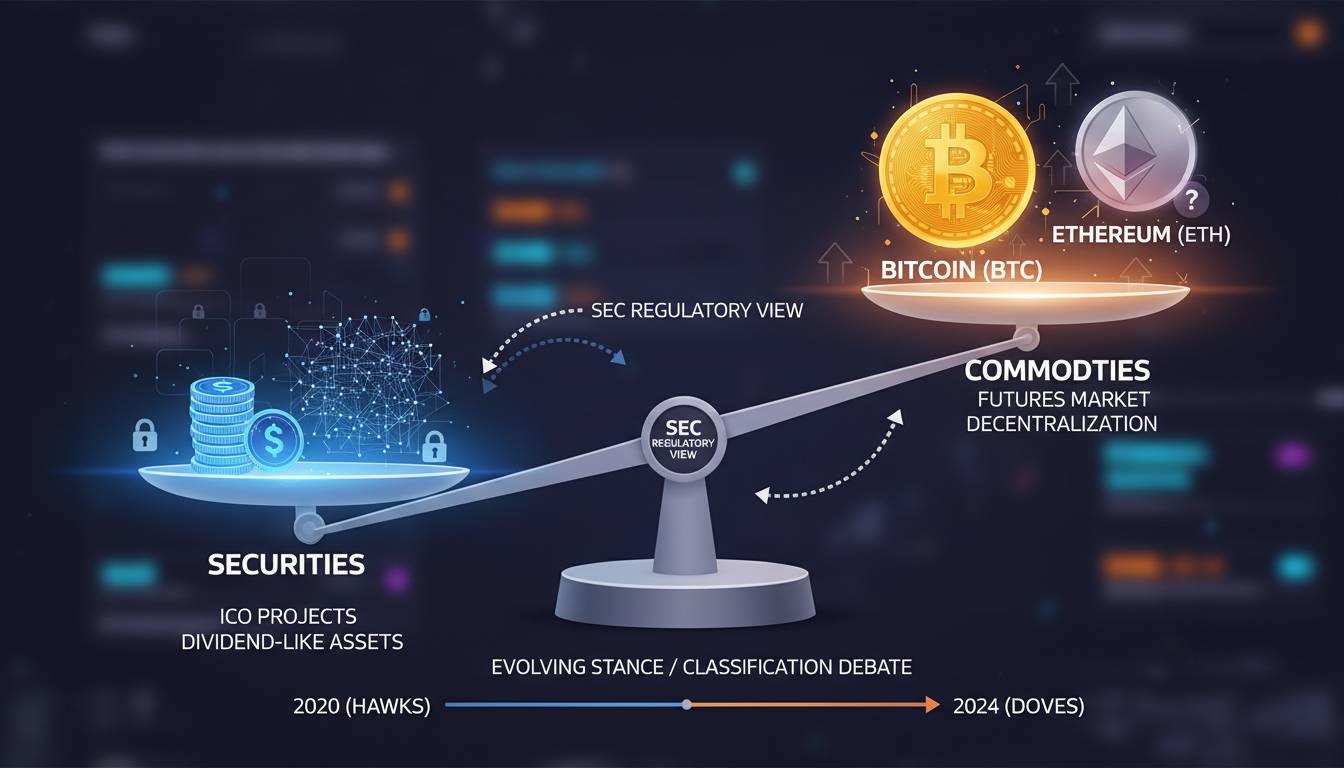
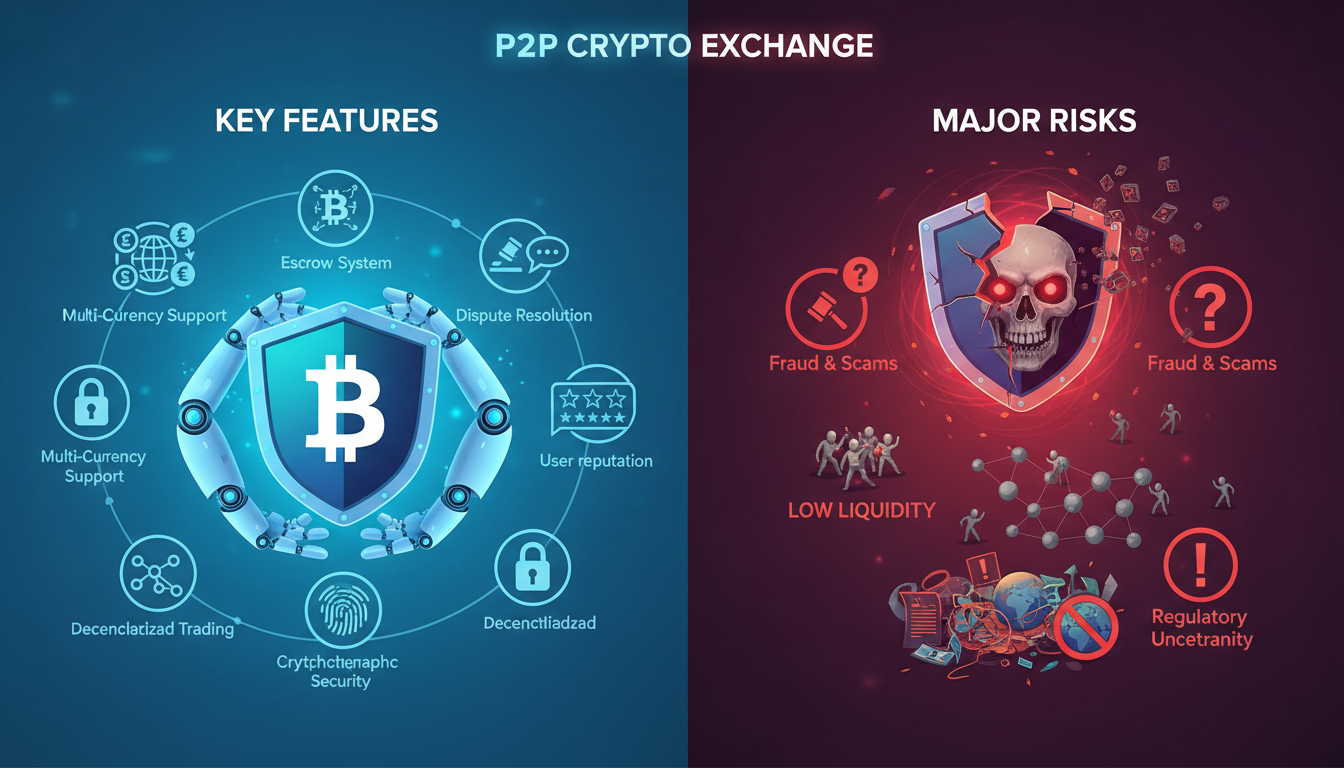
The regulatory environment for crypto shifted aggressively in 2023-2024, and Ethereum found itself in an uncomfortable position more often than Bitcoin. The SEC’s classification of assets as securities versus commodities remained the central question, and while Bitcoin was largely treated as a commodity, Ethereum existed in a gray zone that repeatedly generated headline risk.
The SEC’s enforcement actions during Gary Gensler’s chairmanship disproportionately targeted Ethereum-based projects and protocols. Several major Ethereum DeFi projects received Wells notices or were sued directly. This created a persistent shadow of regulatory threat that Bitcoin, with its clearer jurisdictional status, largely avoided.
More specifically, the staking ecosystem became a focal point. The SEC indicated that pooled staking services could constitute securities offerings, which directly impacted how retail and institutional investors could earn yield on ETH. Ethereum’s transition to proof-of-stake had, somewhat paradoxically, made it more vulnerable to securities regulation by creating a class of staking rewards that looked like interest or dividend payments.
Bitcoin, by contrast, faced far fewer regulatory headaches around its core protocol. The Commodity Futures Trading Commission maintained jurisdiction over Bitcoin derivatives, while the SEC’s enforcement efforts concentrated on altcoins and tokens that resembled investment contracts. This regulatory asymmetry contributed to what many traders call “Bitcoin privilege” — the assumption that Bitcoin will be treated more favorably by regulators than any other crypto asset.
The Store-of-Value Narrative Tightened
The 2023-2024 cycle saw the store-of-value thesis for Bitcoin strengthen considerably, while Ethereum’s utility narrative faced repeated challenges. This wasn’t purely ideological — it reflected actual flows and behavior patterns.
Bitcoin’s narrative consolidated around a simple proposition: digital gold, a non-sovereign store of value with a fixed supply and demonstrated network security. This resonated particularly strongly with institutional investors who were already comfortable with gold as an asset class. The Bitcoin ETF approval effectively validated this thesis by letting traditional finance players allocate to Bitcoin through instruments that fit their existing frameworks.
Ethereum’s value proposition was more complex and contested. As a platform for decentralized applications, smart contracts, and DeFi, Ethereum’s value depended on active usage — transaction volumes, application adoption, and developer activity. But usage metrics told a mixed story. While total value locked in DeFi protocols recovered in 2023-2024, it remained well below its November 2021 peak. Layer-2 scaling solutions, particularly Arbitrum and Optimism, captured significant transaction activity away from Ethereum’s mainnet, raising questions about whether ETH would capture the full value of the ecosystem it had enabled.
The flippening — the idea that Ethereum’s market cap would one day surpass Bitcoin’s — effectively disappeared from serious market discourse during this cycle. In late 2021, when ETH traded near $4,800, the flippening seemed plausible to many. By late 2024, with Bitcoin’s market cap approaching $1.5 trillion and Ethereum’s below $400 billion, the gap had widened rather than narrowed.
Technical Execution Created Problems
Ethereum’s technical roadmap, while ambitious, produced outcomes that created confusion and concern among investors. The Dencun upgrade in March 2024 was supposed to dramatically reduce layer-2 transaction costs and increase network throughput. It delivered on cost reduction — blob fees did fall substantially — but the complexity of the upgrade and the fragmented user experience across layer-2s created confusion rather than clarity.
The broader Ethereum roadmap includes several ambitious milestones: full danksharding, Verkle trees, account abstraction, and the eventual transition to a fully sharded execution environment. These are technical innovations that could substantially improve Ethereum’s scalability. But the timeline has repeatedly slipped. What was promised for 2024 has shifted to 2025 or beyond, and each delay allowed critics to argue that Ethereum’s technical advantages were evaporating.
Bitcoin, by comparison, doesn’t need to execute a complex technical roadmap. Its value proposition is intentionally static — the protocol works, the supply is fixed, and the mining infrastructure is battle-tested. This simplicity became a feature during this cycle. Investors weary of tracking upgrade timelines, contentious forks, and shifting roadmaps gravitated toward Bitcoin’s predictability.
Layer-2 Success Actually Hurt Ethereum’s Price
Here’s the counterintuitive reality: Ethereum’s layer-2 ecosystem, widely celebrated as a success story, may have contributed to ETH’s underperformance.
Arbitrum and Optimism processed the majority of Ethereum transaction volume by late 2024. These layer-2 networks bundle transactions and post compressed data to Ethereum mainnet, dramatically reducing costs for users. From a usability standpoint, this was a breakthrough — DeFi that had been prohibitively expensive became accessible again.
But from an investment standpoint, the layer-2 proliferation fragmented value. When activity migrates to Arbitrum or Base, that activity still secures Ethereum indirectly, but it doesn’t directly drive ETH demand in the same way mainnet usage does. The economic model — where ETH is used to pay for gas on the base layer — weakens when most activity happens on secondary networks.
Worse, several layer-2 networks introduced their own tokens (ARB, OP, and subsequently AERO on Base ecosystem), creating alternative investment opportunities that competed for capital that might have flowed to ETH. A trader deciding between ETH, ARB, and OP in 2024 had valid reasons to allocate to any of the three, and the market’s attention and capital naturally diversified.
Ethereum’s core team acknowledged this tension. Vitalik Buterin wrote extensively about the need for layer-2s to eventually converge on a shared security model that more fully integrates with ETH’s economic layer, but as of early 2025, this remained aspirational.
Market Structure and Derivatives Favored Bitcoin
The derivatives market, often a leading indicator for price movements, consistently showed stronger conviction toward Bitcoin during this cycle. Bitcoin’s funding rates — the cost to maintain a long position in perpetual futures — remained positive and elevated for extended periods, indicating persistent bullish demand from leveraged traders. Ethereum’s funding rates were more volatile and frequently turned negative, suggesting weaker conviction.
The basis trade — arbitrage between futures and spot — also concentrated more heavily in Bitcoin. The launch of Bitcoin ETFs created a deep, liquid spot market that allowed sophisticated traders to efficiently exploit basis opportunities. Ethereum’s more fragmented spot market, spread across numerous exchanges and lacking a comparable ETF, made similar trades less efficient.
This structural difference reinforced itself over time. As more traders focused on Bitcoin-based arbitrage opportunities, the market became even more efficient there, attracting more capital. Ethereum’s derivatives market remained robust but never achieved the same depth or institutional penetration.
What Could Change the Trajectory
Several catalysts could narrow the performance gap, though none are guaranteed and all come with caveats.
Ethereum ETF approval remains the most obvious potential catalyst. If the SEC were to approve spot Ethereum ETFs in 2025, the inflows could be substantial — perhaps $20-30 billion in the first year, based on relative demand signals. This would create a structural demand mechanism that Ethereum has lacked. However, regulatory outlook remains uncertain, and the SEC’s historical stance suggests approval is far from certain.
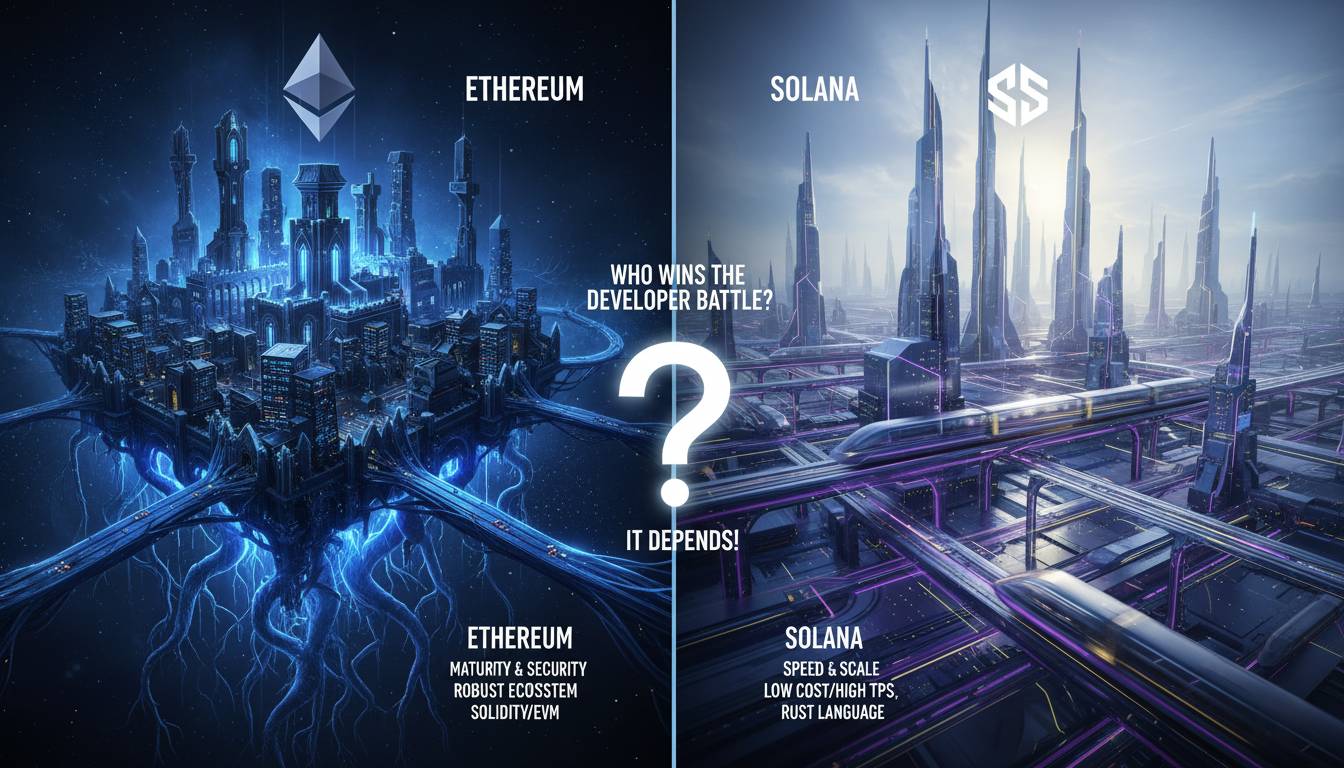
Real-world asset tokenization represents a use case gaining traction. Several major financial institutions, including BlackRock and tokenization-focused startups like tokenize it, have explored issuing securities on Ethereum-based platforms. If this adoption accelerates, it could create sustained demand for ETH as collateral and gas currency. But this is a multi-year trend, not a near-term catalyst, and competition from other chains — particularly Solana and permissioned blockchain networks — remains intense.
Staking yield improvements could make ETH more attractive to yield-seeking institutional capital. As staking yields stabilize in the 3-5% range and institutional-grade staking infrastructure matures, the asset could begin to function more like a bond alternative. This narrative gained ground in late 2024 but hasn’t yet translated into major institutional allocation shifts.
A significant upgrade or technical breakthrough could shift market sentiment. Proto-danksharding or other scaling improvements that clearly demonstrate Ethereum’s technical superiority might reignite interest. However, the market has shown declining sensitivity to upgrade announcements, suggesting diminishing returns to technical narratives.
The Honest Assessment
I should be direct: predicting whether Ethereum closes the performance gap is difficult, and the honest answer is that it depends on factors that remain highly uncertain. The structural advantages Bitcoin has built — ETF infrastructure, regulatory clarity, store-of-value narrative — are not easily replicated. These are self-reinforcing ecosystems that tend to compound over time.
That said, Ethereum remains the most battle-tested smart contract platform in the world, with the largest developer ecosystem, the deepest DeFi liquidity, and a genuinely novel technical architecture. It is not a failed project, nor is it destined to fade. The underperformance of the past few years reflects specific, identifiable dynamics that could partially reverse — but they could also persist.
What investors should recognize is that the crypto market no longer treats all assets as correlated. The era when a rising Bitcoin tide lifted all boats ended sometime in 2022. Today, each asset class — Bitcoin, Ethereum, layer-1 competitors, DeFi protocols — trades on its own fundamentals and narratives. This fragmentation creates both risk and opportunity, and it demands more sophisticated analysis than the simple portfolio allocations that worked in prior cycles.
The trend may change, but it won’t happen automatically. Watch the ETF landscape, watch regulatory developments, and watch whether Ethereum’s technical roadmap delivers meaningful improvements. In the meantime, the performance gap between Bitcoin and Ethereum isn’t a temporary anomaly to be arbitraged away — it’s a structural feature of how the crypto market has evolved. Whether you see that as a problem or an opportunity depends on what you’re actually trying to build.