
Bitcoin has always been controversial, but even its harshest critics can’t deny the momentum building in early 2025. After weathering multiple boom-bust cycles, the cryptocurrency has emerged with something it’s rarely had before: genuine institutional legitimacy. The question isn’t whether Bitcoin is going up—it’s which forces are actually driving this particular bull run, and whether this time feels fundamentally different from the others. I’ve been tracking these markets since 2017, and I’m convinced we’re watching structural changes unfold, not just another speculative bubble. Here’s what actually moves the needle.
Institutional Adoption: The Tide That Lifts All Boats
The single most transformative force reshaping Bitcoin’s trajectory isn’t a new technology or regulatory clarity—it’s the sheer weight of institutional capital flowing into the space. This isn’t the same story we told in 2017 when “institutional adoption” meant a few hedge funds dipping their toes in with tiny allocations. This is Wall Street committing real money.
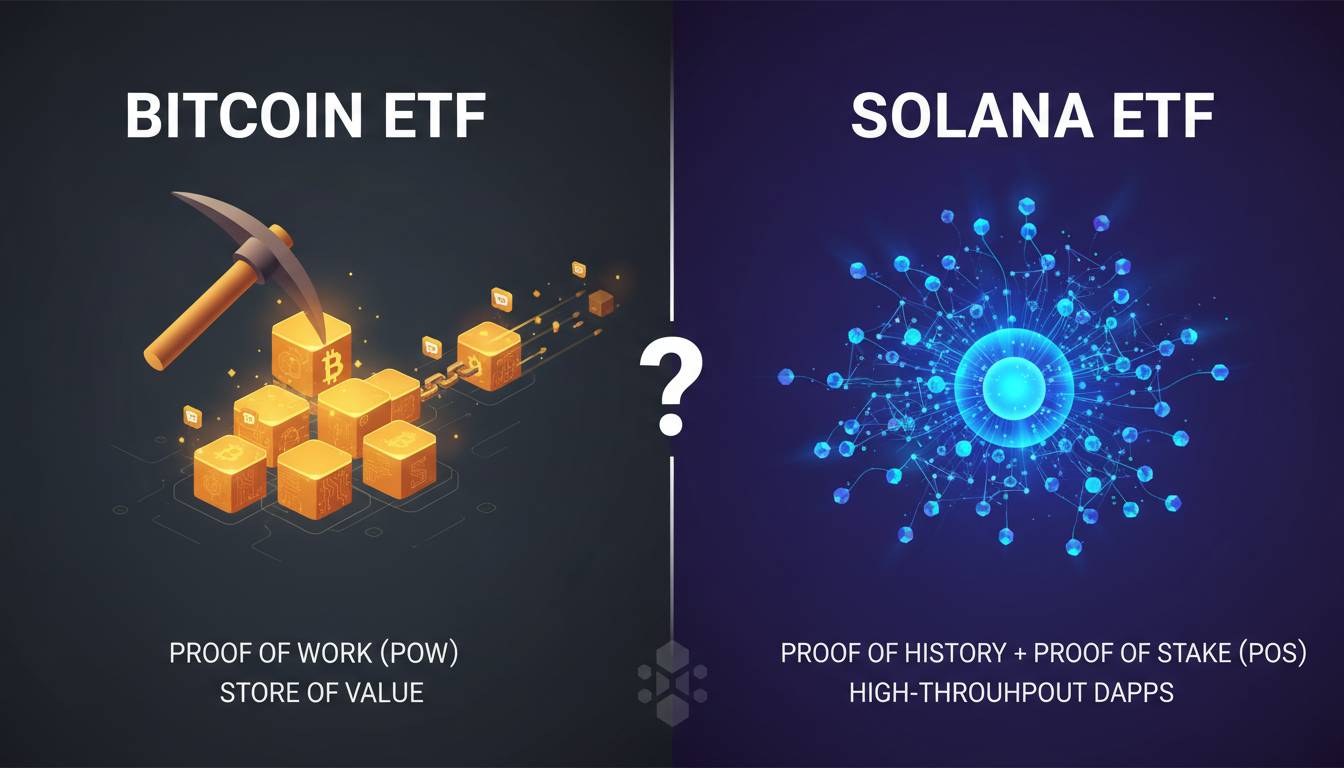
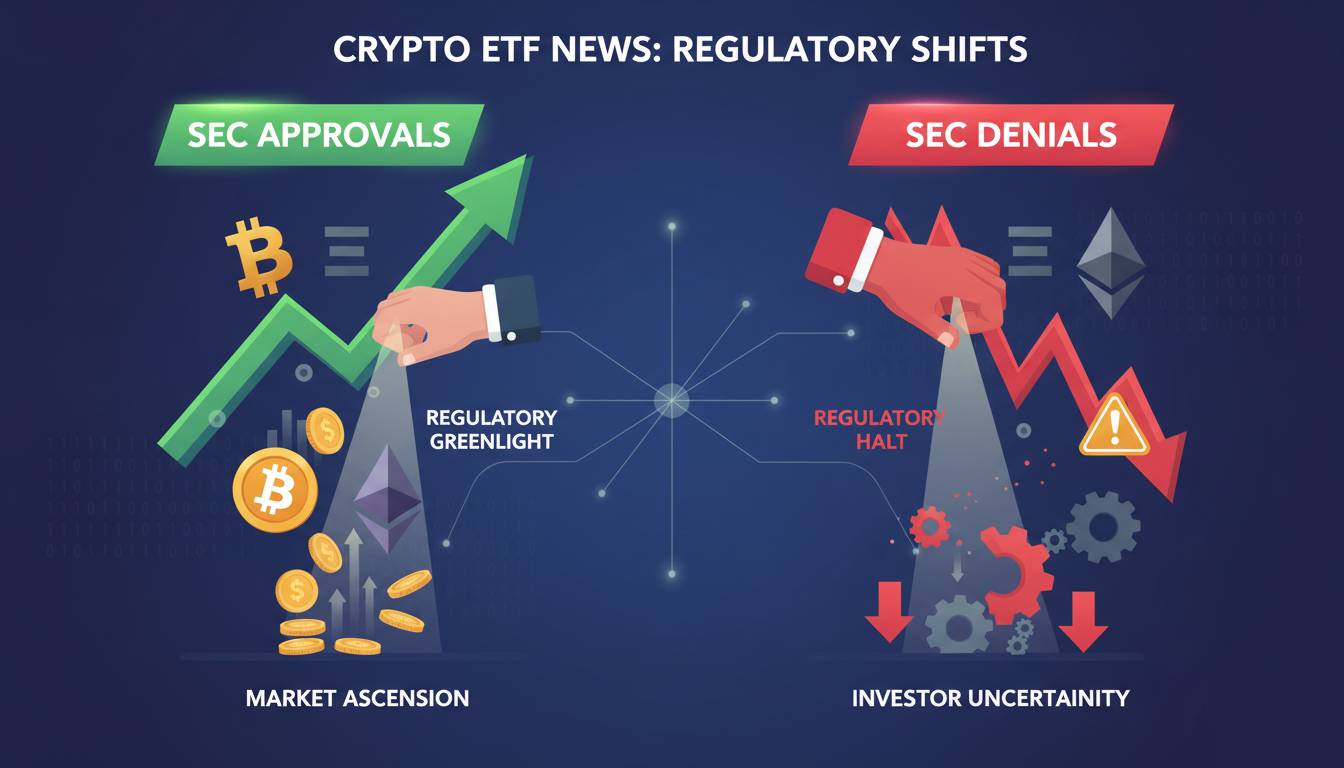
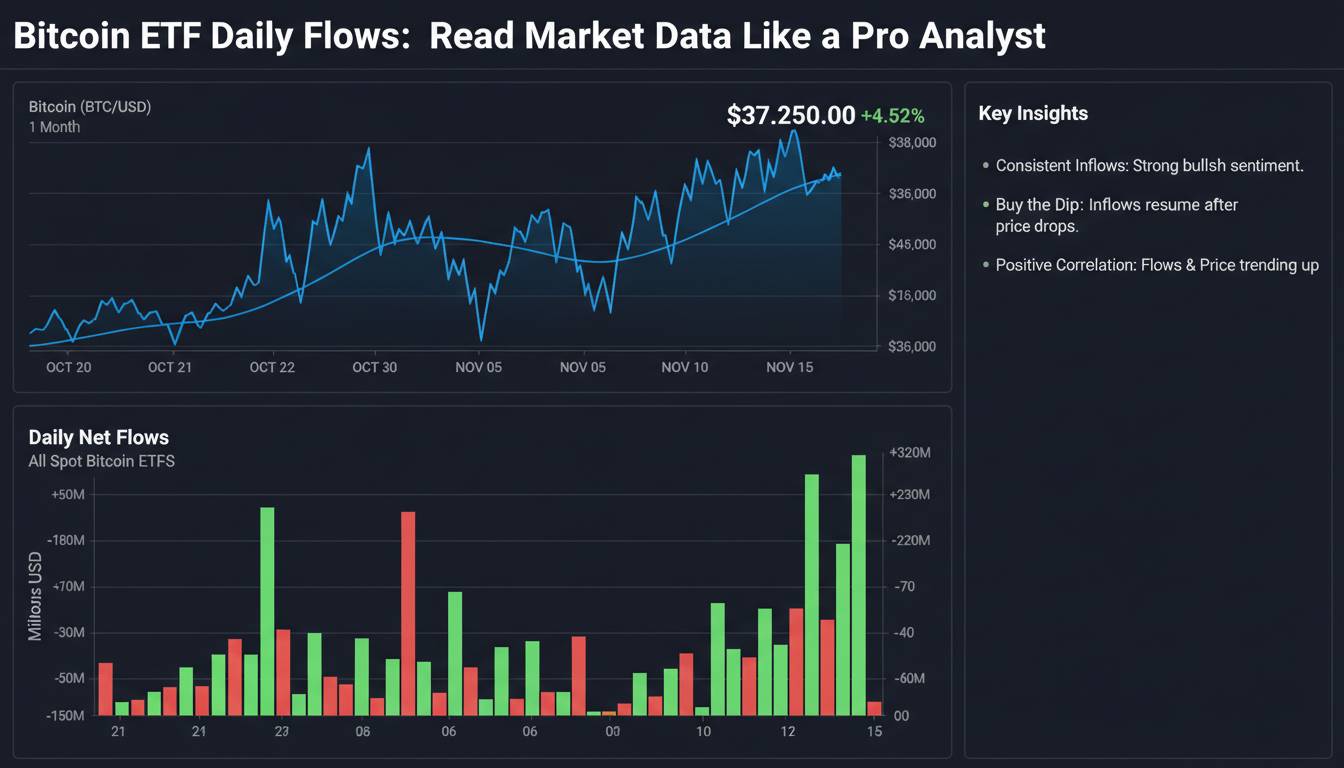
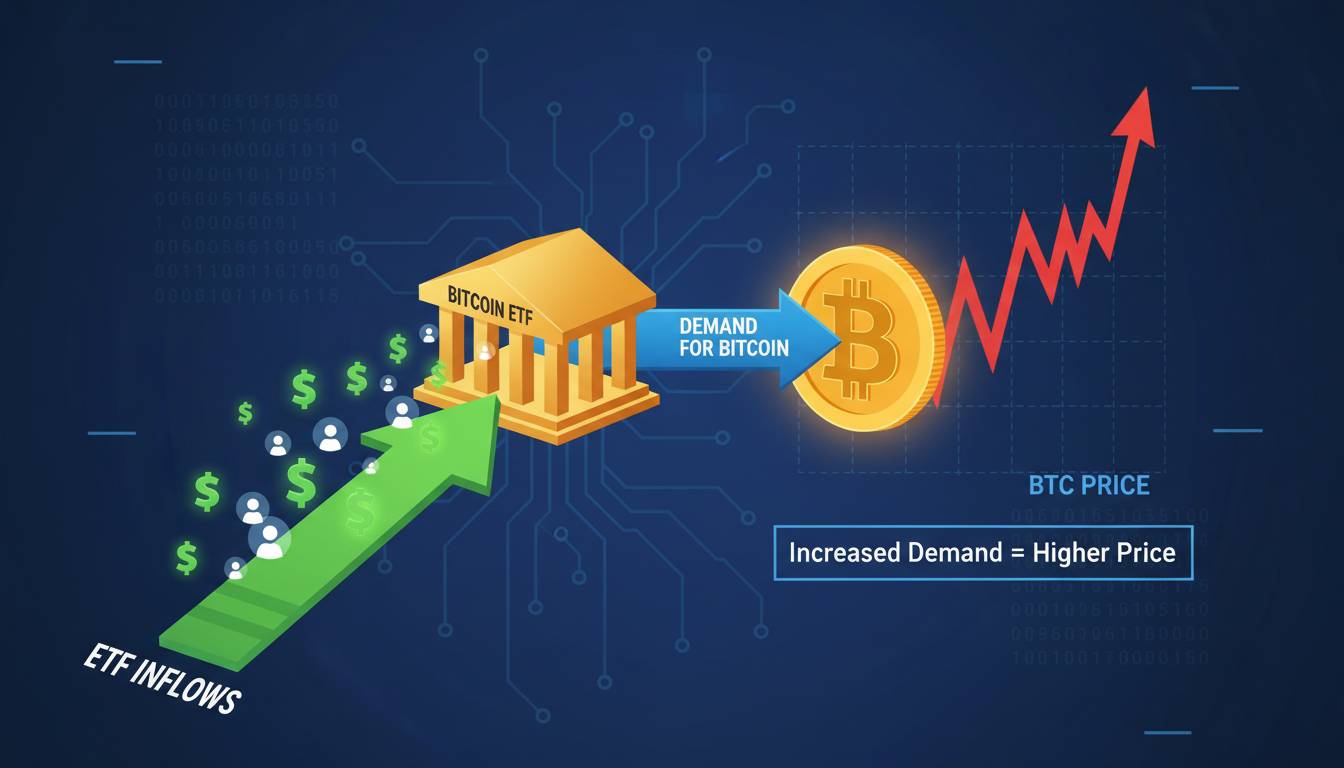
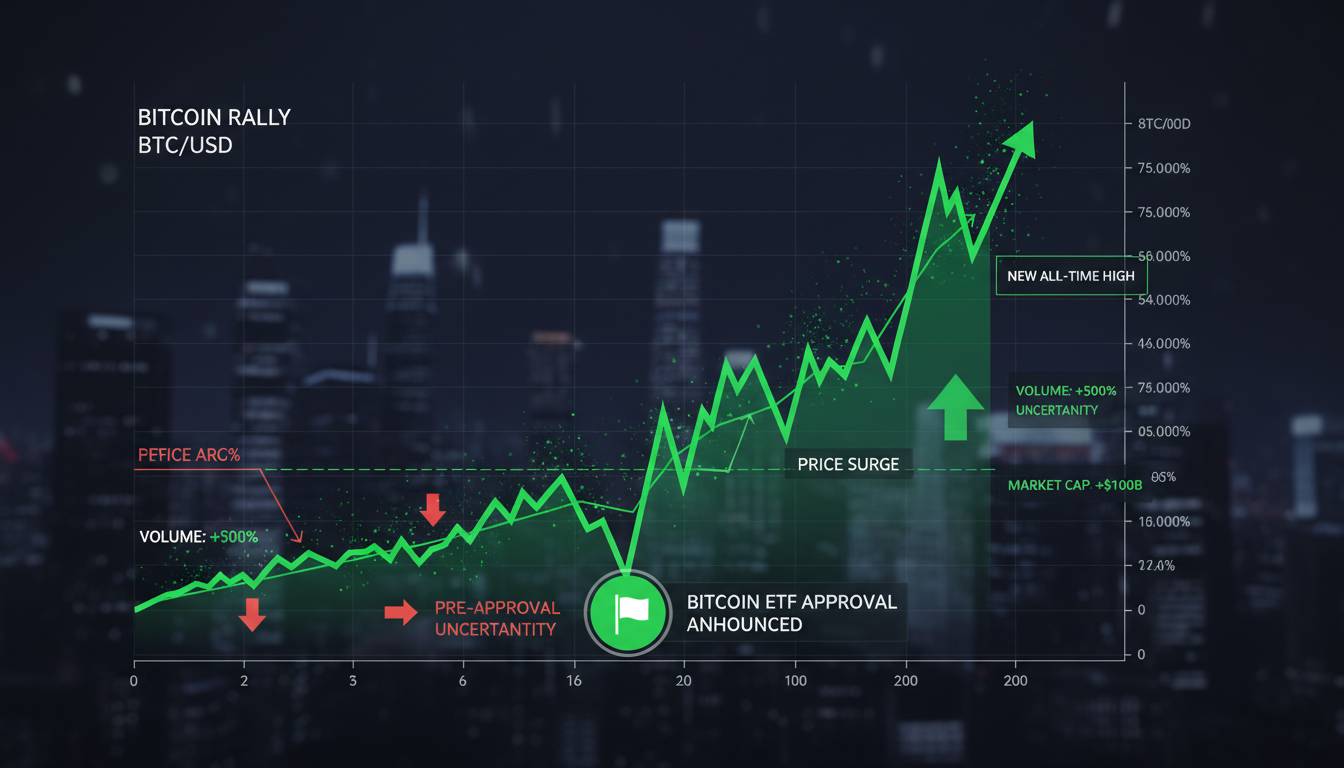
The turning point came in January 2024 when the SEC approved spot Bitcoin ETFs, and BlackRock, the world’s largest asset manager, launched their IBIT product. Within months, these funds accumulated billions in assets under management. Fidelity, Franklin Templeton, and others followed with their own offerings. This matters because it solved the biggest infrastructure problem Bitcoin had: institutions couldn’t easily get exposure without dealing with custody headaches and regulatory uncertainty. Now they can buy Bitcoin the same way they buy stocks—through their existing brokerage accounts, with institutional-grade custody behind them.
But ETFs aren’t the whole story. Companies like MicroStrategy have converted treasury reserves into Bitcoin, accumulating over 400,000 BTC as of early 2025. This signals to other corporate treasuries that digital assets might belong on balance sheets. State Street and BNY Mellon have launched crypto custody services. Even pension funds are reportedly exploring allocations.
The takeaway here is straightforward: when money moves from speculative retail accounts into professionally managed institutional portfolios, volatility decreases and baseline demand increases. This isn’t a guarantee of perpetual growth, but it fundamentally changes Bitcoin’s supply-demand dynamics.
Supply Dynamics: The Halving Mechanism Nobody Agrees On
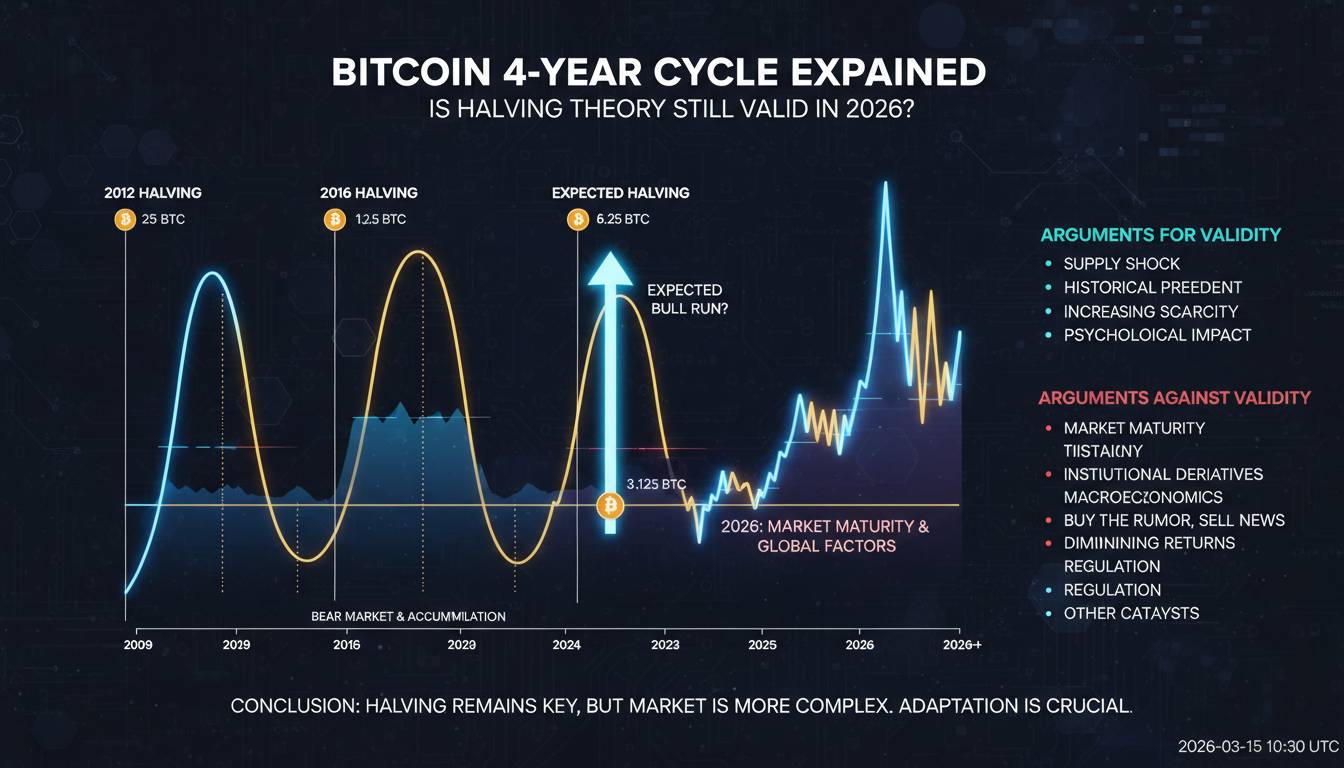
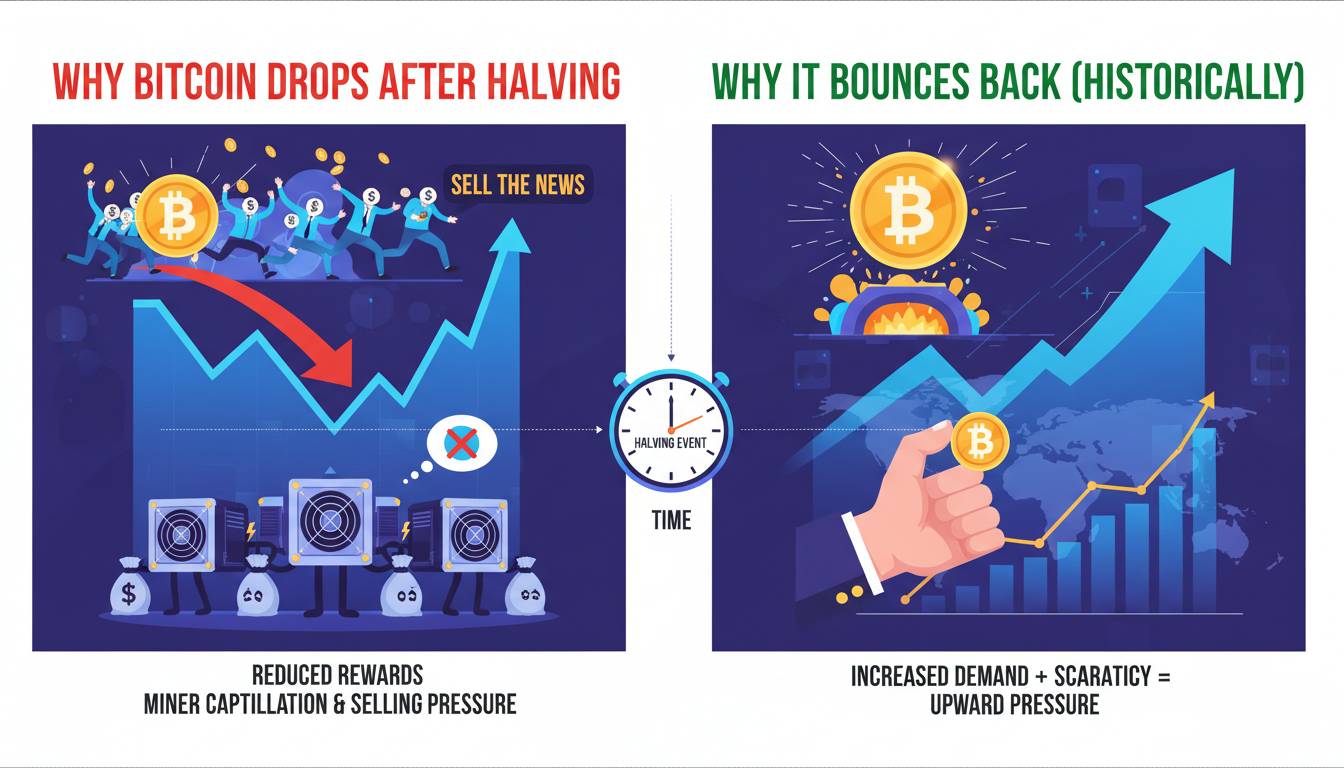
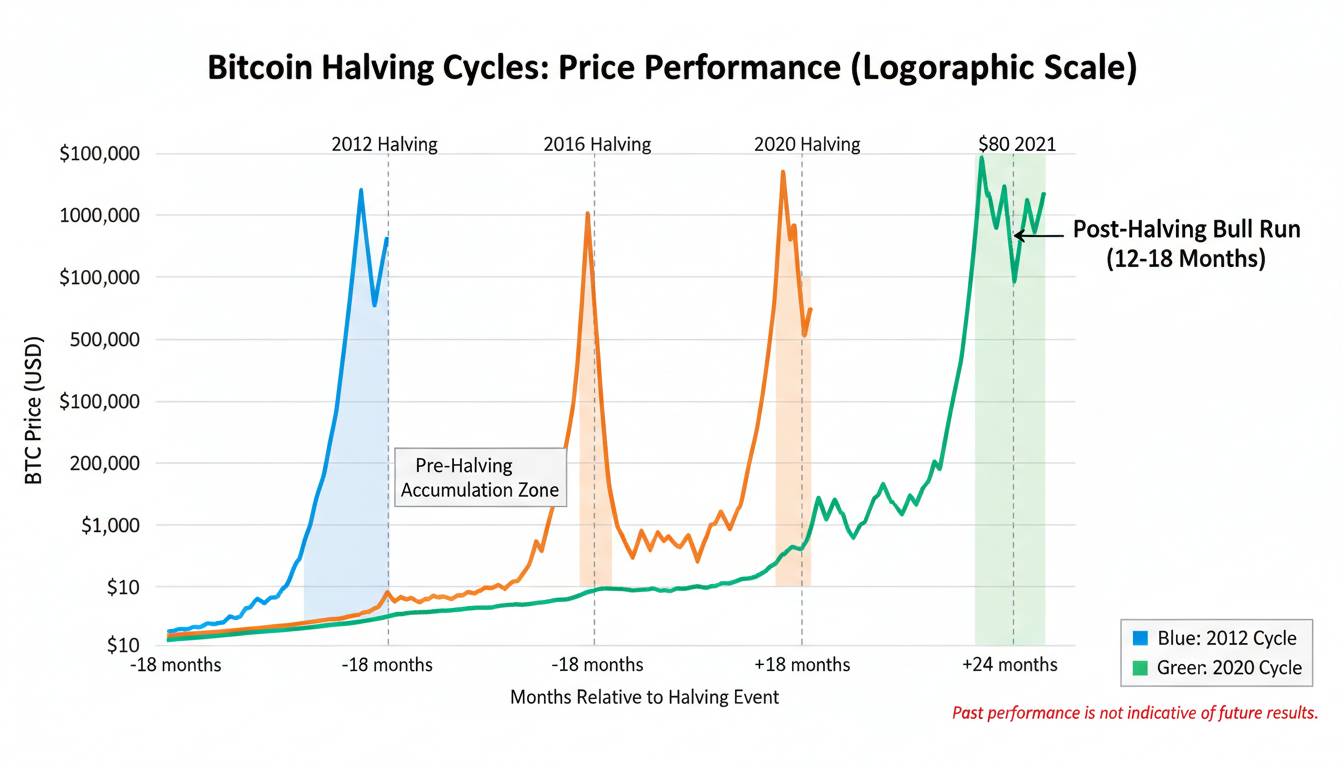
Every four years, Bitcoin undergoes what called a “halving”—the protocol automatically cuts the block reward paid to miners in half. This sounds technical, but the implications are stark: new Bitcoin supply drops from roughly 6.25 BTC per block to 3.125 BTC. On an annual basis, this reduces new supply by about 165,000 BTC, or roughly 0.8% of total circulating supply.
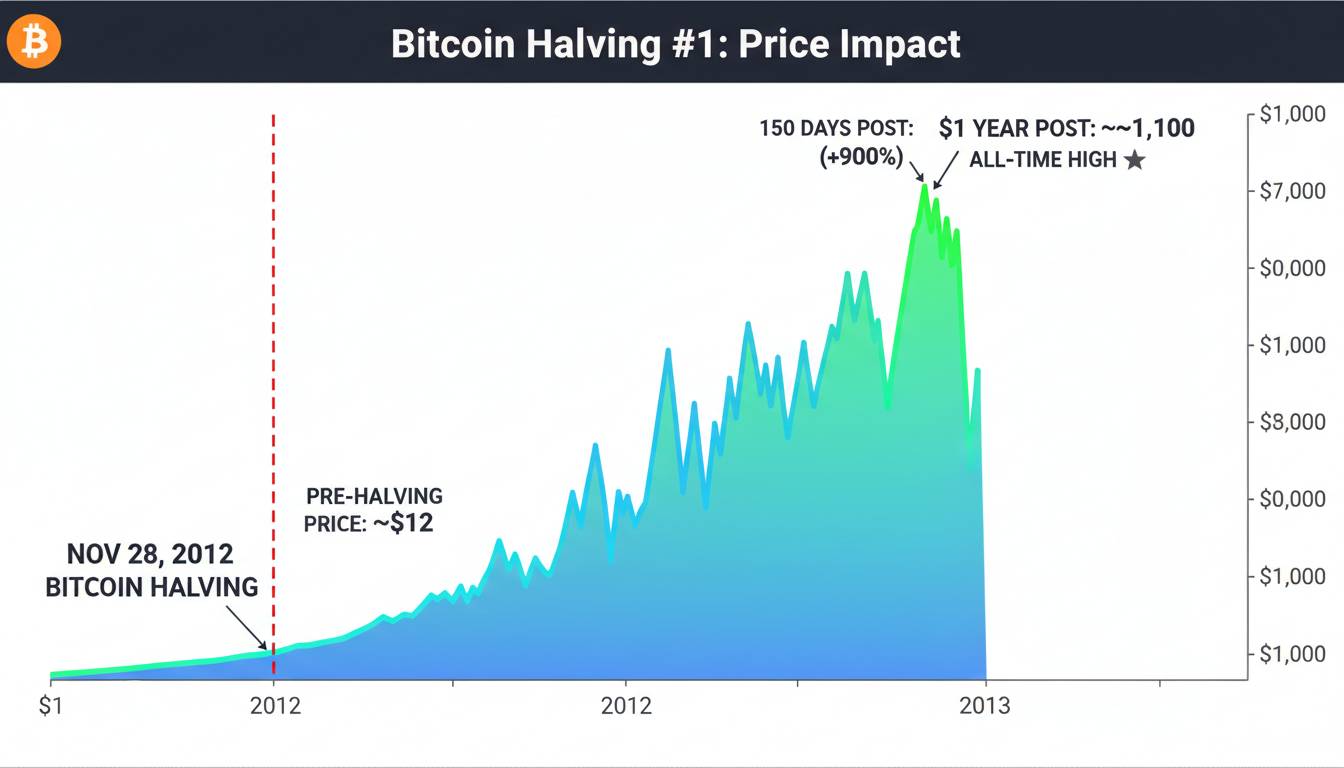
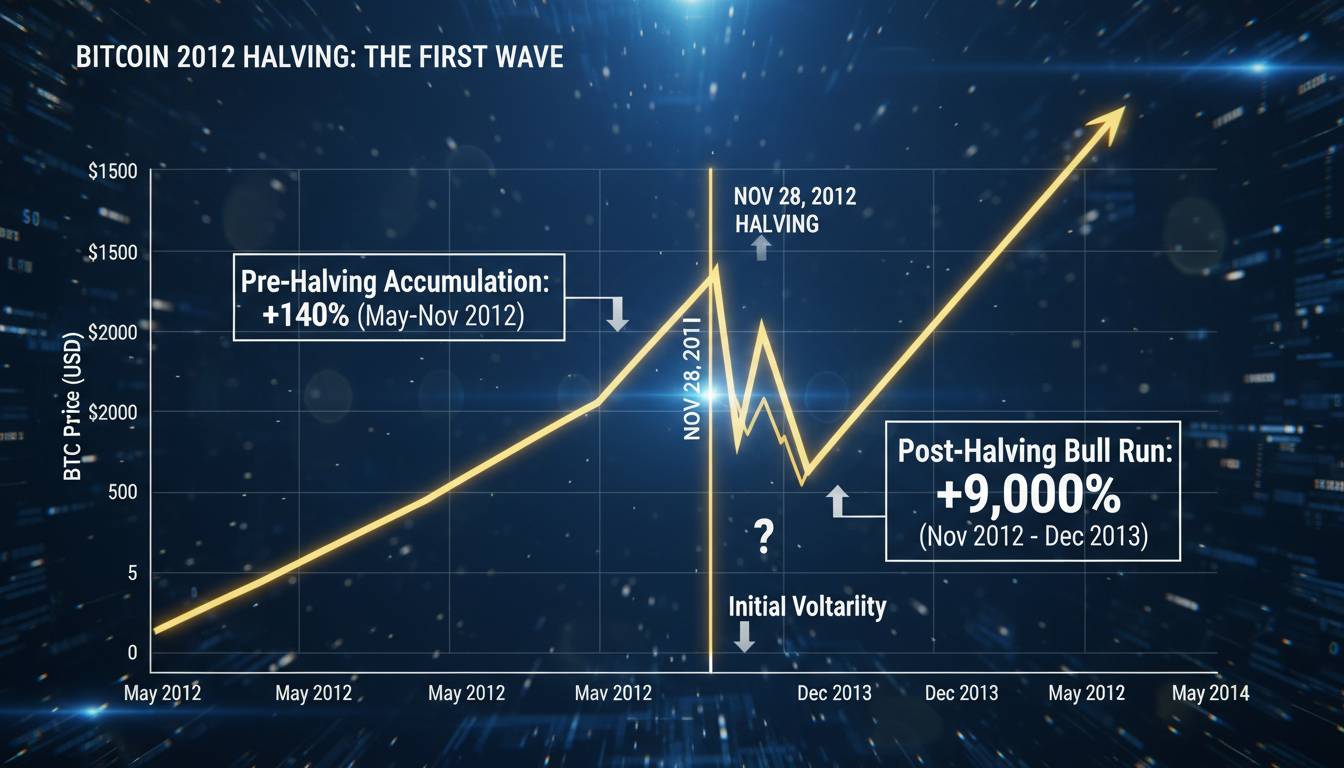
Here’s where honest analysis gets uncomfortable: the halving’s price impact is more narrative than mathematical. The 165,000 BTC difference sounds significant, but Bitcoin’s market trades billions of dollars daily. The actual supply reduction is tiny in percentage terms. Yet every halving cycle—2012, 2016, 2020, 2024—has preceded major bull runs.
I think the real mechanism isn’t the supply reduction itself but what it represents: a predictable, undisputed event that focuses market attention. After the 2020 halving, it took roughly six months for prices to surge. The 2024 halving occurred in April, and by late 2024 into early 2025, Bitcoin had broken to new all-time highs. The lag suggests the market processes the narrative more than the arithmetic.
What frustrates me about most halving coverage is the mystical framing. Articles treat it like Bitcoin has a biological rhythm. The truth is more mundane: the halving removes a consistent selling pressure from miners (who must cover electricity and hardware costs) while keeping demand steady. That’s meaningful, but it’s not magic.
Macroeconomic Forces: Bitcoin’s Relationship With the Fed
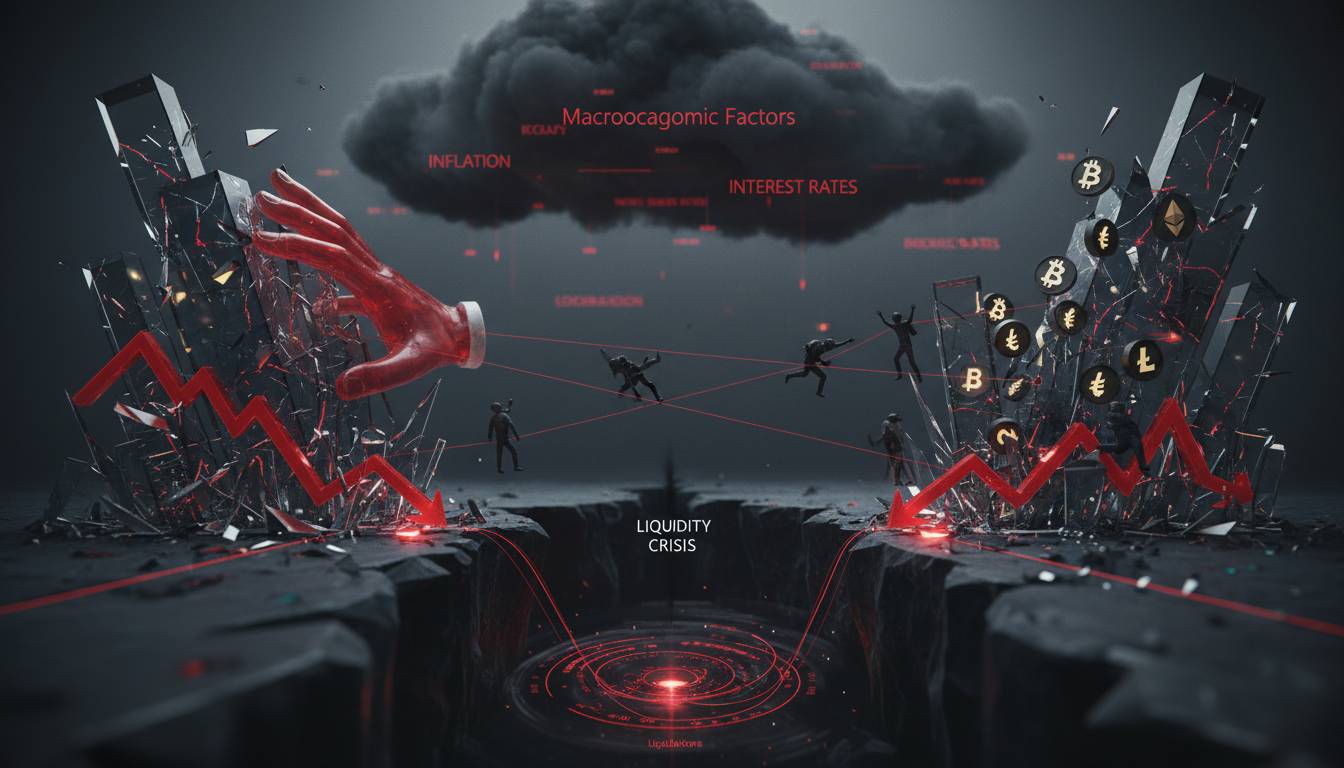
Bitcoin’s correlation with traditional markets has strengthened considerably since the 2020 pandemic, and this bull run is inseparable from the broader monetary environment. When central banks flood economies with liquidity, risk assets tend to rise—and Bitcoin, despite its “uncorrelated asset” narrative, has generally benefited from that dynamic.
The Federal Reserve’s policy shifts in 2024 and early 2025 created a particular backdrop. After aggressive rate hikes in 2022-2023, the Fed began cutting rates in late 2024, signaling confidence that inflation was moderating. Lower rates reduce the opportunity cost of holding non-yielding assets like Bitcoin. When you can earn 5% on short-term Treasuries, holding Bitcoin requires more conviction. When that yield drops to 3% or 2%, the calculus changes.
Inflation remains a driving narrative even as it cools from peak levels. Bitcoin’s fixed supply of 21 million coins makes it attractive to investors worried about currency debasement—particularly in countries experiencing hyperinflation or political instability. This narrative gains traction during periods of monetary expansion and loses urgency when price pressures ease.
The honest assessment is that Bitcoin trades more like a risk asset than a pure inflation hedge in the short term. Its correlation with the Nasdaq has been notably positive during this bull run. But the longer-term narrative—that Bitcoin is “digital gold” and a hedge against monetary dysfunction—retains persuasive power, especially among younger investors who’ve only known a world of quantitative easing.
Regulatory Developments: Clarity Arrives (Slowly)
Regulation has always been Bitcoin’s bogeyman. The possibility of hostile government action has hung over the asset since its inception. But 2024 brought something unexpected: regulatory clarity, at least in the United States.
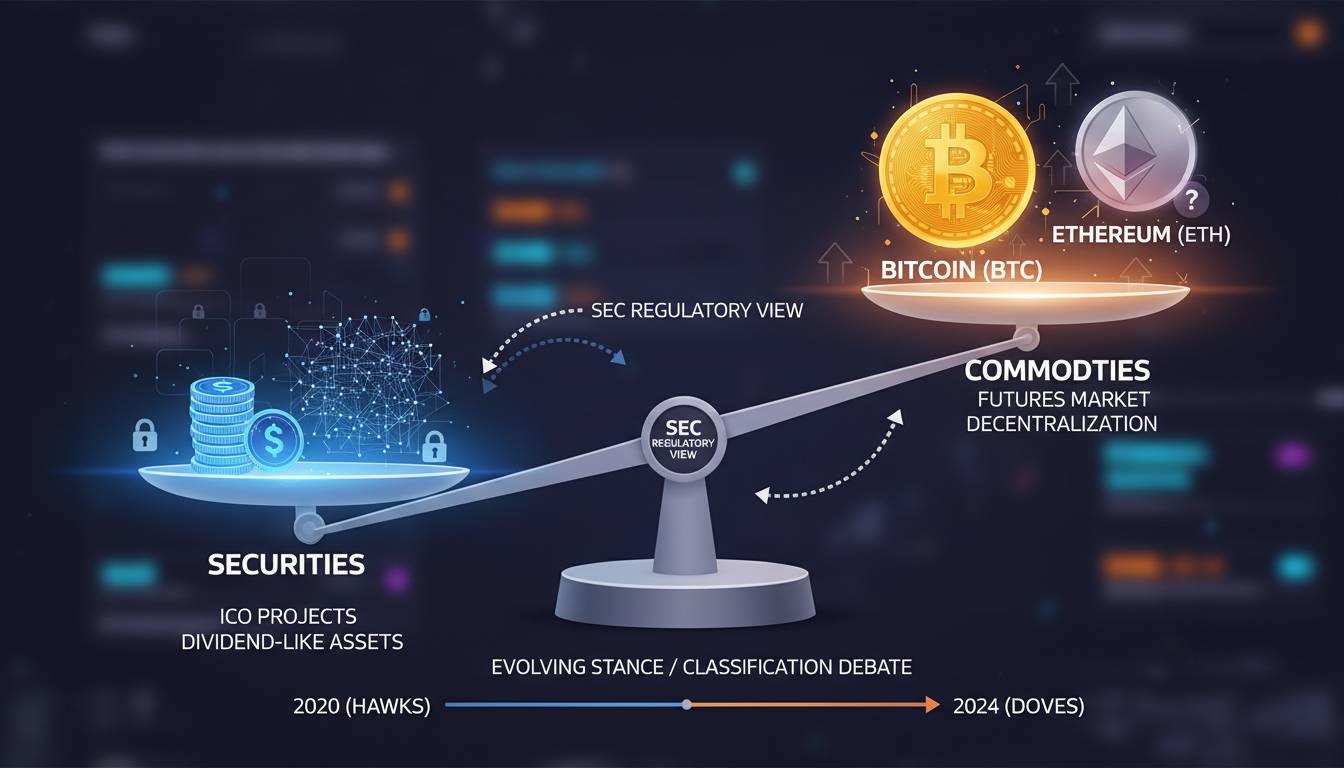
The approval of spot ETFs was itself a regulatory milestone, signaling that the SEC had concluded Bitcoin wasn’t a security in the traditional sense. This followed years of legal ambiguity and enforcement actions against exchanges. More recently, regulatory frameworks in other jurisdictions have matured—the EU’s MiCA regulations came into full effect in 2024, providing a comprehensive rulebook for cryptoasset issuance and service providers.
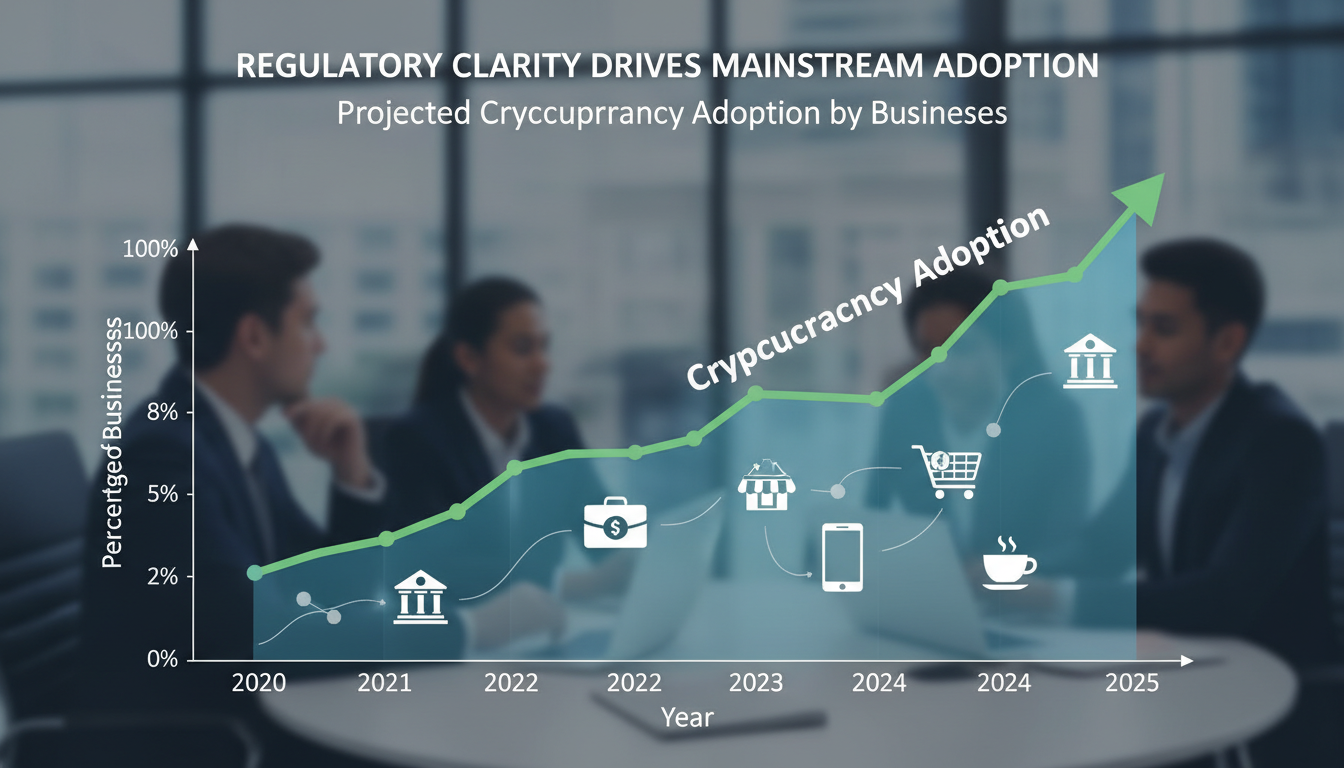
This matters because regulatory clarity reduces the risk premium investors demand. When the rules are unknown, sophisticated capital stays on the sidelines. When rules exist—even strict ones—institutional money can price risk and allocate accordingly.
That said, regulatory risk hasn’t disappeared. Different countries remain at different stages, and some jurisdictions (like China) have effectively banned cryptocurrency mining and trading. The United States continues to debate stablecoin regulation and the treatment of crypto more broadly. A shift in political administration could alter the landscape significantly.
The force here is subtle but powerful: regulatory acceptance creates infrastructure, and infrastructure attracts capital. This bull run has benefited from knowing the rules of the road, even when those rules remain imperfect.
Technology Upgrades: What Happens When Bitcoin Improves
Bitcoin isn’t static. The network has undergone continuous development, and 2024-2025 has seen meaningful upgrades that improve its functionality without altering its core protocol.
The most significant is the continued expansion of the Lightning Network, a layer-2 solution that enables faster, cheaper transactions. While adoption metrics remain modest compared to base-layer Bitcoin, transaction volume has grown, and major payment processors like Stripe have begun integrating Lightning capabilities. This addresses the longstanding criticism that Bitcoin is too slow and expensive for everyday transactions.
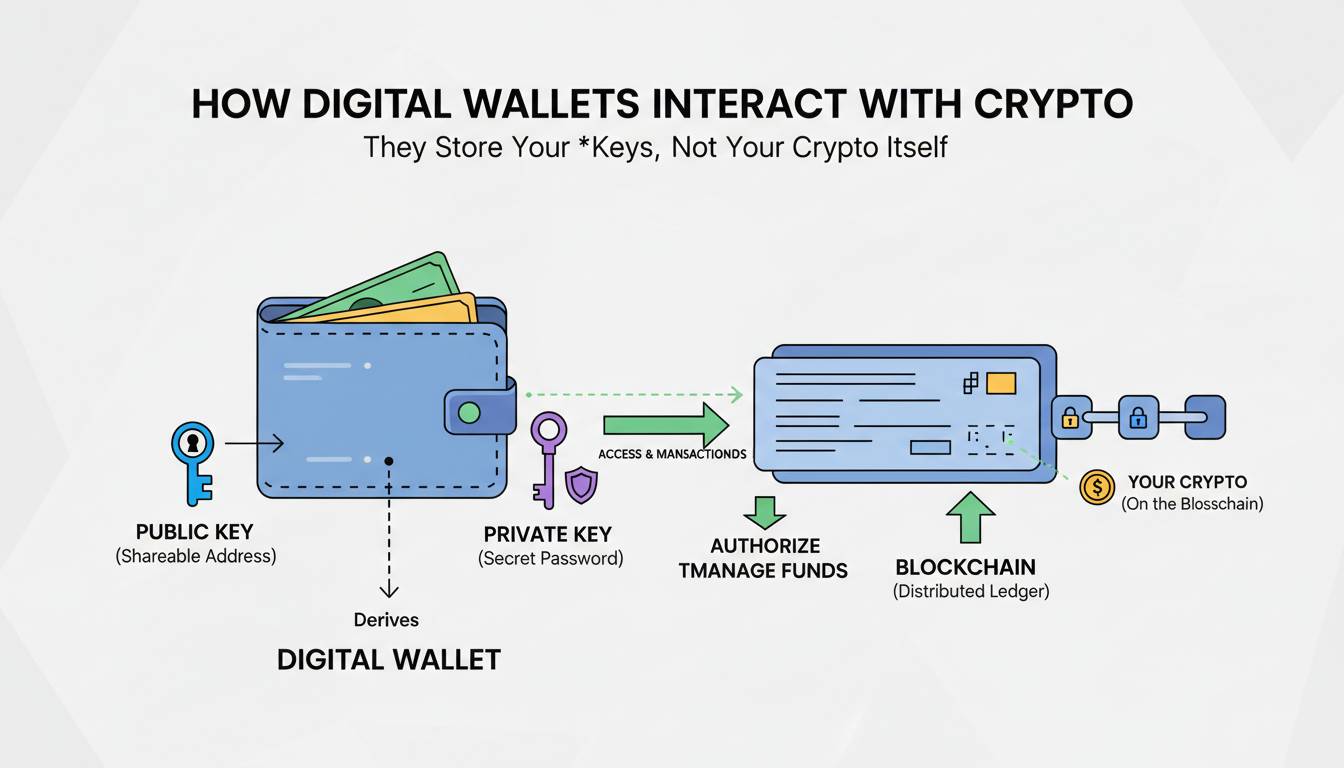
Other developments include improved wallet security, better custody solutions, and advancements in mining efficiency. The mining landscape has professionalized dramatically—the days of individuals mining on laptops are long gone, but the network’s hash rate continues climbing, reflecting sustained investment in infrastructure.
Here’s the counterintuitive part: these upgrades don’t typically move Bitcoin’s price in the short term. Markets care more about narrative and macro forces than technical improvements. But over time, enhanced functionality strengthens Bitcoin’s utility proposition, creating the foundation for future demand.
I’m skeptical of technology narratives that claim to “solve” Bitcoin’s limitations. The trade-offs in decentralization, security, and scalability are fundamental—not bugs to be patched. But incremental improvements matter, and the ecosystem’s continued investment in infrastructure signals long-term confidence.
Scarcity and Narrative: The Psychology of Holding
The final force deserves attention because it operates in the realm of psychology rather than economics. Bitcoin’s strongest advocates argue that its narrative—hard money, censorship resistance, decentralized scarcity—is what ultimately drives value. Critics dismiss this as circular reasoning: Bitcoin is valuable because people believe it’s valuable.
The truth lies somewhere in between. The narrative has proven remarkably durable across multiple cycles. The “store of value” framing has strengthened considerably since the 2020 pandemic, when governments worldwide launched unprecedented fiscal stimulus. The imagery of Bitcoin as “digital gold”—finite, portable, decentralized—resonates particularly with younger investors who distrust traditional financial institutions.
Scarcity plays a real role. Only 21 million Bitcoin will ever exist, and roughly 20% of that supply is estimated to be lost in wallets whose owners have lost keys. As adoption grows, the effective supply available for purchase shrinks. This creates a floor dynamics: as more people want to hold Bitcoin, the pool of available coins diminishes.
What I find fascinating is how narratives evolve with each cycle. In 2017, the dominant story was “digital payments” and “remittance disruption.” In 2020-2021, it shifted to “inflation hedge” and “institutional adoption.” In 2024-2025, the framing has matured to include “nation-state reserve asset” as El Salvador’s experiment has been joined by discussions in other countries. Each narrative attracts different types of buyers, expanding the demand base.
The six forces I’ve outlined don’t operate in isolation. Institutional adoption reinforces the scarcity narrative; regulatory clarity enables technology upgrades to matter; macroeconomic conditions color all of the above. Understanding Bitcoin’s price movements requires appreciating how these factors interact.
One thing I’m confident about: this bull run feels structurally different from its predecessors because the infrastructure is finally in place. We have ETFs, regulated custody, clear legal frameworks in major markets, and institutional participation at scale. Whether prices continue rising depends on how these forces evolve—and on factors nobody can predict, like geopolitical shocks or technological disruptions.
What I can say with certainty is that Bitcoin will remain volatile, contested, and impossible to ignore. The forces driving this particular bull run aren’t going away, but they will change shape. My advice: understand what you’re actually buying, recognize that nobody has a crystal ball, and never allocate more than you’re willing to lose. The narrative will tell you Bitcoin is inevitable. The reality is that it’s still very much uncertain—and that’s precisely what makes it worth watching.