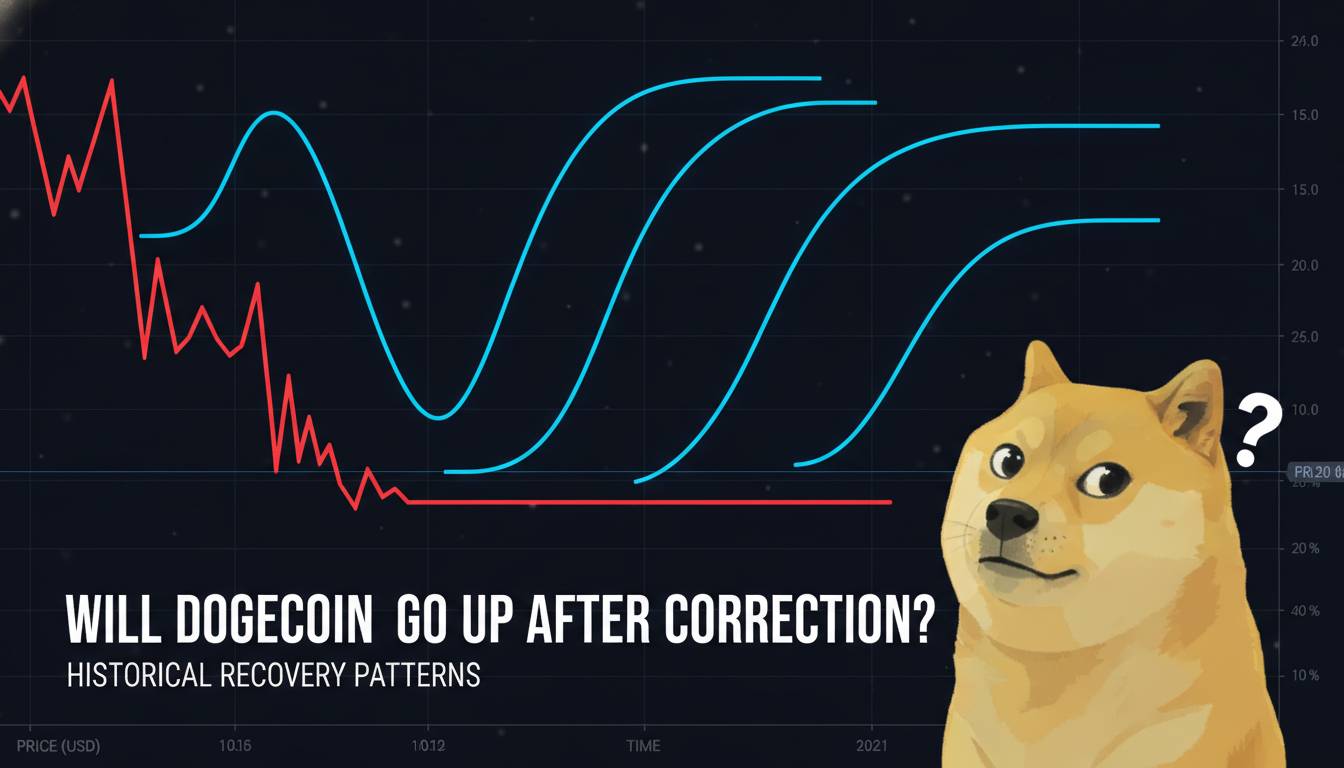
Dogecoin has a recovery problem. Not the kind where the price simply can’t climb back — history proves it always does eventually — but the kind where the timeline is so wildly inconsistent that any prediction based on past performance is essentially a coin flip dressed up in technical analysis. I’ve been tracking this market for long enough to know that the real answer to “will Dogecoin go up after a correction?” is less satisfying than most traders want: yes, almost certainly, but the when and the how much depend on factors that even the most sophisticated analysts struggle to quantify.
What I can give you is the data. Not the hopeful projections or the moon-boy Telegram signals — the actual historical record of how Dogecoin has behaved after its biggest drawdowns, what the recovery patterns look like across different market cycles, and why expecting this meme coin to follow the same playbook as Bitcoin or Ethereum is a mistake that costs people money.
What Actually Constitutes a Correction (And Why It Matters for Dogecoin)
Before diving into the numbers, let’s be precise about terminology because the crypto space uses “correction” as a catch-all term that obscures more than it reveals.
A correction is typically defined as a decline of 10% or more from a recent high, while a crash implies a 20%+ drop. Dogecoin doesn’t just correct — it crashes, then stabilizes, then occasionally rockets to new highs on the strength of nothing more than viral momentum and a passionate community that treats holding as a form of defiance.
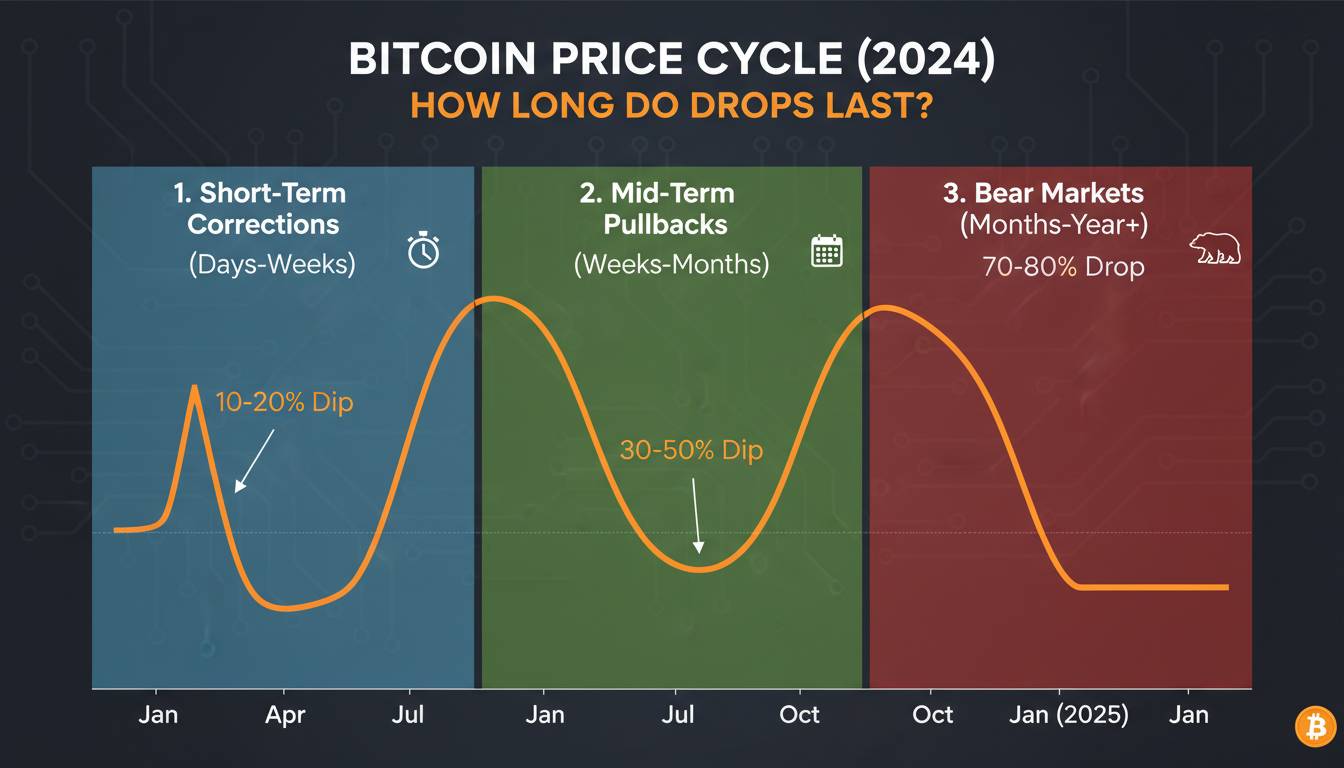
The distinction matters because Dogecoin’s recovery characteristics change depending on the depth of the drawdown. A 30% correction might recover in weeks. A 70% collapse — which Dogecoin has experienced more than once — can take months or even years to fully unwind, and “fully recover” often means reaching a new equilibrium far below the previous peak.
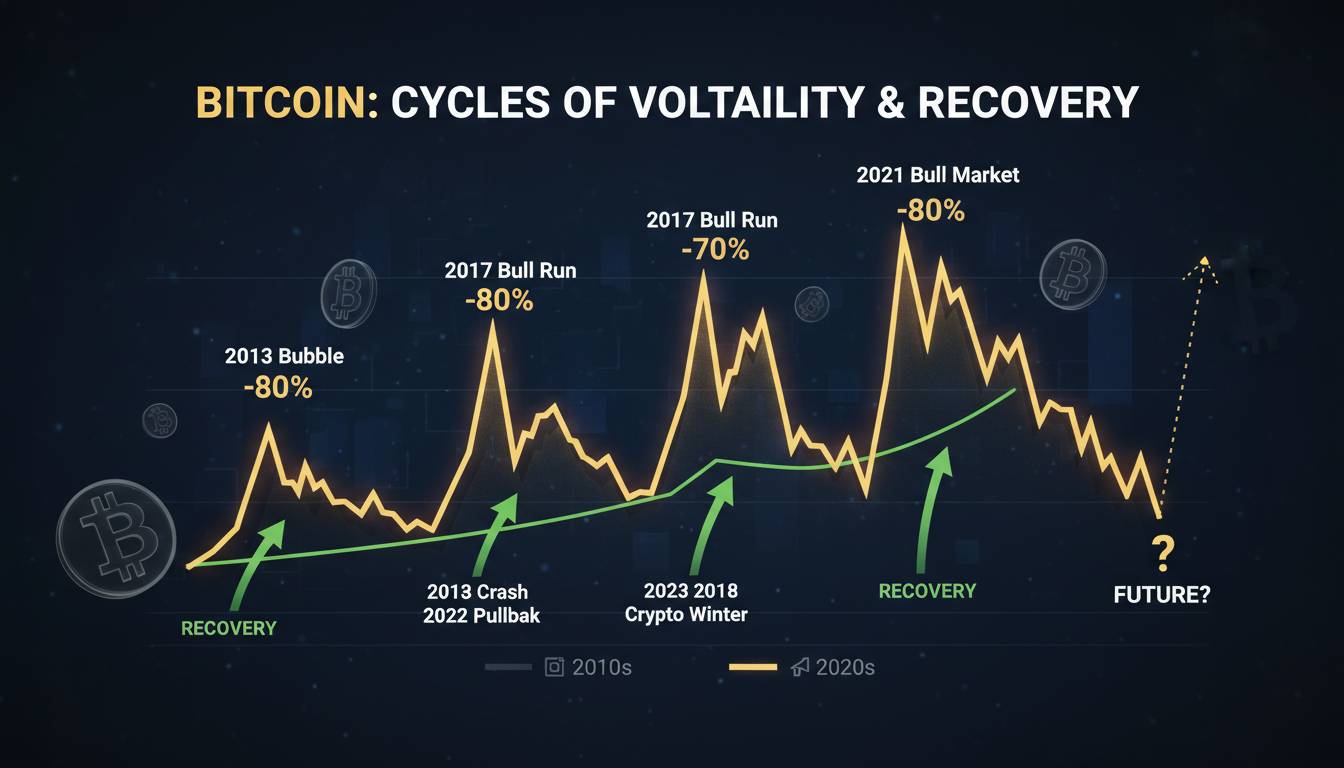
The 2021 bull run tells this story clearly. Dogecoin’s infamous May 2021 run-up took it from under $0.10 to an intraday high of approximately $0.73 — a gain that defied all rational valuation models. The subsequent collapse wiped roughly 70% of that value in under two weeks. Anyone who bought at the top and held for “the recovery” is still waiting, in real terms, more than three years later. That’s the uncomfortable truth that nobody publishing “Dogecoin to $1” predictions wants to acknowledge.
The 2021 Corrections: When Dogecoin Proved It Could Lose 70% And Still Matter
The May 2021 correction remains the most documented case study for Dogecoin’s volatility, precisely because it was so extreme that it forced even casual observers to pay attention.
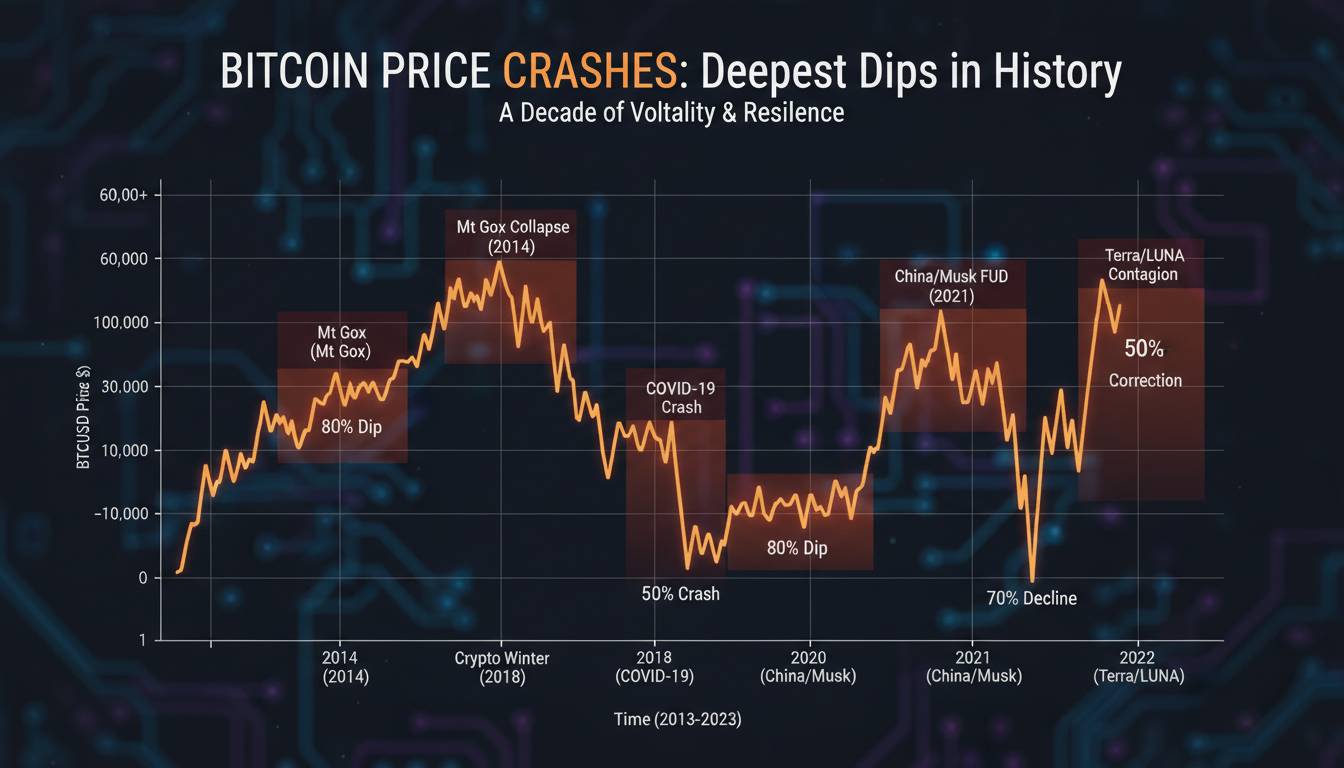
On May 5, 2021, Dogecoin traded around $0.60. By May 19, it had fallen to approximately $0.21 — a 65% decline in fourteen days. The trigger was a broader market correction triggered by China’s mining crackdown and comments from Elon Musk about Bitcoin’s energy consumption, but the magnitude of Dogecoin’s drop far exceeded Bitcoin’s 50% decline during the same period.
Here’s what happened next that most analyses gloss over: Dogecoin did recover, but not in the way that would have made buying the dip profitable at the bottom. By late July 2021, it had climbed back to around $0.30 — a meaningful recovery from the lows, but still 50% below the May highs. By early November 2021, during the broader altcoin season, it reached approximately $0.34 before beginning another decline. The recovery, in other words, was partial and temporary, capturing only a fraction of the lost ground.
The practical takeaway is straightforward: catching the exact bottom in Dogecoin during a correction is mathematically impossible to time consistently, and even when you do buy near the bottom, the “recovery” often means “significant rebound” rather than “return to previous highs.” The risk-reward math changes depending on whether your baseline is the all-time high or the recent low, and most analysis conflates these two entirely different scenarios.
The 2022 Crypto Winter: Dogecoin’s Ugly Truth
If 2021 showed Dogecoin’s potential for violent rebounds, 2022 revealed its vulnerability to prolonged drawdowns that make recovery timelines unpredictable.
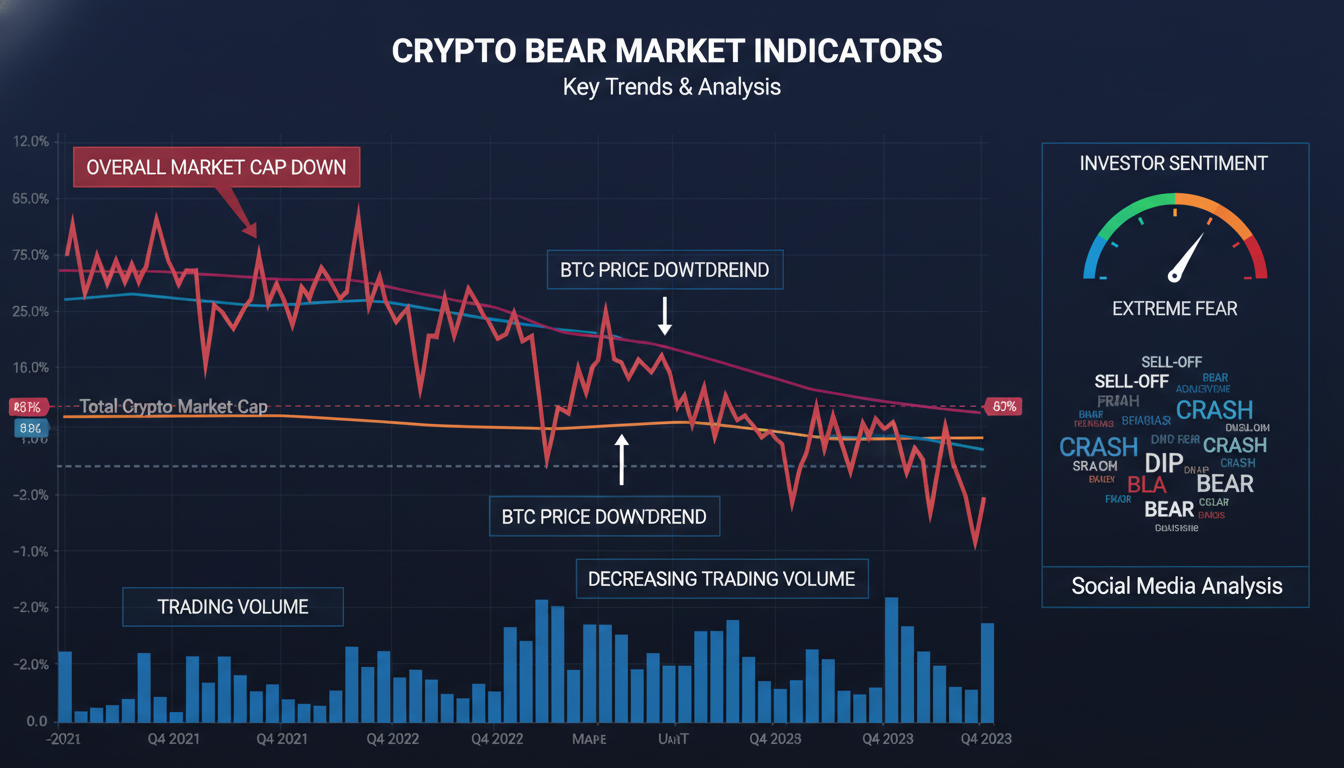
Throughout 2022, as the broader crypto market collapsed under the weight of the Terra/Luna implosion, Three Arrows Capital’s failure, FTX’s collapse, and tightening monetary policy, Dogecoin followed the market lower but with its own distinctive pattern. It dropped from approximately $0.15 in early March 2022 to below $0.05 by November — roughly a 66% decline that mirrored the percentage loss of the May 2021 crash.
The critical difference was duration. The May 2021 crash saw a rapid recovery to meaningful levels within weeks. The 2022 decline was more insidious — a slower bleed that offered false hope multiple times along the way. Each bounce looked like the beginning of recovery, only for the price to establish a new lower low months later.
In 2022, watching how Dogecoin’s correlation with Bitcoin tightened during market stress was particularly instructive. During bull markets, Dogecoin often decouples and moves on its own momentum, driven by social media sentiment and celebrity attention. During bear markets, it behaves like a risk asset with amplified volatility — dropping faster than Bitcoin during panic selling and recovering more slowly during the subsequent grinding bottom-formation.
By late 2022, Dogecoin had established a trading range between $0.05 and $0.08 that would persist for much of 2023. The recovery to pre-2022 levels, as of early 2025, still hasn’t been achieved in any sustained way. This is the pattern that long-term holders need to internalize: Dogecoin can absolutely recover from any specific correction, but “recovery” might mean “establish a new trading floor at a fraction of former highs” rather than “return to previous glory.”
The 2024 Pattern: Learning From The Most Recent Data
The 2024 market provided fresh data points for analyzing Dogecoin’s correction behavior, though the patterns were less dramatic than the 2021-2022 cycle.
Throughout 2024, Dogecoin experienced several corrections of 20-30% from local highs, each time bouncing relatively quickly but failing to establish sustained momentum to new highs. The pattern looked more like consolidation within a defined range than either a crash or a recovery — the market appeared to be searching for Dogecoin’s fair value after years of speculation and eventual stabilization.
What stood out in 2024 was the decreasing correlation between Dogecoin’s price and social media sentiment. For years, Dogecoin’s price movements had closely tracked social media mentions and search trends. In 2024, this correlation weakened noticeably. The price moved more in sync with broader crypto market flows, particularly Bitcoin’s performance, suggesting that Dogecoin may be maturing as an asset class even as its fundamental value proposition remains as ambiguous as ever.
The practical observation from 2024 is that corrections became shallower and recoveries faster compared to previous cycles — a pattern that could indicate either growing market maturity or simply reduced speculative mania compared to the 2021 retail frenzy.
Recovery Timeframes: How Long Does It Actually Take?
This is the question every Dogecoin holder wants answered, and it’s also the question where the data is most honest about its limitations.
From the historical record, the average recovery time varies enormously based on three factors: the depth of the correction, the broader market environment, and whether Dogecoin is experiencing a period of cultural relevance or relative obscurity.
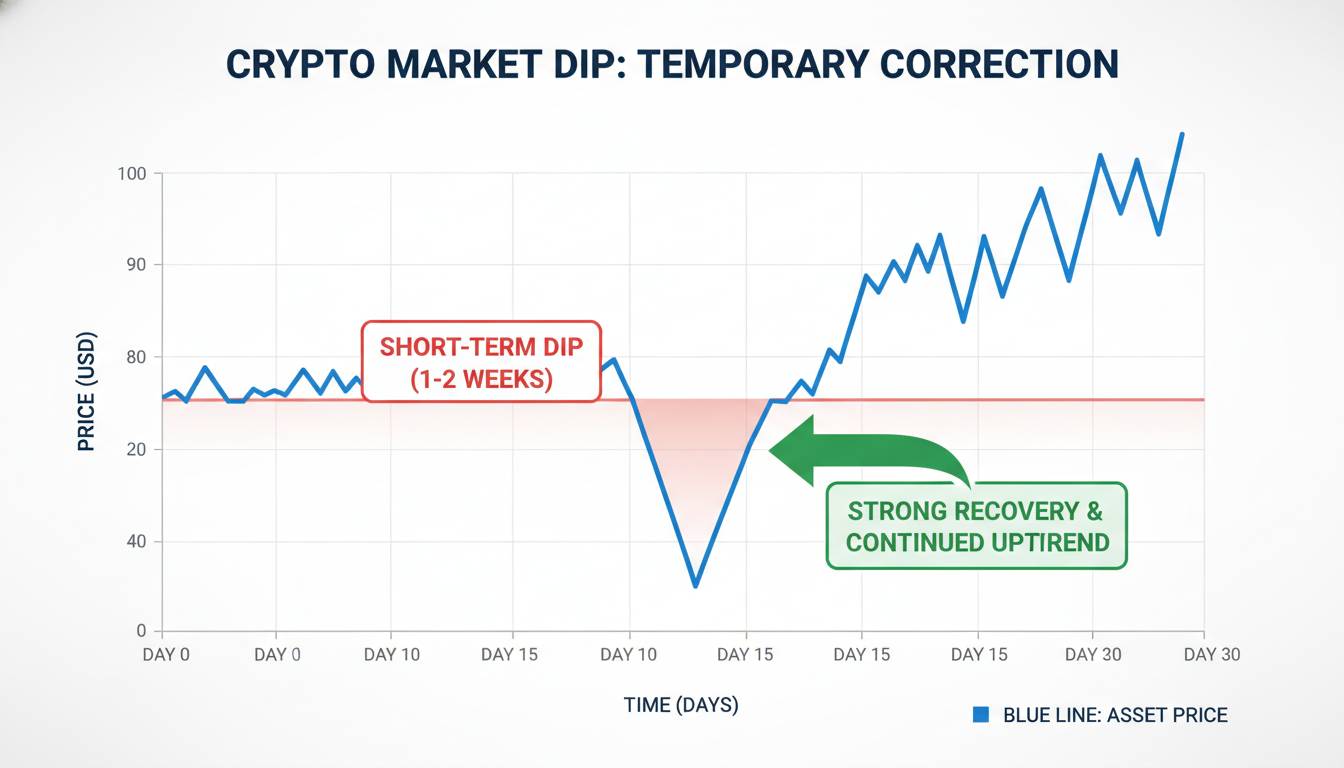
During the May 2021 crash, Dogecoin recovered approximately 40% of its losses within six weeks — moving from the lows around $0.21 back toward $0.30. The full recovery to pre-crash levels, adjusted for the subsequent November 2021 highs, took approximately six months, though this was during an exceptionally favorable altcoin market.
During the 2022 crash, a 40%+ recovery took nearly a year to achieve, and even that recovery was incomplete and temporary. The lesson is clear: recovery timeframes during bear markets extend dramatically compared to bull market corrections, and assuming historical bull-market recovery speeds during any given correction is a bet against the evidence.
Comparing to Bitcoin reveals an uncomfortable truth: Bitcoin’s recovery patterns are more consistent and generally faster than Dogecoin’s. Bitcoin tends to recover from corrections more efficiently, likely due to its larger market capitalization, deeper liquidity, and stronger institutional adoption. Dogecoin, as a smaller and more sentiment-driven asset, exhibits higher variance in both decline magnitude and recovery speed.
Why Dogecoin Corrections Differ From Bitcoin Corrections
The structural differences between Dogecoin and Bitcoin create fundamentally different correction behaviors that investors need to understand rather than assume away.
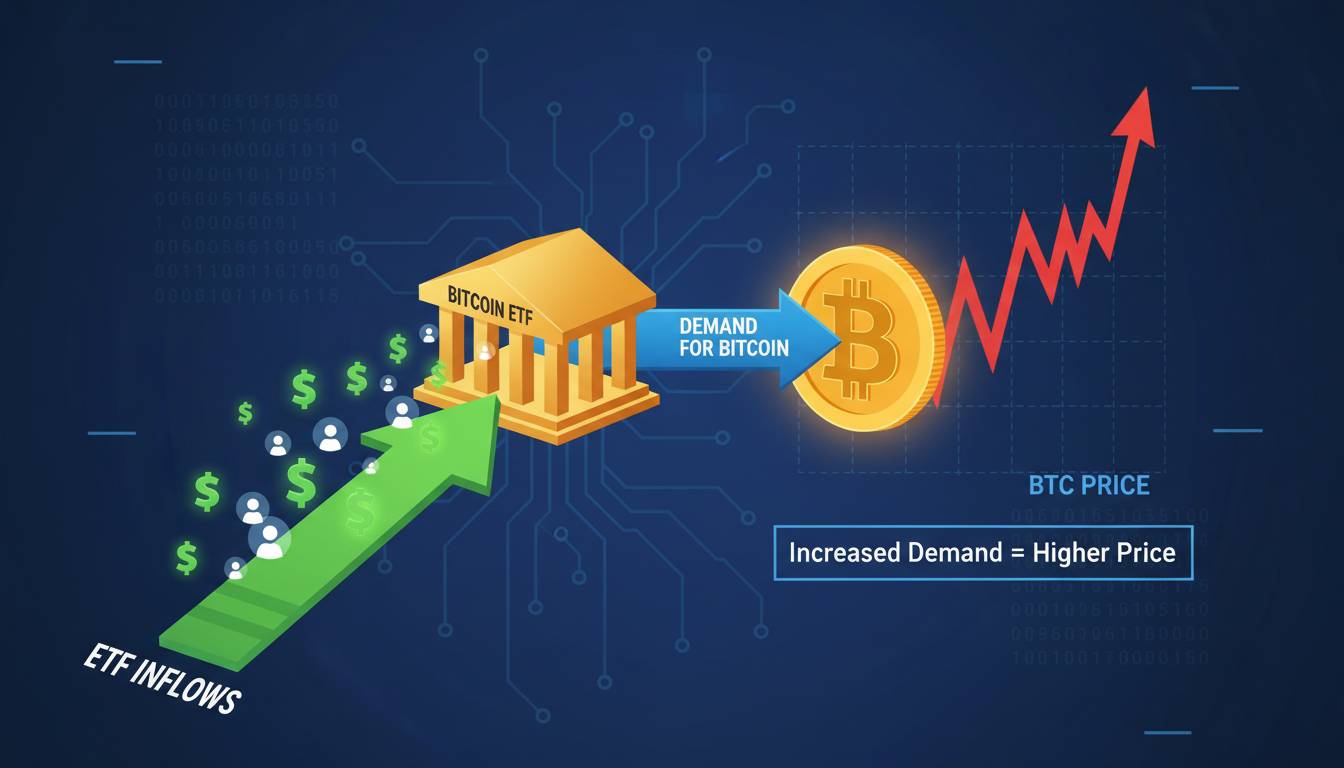
Bitcoin functions as a macro asset with increasing institutional adoption, deep derivatives markets, and substantial infrastructure supporting price discovery. When Bitcoin corrects, the recovery often has identifiable catalysts — ETF inflows, halving cycles, macroeconomic shifts. The market has developed relatively sophisticated models for thinking about Bitcoin’s fair value, even if those models disagree profoundly.
Dogecoin has none of these structural supports. Its price movements are disproportionately driven by social media sentiment, celebrity endorsements, and the collective behavior of a retail-focused holder base. This creates corrections that are more violent in both directions — sharper declines during risk-off periods and sharper rallies during risk-on periods — but also creates recovery patterns that are essentially unpredictable in timing and magnitude.
When Bitcoin corrects 30%, you can reasonably expect it to recover within a timeframe that correlates with historical precedent. When Dogecoin corrects 30%, the recovery might happen in three weeks because of a viral tweet, or it might take a year because the market has simply lost interest. The variance is a feature of the asset, not a bug that sophisticated analysis can eliminate.
What Actually Drives Dogecoin Recovery (And What Doesn’t)
After years of watching this market, I’ve developed a healthy skepticism toward the analysis that attributes Dogecoin’s movements to fundamental factors. There are no fundamentals in the traditional sense — no revenue, no user metrics that matter, no protocol upgrades that fundamentally change the token’s utility.
What actually drives Dogecoin recovery, in order of practical importance:
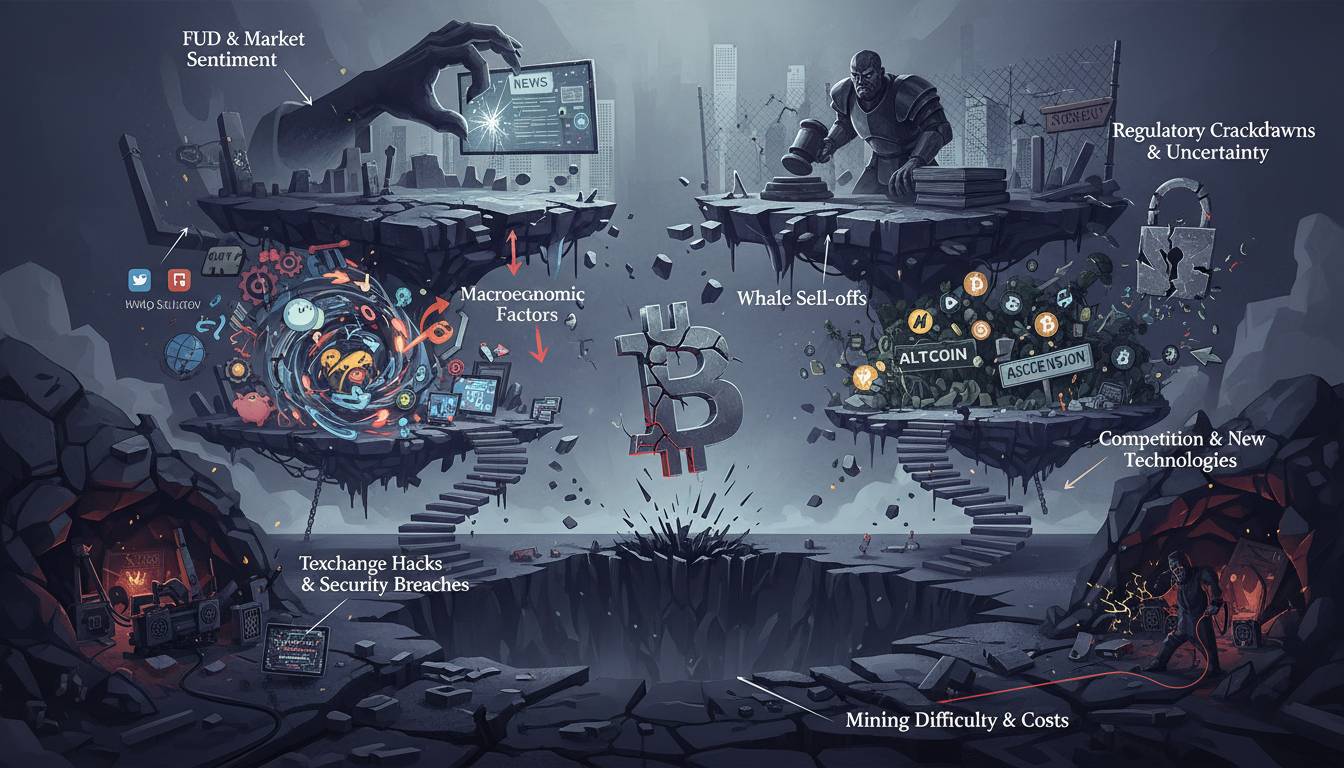
Market-wide risk appetite matters more than anything specific to Dogecoin. When the broader crypto market is bullish, Dogecoin benefits from the rising tide. When the market is risk-off, Dogecoin underperforms regardless of its specific merits.
Social media momentum can create self-reinforcing price movements that have nothing to do with underlying value. A single viral post from an influencer can generate more price action than any amount of fundamental development. This cuts both directions — it accelerates recoveries when sentiment shifts positive, but also accelerates declines when the narrative turns negative.
Whale activity — large holder wallets moving in coordination — appears to influence price movements in ways that retail traders cannot predict or replicate. The concentration of Dogecoin’s supply among relatively few addresses means that large sales or purchases can move markets regardless of retail sentiment.
What doesn’t drive Dogecoin recovery: technical analysis indicators, historical pattern recognition, or any fundamental metric typically applied to traditional assets. The charts can show oversold conditions for months, and the price will continue declining if the broader market and sentiment don’t cooperate. I’ve seen RSI readings in deeply oversold territory persist for weeks while the price continued lower. This is not an asset where you can reliably “buy the dip” based on technical signals alone.
FAQ: Common Questions About Dogecoin Corrections
How long does it take Dogecoin to recover from a correction?
The historical range is three weeks to over a year, with the timeframe depending heavily on whether the broader crypto market is in a bull or bear phase. Bull market corrections see faster recoveries; bear market corrections can extend indefinitely by historical standards.
Should I buy Dogecoin during a correction?
Whether buying during a correction is profitable depends entirely on your time horizon and risk tolerance. The historical evidence shows that Dogecoin does recover from corrections, but the timeline is unpredictable and the recovery is often partial relative to previous highs. If you cannot tolerate the possibility of extended drawdowns, Dogecoin’s volatility will test your patience regardless of eventual outcomes.
Does Dogecoin follow Bitcoin’s correction patterns?
Only loosely. During bull markets, Dogecoin often decouples and outperforms Bitcoin during recoveries. During bear markets, Dogecoin tends to correlate more closely with Bitcoin but with amplified volatility in both directions. Assuming Bitcoin’s recovery behavior will translate directly to Dogecoin has historically been a losing strategy.
What was Dogecoin’s biggest correction?
The May 2021 decline of approximately 70% from intraday highs remains the most significant documented correction. However, the 2022 crypto winter produced a comparable percentage decline over a longer timeframe, and some early-cycle corrections in Dogecoin’s history exceeded 80% during periods of extreme illiquidity.
The Honest Answer (And Why It Matters For Your Strategy)
Here’s what the historical data actually supports: Dogecoin has recovered from every correction it has experienced so far, but the recovery has never meant “return to previous all-time highs” within a predictable timeframe, and in several cases, the recovery has been partial at best.
This means the question “will Dogecoin go up after a correction?” is almost certainly answerable with “yes, eventually,” but the critical qualifier is “eventually” might mean months or years, and “up” might mean up from the bottom rather than up to the previous high.
If you’re holding Dogecoin through a correction, the historical evidence gives you grounds for patience but not certainty. The asset has demonstrated resilience in the face of drawdowns, but also demonstrated the capacity to establish new trading floors significantly below previous peaks. Your expectation for recovery should be calibrated against the specific depth and context of the correction you’re navigating, not against the most recent all-time high.
What the data doesn’t support is blind confidence that a given correction will reverse within any specific timeframe. The patterns are too variable, the catalysts too dependent on sentiment and broader market conditions, and the fundamental value proposition too undefined to warrant precision in prediction. The honest answer is that Dogecoin will likely recover from this correction and the next one, but “likely” is doing a lot of work in that sentence, and the historical record shows that past performance provides less guidance for future behavior than most traders want to believe.