If you’ve been watching cryptocurrency markets for more than a few months, you’ve noticed something strange: when Bitcoin surges, XRP doesn’t always follow. When Ethereum dumps, XRP sometimes holds steady—or drops harder. This isn’t random noise. XRP price moves differently because the asset itself is fundamentally different from its two largest peers. Understanding why matters if you’re making investment decisions, building trading strategies, or simply trying to make sense of crypto market movements.
This isn’t about declaring XRP “better” or “worse” than Bitcoin or Ethereum. It’s about recognizing the structural, regulatory, and market-positioning factors that create genuinely distinct price behaviors. The differences aren’t cosmetic—they’re baked into how these assets function, how they’re regulated, and what they’re designed to do. Once you see these distinctions clearly, you’ll stop expecting XRP to behave like Bitcoin and start understanding why it doesn’t.
Fixed Supply and Escrow Dynamics
Bitcoin’s supply mechanics are straightforward: 21 million coins, mined gradually through block rewards that halve roughly every four years. This capped supply creates a deflationary narrative that drives much of Bitcoin’s value proposition. Ethereum, while more complex post-Merge, operates with a different inflationary model that has evolved over time.
XRP operates on an entirely different paradigm. Ripple created 100 billion XRP tokens at launch—and here’s the number that surprises most people: roughly 55% of those tokens remain in escrow, controlled by the company itself. Ripple releases 1 billion XRP from escrow monthly, with any unspent tokens returning to escrow. This controlled release mechanism means the supply entering circulation is predictable and managed, not mined or burned dynamically.
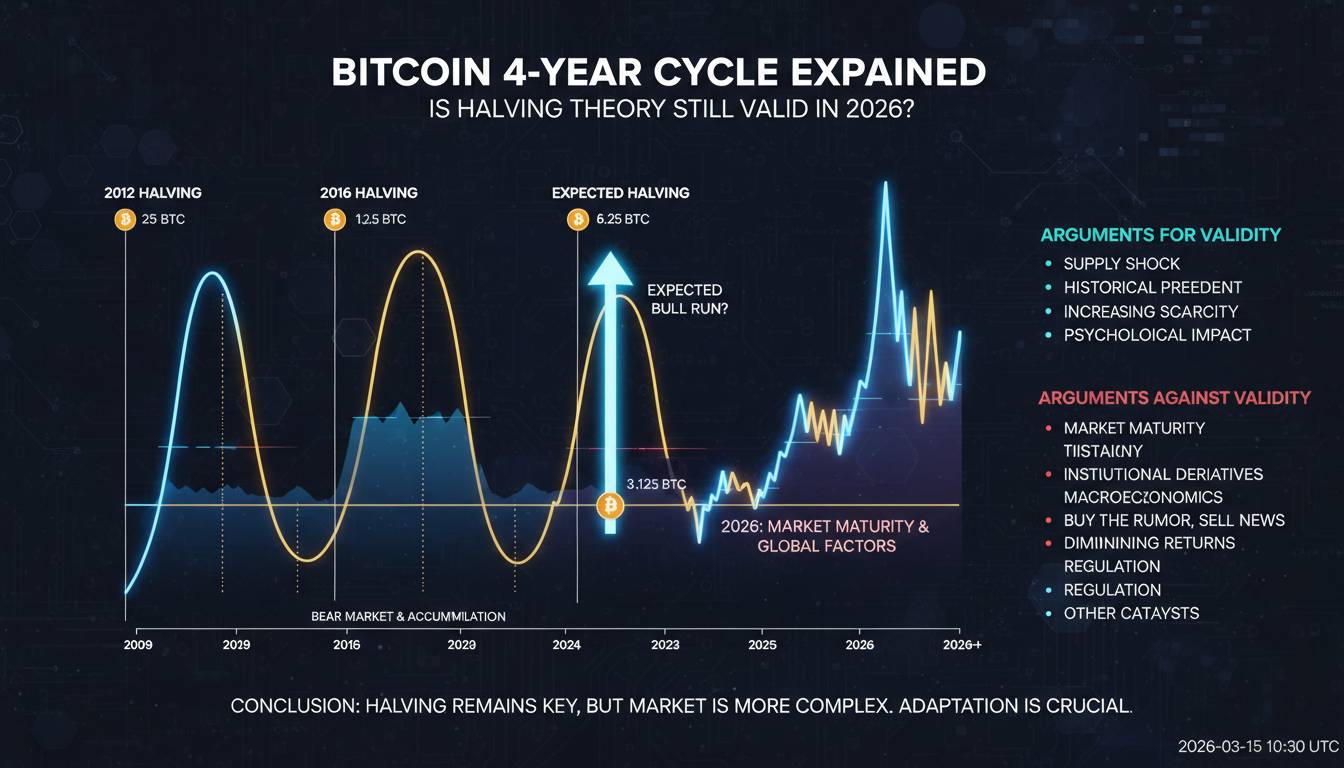
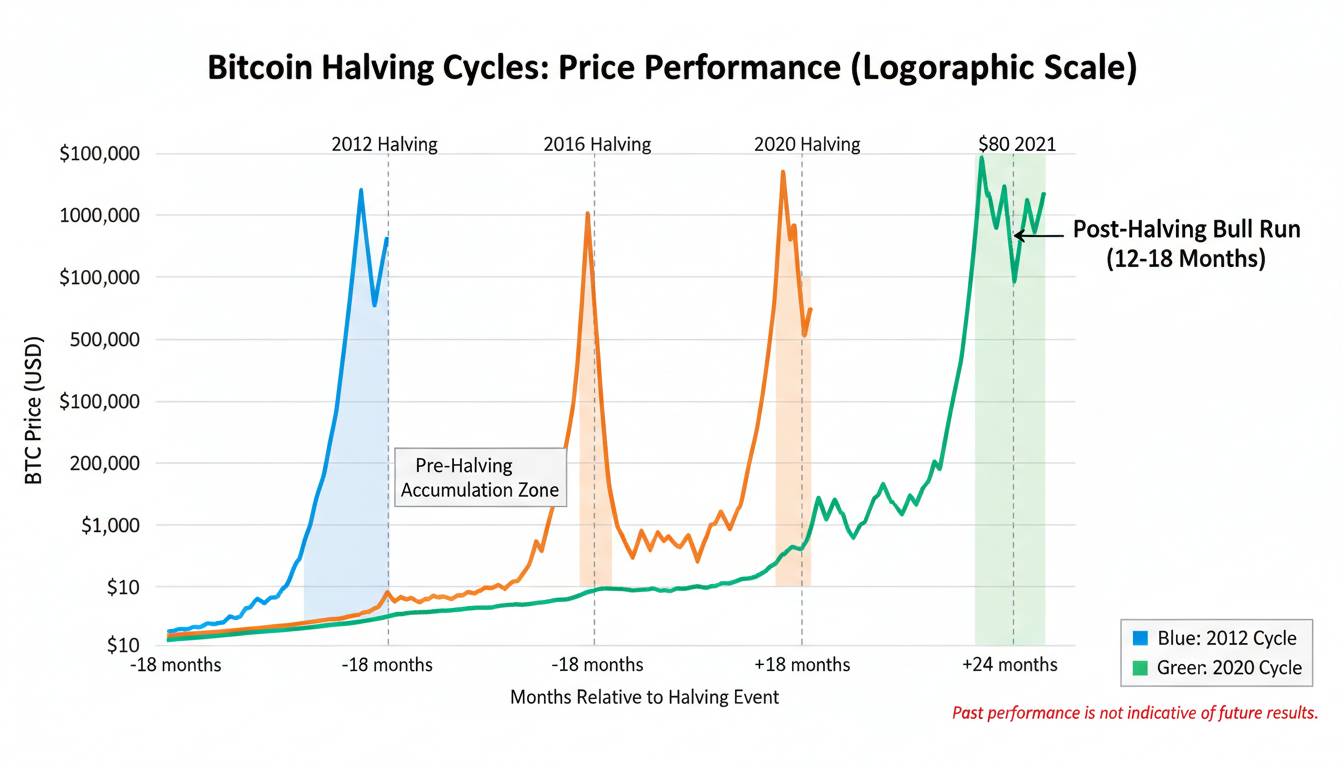
This matters for price because it removes supply uncertainty. When Bitcoin approaches its next halving, markets speculate intensely about reduced issuance. When Ethereum burns fees, traders watch burn rates obsessively. XRP’s supply is largely predetermined, which means one variable that moves other cryptos simply doesn’t apply the same way. The market can’t speculate on “running out of XRP” the way it speculates on Bitcoin scarcity.
The practical takeaway: XRP lacks the supply-side narratives that drive Bitcoin rallies. If you’re expecting XRP to moon because of “fixed supply” talking points, you’re applying the wrong framework.
Cross-Border Payment Utility vs. Store of Value
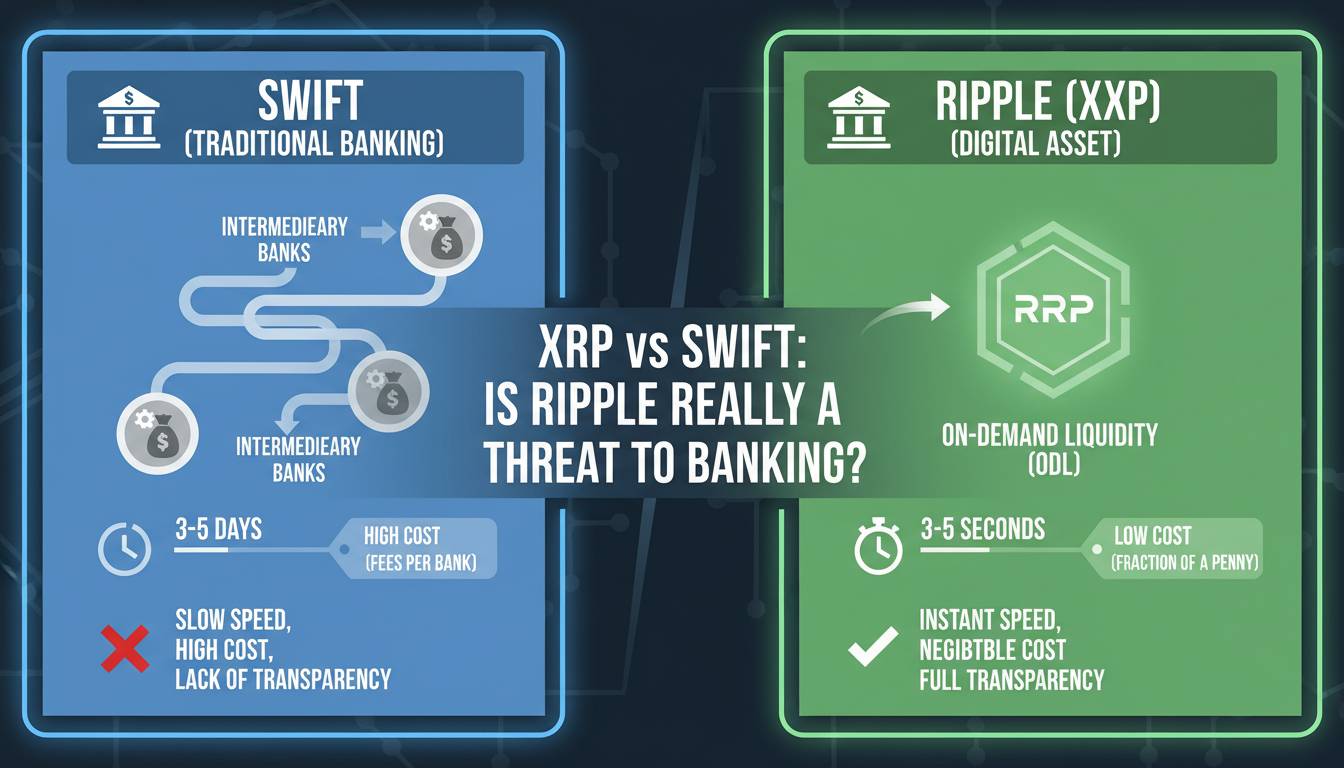
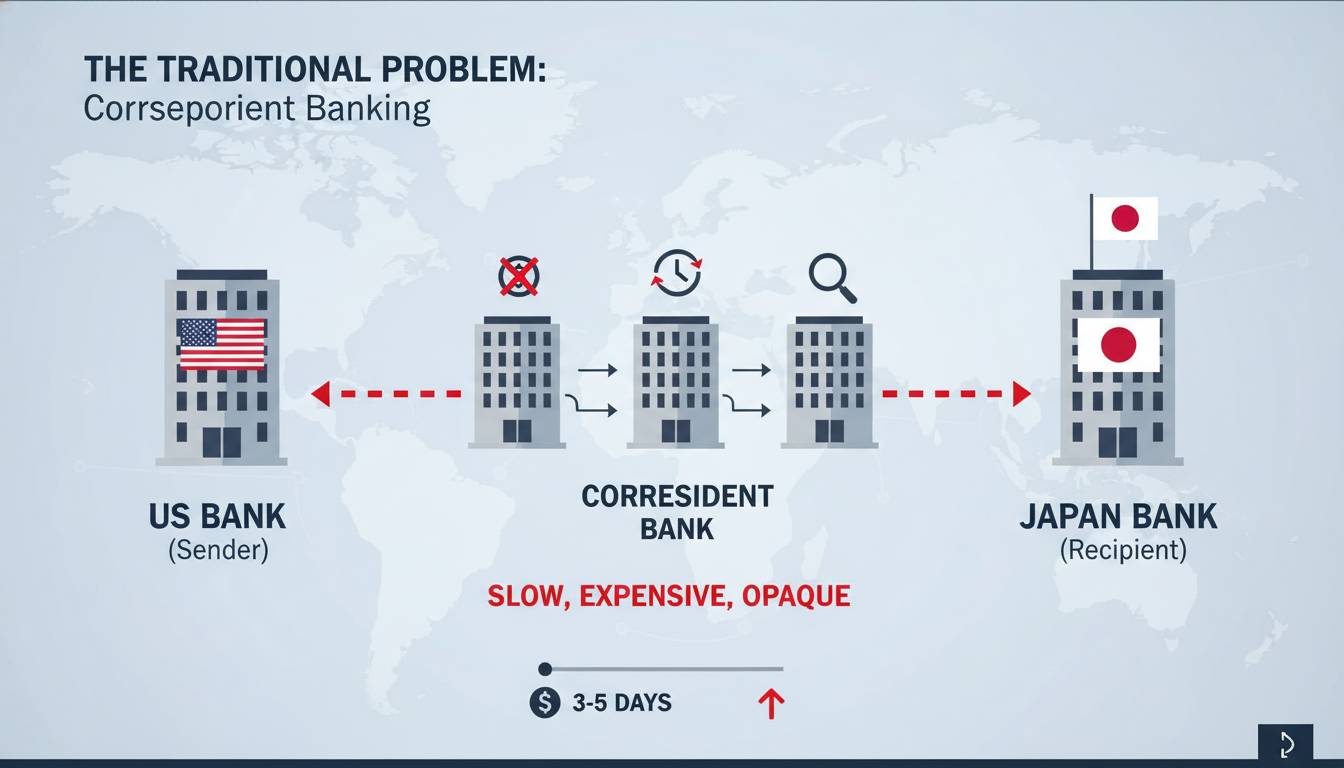
Bitcoin was designed as peer-to-peer electronic cash—though it’s evolved primarily into a store of value, often called “digital gold.” Ethereum was designed as a platform for decentralized applications and smart contracts. XRP exists to solve a specific problem: moving money across borders quickly and cheaply for financial institutions.
RippleNet, now largely integrated into Ripple’s broader platform offerings, processed real-world transactions for banks and payment providers. The RL/USD stablecoin, launched in 2024, represents an attempt to bridge traditional finance and crypto rails more directly. This utility focus means XRP price can move on news that would barely register for Bitcoin—partnership announcements with banks, payment corridor launches, or regulatory approvals for specific use cases.
When a major bank announces a Ripple integration, XRP often moves in ways that seem disproportionate to the actual revenue impact. Why? Because the market prices the narrative of institutional adoption more than the reality of current transaction volumes. Bitcoin moves on macroeconomic news, ETF inflows, and store-of-value narratives. Ethereum moves on developer activity and network upgrades. XRP moves on financial-institution adoption stories.
This creates opportunities. A bank partnership announcement might trigger a 10-15% XRP rally that fades within days if no follow-up news arrives. The same announcement might be irrelevant to Bitcoin’s price trajectory. If you’re trading XRP, you need to track institutional partnership news—not just broader crypto market sentiment.
The SEC Lawsuit’s Persistent Shadow
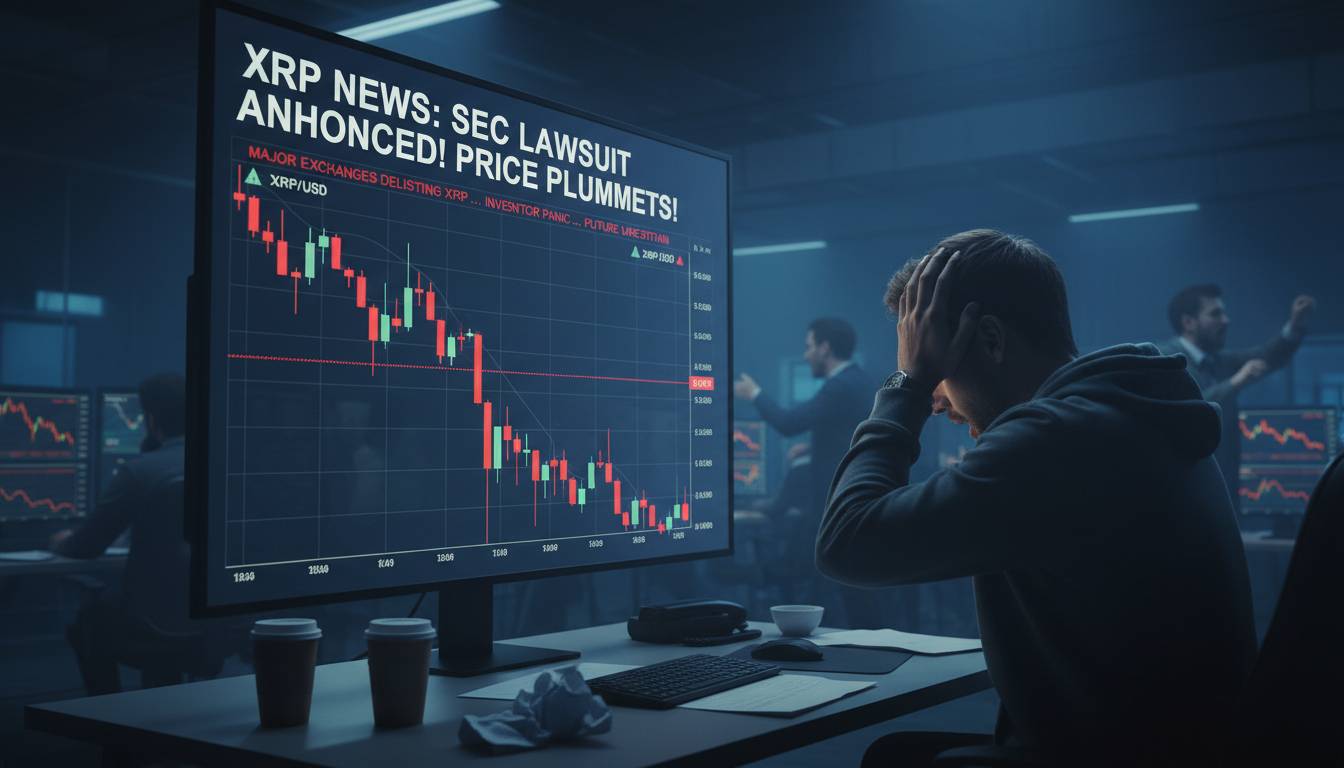
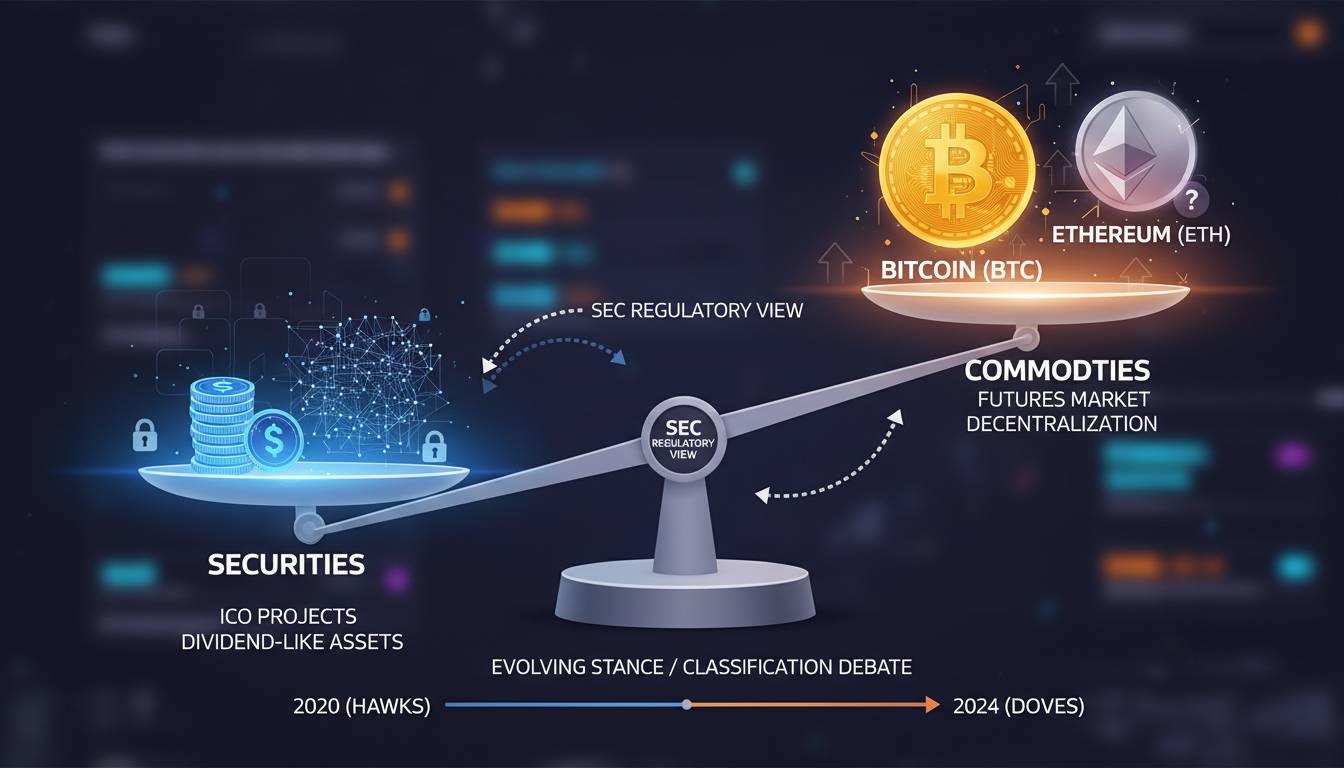
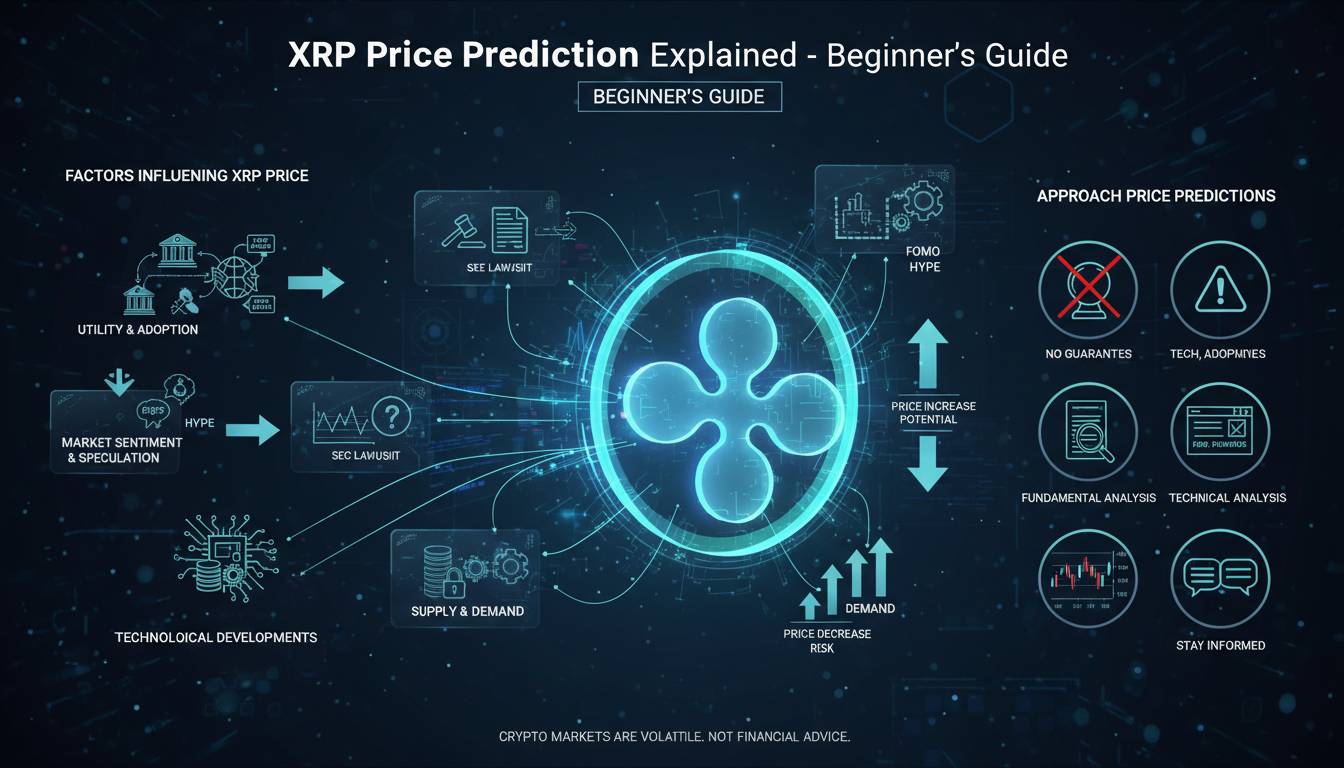
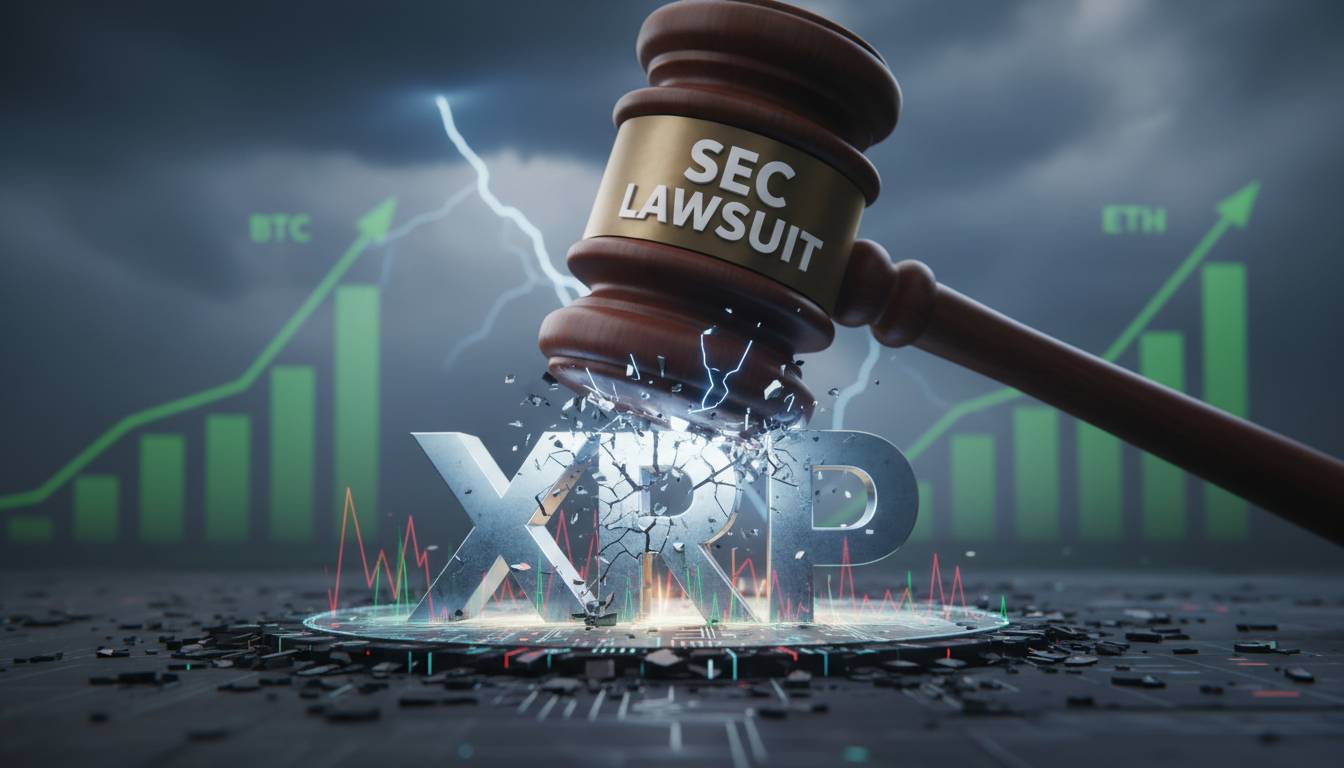
This is where XRP’s price behavior becomes genuinely distinct from both Bitcoin and Ethereum. In December 2020, the SEC filed a lawsuit alleging that XRP was an unregistered security. The case dragged on until 2024, when the SEC’s case against Ripple CEO Brad Garlinghouse and co-founder Chris Larsen was largely decided in the company’s favor, though the SEC signaled potential appeal.
During those four years, XRP traded under a cloud of regulatory uncertainty that Bitcoin and Ethereum never faced. Institutional investors often avoided XRP entirely because owning a potential security created compliance complications. Some exchanges delisted XRP or restricted trading for certain users. The legal uncertainty created a persistent risk premium that distorted normal price discovery.
The aftermath matters too. Even after the favorable ruling, the SEC’s ongoing regulatory posture toward the crypto industry creates lingering uncertainty for XRP specifically. The SEC’s appeals and enforcement actions against other crypto firms keep the “XRP regulatory risk” narrative alive in ways that don’t apply to Bitcoin (which the SEC has explicitly called a commodity) or Ethereum (which faces its own complexity but different regulatory treatment).
The counterintuitive point most articles miss: the SEC case actually created a unique trading opportunity. During the lawsuit, XRP traded at a persistent discount to where it “should” have been based on fundamentals. Post-ruling, we’ve seen a gradual normalization—but that discount took years to close. Investors who understood the regulatory dynamic could buy XRP more cheaply than comparable assets precisely because others were avoiding the regulatory risk.
Transaction Speed and Efficiency Realities
XRP consistently advertises faster transaction times and lower fees than both Bitcoin and Ethereum. The network processes transactions in 4-5 seconds with fees typically under $0.01. Bitcoin, depending on network congestion, can take minutes to hours with fees that spike during demand surges. Ethereum’s fees—commonly called “gas”—have historically been volatile and sometimes substantial.
These technical differences create practical use cases that can influence price. For remittance and cross-border payments, XRP’s speed and low cost are genuine advantages. When transaction fees on Ethereum spike during NFT minting frenzies or DeFi booms, some volume theoretically shifts to cheaper alternatives.
But here’s the honest limitation: transaction speed and fees haven’t consistently driven XRP price in the ways proponents expect. Despite superior technical metrics, XRP hasn’t displaced Ethereum as the dominant smart contract platform or become the default choice for remittances at scale. The technical advantages exist but haven’t translated into sustained price appreciation based on utility alone.
What this means for you: don’t buy XRP purely because the fees are lower. The market doesn’t always reward technical superiority. Utility adoption drives price over longer timeframes, but narrative and sentiment dominate shorter-term movements.
Market Correlation and Decoupling Patterns
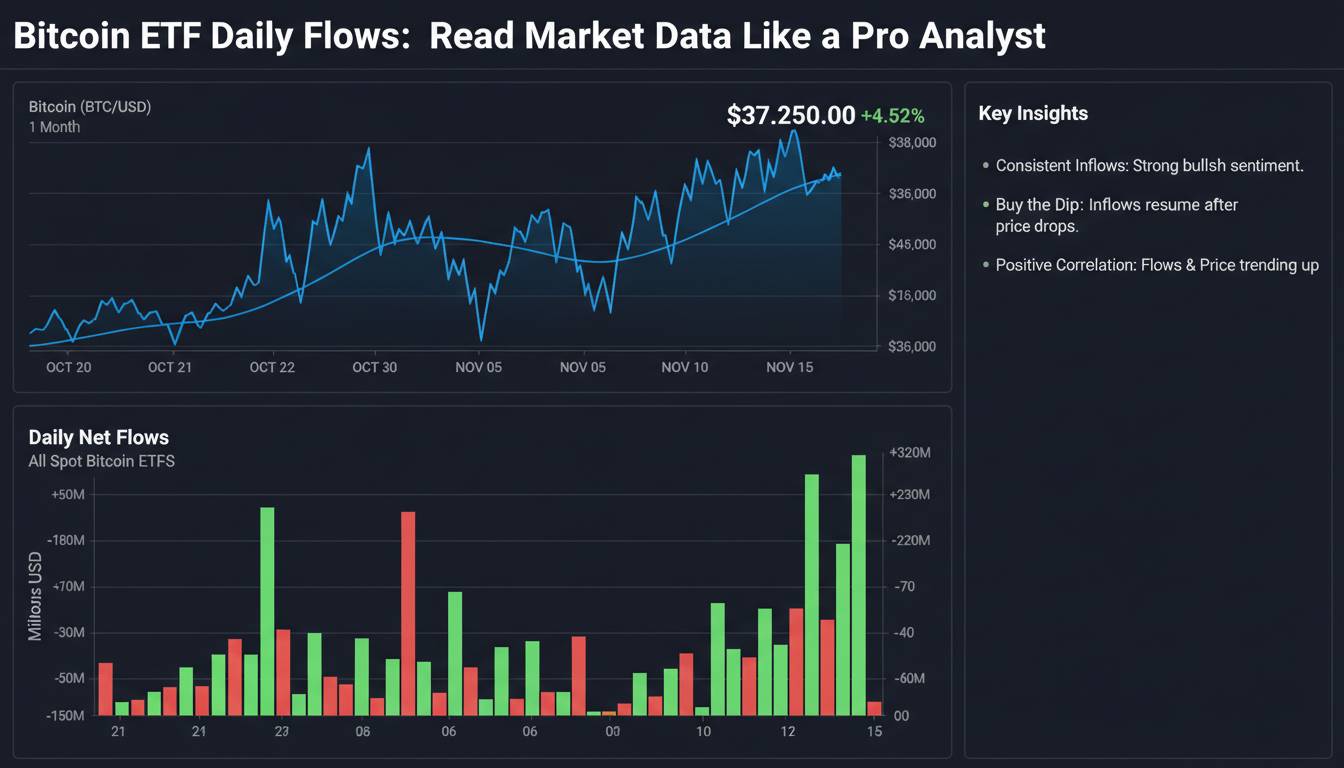
Crypto markets are notoriously correlated—when Bitcoin sneezes, altcoins often catch cold. This general correlation masks important differences in degree and timing. XRP’s correlation with Bitcoin is real but inconsistent. During some market cycles, XRP moves nearly in lockstep with Bitcoin. During others, it decouples significantly.
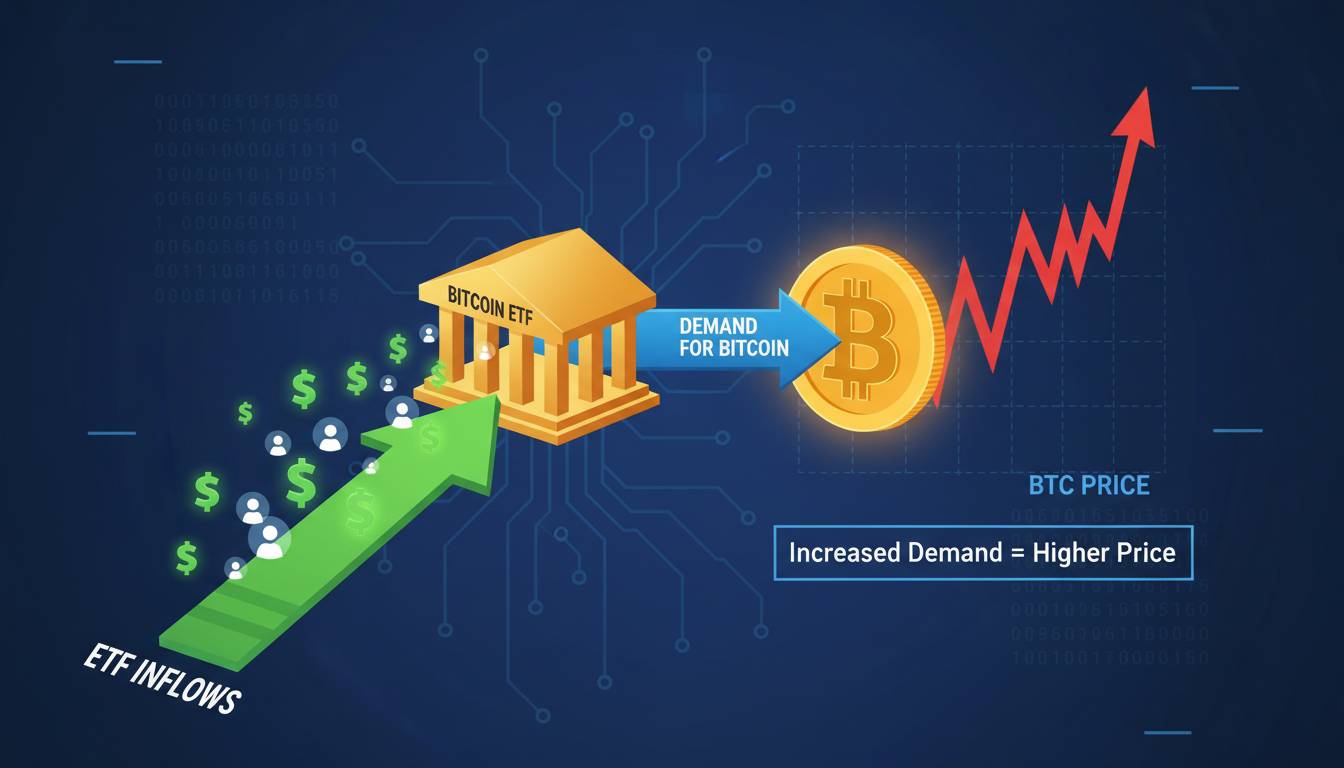
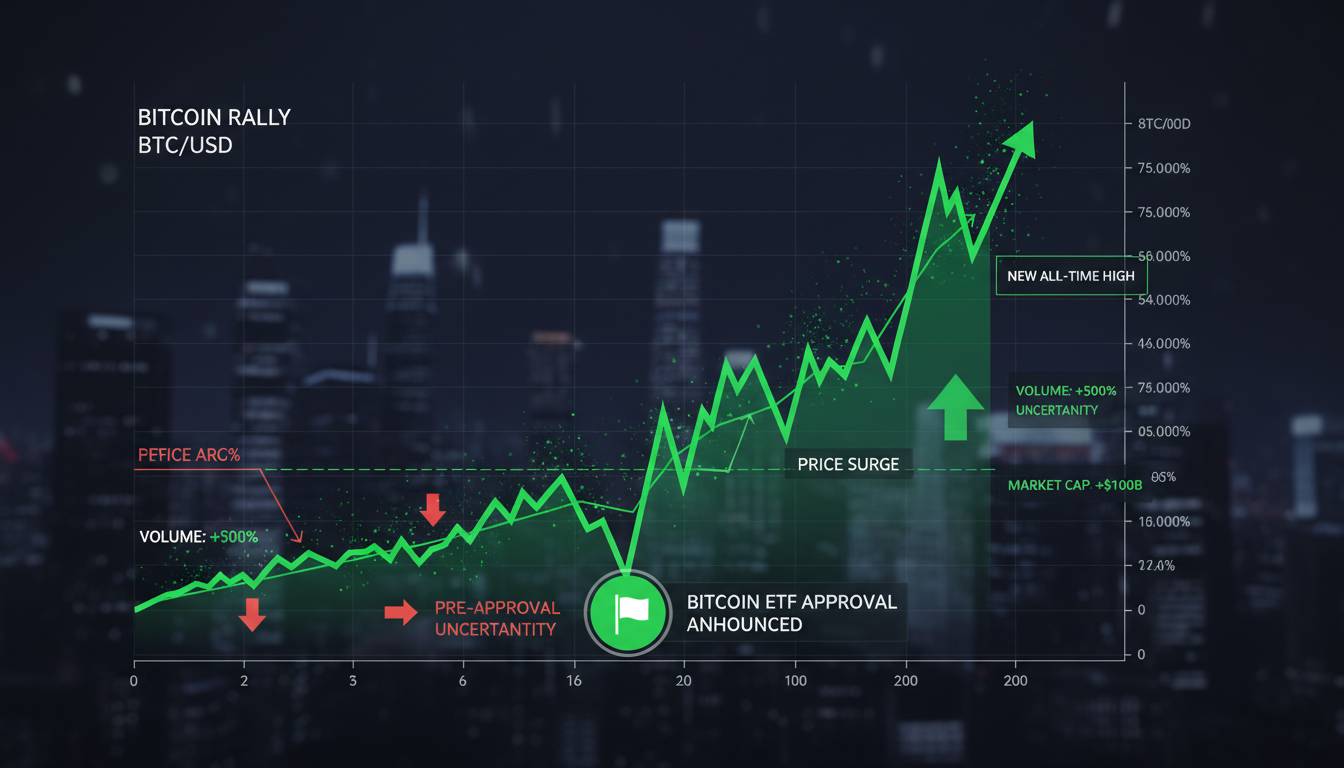
The 2023-2024 period showed interesting decoupling patterns. As Bitcoin ETF approvals drove institutional flows into Bitcoin specifically, XRP’s price action diverged. The crypto market isn’t monolithic, and XRP’s correlation with Bitcoin can weaken when XRP-specific news—regulatory outcomes, partnership announcements, or Ripple company developments—override broader market sentiment.
Understanding correlation helps with portfolio construction. If you hold Bitcoin and want diversification, adding XRP doesn’t provide as much diversification benefit as you might expect during broad market selloffs. But during periods of XRP-specific catalysts, the diversification can work in unexpected ways.
Institutional Adoption and Market Maturity
Bitcoin has the ETF infrastructure. Ethereum has institutional staking and the second-largest ETF approvals. XRP’s institutional story is more complicated, shaped by the SEC lawsuit’s aftermath and lingering uncertainty about Ripple’s business model.
Some institutional investors still avoid XRP entirely due to perceived regulatory risk. Others have started returning as the legal picture clarifies. The institutional adoption gap means XRP’s price is more influenced by retail sentiment and specific company news than by the capital flows that drive Bitcoin and Ethereum prices.
This creates both risk and opportunity. The lack of institutional infrastructure means XRP can move more dramatically on smaller amounts of capital—a partnership announcement might create a 20% rally on relatively modest trading volume. The same dynamic means less stable, predictable price appreciation compared to assets with deeper institutional participation.
What Actually Moves XRP: A Practical Summary
After covering all these factors, here’s what matters most if you’re analyzing XRP price:
Ripple company actions move XRP more directly than equivalent actions move Bitcoin or Ethereum. When Ripple announces a new partnership, completes a token sale, or makes strategic moves with its significant XRP holdings, the market reacts. This isn’t speculation—Ripple has historically been one of the largest holders and traders of XRP, and their activities create real price impact.
Regulatory news matters disproportionately. Any SEC action, any regulatory statement about digital assets, any clarity or uncertainty around payment token classification—these hit XRP harder because the regulatory history is more fraught.
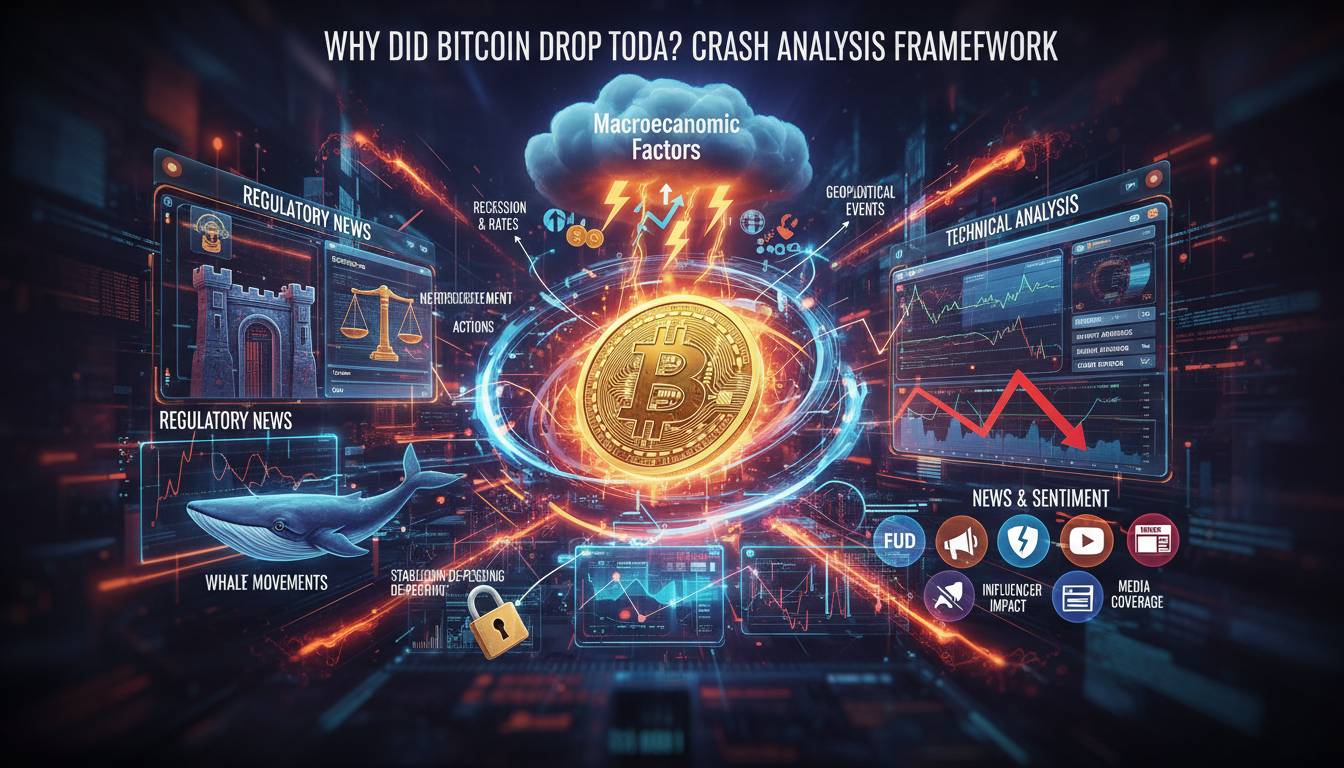
Broader crypto market sentiment still dominates during extreme conditions. During the 2022 market crash, XRP fell alongside everything else despite its unique fundamentals. The correlation increases during panic selling.
The underlying utility use case remains the long-term wild card. If XRP actually achieves significant adoption for cross-border payments at major financial institutions—not just pilot programs, but real transaction volume—the supply-demand dynamics could eventually matter more than speculation.
The honest truth is that XRP price movements are harder to predict than Bitcoin’s because so many variables—company-specific, regulatory, and narrative-driven—intersect in ways that don’t apply to other major cryptocurrencies. Bitcoin has become a macro asset, trading increasingly like digital gold. Ethereum has evolved into a utility and yield-bearing asset. XRP remains something different: a payments-focused token still finding its long-term market position.
Whether that’s an opportunity or a risk depends on your investment timeline and risk tolerance. What it shouldn’t depend on is the expectation that XRP will behave like Bitcoin or Ethereum. It won’t. The differences aren’t bugs in the system—they’re features of how this particular asset was designed, regulated, and adopted. Recognizing that is the first step to understanding when XRP might move, and why.