If you’ve spent any time researching cryptocurrency investments, you’ve likely encountered countless articles, videos, and social media posts making bold claims about where XRP’s price is heading. Some predict explosive growth to double-digit dollar values. Others warn of potential declines. The problem for newcomers isn’t finding predictions—it’s figuring out how to actually evaluate them. Most XRP price prediction content assumes you already understand the methodology behind the forecasts, the factors that genuinely move markets, and most importantly, how to separate credible analysis from wishful thinking dressed up as expertise.
This guide takes a different approach. Rather than adding another voice to the chorus of price predictions, I’m going to walk you through exactly how to read and evaluate any cryptocurrency forecast—including the ones you’ll encounter for XRP. You’ll learn what price predictions actually represent, which factors deserve your attention, how to assess the credibility of different analytical approaches, and why the most important prediction is actually an honest acknowledgment of uncertainty.
What Is a Crypto Price Prediction?
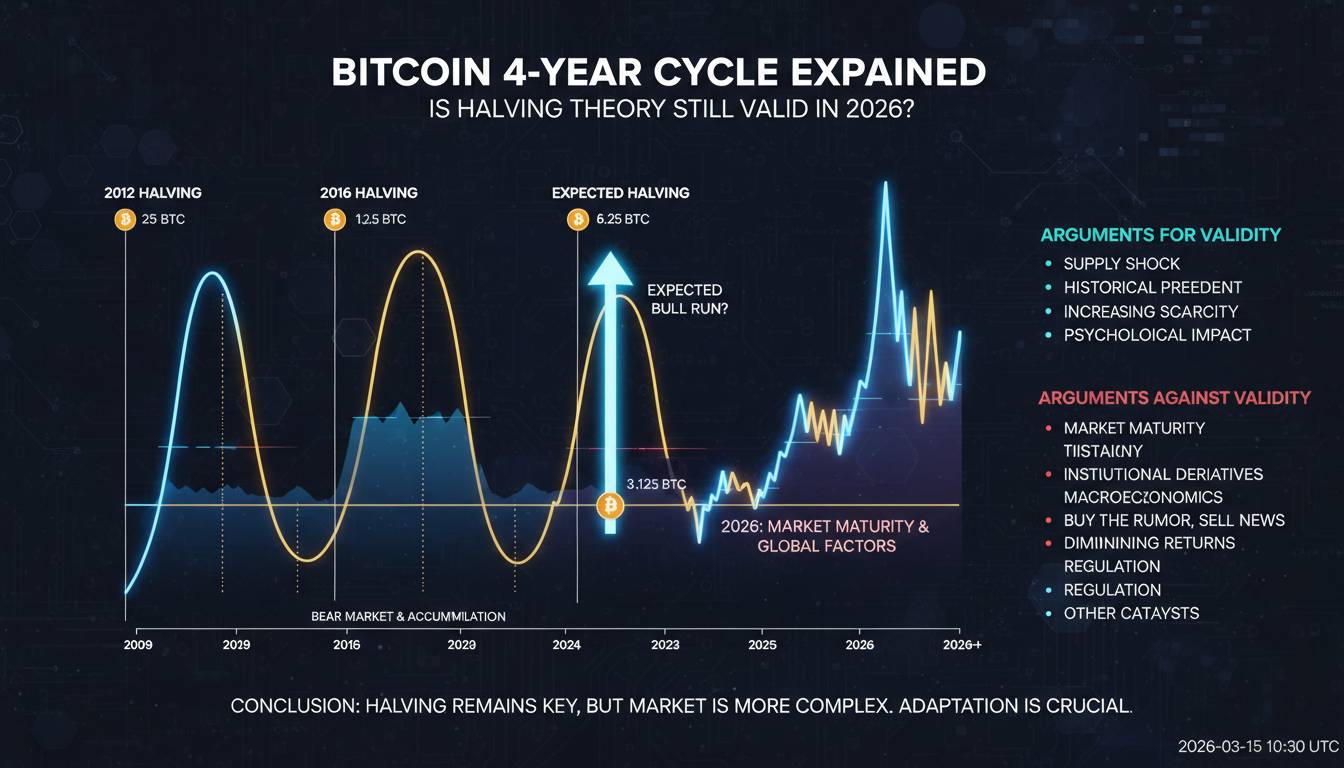
A cryptocurrency price prediction is exactly what it sounds like—an estimate of where a digital asset’s price might go in the future. But here’s what most beginner guides fail to mention: these predictions are not financial forecasts in the traditional sense. They’re probabilistic assessments based on available data, market conditions, and analytical methodologies that vary dramatically in sophistication and reliability.
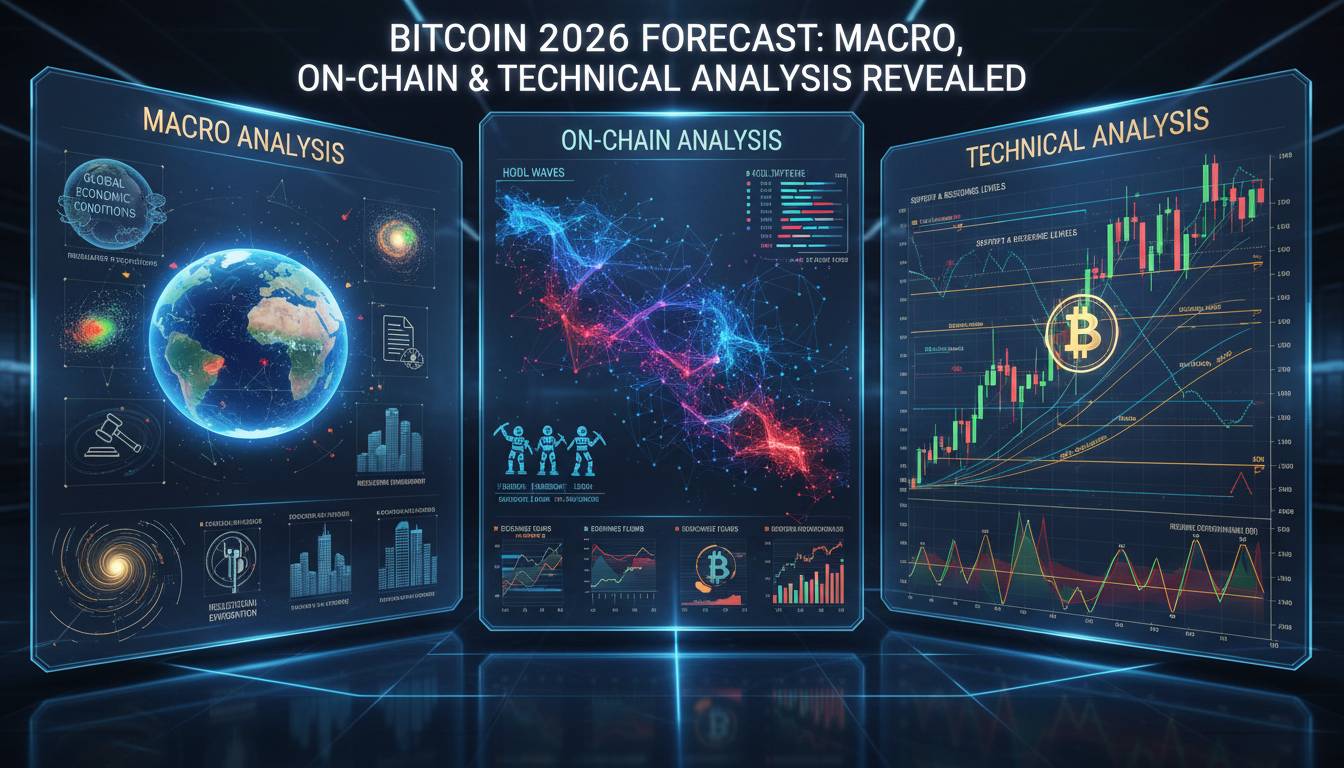
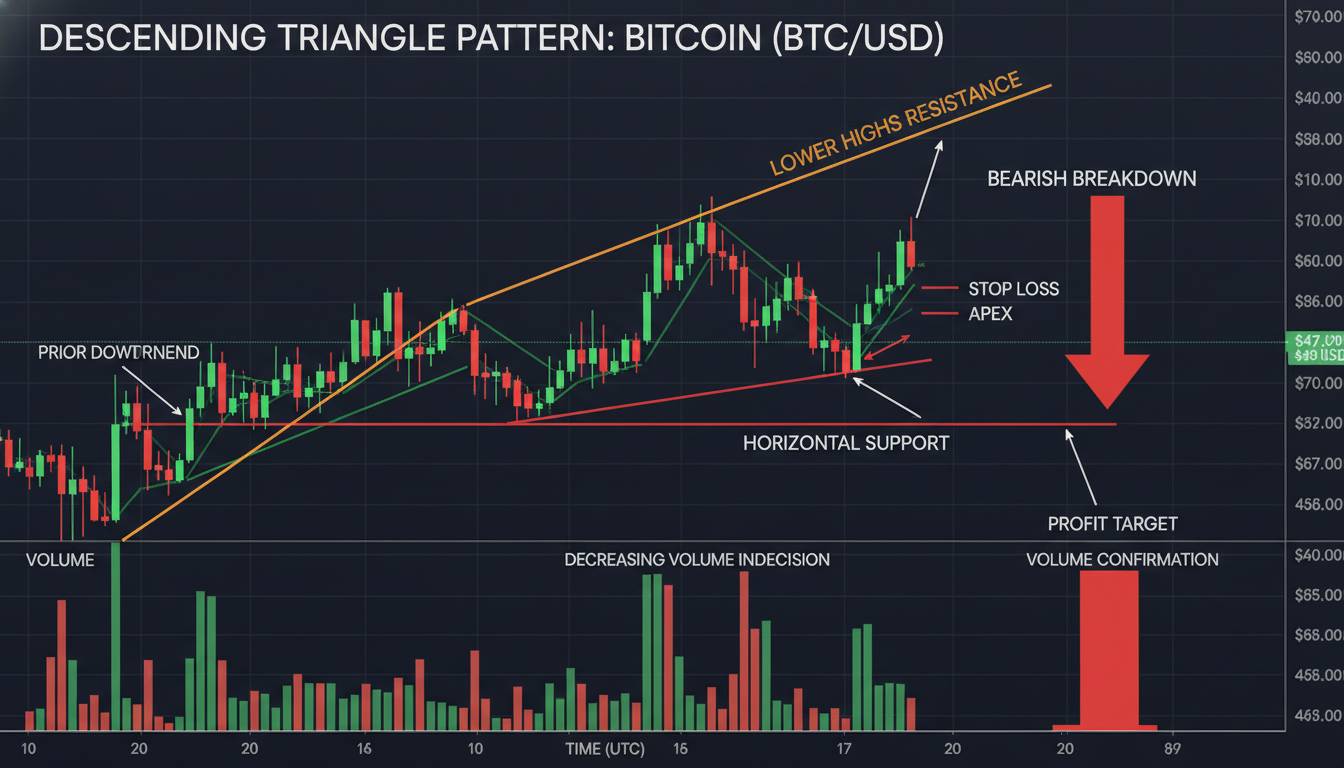
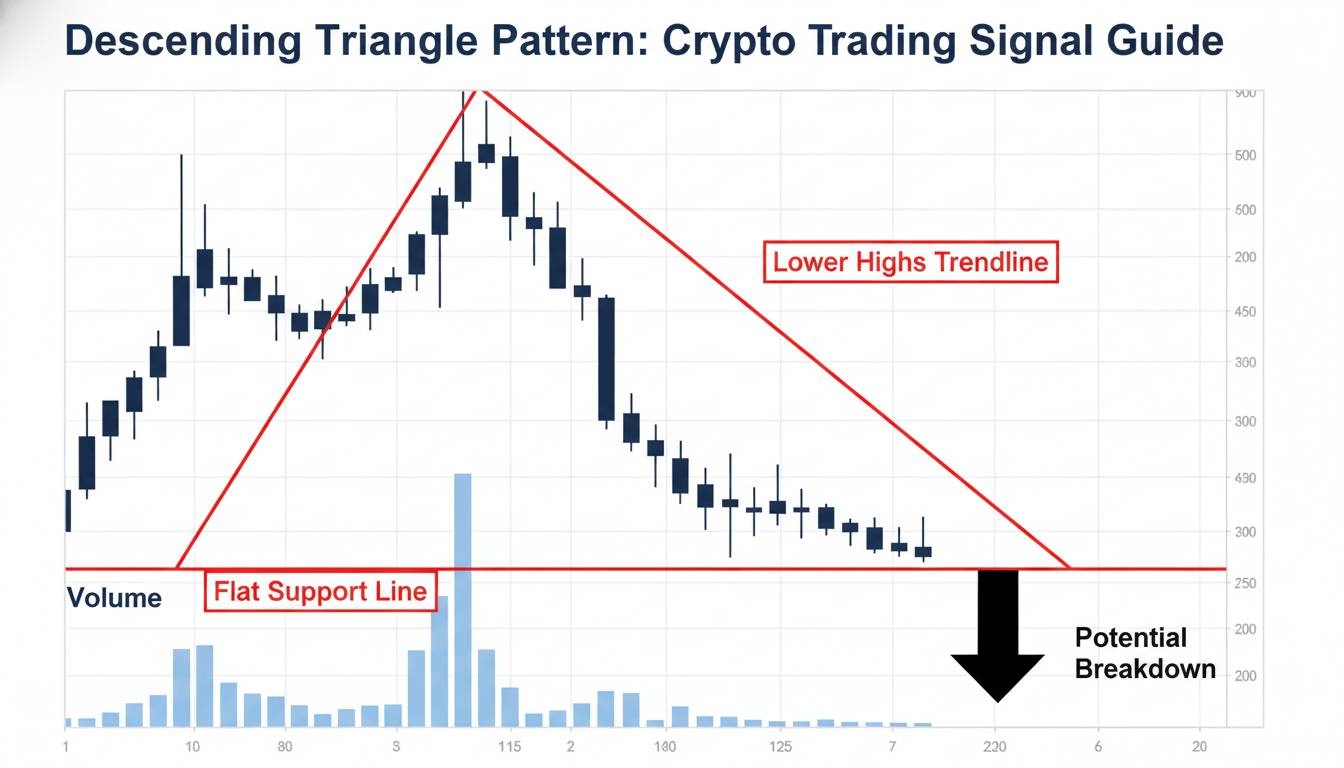
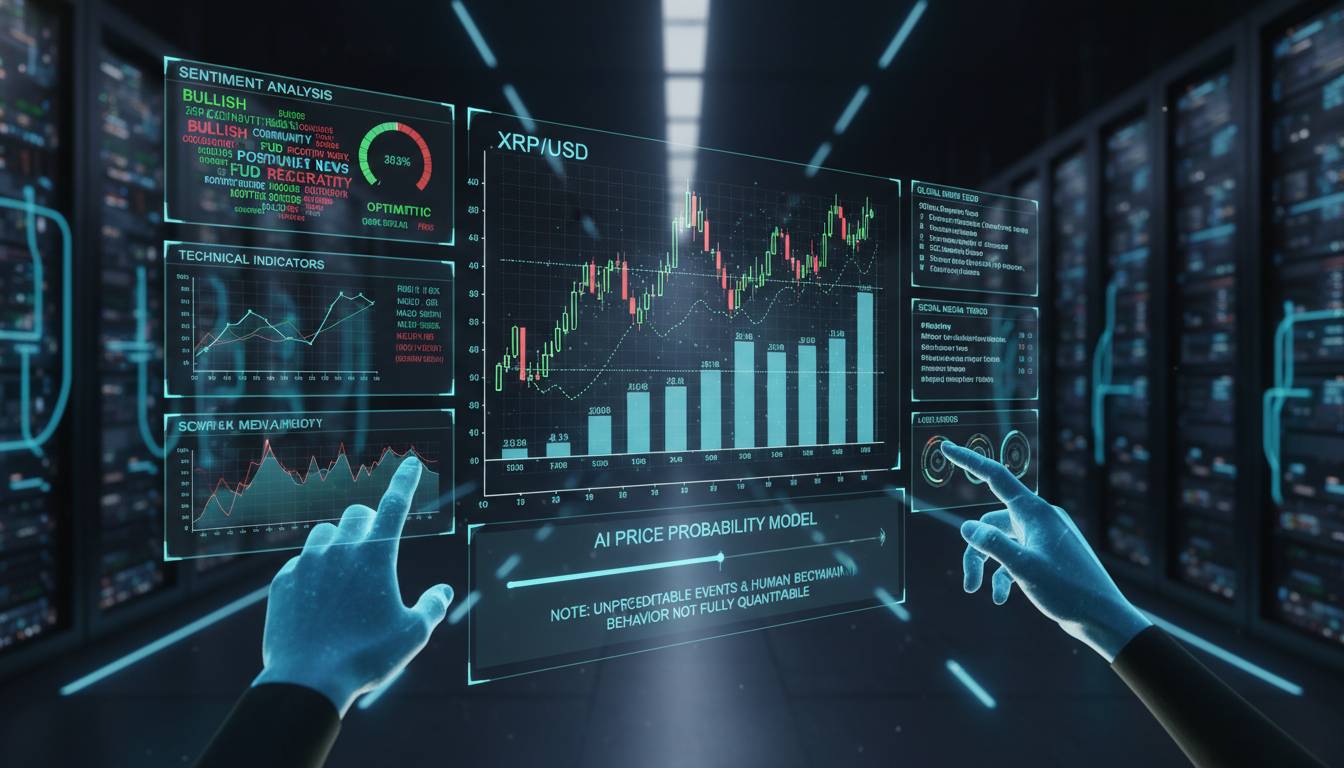
When you see an article claiming “XRP will reach $5 by 2026,” what you’re actually looking at is one analyst’s interpretation of current trends projected forward. Some predictions rely heavily on technical analysis—studying historical price charts to identify patterns that might repeat. Others incorporate fundamental analysis, examining factors like adoption rates, regulatory developments, and network usage. More recently, machine learning models and AI-driven analysis have entered the space, processing vast amounts of data to identify patterns humans might miss.
The critical distinction that every XRP investor needs to understand is this: a prediction is not a guarantee. It’s not even a probability statement in most cases. It’s an informed opinion that deserves the same scrutiny you’d apply to any investment advice. The cryptocurrency market remains one of the most volatile asset classes in existence, and prices can move dramatically based on factors that no model can fully anticipate—such as sudden regulatory actions, major corporate adoptions, or broader market sentiment shifts that occur within hours.
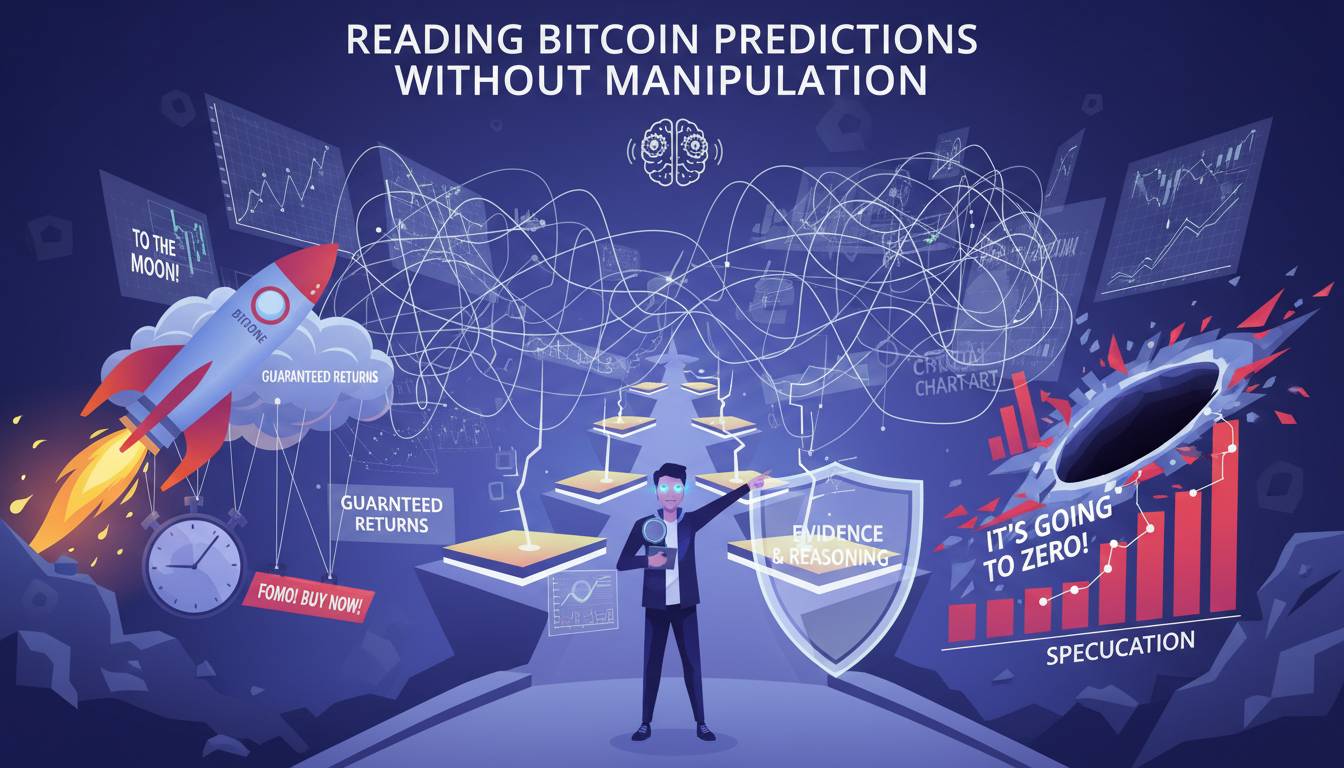
When reading any price prediction, always start by asking yourself a simple question: what is this prediction based on, and what assumptions does it make about the future? If the answer isn’t clear from the article itself, that’s your first red flag.
How to Read XRP Price Forecasts
Understanding how to read price forecasts requires familiarity with several key concepts that determine how much weight you should give any prediction.
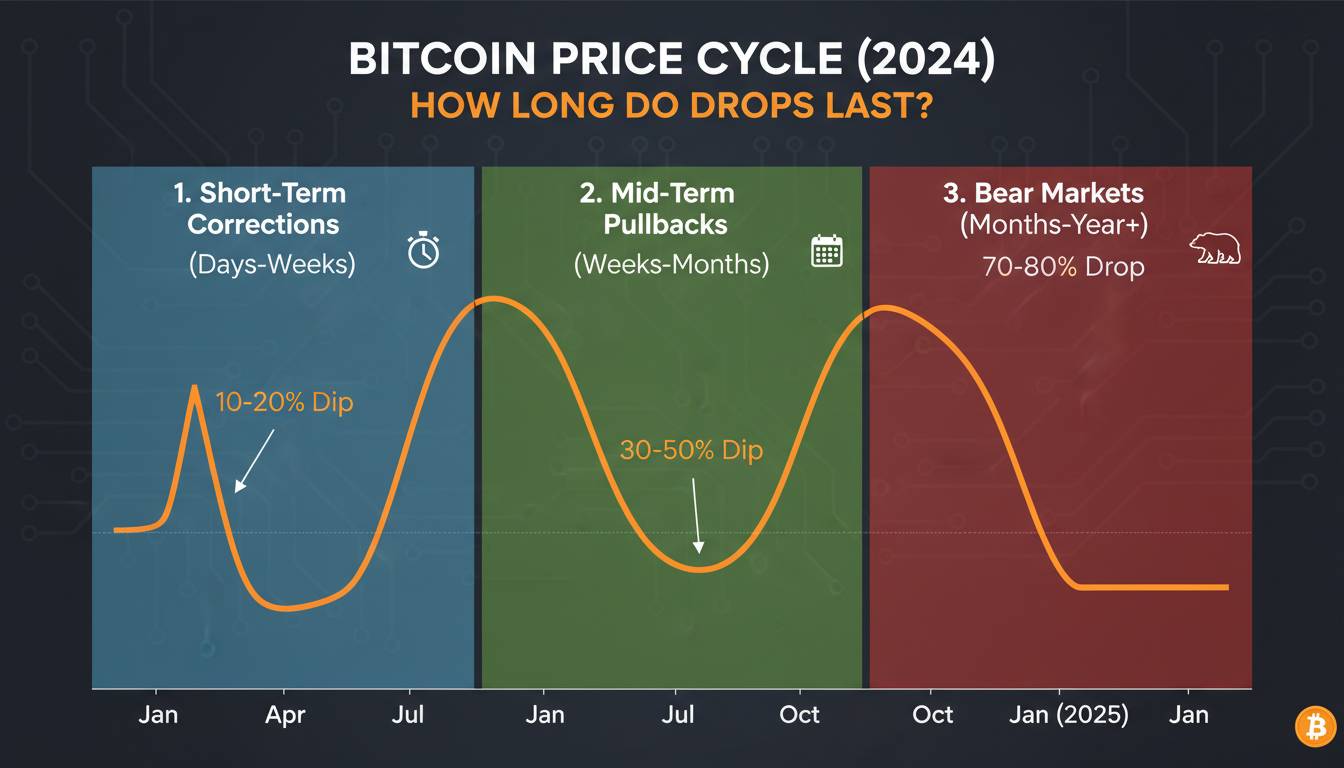
Timeframes matter enormously. A prediction about XRP’s price “by 2030” carries fundamentally different implications than one targeting the next three months. Short-term predictions—those looking ahead days or weeks—are typically based on technical analysis and current market sentiment. These predictions are notoriously difficult to get right consistently, and you should treat them with substantial skepticism. Medium-term forecasts, spanning months to a couple of years, often incorporate fundamental developments like regulatory decisions or institutional adoption timelines. Long-term predictions spanning five years or more become increasingly speculative because they require assuming continued growth and market development that may or may not materialize.
When evaluating any prediction, pay close attention to the methodology section—or lack thereof. Credible analysis typically explains what data was used, which analytical frameworks were applied, and what assumptions drive the conclusions. For instance, some XRP predictions assume a favorable resolution to ongoing regulatory battles and project significant institutional adoption. Others assume continued regulatory uncertainty and more modest adoption growth. Neither assumption is necessarily wrong, but understanding which framework a prediction uses helps you evaluate its validity.
I should point out something counterintuitive here: predictions with precise-looking numbers often deserve less trust, not more. A forecast stating “XRP will reach exactly $4.73 by December 2025” creates an illusion of precision that obscures the inherent uncertainty in price prediction. More honest analysis typically uses ranges—”XRP could reasonably reach $3-$6 by late 2025 under favorable conditions”—or explicitly acknowledges the wide margin of error inherent in any projection.
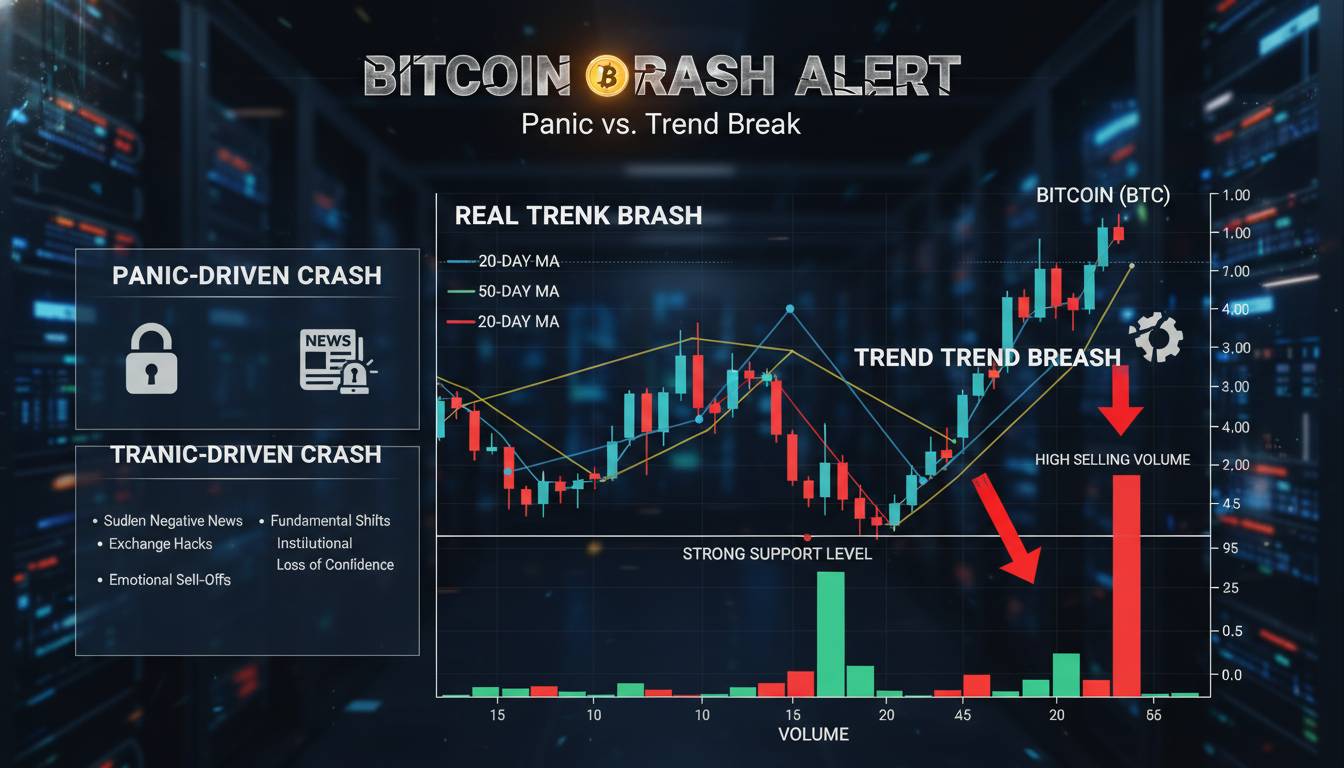
Also worth noting is that cryptocurrency markets operate 24/7, which means prices can and do move significantly outside normal trading hours based on news, social media trends, or large trades executed on exchanges with limited liquidity. This characteristic makes short-term prediction particularly unreliable compared to traditional financial markets.
Key Factors That Affect XRP Price
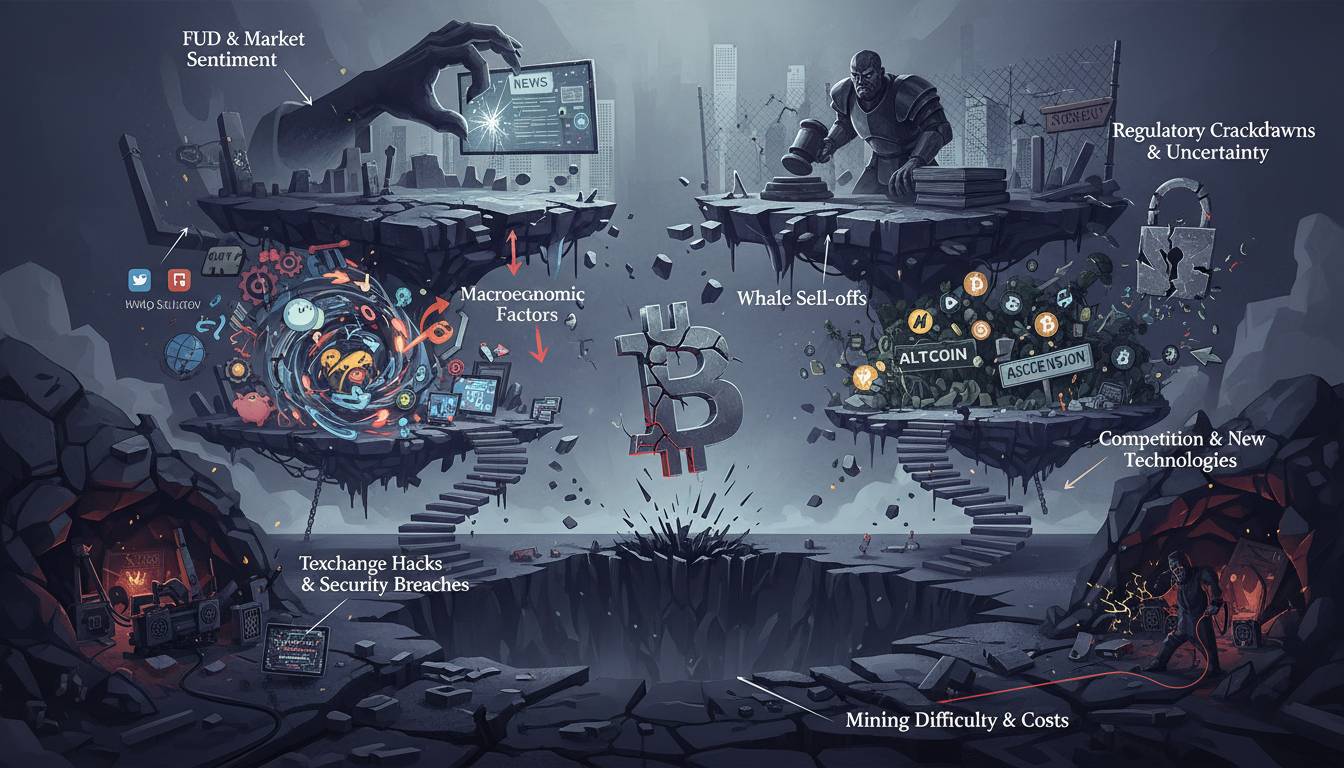
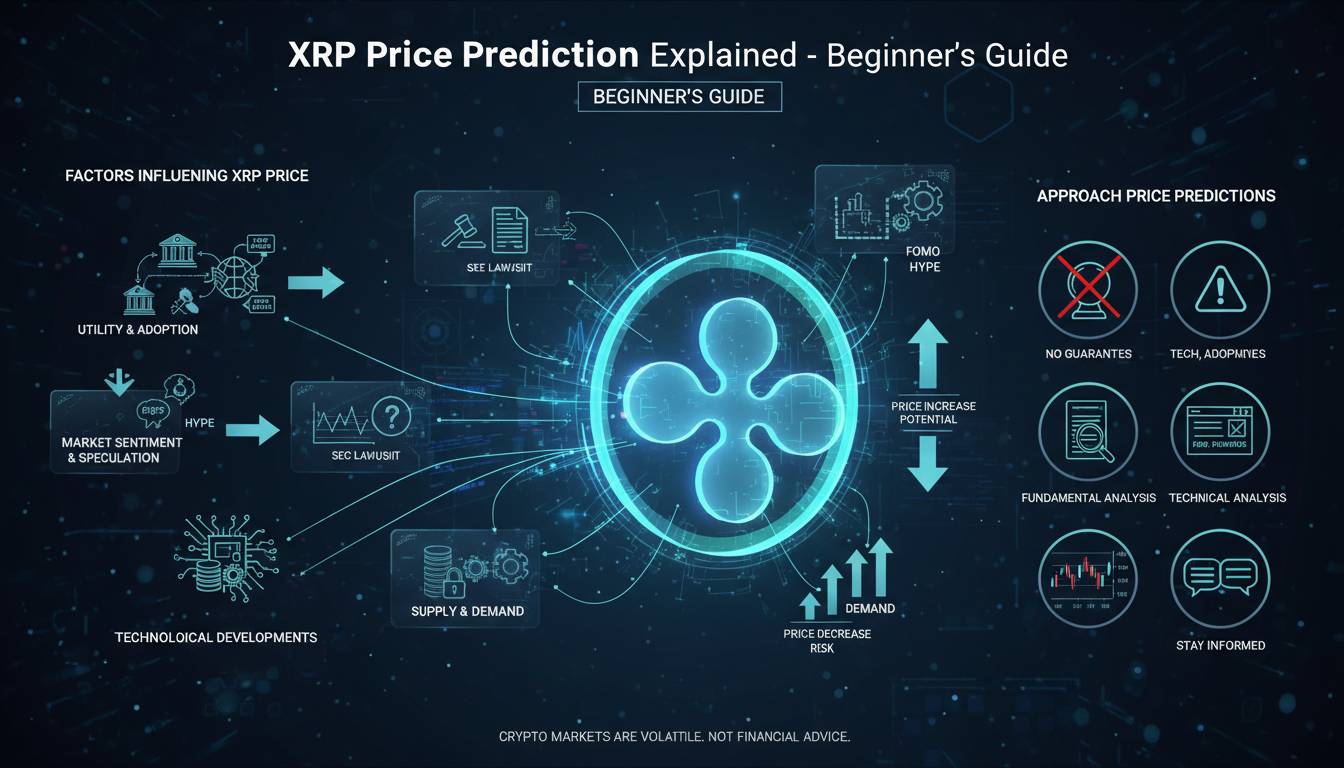
Understanding which factors actually influence XRP’s price helps you evaluate whether a prediction’s reasoning makes sense. While no one can perfectly quantify these elements, knowing they exist puts you in a better position to assess analytical claims.
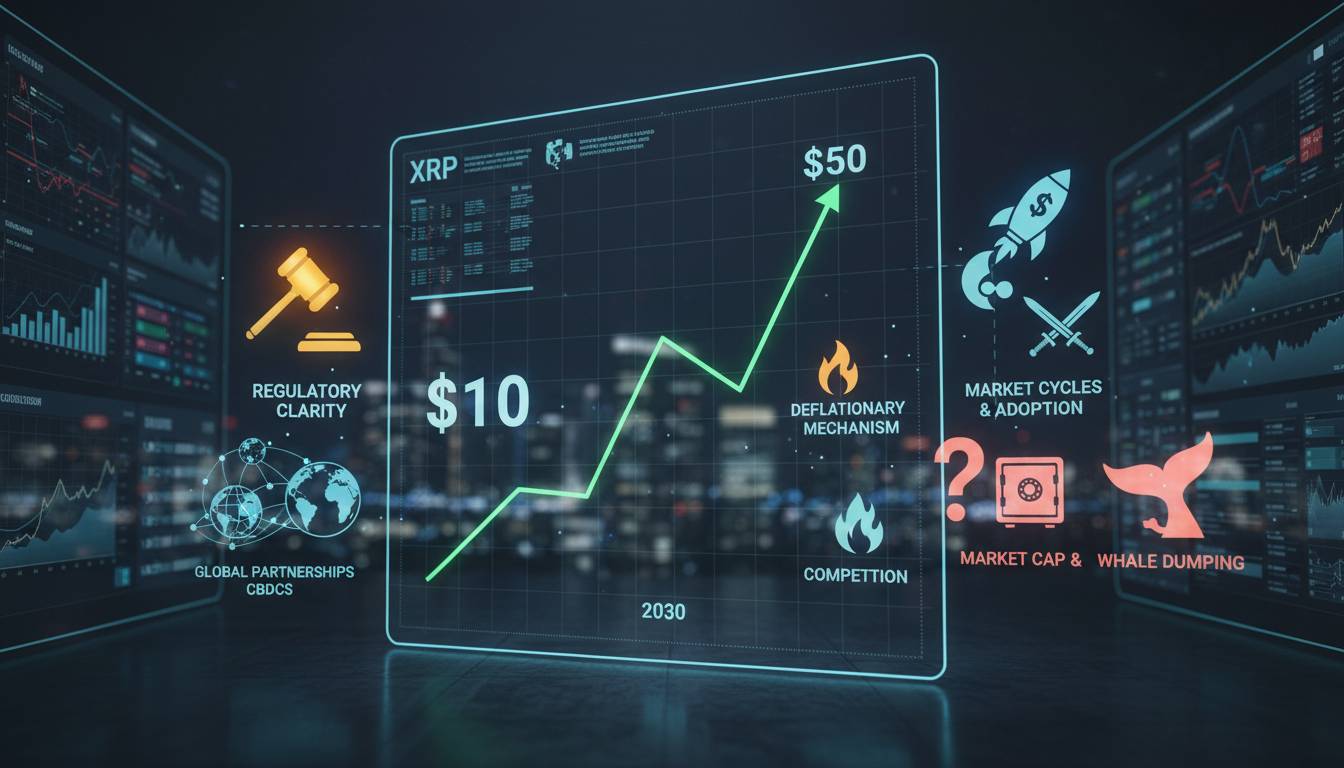
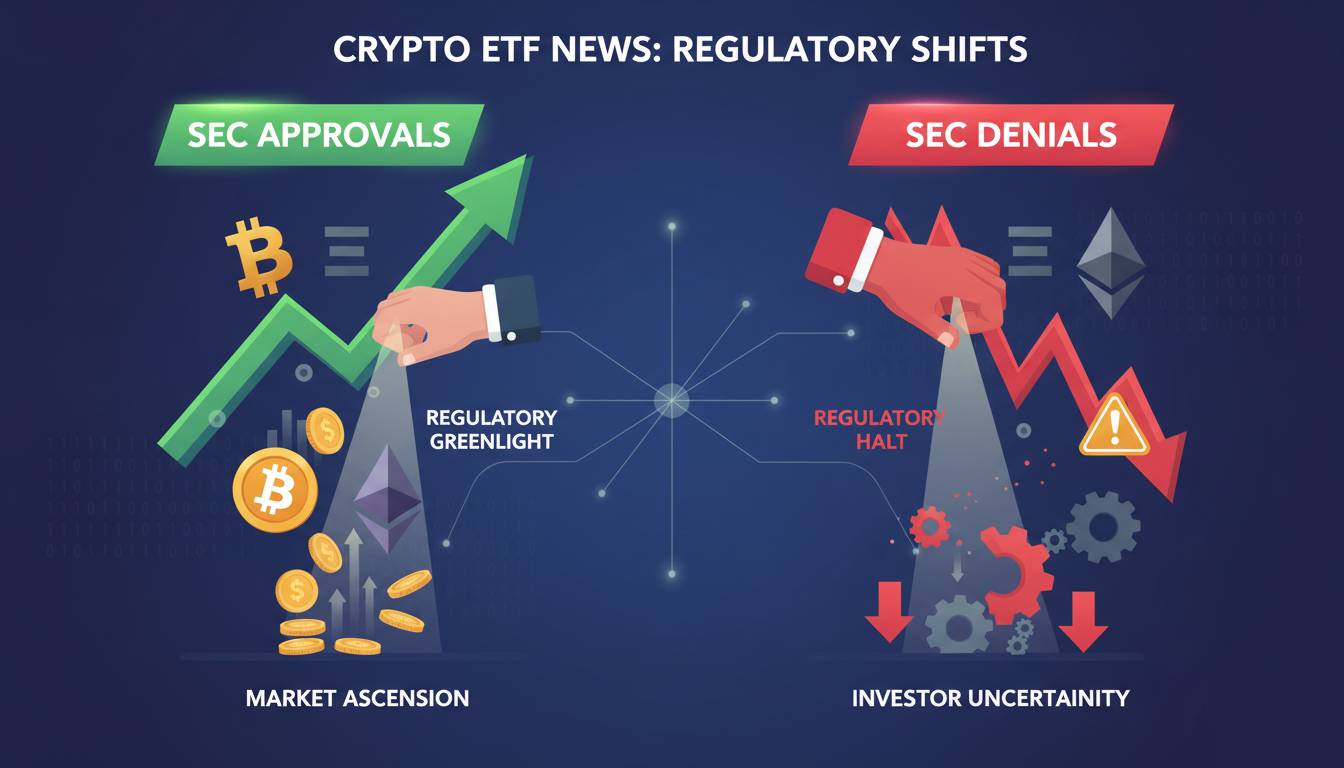
Regulatory developments represent perhaps the most significant factor for XRP specifically, given the ongoing legal proceedings between Ripple Labs and the U.S. Securities and Exchange Commission that have spanned since late 2020. The outcome of this case—expected to reach resolution in 2025 or 2026—could dramatically reshape the regulatory landscape for XRP and potentially the entire digital asset industry. Predictions that ignore this factor are operating with incomplete information.
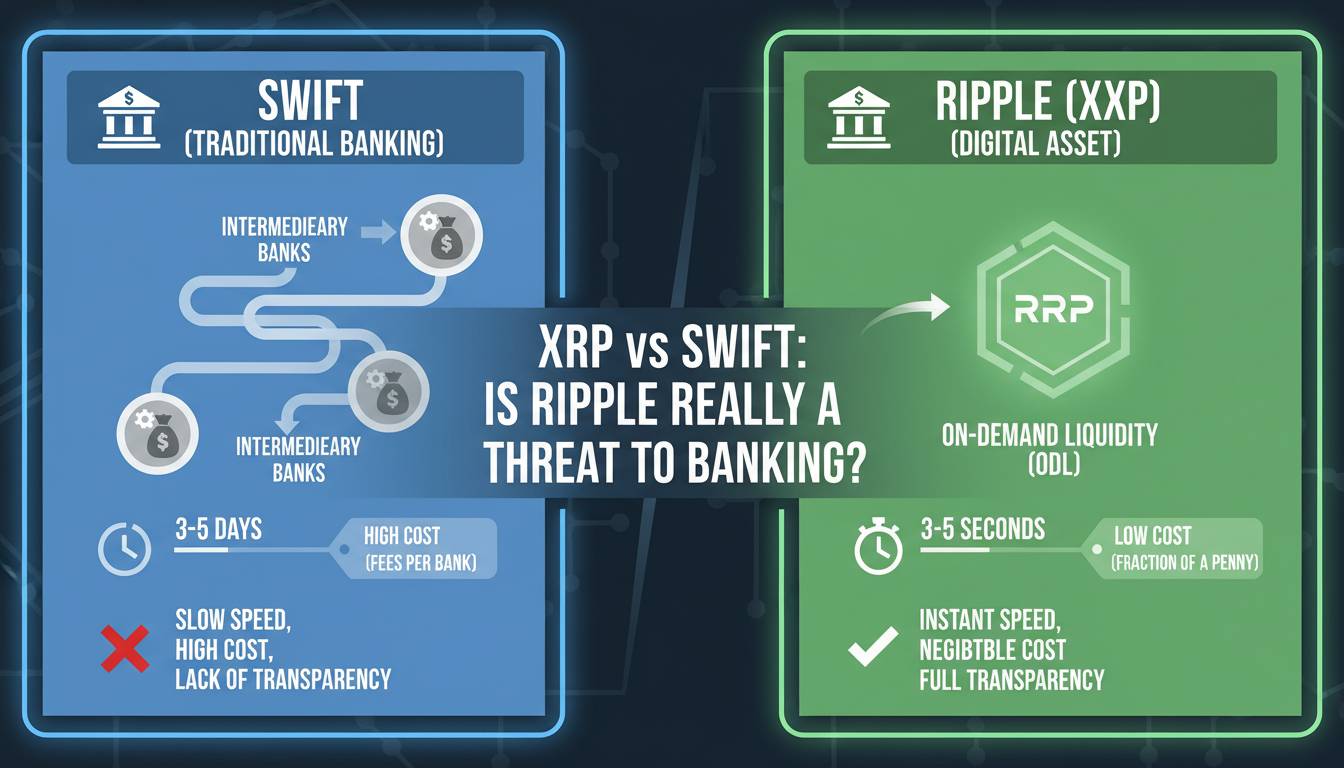
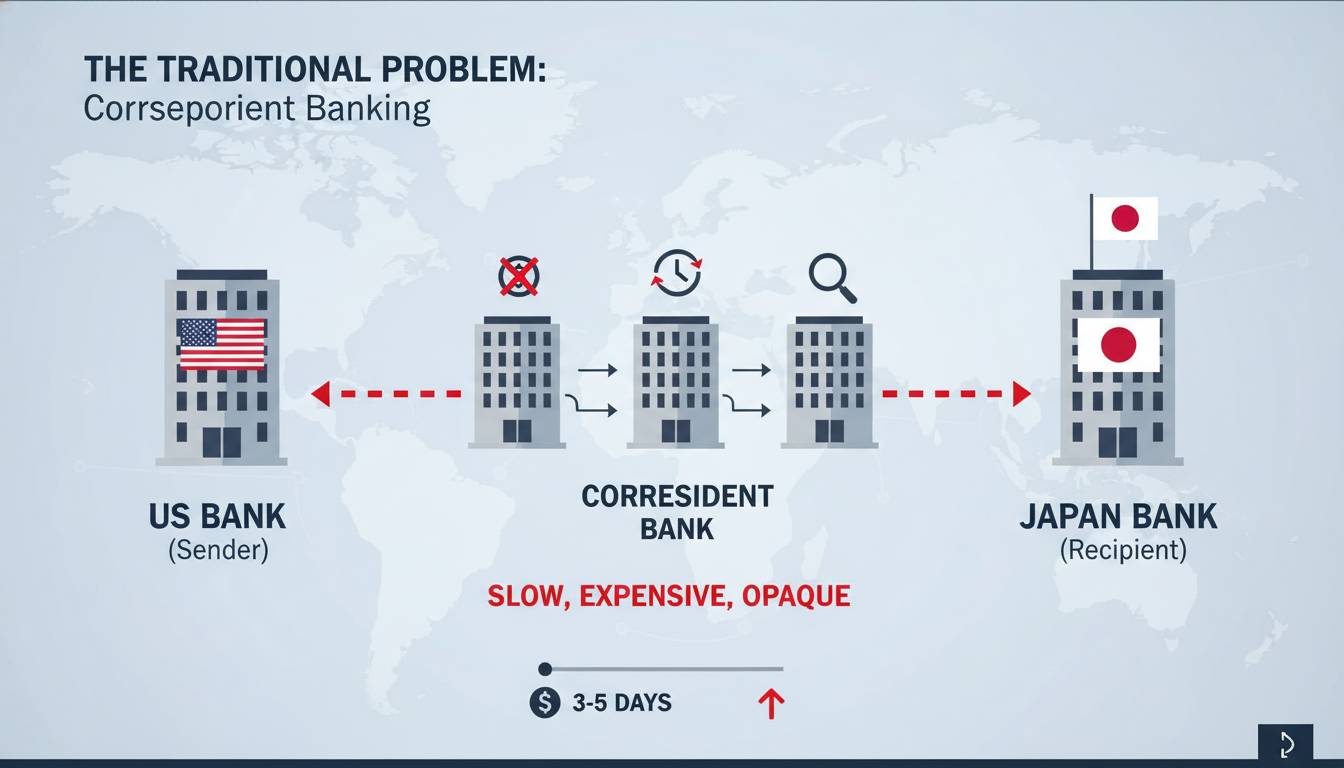
Adoption and real-world use matter because XRP’s utility as a bridge currency for cross-border payments theoretically should support its value as more financial institutions adopt the technology. RippleNet, now known as Ripple Payments, has grown its network of financial institution partners over the years, though the pace of adoption has been slower than some early enthusiasts predicted. When evaluating predictions, check whether they account for actual usage metrics or rely solely on projected adoption that hasn’t materialized.
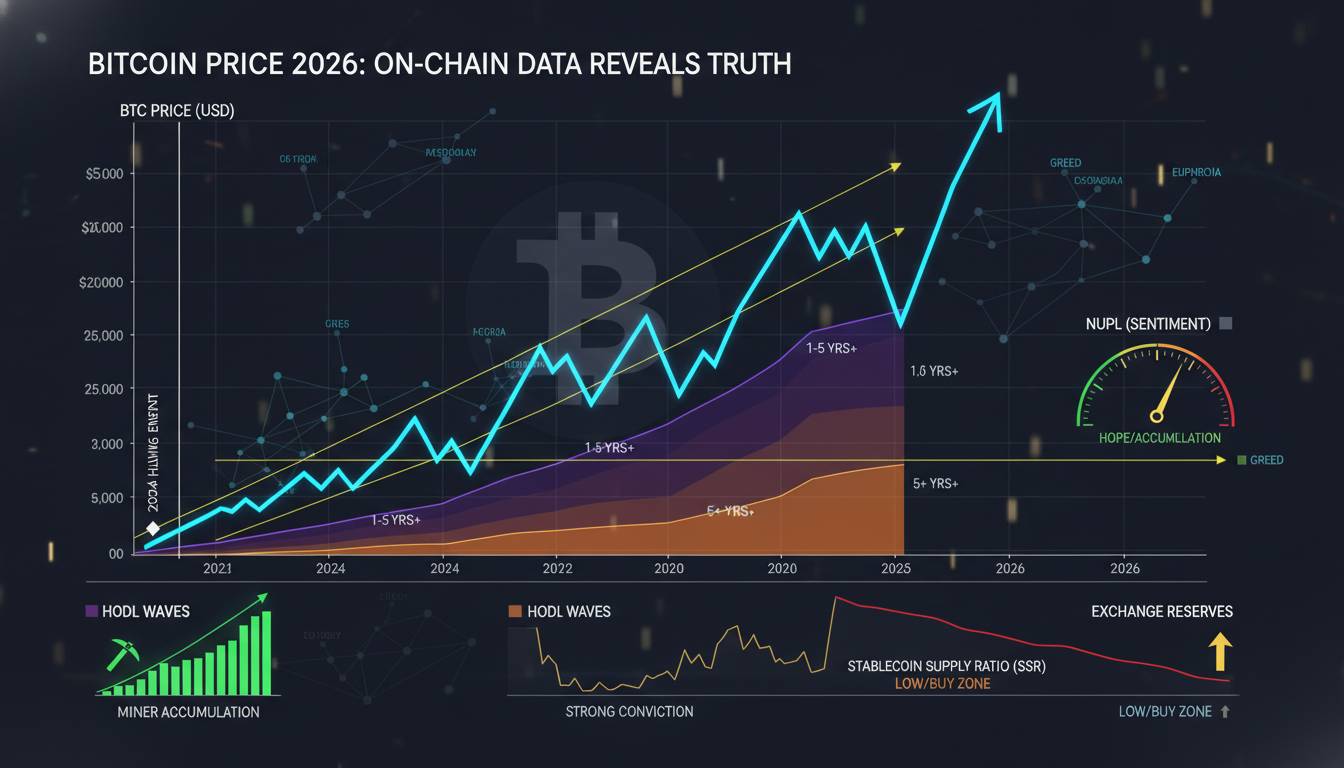
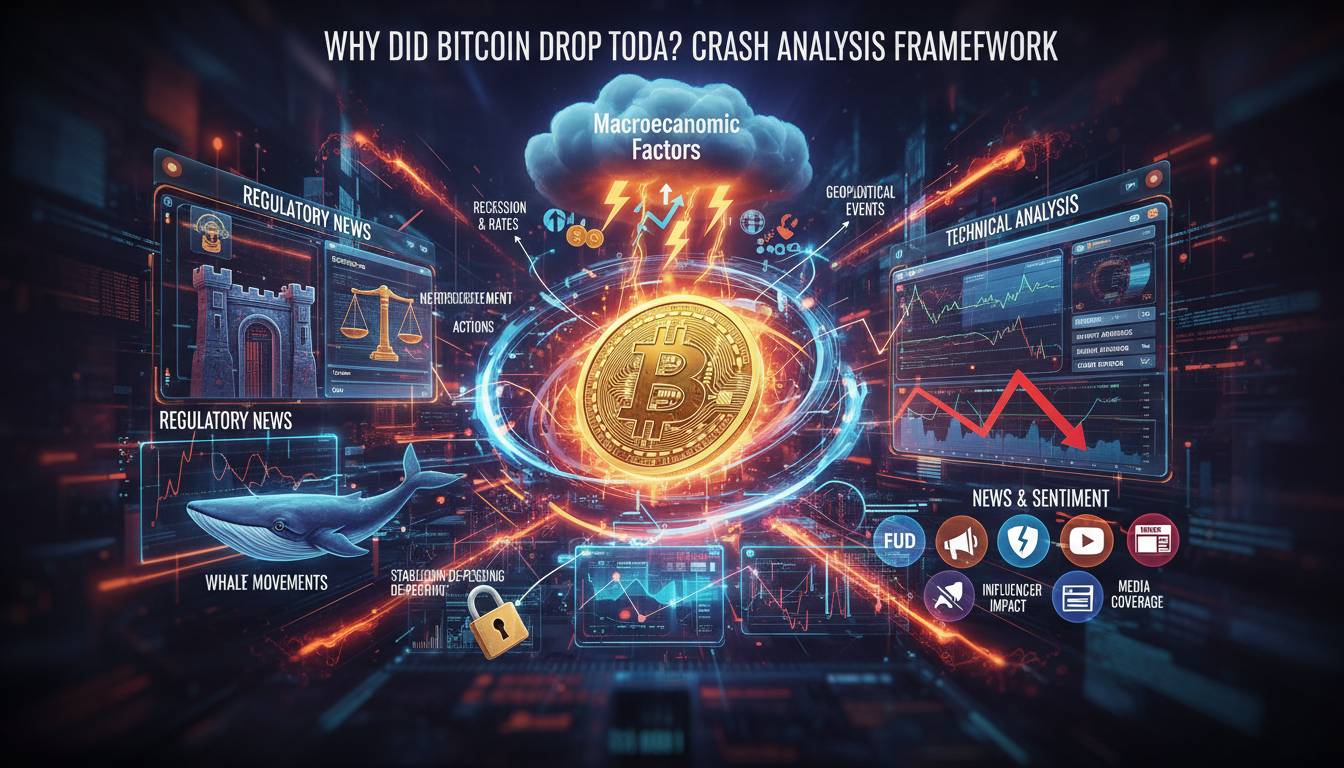
Market sentiment and broader crypto market conditions influence individual asset prices more than many newcomers realize. When Bitcoin rallies, altcoins—including XRP—often benefit from the general optimism. Conversely, market downturns tend to drag down even fundamentally strong projects. Predictions that analyze XRP in isolation, without considering broader market dynamics, are providing an incomplete picture.
Supply and token distribution also play roles. Unlike Bitcoin’s capped supply of 21 million coins, XRP has a fixed supply of 100 billion tokens, with Ripple holding a significant portion. How and when tokens enter circulation can impact price, and predictions should acknowledge this dynamic.
Competition and market position deserve attention too. XRP competes not only with other cryptocurrencies but also with traditional payment systems like SWIFT and emerging blockchain payment solutions. The relative success or failure of these alternatives affects XRP’s long-term value proposition.
When you read a prediction that claims XRP will reach a specific price, ask whether it addresses these factors honestly. Predictions that cherry-pick favorable factors while ignoring challenges are not providing genuine analysis—they’re telling you what they think you want to hear.
XRP Price Prediction Scenarios
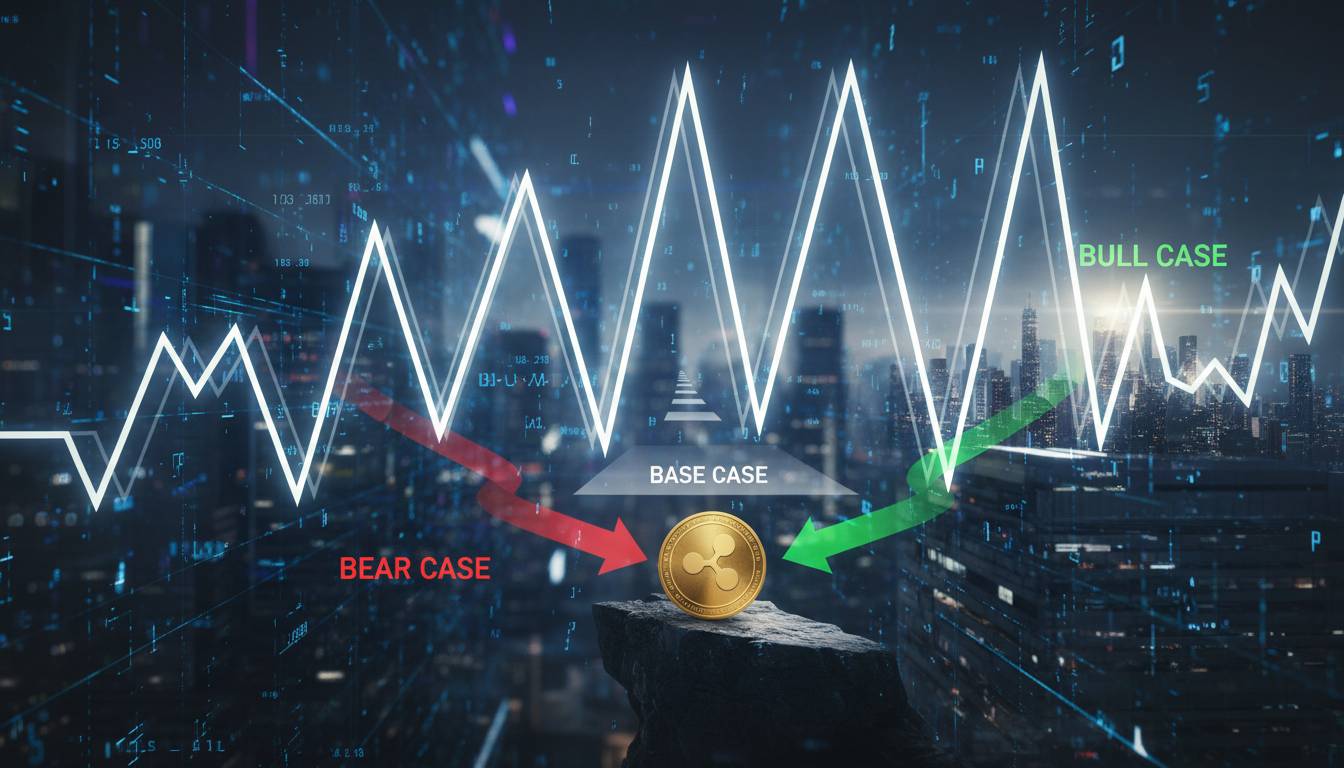
Sophisticated price analysis doesn’t offer a single number—it presents scenarios. Understanding the difference between bull, bear, and base cases helps you develop realistic expectations.
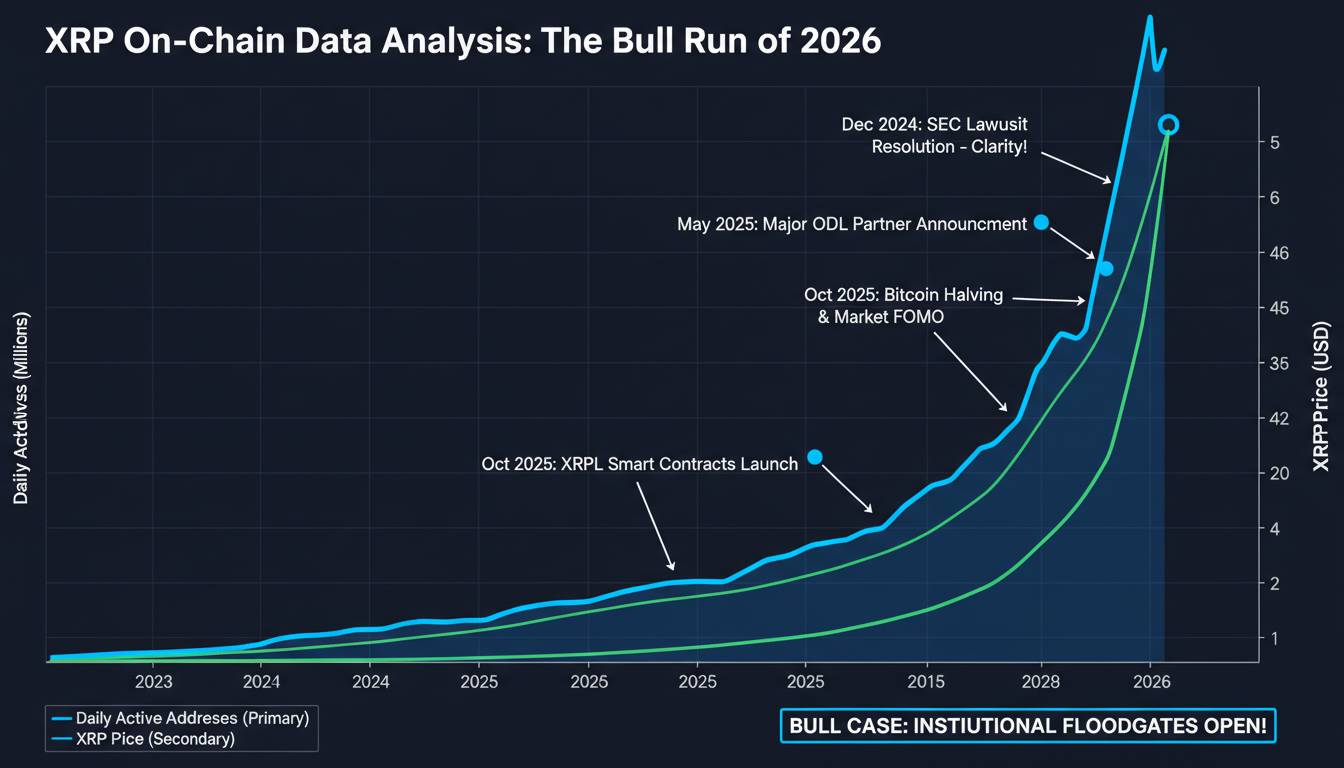
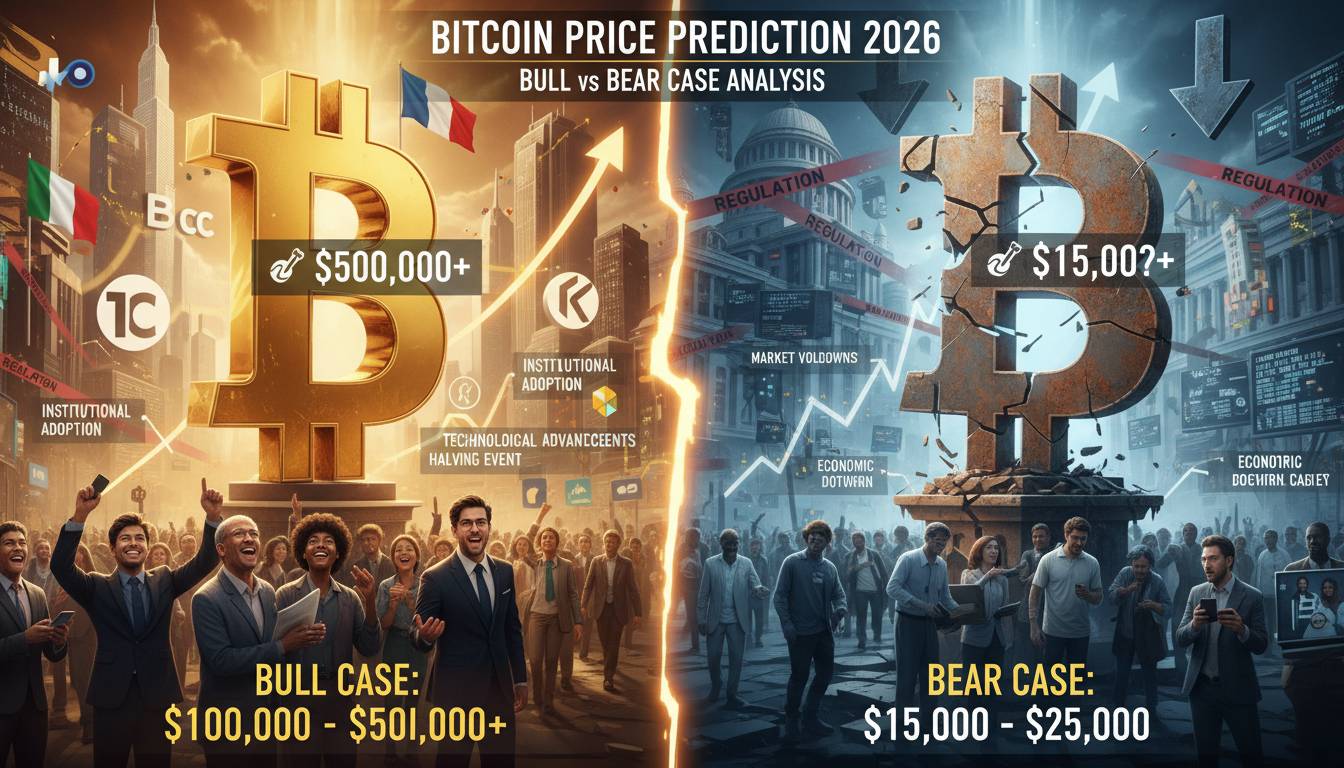
Bull case scenarios outline what happens if everything goes right for XRP. This typically includes a favorable resolution to the SEC lawsuit, significant growth in institutional adoption, major financial institutions announcing partnerships, and generally positive crypto market conditions. Under these circumstances, some analysts project XRP could reach $5-$10 or higher—though even within bull cases, estimates vary dramatically. The key insight is that these projections assume a specific combination of positive developments that may or may not occur together.
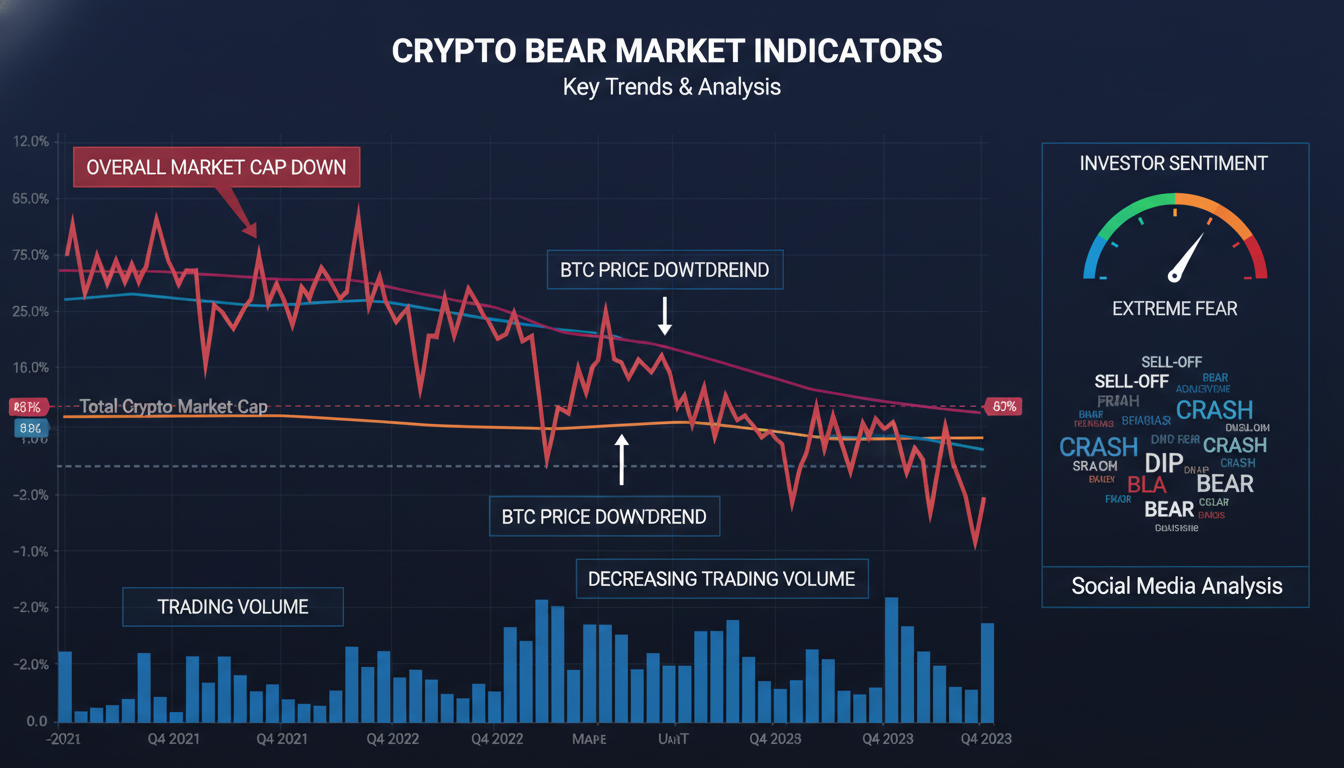
Bear case scenarios represent the opposite outcome. If the regulatory environment remains hostile, adoption stalls, and broader crypto markets decline, XRP’s price could stay flat or decline further from current levels. Bear case predictions typically range from a few cents to around $1, depending on how negative the assumed conditions are.
Base case scenarios attempt to find the middle ground—what seems most likely given current trends and available information. Base case projections for XRP by late 2025 or 2026 often cluster in the $1-$3 range, assuming neither dramatic success nor catastrophic failure.
Here’s the counterintuitive point that many prediction articles won’t tell you: the difference between these scenarios is enormous, and the actual path XRP takes will depend on factors that remain genuinely unknowable. A prediction that presents only the bull case without honestly discussing risks is doing you a disservice. Similarly, predictions that focus exclusively on doom scenarios ignore the possibility of positive developments.
When you encounter a price prediction, check whether it presents multiple scenarios. If it only offers a single optimistic number, you’re looking at marketing content rather than genuine analysis.
Expert Predictions vs AI Predictions
The cryptocurrency analysis landscape has evolved significantly with the rise of AI-driven prediction tools. Understanding the strengths and limitations of each approach helps you consume this content more critically.
Expert analysis from analysts at established crypto publications like CoinDesk, Bloomberg, or major exchanges typically combines technical analysis, fundamental research, and market experience. These analysts often have backgrounds in traditional finance, cryptocurrency trading, or blockchain technology development. Their predictions carry weight because they demonstrate understanding of market mechanics, regulatory landscapes, and technological developments.
However, expert predictions come with limitations even the experts acknowledge. Human analysts have cognitive biases, may overweight recent events, and can miss paradigm shifts that make historical patterns less relevant. Additionally, expert predictions for XRP have been wildly inconsistent—some prominent analysts made predictions in 2017-2018 that price would reach $10-$20 within years, while XRP ultimately traded well below those levels for years afterward.
AI and algorithmic predictions have grown increasingly common, with tools processing vast amounts of on-chain data, social media sentiment, trading patterns, and news coverage to generate forecasts. These models can identify patterns that human analysts might miss and process information faster. CryptoQuant, Glassnode, and similar platforms offer AI-assisted analysis that has gained traction.
Yet AI predictions have their own significant weaknesses. Machine learning models trained on historical data struggle when market conditions change fundamentally—a phenomenon known as model drift. The cryptocurrency market’s relatively short history means these models have less data to learn from compared to traditional financial markets. Additionally, AI models can amplify biases present in their training data and may respond unpredictably to unprecedented events like major regulatory actions.
The honest answer is that neither expert nor AI predictions consistently outperform simple benchmarks over time. When evaluating any prediction, whether from a seasoned analyst or an AI platform, apply the same critical questions: What methodology was used? What assumptions are being made? What factors could invalidate this prediction? If you can’t find clear answers, take the prediction with appropriate skepticism.
Risks and Limitations of Price Predictions
This section might be the most important part of this entire guide, because understanding what price predictions cannot do protects you from costly mistakes.
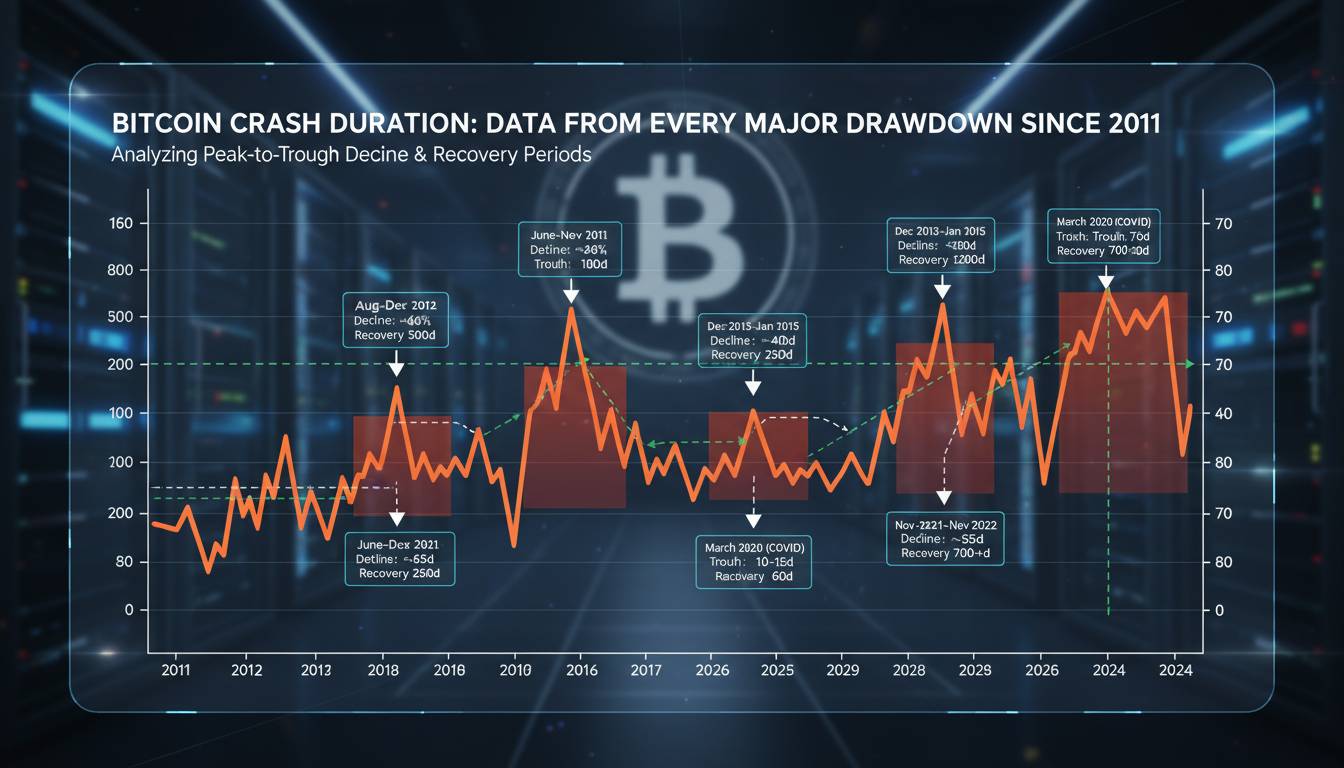
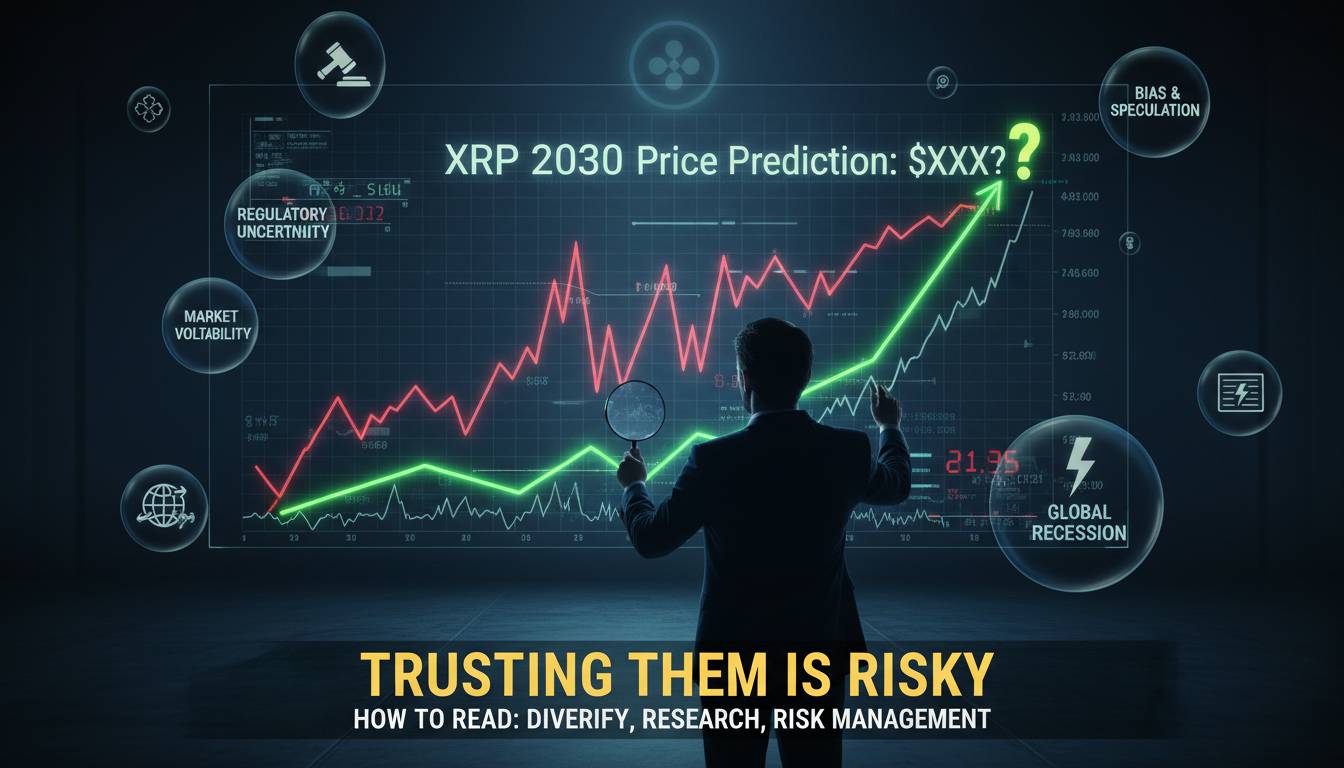
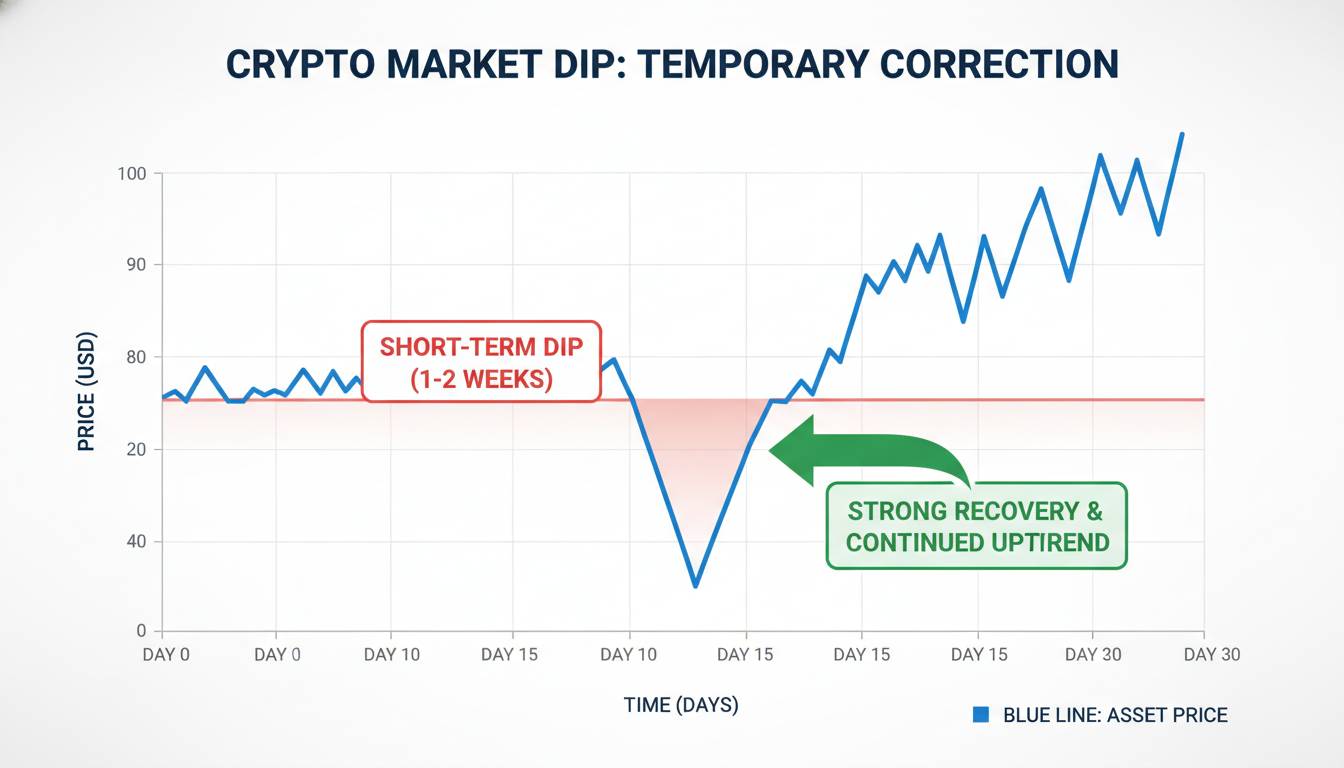
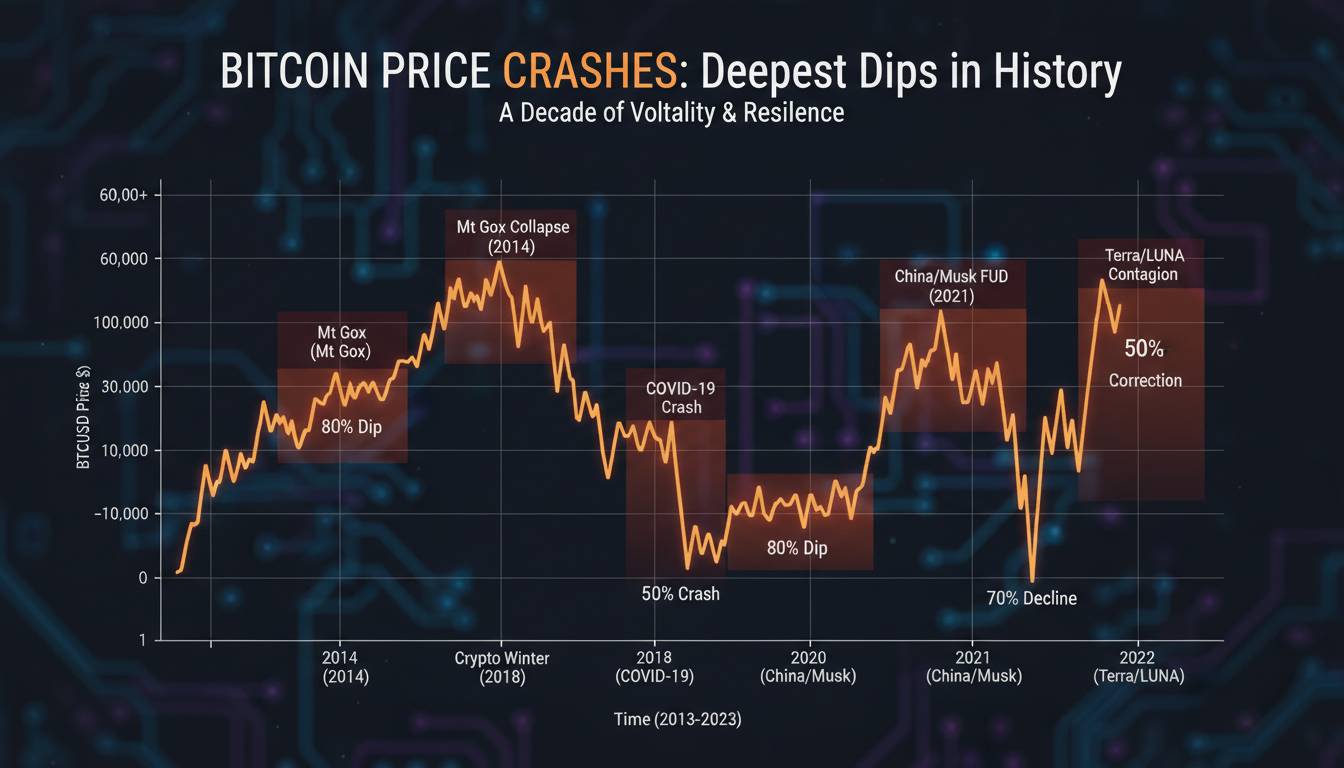
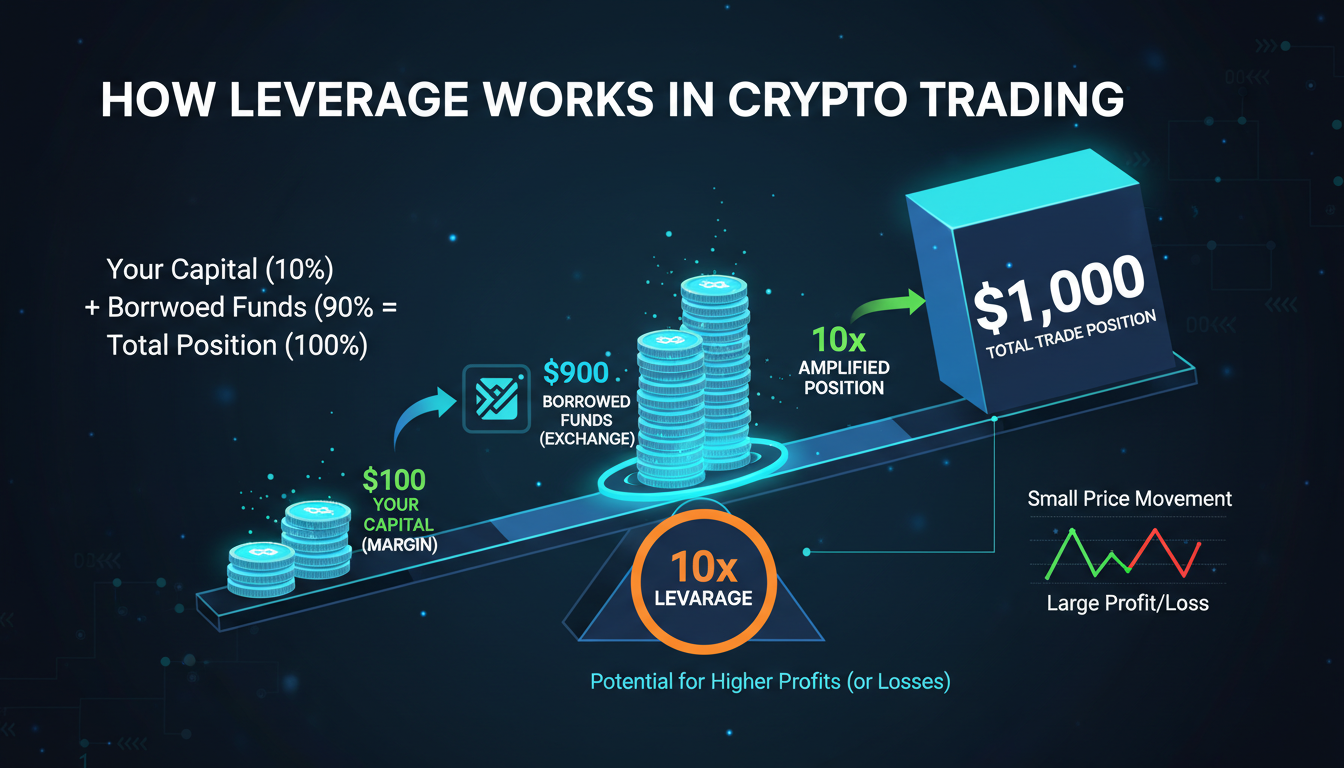
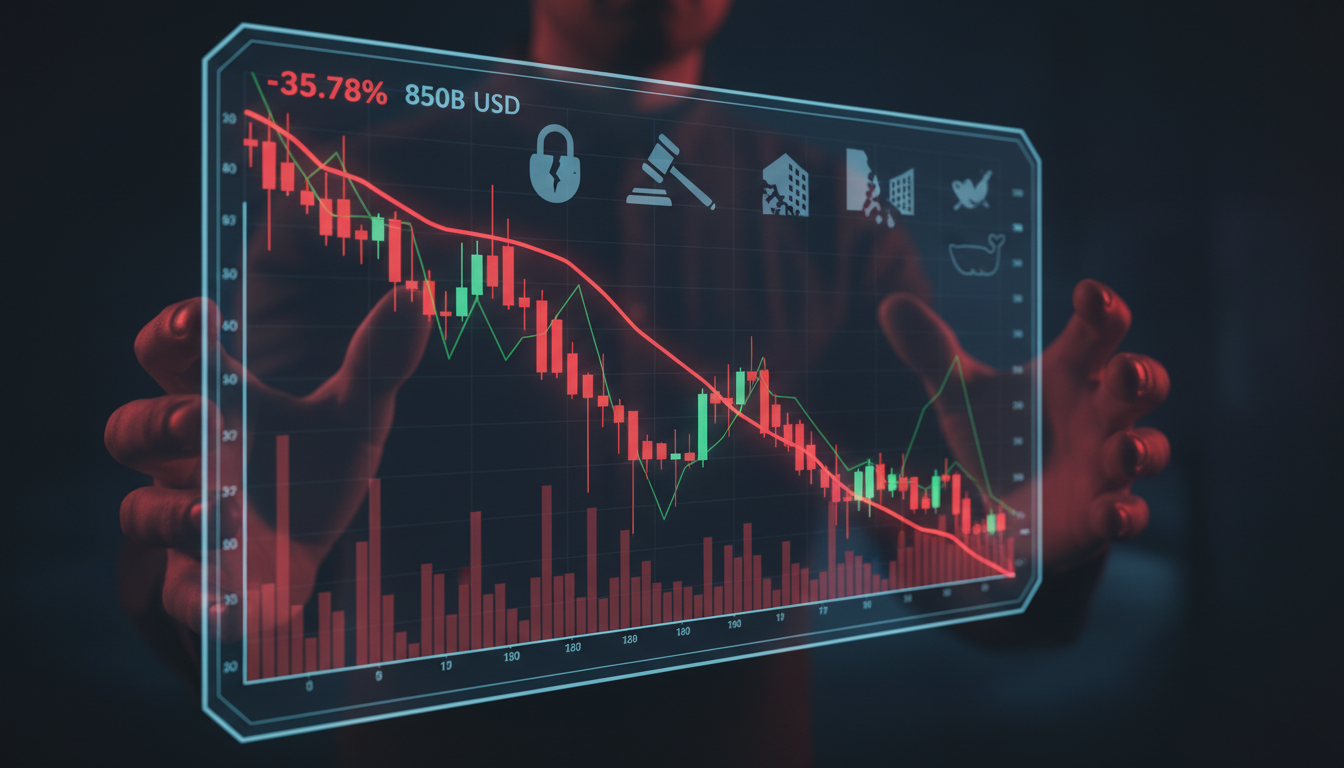
Cryptocurrency markets exhibit extreme volatility that makes prediction inherently uncertain. XRP has experienced multiple rallies exceeding 100% within weeks, followed by declines of similar magnitude. This volatility stems from relatively thin trading volumes compared to traditional markets, the dominance of speculative trading over fundamental use, and the youth of the ecosystem where market structures are still maturing.
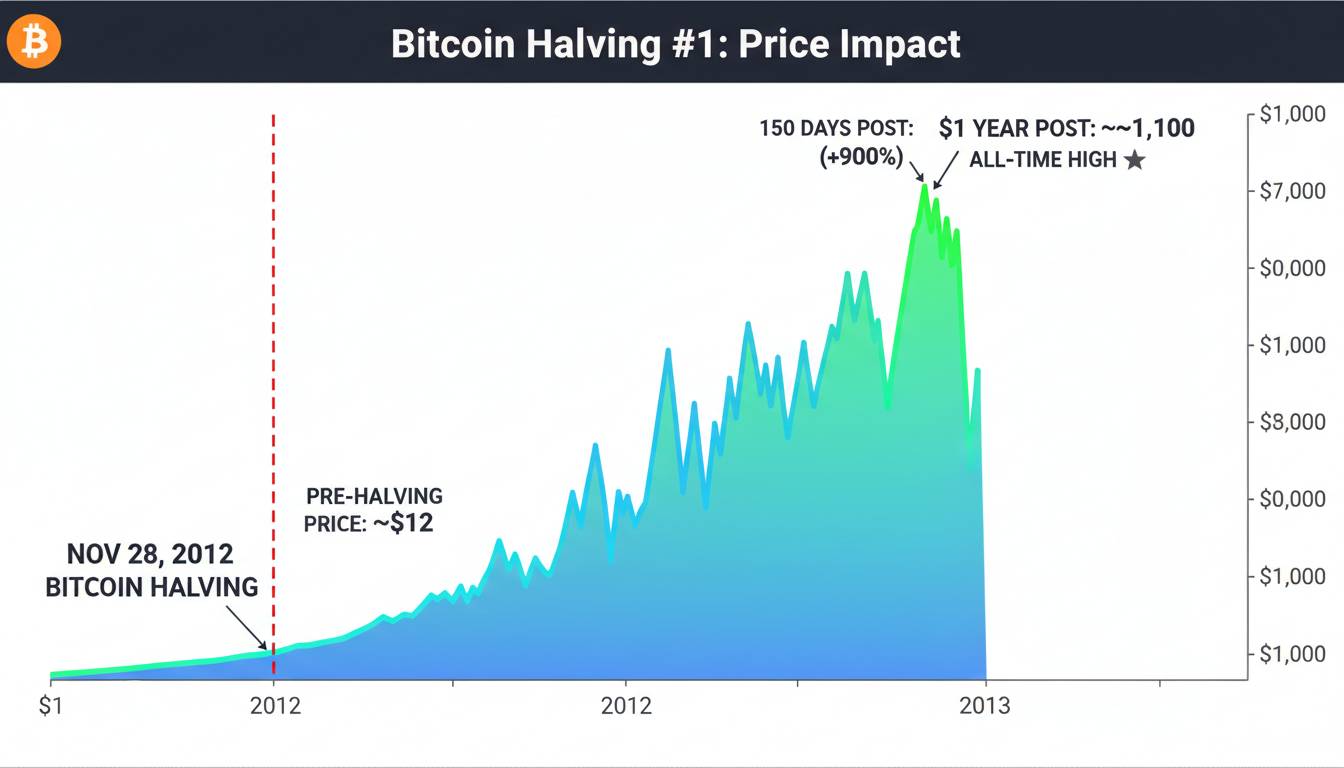
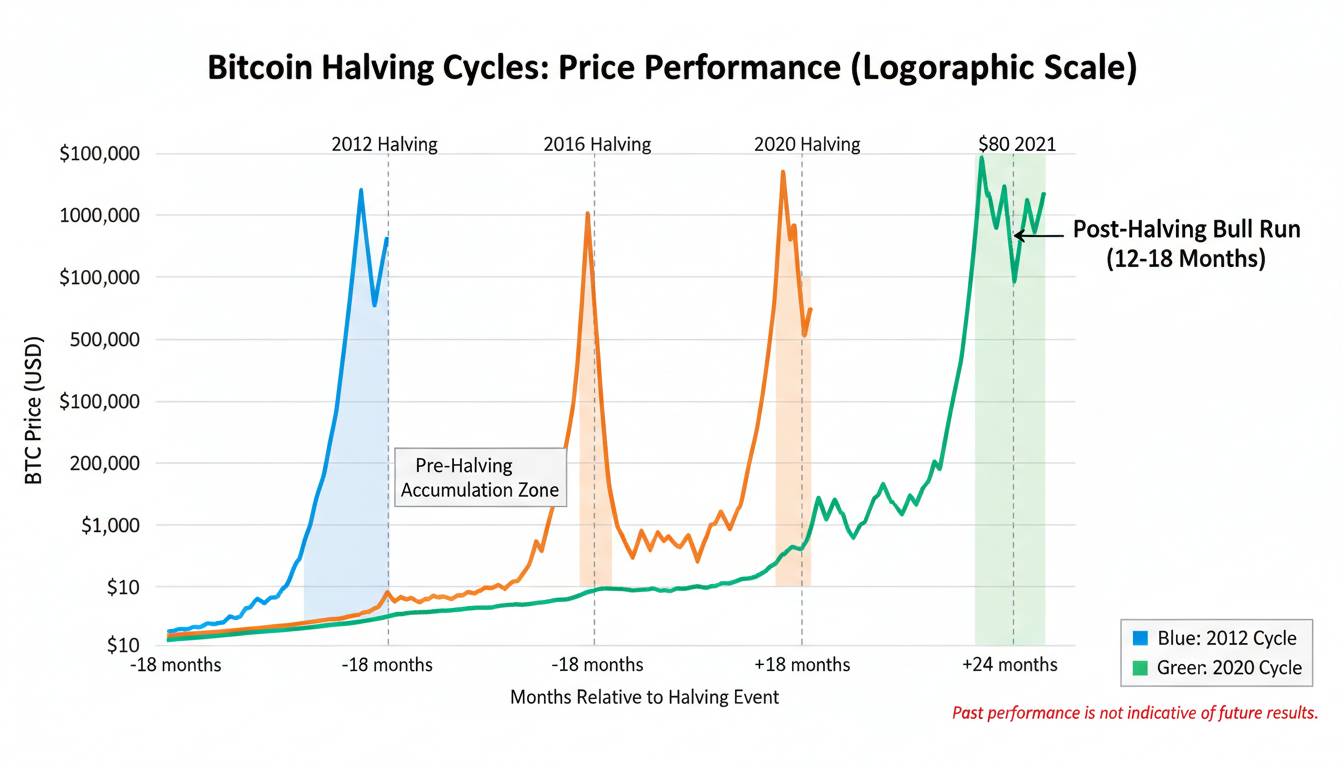
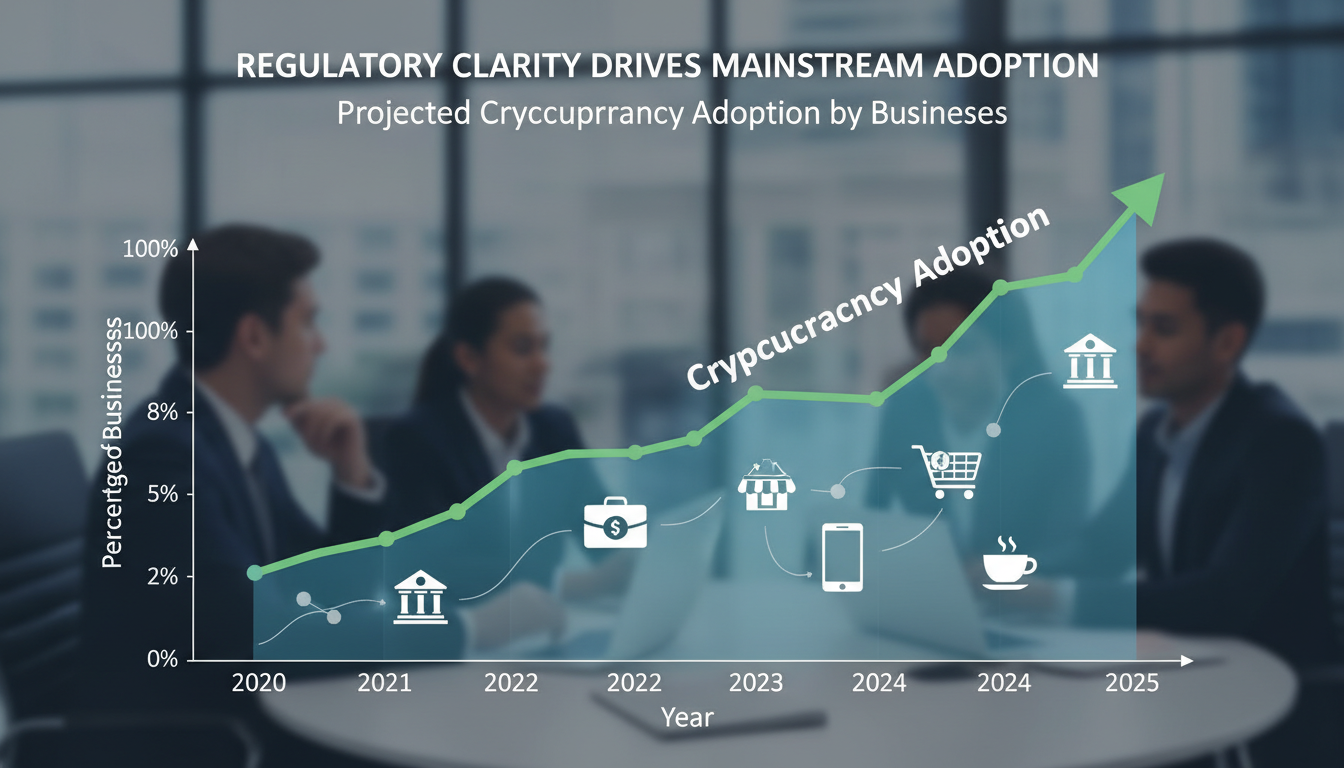
Past performance does not predict future results is a standard disclaimer in traditional investing, but it applies especially to cryptocurrency. Historical price patterns that held in one market cycle may not repeat in the next. The dramatic growth the crypto market experienced from 2020-2021 came with unique conditions—massive stimulus money, zero interest rates, and unprecedented retail trading app adoption—that won’t necessarily recur.
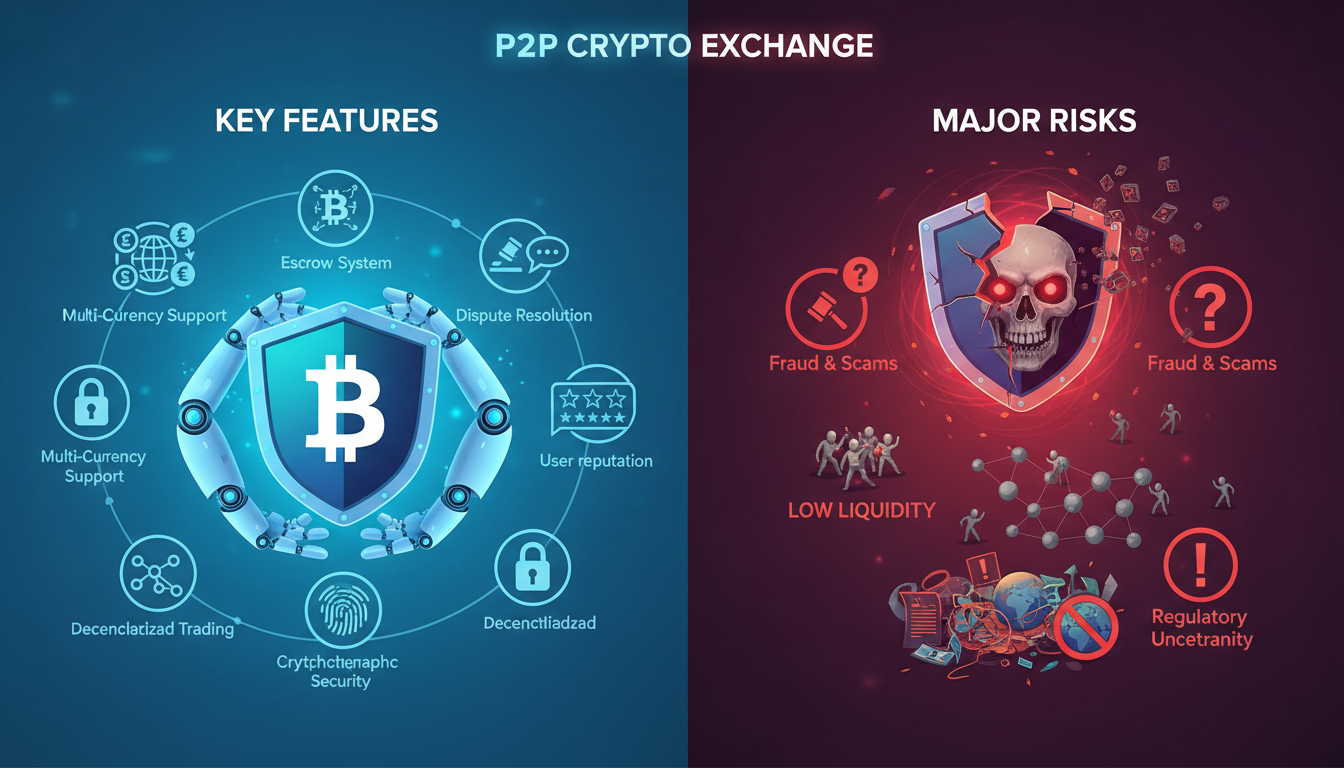
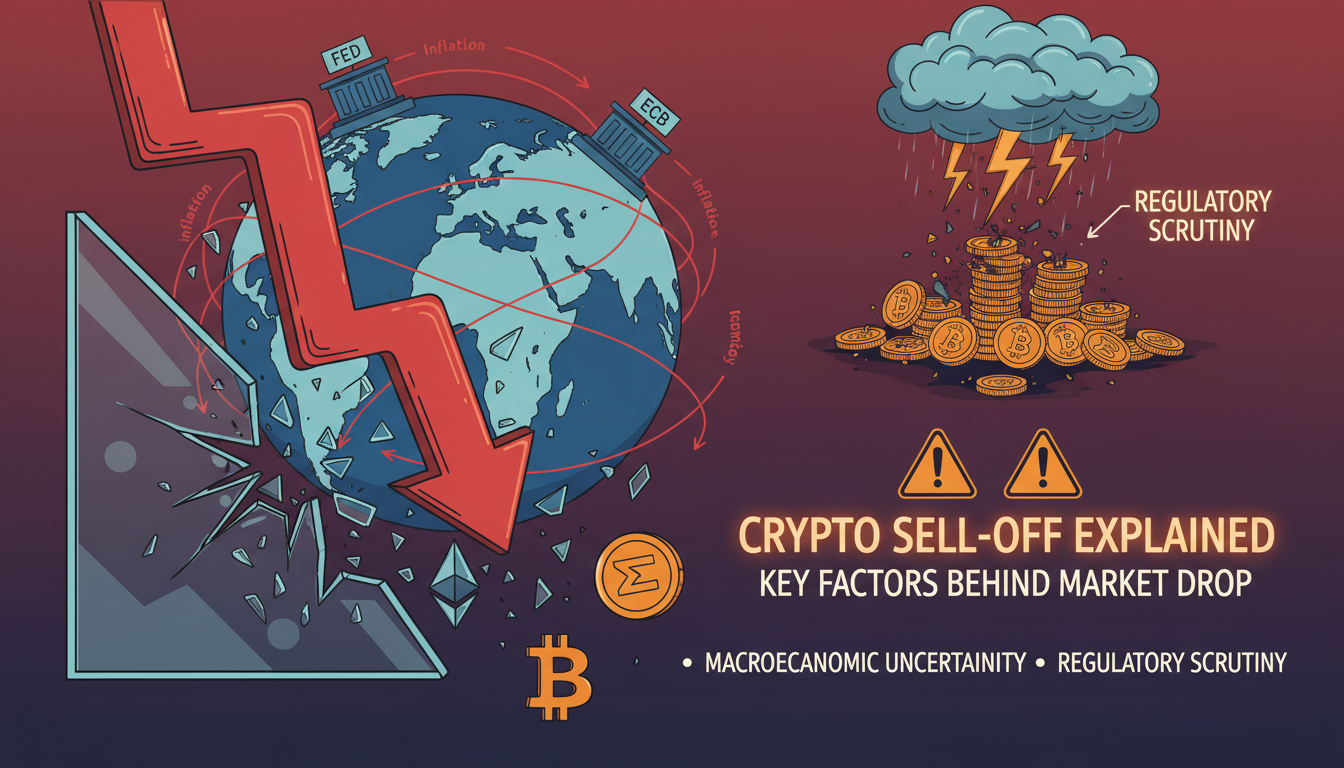
Regulatory uncertainty creates unpredictable variables that no prediction model can reliably account for. XRP’s price has swung significantly based on legal news, and future regulatory actions—whether in the United States, European Union, or other major markets—could invalidate even carefully researched predictions within days.
Liquidity risks affect actual trading, not just predictions. Even if a prediction says XRP will reach a certain price, executing trades at or near that price requires sufficient buyer and seller interest. In markets with lower liquidity than traditional stocks, large trades can move prices significantly, meaning you might not be able to buy or sell at the predicted price.
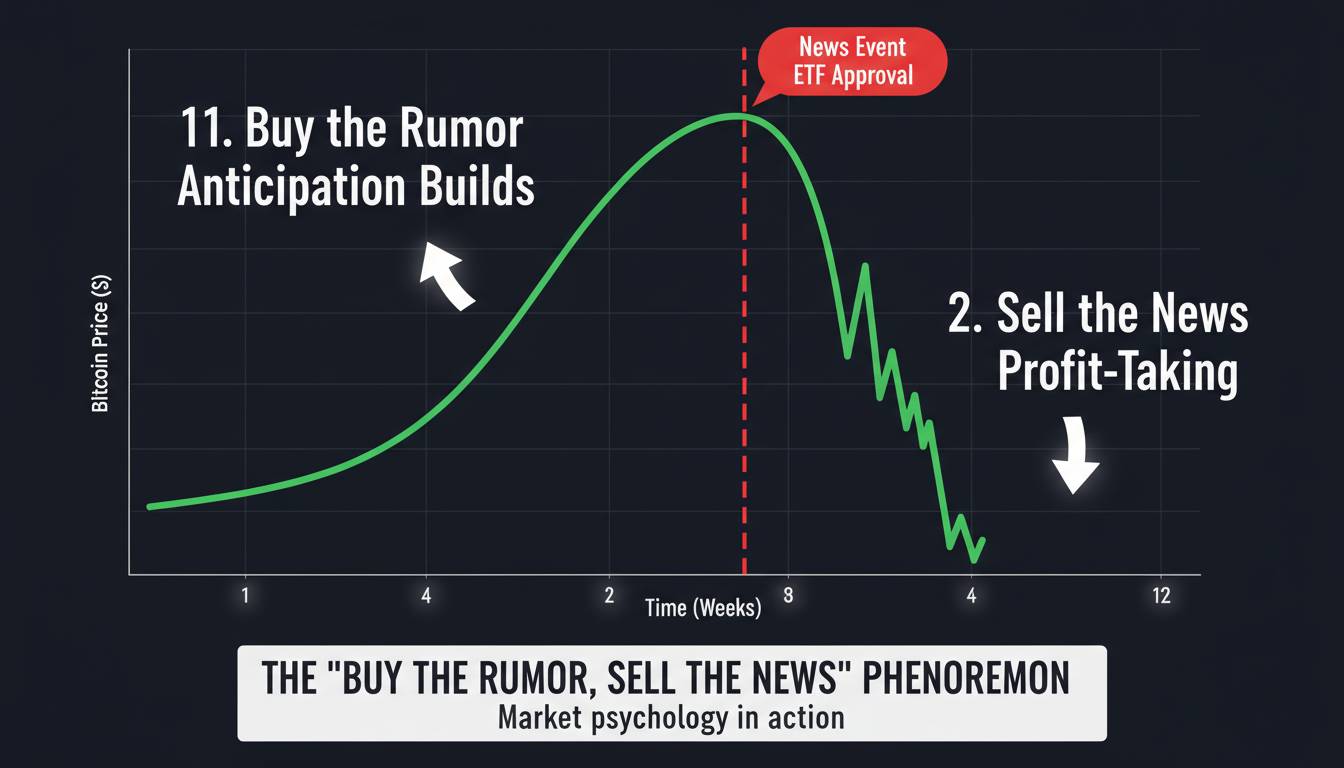
Perhaps most importantly, predictions often reflect crowd psychology more than fundamental value. When everyone believes a price target is achievable, that belief can become self-fulfilling in the short term—but markets eventually revert to fundamentals. Understanding that prediction accuracy varies enormously and that even “expert” predictions frequently prove wrong should shape how you use this information in your investment decisions.
Common Questions About XRP Price Predictions
What will XRP be worth in 2025?
No one can know this with certainty. Based on current analyst consensus from sources like CoinDesk and major exchange research desks, reasonable estimates range from under $1 in bear cases to $3-$5 in bull scenarios. The wide range reflects genuine uncertainty about regulatory outcomes, adoption growth, and broader market conditions. Any confident prediction of a specific price for 2025 should be viewed skeptically.
Is XRP a good investment?
This depends entirely on your individual financial situation, risk tolerance, and investment goals. XRP, like all cryptocurrencies, carries significant risk due to volatility and regulatory uncertainty. Some investors include small allocations to cryptocurrencies as part of a diversified portfolio, while others avoid the asset class entirely. No guide can determine what constitutes a good investment for your specific circumstances.
What affects XRP price more than people realize?
The relative influence of Bitcoin and the broader altcoin market often gets overlooked. XRP frequently trades in correlation with Bitcoin—when Bitcoin rallies, XRP tends to benefit, and vice versa. Additionally, the actions of major XRP holders (sometimes called “whales”) can create price movements that don’t correlate with news or fundamentals. Social media sentiment, particularly from influential accounts, can create short-term price momentum that overwhelms fundamental factors.
Will XRP reach $10 or higher?
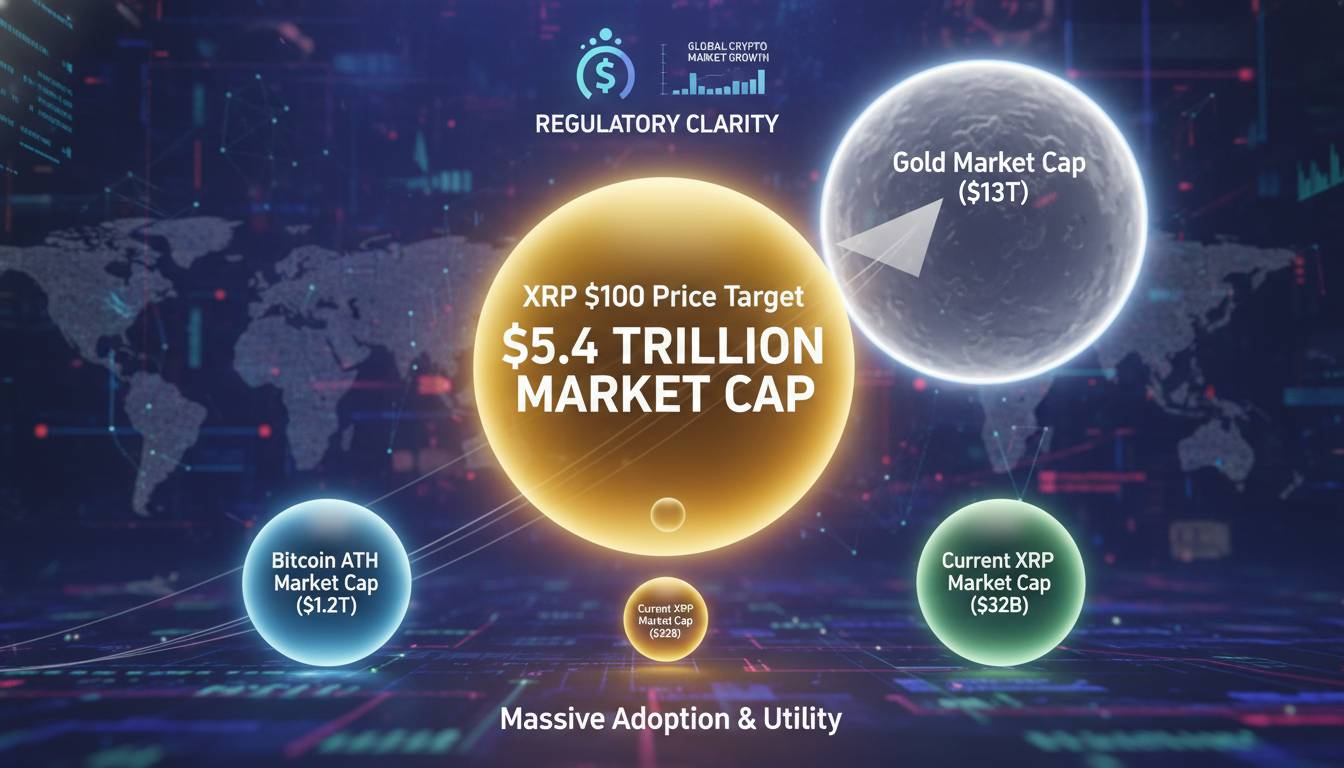
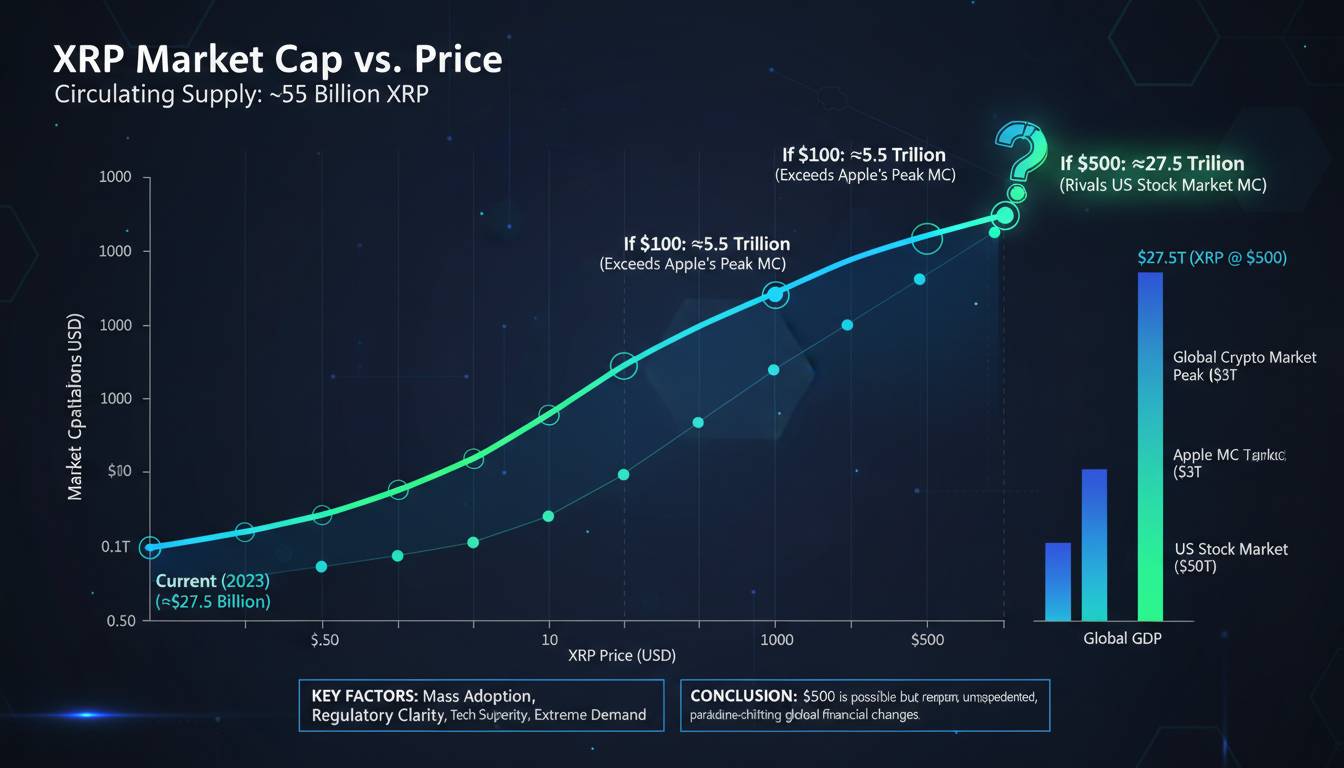
Reaching $10 would require a market capitalization increase of roughly 10x from early 2025 levels, representing an extremely large increase even by cryptocurrency standards. While not mathematically impossible, this scenario would require multiple favorable developments occurring in sequence: regulatory clarity, substantial institutional adoption, significant network growth, and generally bullish market conditions. Some analysts include this scenario in bull cases, but it represents an outcome that would require exceptional circumstances rather than baseline expectations.
Conclusion
You now have a framework for evaluating XRP price predictions that doesn’t require advanced financial expertise—just critical thinking and appropriate skepticism. The most valuable skill isn’t remembering specific predictions or price targets; it’s understanding how to assess the methodology, recognize the assumptions, and acknowledge the inherent uncertainty in any forecast.
Here’s the honest reality: no one consistently predicts cryptocurrency prices accurately. The analysts and AI models that get attention for getting it right occasionally often got it wrong just as often—they simply have the advantage of producing enough predictions that some prove accurate. Rather than searching for the one prediction that will prove correct, focus on understanding the factors that genuinely influence XRP’s value and developing your own informed perspective.
The cryptocurrency market will continue evolving rapidly, with new developments—regulatory decisions, technological advances, market structure changes—that will reshape the landscape in ways no one can perfectly anticipate. Your goal should be developing enough understanding to evaluate new information critically as it emerges, rather than relying on any single prediction that will inevitably become outdated.
Approach every price forecast with questions rather than answers, and you’ll be far better positioned to navigate this volatile market than someone who treats any prediction as certainty.