
XRP has spent most of its existence in the shadow of Bitcoin and Ethereum, but the cryptocurrency has always had ambitions that far exceed its typical $0.50-$1.00 trading range. What happens when you run the numbers on what XRP would actually need to reach triple-digit prices? The mathematics reveal something counterintuitive: the obstacles aren’t just about adoption or utility. They’re about the fundamental structure of cryptocurrency markets themselves. This analysis breaks down exactly what market capitalization each target requires, compares those figures against the current crypto landscape, and identifies the specific conditions that would need to align for any of these prices to become reality.
Understanding XRP’s Market Position
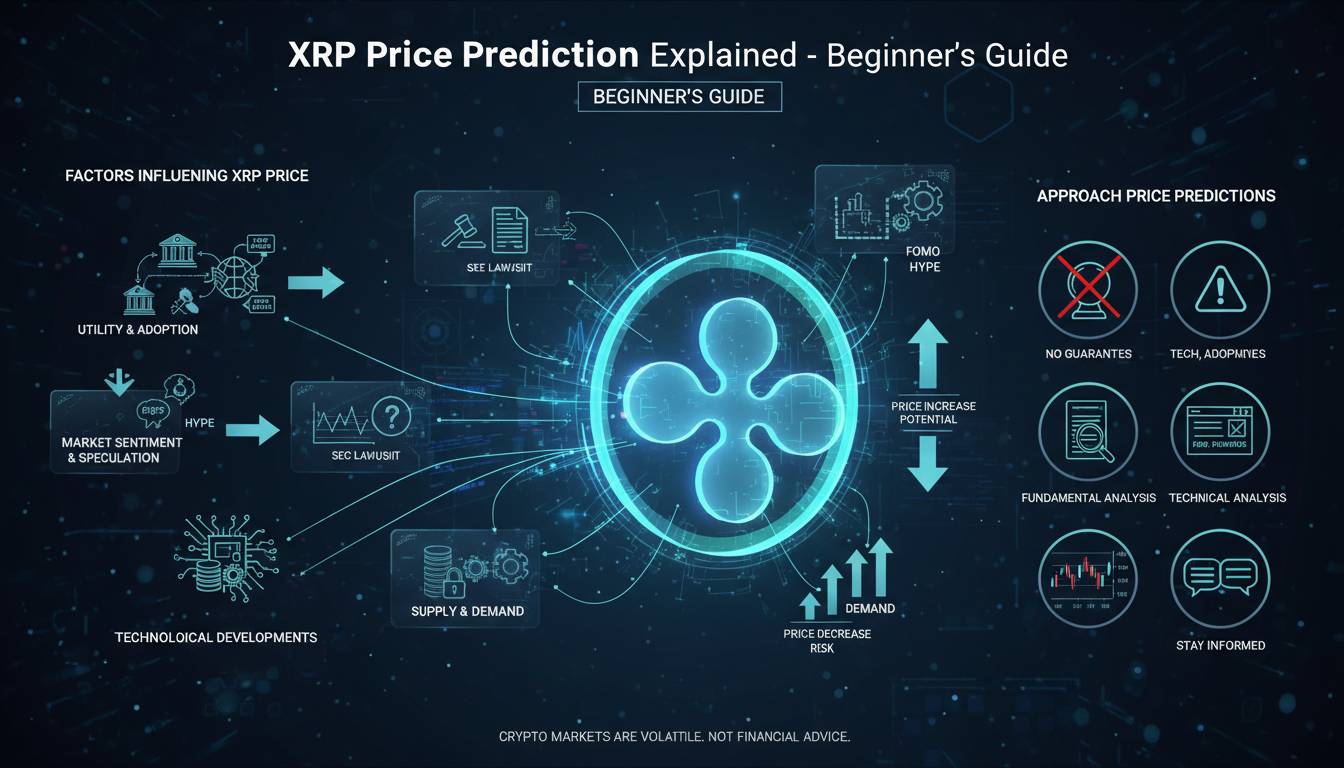
Before examining specific price targets, you need to understand the numbers that actually drive cryptocurrency valuations. Unlike traditional stocks where revenue, earnings, and assets provide grounding for prices, crypto valuations are largely a function of narrative and supply mathematics. For XRP, the supply side is particularly important because it determines what market capitalization any given price represents.
XRP’s circulating supply sits at approximately 56 billion tokens as of early 2025, though this number increases gradually as Ripple releases XRP from its escrow accounts. Ripple initially placed 55 billion XRP in escrow in 2017, with monthly releases designed to provide predictability to the market. The company retains significant XRP holdings, and the relationship between Ripple’s actions and XRP supply has been a persistent source of controversy, particularly in the SEC lawsuit that dominated XRP’s narrative for years.
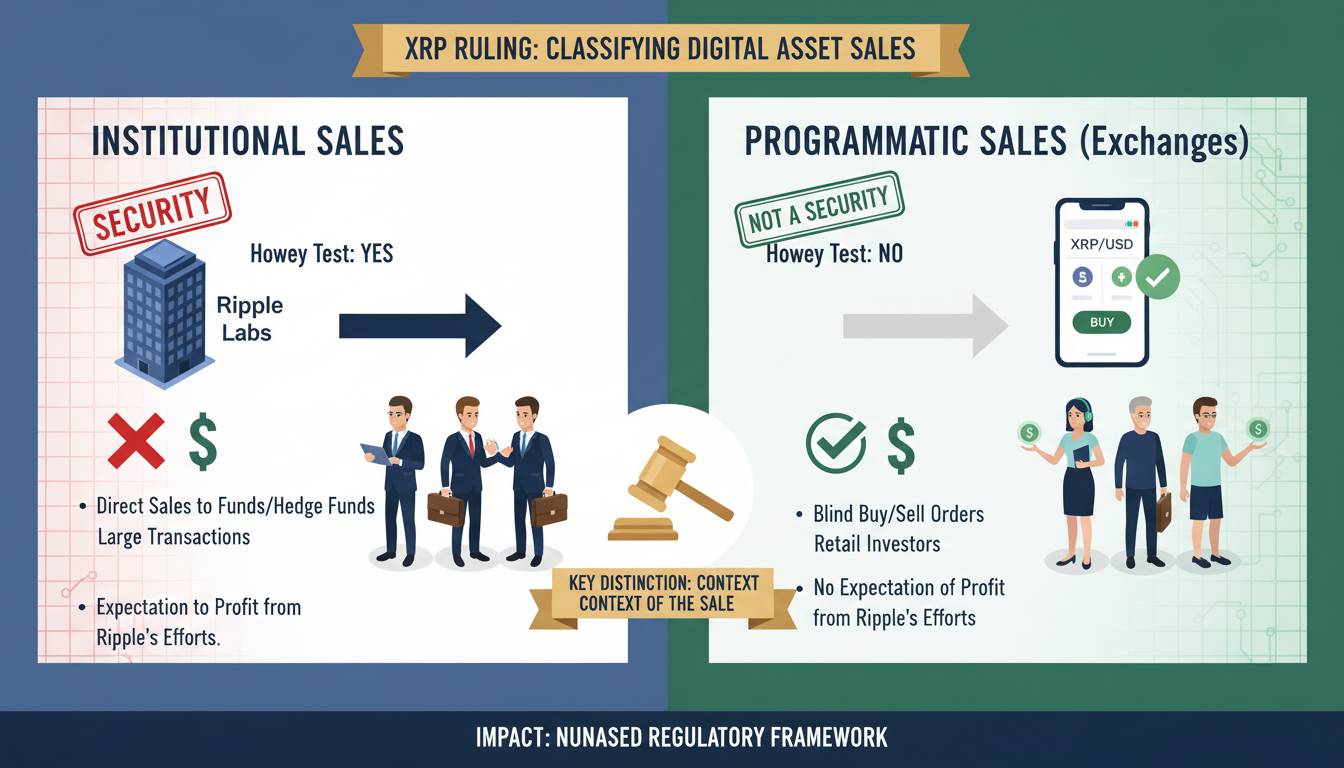
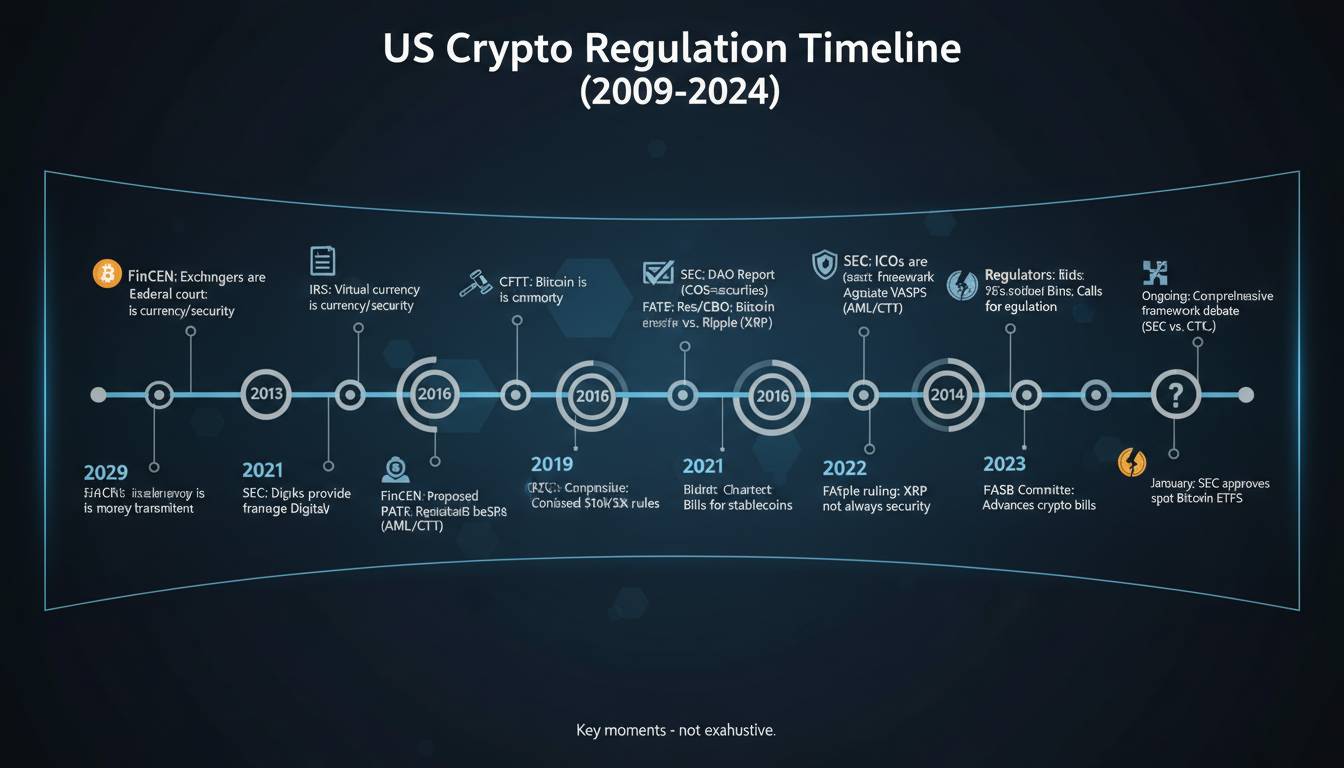
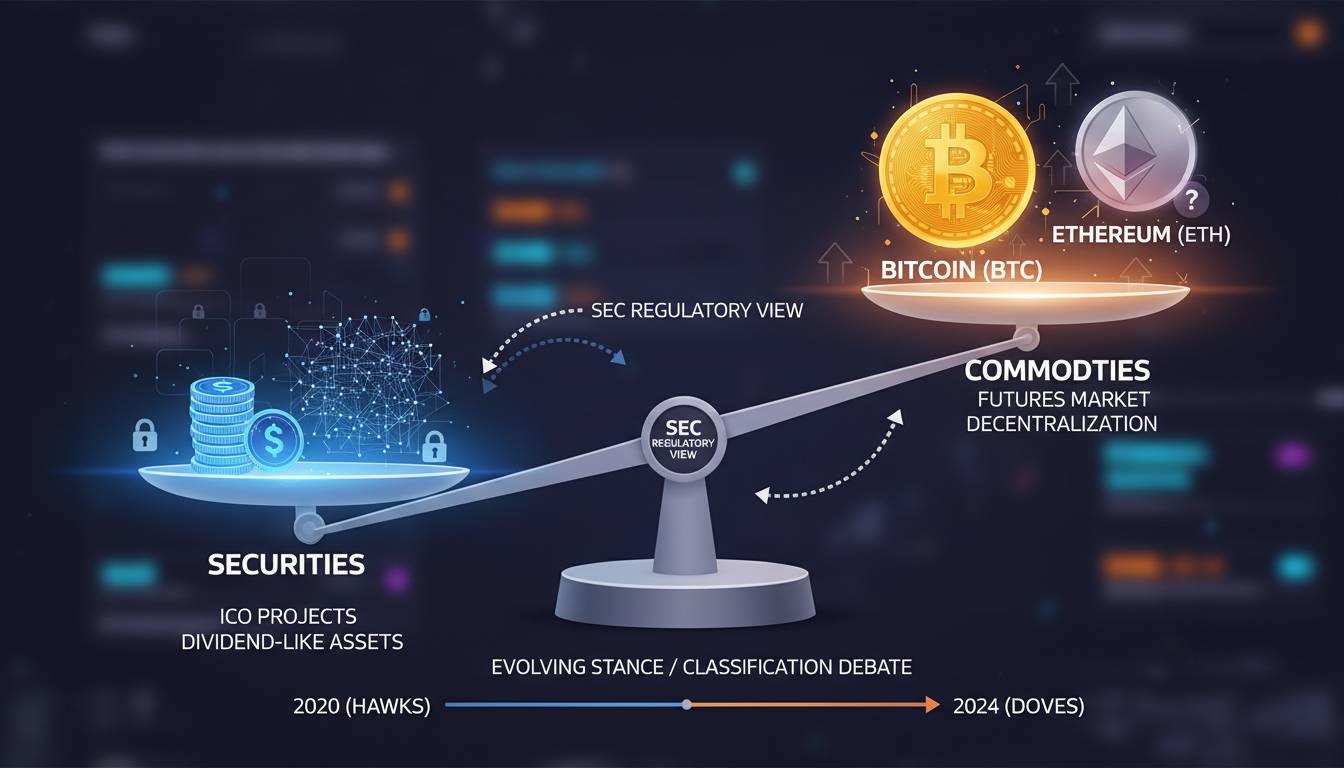
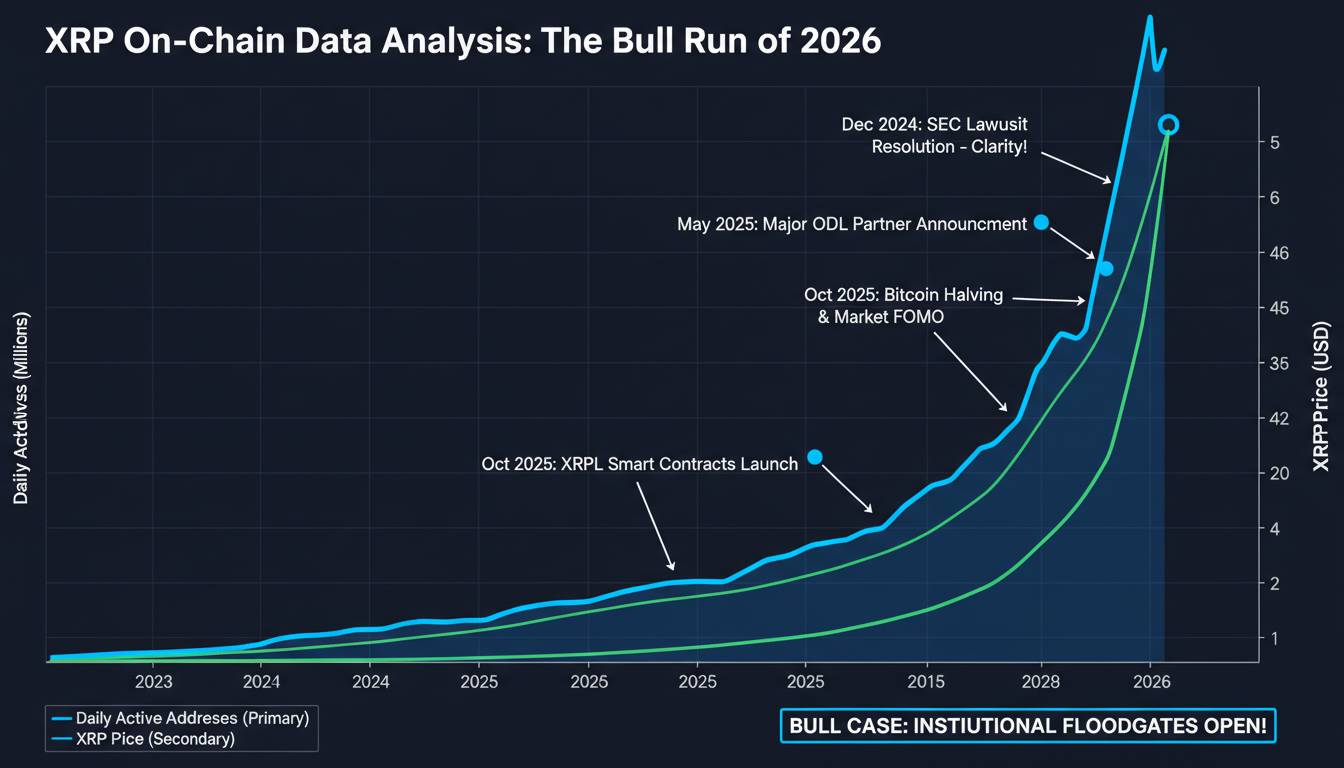
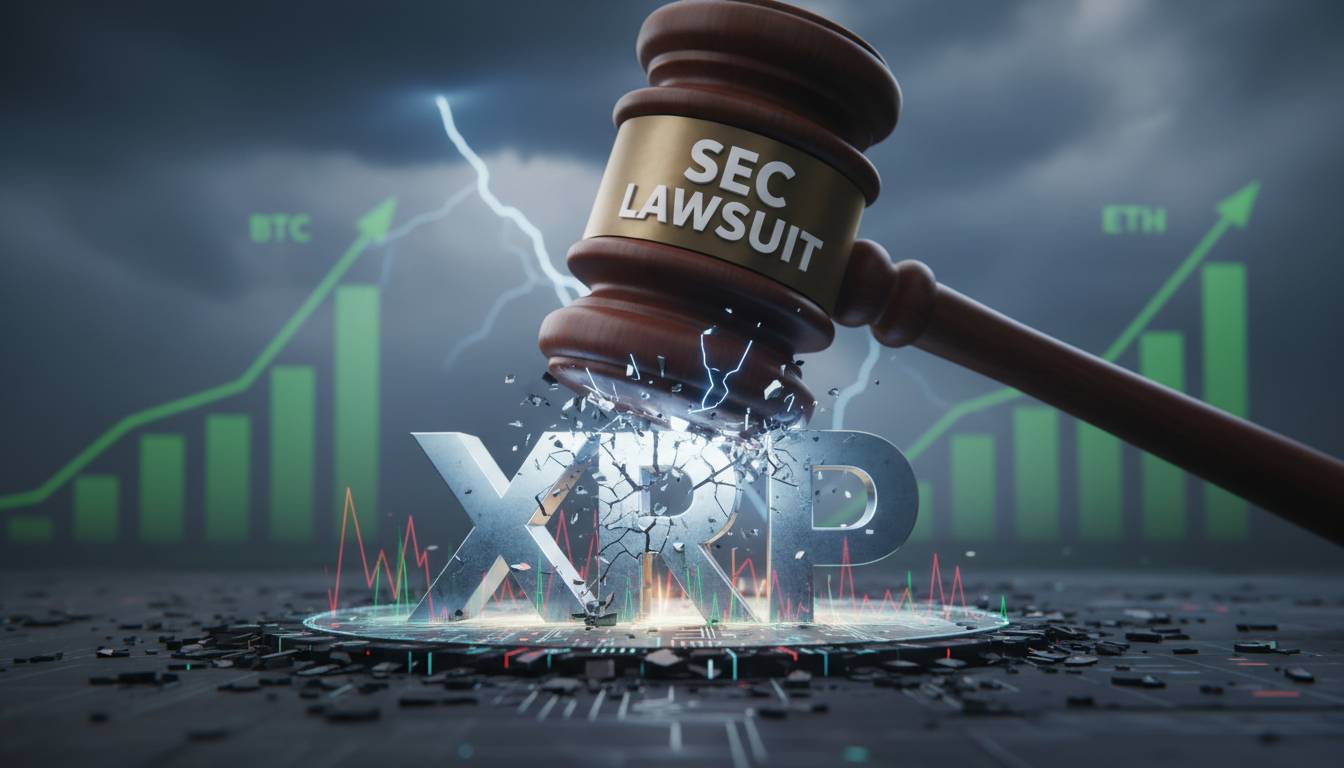
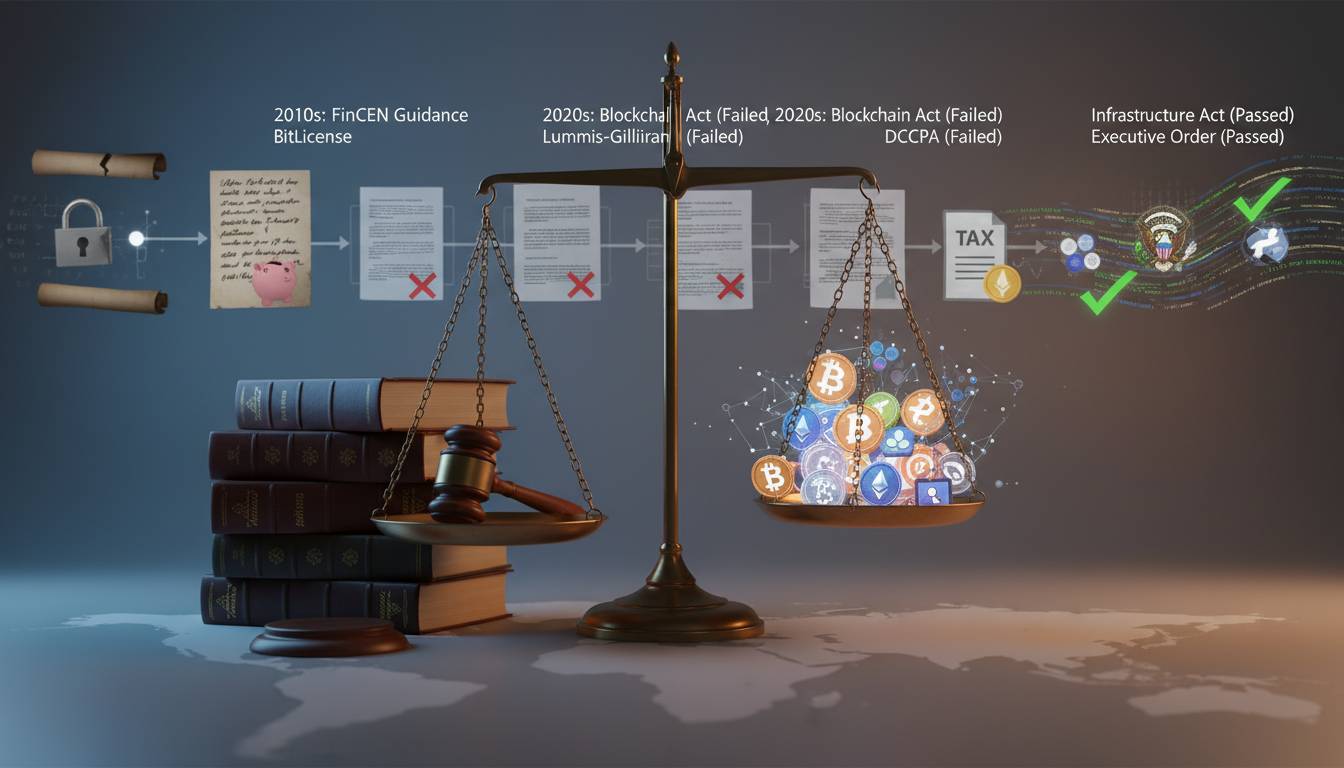
The legal battle between Ripple and the SEC, which began in December 2020, created unprecedented uncertainty for XRP. The SEC alleged that Ripple conducted an unregistered securities offering by selling XRP, while Ripple argued that XRP is a currency and should be treated as such. In August 2024, the case reached a partial conclusion when Ripple was fined $125 million—a fraction of what the SEC sought—and the court ruled that XRP itself is not a security. This outcome removed a significant overhang that had suppressed XRP’s price for years, allowing it to surge past $2 in late 2024, levels not seen since the 2017 bull run.
Current market dynamics show XRP ranking as one of the top cryptocurrencies by market capitalization, typically placing fourth or fifth behind Bitcoin, Ethereum, Tether, and sometimes Solana. This positioning provides context for understanding what price targets would actually mean in terms of market dominance.
What It Would Take for XRP to Reach $10
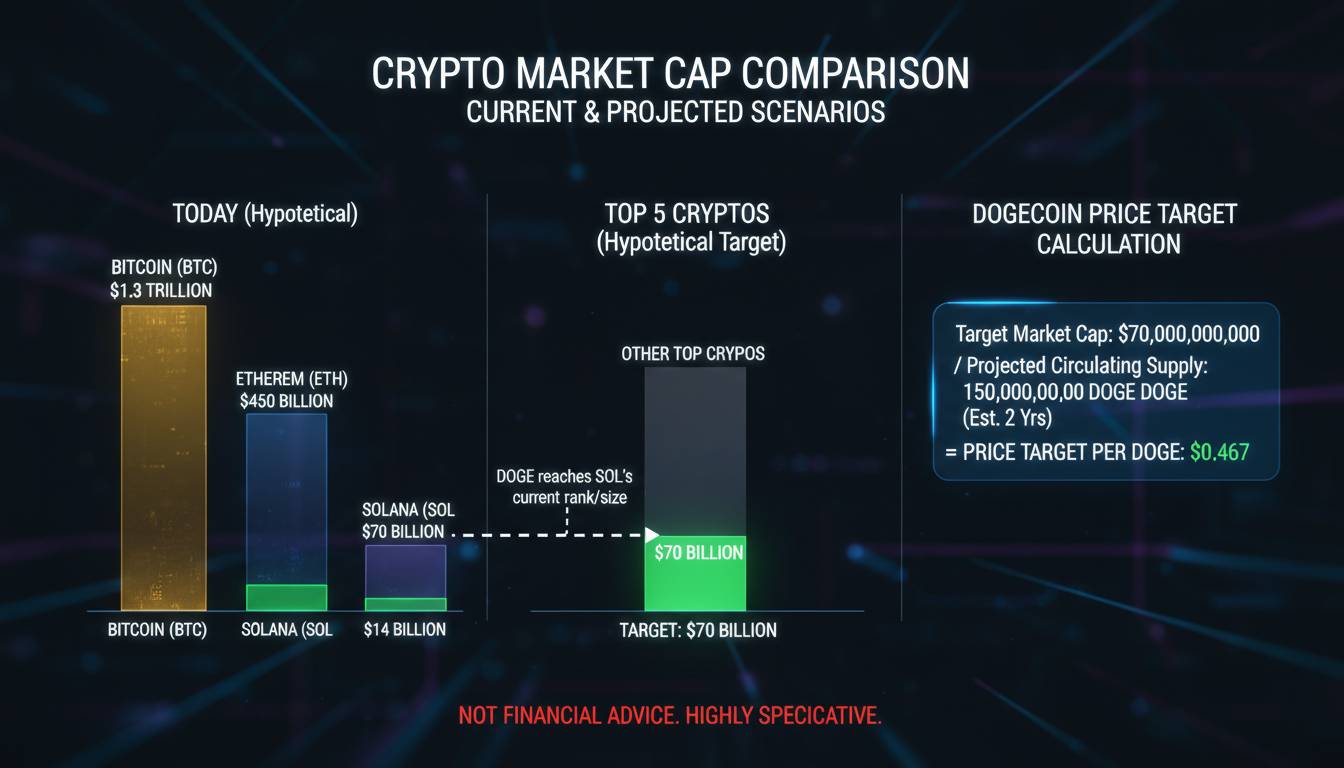
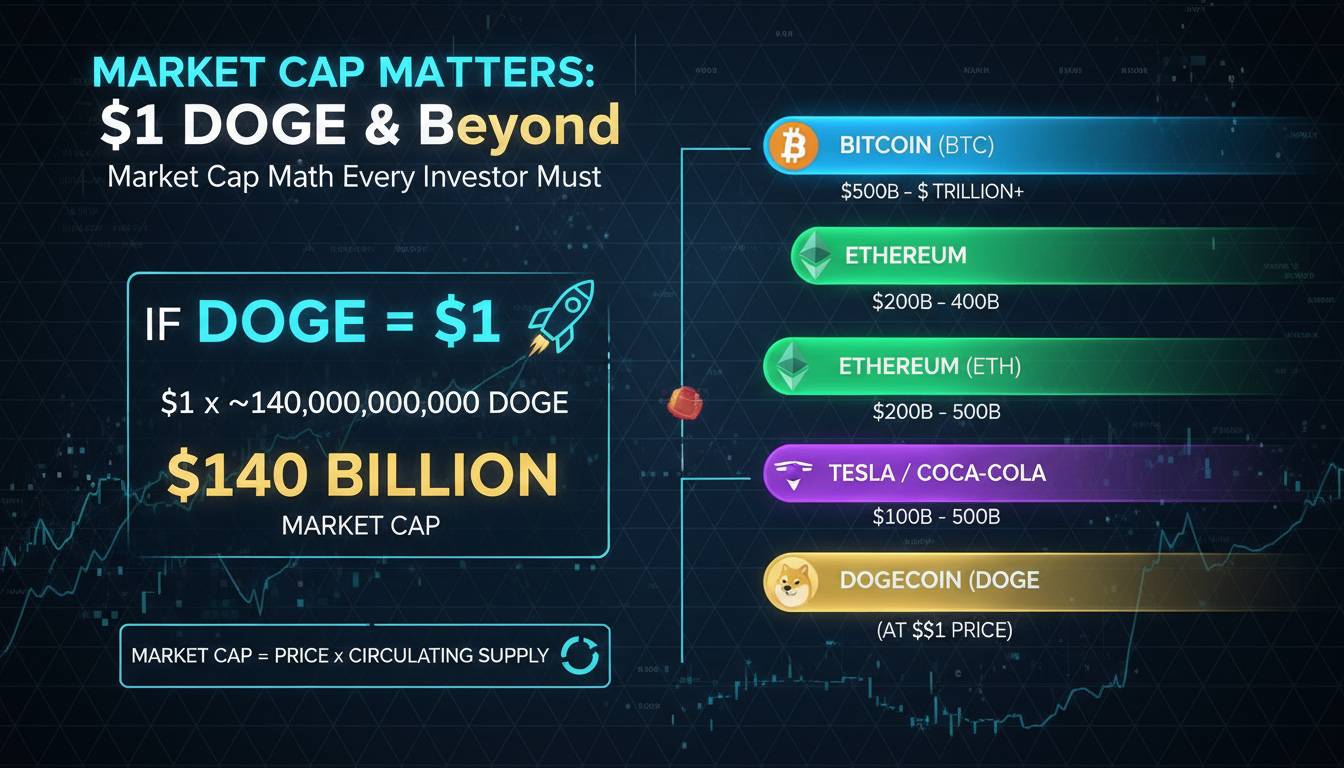
A $10 XRP price would represent roughly a 5x increase from early 2025 prices, making it the most “achievable” of the three targets discussed here—but “achievable” doesn’t mean “likely” or “easy.” At $10, XRP would require a market capitalization of approximately $560 billion. To put this in perspective, Bitcoin’s market cap during early 2025 hovered around $1.1 trillion, while Ethereum sat at roughly $350 billion. Achieving a $560 billion market cap would position XRP as the second-largest cryptocurrency by a significant margin, behind only Bitcoin.
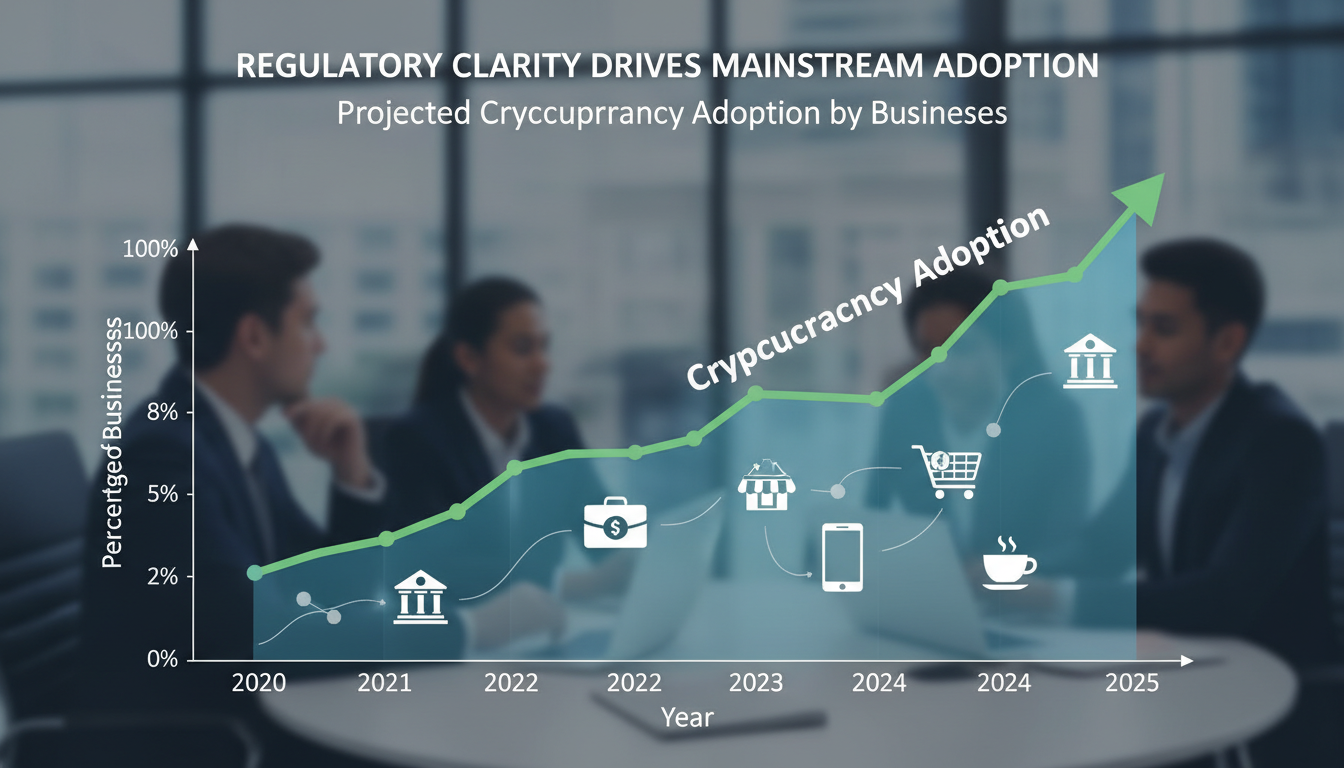
The conditions required for this milestone fall into three categories: regulatory clarity, institutional adoption, and utility expansion. The regulatory clarity component received a major boost from the Ripple SEC settlement, but regulatory uncertainty persists in other jurisdictions. Financial institutions remain hesitant to adopt XRP at scale until there’s global consensus on cryptocurrency classification. Cross-border payment adoption has been slower than many anticipated when Ripple first gained prominence, with banks and payment providers preferring to pilot their own solutions or use competing technologies.
The counterargument to the bull case is worth acknowledging here: even $10 XRP faces headwinds that weren’t present during previous bull cycles. Institutional investors have shown stronger preference for Bitcoin and Ethereum as “store of value” assets, leaving XRP to compete primarily as a utility token. The increased regulatory scrutiny across global markets creates additional friction. If XRP reached $10, it would likely happen during a broader market bull cycle, meaning XRP would benefit from rising tides rather than driving its own adoption narrative.
What It Would Take for XRP to Reach $50
Now the mathematics start becoming uncomfortable. At $50 per token, XRP would require a market capitalization of approximately $2.8 trillion. This figure exceeds Bitcoin’s typical market capitalization and would represent more than half a trillion dollars in new value creation from XRP alone. The question isn’t whether this is optimistic—it’s whether the math even functions within the current cryptocurrency ecosystem.
To reach $50, XRP would need to capture a level of market dominance that no cryptocurrency other than Bitcoin has achieved. This would require not just incremental adoption but fundamental shifts in how cross-border payments operate globally. Ripple would need to execute on its vision of becoming the standard infrastructure for international money movement, with banks, payment processors, and governments adopting XRP as a bridge currency for settling transactions between different fiat currencies.
The honest assessment here is that $50 XRP requires conditions that don’t currently exist and that the market hasn’t priced in. Institutional adoption would need to reach mainstream levels, with major central banks and financial institutions holding XRP as part of their foreign exchange reserves. Utility growth would need to accelerate dramatically, with daily transaction volumes reaching levels that currently belong to traditional payment networks like SWIFT. The timeline for this scenario, even under optimistic assumptions, extends beyond a typical bull market cycle— we’re likely looking at a decade-long development trajectory if it happens at all.
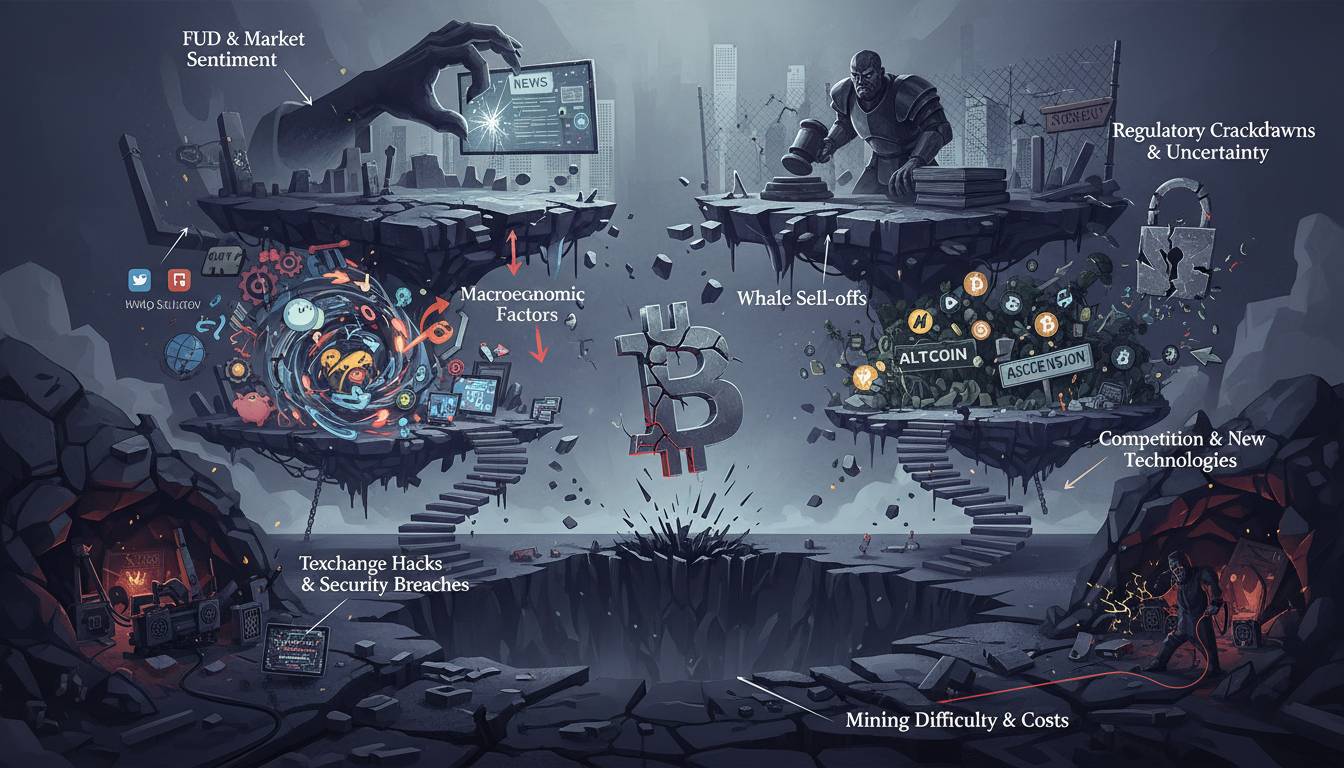
There’s also the supply question that gets overlooked. Ripple continues to hold billions of XRP, and any significant price increase would create massive selling pressure from the company, early investors, and token distribution programs. The market has seen this dynamic play out with other cryptocurrencies where large holders (often called “whales”) liquidate positions during price rallies, creating ceilings that prove difficult to break through.
What It Would Take for XRP to Reach $100
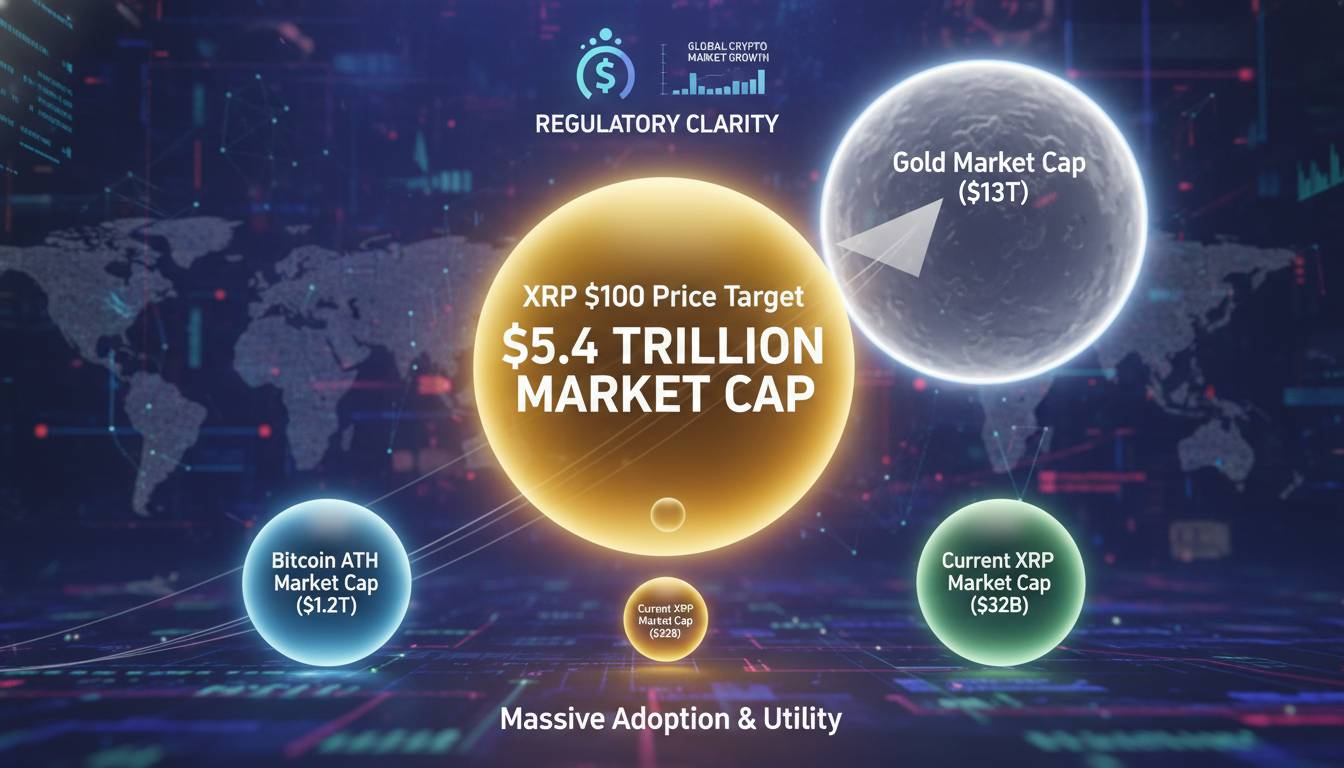
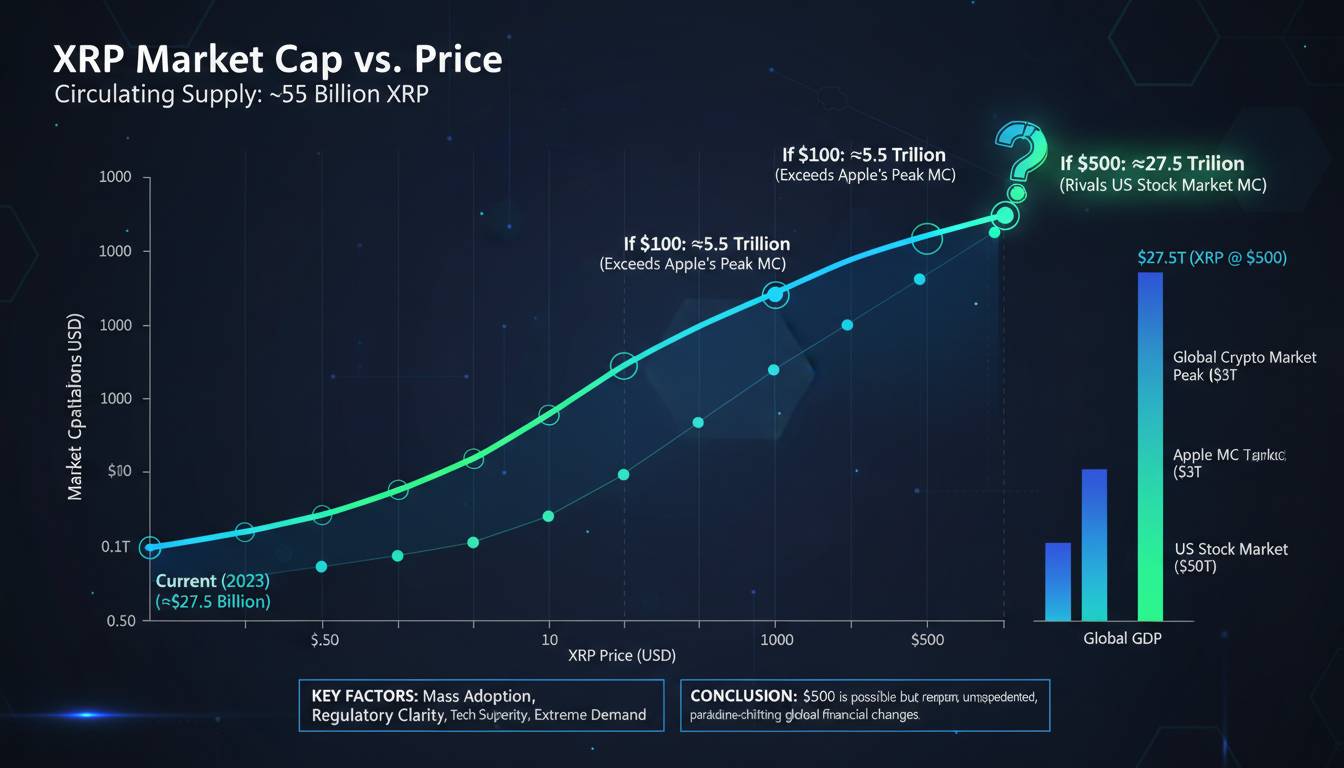
A $100 XRP would require a market capitalization of approximately $5.6 trillion—larger than the entire cryptocurrency market cap as of early 2025. This isn’t a price target. It’s a theoretical exercise that reveals more about the limitations of cryptocurrency valuations than about XRP’s potential. At $100, XRP would need to become the dominant store of value and medium of exchange across the entire global financial system, displacing not just Bitcoin but traditional fiat currencies themselves.
The mathematical reality is stark: achieving $5.6 trillion in market cap would require XRP to represent a meaningful percentage of global money supply. For context, broad money (M2) in the United States alone exceeds $20 trillion. Global fiat currency supply runs into the hundreds of trillions. Cryptocurrency, even at its most optimistic adoption scenarios, remains a tiny fraction of this total.
I don’t say this to dismiss XRP’s potential but to ground the discussion in economic reality. The cryptocurrency market has seen extraordinary valuations during speculative manias—the 2021 bull market saw Dogecoin reach $90 billion market cap—but these valuations prove unsustainable when they disconnect from utility and adoption. XRP at $100 would require not just adoption but a complete restructuring of how value moves across borders, combined with acceptance that cryptocurrency can serve as a primary store of wealth rather than a speculative asset.
Key Factors That Could Drive XRP Higher
Understanding what XRP needs requires examining the specific mechanisms that could drive price appreciation. Beyond general market conditions, several factors are particularly relevant to XRP’s trajectory.
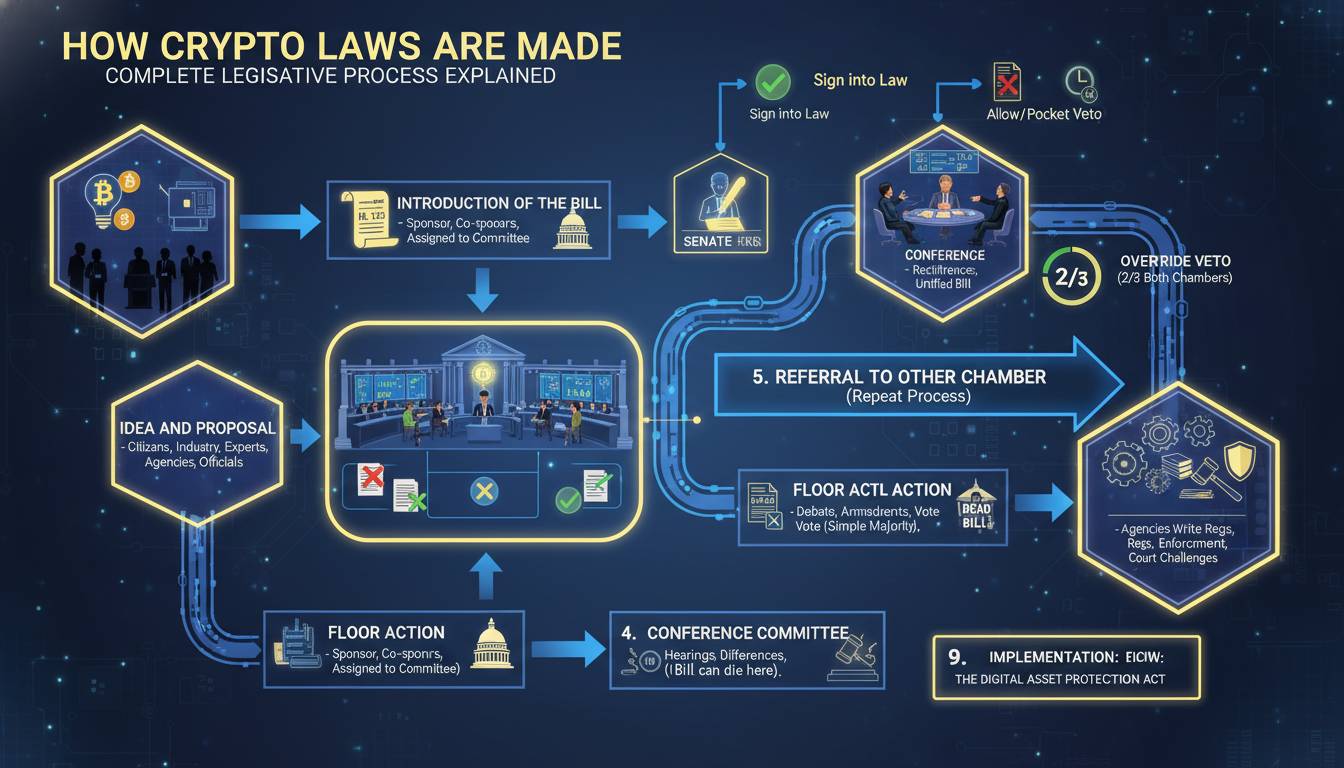
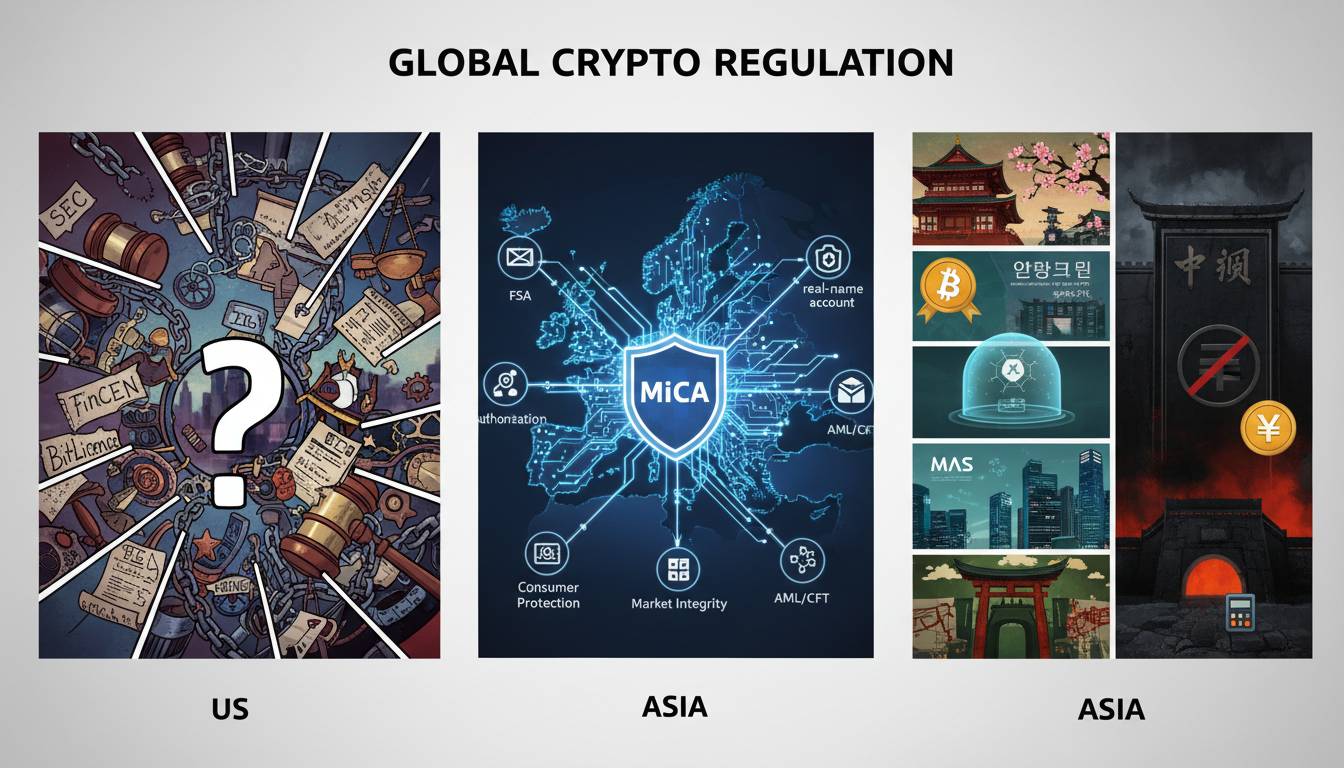
Regulatory developments remain paramount. The SEC settlement resolved one major uncertainty, but other regulatory challenges persist. The European Union’s MiCA framework, Asian regulatory approaches, and potential future enforcement actions in the United States all create variables that could accelerate or suppress XRP adoption. Clarity breeds adoption, and each regulatory green light removes friction from institutional on-ramps.
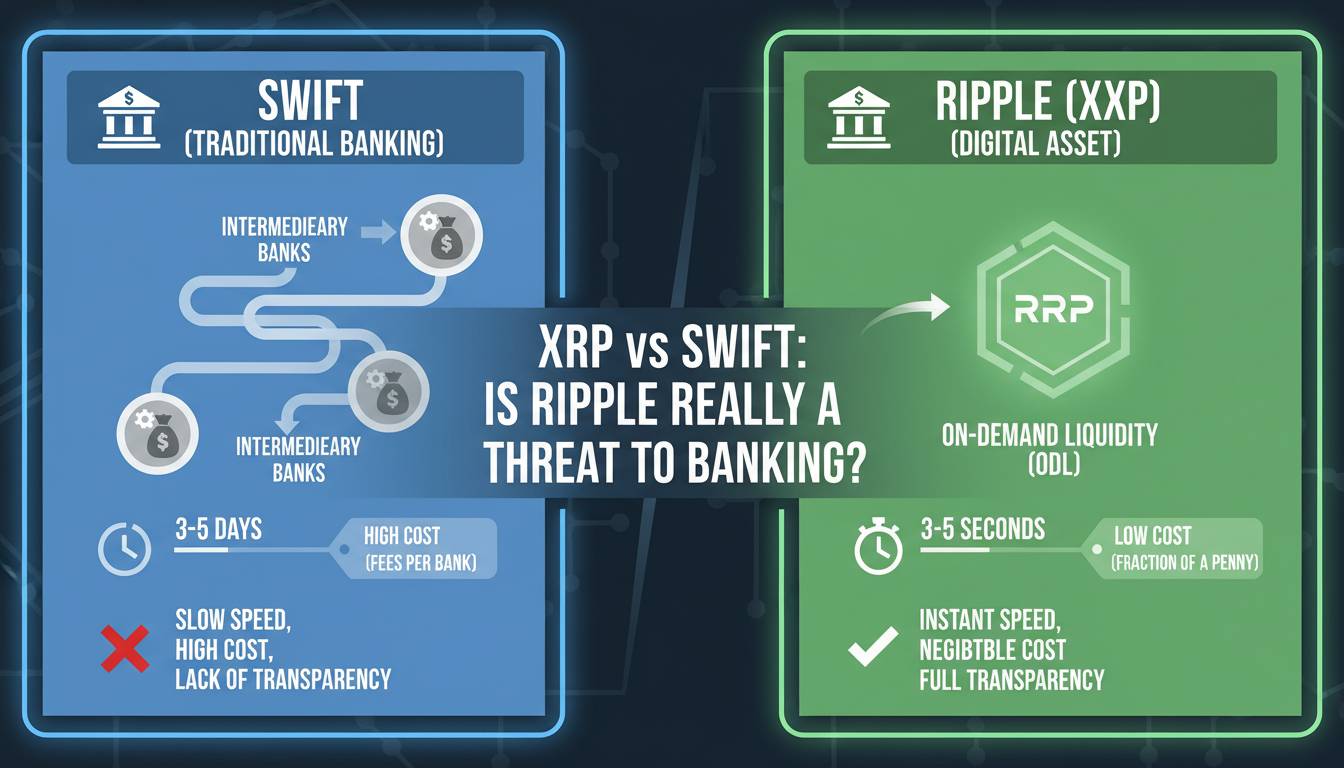
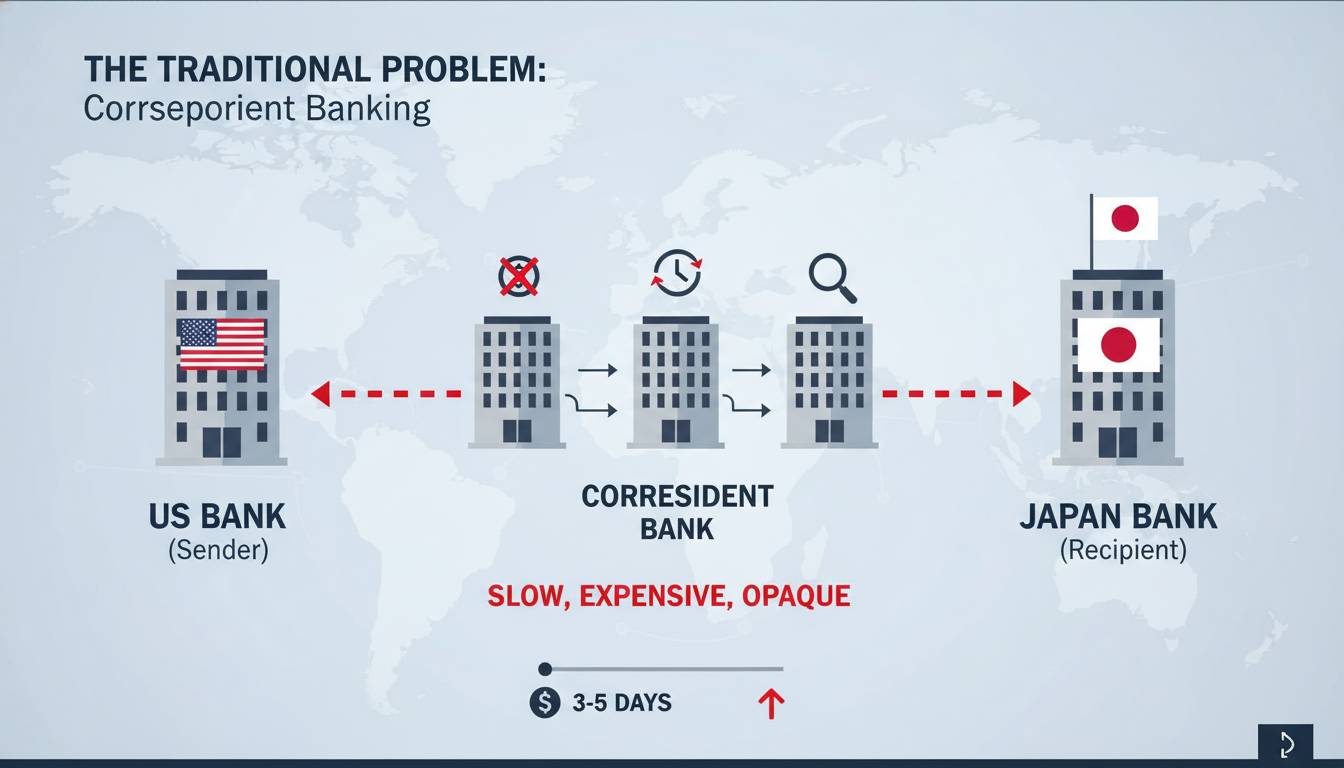
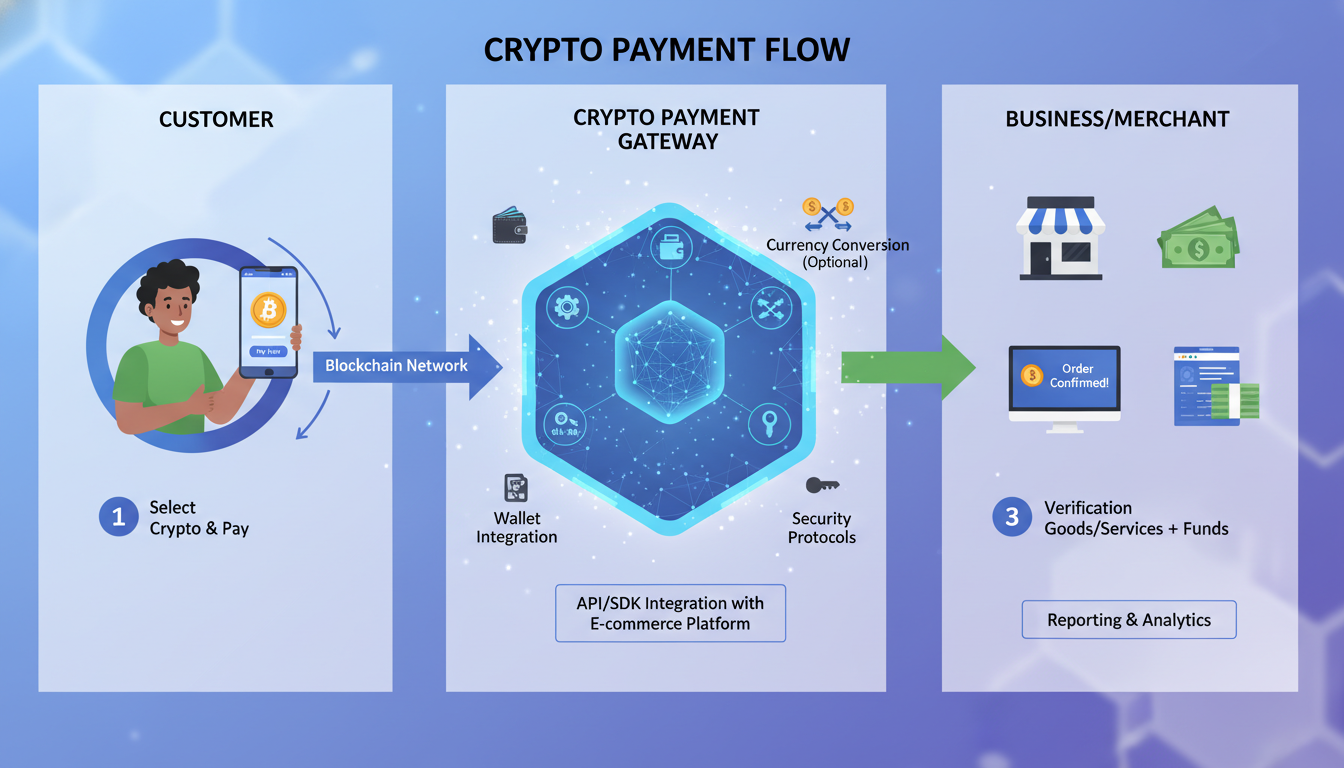
Utility expansion happens incrementally but can accelerate during certain periods. Ripple’s On-Demand Liquidity service uses XRP as a bridge currency, allowing financial institutions to provide instant cross-border settlements without pre-funding nostro accounts in various currencies. The more institutions use ODL, the more XRP moves through the system, potentially creating organic demand that supports price. However, adoption has been slower than Ripple anticipated, with many banks preferring to use the Ripple network without XRP or to pilot similar solutions from competitors.
The competitive landscape matters enormously. Swift, the dominant cross-border payments network, has been modernizing its infrastructure through the Swift gpi initiative, potentially reducing the advantage that distributed ledger technologies offer. Central Bank Digital Currencies (CBDCs) represent both a threat and an opportunity—XRP could potentially serve as a bridge between different CBDC systems, or CBDCs could render XRP obsolete as a cross-border settlement mechanism.
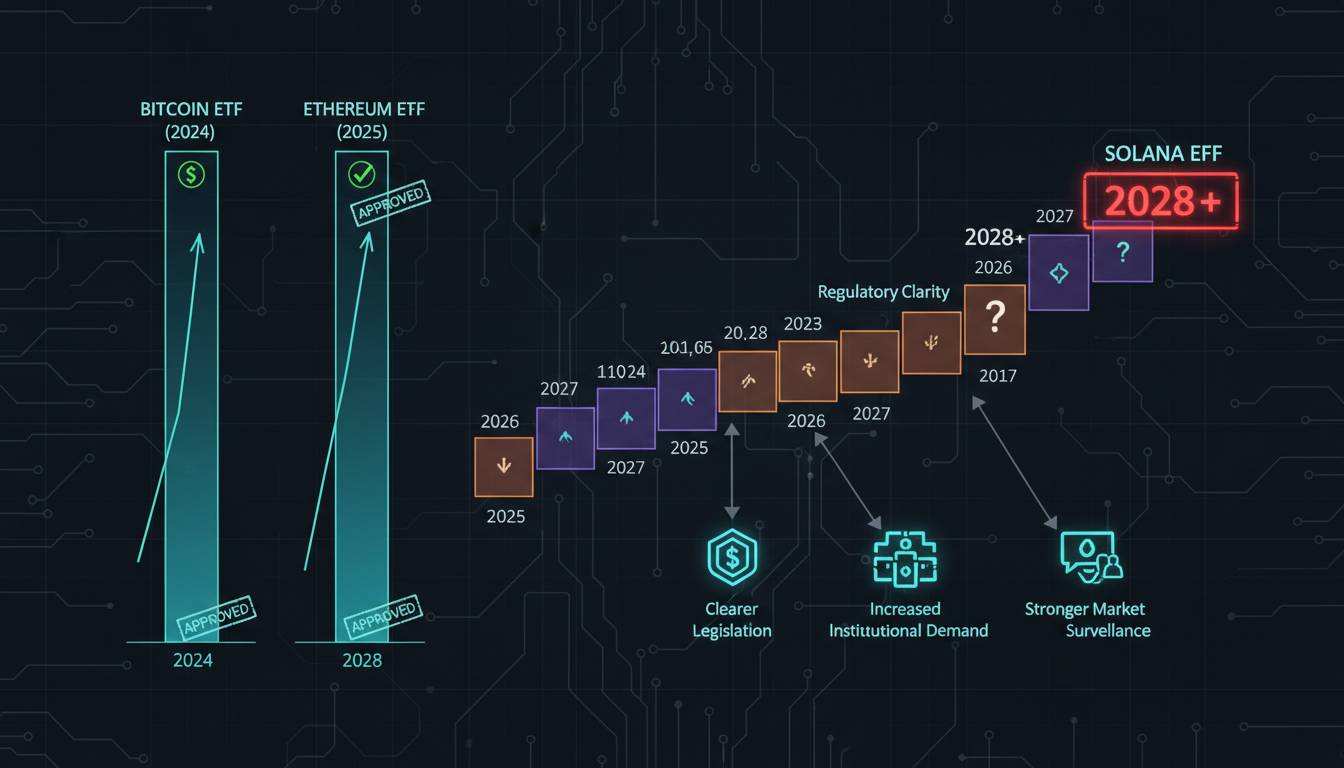
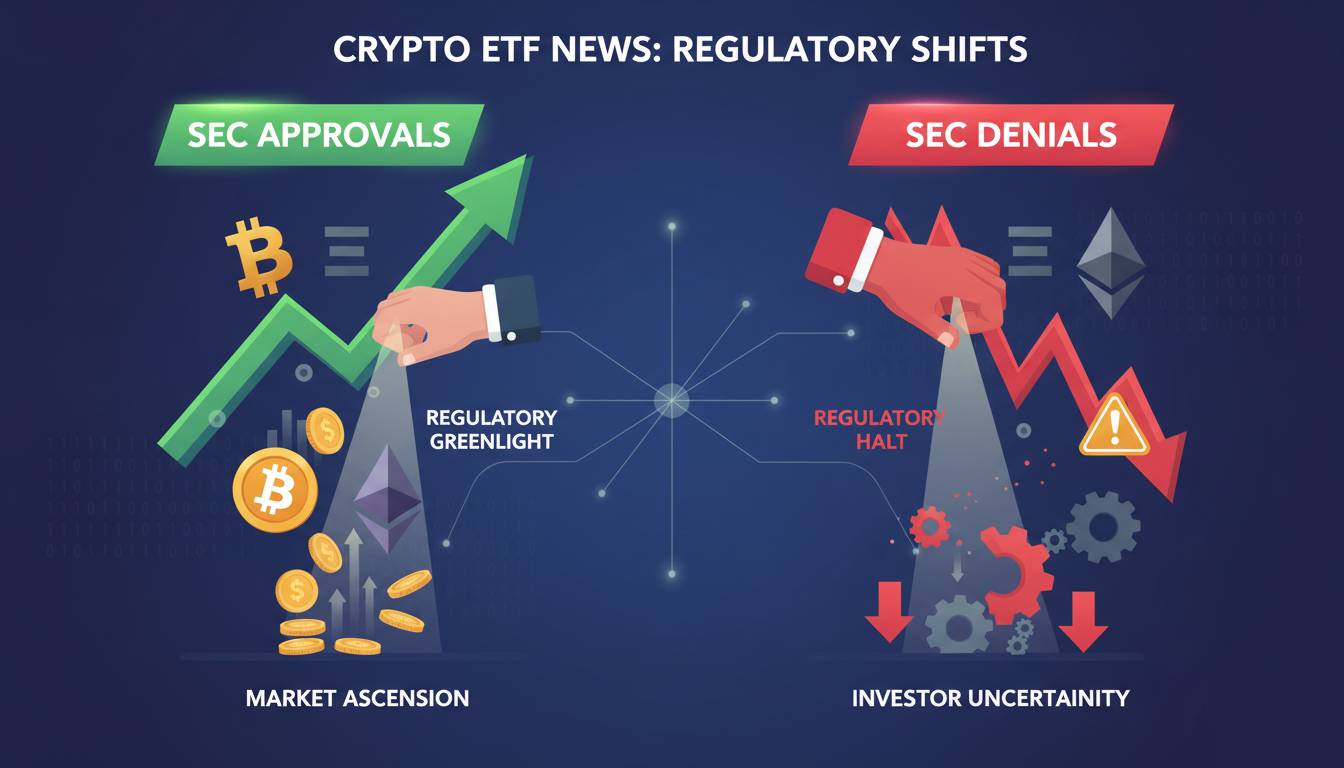
Institutional participation has been growing but remains limited. Custodians like Fidelity and BNY Mellon have expanded their cryptocurrency offerings, but major asset managers have shown preference for Bitcoin and Ethereum exposure. Any move by major institutional players to offer XRP products—whether through ETFs, custody solutions, or corporate treasury allocations—would represent a significant catalyst.
The Realistic Assessment
After examining the numbers and conditions required for each target, the honest answer is that $10 represents the nearest-term possibility, $50 requires years of sustained adoption and favorable conditions, and $100 exists in the realm of speculative fantasy given current market structure.
This assessment isn’t meant to discourage interest in XRP. The cryptocurrency has genuine utility in cross-border payments, and the regulatory clarity from the SEC settlement removes a major overhang. The price appreciation from under $0.30 in late 2020 to above $2 in late 2024 represents real gains driven by concrete developments.
What I’m pushing back against is the tendency to treat cryptocurrency price targets as if they exist in a vacuum, disconnected from market capitalization mathematics and adoption reality. The market has punished many tokens that promised revolution and delivered speculation. XRP has at least built actual infrastructure that financial institutions use. That counts for something. Whether it counts enough to reach $10, let alone $50 or $100, depends on developments that extend well beyond the cryptocurrency itself—developments in global finance, regulatory coordination, and competitive dynamics that no one can predict with confidence.
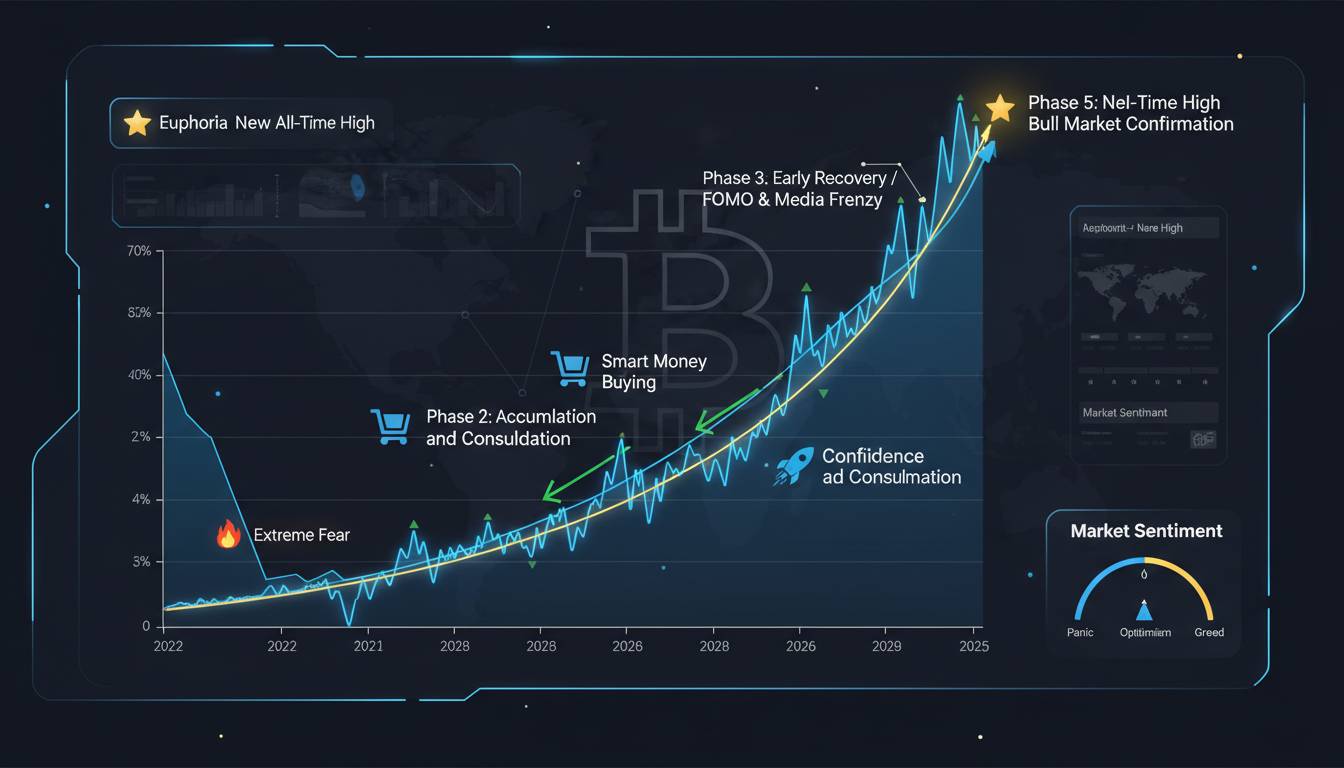
The one thing we can say with reasonable certainty: any significant XRP price appreciation will require the broader cryptocurrency market to grow substantially first. Bitcoin breaking to new all-time highs, Ethereum maintaining its position, and new institutional products creating sustained demand would all need to precede XRP’s own move to higher prices. In that sense, XRP’s price targets are hostage to the same market conditions that drive the entire cryptocurrency ecosystem forward—or hold it back.